A ciência da banda de rodagem: como a profundidade afeta a aderência e a segurança

Por que a banda gasta coloca os motoristas em risco

Os pneus são a única parte do veículo que toca diretamente o solo, e o estado da banda de rodagem é crucial para a segurança e o desempenho. A profundidade determina como o veículo adere, freia e se mantém estável em condições adversas. Na Raymond’s Tire Shop, ajudamos motoristas a entender por que a profundidade importa e quando substituir pneus gastos.


Função da banda de rodagem

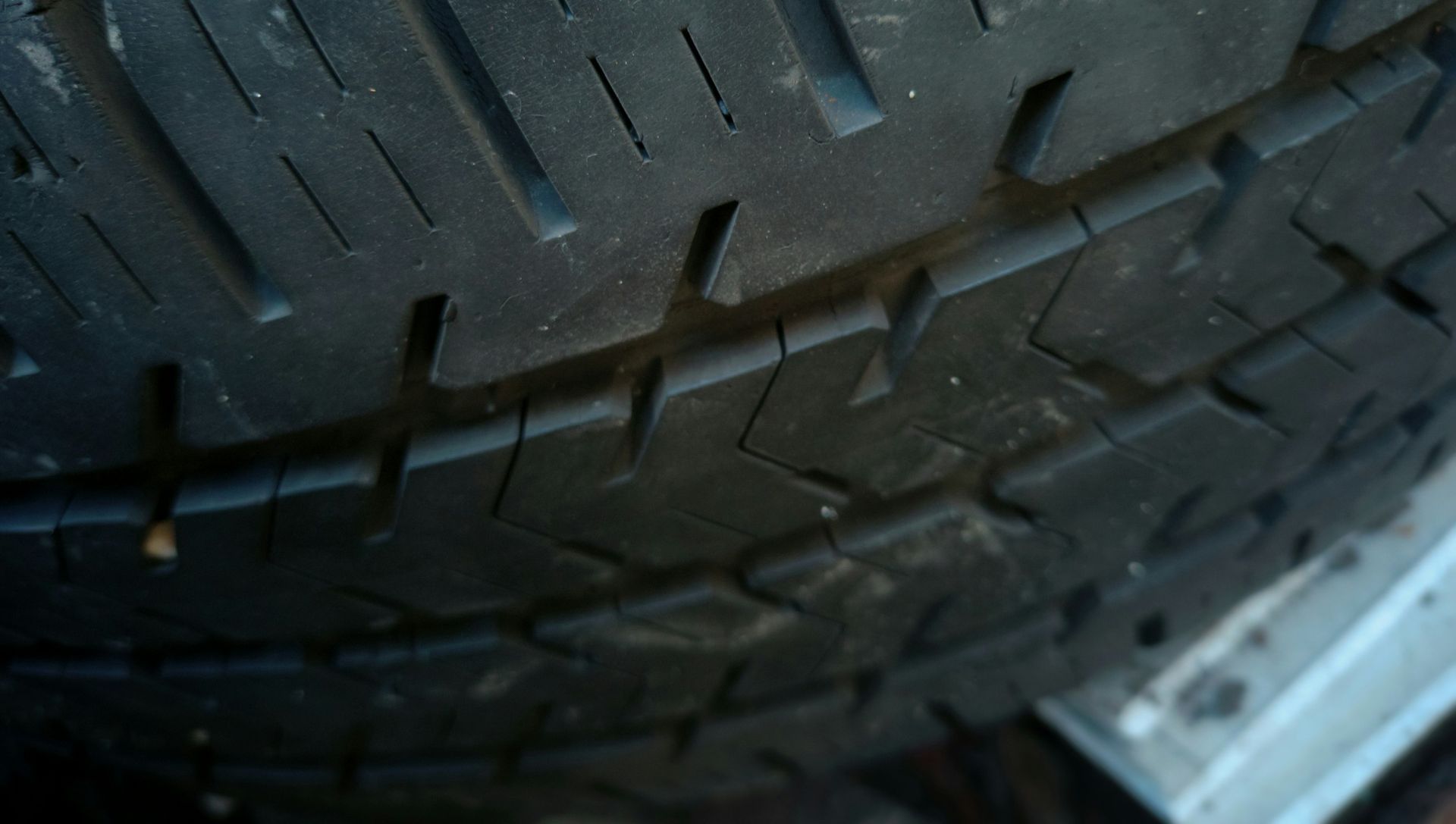
A banda de rodagem é a superfície de borracha com desenhos que entra em contato com a estrada. Suas ranhuras foram projetadas para drenar água, garantir tração no seco e manter aderência em superfícies irregulares. Bandas mais profundas melhoram o desempenho em chuva e neve, enquanto bandas rasas aumentam o risco de derrapagens.


Sem profundidade suficiente, o pneu não mantém contato adequado com o solo. Isso aumenta o risco de aquaplanagem, reduz a potência de frenagem e torna a condução imprevisível.
Close-up of a worn black tire with visible treads.

Como medir a profundidade

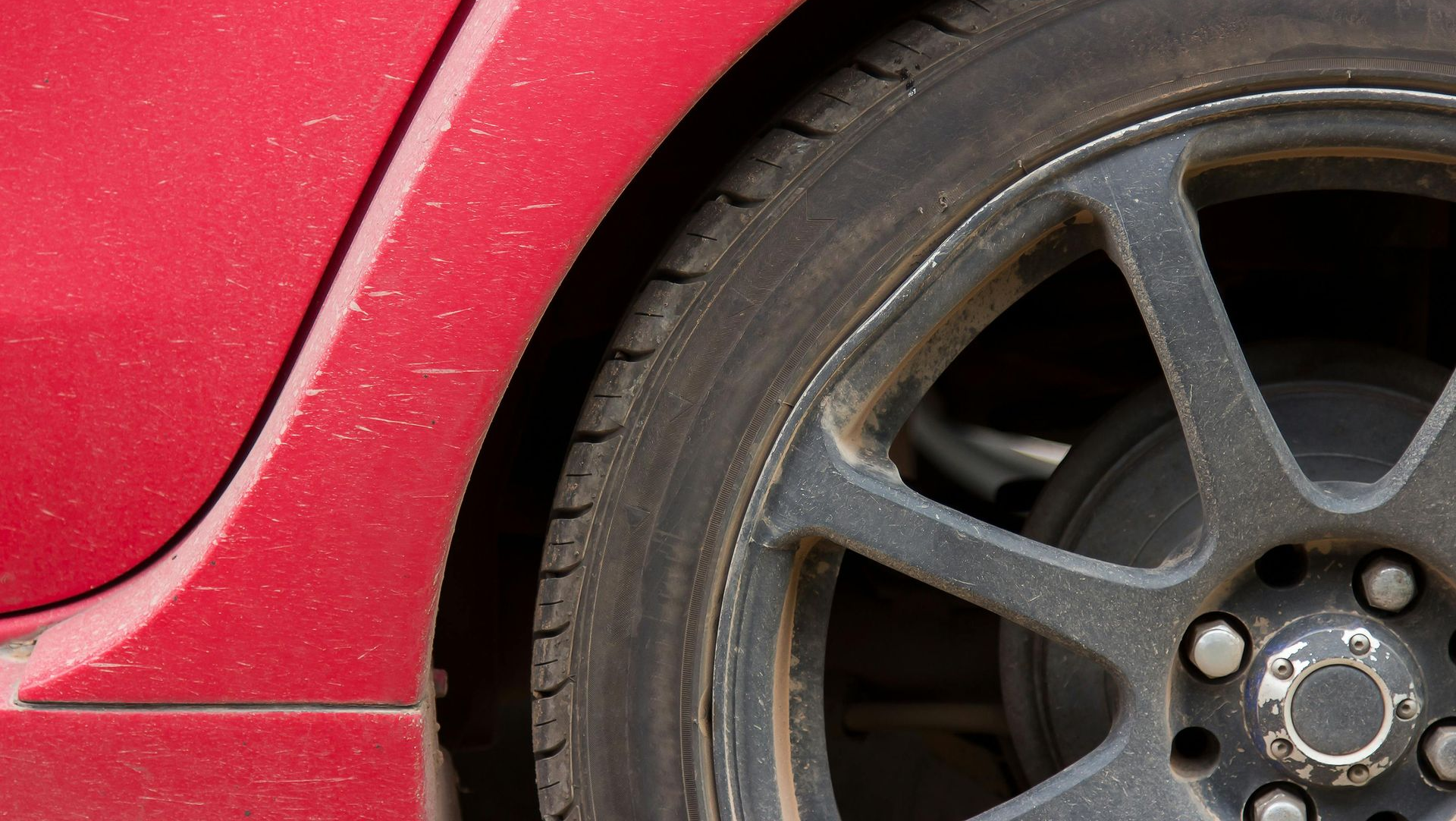
Nos EUA, a profundidade é medida em 32 avos de polegada. Pneus novos geralmente começam com 10/32” a 12/32”. À medida que se desgastam, perdem aderência. O mínimo legal é 2/32”, mas esperar até esse ponto é perigoso. Especialistas recomendam a troca em 4/32”, principalmente para quem dirige em chuva ou neve.


Um método comum é o teste da moeda: insira uma moeda de 1 cent (penny) na ranhura com a cabeça de Lincoln voltada para baixo. Se a parte superior da cabeça aparecer, a profundidade está abaixo de 2/32” e o pneu deve ser trocado imediatamente. O método mais preciso é usar um medidor de profundidade.
Red car's front tire and rim, covered in dirt.

Efeito na aderência

A profundidade influencia diretamente a tração. Em pista molhada, ranhuras mais profundas canalizam a água e reduzem o risco de aquaplanagem. Na neve, permitem que o pneu morda a superfície para maior tração. Com o desgaste, esses benefícios desaparecem, mesmo que o pneu pareça em bom estado.


Distância de frenagem

Pneus gastos levam mais tempo para parar, especialmente em superfícies molhadas ou geladas. A diferença de poucos metros pode evitar ou causar uma colisão. Manter profundidade adequada reduz a distância de frenagem e aumenta a segurança.
Tires stacked on yellow metal shelves, close up.

Eficiência e desgaste

Pneus gastos podem gerar resistência irregular, exigindo mais do motor e aumentando o consumo de combustível. Além disso, desgastam-se mais rápido. Trocar pneus a tempo aumenta a segurança e economiza a longo prazo.


Quando substituir os pneus

Não espere pelo mínimo legal. Troque a 4/32” para equilíbrio entre segurança e desempenho. Condições climáticas também importam: em regiões chuvosas ou nevadas, a troca deve ser antecipada.


Na Raymond’s Tire Shop, oferecemos inspeções detalhadas e recomendações honestas. Nosso objetivo é manter motoristas seguros e confiantes, aproveitando melhor seus pneus.
Black car tire and rim with red brake calipers, set against a grey fender.

Considerações finais

A profundidade da banda não é apenas um número, é um indicador direto de segurança viária. Ignorar o desgaste expõe motoristas e passageiros a riscos desnecessários.


Na Raymond’s Tire Shop, simplificamos as inspeções. Se seus pneus mostram sinais de desgaste, nossa equipe está pronta para avaliar e recomendar as melhores soluções. Com profundidade adequada, cada viagem se torna mais segura e confiável.
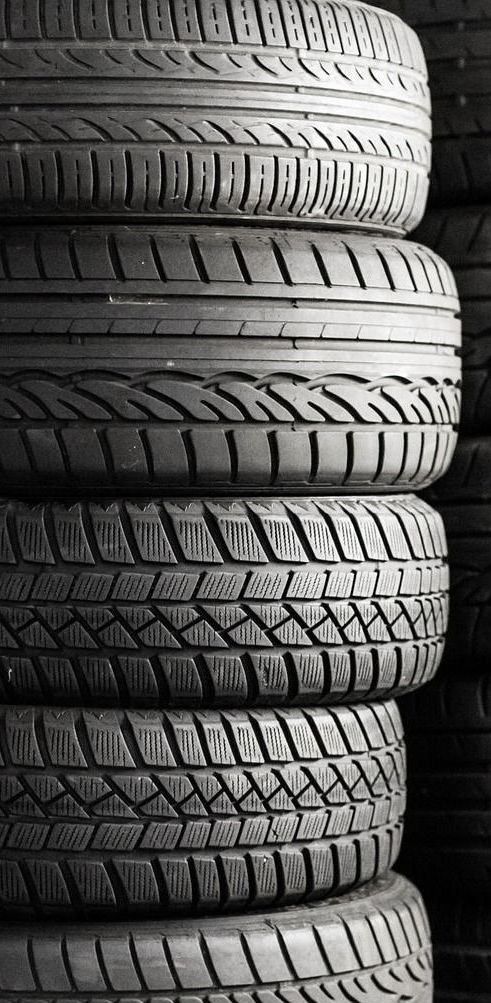
Stack of tires in black and white.
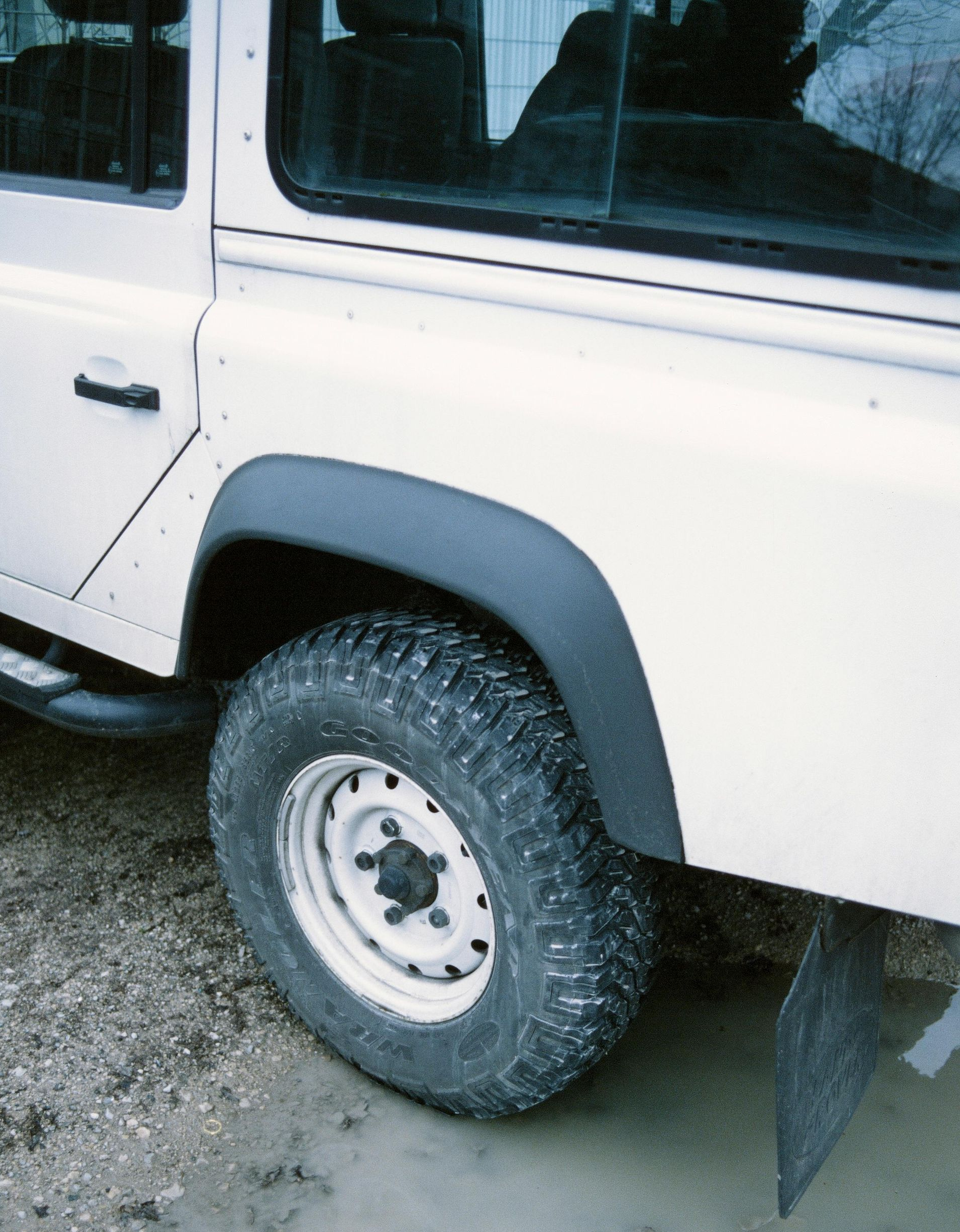
White off-road vehicle's rear wheel in muddy water, black fender flares.
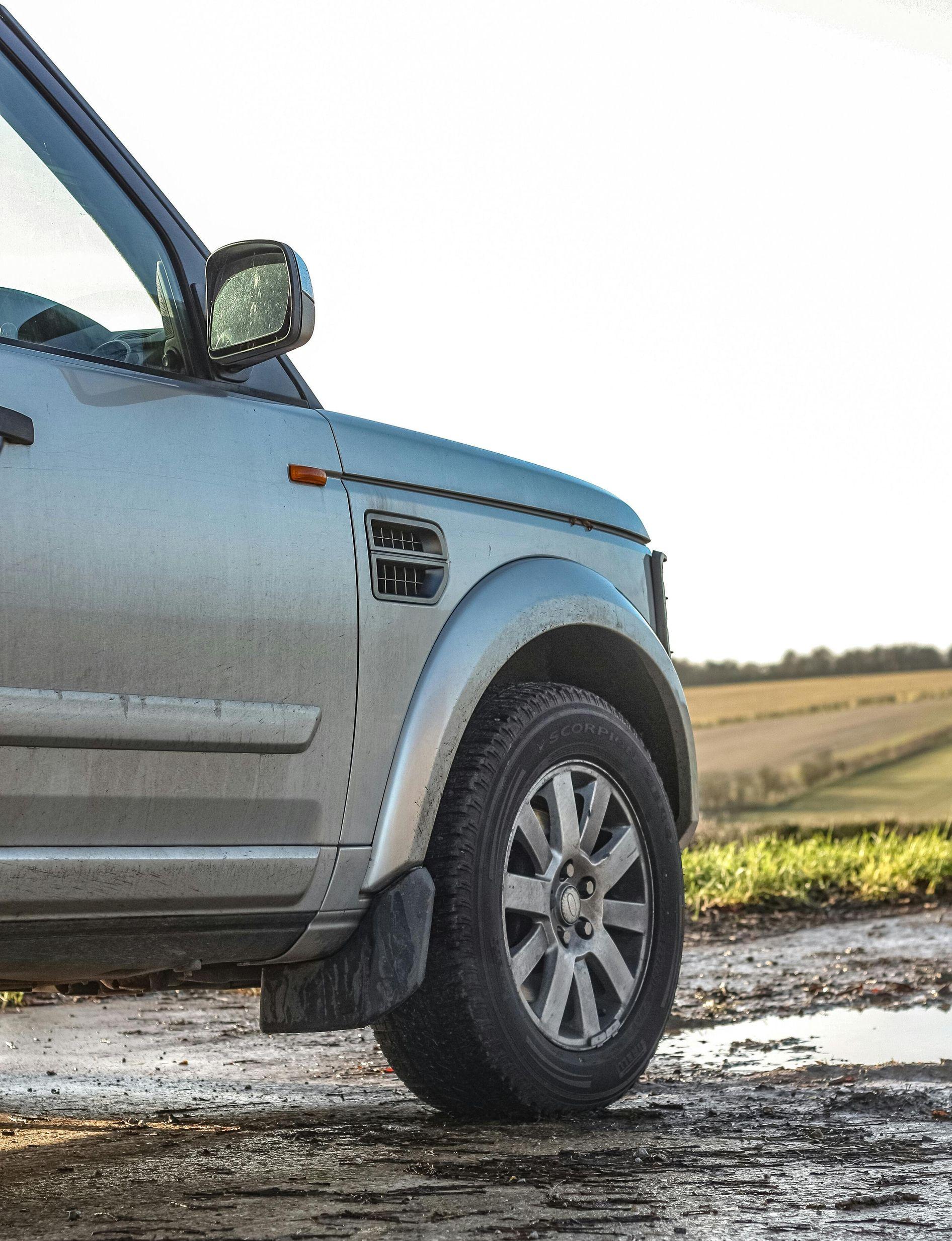
Silver Land Rover SUV on a muddy track, near a field. Partially visible, sunlit.
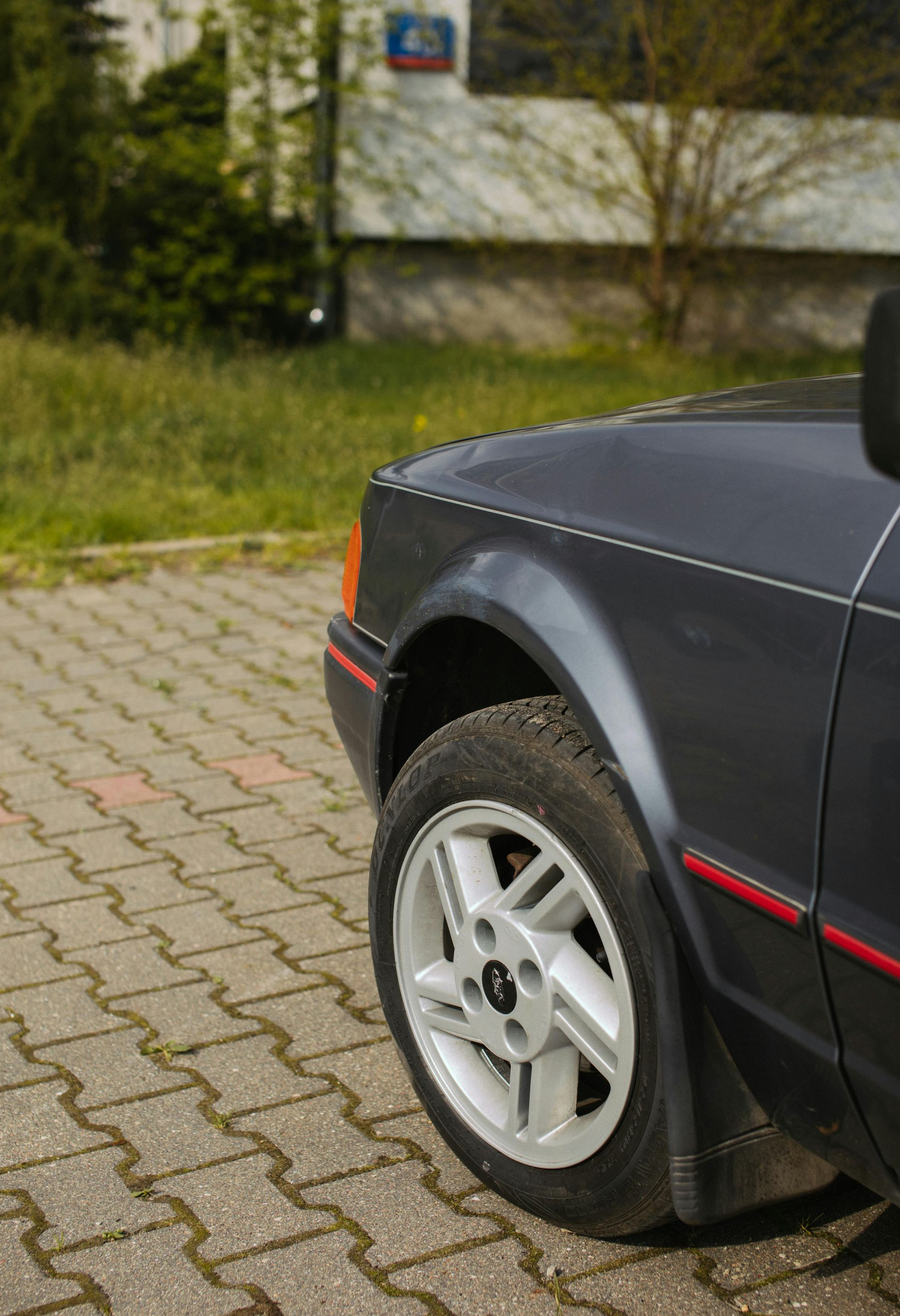
Dark gray Ford car's front quarter panel and wheel. Gray wheels, red trim, on a paved surface.
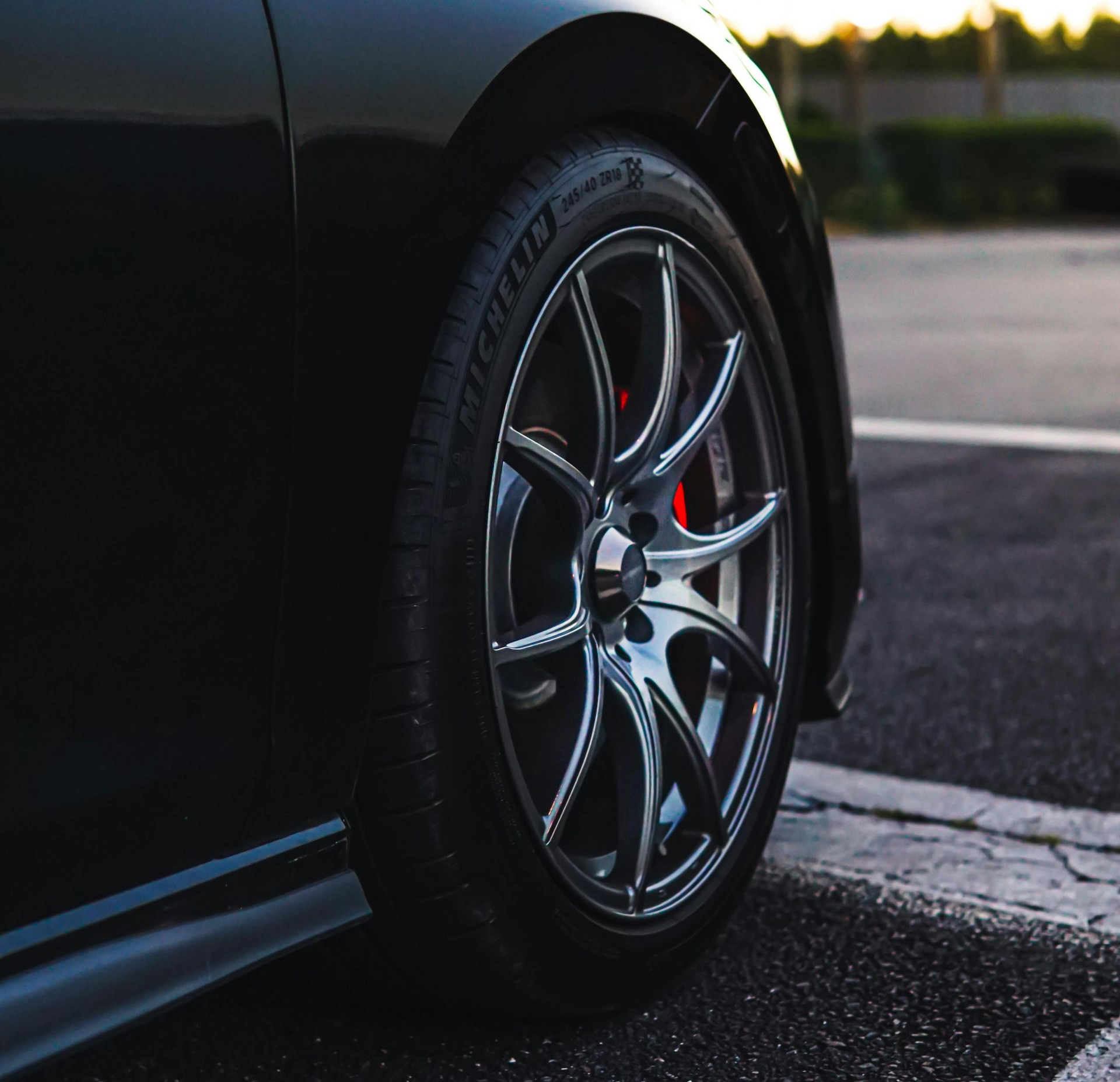
Black VW GTI car with red brake calipers, side view, parked near a building.
September 23, 2026
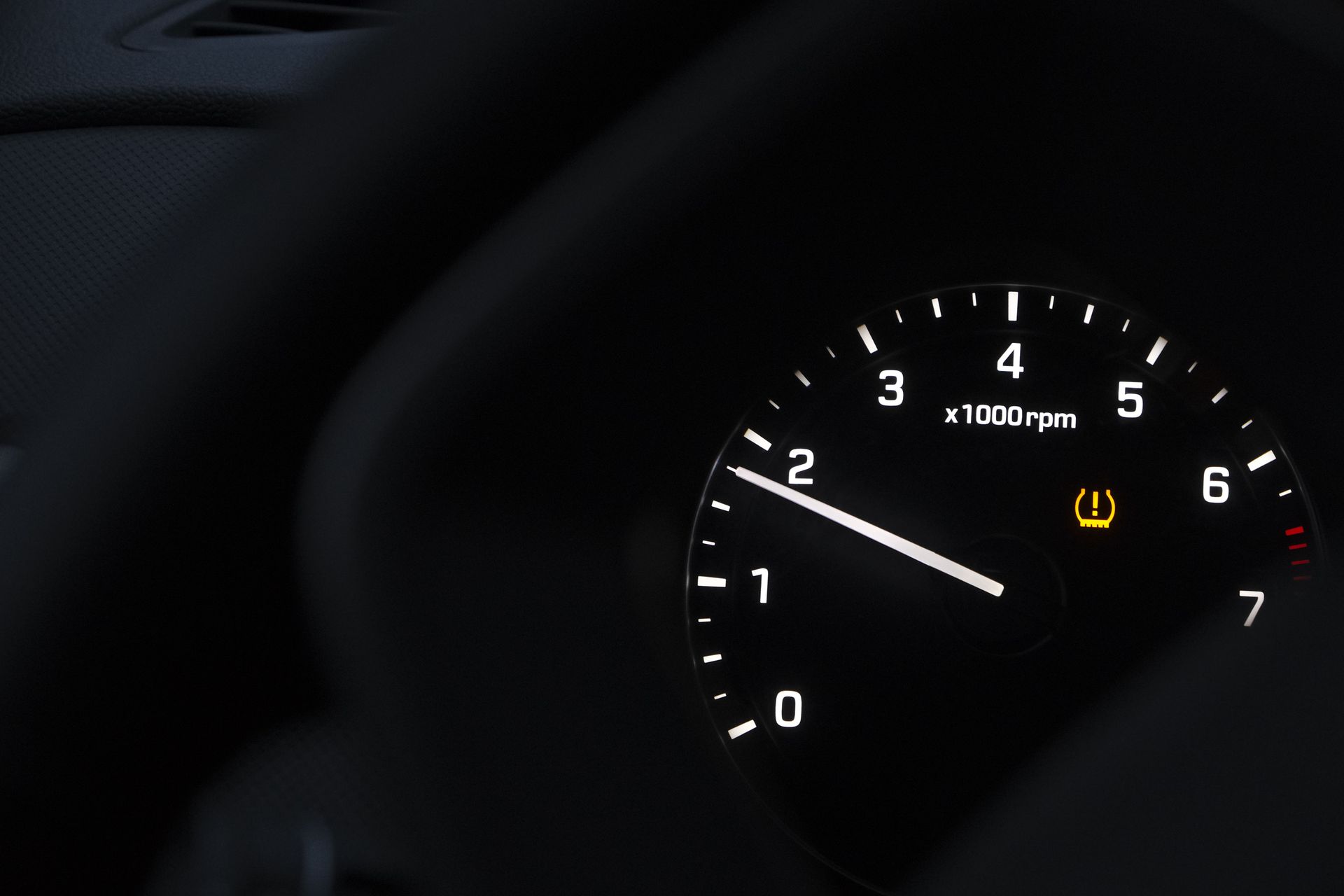
Most drivers are familiar with the tire pressure monitoring system , or TPMS, warning light. When it stays on steadily, it usually means one or more tires may be underinflated. A flashing TPMS light often means something different. Instead of simply warning about low tire pressure, a flashing light can indicate a problem with the monitoring system itself. That could involve a sensor, sensor battery, communication issue, or another TPMS-related fault.  Knowing the difference can help drivers avoid assuming that adding air will automatically solve the problem.
September 22, 2026
Tread depth is one of the first things drivers look at when deciding whether a tire still has life left. Deep grooves can make a tire appear healthy, especially if the vehicle is not driven very often. But tread is only part of the picture. Tires age even when they are not being used heavily. Over time, rubber compounds can harden, dry out, and become less flexible. That means an older tire may still have plenty of tread while no longer performing the way it did when it was newer. Rubber Changes With Age Tires are constantly exposed to oxygen, heat, sunlight, moisture, and changing temperatures. Those conditions gradually affect the rubber. As a tire ages, the material can lose some of its elasticity. That may reduce its ability to flex properly as it rolls and responds to the road. A tire that looks acceptable at a quick glance may therefore be significantly older than its appearance suggests. This is especially important for vehicles that accumulate very few miles each year.
September 11, 2026
A flat tire does not always mean the tire has to be replaced. In many cases, a small puncture can be repaired safely and returned to service. The key is where the puncture occurred, how large it is, and whether the tire suffered additional damage while losing air. That is why a professional inspection matters. Two punctures that lo ok similar from the outside may require completely different solutions once the tire is removed and examined internally. Location Matters Most One of the first things a technician looks at is where the puncture is located. Damage in the central tread area is often the best candidate for repair. This part of the tire is designed to handle contact with the road and can sometimes be repaired when the puncture is small and otherwise straightforward. Punctures near the shoulder or sidewall are much more concerning.  These areas flex significantly while the tire is moving and cannot usually be repaired safely using standard puncture-repair methods. If a nail, screw, or other object damages the sidewall or outer shoulder, replacement is often the safer option.
September 6, 2026
A wheel alignment can correct important steering and tire-angle settings, but the alignment itself depends on the suspension being in good mechanical condition. If ball joints, tie rods, control arm bushings, wheel bearings, or other components are worn, the wheels may not stay in the position the technician sets.  That is why some vehicles continue pulling , wearing tires unevenly, or developing an off-center steering wheel even after an alignment. In those cases, the problem may not be the alignment machine or the adjustment. It may be worn suspension or steering components underneath the vehicle.
August 28, 2026
When a tire repeatedly loses air but there is no obvious nail, screw, or visible puncture, the problem may be where the tire meets the wheel. This area is known as the tire bead, and a poor seal between the bead and the rim can allow air to escape gradually. Tire bead leaks are a common cause of slow pressure loss. Understanding why they happen can help drivers recognize when a tire needs professional inspection rather than repeatedly adding air. What Is the Tire Bead? The bead is the reinforced inner edge of the tire that sits tightly against the wheel rim. When a tire is properly mounted and inflated, air pressure helps hold the bead securely against the wheel, creating an airtight seal. If that sealing surface becomes damaged, dirty, corroded, or distorted, a small pathway can develop for air to escape.  Because these leaks may be very small, the tire can lose pressure over several days or weeks rather than going flat immediately.
August 23, 2026
A pothole impact can feel like a quick jolt, but the forces involved can affect several parts of the tire and wheel assembly. The faster the vehicle is moving, the less time the tire has to absorb the impact. In some cases, the damage is immediately obvious. In others, problems may not become noticeable until later. Raymond’s Tire Shop helps drivers inspect tires, wheels, balancing, and alignment after hard road impacts. Understanding what can happen during a pothole strike can make it easier to recognize when a tire needs professional attention. The Tire Is Compressed Extremely Quickly When a tire drops into a pothole and strikes the far edge, the sidewall and tread can be compressed between the road and the wheel. Tires are designed to flex, but a severe impact can exceed what the internal structure can safely absorb.  The risk can be greater when tire pressure is too low because there is less air cushioning between the road surface and the wheel. However, even a properly inflated tire can be damaged by a deep pothole at sufficient speed.