Cómo los cambios de temperatura afectan la presión y el rendimiento de los neumáticos
En Raymond’s Tire Shop, sabemos lo impredecible que puede ser el clima de Nueva Inglaterra. Las temperaturas pueden pasar de tardes cálidas a mañanas heladas en un solo día, especialmente durante los cambios de estación. Aunque estas variaciones puedan parecer insignificantes, pueden tener un impacto directo en la presión de los neumáticos y, a su vez, en el rendimiento y la seguridad de su vehículo. Comprender cómo la temperatura afecta sus neumáticos puede ayudarle a adelantarse a posibles problemas y mantener su coche funcionando sin problemas durante todo el año.
Por qué la temperatura afecta la presión de los neumáticos
Los neumáticos están llenos de aire, y el aire se expande cuando está caliente y se contrae cuando está frío. Esto significa que, a medida que baja la temperatura, el aire dentro de los neumáticos ocupa menos espacio, lo que reduce la presión. De hecho, la presión puede disminuir aproximadamente una libra por pulgada cuadrada (PSI) por cada descenso de 10 grados Fahrenheit. Por el contrario, cuando suben las temperaturas, el aire se expande y la presión aumenta.
Estas fluctuaciones ocurren de forma natural, pero si no se controlan, pueden provocar que los neumáticos estén demasiado desinflados o demasiado inflados, y ambas condiciones pueden afectar su experiencia de conducción y su seguridad.

Los riesgos del desinflado
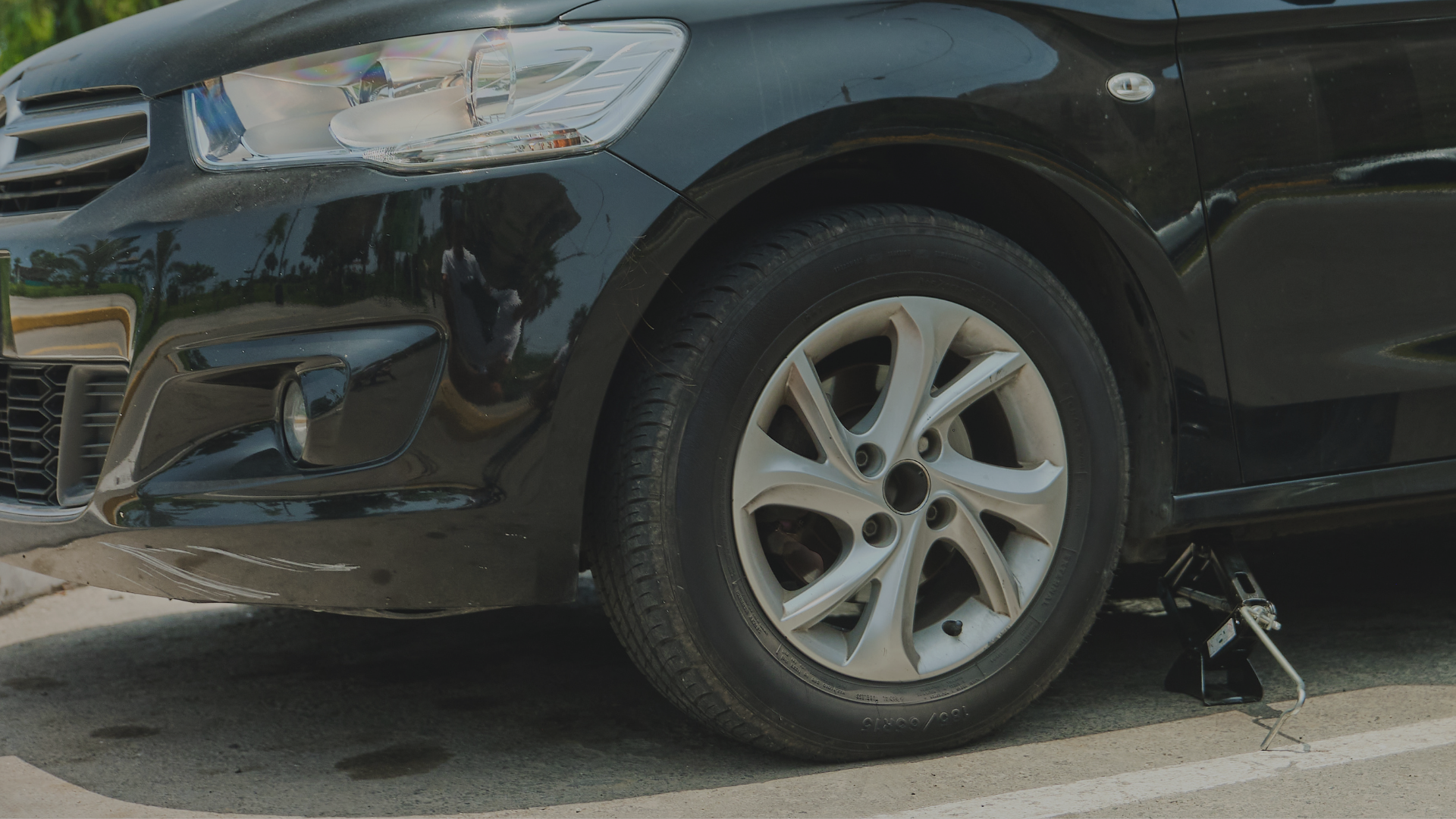
Los neumáticos con baja presión tienen más contacto con la superficie de la carretera, lo que aumenta la resistencia al rodamiento. Esto hace que el vehículo trabaje más para moverse, reduciendo la eficiencia del combustible. También provoca que los neumáticos se flexionen más de lo debido, lo que ocasiona desgaste irregular, menor rendimiento en la maniobrabilidad y un mayor riesgo de sobrecalentamiento en viajes largos.
En casos extremos, conducir con neumáticos significativamente desinflados puede provocar un reventón, especialmente a velocidades altas. Durante los meses fríos, cuando el desinflado es más común, recomendamos revisar la presión con mayor frecuencia para asegurarse de que se mantenga dentro del rango recomendado por el fabricante.
Los riesgos del sobreinflado
El sobreinflado puede producirse cuando el clima cálido eleva la presión por encima de lo recomendado. Aunque es menos común en las estaciones frías, puede suceder rápidamente durante olas de calor en verano o tras un aumento repentino de la temperatura.
Cuando un neumático está sobreinflado, menos parte de la banda de rodadura hace contacto con la carretera. Esto reduce la tracción, aumenta las distancias de frenado y puede hacer que el centro de la banda de rodadura se desgaste más rápido que los bordes. Además, los neumáticos sobreinflados son más vulnerables a daños causados por baches y escombros.
Cómo los cambios estacionales afectan el rendimiento
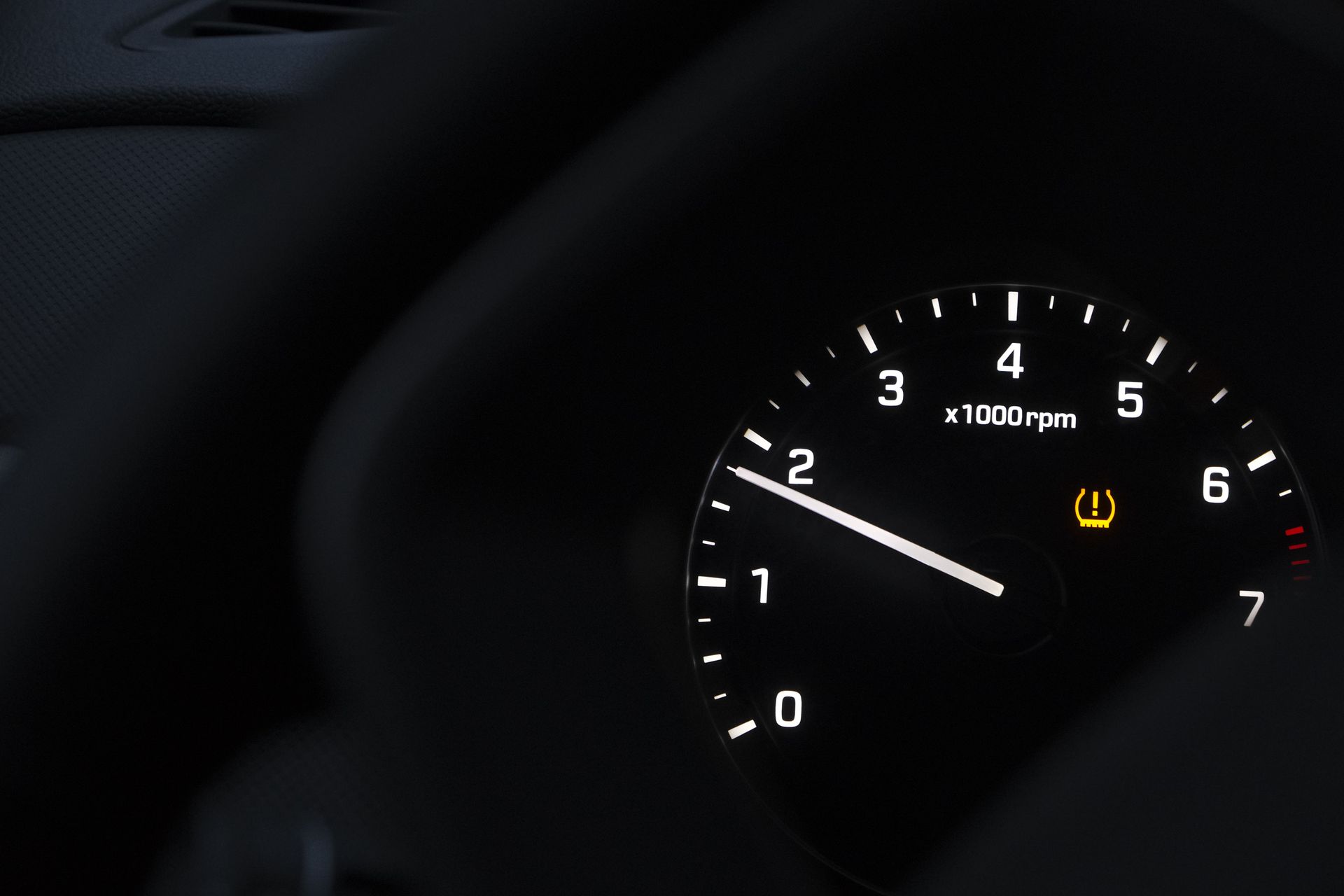
En Nueva Inglaterra, las variaciones estacionales de temperatura pueden suponer un reto constante para mantener la presión óptima de los neumáticos. En otoño e invierno, es posible que la luz de advertencia de presión se encienda con más frecuencia debido a las mañanas frías. En primavera y verano, puede que la presión sea más alta de lo normal si se ajustó por última vez en un clima más fresco.
Estos cambios pueden afectar:
- Maniobrabilidad y estabilidad – Los neumáticos con la presión correcta ofrecen un mejor control, especialmente al girar o frenar bruscamente.
- Eficiencia de combustible – Una presión incorrecta puede reducir el rendimiento por galón, aumentando el gasto de combustible.
- Vida útil de los neumáticos – Una presión incorrecta o inestable acelera el desgaste irregular, reduciendo la durabilidad de los neumáticos.
Cómo adelantarse a los cambios de presión
La mejor manera de proteger sus neumáticos y mantener un rendimiento constante es revisar la presión con regularidad, al menos una vez al mes y con mayor frecuencia durante las transiciones estacionales. Siempre verifique la presión cuando los neumáticos estén fríos, es decir, cuando el coche haya estado estacionado durante varias horas y no haya recorrido más de una milla.
Recomendamos seguir las especificaciones de presión indicadas en el manual del propietario o en la etiqueta ubicada en el interior de la puerta del lado del conductor. No confíe únicamente en el PSI máximo indicado en el costado del neumático, ya que ese número representa el límite máximo de seguridad y no la presión óptima para el uso diario.
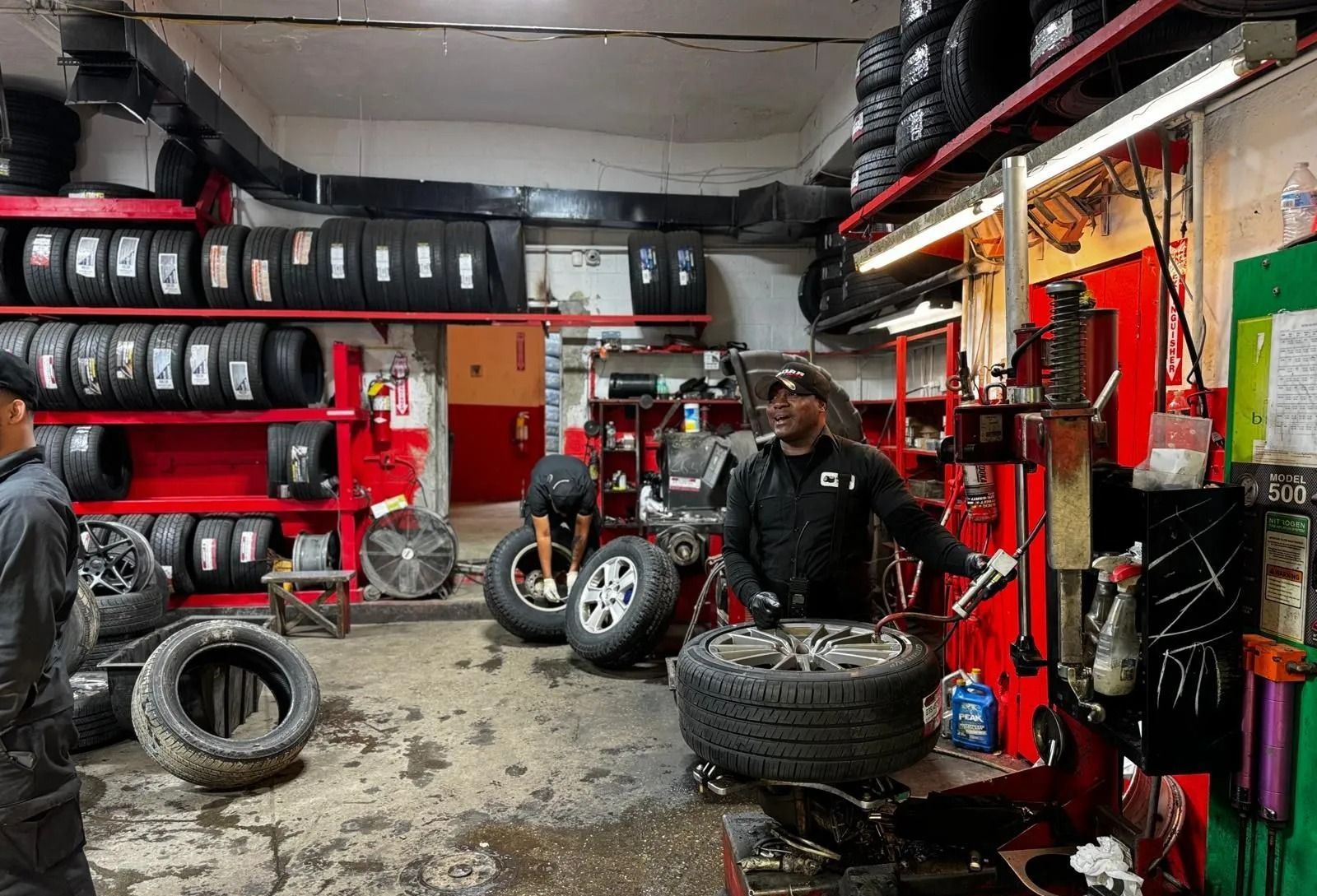
Si no sabe cómo revisar o ajustar la presión, nuestro equipo estará encantado de ayudarle. Podemos medir, ajustar y asesorar sobre el mejor plan de mantenimiento según sus hábitos de conducción y la temporada.

Nuestro compromiso con su seguridad
En Raymond’s Tire Shop, creemos que algo tan simple como mantener la presión adecuada de los neumáticos puede marcar una gran diferencia en la seguridad, el rendimiento y el ahorro. Los cambios de temperatura siempre afectarán sus neumáticos, pero con revisiones periódicas y ajustes oportunos, puede mantener el buen manejo de su vehículo y prolongar la vida de sus neumáticos.
Si ha notado que la luz de advertencia de presión se enciende con más frecuencia o quiere asegurarse de que sus neumáticos estén listos para la próxima temporada, visítenos hoy mismo. Nos aseguraremos de que sus neumáticos estén en las mejores condiciones para afrontar cualquier clima que la Nueva Inglaterra le presente.