Cómo los neumáticos desgastados afectan la distancia de frenado y el manejo en situaciones de emergencia
La conexión crítica entre el desgaste de los neumáticos y la seguridad vial
La conducción segura depende de varios factores, pero pocos son tan importantes como el estado de los neumáticos. Incluso con un motor potente, un sistema de frenos avanzado y características modernas de seguridad, un vehículo no puede funcionar correctamente si los neumáticos están desgastados. En Raymond’s Tire Shop, ayudamos a los conductores a entender cómo el desgaste de los neumáticos afecta la distancia de frenado, la tracción y la maniobrabilidad en emergencias, porque estos elementos son esenciales para evitar colisiones y mantener el control en la carretera.
Por qué la profundidad del dibujo es importante
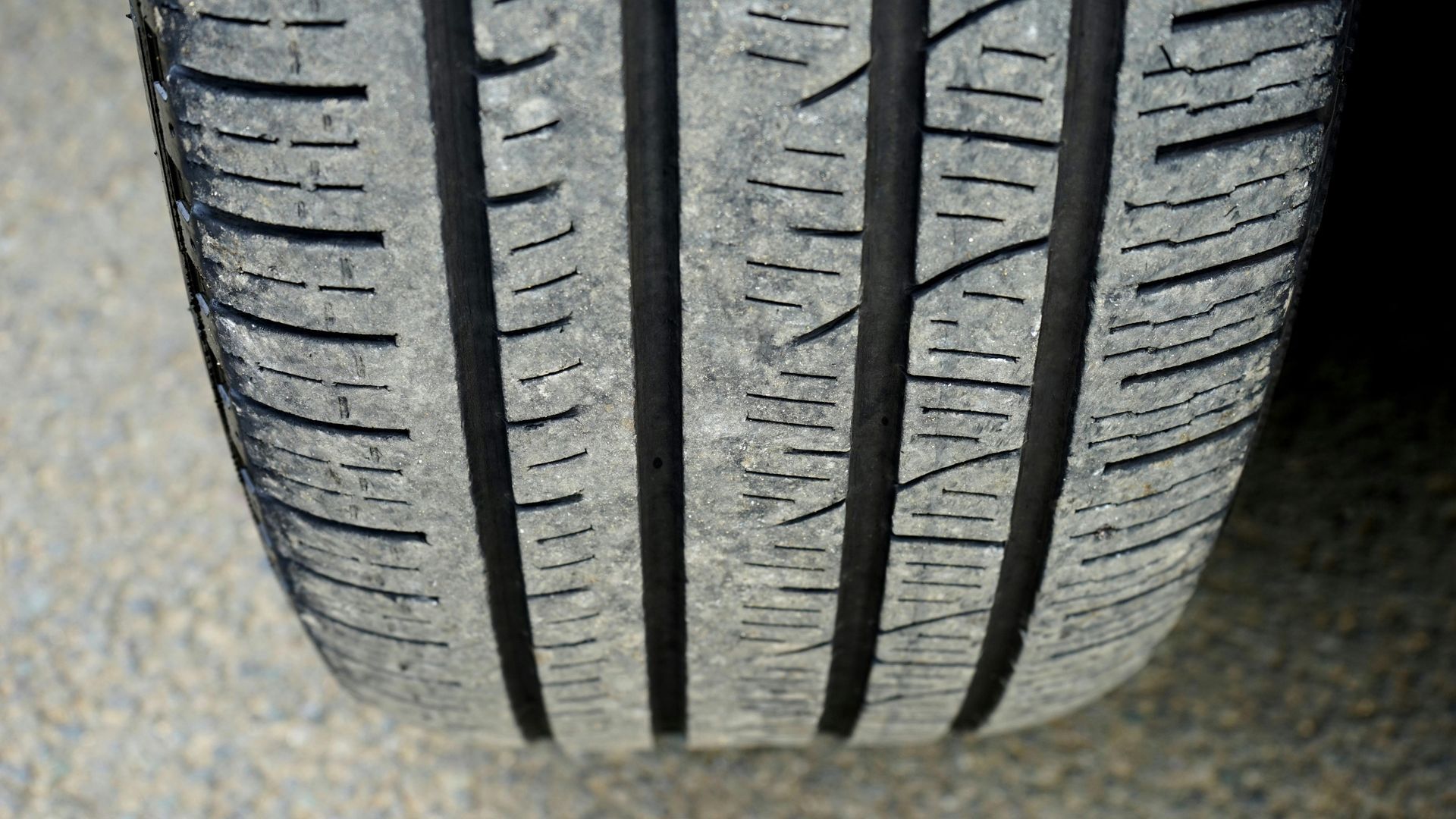
La profundidad del dibujo desempeña un papel esencial en la forma en que un neumático se adhiere al camino. A medida que el dibujo se desgasta, las ranuras que dispersan el agua, proporcionan tracción y mantienen la estabilidad comienzan a desaparecer. Aunque los neumáticos desgastados parezcan funcionales, su rendimiento disminuye significativamente, especialmente durante paradas repentinas o maniobras de emergencia.
Las investigaciones de la industria, incluidos estudios respaldados por AAA y el Centro de Investigación Automotriz del Automobile Club of Southern California, han demostrado que los neumáticos desgastados requieren distancias notablemente más largas para detenerse por completo. La reducción de la profundidad del dibujo limita la capacidad del neumático para adherirse al pavimento, lo que aumenta el tiempo y la distancia necesarios para desacelerar el vehículo de manera segura.

Aumento de la distancia de frenado en condiciones reales
La distancia de frenado se ve afectada por la velocidad, la superficie de la carretera, el sistema de frenos y el estado de los neumáticos. Cuando los neumáticos están desgastados, el caucho no crea el mismo nivel de fricción, lo que provoca distancias de frenado más largas incluso en condiciones ideales. En pavimento mojado o resbaladizo, la diferencia se vuelve aún más notable.
Por ejemplo, los neumáticos que están cerca de la profundidad mínima legal del dibujo pueden necesitar varias longitudes de automóvil más para detenerse en comparación con neumáticos en buen estado. Esta diferencia puede determinar si un conductor evita un obstáculo o termina involucrado en una colisión. Incluso un pequeño aumento en la distancia de frenado puede ser crucial cuando las carreteras están congestionadas o cuando un conductor necesita reaccionar rápidamente.
Tracción reducida durante maniobras repentinas
El manejo en emergencias implica mucho más que frenar. Los conductores dependen de la tracción al esquivar, girar bruscamente o evitar peligros inesperados. Los neumáticos desgastados pierden su capacidad de adherirse al camino en esos momentos, lo que puede causar derrapes o pérdida de control.
Cuando la profundidad del dibujo es baja, el neumático no puede canalizar el agua o los residuos de manera eficiente. El hidroplaneo se vuelve más probable en carreteras mojadas, especialmente a velocidades más altas. En carreteras secas, los neumáticos desgastados pueden deslizarse durante giros cerrados o cambios bruscos de carril. Estas situaciones representan serios riesgos de seguridad, especialmente para los conductores que viajan en tráfico pesado o en áreas con clima impredecible.

Cómo los neumáticos desgastados afectan la estabilidad del vehículo
Los vehículos modernos utilizan sistemas avanzados para ayudar a mantener el control, como los frenos antibloqueo y el control de tracción. Estos sistemas dependen de neumáticos en buen estado para funcionar eficazmente. Cuando los neumáticos están desgastados, estos sistemas de seguridad no pueden compensar la falta de agarre o estabilidad.
Los neumáticos desgastados también pueden causar vibraciones, un manejo irregular y una respuesta reducida. Los conductores pueden sentir que el volante se desvía, tiembla o responde lentamente, señales de que el contacto con la carretera está comprometido. Estos problemas suelen empeorar con el tiempo y pueden contribuir al desgaste adicional de los componentes de la suspensión y la dirección.
El papel de las inspecciones regulares
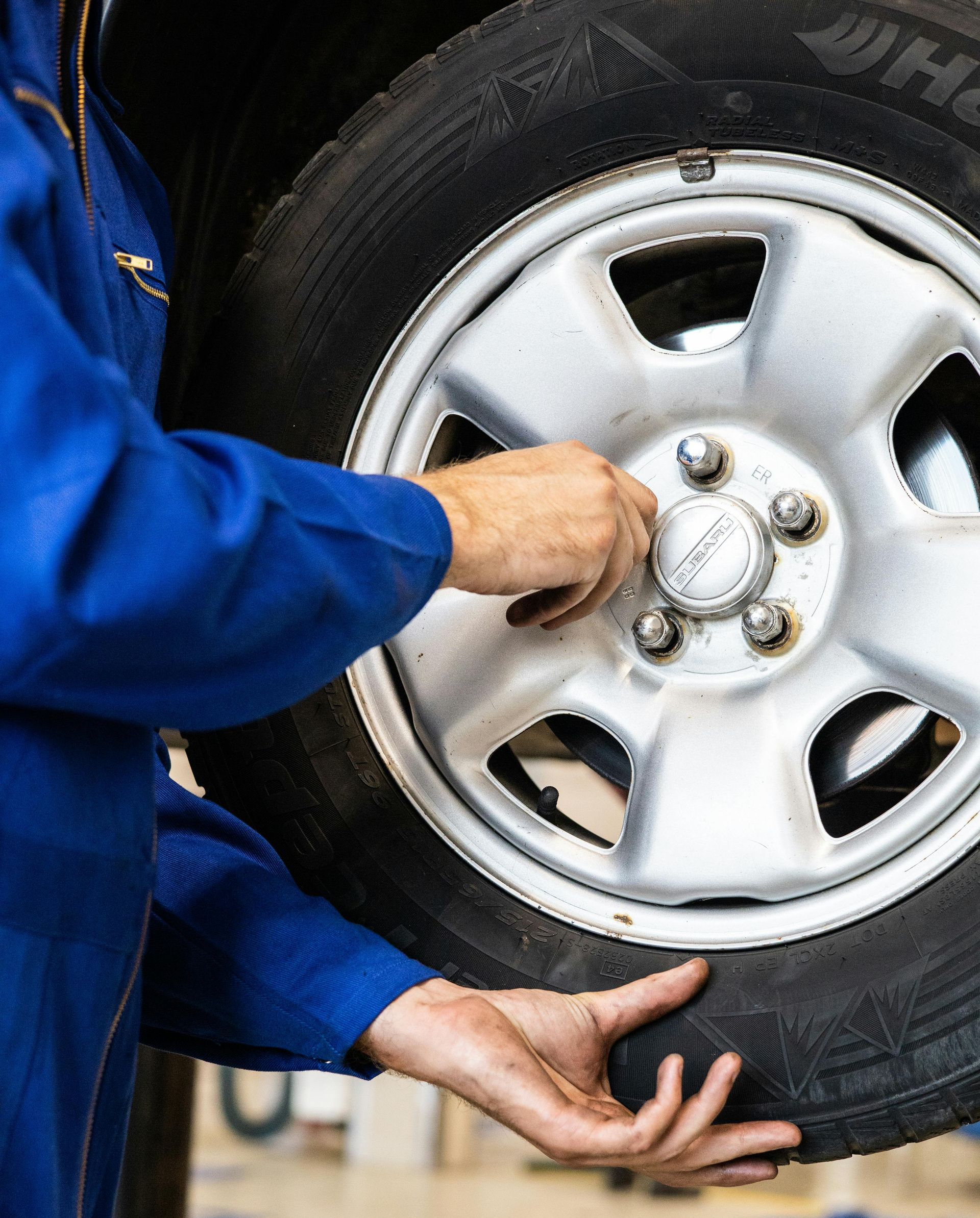
Como el desgaste de los neumáticos ocurre gradualmente, muchos conductores no notan un problema hasta que el rendimiento comienza a disminuir. Las inspecciones regulares ayudan a identificar los problemas a tiempo y aseguran que la profundidad del dibujo se mantenga dentro de un rango seguro. En Raymond’s Tire Shop, medimos la profundidad del dibujo, examinamos los patrones de desgaste y evaluamos el estado general de los neumáticos. Un desgaste irregular puede indicar problemas de alineación o presión que requieren corrección.
Reemplazar los neumáticos antes de que alcancen niveles peligrosos es una de las formas más simples y efectivas de mantener la potencia de frenado y la capacidad de maniobra en emergencias. Nuestro equipo ayuda a los conductores a elegir los neumáticos adecuados según los hábitos de conducción, las condiciones climáticas y las especificaciones del vehículo.
Avanzando con neumáticos más seguros
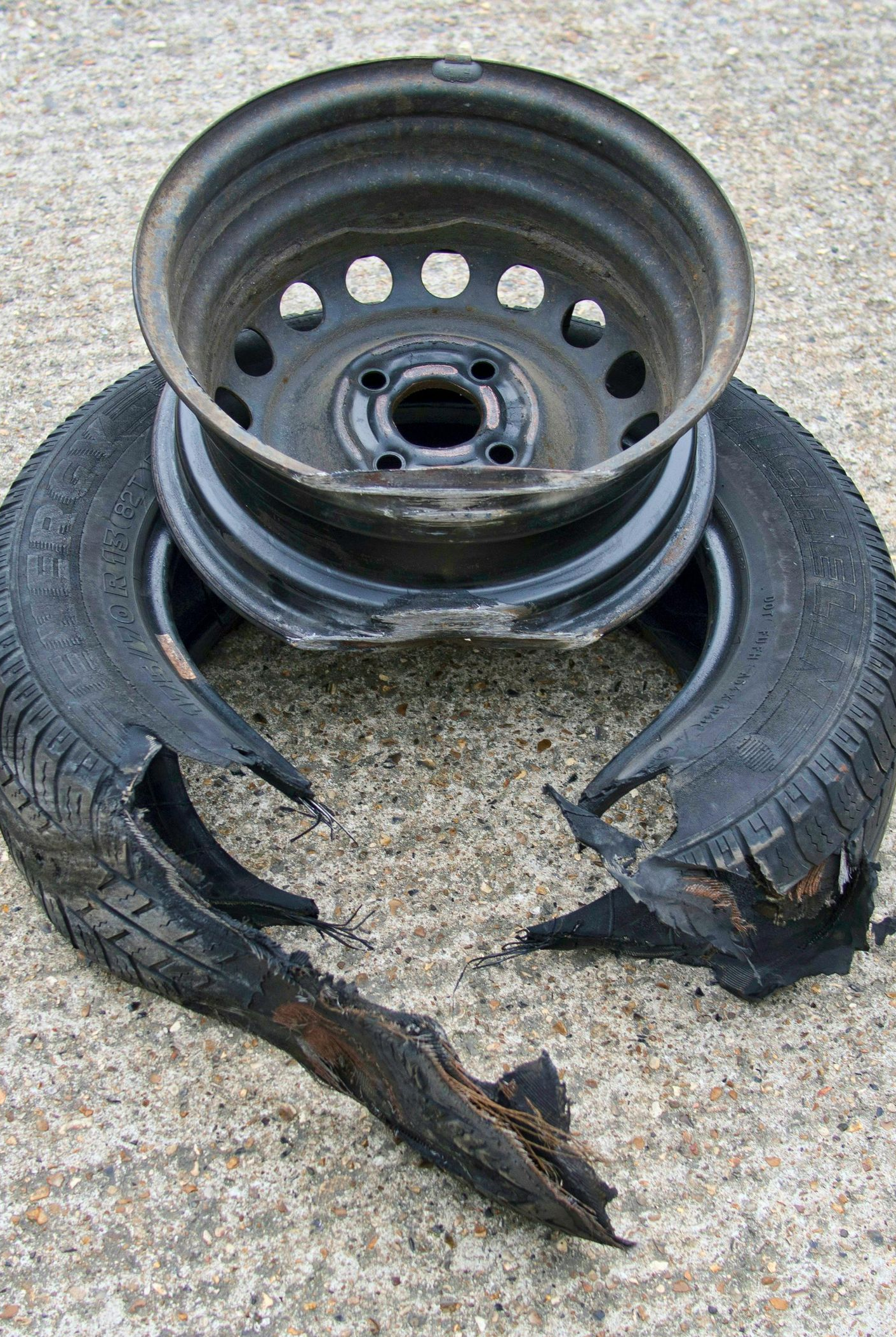
Los neumáticos desgastados comprometen mucho más que la apariencia del vehículo. Reducen la potencia de frenado, debilitan la tracción y limitan la capacidad del conductor para responder en situaciones inesperadas. Invertir en neumáticos seguros y confiables protege tanto el vehículo como a todos los ocupantes.
En Raymond’s Tire Shop, estamos comprometidos a ayudar a los conductores a mantenerse seguros mediante el mantenimiento adecuado de los neumáticos y orientación profesional. Si no está seguro del estado de sus neumáticos, lo invitamos a visitarnos para una inspección completa. Juntos podemos asegurarnos de que sus neumáticos estén listos para el camino y que su vehículo funcione de manera segura en cualquier situación de conducción.