Conducción en ciudad vs. carretera: cómo afecta a tus llantas

Tus llantas lo saben

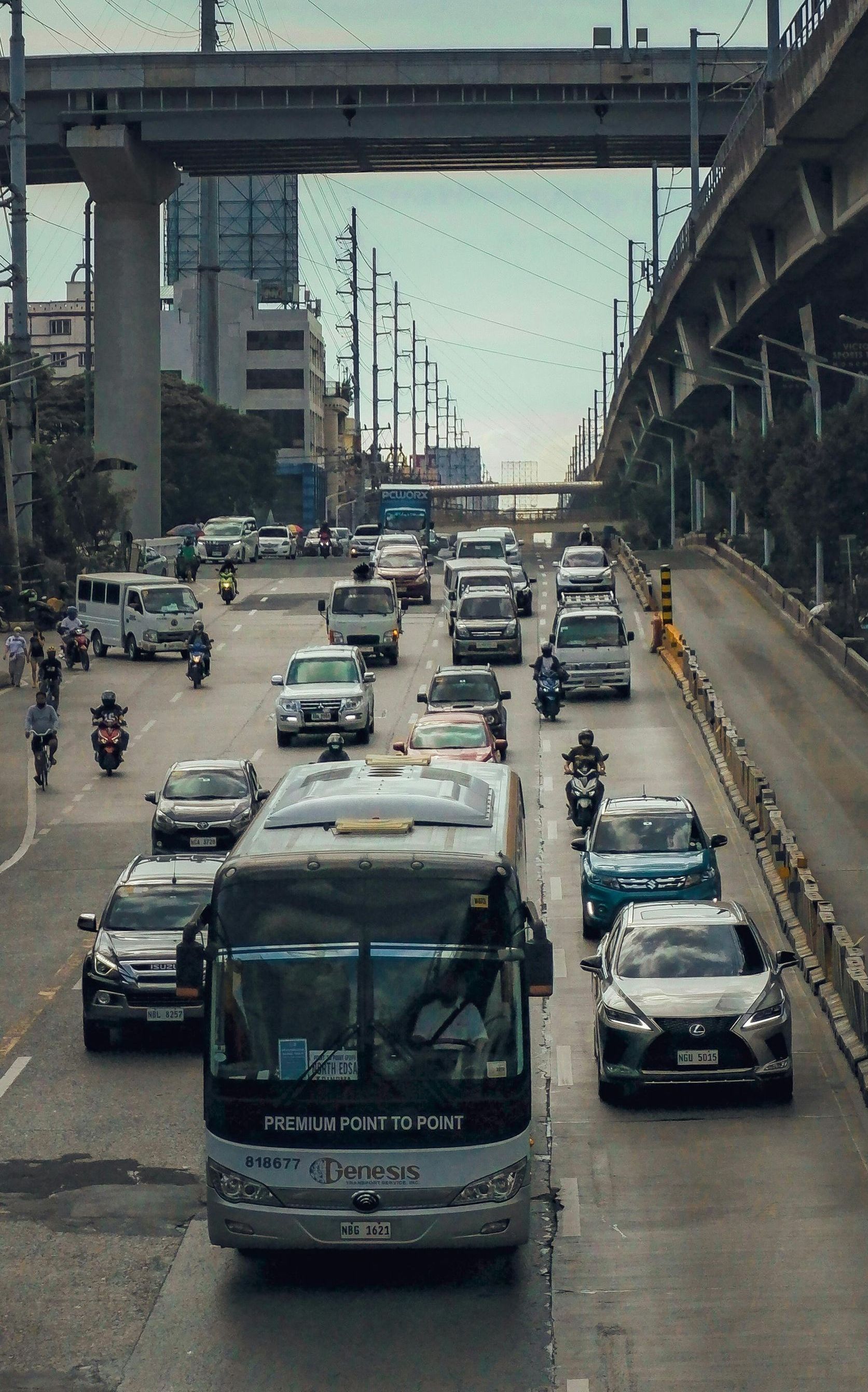
Las llantas sufren mucho—eso es un hecho. Pero el tipo de conducción que haces cada día influye enormemente en qué tan rápido se desgastan. Aquí en Boston, donde las curvas cerradas, los baches, los roces con la acera y el tráfico constante son parte de la rutina diaria, la conducción urbana desgasta las llantas de manera muy diferente a la conducción en carretera.


En Raymond’s Tire Shop en Dorchester, llevamos más de treinta años trabajando con llantas, y vemos esta diferencia todos los días. Ya sea que estés manejando por Blue Hill Ave o tomando la autopista hacia Worcester, entender cómo tus hábitos de manejo afectan tus llantas te ayuda a estar más seguro y a gastar con más inteligencia.

A black dodge challenger is driving down a highway.

Conducción urbana: distancia corta, gran impacto

Conducir en la ciudad puede parecer menos intenso—después de todo, no alcanzas grandes velocidades—pero en realidad puede ser más duro para tus llantas por varias razones clave:


1. Paradas y arranques frecuentes
El tráfico en Boston es un ejemplo perfecto de movimiento constante de detenerse y avanzar. Cada vez que frenas o aceleras, generas fricción que desgasta la banda de rodadura. Multiplica eso por docenas de semáforos y tráfico denso, y el desgaste se acumula rápidamente.


2. Giros cerrados y contacto con el bordillo de la acera
Las calles angostas y el estacionamiento apretado exigen maniobras agresivas, giros de tres puntos y a veces rozar con el bordillo de la acera. Este tipo de desgaste suele reflejarse como pérdida de la banda de rodadura desigual o daños en los costados, algo muy común en entornos urbanos.
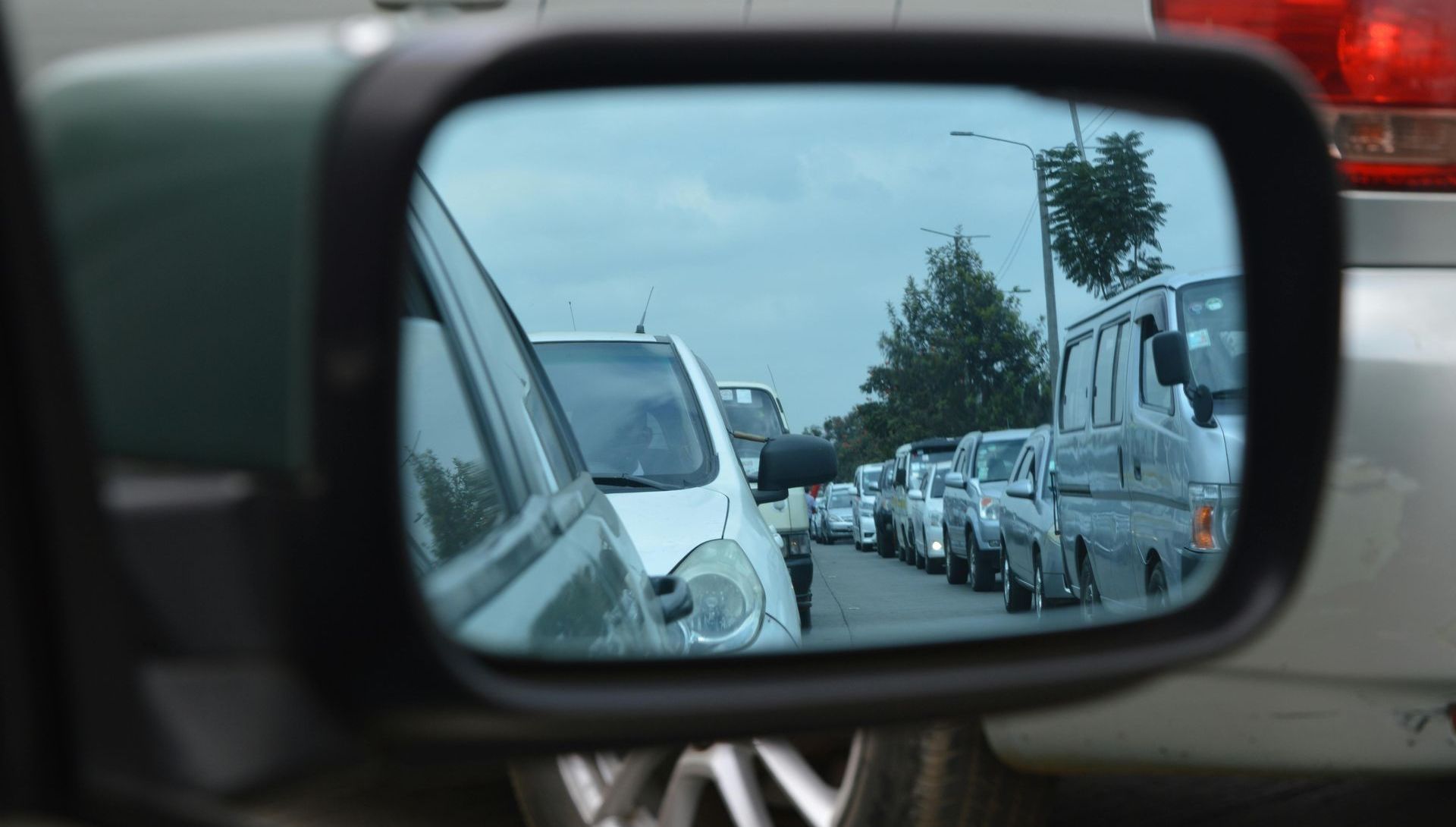
A rear view mirror shows a row of cars on a street

3. Condiciones de carretera más duras
Las calles de la ciudad sufren mucho por el clima, el tráfico y la construcción. Los baches, las placas metálicas y el pavimento irregular afectan la suspensión y la alineación de las llantas. Con el tiempo, estos impactos repetidos pueden debilitar la estructura interna de la llanta o desalinear las ruedas, causando un desgaste desigual y menor rendimiento en el manejo.


4. Viajes cortos y arranques en frío
Los recorridos cortos no permiten que las llantas se calienten, lo que las hace más vulnerables a los daños por escombros o cambios de temperatura. Combinado con maniobras rápidas y bruscas, las llantas hacen un gran esfuerzo en poco tiempo.

A car is driving down a highway at sunset.

Conducción en carretera: más suave, pero no perfecta

Manejar en carretera implica menos estrés inmediato para tus llantas, pero eso no significa que esté libre de riesgos. Así es como se diferencia:


1. Velocidades constantes = menos abrasión
Conducir a velocidad constante generalmente desgasta menos las llantas. Al haber menos paradas, se genera menos fricción y el desgaste es más uniforme con el tiempo. Por eso se dice que los kilómetros en carretera son más “amables” con las llantas.


2. Acumulación de calor a largo plazo
Las altas velocidades por distancias largas pueden elevar la temperatura de las llantas, especialmente en verano. El calor puede degradar el caucho con el tiempo y aumentar la presión interna, lo que eleva el riesgo de reventones, sobre todo si las llantas están desinfladas o desgastadas.


3. Escombros y peligros en el camino
Aunque el pavimento es más liso, las autopistas no están libres de peligros. Clavos, pedazos de llanta, vidrio y animales muertos pueden causar pinchazos o daños en los costados, especialmente a altas velocidades donde el impacto es mayor.

A man is driving a car on a busy highway at night.

¿Qué significa todo esto para tus llantas?

Tus llantas se desgastan sin importar dónde o cómo manejes, pero el patrón y ritmo de ese desgaste depende mucho del entorno. Aquí en Boston, la mayoría de los conductores someten sus llantas a condiciones exigentes de ciudad, así que es buena idea:


  • Inspeccionar la banda de rodadura y los costados con regularidad
  • Rotar tus llantas cada 5,000–6,000 millas
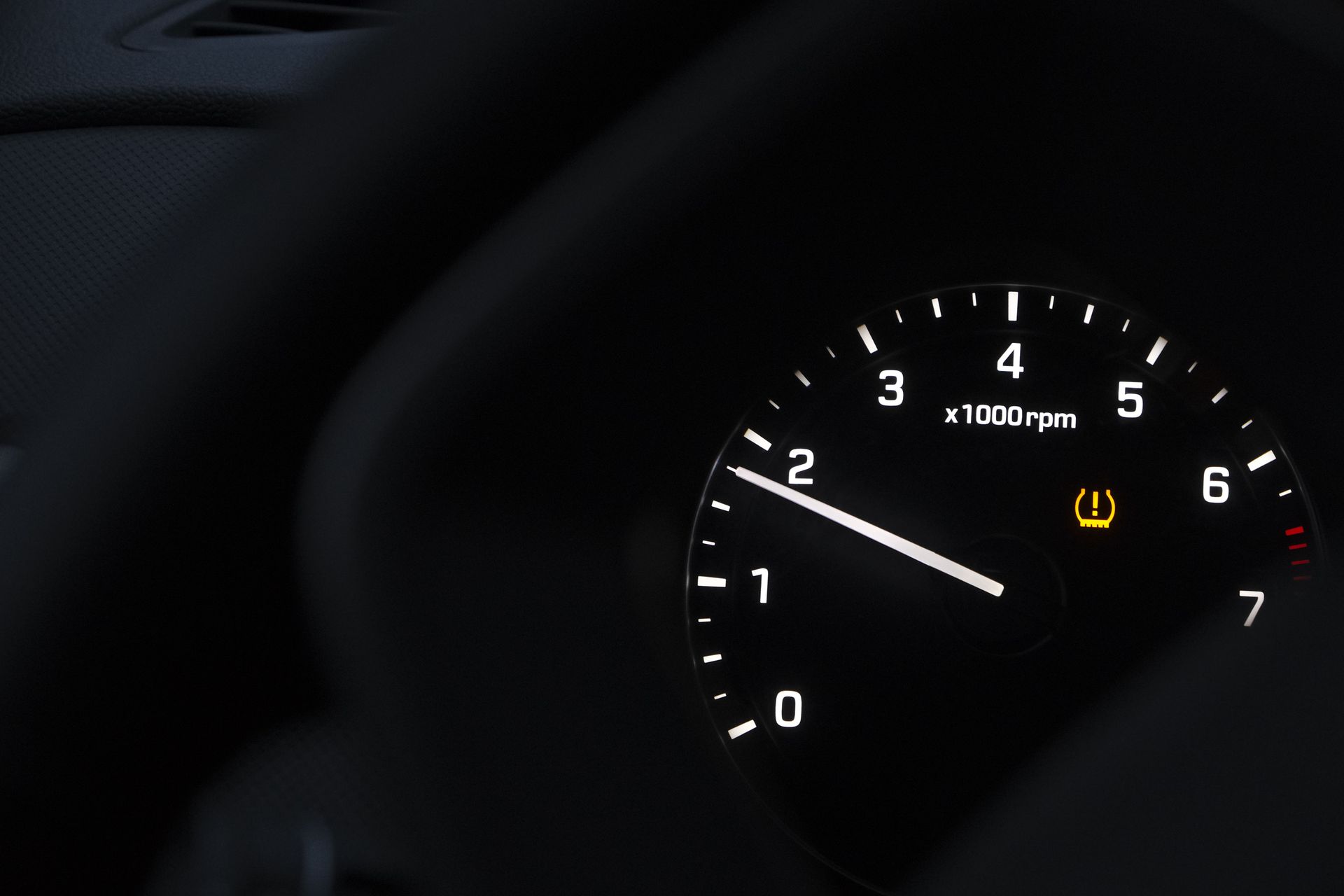
  • Revisar la presión de aire cada mes, especialmente con cambios de temperatura
  • Realinear si tu vehículo se desvía o si el desgaste es desigual
  • No postergar reparaciones si golpeas un bache o la acera con fuerza
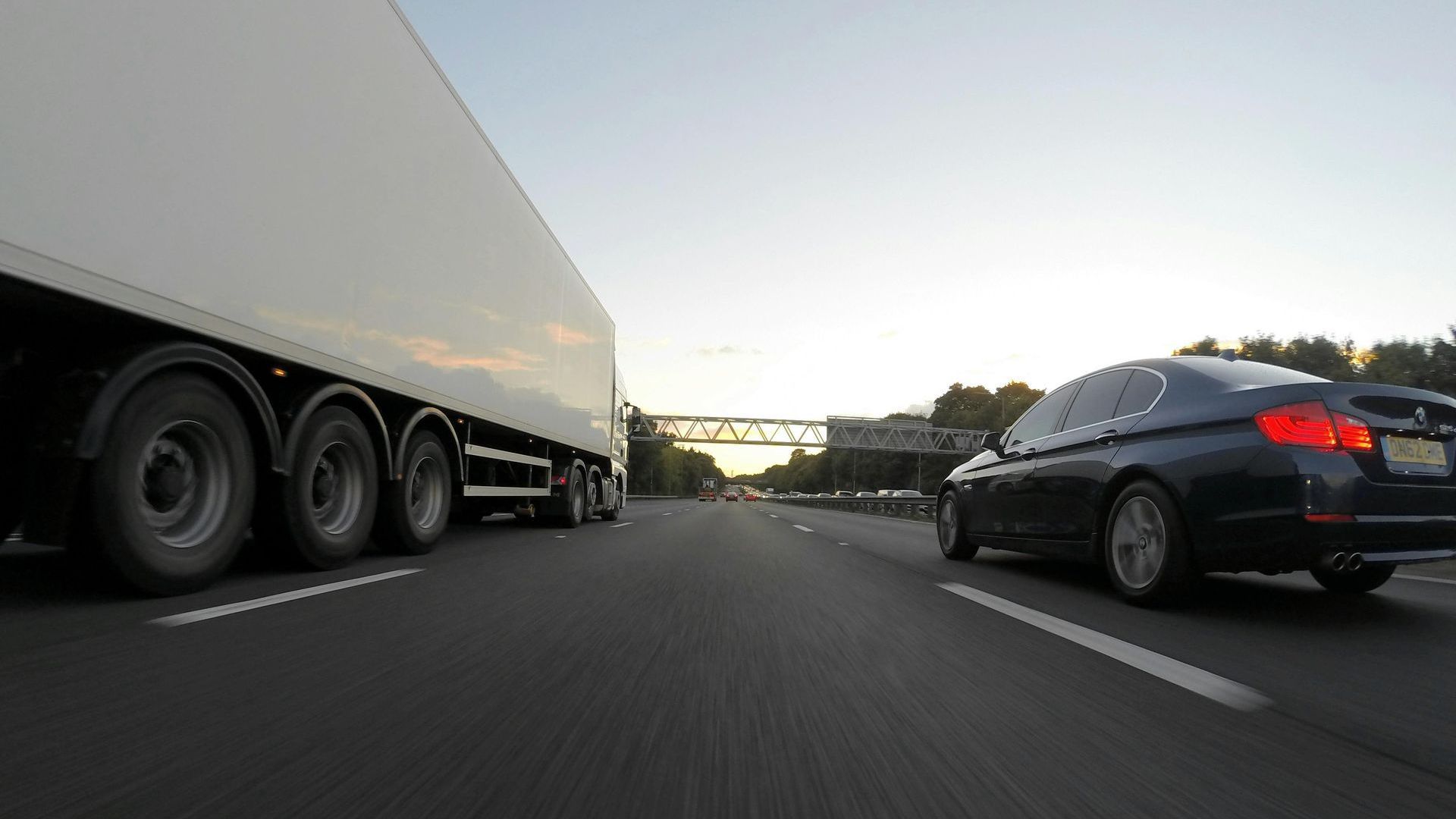
A truck and a car are driving down a highway.

¿Necesitas una revisión o un reemplazo?

En Raymond’s Tire Shop, nos especializamos en ayudar a los conductores urbanos a sacar el máximo provecho de sus llantas—ya sea parchando una pinchadura, encontrando un reemplazo usado confiable o instalando un juego nuevo adaptado a tu estilo de conducción.


También ofrecemos reparación de pinchazos en carretera si te quedas varado en medio del trayecto, además de servicio rápido y honesto en nuestro taller en Dorchester. No necesitas cita previa, y estamos abiertos los siete días de la semana.


Si tus llantas muestran señales de desgaste urbano, no esperes. Ven a vernos. Te ayudaremos a conducir con más suavidad, seguridad e inteligencia—vayas donde vayas.

A close up of a side view mirror on a white car.
A car is driving down a curvy road with yellow lines.
A lot of cars are driving in a city at sunset
A city street with a lot of buildings and trees
A bus is driving down a busy city street.
A man is driving a car with his hands on the steering wheel.
August 23, 2026
A pothole impact can feel like a quick jolt, but the forces involved can affect several parts of the tire and wheel assembly. The faster the vehicle is moving, the less time the tire has to absorb the impact. In some cases, the damage is immediately obvious. In others, problems may not become noticeable until later. Raymond’s Tire Shop helps drivers inspect tires, wheels, balancing, and alignment after hard road impacts. Understanding what can happen during a pothole strike can make it easier to recognize when a tire needs professional attention. The Tire Is Compressed Extremely Quickly When a tire drops into a pothole and strikes the far edge, the sidewall and tread can be compressed between the road and the wheel. Tires are designed to flex, but a severe impact can exceed what the internal structure can safely absorb.  The risk can be greater when tire pressure is too low because there is less air cushioning between the road surface and the wheel. However, even a properly inflated tire can be damaged by a deep pothole at sufficient speed.
August 16, 2026
Tires are one of the most important safety components on any vehicle because they are the only parts that maintain direct contact with the road. As tires wear, their ability to grip pavement, channel water, and respond predictably can gradually decline. The challenge is that unsafe tire conditions are not always obvious until performance has already been affected.  Raymond’s Tire Shop helps drivers evaluate tread wear, tire damage, pressure issues, alignment problems, and other conditions that can affect tire safety. Knowing what to look for can help you recognize when a tire needs professional attention or replacement.
August 7, 2026
Most drivers think of tires simply as the round rubber components that allow a vehicle to roll down the road. In reality, tires are sophisticated pieces of engineering that perform several essential functions every time a vehicle is in motion. They support the weight of the vehicle, transmit steering and braking forces, absorb road irregularities, and maintain traction in changing driving conditions. Every acceleration, turn, and stop depends on these four small contact patches where the tires meet the road.  Understanding the primary functions of a tire helps drivers appreciate why routine maintenance and timely replacement are so important. Raymond’s Tire Shop helps customers choose quality tires and maintain them properly so their vehicles continue to perform safely and efficiently throughout the life of the tire.
July 31, 2026
Understanding how your tires interact with wet pavement is one of the most important parts of safe driving. While most drivers know that rain can make roads slippery, fewer understand how hydroplaning occurs or why it can cause a vehicle to suddenly lose traction. Knowing what causes hydroplaning—and how proper tire maintenance can reduce the risk—can help you stay safer during wet weather.  At Raymond’s Tire Shop, we believe that informed drivers make safer decisions. Keeping your tires in excellent condition is one of the best ways to improve vehicle performance when road conditions are less than ideal.
July 23, 2026
Your tires are one of the hardest-working components of your vehicle. They provide traction, support your vehicle’s weight, absorb impacts from the road, and help you maintain control in a wide range of driving conditions. Because they experience constant wear, replacing tires is an expected part of vehicle ownership. However, proper maintenance can help maximize their lifespan, improve performance, and save you money over time. Many of the factors that affect tire longevity are within a driver’s control. By following a few simple maintenance practices, you can help your tires wear more evenly and perform as intended throughout their service life.
July 17, 2026
Your tires are the only part of your vehicle that remains in constant contact with the road, making them one of the most important components for safety, performance, and fuel efficiency. While many drivers remember to check their oil or schedule routine maintenance, tire pressure is often overlooked until a problem develops.  Maintaining proper tire inflation is one of the simplest and most effective ways to extend the life of your tires. It takes only a few minutes to check your tire pressure, yet this small maintenance task can help improve vehicle performance and protect your investment over the long term.