How Potholes and Rough Roads Damage Tires Over Time
Most drivers encounter potholes and rough road conditions on a regular basis. While a single bump in the road may not seem like a serious concern, repeated exposure to uneven pavement can take a significant toll on a vehicle’s tires. Over time, potholes and rough roads contribute to wear, structural damage, and reduced tire performance.
Understanding how these conditions affect tires can help drivers recognize potential problems early and take steps to protect both their tires and their vehicles.

What Happens When a Tire Hits a Pothole
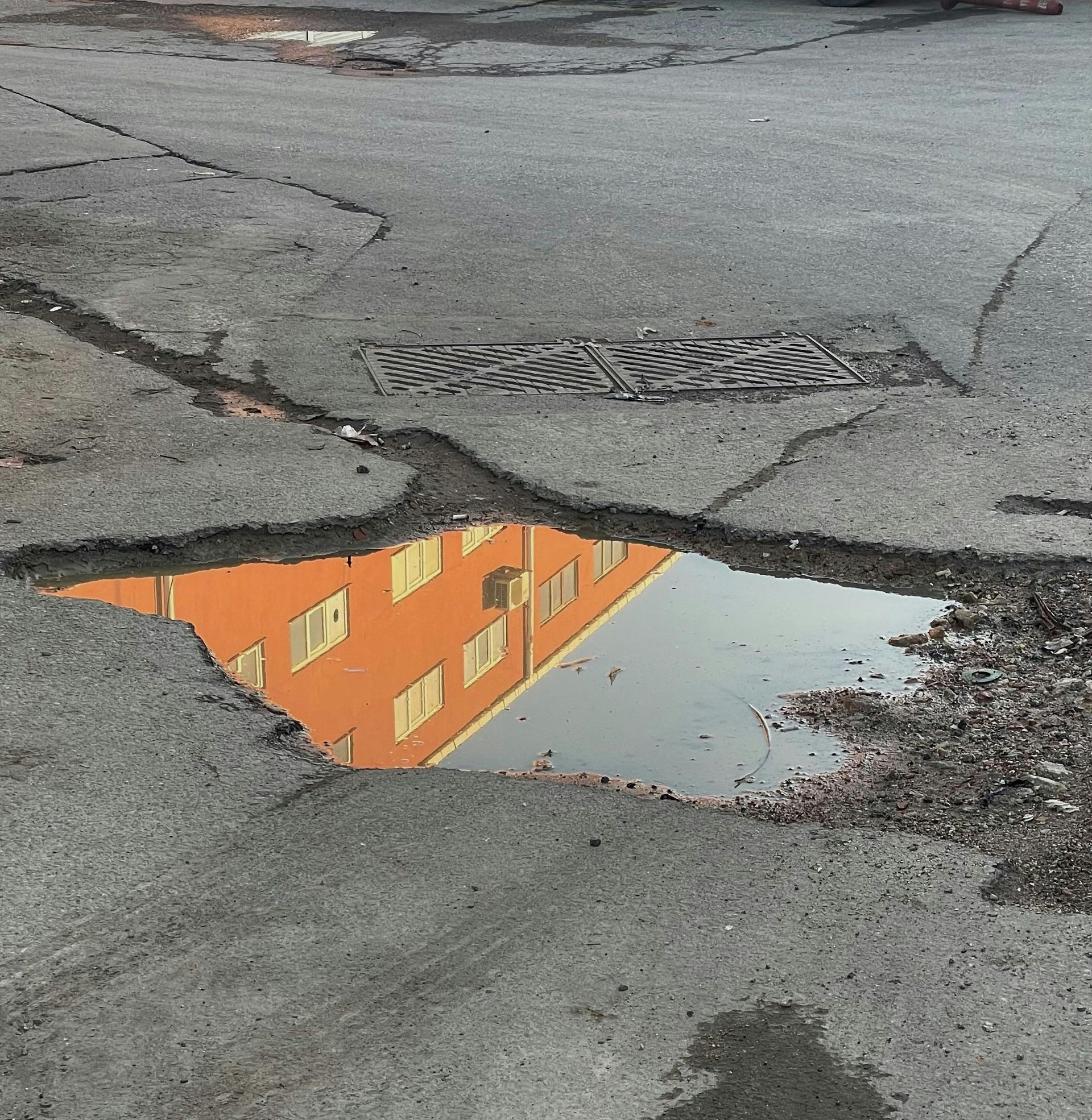
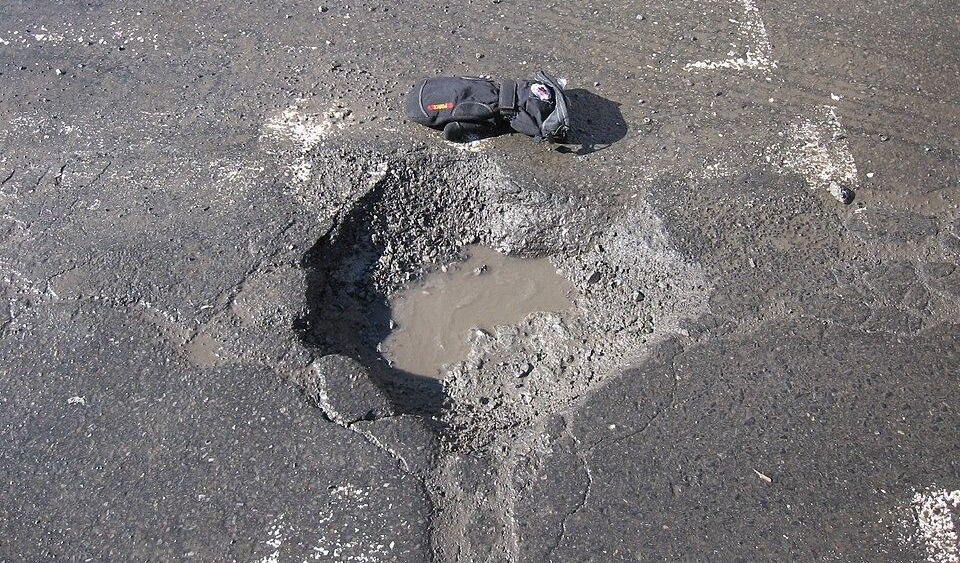
When a vehicle hits a pothole, the tire is forced downward into the depression while supporting the full weight of the vehicle. At the same time, the edge of the pothole can create a sharp impact against the tire and wheel.
This sudden force compresses the tire against the wheel, which can damage both the internal structure of the tire and the rim itself. The impact may not always cause immediate failure, but it can weaken the tire in ways that become more noticeable over time.
Repeated impacts can gradually reduce the strength and reliability of the tire.

Sidewall Damage and Weak Points
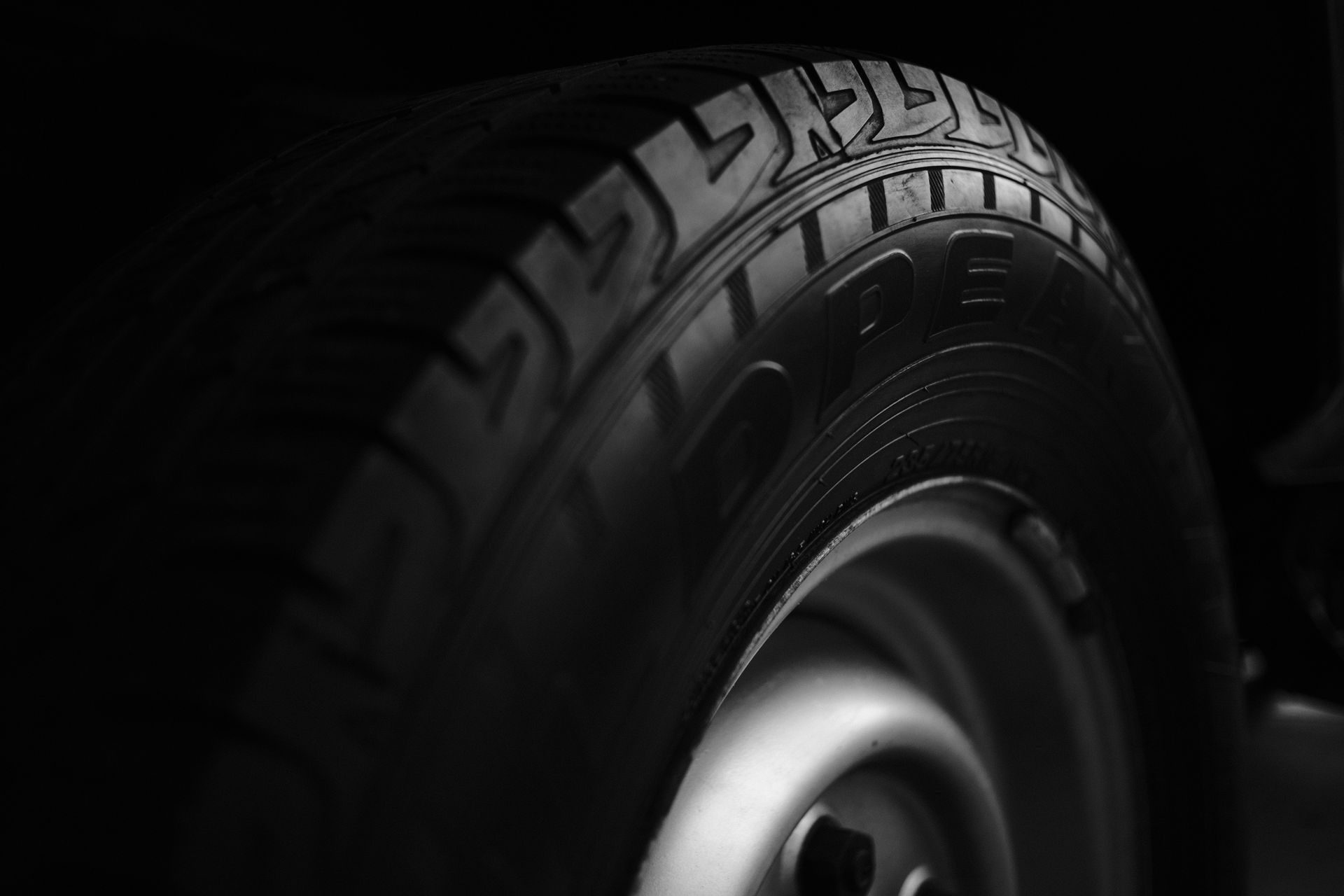
One of the most vulnerable parts of a tire is the sidewall. Unlike the tread, which is designed to handle contact with the road, the sidewall is more flexible and less reinforced.
When a tire strikes a pothole, the sidewall may be pinched between the edge of the pothole and the wheel. This can create bulges or internal damage that is not always visible at first glance.
A bulge in the sidewall is often a sign that the internal structure of the tire has been compromised. Once this type of damage occurs, the tire is more likely to fail and typically needs to be replaced.
Alignment and Suspension Effects
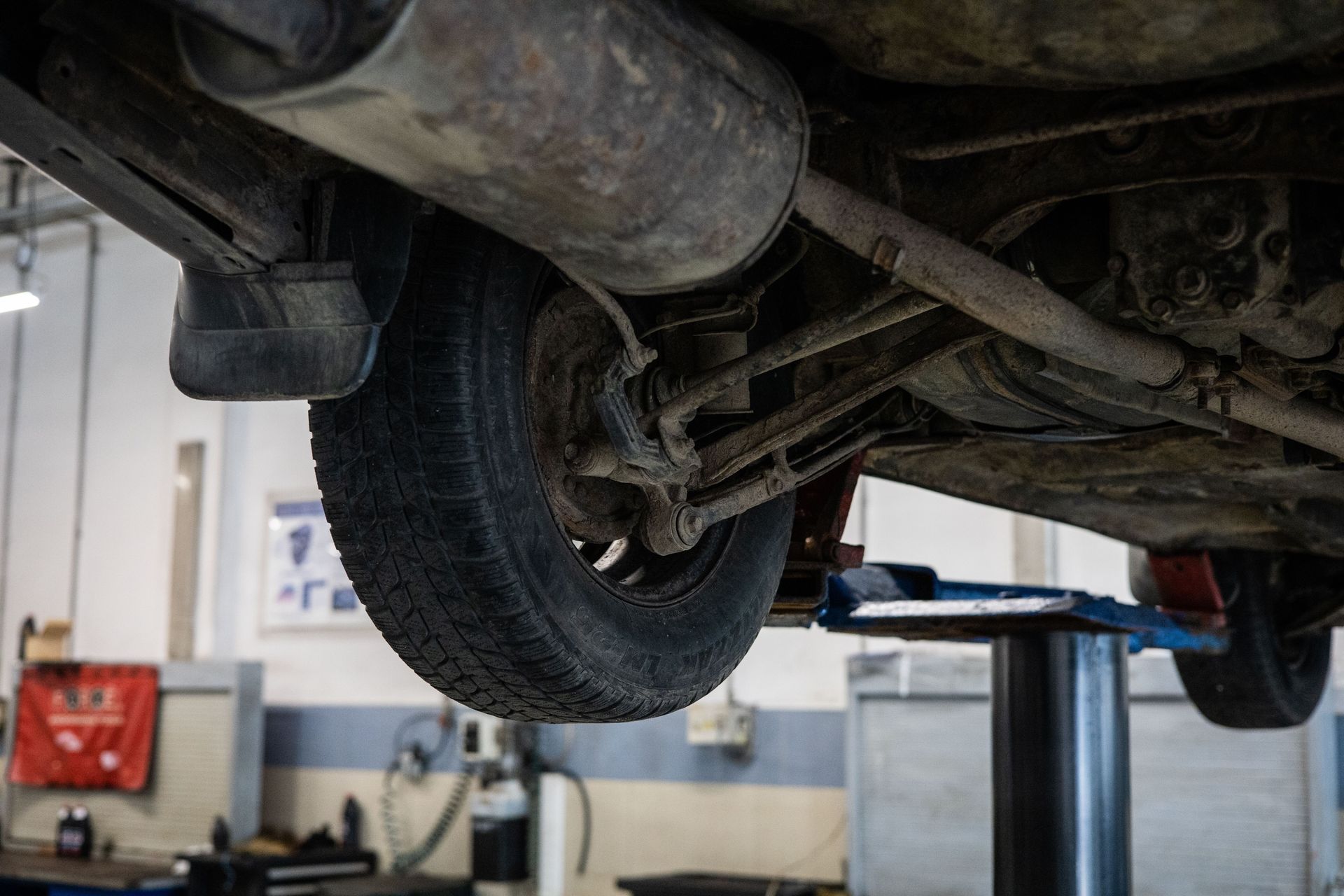
Potholes do not only affect tires. The force of impact can also affect the vehicle’s alignment and suspension system. When alignment is disrupted, tires may begin to wear unevenly.
Drivers may notice that the vehicle pulls to one side or that the steering feels less stable. These changes can lead to increased tire wear over time.
Even if the tire itself appears undamaged, alignment issues caused by rough roads can shorten the lifespan of the tire and reduce overall performance.
Gradual Wear from Rough Surfaces
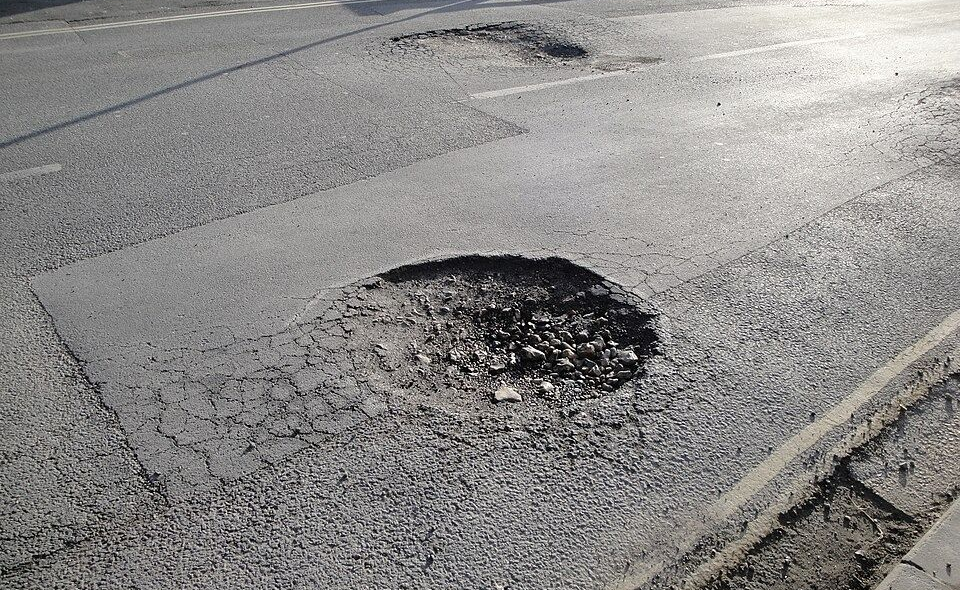
Not all damage from rough roads is immediate. Driving regularly on uneven or poorly maintained roads can cause gradual wear that may not be obvious at first.
Rough pavement increases friction between the tire and the road surface. This can cause tread to wear down more quickly compared to driving on smoother roads.
In addition, constant vibration from uneven surfaces can contribute to small amounts of stress on the tire structure. Over time, this repeated stress can affect durability and performance.
Loss of Tire Pressure
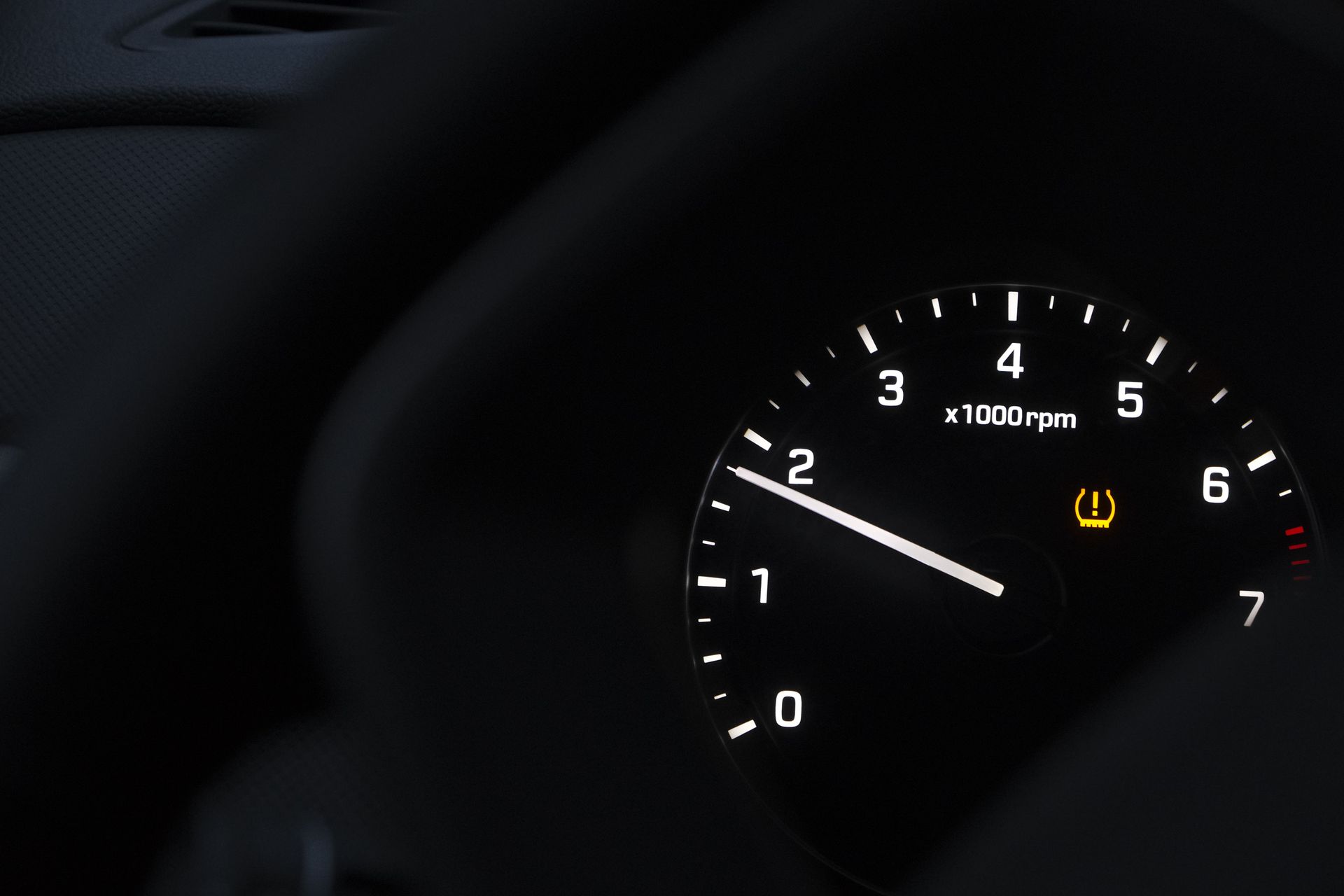
Impacts from potholes can also lead to air loss. In some cases, the force of the impact may create small leaks in the tire or damage the valve stem. In other situations, the wheel itself may be slightly bent, preventing the tire from sealing properly.
Even slow air loss can affect tire performance. Underinflated tires wear more quickly, reduce fuel efficiency, and increase the risk of further damage.
Regular pressure checks are important for identifying these issues before they become more serious.
Signs of Damage to Watch For
After encountering potholes or rough roads, drivers should be aware of signs that may indicate tire damage. These can include:
- Vibrations while driving
- Visible bulges or cracks in the tire
- Uneven tread wear
- Loss of air pressure
- Changes in steering or handling
Addressing these issues early can help prevent more serious problems later.
Professional Tire Inspection and Care
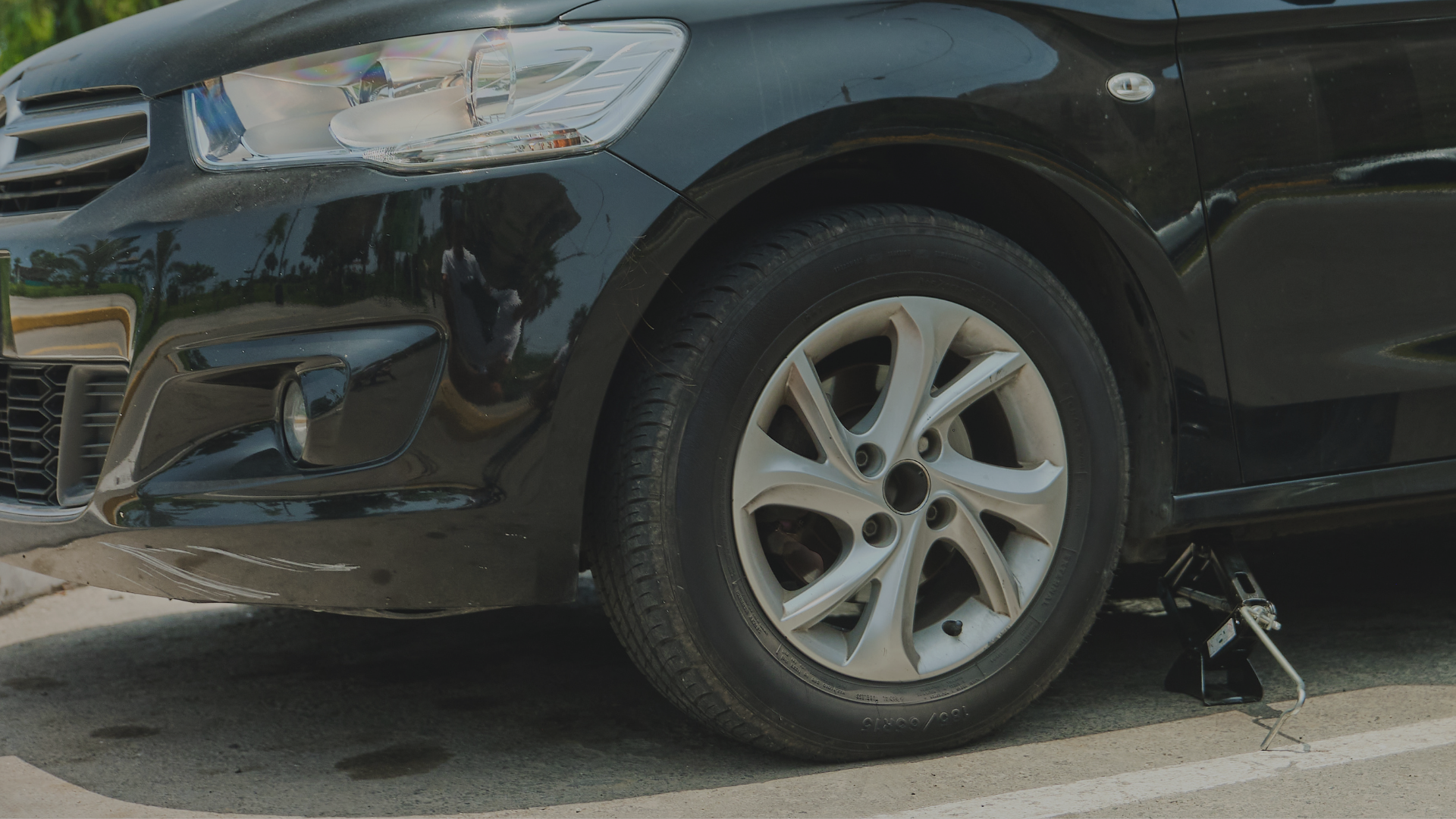
Tires are constantly exposed to road conditions, and even minor impacts can have lasting effects. Professional inspections can identify hidden damage that may not be visible during a quick visual check.
At Raymond’s Tire Shop, we help drivers evaluate tire condition after exposure to rough roads and potholes. Our team provides inspections, repairs, and replacements to ensure that your tires remain safe and reliable.
Rough roads are a part of everyday driving, but they do not have to lead to serious problems. With proper care and attention, drivers can minimize damage and keep their vehicles performing safely over time.