How Tire Tread Patterns Influence Traction in Rain and Snow
Choosing the Right Tread Pattern for Confident Driving
Tire tread plays a critical role in how a vehicle grips the road, especially in wet and snowy conditions. While many drivers focus on tire brand or price, tread design is one of the most important factors affecting traction, braking, and overall safety. At Raymond’s Tire Shop, we help customers understand how different tread patterns work so they can choose tires that perform well in the conditions they drive in most often.
Why Tread Design Matters
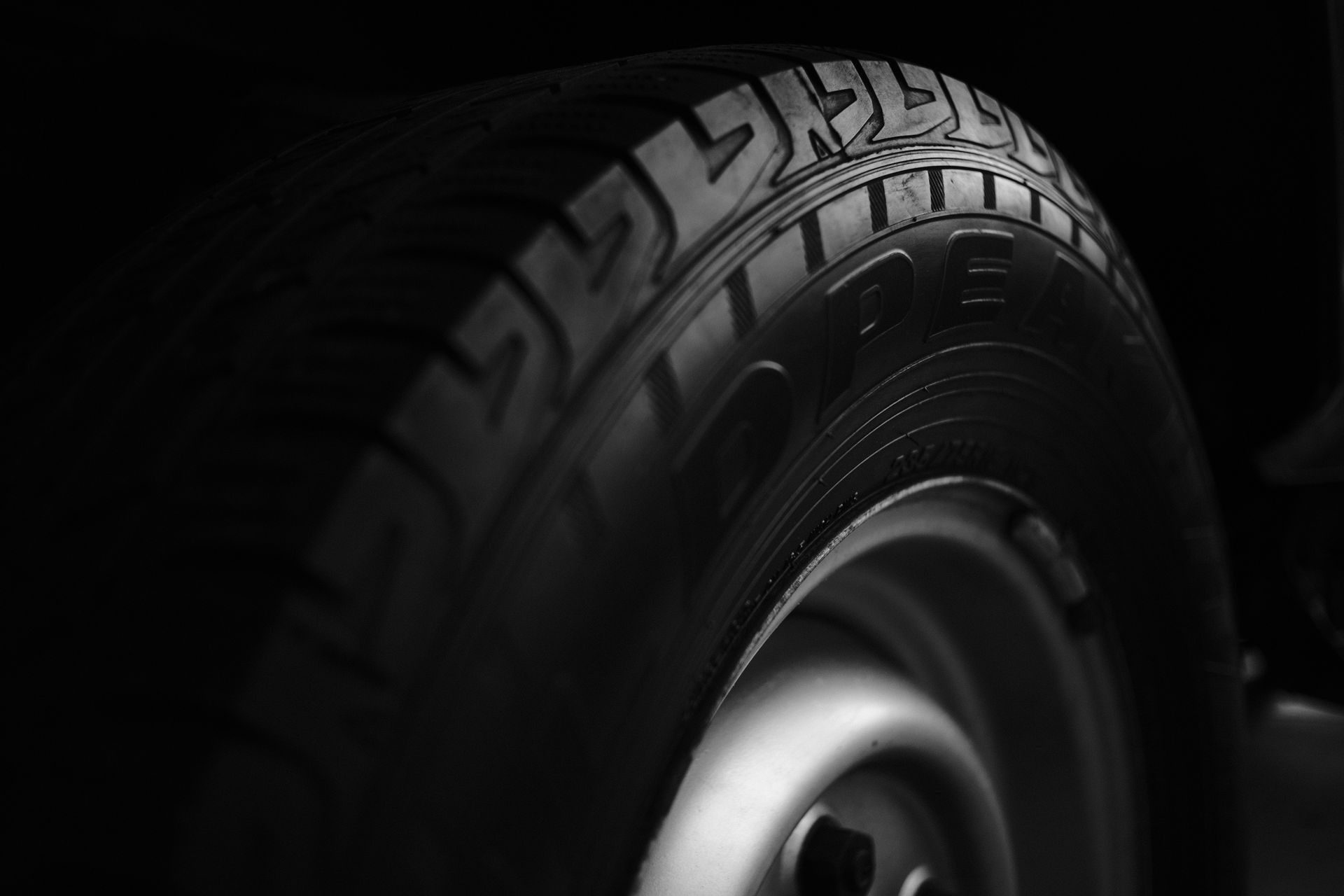
The primary purpose of tire tread is to manage the interaction between the tire and the road surface. In dry conditions, rubber compound and surface contact provide most of the grip. In rain and snow, however, tread channels and patterns become essential. Without proper tread design, water or snow can build up between the tire and the road, reducing traction and increasing stopping distance.
Tread patterns are engineered to move water, slush, and snow away from the contact patch. The more effectively a tire does this, the better it can maintain grip in challenging conditions.

How Tread Patterns Handle Rain
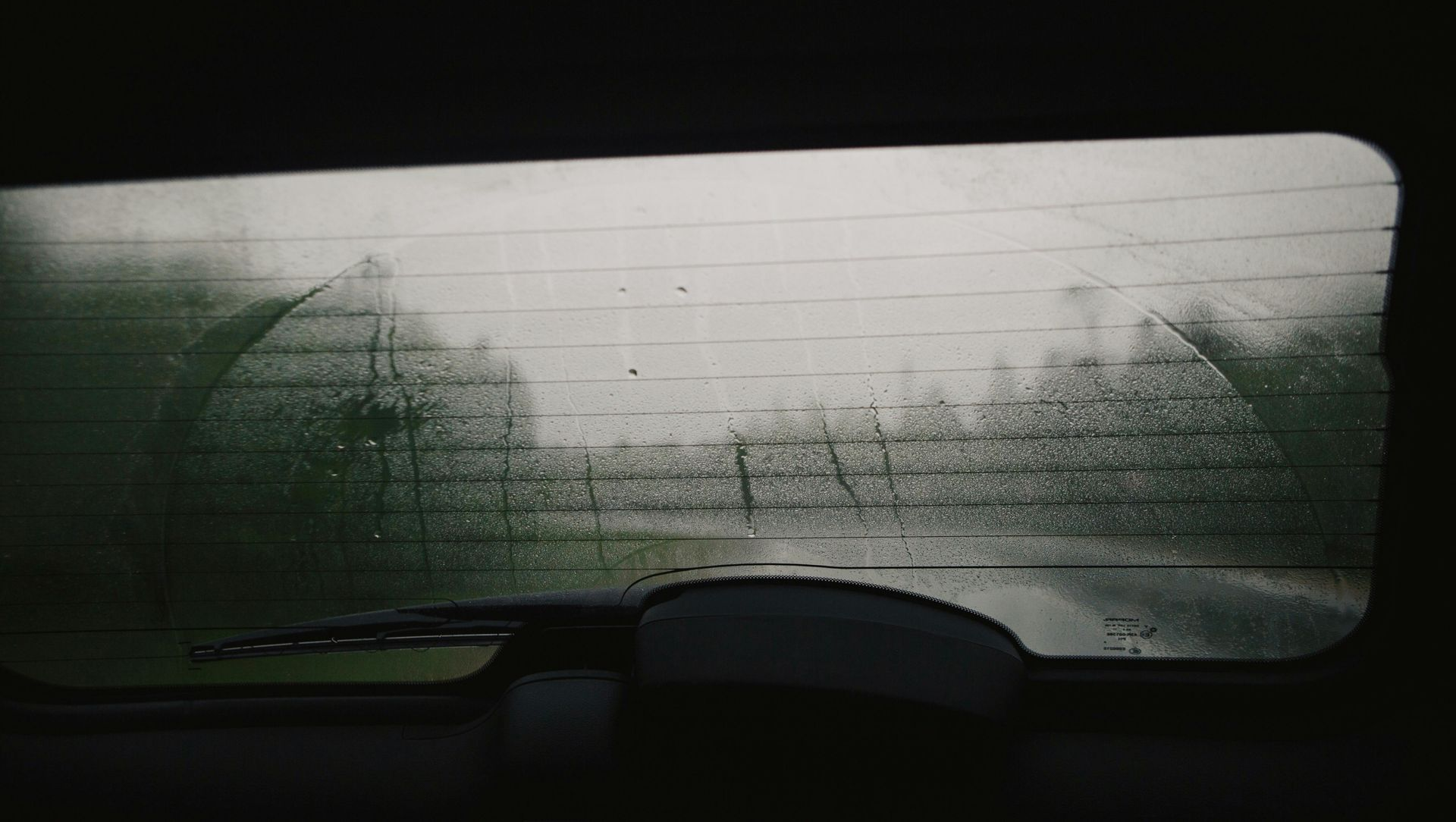
In wet conditions, the biggest concern is hydroplaning. Hydroplaning occurs when a layer of water builds up under the tire faster than the tread can disperse it. When this happens, the tire loses contact with the road surface.
Tires designed for wet traction use circumferential grooves and lateral channels to direct water away from the center of the tread. These grooves act like pathways, allowing water to escape as the tire rolls forward. Additional sipes and angled grooves help break up surface water and maintain contact with the pavement.
A tread pattern with wider grooves and efficient water evacuation will generally perform better in heavy rain. This is especially important for drivers who frequently travel on highways or during storms.
Tread Design and Snow Traction
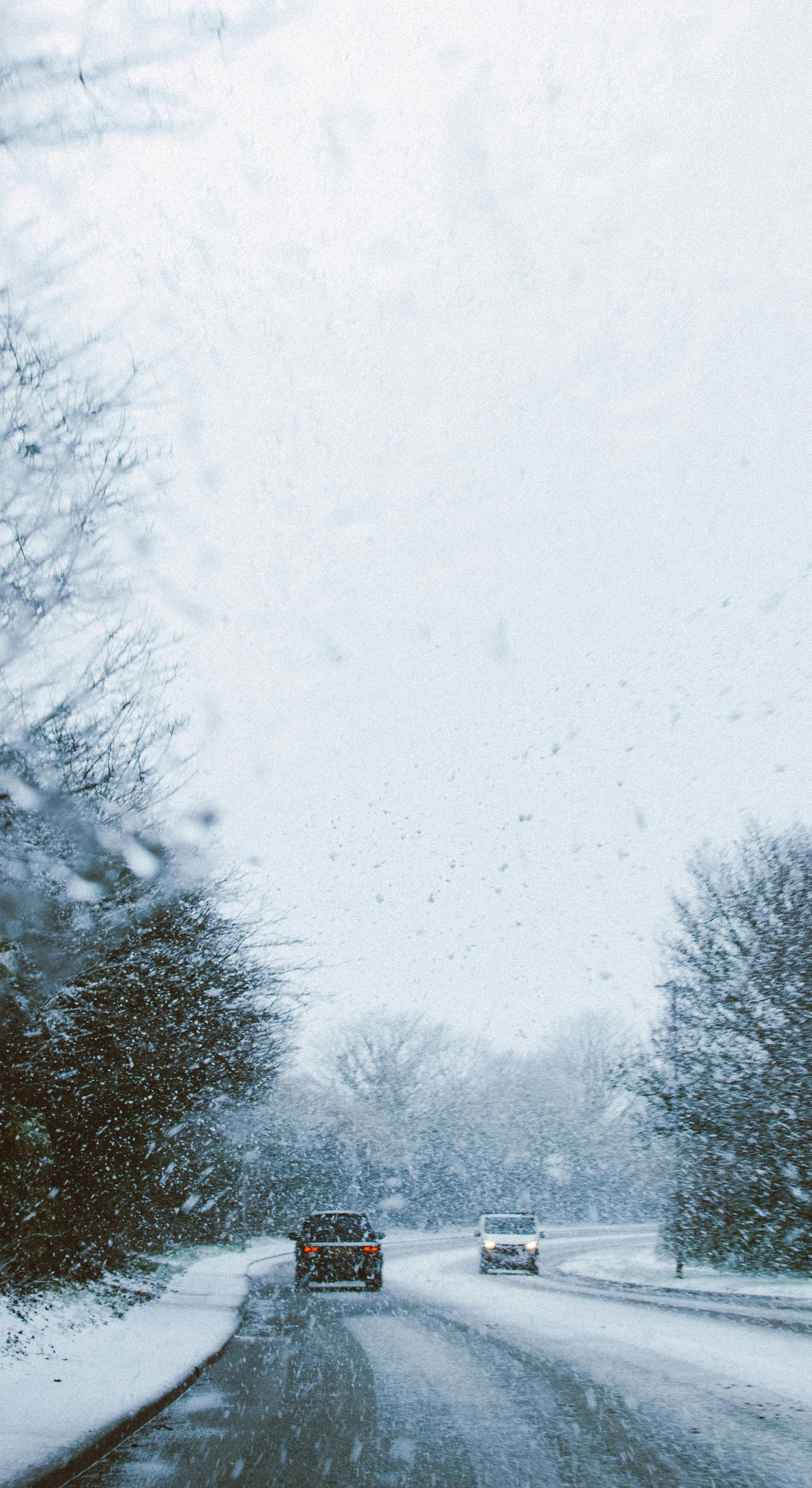
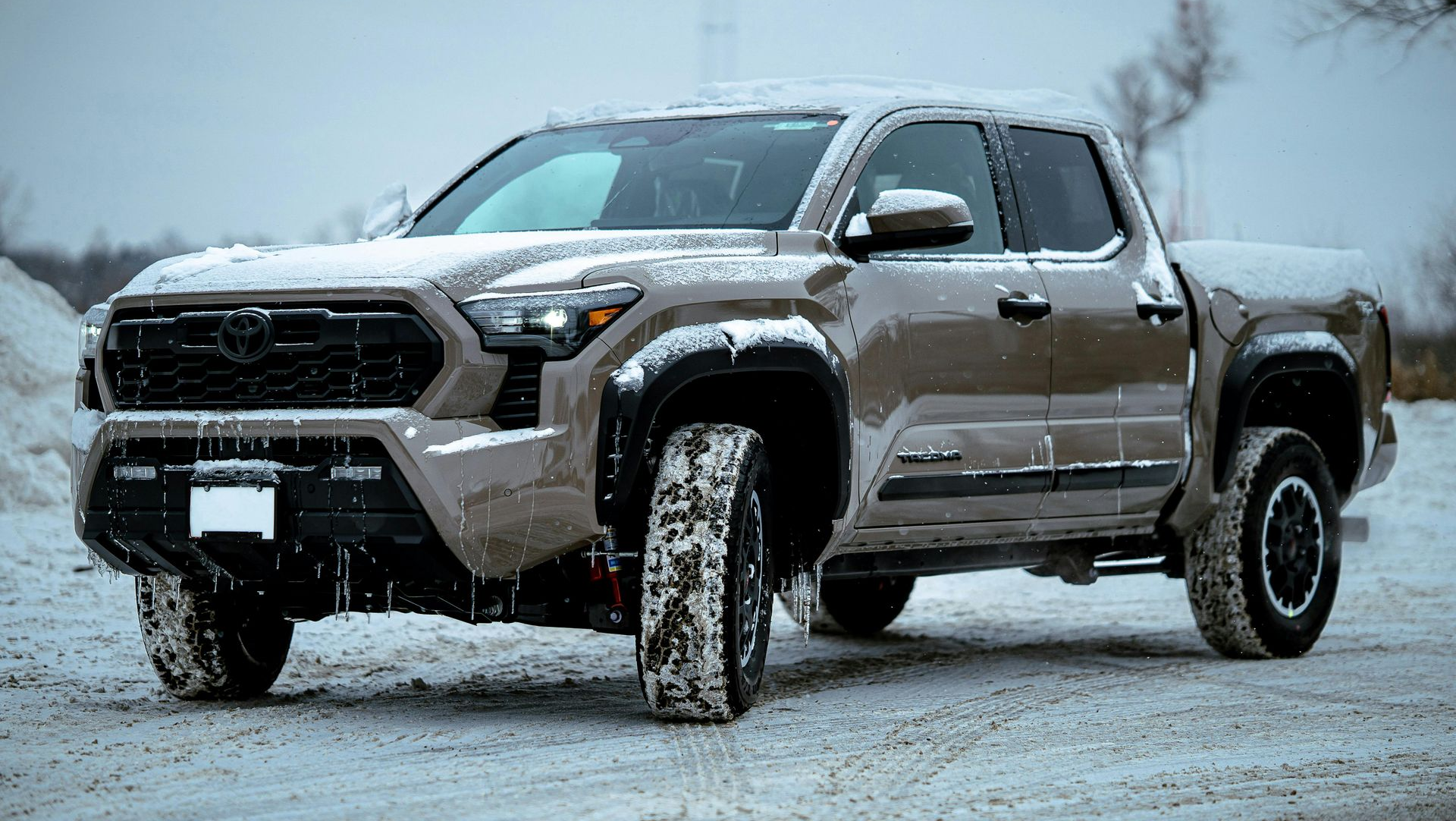
Snow presents a different challenge than rain. Instead of dispersing liquid, tires must grip loose and compacted snow. Surprisingly, snow traction often relies on snow sticking to snow. Winter oriented tread patterns are designed to pack snow into the grooves, which creates better traction than smooth rubber alone.
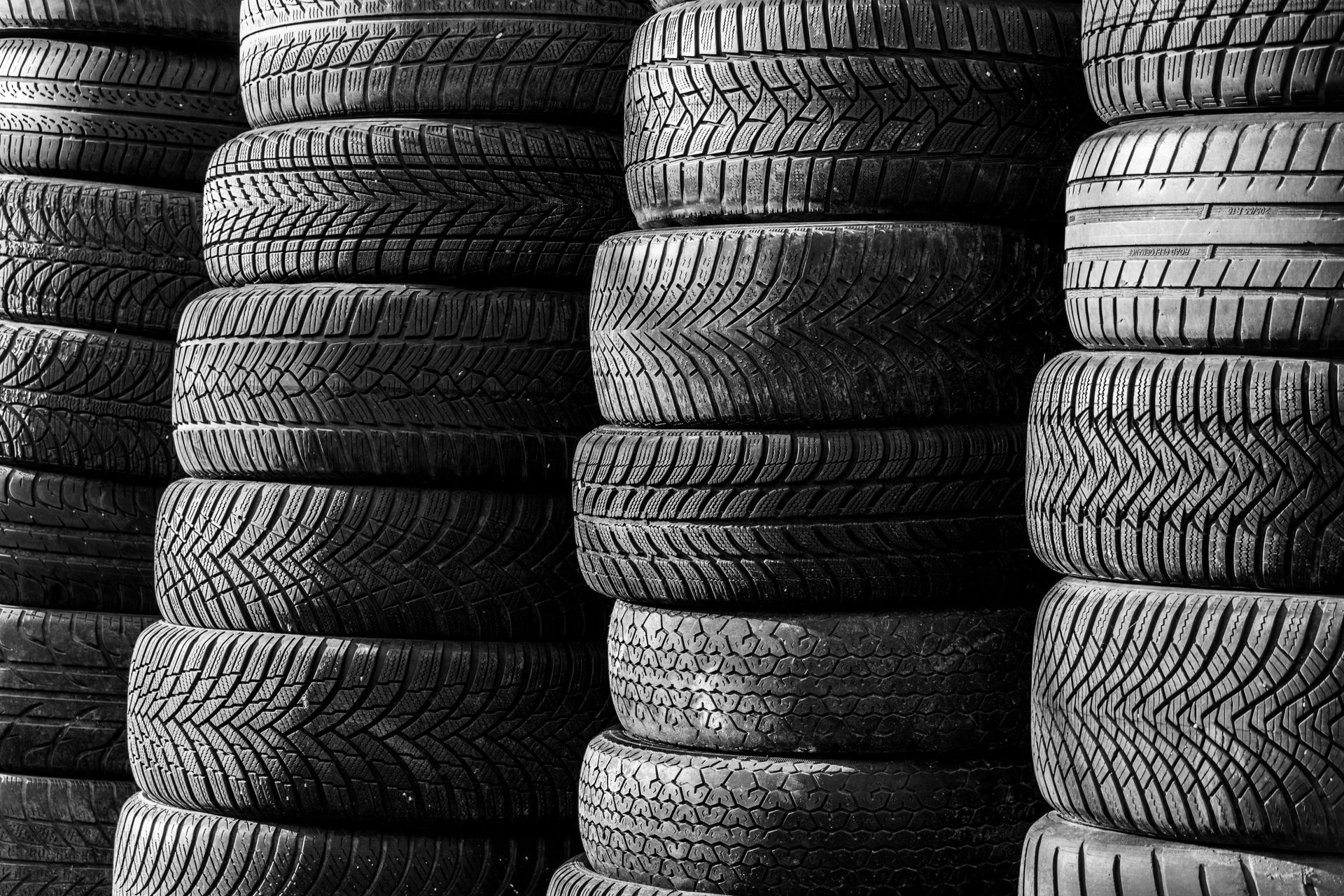
These tires feature deeper tread blocks and a higher number of sipes. Sipes are small slits in the tread blocks that open as the tire flexes. They create additional biting edges that grip snow and ice more effectively. The flexibility of the tread blocks also helps the tire conform to uneven winter surfaces.
All season tires often include moderate siping and tread depth to provide some snow capability, but they are not as specialized as winter tires. Understanding this distinction helps drivers choose the right tire for their climate and driving habits.
Directional and Asymmetrical Tread Patterns
Some tires use directional tread patterns, which are designed to rotate in only one direction. These patterns often feature a V shaped design that excels at channeling water away from the tire. Directional tires can offer strong wet traction but must be installed correctly to perform as intended.
Asymmetrical tread patterns combine different designs on the inner and outer portions of the tire. The inner side focuses on water evacuation and snow traction, while the outer side emphasizes stability and cornering. This design balances wet weather performance with dry road handling.

Why Proper Tire Selection Matters
Choosing a tire with the right tread pattern for local weather conditions can significantly improve safety. Drivers who frequently encounter rain benefit from tread designs focused on water evacuation. Those who drive in snowy conditions may need tires with deeper tread and more aggressive siping.
At Raymond’s Tire Shop, we evaluate driving habits, seasonal conditions, and vehicle requirements to recommend tires that provide dependable traction when it matters most.
Traction You Can Trust
Tire tread patterns are not just a design feature. They are a key safety component that influences how a vehicle performs in rain and snow. Understanding how tread works helps drivers make informed decisions and stay safer on the road. At Raymond’s Tire Shop, we are committed to helping our customers choose tires that deliver confidence, control, and reliable traction in every season.