How Tires Absorb Stress During Everyday Driving
Most drivers think about tires only when there is a visible problem, such as a flat tire, worn tread, or low air pressure warning. In reality, tires are constantly working under stress every time a vehicle moves. Every turn, stop, acceleration, pothole, and change in road surface places pressure on the tires long before obvious problems appear.
At Raymond’s Tire Shop, we help drivers understand that tires are one of the hardest-working parts of any vehicle. They absorb an enormous amount of stress during normal driving conditions, which is why regular inspections and maintenance are so important for both safety and performance.
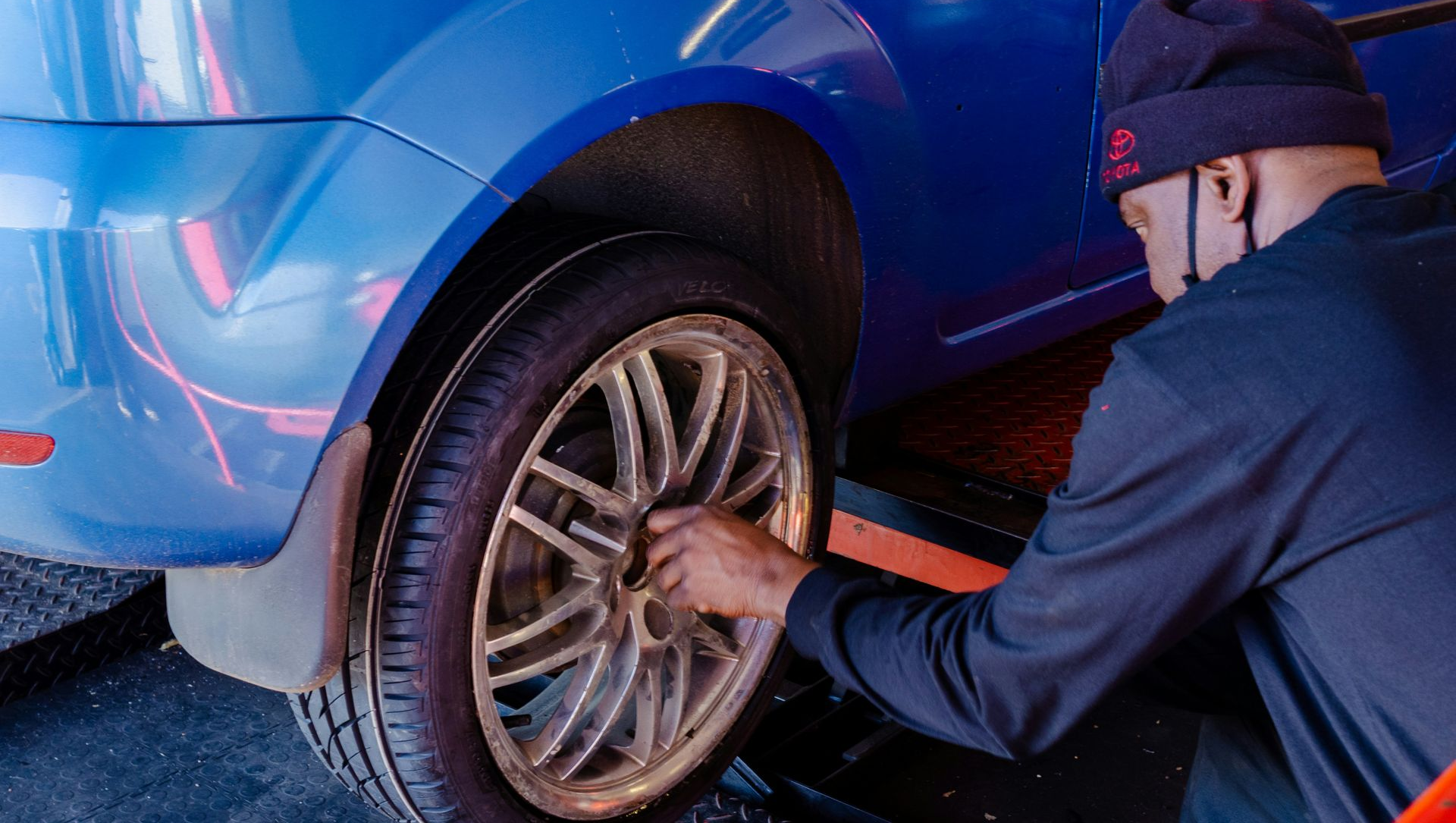
Tires Handle Constant Weight and Friction
A tire’s primary job is maintaining contact between the vehicle and the road surface. While that sounds simple, it involves managing substantial weight, friction, heat, and movement continuously.
Every vehicle places significant pressure on its tires simply from normal operation. Tires support the weight of the engine, passengers, cargo, and the vehicle itself while also handling the forces created during braking, acceleration, and turning.
At highway speeds, this pressure increases dramatically because the tires are constantly flexing and generating heat as they roll against the pavement.

Road Conditions Create Continuous Impact
Even smooth roads create stress on tires. Rough pavement, construction zones, potholes, gravel, debris, and uneven surfaces all place additional strain on the tire structure.
Each bump or impact forces the tire to absorb energy while maintaining stability and traction. Over time, repeated impacts gradually affect the tire’s internal structure, tread wear, and overall performance.
In some cases,
pothole damage may not become obvious immediately. Internal weakening or sidewall stress can continue developing long after the initial impact occurred.
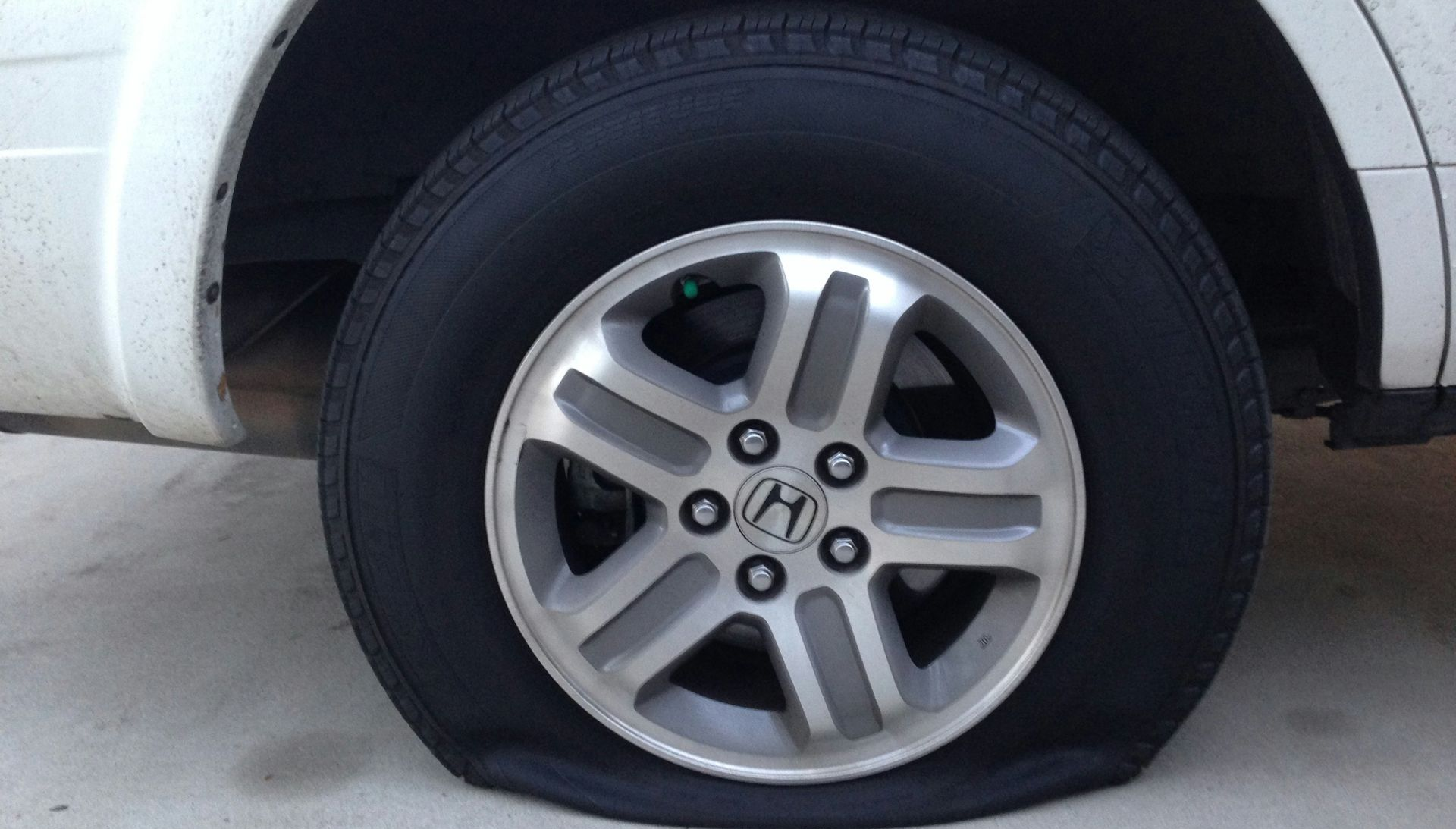
Heat Is One of the Biggest Sources of Tire Stress
Heat plays a major role in tire performance and longevity. As tires roll across the road, friction naturally creates heat within the rubber and internal materials.
Hot weather increases this stress further, especially during long drives or highway travel. Underinflated tires are particularly vulnerable because they flex more excessively, generating additional heat buildup.
Excessive heat can accelerate tread wear and increase the likelihood of tire failure over time. This is one reason proper tire inflation is so important during warmer months.
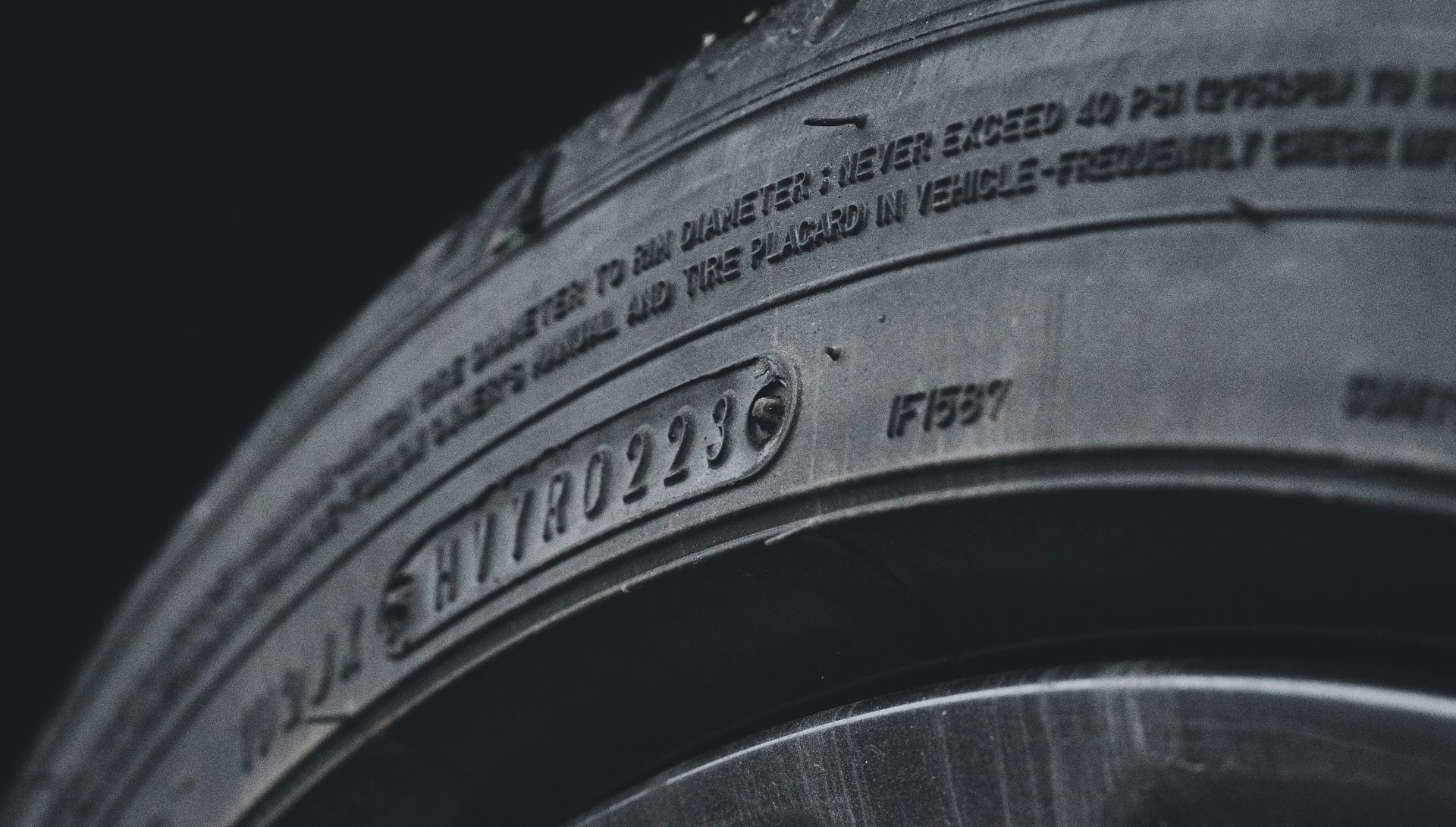
Turning and Braking Add Additional Pressure
Tires experience different types of stress depending on how the vehicle is being driven. Sudden braking, sharp turns, and aggressive acceleration place extra strain on the tread and sidewalls.
For example:
- Hard braking increases forward pressure on the front tires
- Sharp turns create side-loading stress
- Rapid acceleration places strain on the rear tires
Over time, these repeated forces influence wear patterns and overall tire condition.
Drivers often do not notice these gradual changes because the vehicle adapts slowly as the tires wear.
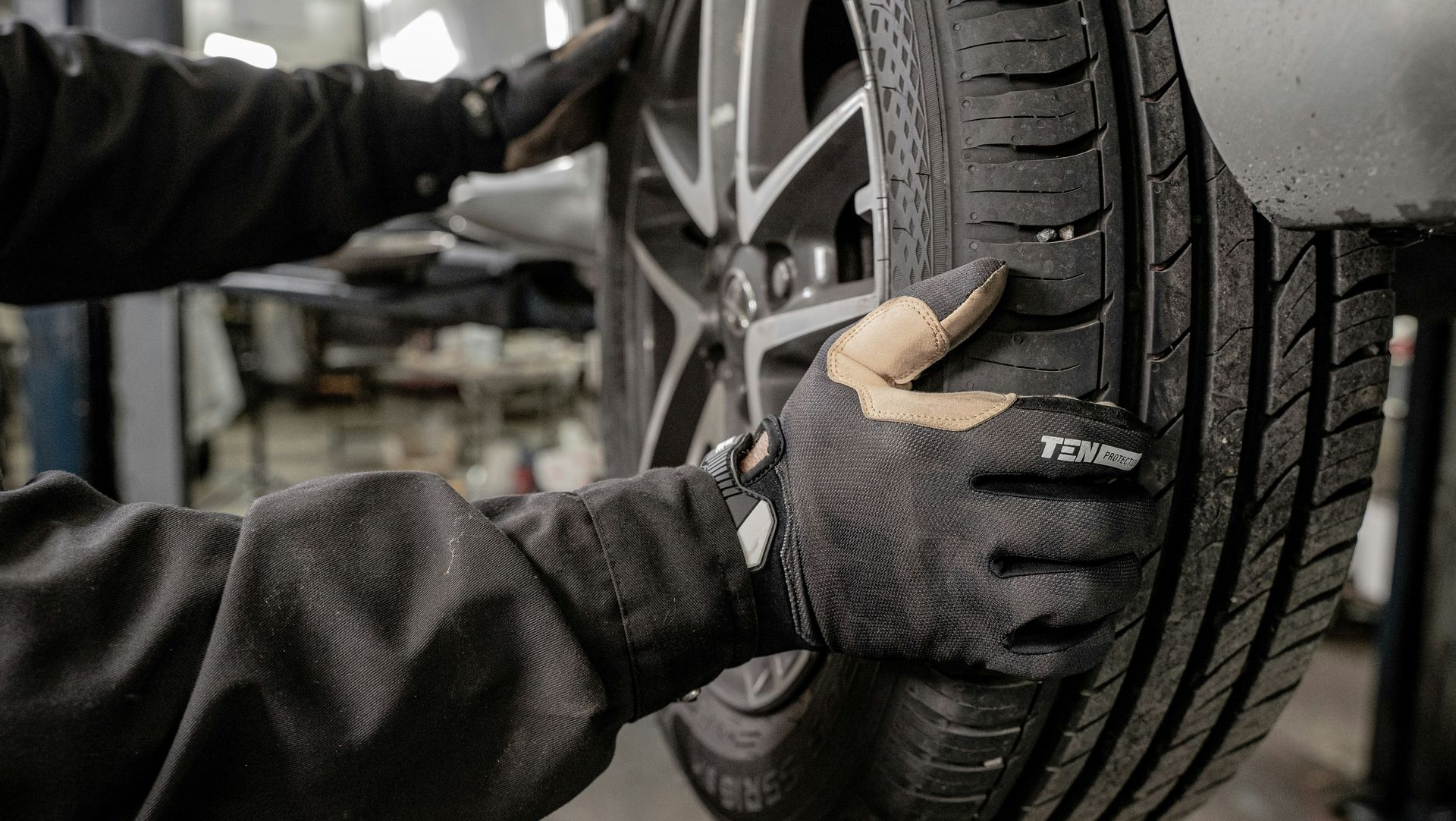
Tires Often Show Problems Gradually
One reason tire issues are sometimes overlooked is that wear develops progressively rather than suddenly. Drivers may adapt to subtle vibrations, reduced handling precision, or increased road noise without realizing the tires are changing.
Small issues such as uneven tread wear or minor alignment problems can continue worsening quietly over time. By the time symptoms become obvious, the tires may already be significantly compromised.
Routine inspections help identify these issues early before they lead to larger problems or reduced driving safety.
Tire Maintenance Helps Reduce Stress
Although tires absorb constant stress, proper maintenance helps reduce unnecessary strain and extend tire lifespan.
Important maintenance steps include:
- Maintaining proper tire pressure
- Rotating tires regularly
- Checking wheel alignment
- Monitoring tread wear
- Inspecting for damage after road impacts
These services help distribute wear more evenly and improve overall driving stability. At Raymond’s Tire Shop, we focus on helping drivers maintain tires properly so they perform more safely and predictably under everyday conditions.

Supporting Safer Everyday Driving
Tires experience enormous stress during normal driving, even when roads appear smooth and conditions seem routine. Heat, friction, impacts, turning forces, and vehicle weight all affect tire performance over time.
Because tires work continuously in the background, problems often develop gradually rather than all at once. Regular inspections and preventative maintenance help identify wear before it begins affecting safety and drivability.
At Raymond’s Tire Shop, we provide professional tire services designed to help drivers stay safe, comfortable, and prepared for everyday road conditions. If your tires have not been inspected recently, contact our team to schedule a professional evaluation and keep your vehicle performing at its best.