Por qué la conducción con paradas y arranques constantes acelera el desgaste de los neumáticos

Muchos conductores asocian el desgaste de los neumáticos con largos recorridos en carretera, pero en realidad, la conducción con constantes paradas y arranques puede tener un mayor impacto en la vida útil de los neumáticos. El tráfico urbano, las frenadas frecuentes y la aceleración continua ejercen una presión particular sobre los neumáticos que a menudo pasa desapercibida. Aunque este tipo de conducción pueda parecer menos exigente que viajar a altas velocidades, crea condiciones que contribuyen a un desgaste más rápido y desigual.


Comprender cómo la conducción con paradas y arranques afecta a los neumáticos puede ayudar a los conductores a adoptar un enfoque más proactivo en el mantenimiento y evitar reemplazos prematuros.

Green traffic light glowing on a city street with blurred buildings in the background

El impacto de la aceleración repetida

Cada vez que un vehículo acelera desde una parada, los neumáticos son responsables de transferir la potencia del motor a la carretera. En condiciones de tráfico con frecuentes detenciones, este proceso ocurre repetidamente en un corto período de tiempo.


Esta demanda constante ejerce presión sobre la superficie de la banda de rodadura. A medida que los neumáticos se adhieren al pavimento para mover el vehículo hacia adelante, la fricción aumenta y desgasta gradualmente el caucho. Con el tiempo, esta acción repetitiva contribuye a una pérdida de banda de rodadura más rápida en comparación con una conducción estable y constante.


El efecto suele ser sutil al principio, pero se vuelve más evidente a medida que aumenta el kilometraje.

Two people sitting in a car, the driver focused ahead while the passenger appears to be learning to drive.

Frenado y fricción con la superficie

El frenado es otro factor importante en el desgaste de los neumáticos durante la conducción con paradas y arranques constantes. Cada vez que se aplican los frenos, los neumáticos experimentan fricción adicional mientras trabajan para reducir la velocidad del vehículo.


En tráfico intenso, donde las frenadas ocurren con frecuencia, esta fricción se acumula. El contacto repetido entre los neumáticos y la superficie de la carretera acelera el desgaste, especialmente en los neumáticos delanteros, que normalmente soportan una mayor parte de la fuerza de frenado.


Este patrón puede provocar un desgaste desigual si no se corrige mediante un mantenimiento regular.

Man driving a red car, seen through the windshield with a blurred street in the background

Mayor calor y estrés

La aceleración y el frenado frecuentes también generan calor dentro de los neumáticos. El calor es un subproducto natural de la fricción y, aunque los neumáticos están diseñados para soportarlo, una acumulación excesiva o repetida de calor puede afectar su condición con el tiempo.


En entornos de tráfico con constantes detenciones, los neumáticos no tienen la misma oportunidad de enfriarse que durante una conducción continua en carretera. Este ciclo constante de calentamiento y enfriamiento limitado contribuye a la degradación gradual del caucho.


A medida que el material se desgasta, la capacidad del neumático para mantener un rendimiento constante puede reducirse.

Hands gripping a steering wheel inside a car, with a beaded bracelet visible.

Patrones de desgaste desiguales

La conducción con frecuentes paradas y arranques suele producir patrones de desgaste desiguales. Debido a que los neumáticos delanteros participan más tanto en la aceleración como en el frenado, tienden a desgastarse más rápido que los traseros.


Además, las variaciones en los hábitos de conducción, las condiciones de la carretera y la alineación del vehículo pueden influir en la forma en que se desarrolla el desgaste. Sin una rotación regular, estas diferencias pueden hacerse más evidentes, lo que provoca una reducción en el rendimiento y una menor vida útil general de los neumáticos.


Identificar y corregir el desgaste desigual a tiempo es fundamental para mantener el equilibrio entre los cuatro neumáticos.

Red traffic light against a cloudy sky, mounted on a street pole.

El papel del entorno de conducción

Los entornos urbanos y suburbanos suelen implicar más intersecciones, semáforos y congestión vehicular. Estas condiciones naturalmente generan más detenciones y arranques.


Las superficies de las carreteras en estas áreas también pueden variar, añadiendo otro nivel de complejidad. El pavimento irregular, los residuos en la vía y la calidad inconsistente de las carreteras pueden aumentar aún más la presión ejercida sobre los neumáticos.


En conjunto, estos factores crean un entorno de conducción más exigente de lo que puede parecer inicialmente.


Cómo el mantenimiento ayuda a reducir los efectos

Aunque la conducción con frecuentes paradas y arranques no siempre puede evitarse, su impacto en los neumáticos puede controlarse mediante un mantenimiento constante. Las rotaciones regulares de neumáticos ayudan a distribuir el desgaste de manera más uniforme, prolongando la vida útil de cada neumático. Mantener la presión adecuada también es importante, ya que los neumáticos con presión insuficiente o excesiva pueden desgastarse más rápidamente bajo estas condiciones.


Las inspecciones de rutina permiten a los conductores identificar señales tempranas de desgaste y solucionarlas antes de que se conviertan en problemas mayores. Este enfoque proactivo favorece tanto el rendimiento como la seguridad.

Smiling driver in plaid shirt sitting behind the wheel of a car

Un enfoque práctico para la durabilidad de los neumáticos

El desgaste de los neumáticos está influenciado por más factores que solo el kilometraje. La manera en que se conduce un vehículo tiene un impacto directo en la rapidez con que los neumáticos se deterioran. La conducción con frecuentes paradas y arranques introduce un estrés repetitivo que acelera el desgaste, especialmente cuando se combina con un mantenimiento inconsistente.


Al comprender estos efectos, los conductores pueden tomar decisiones informadas sobre cómo cuidar sus neumáticos. Raymond’s Tire Service ofrece inspecciones profesionales, mantenimiento y servicios de reemplazo diseñados para mantener los vehículos funcionando de manera confiable en todo tipo de condiciones de conducción.


Si su vehículo se utiliza principalmente en tráfico con constantes paradas y arranques, comuníquese con Raymond’s Tire Service para asegurarse de que sus neumáticos estén correctamente mantenidos y preparados para las exigencias de la conducción diaria.
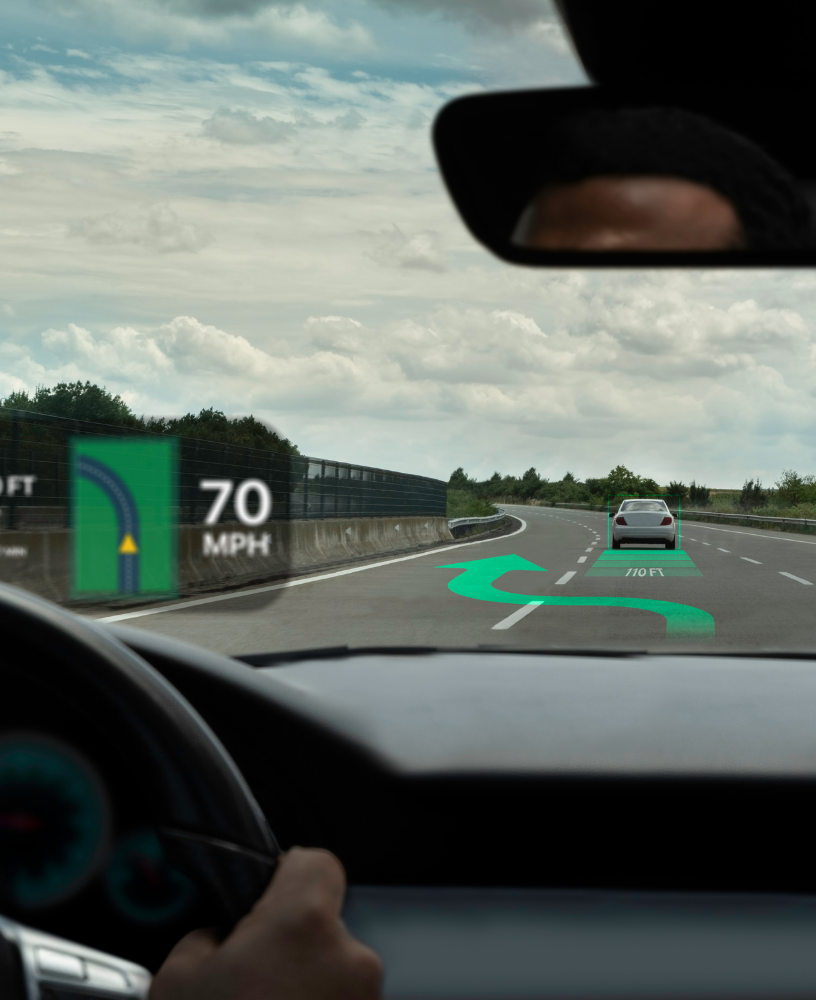

Driver’s view of a highway with a 70 mph sign and a car ahead under cloudy skies
Stop sign and red traffic light beside a crosswalk sign, with a tall building in the background.
View from inside a car on a highway with multiple vehicles ahead and greenery along the road
Red traffic light on a pole against a cloudy blue sky.
Black car driving on a wet, foggy road beside dense green trees
Cars driving down a wet road toward a hill under cloudy skies, with trees lining both sides.
Driver sitting in a car, reaching toward the rearview mirror.
September 22, 2026
Tread depth is one of the first things drivers look at when deciding whether a tire still has life left. Deep grooves can make a tire appear healthy, especially if the vehicle is not driven very often. But tread is only part of the picture. Tires age even when they are not being used heavily. Over time, rubber compounds can harden, dry out, and become less flexible. That means an older tire may still have plenty of tread while no longer performing the way it did when it was newer. Rubber Changes With Age Tires are constantly exposed to oxygen, heat, sunlight, moisture, and changing temperatures. Those conditions gradually affect the rubber. As a tire ages, the material can lose some of its elasticity. That may reduce its ability to flex properly as it rolls and responds to the road. A tire that looks acceptable at a quick glance may therefore be significantly older than its appearance suggests. This is especially important for vehicles that accumulate very few miles each year.
September 11, 2026
A flat tire does not always mean the tire has to be replaced. In many cases, a small puncture can be repaired safely and returned to service. The key is where the puncture occurred, how large it is, and whether the tire suffered additional damage while losing air. That is why a professional inspection matters. Two punctures that lo ok similar from the outside may require completely different solutions once the tire is removed and examined internally. Location Matters Most One of the first things a technician looks at is where the puncture is located. Damage in the central tread area is often the best candidate for repair. This part of the tire is designed to handle contact with the road and can sometimes be repaired when the puncture is small and otherwise straightforward. Punctures near the shoulder or sidewall are much more concerning.  These areas flex significantly while the tire is moving and cannot usually be repaired safely using standard puncture-repair methods. If a nail, screw, or other object damages the sidewall or outer shoulder, replacement is often the safer option.
September 6, 2026
A wheel alignment can correct important steering and tire-angle settings, but the alignment itself depends on the suspension being in good mechanical condition. If ball joints, tie rods, control arm bushings, wheel bearings, or other components are worn, the wheels may not stay in the position the technician sets.  That is why some vehicles continue pulling , wearing tires unevenly, or developing an off-center steering wheel even after an alignment. In those cases, the problem may not be the alignment machine or the adjustment. It may be worn suspension or steering components underneath the vehicle.
August 28, 2026
When a tire repeatedly loses air but there is no obvious nail, screw, or visible puncture, the problem may be where the tire meets the wheel. This area is known as the tire bead, and a poor seal between the bead and the rim can allow air to escape gradually. Tire bead leaks are a common cause of slow pressure loss. Understanding why they happen can help drivers recognize when a tire needs professional inspection rather than repeatedly adding air. What Is the Tire Bead? The bead is the reinforced inner edge of the tire that sits tightly against the wheel rim. When a tire is properly mounted and inflated, air pressure helps hold the bead securely against the wheel, creating an airtight seal. If that sealing surface becomes damaged, dirty, corroded, or distorted, a small pathway can develop for air to escape.  Because these leaks may be very small, the tire can lose pressure over several days or weeks rather than going flat immediately.
August 23, 2026
A pothole impact can feel like a quick jolt, but the forces involved can affect several parts of the tire and wheel assembly. The faster the vehicle is moving, the less time the tire has to absorb the impact. In some cases, the damage is immediately obvious. In others, problems may not become noticeable until later. Raymond’s Tire Shop helps drivers inspect tires, wheels, balancing, and alignment after hard road impacts. Understanding what can happen during a pothole strike can make it easier to recognize when a tire needs professional attention. The Tire Is Compressed Extremely Quickly When a tire drops into a pothole and strikes the far edge, the sidewall and tread can be compressed between the road and the wheel. Tires are designed to flex, but a severe impact can exceed what the internal structure can safely absorb.  The risk can be greater when tire pressure is too low because there is less air cushioning between the road surface and the wheel. However, even a properly inflated tire can be damaged by a deep pothole at sufficient speed.
August 16, 2026
Tires are one of the most important safety components on any vehicle because they are the only parts that maintain direct contact with the road. As tires wear, their ability to grip pavement, channel water, and respond predictably can gradually decline. The challenge is that unsafe tire conditions are not always obvious until performance has already been affected.  Raymond’s Tire Shop helps drivers evaluate tread wear, tire damage, pressure issues, alignment problems, and other conditions that can affect tire safety. Knowing what to look for can help you recognize when a tire needs professional attention or replacement.