Por qué se enciende la luz de presión de neumáticos — y qué hacer

Tu neumático te está hablando

Los vehículos modernos son más inteligentes y seguros que nunca, gracias en parte a características como el Sistema de Monitoreo de Presión de Neumáticos (TPMS, por sus siglas en inglés). Pero aunque está diseñado para proteger tus neumáticos y mantenerte más seguro en la carretera, muchos conductores no entienden completamente cómo funciona — o qué hacer cuando se enciende la luz de advertencia.


En Raymond’s Tire Shop, vemos esto todo el tiempo. Los clientes llegan sin saber si sus neumáticos están bien, si tienen baja presión o si están a punto de fallar. Así que vamos a explicarlo: qué significa la luz del TPMS, por qué es importante y cómo nuestro taller en Boston puede ayudarte a resolver el problema rápida y correctamente.
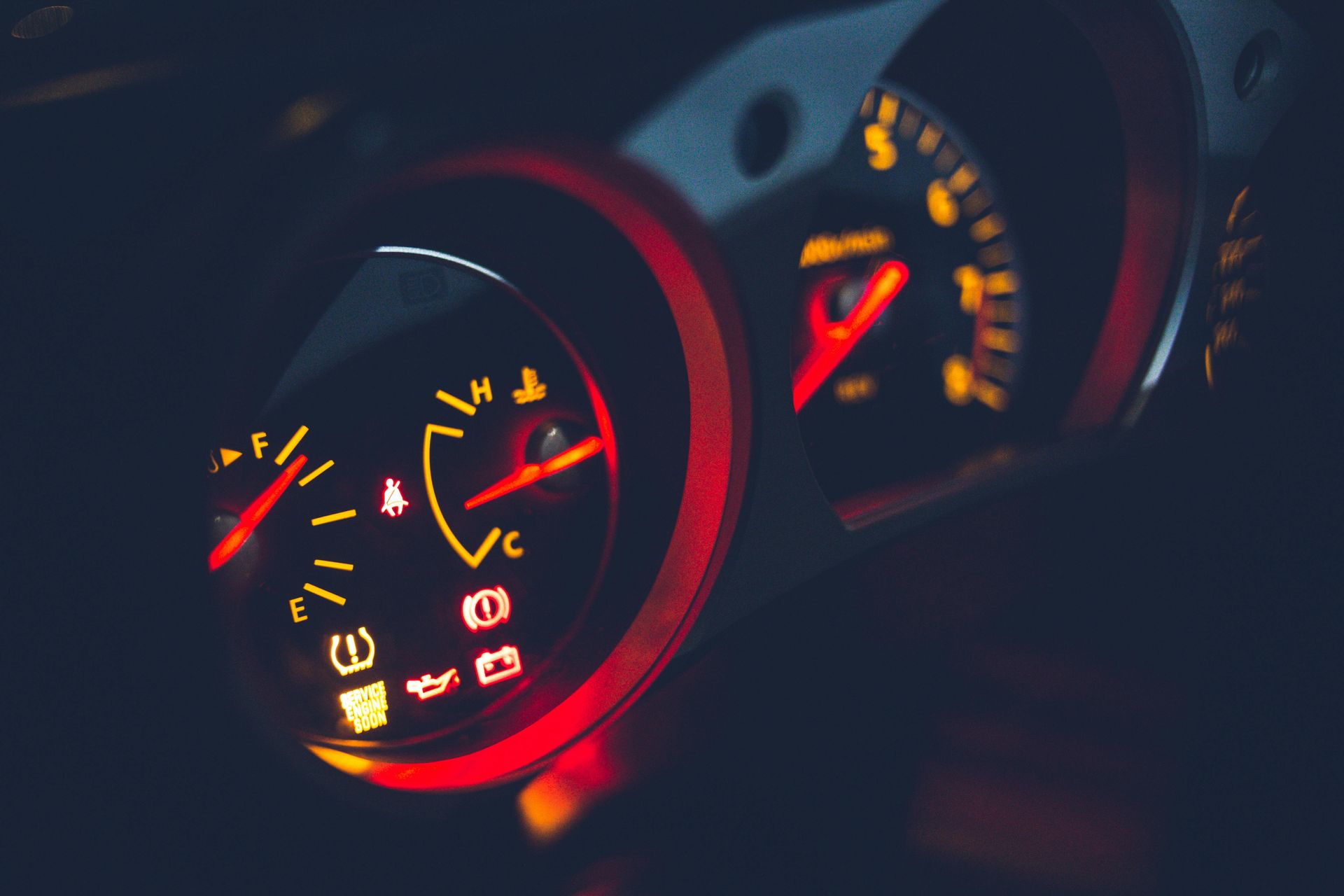
A close up of a car dashboard with a red light on

¿Qué es el TPMS?

TPMS significa Sistema de Monitoreo de Presión de Neumáticos. Es un sistema electrónico integrado en la mayoría de los vehículos fabricados después del 2007 que te alerta cuando uno o más de tus neumáticos tienen una presión significativamente baja.


Existen dos tipos de sistemas TPMS:

  • TPMS directo: utiliza sensores dentro del neumático para medir la presión del aire.
  • TPMS indirecto: se basa en sensores de velocidad de las ruedas (a menudo parte del sistema ABS) para detectar cambios en la rotación que sugieren baja presión.


Ambos sistemas tienen el mismo objetivo: informarte sobre problemas de presión antes de que se conviertan en riesgos de seguridad o reparaciones costosas.
A person is washing a tire with a high pressure washer.

Qué significa cuando se enciende la luz del TPMS

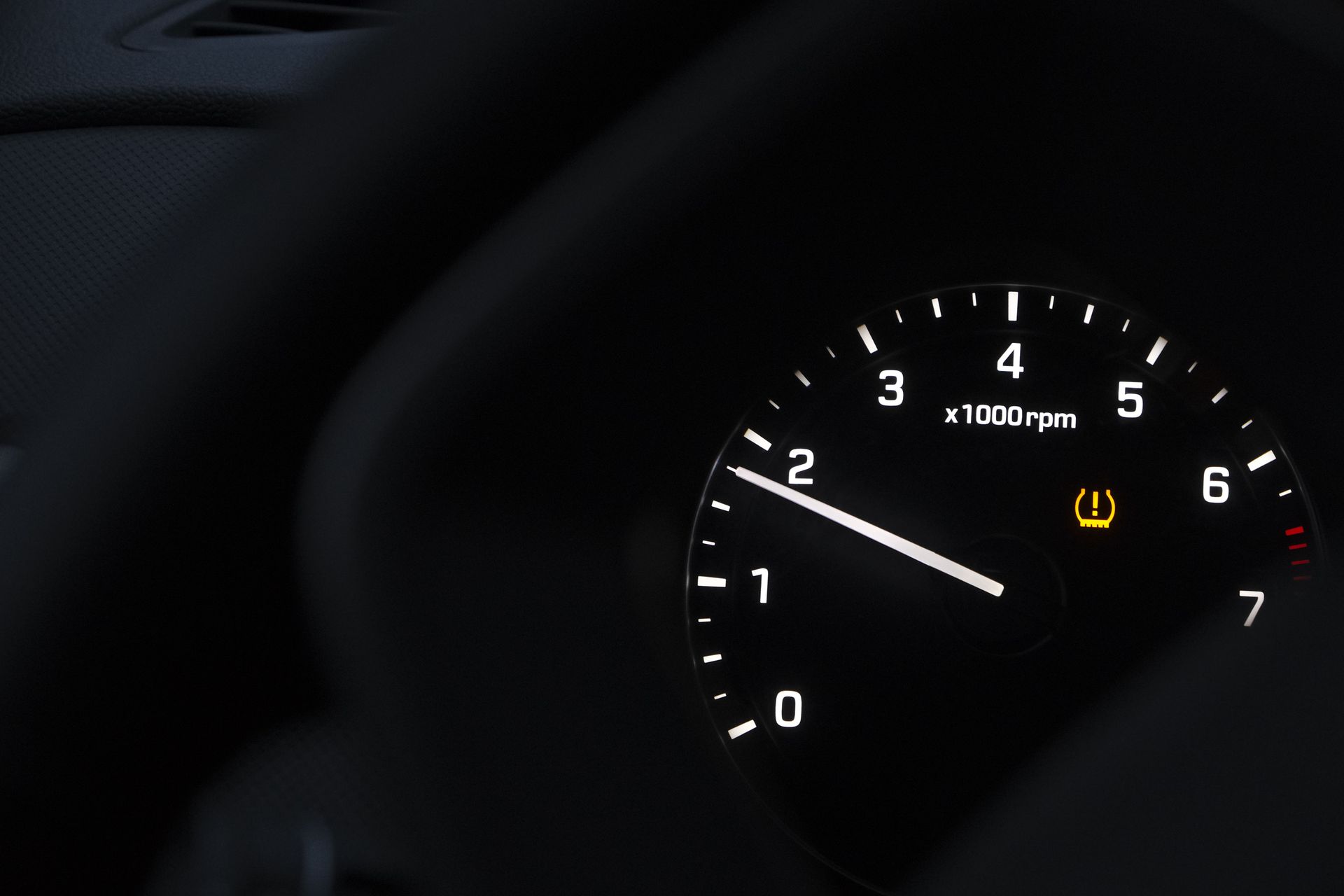
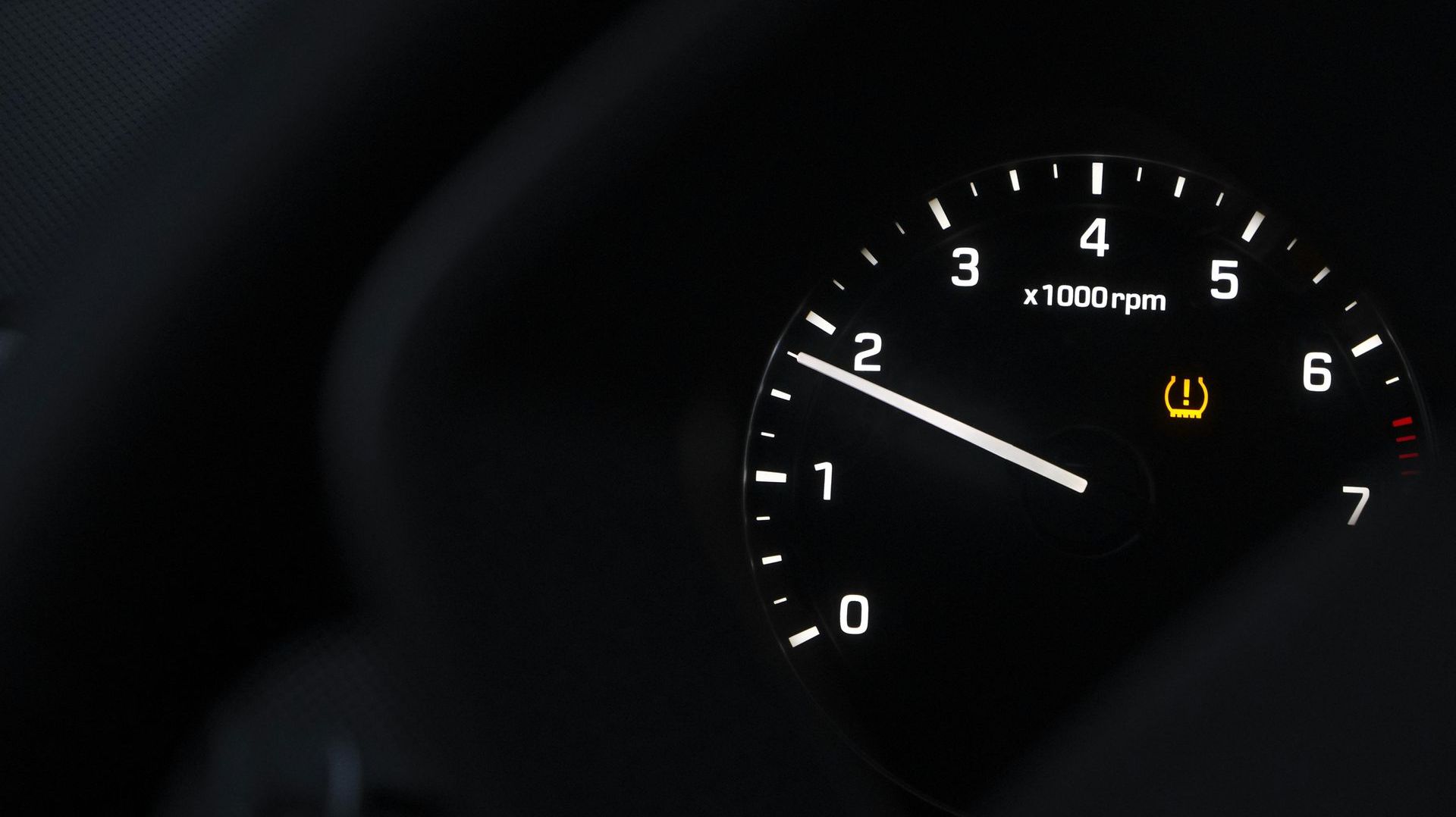
Cuando la luz del TPMS se enciende en el tablero, usualmente significa que uno o más neumáticos están por debajo de la presión recomendada. A veces parpadea brevemente y se apaga — otras veces permanece encendida o parpadea por un período prolongado. Aquí te explicamos lo que podría significar cada caso:


  • Luz TPMS fija: Uno o más neumáticos tienen baja presión. Es el problema más común y debe atenderse lo antes posible.
  • Luz TPMS parpadeante: A menudo indica una falla en el sistema TPMS. Puede ser la batería de un sensor agotada, cableado defectuoso o un error de comunicación interno.


En climas fríos como Boston, las luces del TPMS suelen activarse durante el otoño e invierno porque el aire frío reduce la presión de los neumáticos. Esto es completamente normal — pero igual debe atenderse.
A close up of a car tachometer with the number 3 on it

Por qué es importante

Ignorar la luz del TPMS es arriesgado. Tener baja presión en los neumáticos puede:

  • Reducir la eficiencia del combustible
    Los neumáticos desinflados generan más resistencia al rodar, lo que obliga al motor a trabajar más y consumir más combustible.
  • Acortar la vida útil del neumático
    La presión inadecuada causa desgaste desigual, especialmente en los bordes de la banda de rodadura, reduciendo la duración de los neumáticos.
  • Aumentar la distancia de frenado
    La baja presión reduce la tracción, especialmente en condiciones húmedas o con hielo — algo que los conductores en Boston conocen muy bien.
  • Provocar fallas en los neumáticos
    Los neumáticos muy desinflados tienen mayor probabilidad de sobrecalentarse o reventar a velocidades altas.


En resumen, esa pequeña luz en el tablero no es algo que debas ignorar.
A man is changing a tire on a car in a garage.

Cómo puede ayudarte Raymond’s Tire Shop

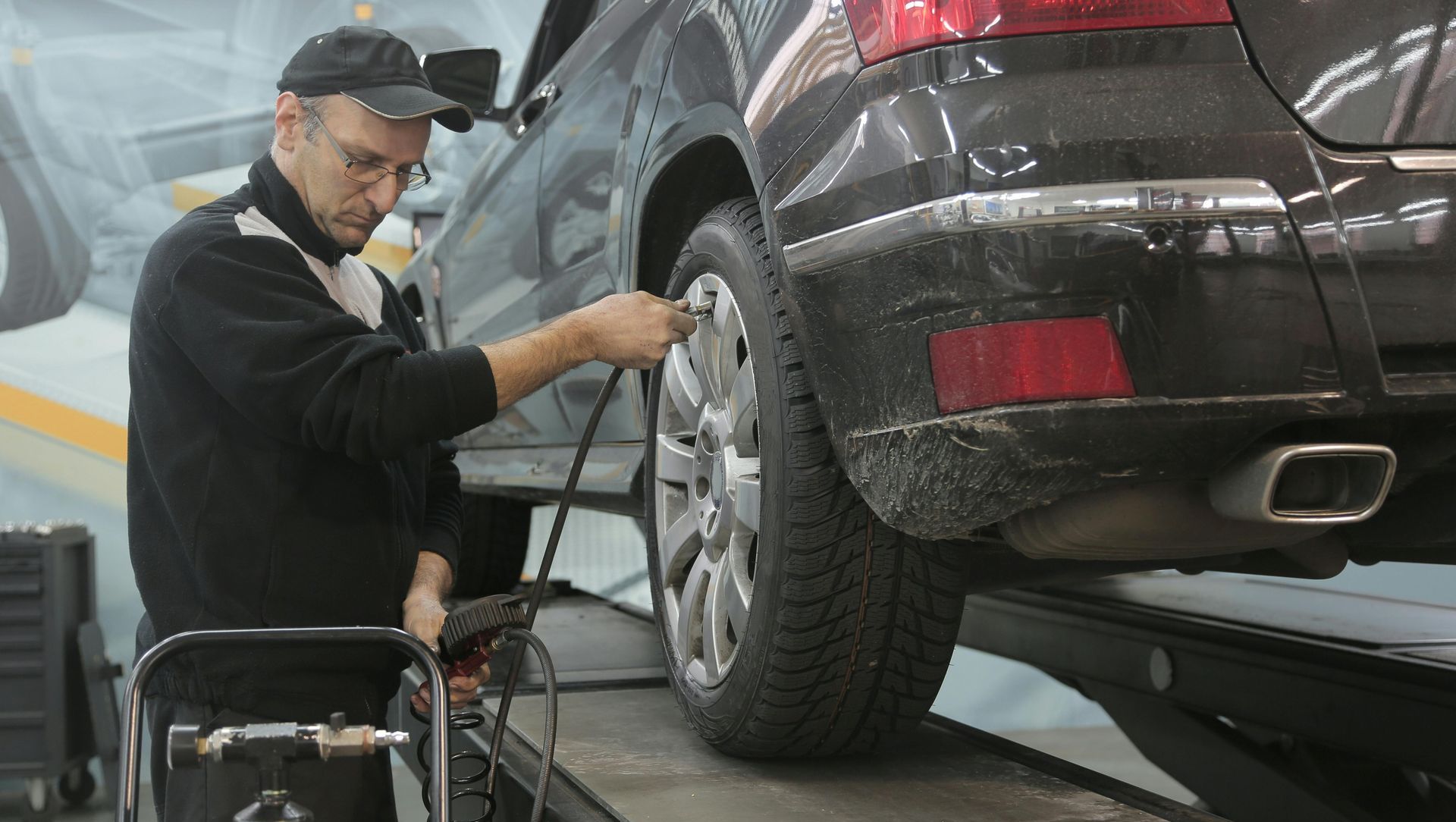
Si se enciende la luz del TPMS, en Raymond’s Tire Shop estamos listos para ayudarte a volver a la carretera con confianza. Esto es lo que ofrecemos:

1. Revisión de la presión de los neumáticos
Comenzamos revisando los cuatro neumáticos y el de repuesto (si aplica) para ver si alguno está desinflado o tiene una fuga. Si solo se necesita rellenar aire, estarás de vuelta en poco tiempo.


2. Diagnóstico del TPMS
Si la luz parpadea o no se apaga incluso después de inflar los neumáticos, realizamos un escaneo diagnóstico. Esto nos permite detectar problemas en los sensores o fallos de comunicación en el sistema.


3. Reemplazo de sensores TPMS
Los sensores del TPMS no duran para siempre — típicamente entre 5 y 10 años, dependiendo del uso y la vida de la batería. Si un sensor ha fallado, podemos reemplazarlo y reprogramarlo en el sistema de tu vehículo.
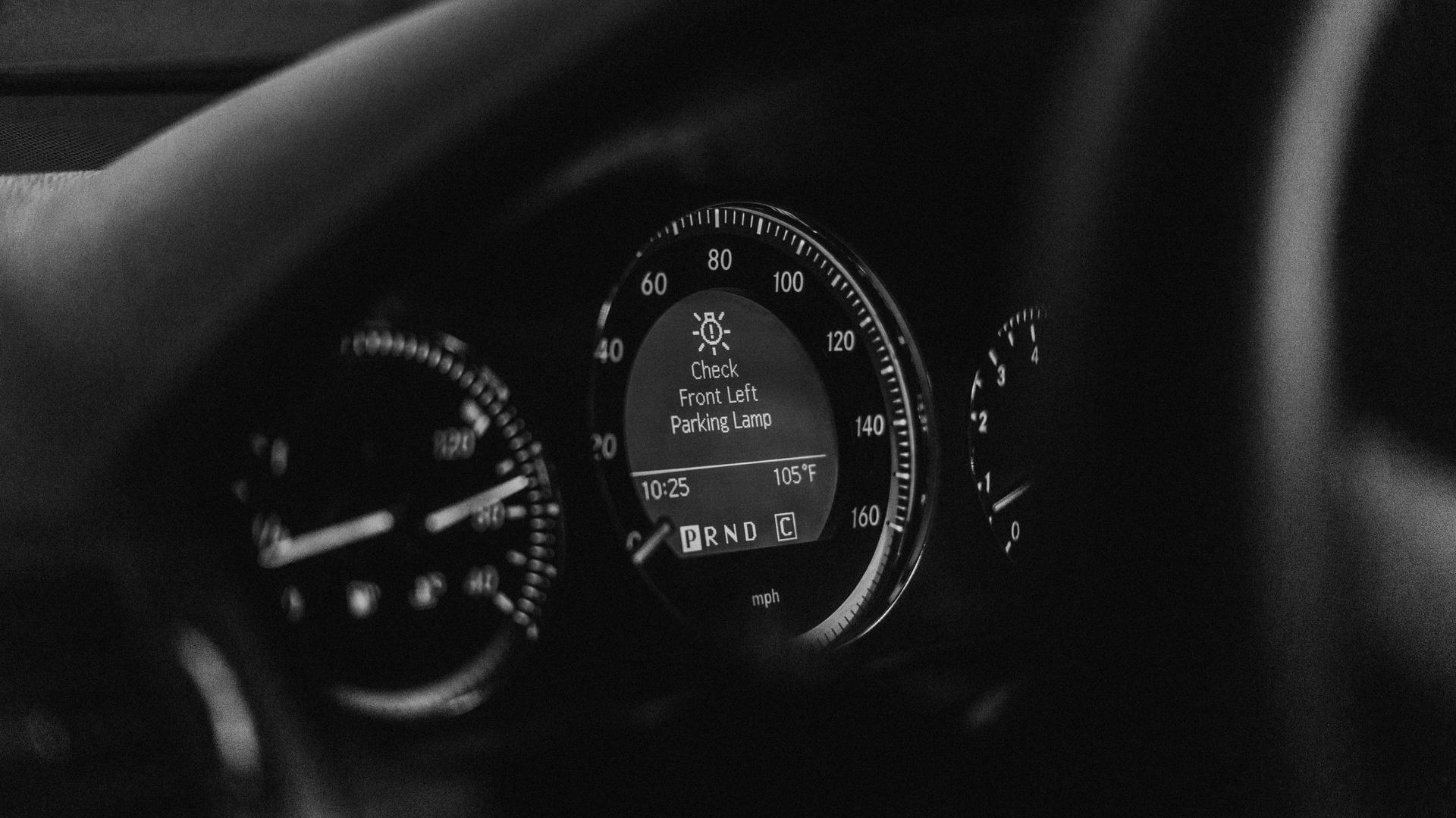
A black and white photo of the dashboard of a car.

4. Inspección completa de neumáticos
A veces, una luz persistente del TPMS indica una fuga lenta, una válvula dañada o un daño interno. Inspeccionamos tus neumáticos a fondo para identificar la causa raíz.


No adivines — ¡Haz que lo revisen!

La luz del TPMS es la forma en que tu auto te dice que algo no está bien. No la ignores — y definitivamente no te fíes solo de una inspección visual. Muchos neumáticos pueden parecer bien y aun así tener varios PSI por debajo del nivel recomendado.


Si estás en el área de Boston y esa lucecita no deja de aparecer, trae tu vehículo a Raymond’s Tire Shop. Diagnosticaremos el problema, lo resolveremos y te ayudaremos a conducir con seguridad y tranquilidad.


Sin adivinanzas. Sin ventas innecesarias. Solo un servicio honesto y experto de neumáticos de un taller que ha estado sirviendo a los conductores de Boston durante años.
A close up of a car wheel with a tire on it
A man is kneeling down to change a tire on a car.
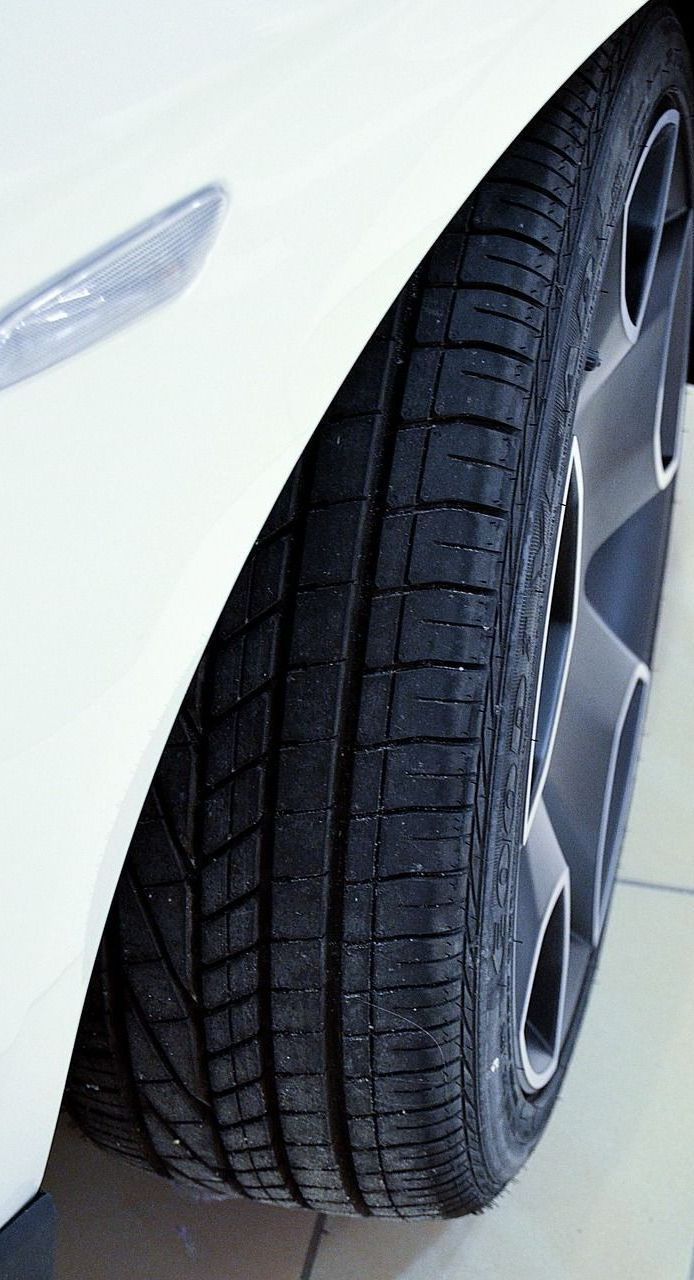
A close up of a tire on a white car
A close up of a car wheel on a brick road.
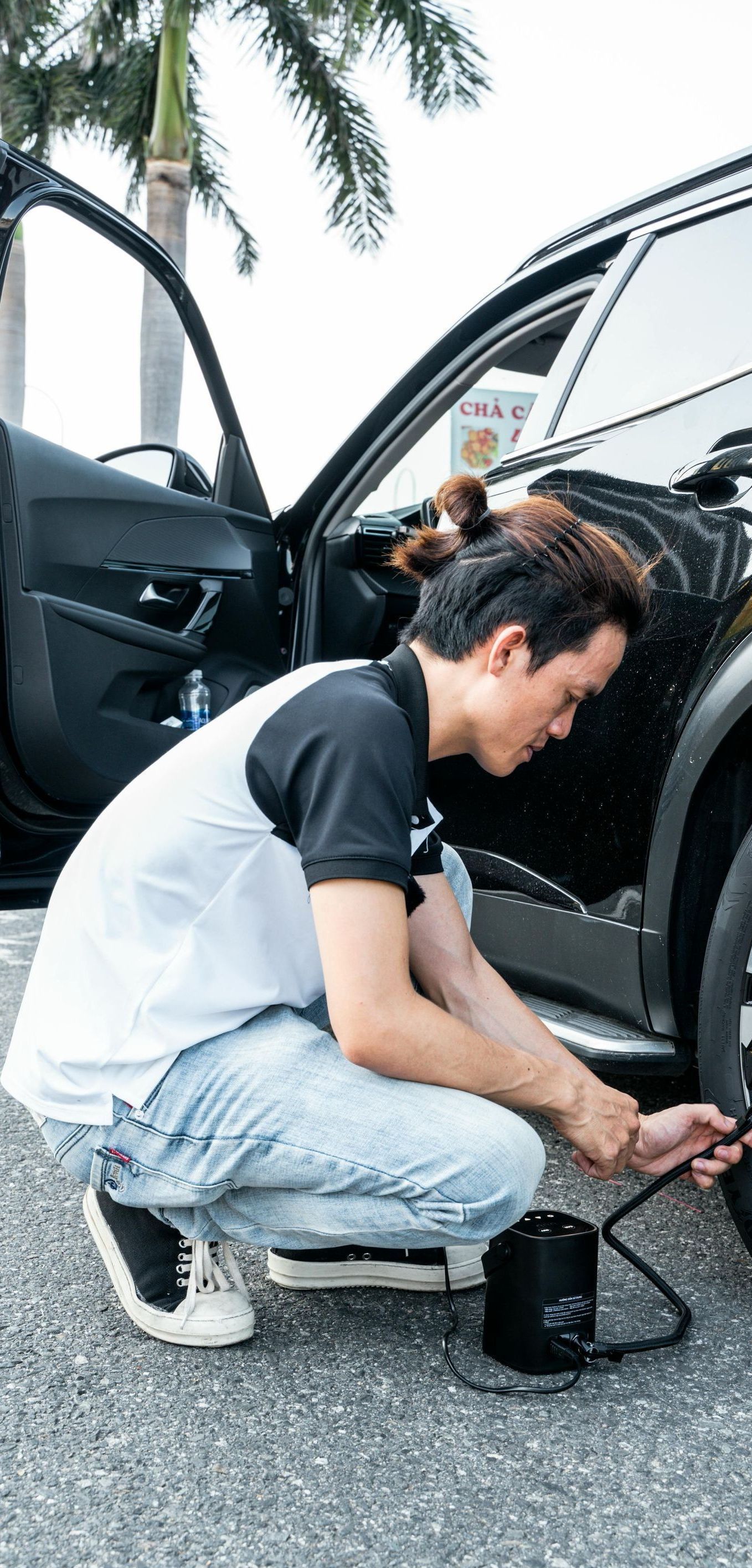
A man is kneeling down next to a car to inflate a tire.
A close up of a tire with a green background
August 28, 2026
When a tire repeatedly loses air but there is no obvious nail, screw, or visible puncture, the problem may be where the tire meets the wheel. This area is known as the tire bead, and a poor seal between the bead and the rim can allow air to escape gradually. Tire bead leaks are a common cause of slow pressure loss. Understanding why they happen can help drivers recognize when a tire needs professional inspection rather than repeatedly adding air. What Is the Tire Bead? The bead is the reinforced inner edge of the tire that sits tightly against the wheel rim. When a tire is properly mounted and inflated, air pressure helps hold the bead securely against the wheel, creating an airtight seal. If that sealing surface becomes damaged, dirty, corroded, or distorted, a small pathway can develop for air to escape.  Because these leaks may be very small, the tire can lose pressure over several days or weeks rather than going flat immediately.
August 23, 2026
A pothole impact can feel like a quick jolt, but the forces involved can affect several parts of the tire and wheel assembly. The faster the vehicle is moving, the less time the tire has to absorb the impact. In some cases, the damage is immediately obvious. In others, problems may not become noticeable until later. Raymond’s Tire Shop helps drivers inspect tires, wheels, balancing, and alignment after hard road impacts. Understanding what can happen during a pothole strike can make it easier to recognize when a tire needs professional attention. The Tire Is Compressed Extremely Quickly When a tire drops into a pothole and strikes the far edge, the sidewall and tread can be compressed between the road and the wheel. Tires are designed to flex, but a severe impact can exceed what the internal structure can safely absorb.  The risk can be greater when tire pressure is too low because there is less air cushioning between the road surface and the wheel. However, even a properly inflated tire can be damaged by a deep pothole at sufficient speed.
August 16, 2026
Tires are one of the most important safety components on any vehicle because they are the only parts that maintain direct contact with the road. As tires wear, their ability to grip pavement, channel water, and respond predictably can gradually decline. The challenge is that unsafe tire conditions are not always obvious until performance has already been affected.  Raymond’s Tire Shop helps drivers evaluate tread wear, tire damage, pressure issues, alignment problems, and other conditions that can affect tire safety. Knowing what to look for can help you recognize when a tire needs professional attention or replacement.
August 7, 2026
Most drivers think of tires simply as the round rubber components that allow a vehicle to roll down the road. In reality, tires are sophisticated pieces of engineering that perform several essential functions every time a vehicle is in motion. They support the weight of the vehicle, transmit steering and braking forces, absorb road irregularities, and maintain traction in changing driving conditions. Every acceleration, turn, and stop depends on these four small contact patches where the tires meet the road.  Understanding the primary functions of a tire helps drivers appreciate why routine maintenance and timely replacement are so important. Raymond’s Tire Shop helps customers choose quality tires and maintain them properly so their vehicles continue to perform safely and efficiently throughout the life of the tire.
July 31, 2026
Understanding how your tires interact with wet pavement is one of the most important parts of safe driving. While most drivers know that rain can make roads slippery, fewer understand how hydroplaning occurs or why it can cause a vehicle to suddenly lose traction. Knowing what causes hydroplaning—and how proper tire maintenance can reduce the risk—can help you stay safer during wet weather.  At Raymond’s Tire Shop, we believe that informed drivers make safer decisions. Keeping your tires in excellent condition is one of the best ways to improve vehicle performance when road conditions are less than ideal.
July 23, 2026
Your tires are one of the hardest-working components of your vehicle. They provide traction, support your vehicle’s weight, absorb impacts from the road, and help you maintain control in a wide range of driving conditions. Because they experience constant wear, replacing tires is an expected part of vehicle ownership. However, proper maintenance can help maximize their lifespan, improve performance, and save you money over time. Many of the factors that affect tire longevity are within a driver’s control. By following a few simple maintenance practices, you can help your tires wear more evenly and perform as intended throughout their service life.