The Hidden Risks of Driving on Worn Tires
Many drivers pay attention to oil changes, brake service, and other routine maintenance, but tire condition is often overlooked until a problem becomes obvious. Tires gradually wear down over time, and because this process happens slowly, it can be easy to ignore the warning signs. Unfortunately, driving on worn tires can create serious safety risks that many motorists underestimate.
At Raymond’s Tire Shop, we regularly see vehicles come in with tires that have far less tread than is safe for everyday driving. Understanding how tire wear affects traction, braking, and vehicle control can help drivers recognize when it is time to replace their tires before those risks become dangerous.
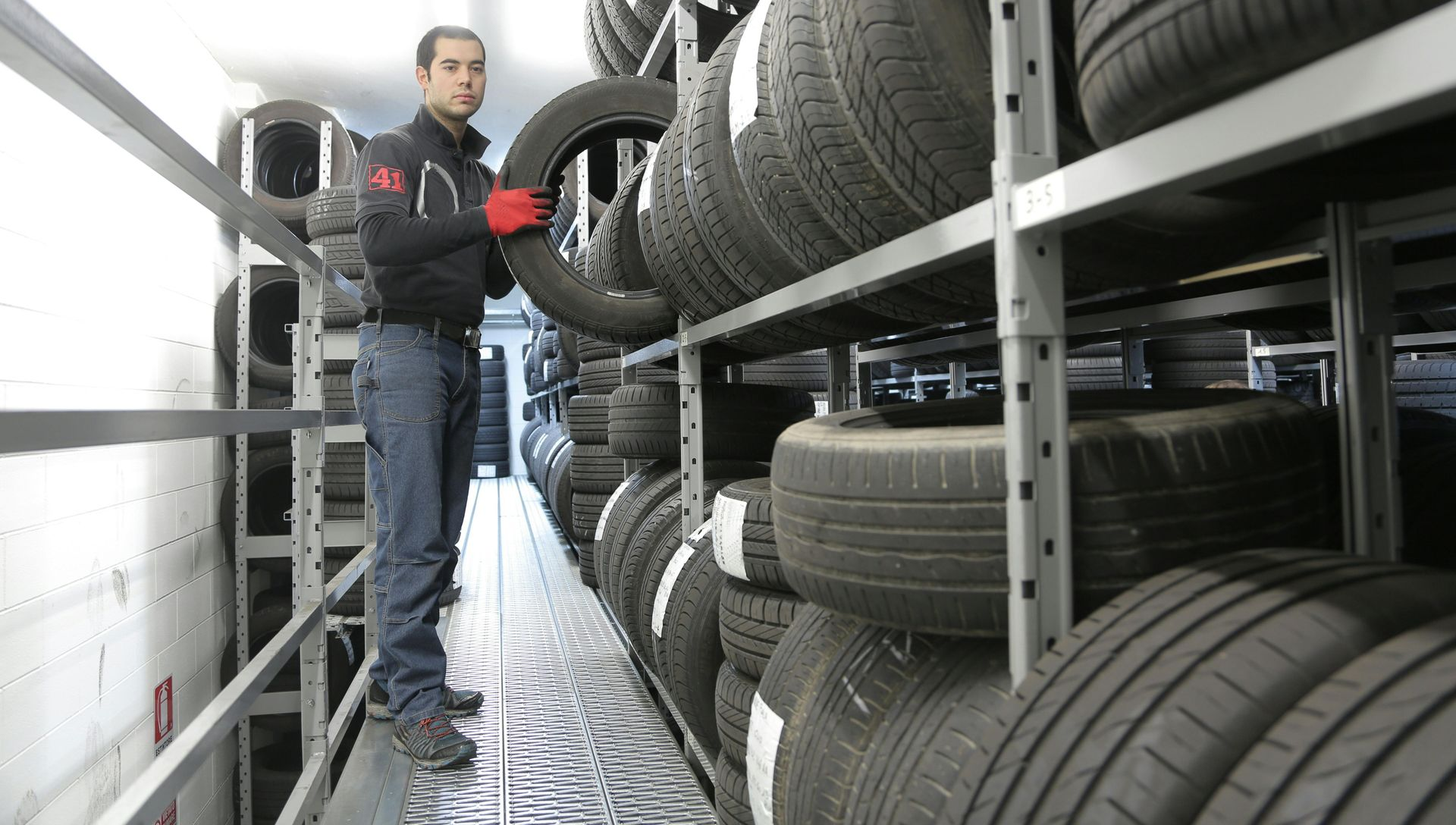
Why Tire Tread Matters
The tread on your tires plays a critical role in maintaining traction on the road. Those grooves and channels are specifically designed to move water away from the tire’s contact patch, allowing rubber to maintain grip on the pavement.
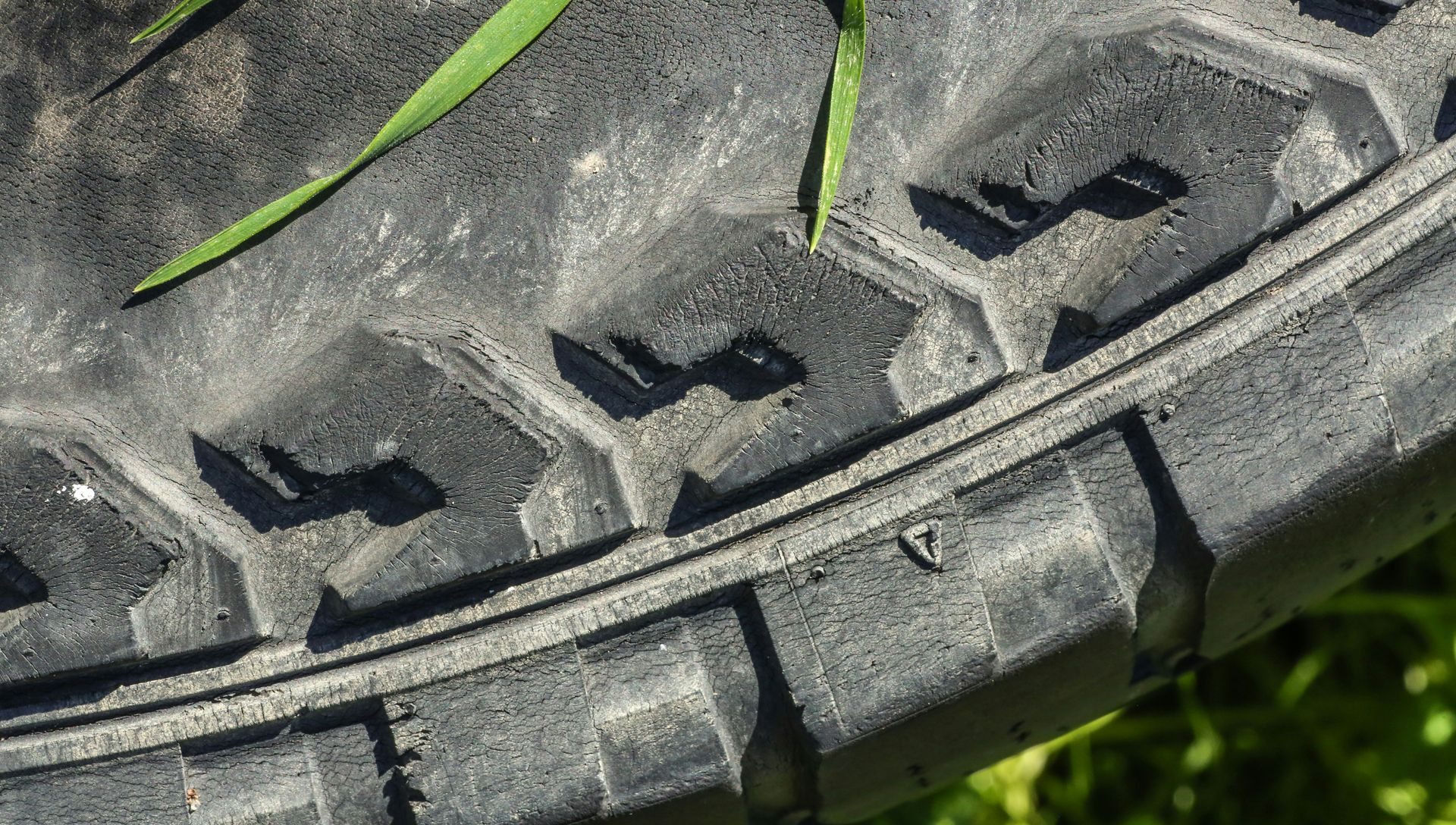
When tires are new, the deep tread patterns can efficiently channel water away, helping prevent hydroplaning during rainstorms. As tires wear down, those grooves become shallower. Eventually, they lose the ability to move water effectively, increasing the likelihood that the tire will ride on a thin layer of water instead of gripping the road surface.
This loss of traction is one of the most dangerous consequences of worn tires.
Increased Risk of Hydroplaning
Hydroplaning occurs when a tire loses contact with the road and instead skims across standing water. When this happens, drivers temporarily lose control of steering and braking.
Worn tires dramatically increase the risk of hydroplaning because the reduced tread depth cannot clear water fast enough. Even moderate rain can create conditions where worn tires struggle to maintain contact with the road.
In situations where drivers must brake suddenly or make quick steering corrections, this loss of traction can make it much harder to avoid a collision.

Longer Stopping Distances
Tire tread is also essential for braking performance. The grooves and rubber compound help tires grip the pavement when the brakes are applied.
As tread depth decreases, braking efficiency declines. Worn tires require a longer distance to bring a vehicle to a complete stop, especially on wet or slippery roads. This difference can be the deciding factor between a safe stop and a serious accident.
Drivers often assume their braking system is responsible for stopping performance, but tires are equally important in that process.
Reduced Handling and Stability
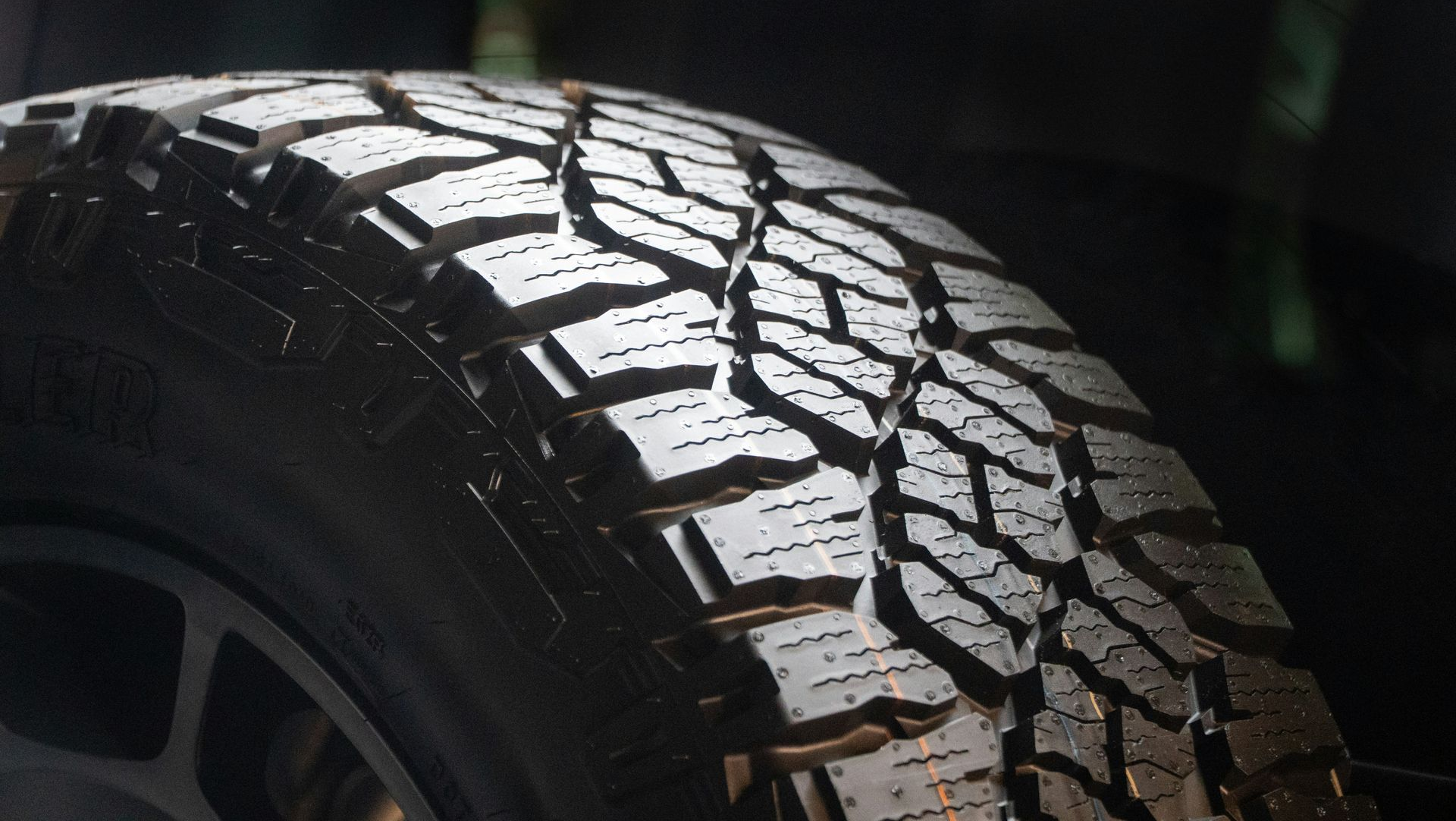
Tires affect more than just braking. They also influence steering response and vehicle stability. When tread is severely worn, drivers may notice that their vehicle feels less responsive when turning or maneuvering.
This can be especially dangerous when navigating curves, merging onto highways, or reacting to sudden obstacles in the road. The loss of traction caused by worn tires makes it harder for the vehicle to maintain stability.
The Legal Limit for Tread Depth
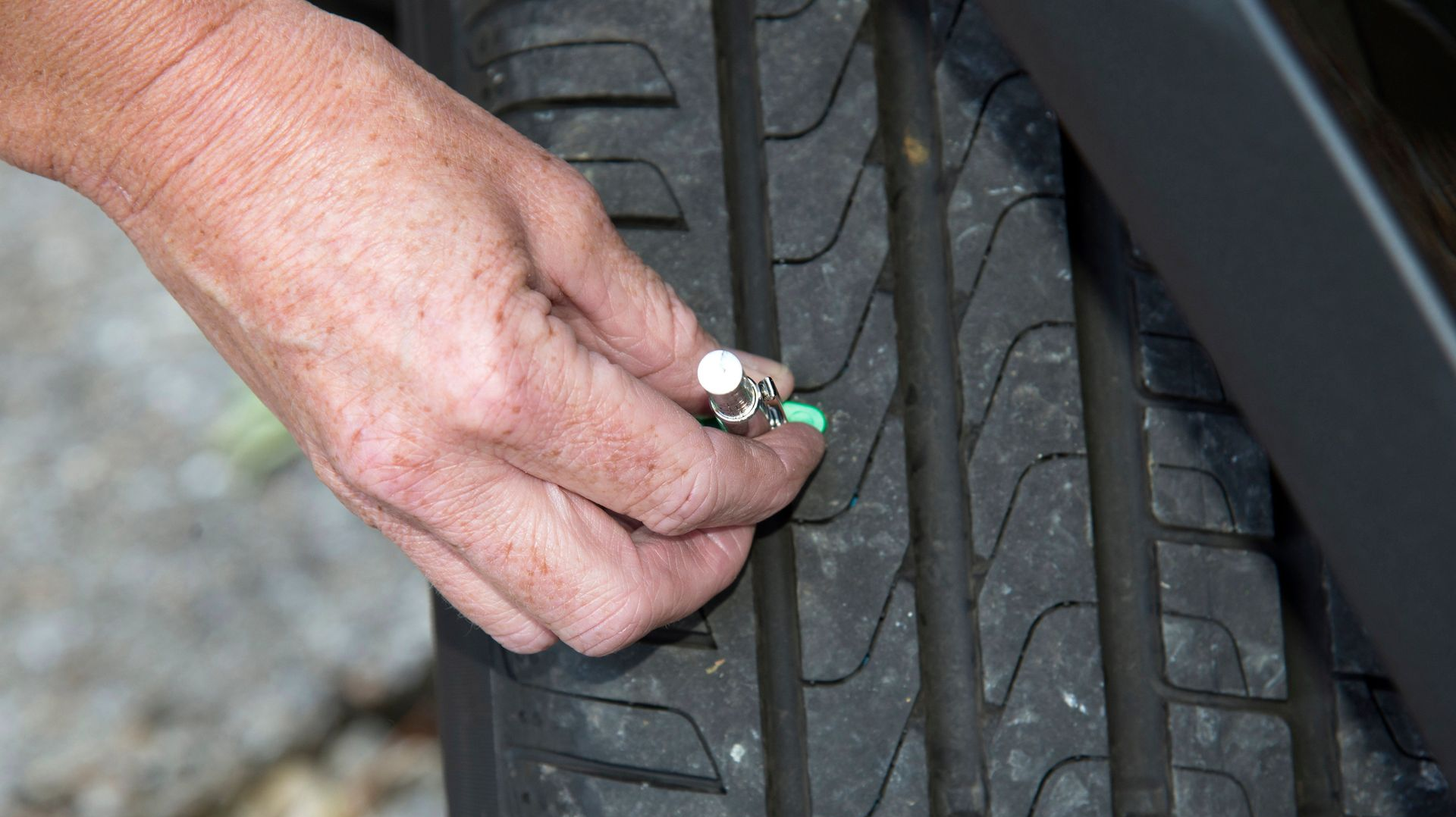
In most states, the legal minimum tread depth is 2/32 of an inch. However, safety experts recommend replacing tires before they reach this limit. Many professionals suggest replacement when tread depth reaches 4/32 of an inch, particularly in regions that experience frequent rain.
A simple way to check tire tread is the well-known “penny test.” By inserting a penny into the tread with Lincoln’s head facing downward, drivers can get a quick indication of tread depth. If the top of Lincoln’s head is visible, the tire may already be too worn for safe driving.
While this test can provide a basic guideline, a professional inspection offers a more accurate assessment.
Uneven Tire Wear
Another issue drivers should watch for is uneven tire wear. Misalignment, improper inflation, or suspension problems can cause certain sections of the tire to wear faster than others.
Uneven wear can reduce traction and shorten the lifespan of the tire. Regular tire rotations and alignments help distribute wear evenly and maximize the life of your tires.
The Importance of Regular Tire Inspections
Tires are the only part of your vehicle that directly touches the road. Because of this, their condition plays a major role in overall driving safety. Regular inspections help identify worn tires before they become hazardous.
At Raymond’s Tire Shop, we help drivers evaluate tread depth, check tire pressure, and identify signs of uneven wear. When replacement becomes necessary, choosing the right tires for your vehicle ensures optimal safety and performance.
Protecting Yourself on the Road
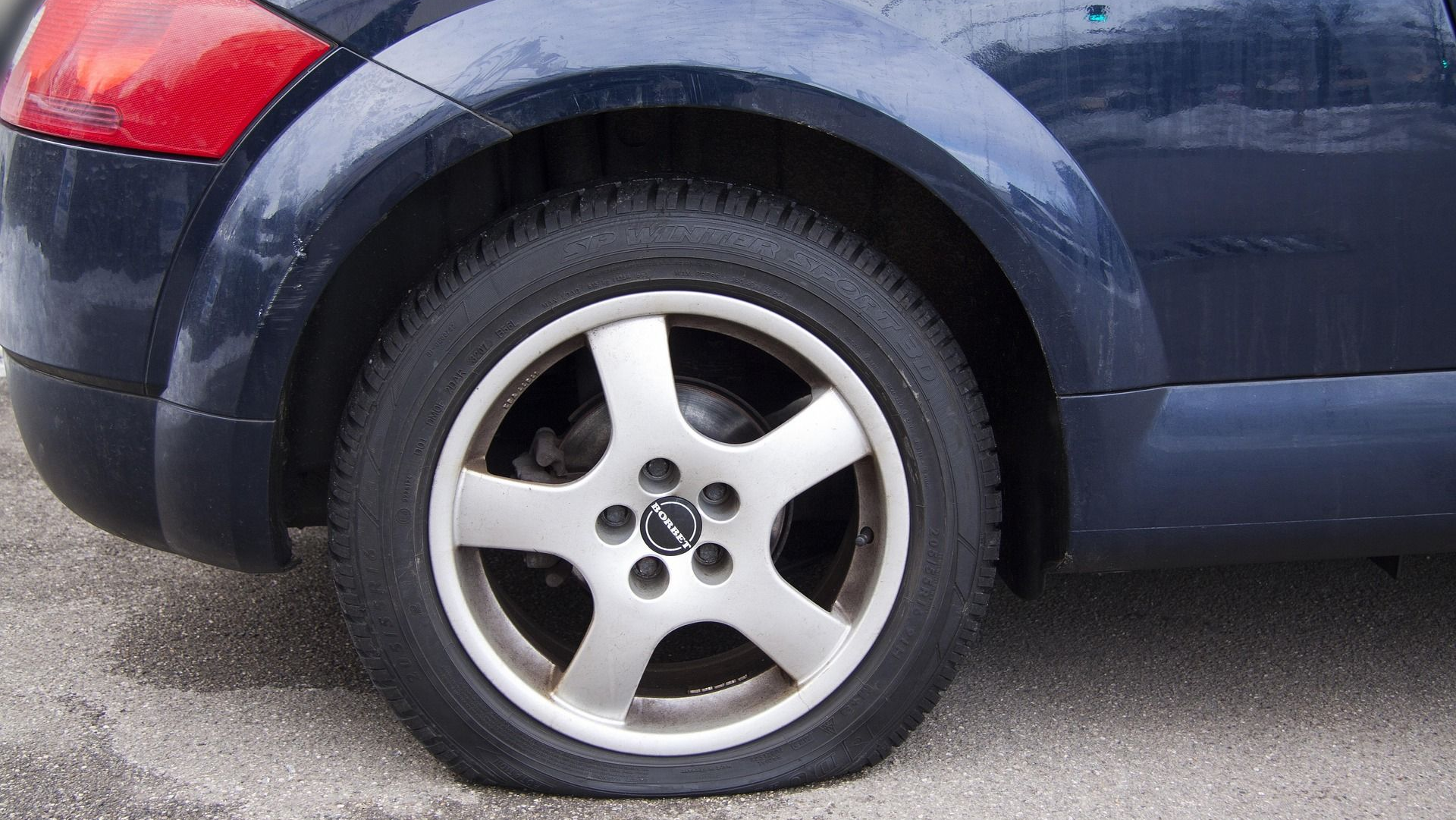
Driving on worn tires may seem like a small issue, but it significantly increases the risk of accidents, especially during wet weather. Replacing tires at the appropriate time protects your ability to brake, steer, and maintain control of your vehicle.
If you are unsure about the condition of your tires, a professional inspection can provide peace of mind. At Raymond’s Tire Shop, our team is committed to helping drivers stay safe with expert tire service and quality replacements when they are needed most.