Understanding Load Ratings and Speed Ratings When Selecting New Tires
Make Informed Tire Decisions for Safety and Performance
Selecting new tires involves more than choosing a brand or tread pattern. Two important factors, load ratings and speed ratings, play a significant role in determining how well a tire will perform for your vehicle. These ratings help ensure that the tires you choose can safely handle the weight of your vehicle and the speeds you commonly drive. At Raymond’s Tire Shop, we want our customers to understand these ratings so they can make informed decisions and choose tires that provide safety, durability, and reliable performance.
What Load Ratings Represent
A tire’s load rating indicates the maximum weight it can safely carry when properly inflated. Every tire is assigned a load index number, which corresponds to a specific weight capacity. The higher the number, the more weight the tire can support. This rating is essential because it helps ensure that the tires are capable of carrying the weight of the vehicle, its passengers, and any additional cargo.
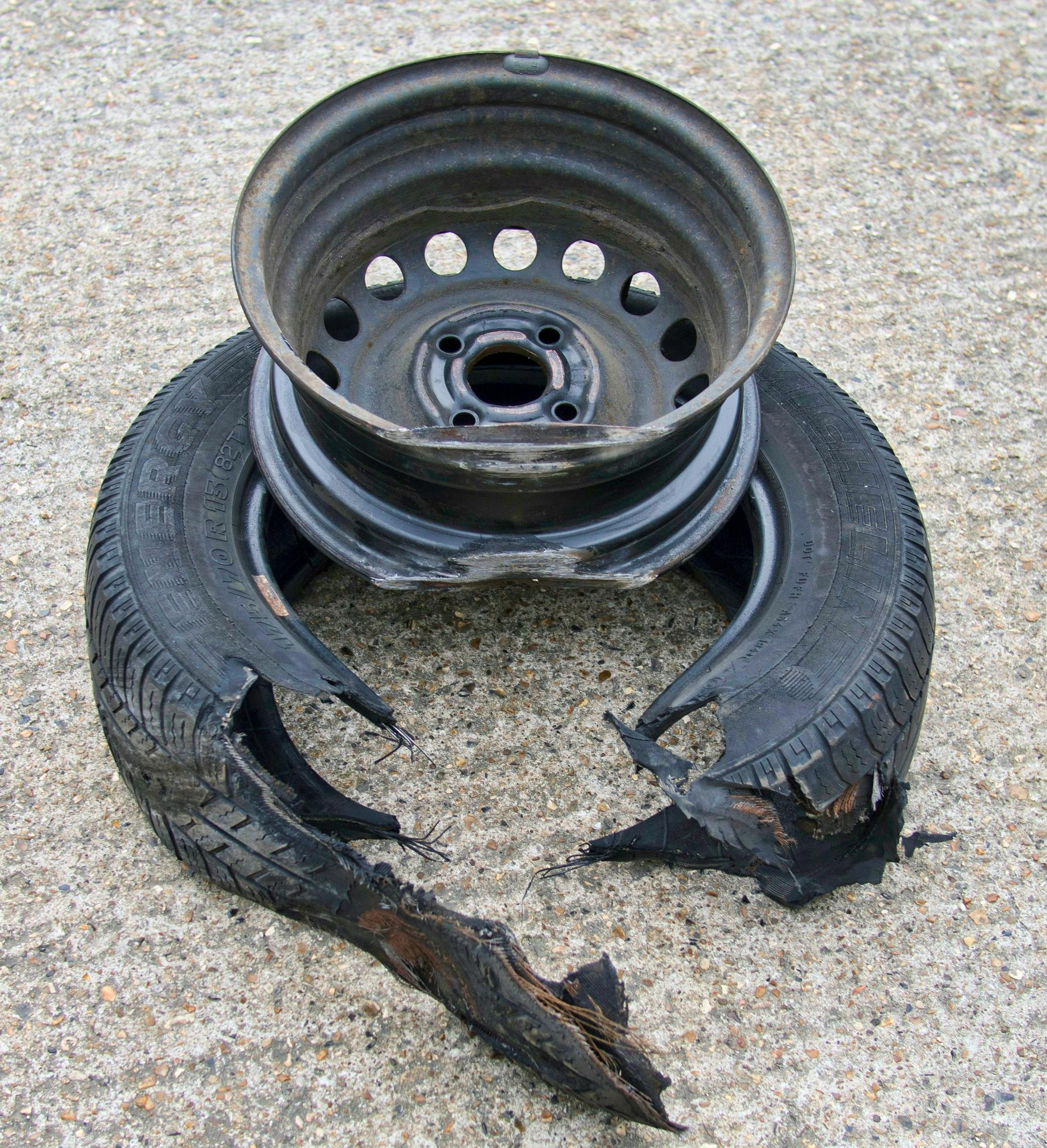
Selecting a tire with a load rating lower than what your vehicle requires can lead to excessive wear, heat buildup, and potential tire failure. Tires that are overloaded or underinflated may deform as they roll, placing stress on the internal structure. At our shop, we review your vehicle’s manufacturer recommendations to ensure the load rating matches or exceeds the specified requirement. This provides confidence that the tire will support your vehicle under everyday driving conditions.

Why Load Ratings Matter for Different Types of Vehicles
Different vehicles have different weight demands. Trucks, SUVs, vans, and vehicles used for towing require higher load capacity compared to compact cars or sedans. Even within the same type of vehicle, trim level, engine size, and equipment packages can influence total weight. For example, vehicles equipped with panoramic roofs, premium sound systems, or larger engines often weigh more and may require tires with higher load ratings.
Drivers who carry heavy cargo or regularly transport multiple passengers should also pay close attention to load ratings. Choosing a tire that meets the vehicle’s needs helps maintain steering stability, braking performance, and overall safety.

Understanding Speed Ratings
Speed ratings indicate the maximum speed at which a tire can carry its specified load safely. These ratings are represented by letters such as S, T, H, V, and others. Each letter corresponds to a specific top speed under controlled testing conditions. While the maximum speed listed in the rating may exceed typical driving speeds, selecting the correct rating is important for consistent performance.
Speed ratings are influenced by the tire’s construction, rubber compounds, and design. A tire with a higher speed rating typically provides better heat resistance, improved handling, and enhanced responsiveness. Even if you do not drive at high speeds, using a tire with the speed rating recommended by your vehicle manufacturer helps maintain predictable performance in all conditions.

Matching Speed Ratings to Your Driving Needs
Many passenger vehicles come equipped with tires rated for higher speeds than most drivers will ever reach. This is because speed ratings are tied to handling characteristics and overall tire performance. Vehicles designed for more dynamic driving may require higher speed rated tires to maintain proper control.
Drivers who frequently travel on highways or carry heavy loads also benefit from choosing tires with the appropriate speed rating, as higher ratings often offer better stability during sustained driving. At Raymond’s Tire Shop, we help customers match their driving habits and vehicle requirements to the correct speed rating so their tires perform well under their typical conditions.

Why These Ratings Matter When Buying New Tires
Selecting tires with the correct load and speed ratings helps maintain vehicle safety and performance. These ratings work together to ensure that the tire can support both the physical weight of the vehicle and the stress of driving at varying speeds. Choosing tires below the vehicle’s recommended ratings can lead to premature wear, reduced stability, and increased risk of failure.
Tires that meet or exceed the manufacturer’s specifications help preserve braking effectiveness, cornering stability, and overall ride comfort. They also support the longevity of the tire by ensuring that it operates within its intended capabilities.
Confidence Through Informed Tire Selection
Understanding load ratings and speed ratings helps drivers make confident decisions when replacing their tires. At Raymond’s Tire Shop, we guide customers through these specifications so they can choose tires that match their vehicle’s needs and their driving habits. With the right combination of load capacity and speed performance, your vehicle will feel more stable, more responsive, and safer on every trip.
Driving Forward With the Right Support
Choosing the correct tire is an investment in safety and long term performance. When you understand the meaning behind load and speed ratings, you can select tires that offer the support, strength, and reliability your vehicle needs. Our team is here to help you evaluate your options and find tires that keep you protected and confident on the road.