What Drivers Should Know About Load Ratings and Passenger Safety
When most drivers shop for tires, they focus on size, brand, or tread life. One of the most important specifications, however, often gets overlooked. Tire load ratings play a critical role in vehicle safety, handling, and passenger protection. Understanding what a load rating means and why it matters helps drivers make better decisions for their vehicles and the people riding in them.
What a Tire Load Rating Actually Represents
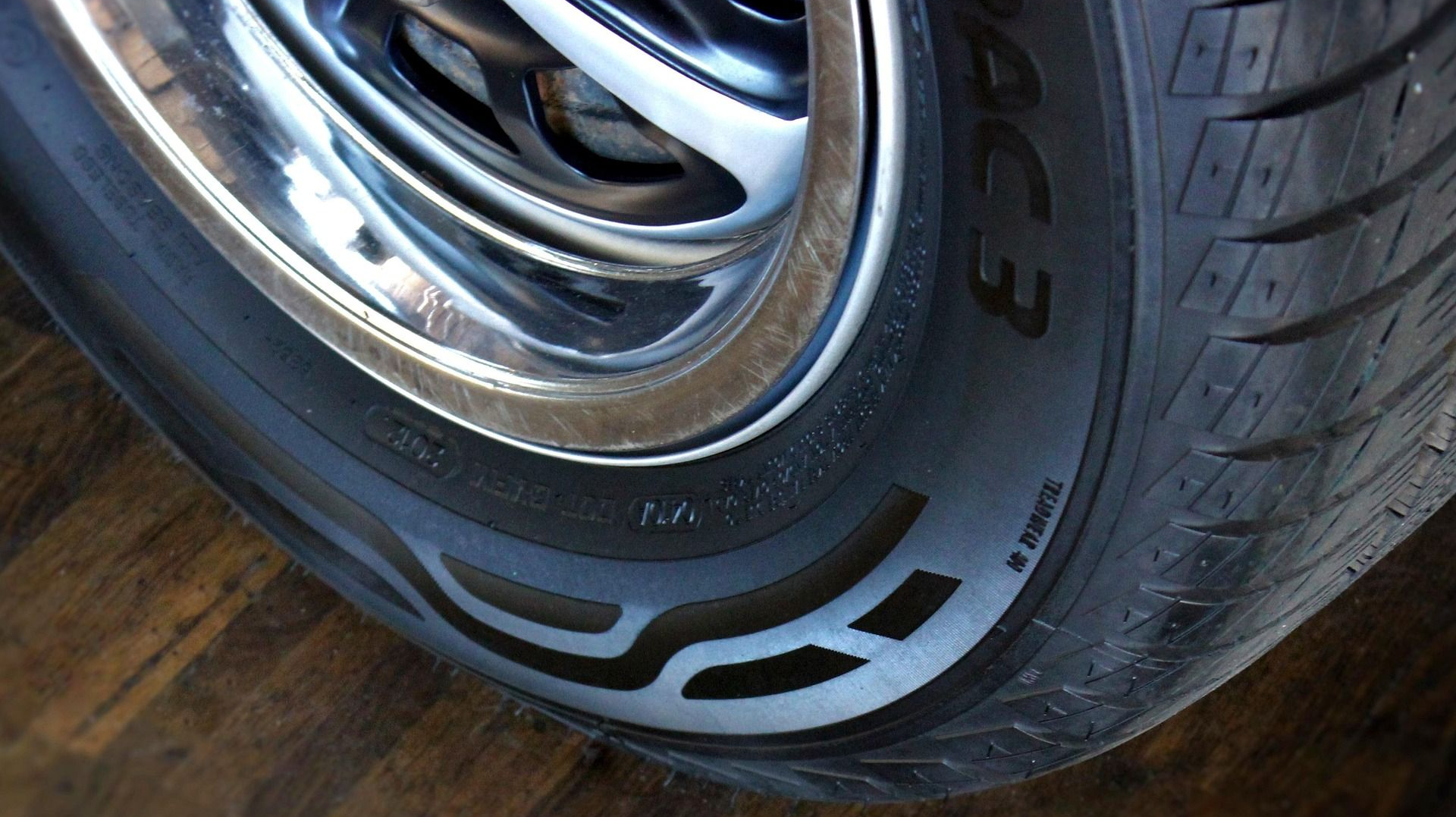
A tire’s load rating indicates the maximum amount of weight that tire can safely carry when properly inflated. This rating accounts for the combined weight of the vehicle, passengers, cargo, and any additional load such as tools or equipment.
Load ratings are standardized and correspond to a specific weight capacity. Even though the rating may appear as a number or index, it directly translates to how much stress the tire can safely handle under normal driving conditions.
Why Load Ratings Matter for Safety
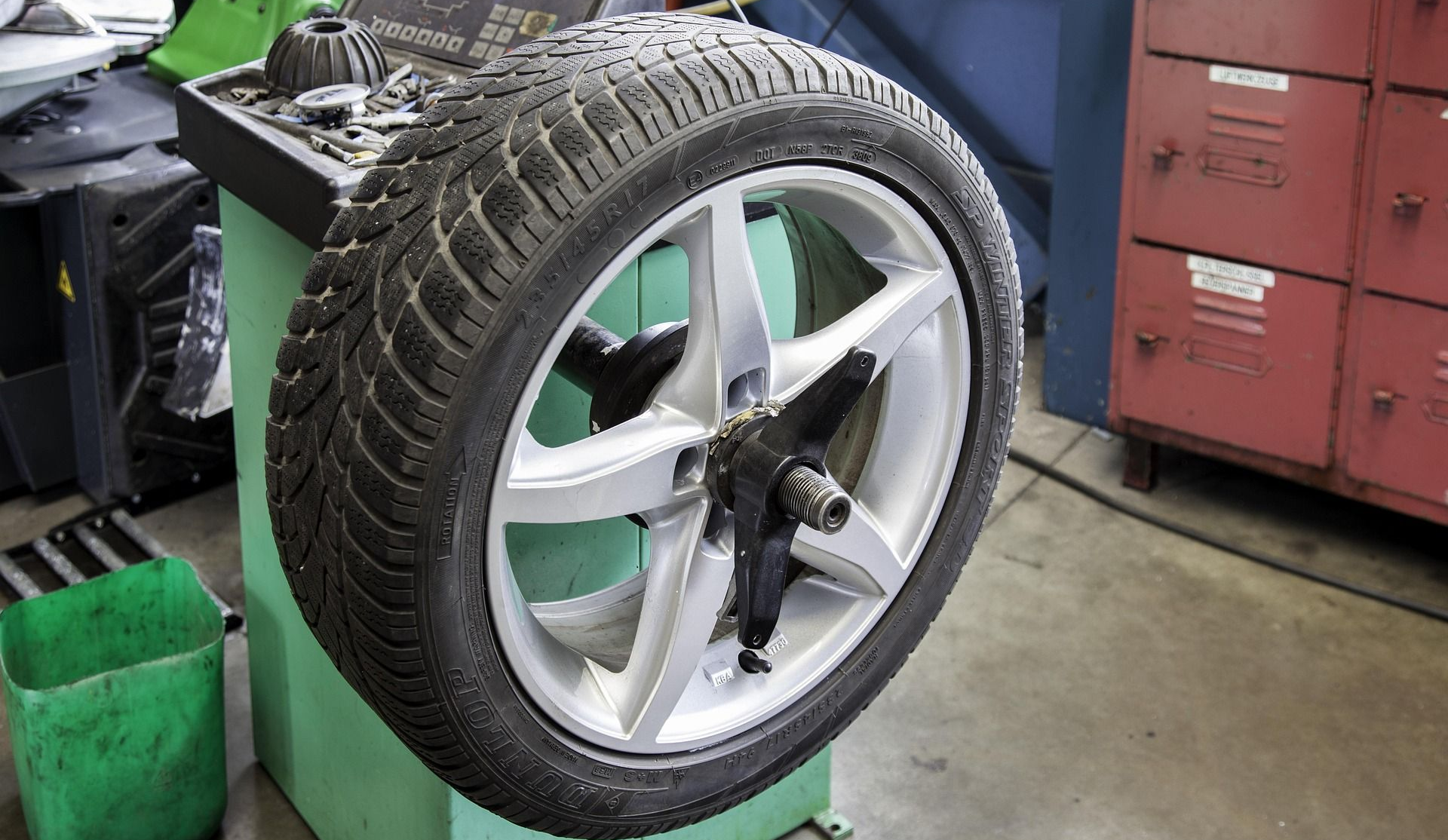
Tires are designed to operate within specific limits. When a tire carries more weight than it is rated for, its internal structure experiences excessive stress. This can lead to overheating, accelerated wear, or sudden failure.
Overloaded tires are more prone to blowouts, sidewall damage, and tread separation. These failures can happen without warning and significantly increase the risk of losing control, especially at highway speeds or during emergency maneuvers.
Passenger Vehicles Are Not Exempt
Many drivers assume load ratings only matter for trucks or commercial vehicles. In reality, passenger cars, SUVs, and crossovers are equally affected. Carrying multiple passengers, luggage, or towing equipment can quickly push a vehicle closer to its maximum load capacity.
Even routine activities such as family trips or carpools increase the total weight a vehicle carries. Tires that are not rated appropriately may struggle to support that load safely.
Load Ratings and Handling Performance
Tires that are properly matched to a vehicle’s load requirements contribute to stable handling and predictable performance. Under rated tires can flex excessively under weight, which affects steering response and braking efficiency.
This loss of stability becomes more noticeable during turns, sudden stops, or uneven road conditions. Proper load ratings help ensure that tires maintain their shape and grip, even when the vehicle is fully loaded.

The Role of Inflation Pressure
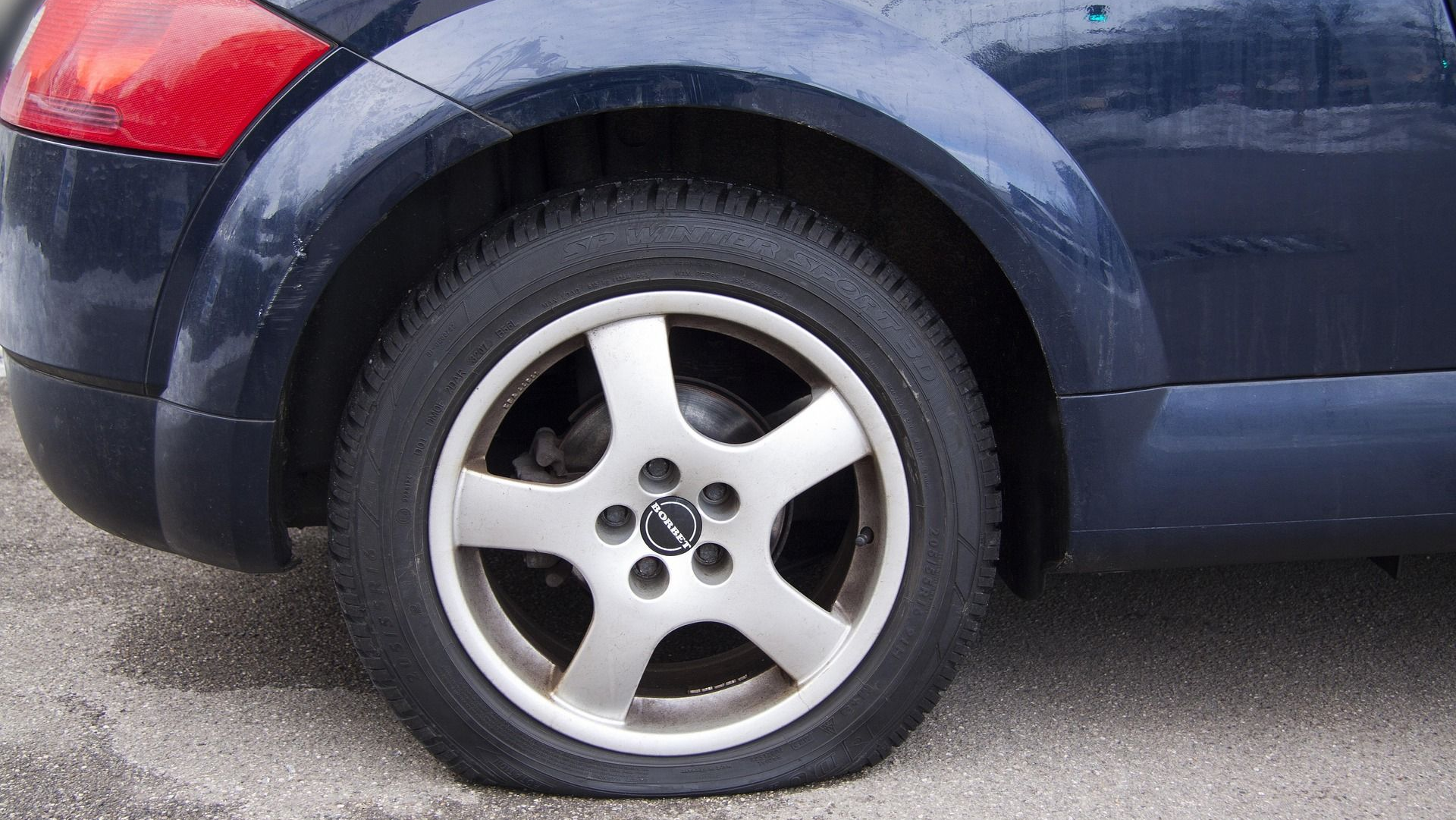
Load ratings assume that tires are inflated to the manufacturer’s recommended pressure. Underinflation reduces a tire’s ability to carry its rated load safely. When tires are underinflated, sidewalls flex more than intended, generating heat and increasing the risk of failure.
Regular pressure checks are essential, especially before long trips or when carrying heavier loads. Proper inflation supports the tire’s structure and helps it perform as designed.
Matching Tires to Vehicle Specifications
Vehicle manufacturers specify tire load ratings for a reason. These recommendations are based on the vehicle’s weight, suspension design, and intended use. Installing tires with lower load ratings than recommended can compromise safety and void warranties.
Drivers should also be cautious when changing tire sizes or types. Even if a tire fits physically, its load rating may not meet the vehicle’s requirements.
When Load Ratings Are Especially Important
Load ratings become even more critical for drivers who regularly carry passengers, transport equipment, or drive larger vehicles. SUVs and trucks often experience varying loads depending on usage, making tire selection especially important.
Seasonal changes can also affect load considerations, particularly during travel heavy periods when vehicles are packed with people and cargo.
Making Informed Tire Choices
Understanding load ratings empowers drivers to make safer choices. It ensures that tires are capable of supporting real world driving demands rather than just fitting the wheel.
At Raymond’s Tire Shop, we help drivers select tires that meet proper load ratings for their vehicles and driving habits. Choosing the right tires supports passenger safety, improves handling, and provides peace of mind every time you are on the road.