Why Tire Rotation Is One of the Most Important Maintenance Services for Your Vehicle
Many drivers understand the importance of oil changes, brake inspections, and routine vehicle maintenance. However, one of the most overlooked services is also one of the simplest: tire rotation.
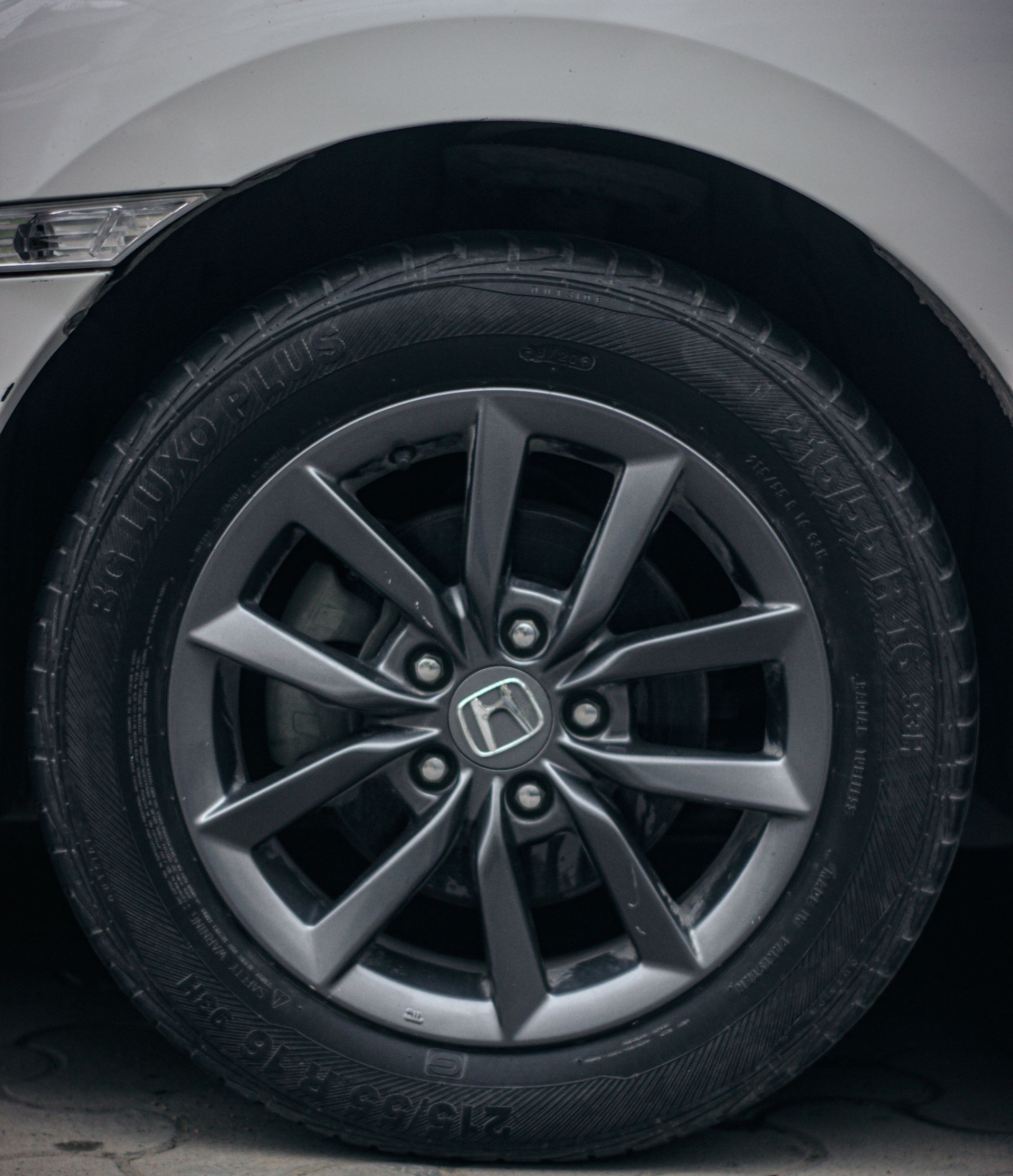
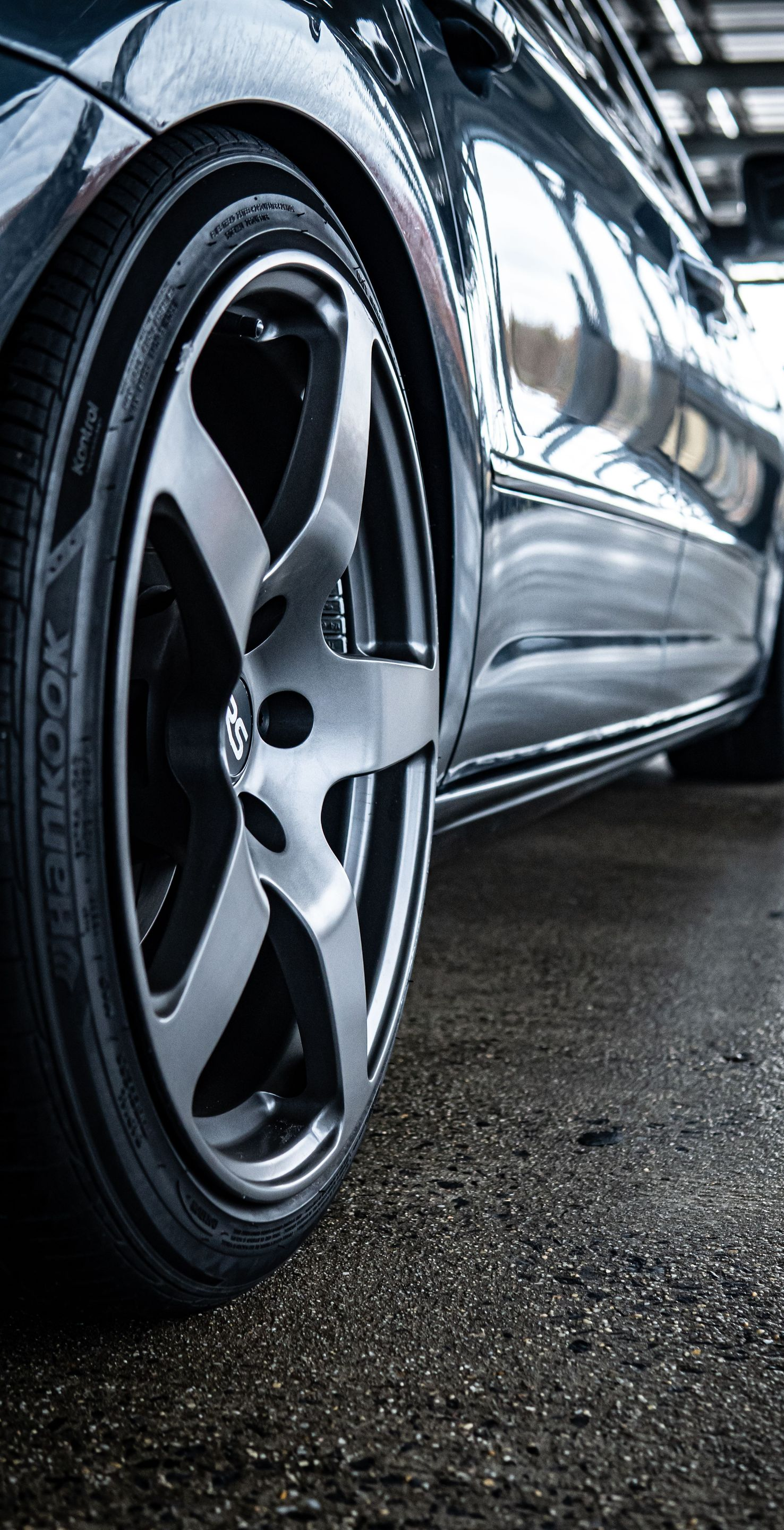
Because tires are the only part of your vehicle that makes direct contact with the road, their condition has a significant impact on safety, handling, ride quality, and overall vehicle performance. Regular tire rotations help ensure that all four tires wear more evenly, allowing drivers to get the most value and performance from their investment.
Despite its importance, many vehicle owners delay tire rotations or skip them entirely, often without realizing the long-term consequences.
Why Tires Wear Unevenly
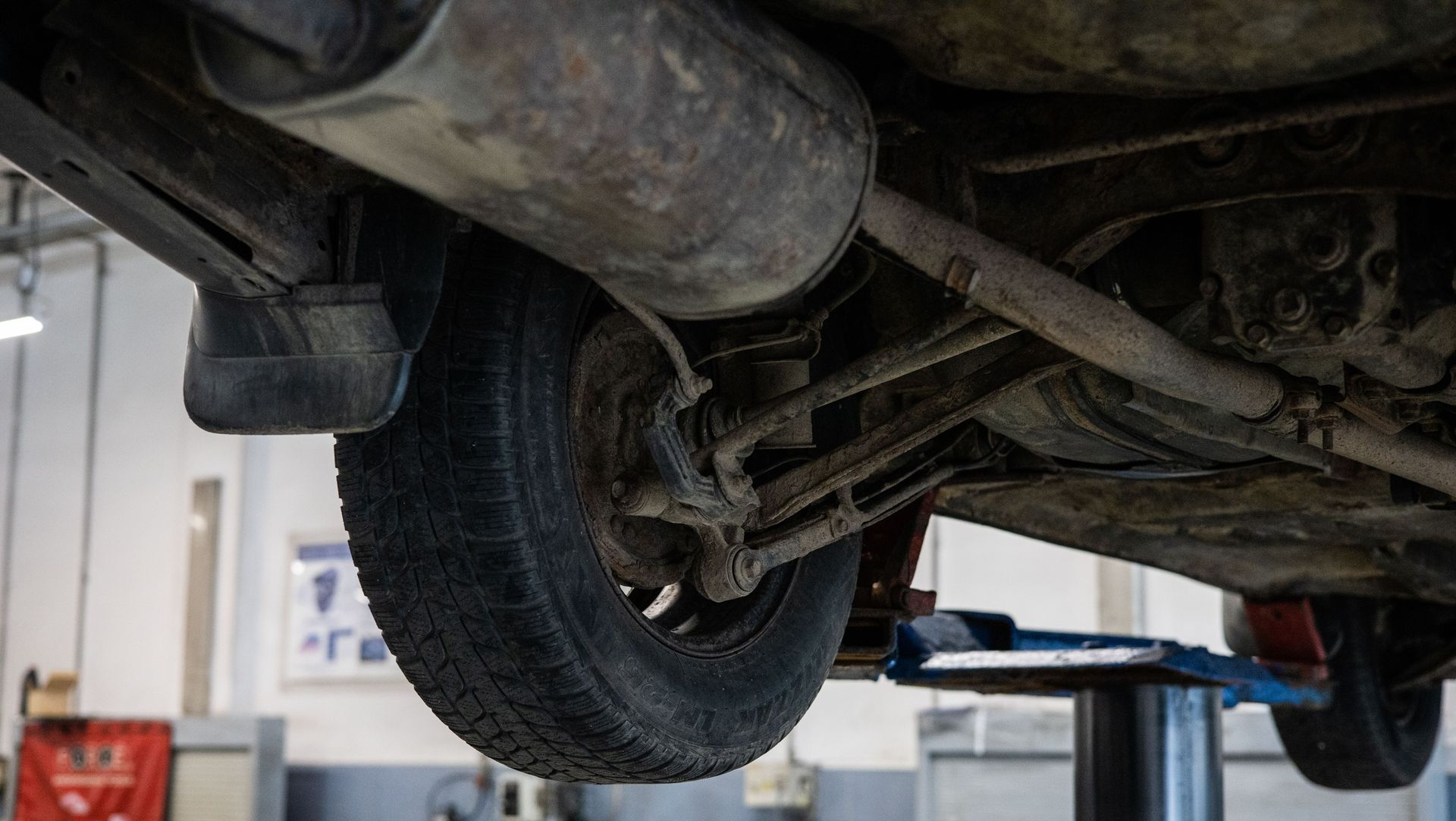
Not all tires experience the same workload. Depending on the type of vehicle and drivetrain configuration, certain tires naturally wear faster than others.
For example, front tires on many vehicles often handle steering, braking, and a significant portion of the vehicle’s weight. As a result, they may wear more quickly than the rear tires. Other vehicles distribute wear differently, but uneven tire wear is common across nearly all makes and models.
Over time, these differences can become significant if tires remain in the same position for too long.
What Is a Tire Rotation?
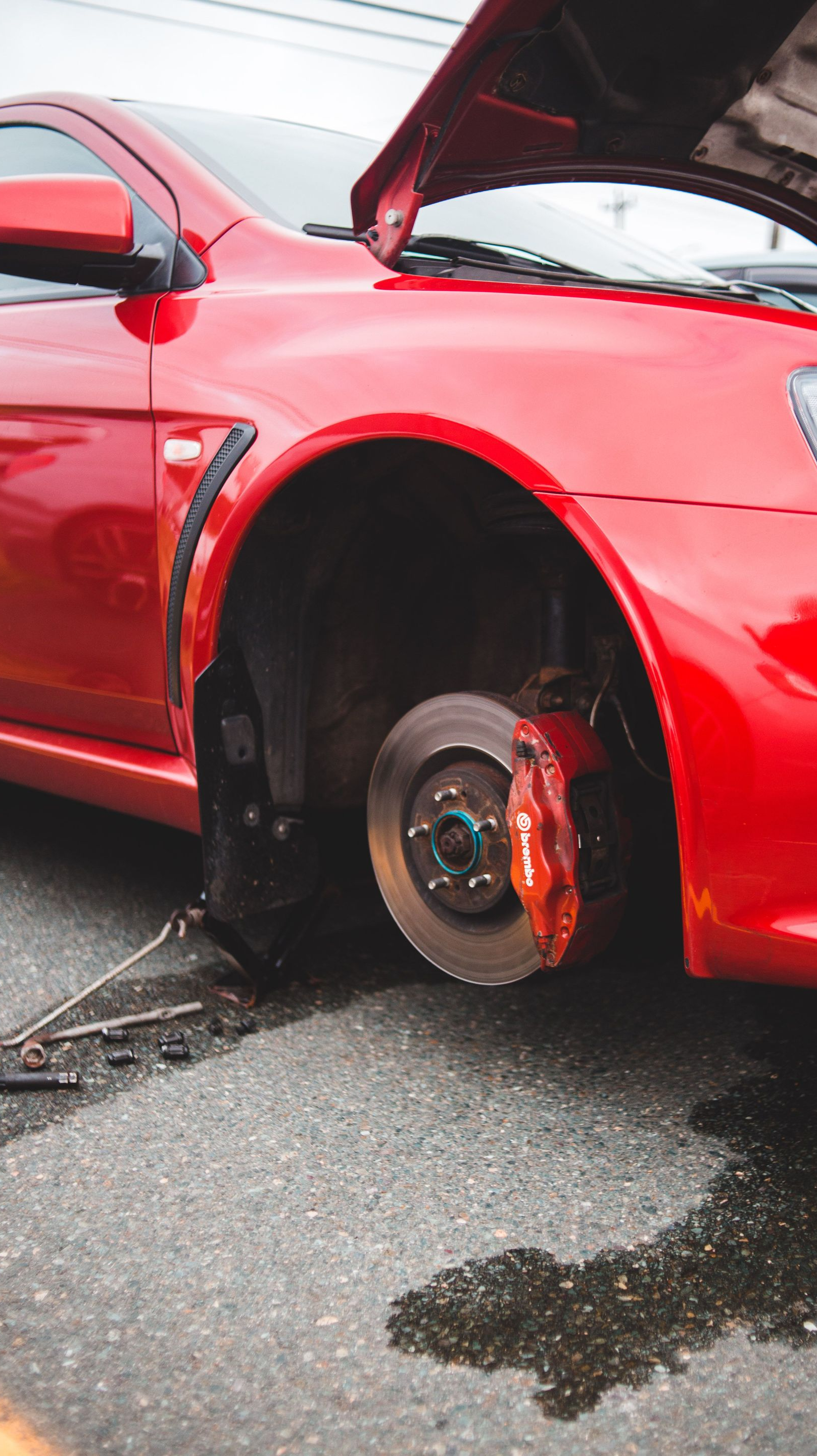
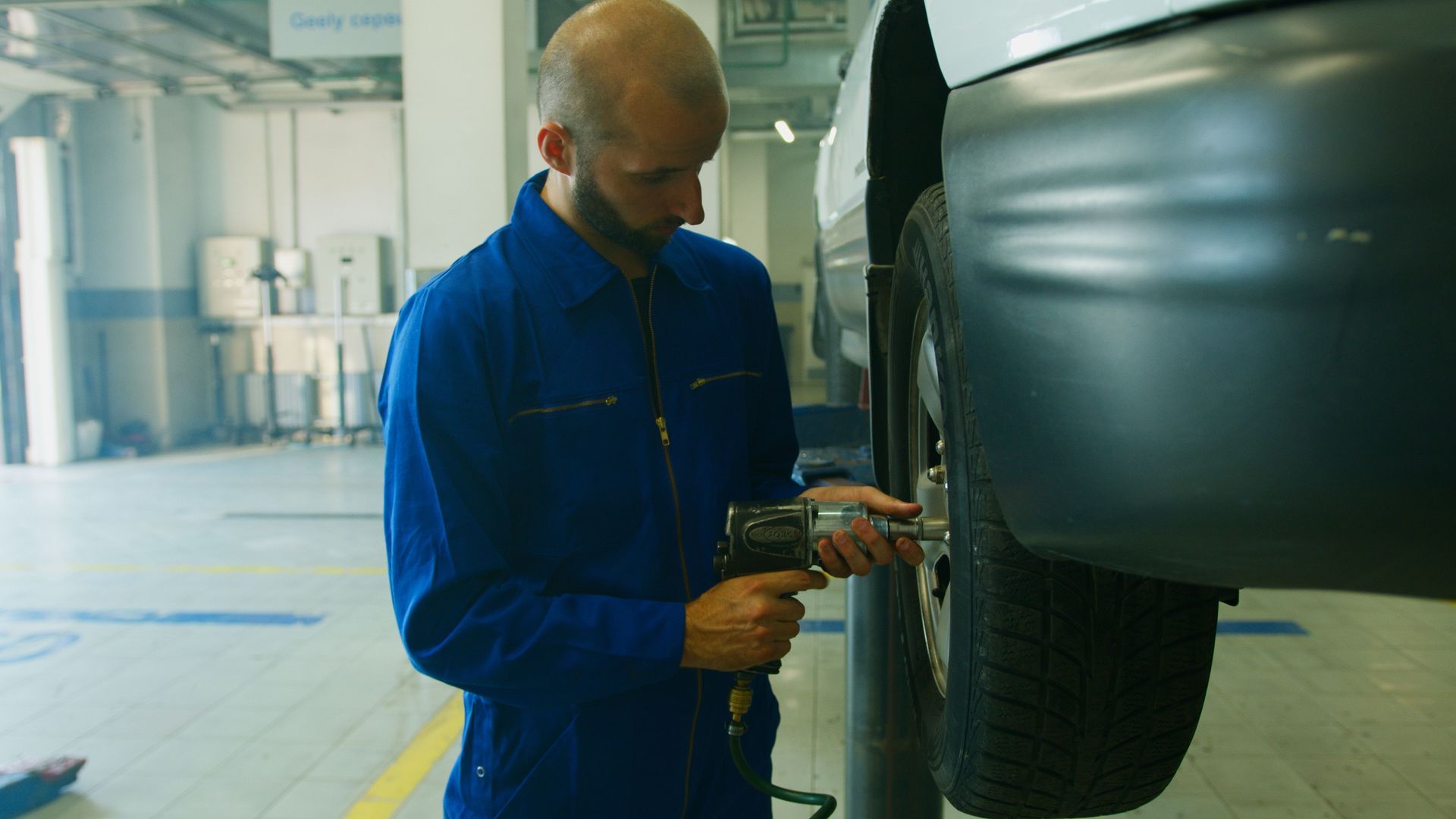
A tire rotation involves moving tires from one position on the vehicle to another according to a specific pattern recommended by the vehicle manufacturer or tire professional.
The goal is simple: distribute wear more evenly across all four tires.
By periodically changing tire positions, drivers help ensure that no single tire bears a disproportionate amount of the workload throughout its lifespan.
Longer Tire Life
One of the biggest benefits of routine tire rotations is improved tire longevity.
When tires wear evenly, they typically last longer than tires that remain in the same position indefinitely. Uneven wear can cause certain tires to reach replacement condition much sooner than others, forcing drivers to replace tires earlier than necessary.
Regular rotations help maximize the usable life of the entire set, allowing drivers to get the greatest value from their tire purchase.
Improved Performance and Handling
Tires that wear evenly often provide more consistent performance.
Unevenly worn tires can affect vehicle handling, steering response, and ride quality. In some cases, drivers may notice vibrations, pulling, or other changes in vehicle behavior as wear patterns develop.
Routine tire rotations help maintain more balanced tire performance, contributing to a smoother and more predictable driving experience.
Better Traction
Tread depth plays an important role in maintaining traction, particularly during wet weather.
When tires wear unevenly, some may lose tread faster than others. This can affect how the vehicle grips the road during rain and other challenging driving conditions.
By promoting even wear, tire rotations help maintain more consistent traction across all four tires.
Rotations Can Reveal Other Problems
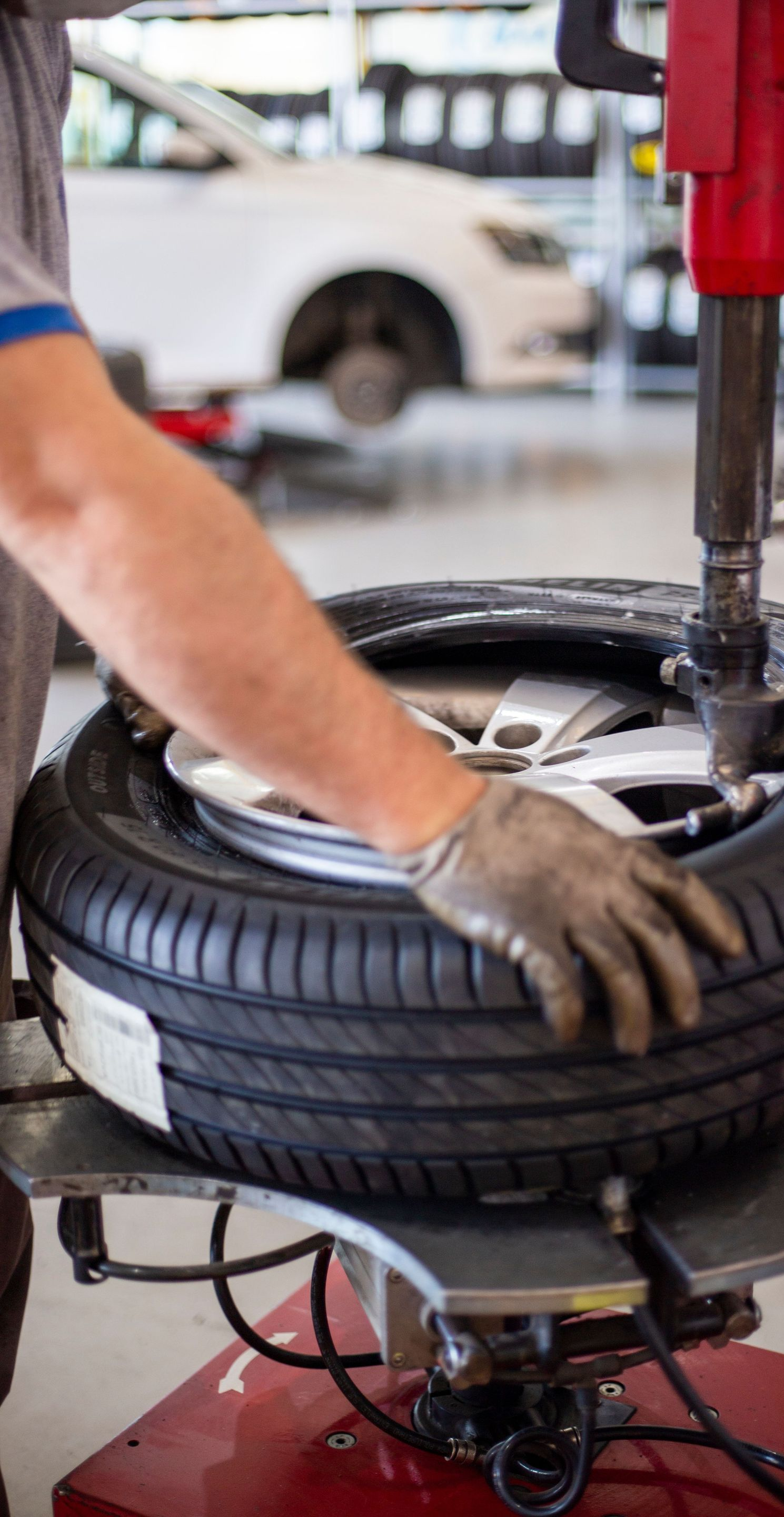
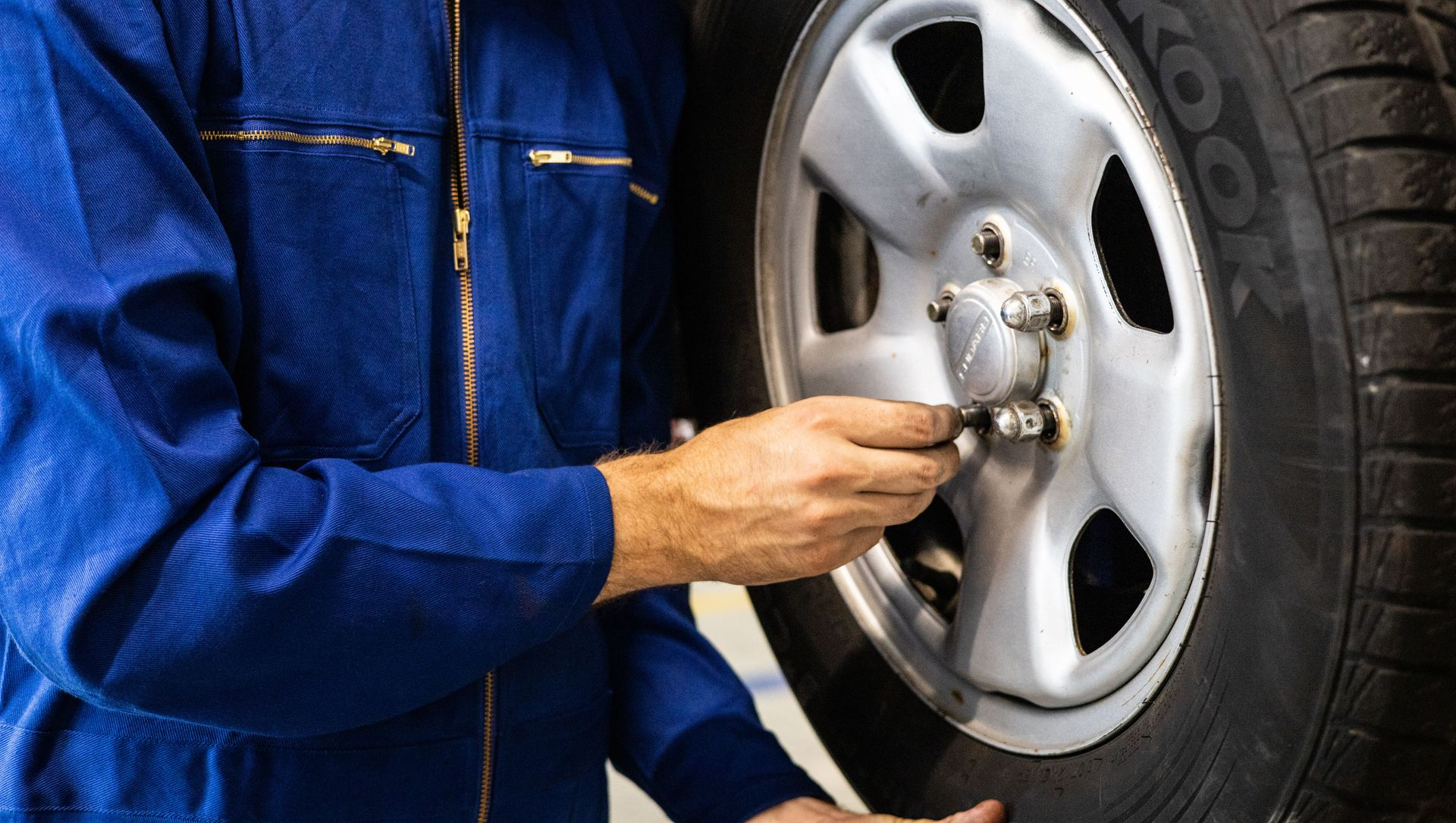
Tire rotations also provide an opportunity for trained professionals to inspect the tires and identify potential concerns before they become larger problems.
During a rotation, technicians may notice signs of improper inflation, alignment issues, suspension problems, or unusual wear patterns. Catching these issues early can help prevent additional tire damage and potentially save money on future repairs.
In many cases, a tire rotation serves as both a maintenance service and an important inspection opportunity.
How Often Should Tires Be Rotated?
The ideal rotation schedule can vary depending on the vehicle, tire type, and driving habits. Many manufacturers recommend rotating tires approximately every 5,000 to 7,500 miles, though drivers should always consult their owner’s manual or speak with a qualified tire professional.
Consistent maintenance is often more important than following an exact mileage figure.
Protecting Your Investment
Tires represent a significant investment, and proper maintenance helps protect that investment. A relatively simple service performed at regular intervals can contribute to longer tire life, improved performance, better traction, and a more comfortable ride.
For more than 40 years, Raymond’s Tire Shop has helped drivers keep their vehicles safe and performing at their best. Whether you need a tire rotation, balancing service, tire inspection, new tires, or quality used tires, our team is ready to help.
When it comes to getting the most from your tires, regular rotation remains one of the smartest maintenance decisions a driver can make.