5 Tire Rotation Mistakes Drivers Make
Most drivers in Boston, MA don’t think much about tire rotation until they start feeling vibrations, noticing uneven wear, or dealing with a flat. By that point, the tires have already taken a hit. What seems like a simple maintenance task can actually make or break the life of your tires.
Tire rotation is meant to balance out wear across all four tires, but small mistakes can throw everything off. From skipping visits to rotating at the wrong intervals, these habits often lead to uneven wear, reduced performance, and even tire damage. Raymond’s Tire Shop sees these issues all the time, and most of them are avoidable.
Why tire rotation matters more than most drivers realize
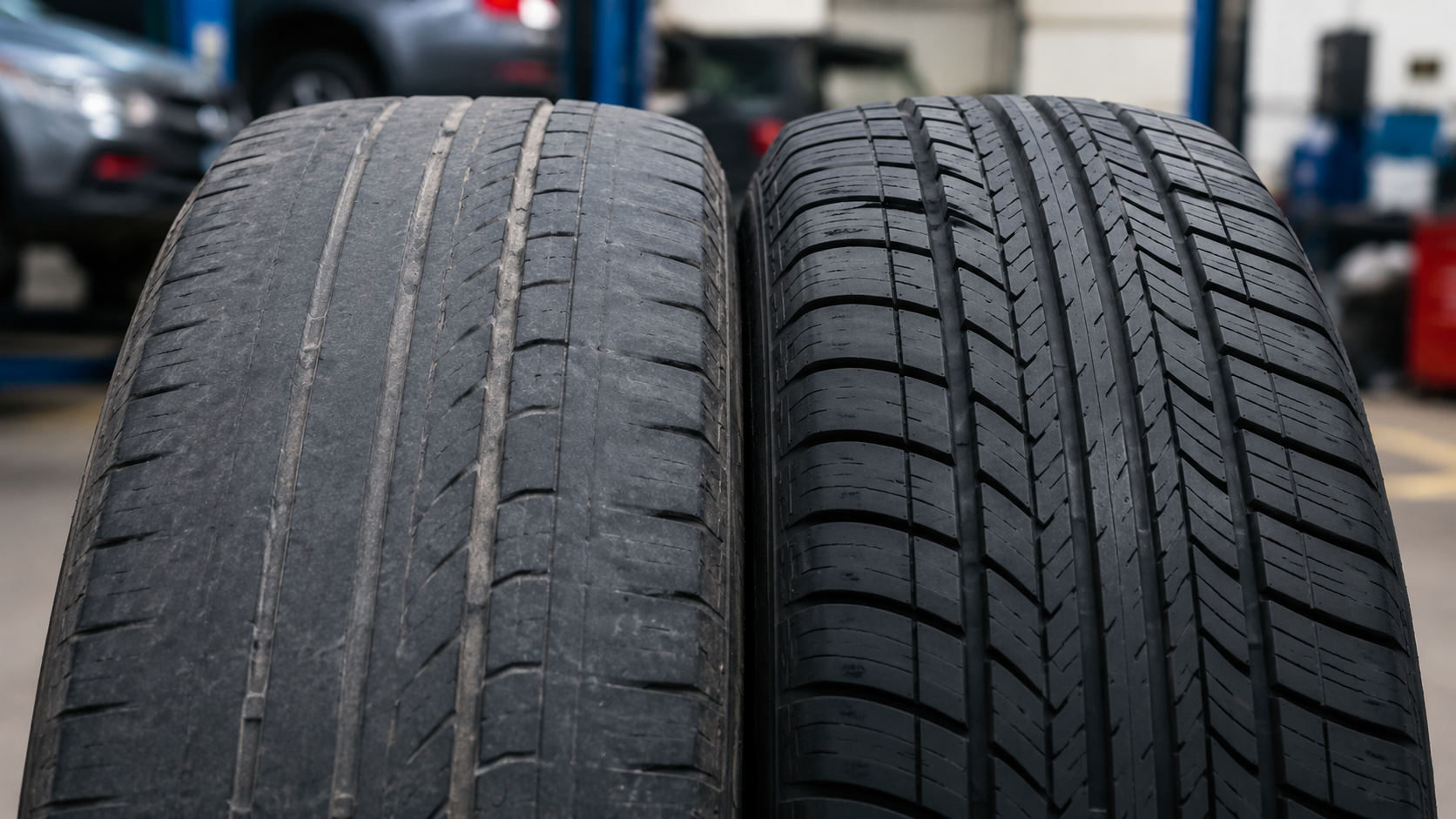
Tires don’t wear evenly on their own. Front tires usually handle steering and most of the braking force, which causes them to wear faster than the rear set. Rotation helps even that out so you get longer life and better control.
Uneven wear starts sooner than you think
Once uneven wear begins, it spreads quickly. You might feel it as a slight shake or notice your car pulling to one side. If ignored, it can lead to premature replacements and higher costs.
Small habits make a big difference
Driving style, road conditions in Boston, and even tire pressure all play a role. Regular rotation keeps those factors from shortening tire life too soon.
Skipping rotations leads to costly tire damage
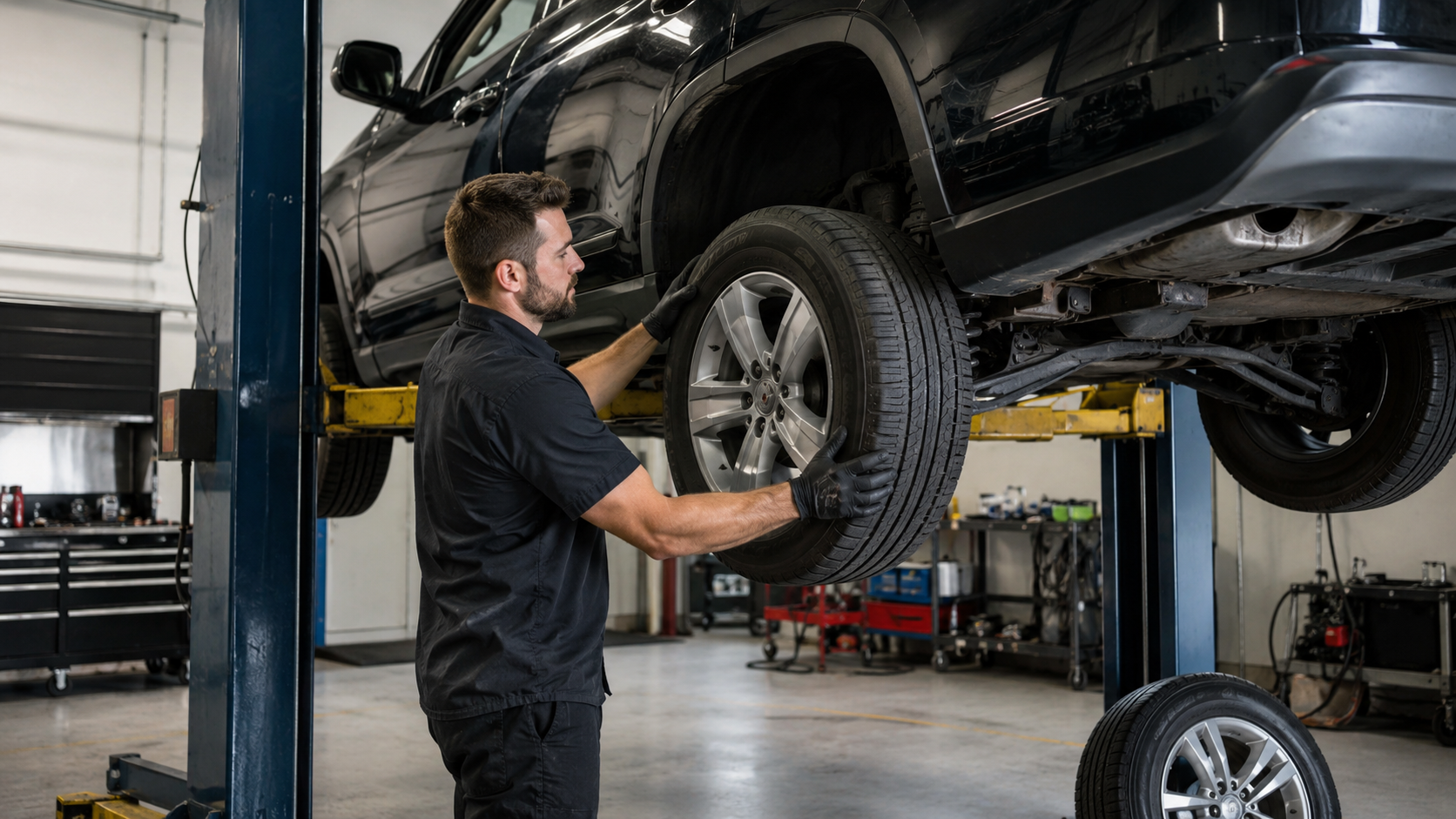
One of the most common tire rotation mistakes is simply forgetting to do it. Many drivers delay service until it becomes urgent, but by then the damage is often already done.
Skipping service accelerates wear patterns
When tires stay in the same position too long, tread wear becomes uneven. Front tires may become bald while rear tires still look fine, creating unsafe driving conditions.
Related services that help prevent damage
Pairing rotation with other maintenance can help extend tire life. Many drivers combine it with
tire balancing to reduce vibration or schedule a full
tire installation when replacing worn sets.
Rotating at the wrong time or mileage interval
Timing matters just as much as doing the rotation itself. Waiting too long or rotating too early can both cause problems.
Manufacturer schedules are a starting point
Most vehicles recommend rotation every 5,000 to 7,500 miles, but driving conditions in Boston, MA may require adjustments. Stop-and-go traffic and rough roads can speed up wear.
Ignoring timing leads to performance issues
Delaying rotation increases the chance of tire damage and reduces traction, especially in wet or icy conditions.
Using the wrong rotation pattern for your tires
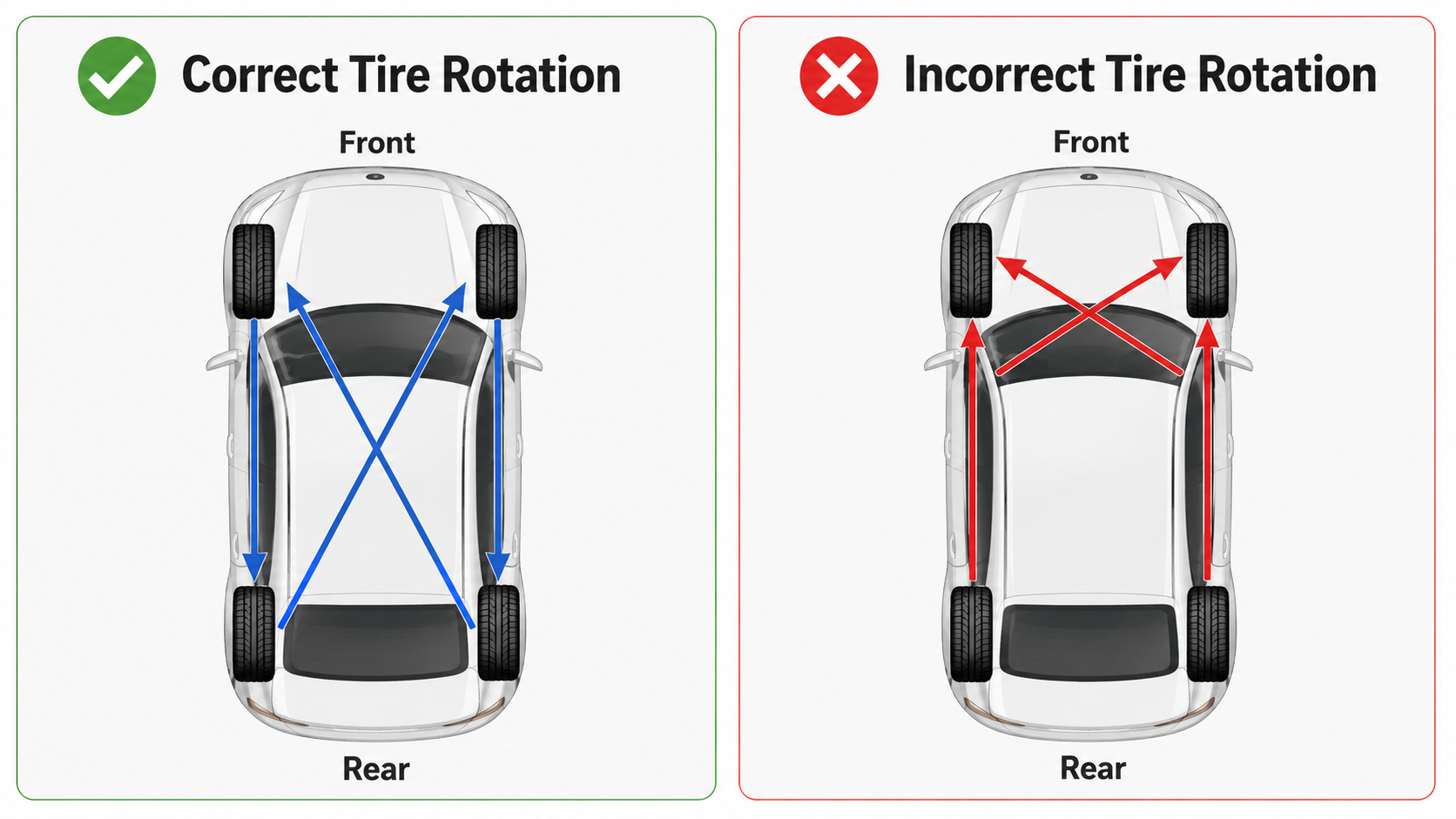
Not all tires rotate the same way. Directional, asymmetrical, and staggered setups all require different patterns.
Incorrect patterns can shorten tire life
Using the wrong rotation pattern can reverse wear patterns instead of balancing them. That defeats the purpose and can lead to uneven wear across all four tires.
Professional checks prevent expensive mistakes
If you’re unsure, a quick inspection at Raymond’s Tire Shop can help determine the correct method before damage sets in.
Ignoring warning signs after rotation
Some drivers assume rotation is a “set it and forget it” service. But your tires will still tell you if something is wrong afterward.
Vibrations and noise are early signals
If you feel shaking or hear unusual road noise after rotation, it may point to alignment issues or tire imbalance.
Combine rotation with other services when needed
In some cases, a follow-up
tire repair or
tire shop inspection service is needed to correct underlying problems.
Local relevance: tire care in Boston driving conditions

Driving in Boston, MA puts extra stress on tires due to tight city streets, potholes, and constant stop-and-go traffic. These conditions make tire rotation even more important than in less demanding areas. Staying consistent with maintenance helps drivers avoid unexpected tire damage and keeps vehicles safer year-round.
Get reliable tire rotation service in Boston, MA
Raymond’s Tire Shop helps drivers avoid costly tire rotation mistakes with proper inspection, rotation, and maintenance. Call 617-436-5523 or visit https://www.raymondstires.com/ to learn more and keep your tires in better condition longer.
Frequently Asked Questions
How often should I rotate my tires?
Most drivers should rotate tires every 5,000 to 7,500 miles. However, Boston driving conditions may require more frequent service depending on wear and traffic patterns. Regular checks help catch uneven wear early.
What happens if I skip tire rotation?
Skipping rotation leads to uneven wear, reduced traction, and shorter tire life. In many cases, it also increases the chance of tire damage that could have been prevented.
Can tire rotation fix uneven wear?
Rotation can help slow further uneven wear but cannot fully reverse existing damage. If wear is severe, replacement may be necessary.
Do I need tire rotation with new tires?
Yes, even new tires need rotation to maintain even tread wear from the start. This helps maximize their lifespan and performance.
Avoiding common tire rotation mistakes is one of the simplest ways to protect your tires and your safety on the road. Whether you’re dealing with uneven wear or just staying ahead of maintenance, consistent service makes a difference. Raymond’s Tire Shop in Boston, MA is here to help you keep your tires in top condition—call 617-436-5523 or learn more today.