Why Summer Is Harder on Tires Than Many People Realize
Many drivers associate challenging driving conditions with winter weather. Snow, ice, and freezing temperatures certainly create unique demands on vehicles, but summer presents its own set of challenges—especially for tires.
Warm weather often means road trips, increased driving, heavier vehicle loads, and prolonged exposure to heat. While summer driving may feel less hazardous than winter travel, high temperatures can place significant stress on tires and contribute to wear over time.
Understanding how summer conditions affect tires can help drivers better protect their vehicles and avoid unnecessary problems during the busiest travel season of the year.

Heat Affects Tire Pressure
One of the most immediate effects of summer weather is increased tire pressure.
As temperatures rise, the air inside a tire expands. This natural process can cause tire pressure to increase above recommended levels if it is not monitored regularly.
Both underinflation and overinflation can affect tire performance. Proper tire pressure helps promote even wear, predictable handling, and optimal contact between the tire and the road surface.
Because temperatures can fluctuate significantly throughout the summer, periodic pressure checks are an important part of tire maintenance.
Hot Pavement Creates Additional Stress
Air temperature is only part of the equation.
Road surfaces often become substantially hotter than the surrounding air during summer months. Asphalt can absorb and retain heat throughout the day, creating conditions that place additional stress on tires.
Every mile driven on hot pavement generates friction and heat within the tire itself. While modern tires are engineered to withstand these conditions, prolonged exposure to high temperatures contributes to normal wear and aging.
The combination of hot roads and extended driving can accelerate the demands placed on tire components.
Summer Travel Increases Tire Usage
For many families, summer is road trip season.
Vacations, weekend getaways, sporting events, and seasonal activities often result in more miles driven than usual. Increased vehicle usage naturally increases tire wear.
Long-distance travel can also mean carrying additional passengers, luggage, recreational equipment, or towing loads that place further demands on the tires.
When tires are already experiencing higher temperatures, these added factors can contribute to increased stress during summer travel.

Existing Problems May Become More Noticeable
Summer driving often exposes tire issues that may have gone unnoticed during shorter daily commutes.
A tire with uneven wear, improper inflation, alignment issues, or minor damage may perform adequately during routine local driving. However, extended highway travel can make these problems more apparent.
Drivers may notice vibrations, handling concerns, unusual wear patterns, or other symptoms that become more noticeable during longer trips.
This is one reason tire inspections are often recommended before major travel plans.
Tire Wear Continues Year-Round
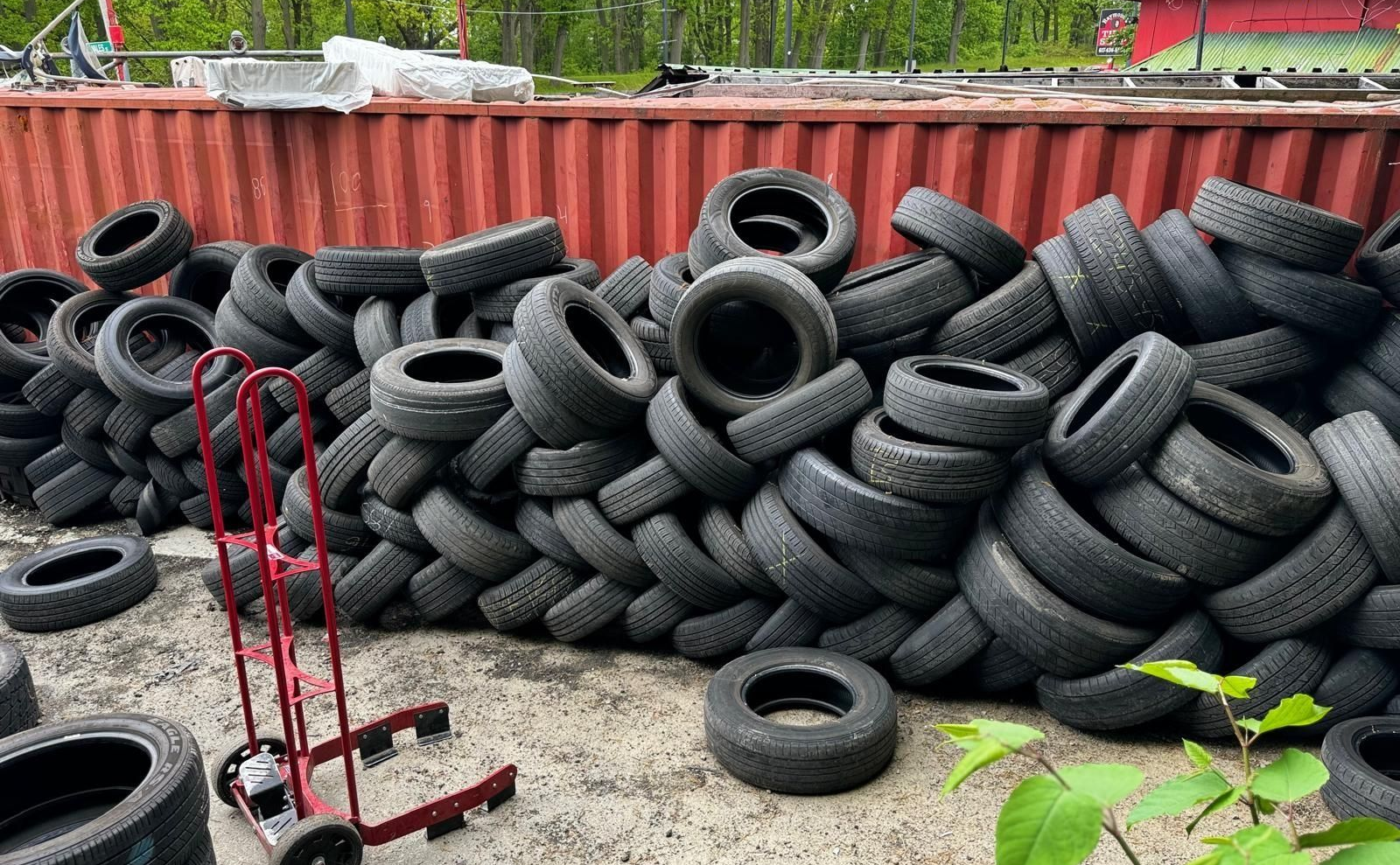
Some drivers assume tire wear is primarily a winter concern because of challenging weather conditions. In reality, tire wear occurs throughout the year. Summer heat, road conditions, driving habits, and mileage all contribute to gradual tire deterioration.
In some cases, summer conditions may accelerate wear because of increased travel and prolonged exposure to elevated temperatures.
Monitoring tread depth, tire condition, and overall performance remains important regardless of the season.
Vehicle Alignment Still Matters
Summer travel can also magnify the effects of alignment issues.
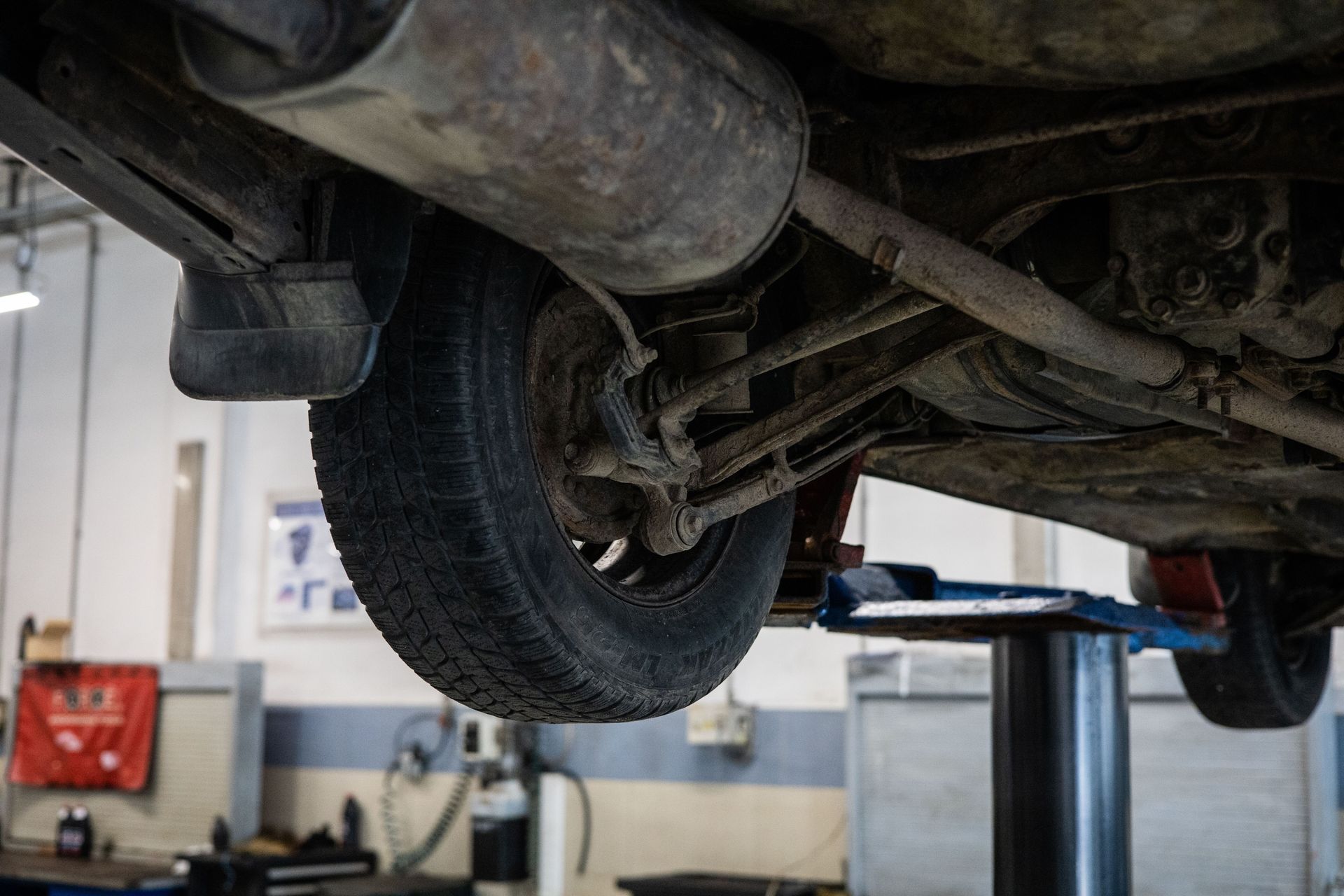
When a vehicle is out of alignment, tires may wear unevenly and less efficiently. The additional mileage many drivers accumulate during summer can accelerate this wear and shorten overall tire lifespan.
Proper alignment helps support even tire wear and contributes to a smoother driving experience. For drivers planning long trips, alignment inspections may help identify issues before they lead to excessive tire wear.
Preparing Tires for Summer Driving
The good news is that many summer tire concerns can be addressed through preventative maintenance.
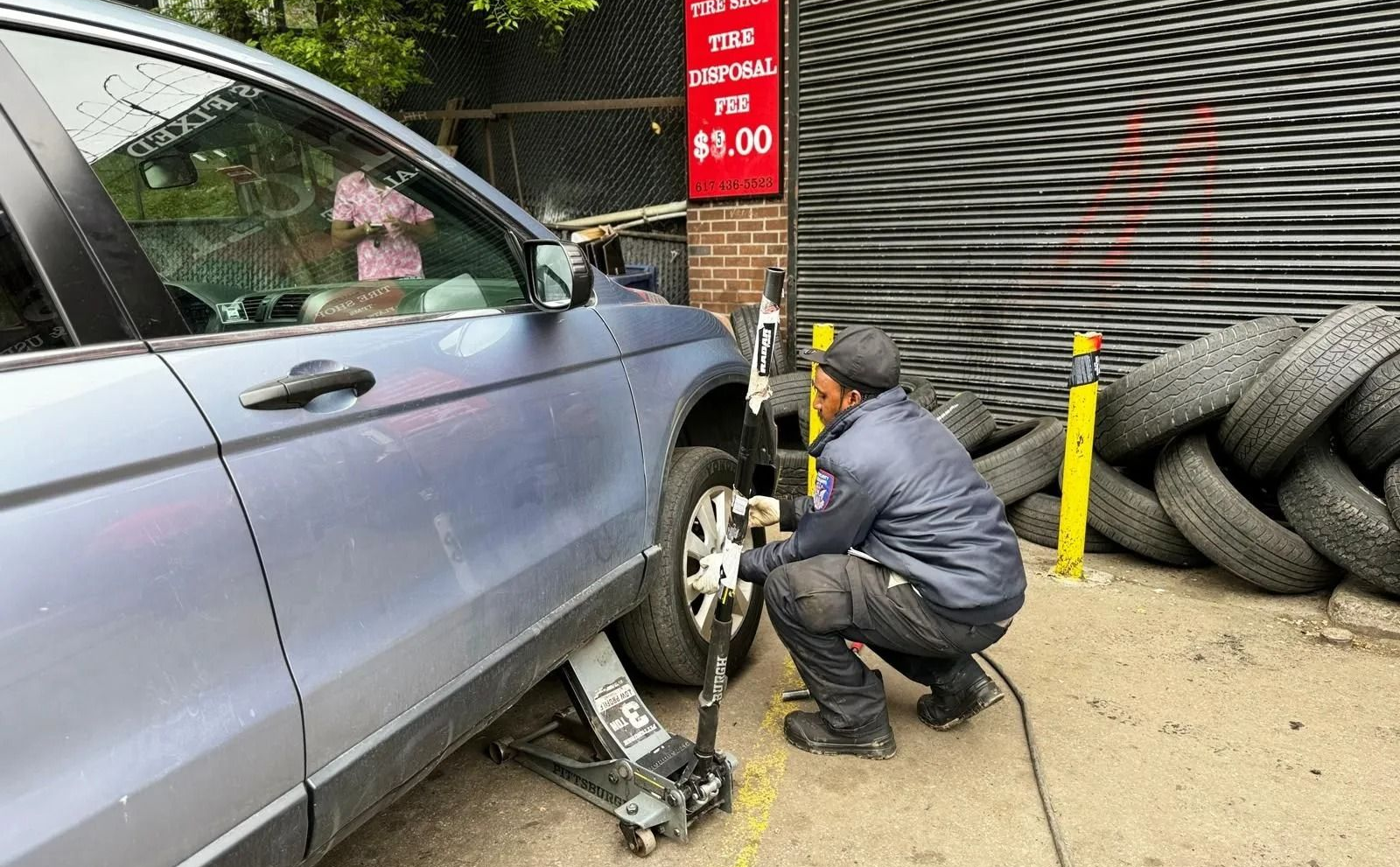
Regular pressure checks, tire rotations, inspections, and alignment services help keep tires performing as intended. These simple steps can improve safety, support tire longevity, and help drivers get the most value from their tire investment.
At Raymond’s Tire Shop, we help drivers prepare for summer travel with professional tire inspections, rotations, balancing, alignments, and tire services. With more than 40 years of experience, our team understands how seasonal conditions affect tire performance and can help identify potential concerns before they become larger problems.
Summer may be known for sunshine and vacations, but it can also be one of the toughest seasons for tires. A little preparation can go a long way toward keeping your vehicle safe, reliable, and ready for the road ahead.