Cómo la lluvia y las carreteras mojadas influyen en la seguridad de los neumáticos

Conducir bajo la lluvia es una experiencia común, pero introduce condiciones que pueden afectar significativamente el rendimiento de un vehículo. Las carreteras mojadas cambian la interacción entre los neumáticos y la superficie de conducción, lo que puede influir en la tracción, el frenado y el control general. Comprender estos cambios puede ayudar a los conductores a tomar mejores decisiones y a reconocer cuándo el estado de los neumáticos se convierte en un problema.


Los neumáticos son el único punto de contacto entre un vehículo y la carretera. Cuando ese contacto se ve afectado por el agua, incluso las situaciones de conducción rutinarias pueden volverse más complejas.

Rain-slick city street with reflective pavement and crosswalk lines at dusk

Tracción reducida en superficies mojadas

Uno de los efectos más inmediatos de la lluvia es la reducción de la tracción. El agua crea una fina capa entre el neumático y la carretera, lo que puede limitar la capacidad del neumático para adherirse eficazmente a la superficie.


Esta reducción de la tracción puede provocar:

  • Distancias de frenado más largas
  • Menor estabilidad durante las curvas
  • Menor capacidad de respuesta en la conducción


Incluso una lluvia ligera puede alterar las condiciones de la carretera, especialmente cuando se combina con aceite o residuos acumulados en la superficie. Estos factores pueden hacer que la carretera sea más resbaladiza de lo esperado.
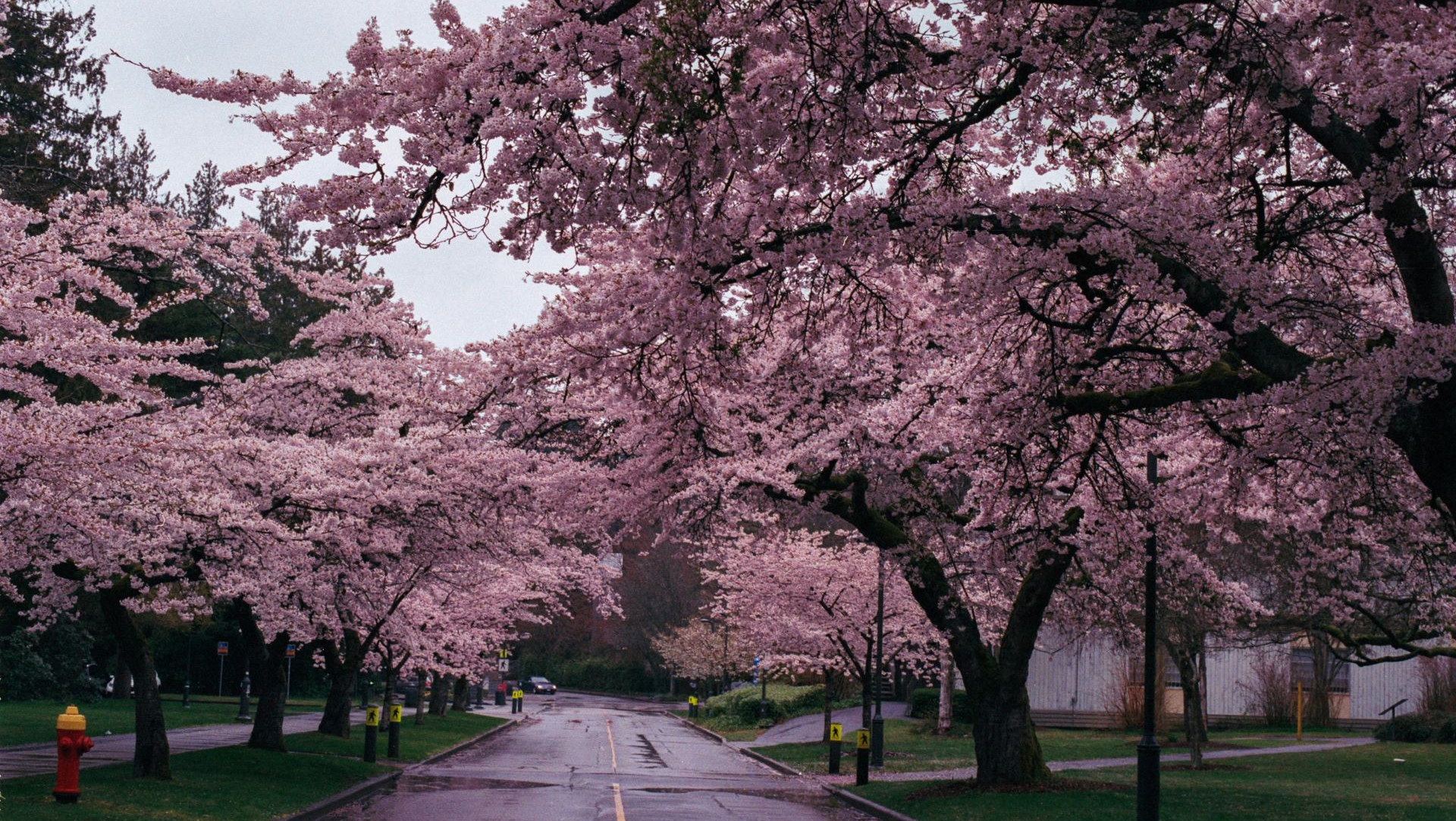
Tree-lined road with pink cherry blossoms arching over a wet street

El riesgo de hidroplaneo

El hidroplaneo ocurre cuando se acumula una capa de agua entre el neumático y la carretera, haciendo que el neumático pierda el contacto directo con la superficie. Cuando esto sucede, el conductor puede perder temporalmente el control del vehículo.

El hidroplaneo es más probable cuando:

  • Los neumáticos están desgastados y tienen menor profundidad de dibujo
  • El agua se acumula en la superficie de la carretera
  • Los vehículos circulan a velocidades más altas


Aunque puede ocurrir repentinamente, esta condición suele estar influenciada por la calidad y el mantenimiento de los neumáticos. Los neumáticos con suficiente dibujo están mejor preparados para canalizar el agua y mantener el contacto con la carretera.

Wet road at dusk with green traffic lights reflecting on the pavement under a cloudy sky

La importancia de la profundidad del dibujo

Los patrones del dibujo están diseñados para evacuar el agua fuera del área de contacto del neumático. A medida que los neumáticos se desgastan, su capacidad para realizar esta función disminuye.


Los neumáticos desgastados pueden:

  • Tener dificultades para dispersar el agua eficazmente
  • Perder agarre con mayor facilidad
  • Aumentar la probabilidad de deslizamiento o derrape


Mantener una profundidad de dibujo adecuada es uno de los factores más importantes en la conducción bajo la lluvia. Incluso si los neumáticos parecen utilizables en condiciones secas, pueden no comportarse igual en la lluvia.
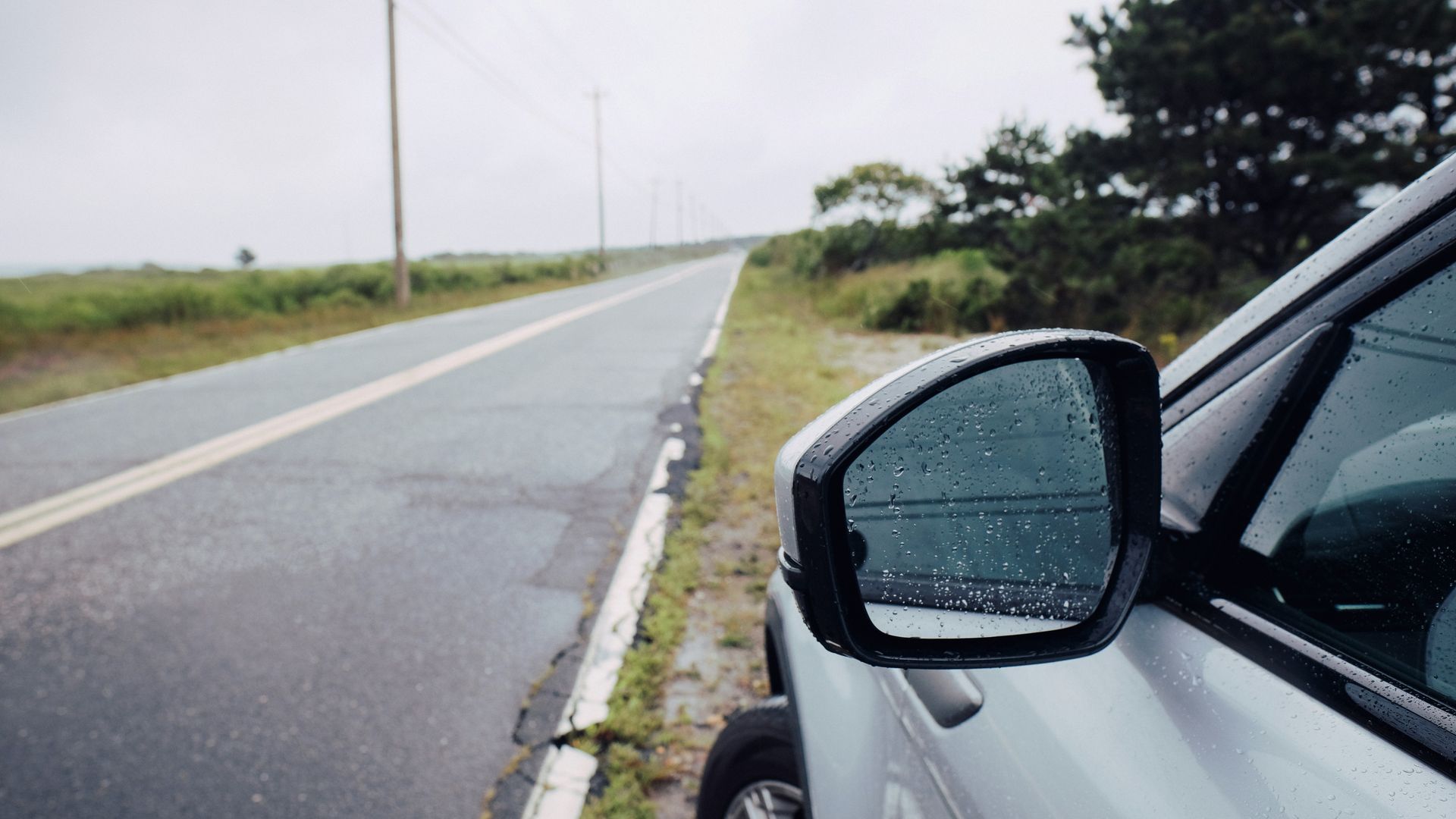
Rainy roadside beside a silver car on an empty wet road with cloudy sky

Rendimiento de frenado en condiciones de lluvia

Las distancias de frenado suelen aumentar en carreteras mojadas. La reducción de la tracción significa que los neumáticos necesitan más distancia para detener completamente el vehículo.


Esto puede afectar:

  • Situaciones de frenado de emergencia
  • La distancia de seguimiento entre vehículos
  • El tiempo de reacción general


Los conductores a menudo necesitan ajustar su comportamiento para tener en cuenta estos cambios, pero el estado de los neumáticos juega un papel clave en la eficacia de la respuesta del vehículo.

Wet forest road with double yellow lines reflecting in rainwater

Presión de los neumáticos y contacto con la carretera

La presión adecuada de los neumáticos es otro factor importante en condiciones húmedas. Los neumáticos con presión insuficiente o excesiva pueden no mantener un contacto óptimo con la superficie de la carretera.

Una presión incorrecta puede provocar:

  • Contacto desigual con la carretera
  • Reducción de la estabilidad
  • Mayor desgaste con el tiempo


Mantener la presión adecuada ayuda a garantizar que el neumático funcione como se espera, especialmente cuando las condiciones son menos predecibles.
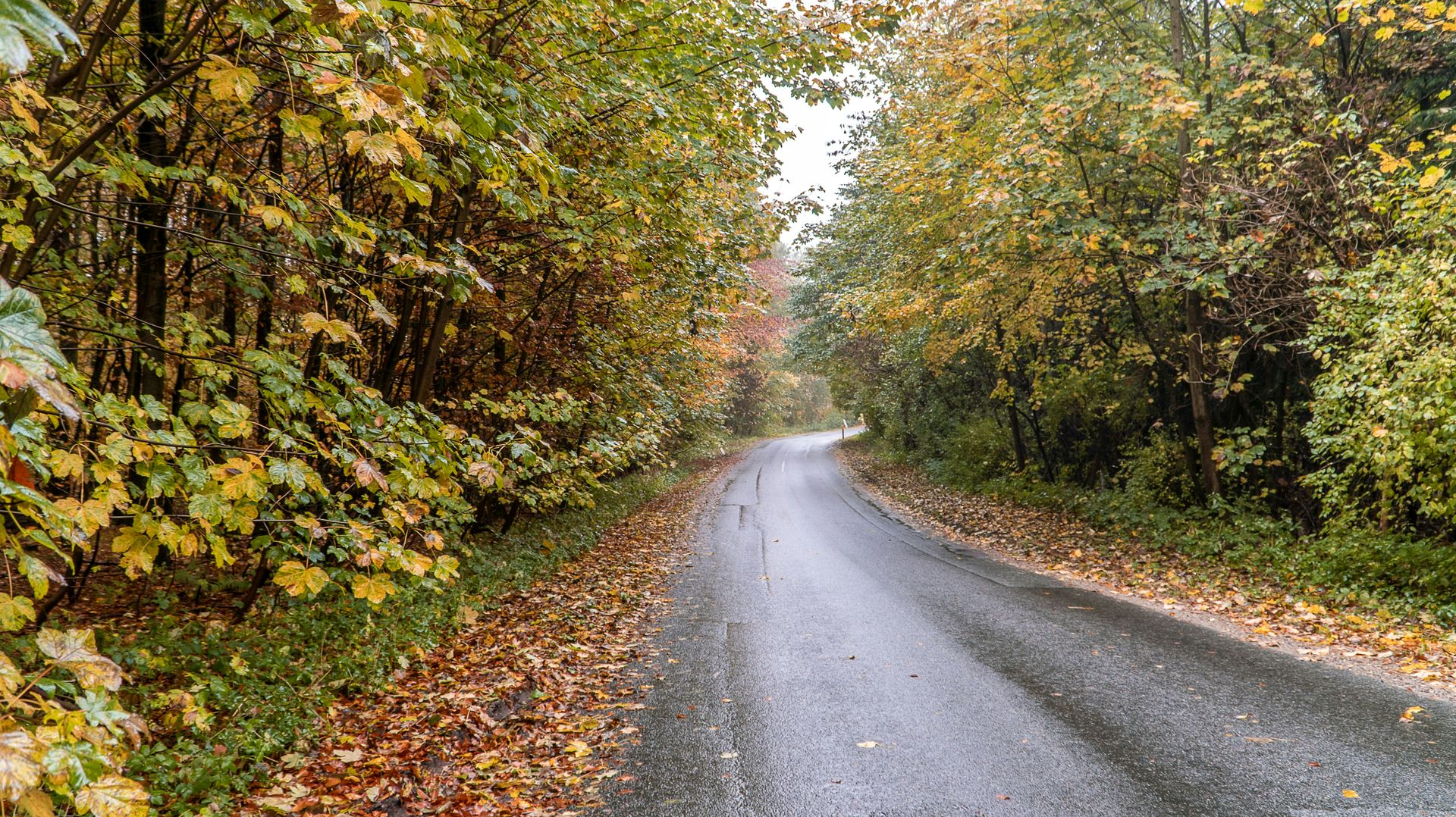
Narrow wet road curving through autumn trees with yellow and green leaves

Cómo cambian rápidamente las condiciones de conducción

La lluvia puede aparecer repentinamente y las condiciones de la carretera pueden cambiar en cuestión de minutos. Una superficie que estaba seca momentos antes puede volverse resbaladiza, especialmente durante las primeras etapas de la lluvia.


Durante estas transiciones:

  • El aceite y los residuos pueden subir a la superficie
  • La visibilidad puede disminuir
  • Los conductores pueden no ajustarse de inmediato


Estos factores pueden aumentar la probabilidad de accidentes, especialmente si los neumáticos no están en buen estado.

Rainy street at night with wet pavement reflecting orange lights

Reconocer cuándo los neumáticos necesitan atención

Los conductores no siempre notan los cambios en el rendimiento de los neumáticos hasta que las condiciones se vuelven más exigentes. El clima húmedo a menudo revela problemas que son menos evidentes en condiciones secas.


Señales de que los neumáticos pueden necesitar atención incluyen:

  • Menor agarre durante la lluvia
  • Aumento de la distancia de frenado
  • Sensación de inestabilidad o deslizamiento


Abordar estos problemas a tiempo puede ayudar a mejorar la confianza y la seguridad al conducir.


Un enfoque práctico para conducir en clima húmedo

La lluvia y las carreteras mojadas son inevitables, pero su impacto en la conducción puede manejarse con una adecuada conciencia y mantenimiento. Los neumáticos en buen estado están mejor preparados para afrontar estos desafíos y ofrecer un rendimiento más constante.


Raymond’s Tire Shop ofrece servicios de neumáticos diseñados para ayudar a los conductores a mantener un rendimiento confiable en todas las condiciones. Si tiene dudas sobre cómo se comportan sus neumáticos en clima húmedo, comuníquese con Raymond’s Tire Shop para asegurarse de que su vehículo esté preparado para el camino.
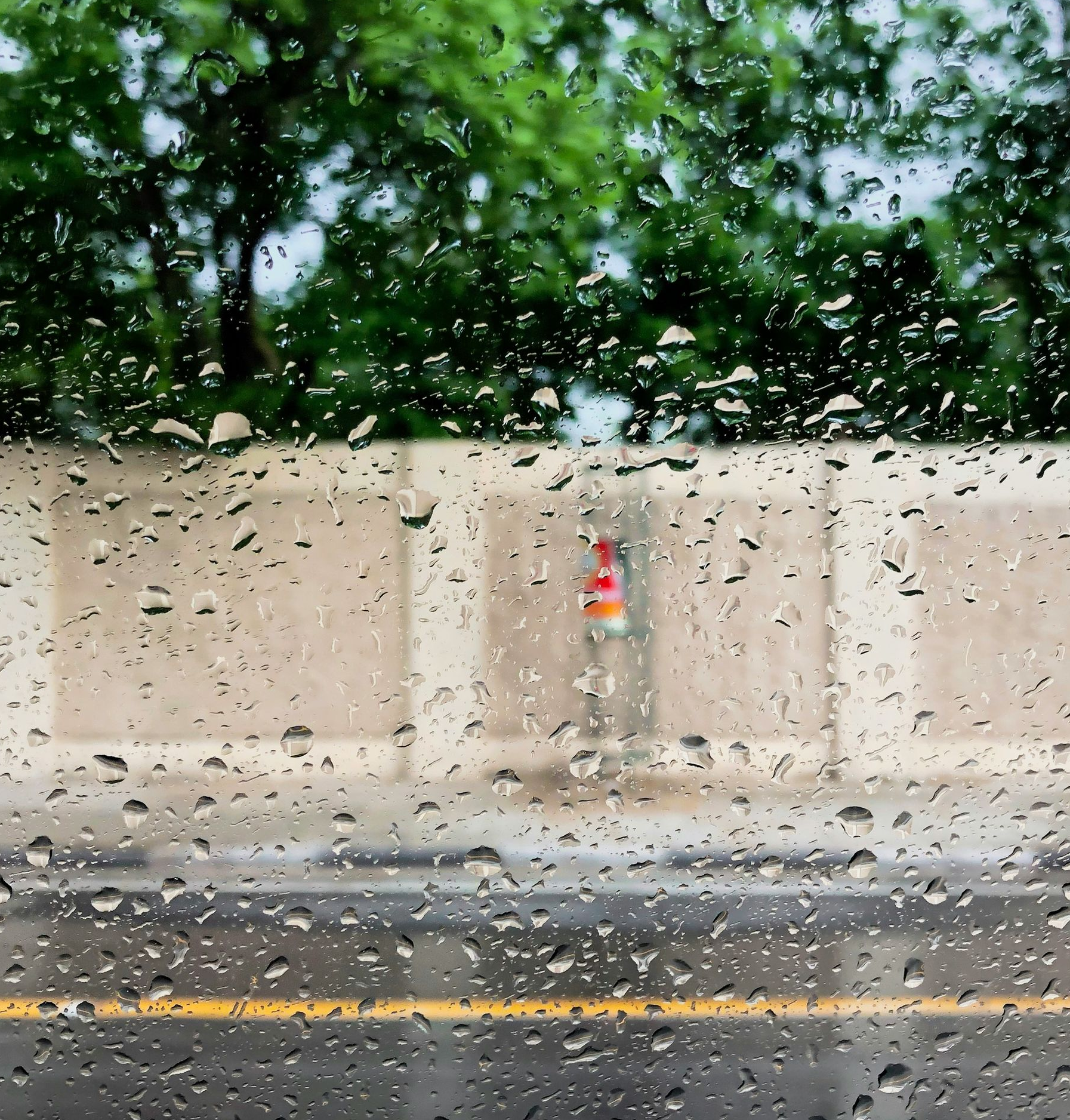

Rain-soaked street seen through a window with water droplets, beige wall, and blurred trees beyond.
Wet road winding through a misty green forest with mountains in the background
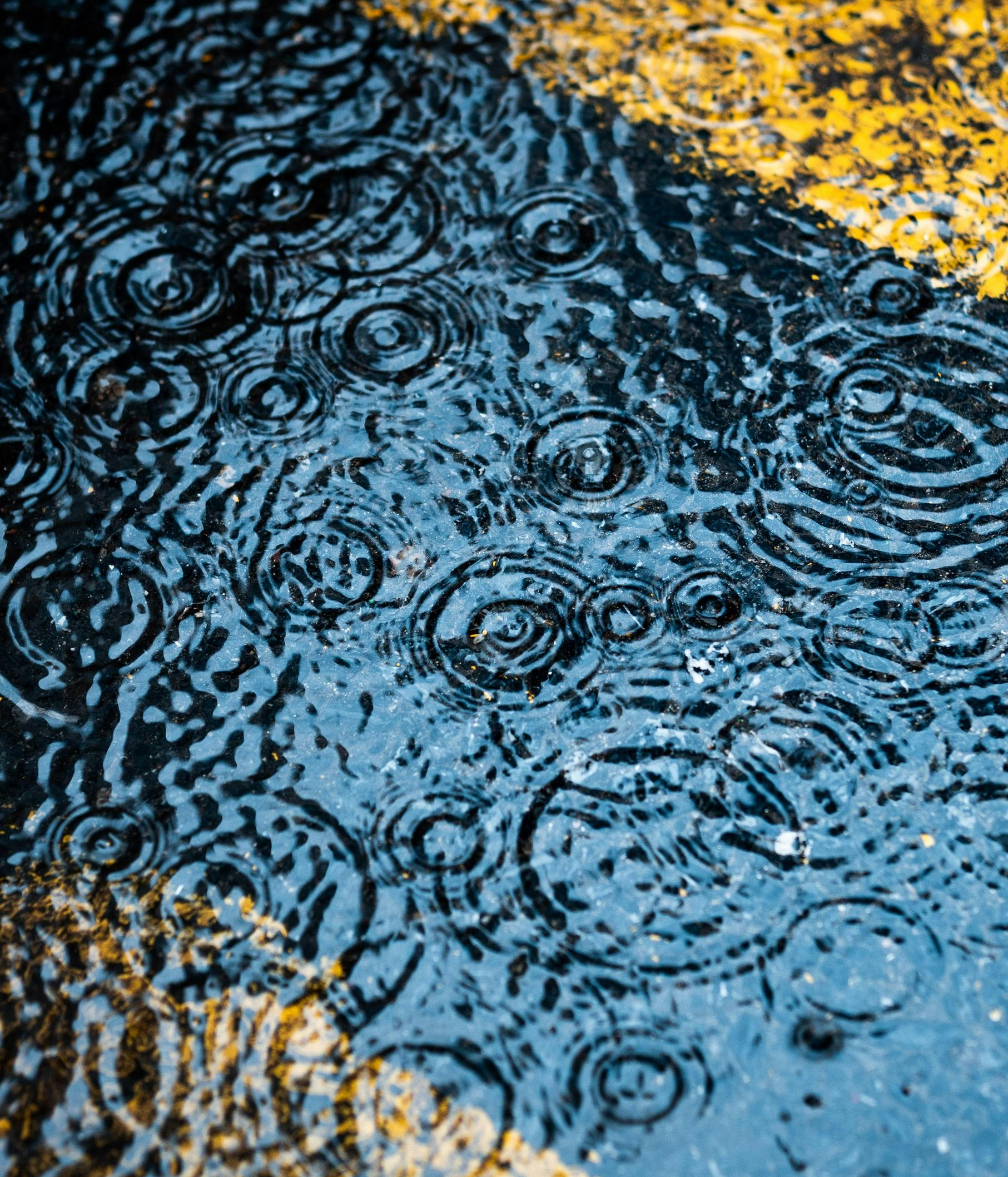
Rain ripples on blue pavement beside yellow painted markings and a rough curb.
Frost-covered red leaf on a wet road between yellow lines
Rainy city street between tall skyscrapers with wet pavement and a pedestrian bridge overhead
Rain ripples on a wet street with yellow lane markings reflected in blue water.
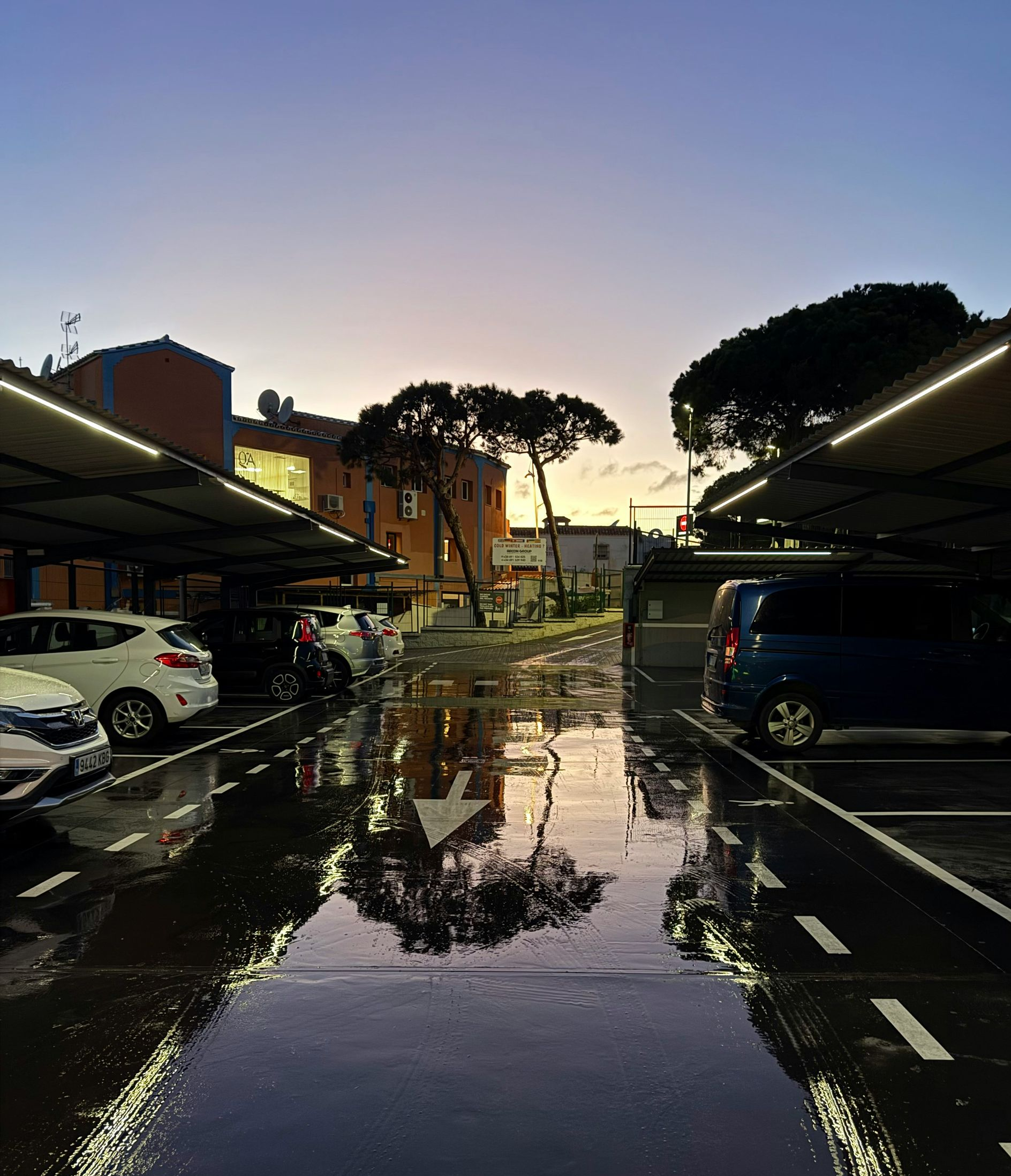
Rain-soaked parking lot at dusk, with wet pavement reflecting lights and parked cars
Rainy city street with wet pavement, traffic lights, and storefronts reflecting orange lights.
August 28, 2026
When a tire repeatedly loses air but there is no obvious nail, screw, or visible puncture, the problem may be where the tire meets the wheel. This area is known as the tire bead, and a poor seal between the bead and the rim can allow air to escape gradually. Tire bead leaks are a common cause of slow pressure loss. Understanding why they happen can help drivers recognize when a tire needs professional inspection rather than repeatedly adding air. What Is the Tire Bead? The bead is the reinforced inner edge of the tire that sits tightly against the wheel rim. When a tire is properly mounted and inflated, air pressure helps hold the bead securely against the wheel, creating an airtight seal. If that sealing surface becomes damaged, dirty, corroded, or distorted, a small pathway can develop for air to escape.  Because these leaks may be very small, the tire can lose pressure over several days or weeks rather than going flat immediately.
August 23, 2026
A pothole impact can feel like a quick jolt, but the forces involved can affect several parts of the tire and wheel assembly. The faster the vehicle is moving, the less time the tire has to absorb the impact. In some cases, the damage is immediately obvious. In others, problems may not become noticeable until later. Raymond’s Tire Shop helps drivers inspect tires, wheels, balancing, and alignment after hard road impacts. Understanding what can happen during a pothole strike can make it easier to recognize when a tire needs professional attention. The Tire Is Compressed Extremely Quickly When a tire drops into a pothole and strikes the far edge, the sidewall and tread can be compressed between the road and the wheel. Tires are designed to flex, but a severe impact can exceed what the internal structure can safely absorb.  The risk can be greater when tire pressure is too low because there is less air cushioning between the road surface and the wheel. However, even a properly inflated tire can be damaged by a deep pothole at sufficient speed.
August 16, 2026
Tires are one of the most important safety components on any vehicle because they are the only parts that maintain direct contact with the road. As tires wear, their ability to grip pavement, channel water, and respond predictably can gradually decline. The challenge is that unsafe tire conditions are not always obvious until performance has already been affected.  Raymond’s Tire Shop helps drivers evaluate tread wear, tire damage, pressure issues, alignment problems, and other conditions that can affect tire safety. Knowing what to look for can help you recognize when a tire needs professional attention or replacement.
August 7, 2026
Most drivers think of tires simply as the round rubber components that allow a vehicle to roll down the road. In reality, tires are sophisticated pieces of engineering that perform several essential functions every time a vehicle is in motion. They support the weight of the vehicle, transmit steering and braking forces, absorb road irregularities, and maintain traction in changing driving conditions. Every acceleration, turn, and stop depends on these four small contact patches where the tires meet the road.  Understanding the primary functions of a tire helps drivers appreciate why routine maintenance and timely replacement are so important. Raymond’s Tire Shop helps customers choose quality tires and maintain them properly so their vehicles continue to perform safely and efficiently throughout the life of the tire.
July 31, 2026
Understanding how your tires interact with wet pavement is one of the most important parts of safe driving. While most drivers know that rain can make roads slippery, fewer understand how hydroplaning occurs or why it can cause a vehicle to suddenly lose traction. Knowing what causes hydroplaning—and how proper tire maintenance can reduce the risk—can help you stay safer during wet weather.  At Raymond’s Tire Shop, we believe that informed drivers make safer decisions. Keeping your tires in excellent condition is one of the best ways to improve vehicle performance when road conditions are less than ideal.
July 23, 2026
Your tires are one of the hardest-working components of your vehicle. They provide traction, support your vehicle’s weight, absorb impacts from the road, and help you maintain control in a wide range of driving conditions. Because they experience constant wear, replacing tires is an expected part of vehicle ownership. However, proper maintenance can help maximize their lifespan, improve performance, and save you money over time. Many of the factors that affect tire longevity are within a driver’s control. By following a few simple maintenance practices, you can help your tires wear more evenly and perform as intended throughout their service life.