Why Two Drivers Can Get Different Lifespans From the Same Tires
It is common for two vehicles with the same type of tires to experience very different lifespans. One driver may get years of consistent performance, while another may need replacement much sooner. At first glance, this can seem inconsistent. However, tire lifespan is influenced by a range of factors beyond the tire itself.
Understanding these factors helps explain why tire performance can vary and what drivers can do to extend the life of their tires.

Driving Habits Play a Major Role
One of the most significant factors affecting tire lifespan is how a vehicle is driven. Acceleration, braking, and turning all place stress on the tires.
Driving habits that can shorten tire life include:
- Frequent hard braking
- Rapid acceleration
- Aggressive cornering
These actions increase friction and heat, which contribute to faster wear. In contrast,
smoother driving patterns tend to distribute wear more evenly and extend the usable life of the tires.

Road Conditions Influence Wear
The surfaces a vehicle travels on also have a direct impact on tire condition. Not all roads are the same, and some create more wear than others.
Factors include:
- Rough or uneven pavement
- Potholes and surface irregularities
- Debris or loose material on the road
Drivers who frequently travel on harsher road surfaces may notice faster tire wear compared to those who primarily drive on smoother roads.
Tire Maintenance Makes a Difference
Regular maintenance is essential for consistent tire performance. Even high-quality tires can wear unevenly or prematurely if they are not properly maintained.
Key maintenance practices include:
- Keeping tires properly inflated
- Rotating tires at recommended intervals
- Monitoring alignment and balance
When these steps are not followed, certain areas of the tire may wear faster than others, reducing overall lifespan.

Vehicle Characteristics and Setup
The design and condition of the vehicle itself can also influence how tires wear. Weight distribution, suspension components, and alignment all affect how the tire interacts with the road.
For example:
- Misalignment can cause uneven wear across the tread
- Worn suspension components can reduce stability
- Heavier vehicles may place more stress on tires
These factors can vary from one vehicle to another, even when the same tires are installed.

Environmental Conditions Matter
Temperature and weather conditions can also play a role in tire wear. Tires respond to changes in heat and moisture, which can influence performance over time.
Examples include:
- Higher temperatures increasing wear rates
- Fluctuations in temperature affecting tire pressure
- Wet conditions altering traction and driving behavior
Drivers in different environments may experience varying levels of tire wear based on these conditions.
Load and Usage Patterns
How a vehicle is used can further affect tire lifespan. Vehicles that regularly carry heavy loads or operate in demanding conditions may place additional strain on their tires.
Usage patterns that can influence wear include:
- Frequent hauling or towing
- Extended periods of driving without rest
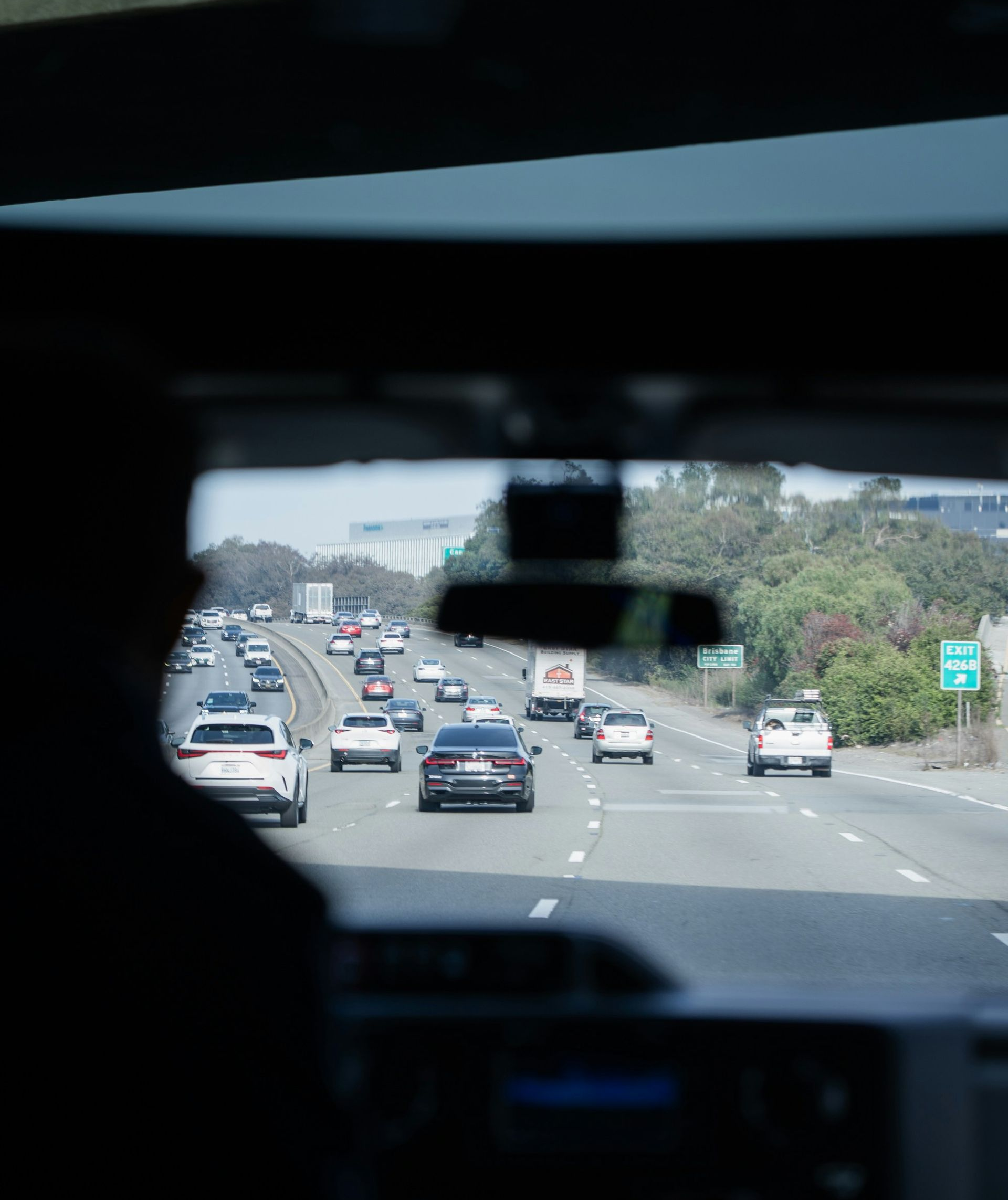
- Stop-and-go traffic conditions
These factors contribute to the overall stress placed on the tires during use.
Why Tire Lifespan Varies
When all of these elements are considered together, it becomes clear why tire lifespan is not uniform. Even with identical tires, differences in driving style, maintenance, and conditions can lead to different outcomes.
Rather than focusing solely on the tire itself, it is helpful to consider the broader context in which it is used.

Extending Tire Performance Over Time
While some factors are outside of a driver’s control, many can be managed with consistent attention. Small adjustments in driving habits and maintenance routines can have a noticeable impact on how long tires last.
By focusing on:
- Smooth driving techniques
- Regular maintenance
- Awareness of road and environmental conditions
drivers can help improve both performance and longevity.
A Practical Approach to Tire Care
Tires are a critical part of vehicle safety and performance, but their lifespan depends on more than just the product. Understanding how different factors influence wear allows drivers to take a more proactive approach.
Raymond’s Tire Shop provides professional tire services to help drivers maintain consistent performance and extend the life of their tires. If you have questions about tire wear or want to ensure your vehicle is properly maintained, contact Raymond’s Tire Shop today for expert support and reliable service.