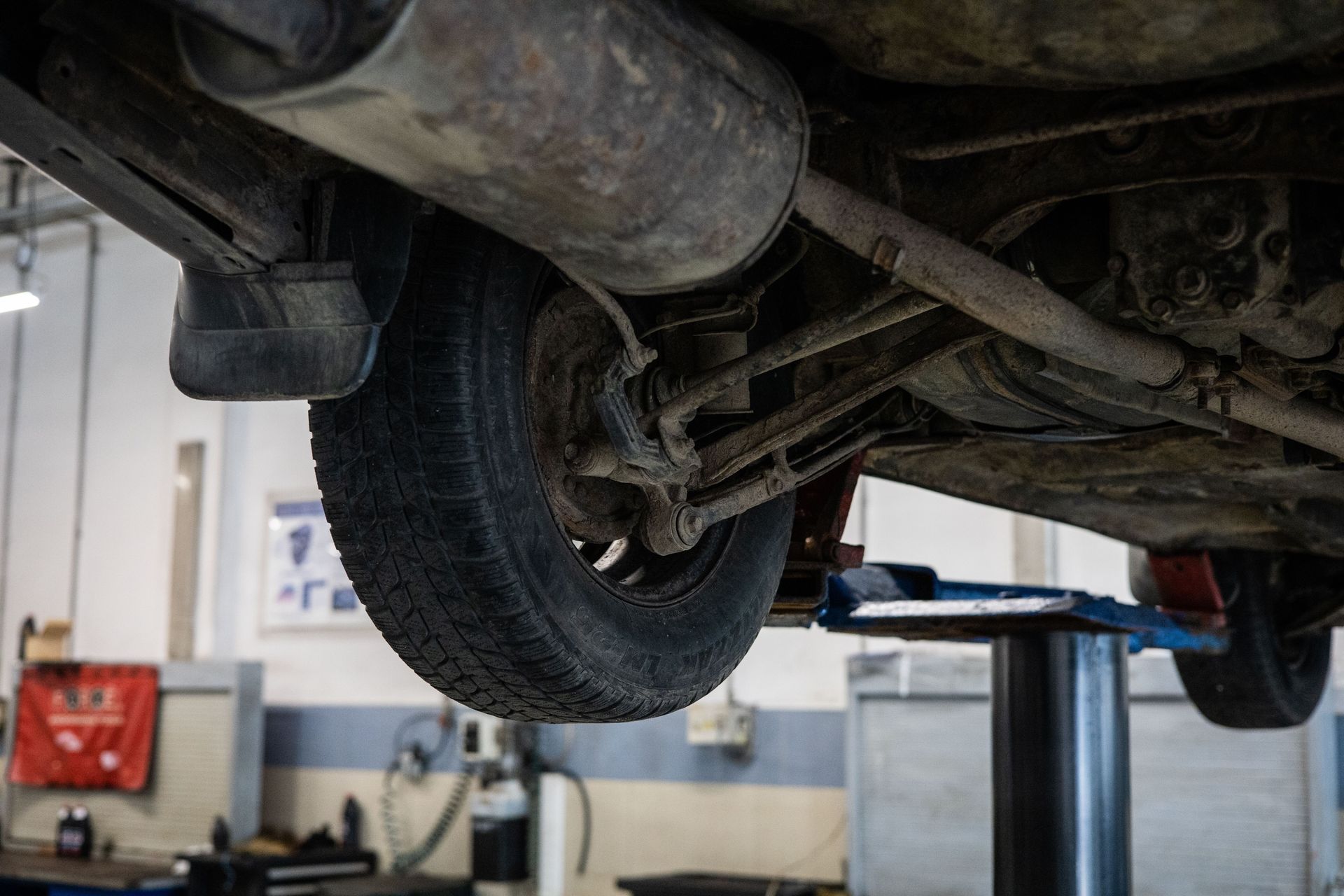
Como o envelhecimento dos pneus ocorre mesmo quando a banda de rodagem parece boa
Os riscos ocultos dos pneus antigos com boa banda de rodagem
Muitos motoristas avaliam a condição dos pneus observando a banda de rodagem, e isso é compreensível. A profundidade da banda influencia a tração, a frenagem e a segurança, e o desgaste é um indicador claro de que a substituição é necessária. No entanto, a profundidade da banda não conta toda a história. Os pneus envelhecem com o tempo, e o borracha pode se deteriorar independentemente da quantidade de banda restante. Isso significa que um pneu que parece estar em boas condições à primeira vista pode não ser mais seguro para o uso diário. Na Raymond’s Tire Shop, ajudamos os motoristas a entender como o envelhecimento dos pneus ocorre, por que isso importa e como identificar quando a substituição é necessária, mesmo que a banda ainda pareça aceitável.
Por que os pneus envelhecem com o tempo
Os pneus são feitos de compostos de borracha que são expostos a estresse todos os dias. Mesmo quando o veículo está estacionado, a borracha reage ao oxigênio, à luz solar, às mudanças de temperatura e à umidade. Esses fatores ambientais afetam lentamente a estrutura da borracha. Com o tempo, a
oxidação endurece a borracha, reduzindo sua capacidade de aderir à estrada. Esse processo ocorre naturalmente e continua independentemente da frequência com que o veículo é utilizado.
Embora os pneus modernos sejam projetados para resistir ao desgaste ambiental, nenhum pneu pode impedir completamente a oxidação. O envelhecimento é gradual, e seus estágios iniciais muitas vezes são invisíveis ao motorista. Quando rachaduras ou rigidez aparecem, o pneu pode já ter perdido parte de seu desempenho original.

Como a idade afeta a segurança dos pneus
A borracha envelhecida se torna menos flexível. Os pneus dependem dessa flexibilidade para manter tração, absorver impactos da estrada e responder aos comandos da direção. Quando essa flexibilidade diminui, o pneu pode não se ajustar tão bem à superfície, afetando o conforto e a aderência. A perda de tração pode aumentar a distância de frenagem e reduzir o controle em condições de chuva.
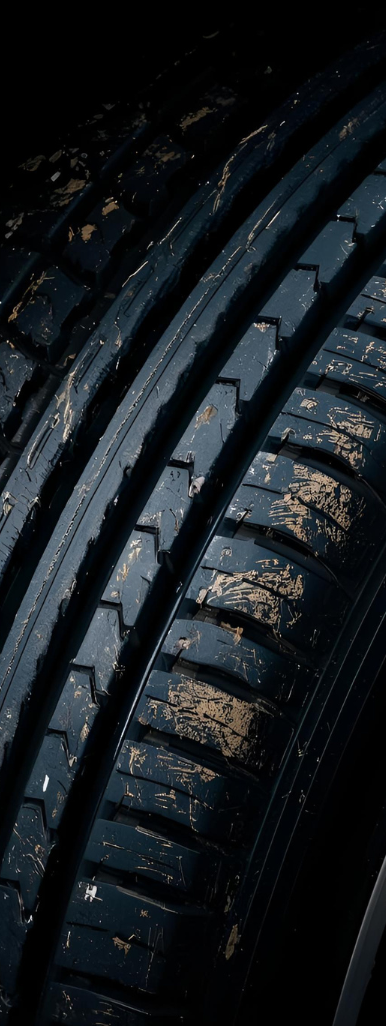
À medida que a borracha envelhece, rachaduras podem surgir na lateral ou na área da banda de rodagem. Essas rachaduras enfraquecem a estrutura do pneu. Se elas se aprofundarem, podem causar perda de ar ou uma falha repentina. Esse risco aumenta quando os pneus são expostos a altas temperaturas, cargas pesadas ou altas velocidades. Mesmo que a banda pareça quase nova, o pneu pode não suportar com segurança as condições de condução diárias.
Por que baixa quilometragem não impede o envelhecimento
Alguns motoristas acreditam que baixa quilometragem significa que os pneus ainda estão em excelente estado. No entanto, a quilometragem é apenas um fator. Um veículo que roda pouco pode até apresentar um endurecimento mais rápido da borracha porque os pneus permanecem parados por longos períodos. Condução regular flexiona a borracha e ajuda a distribuir os compostos protetores pela banda. Sem esse movimento, o envelhecimento pode acelerar.
Além disso, veículos estacionados ao ar livre sofrem exposição constante ao sol e ao calor.
Os raios UV enfraquecem os compostos de borracha ao longo do tempo. Mesmo em áreas sombreadas ou cobertas, as variações de temperatura contribuem para o envelhecimento.

Sinais de que um pneu pode estar envelhecendo
Embora o envelhecimento inicial nem sempre seja visível, há vários sinais que
indicam que um pneu está perdendo sua integridade:
- Pequenas rachaduras na lateral ou entre os blocos da banda
- Sensação de rigidez ou fragilidade ao pressionar a borracha
- Vibração ao dirigir que não é causada por problemas de balanceamento
- Perda de tração apesar de boa profundidade da banda
- Data de fabricação superior a seis anos
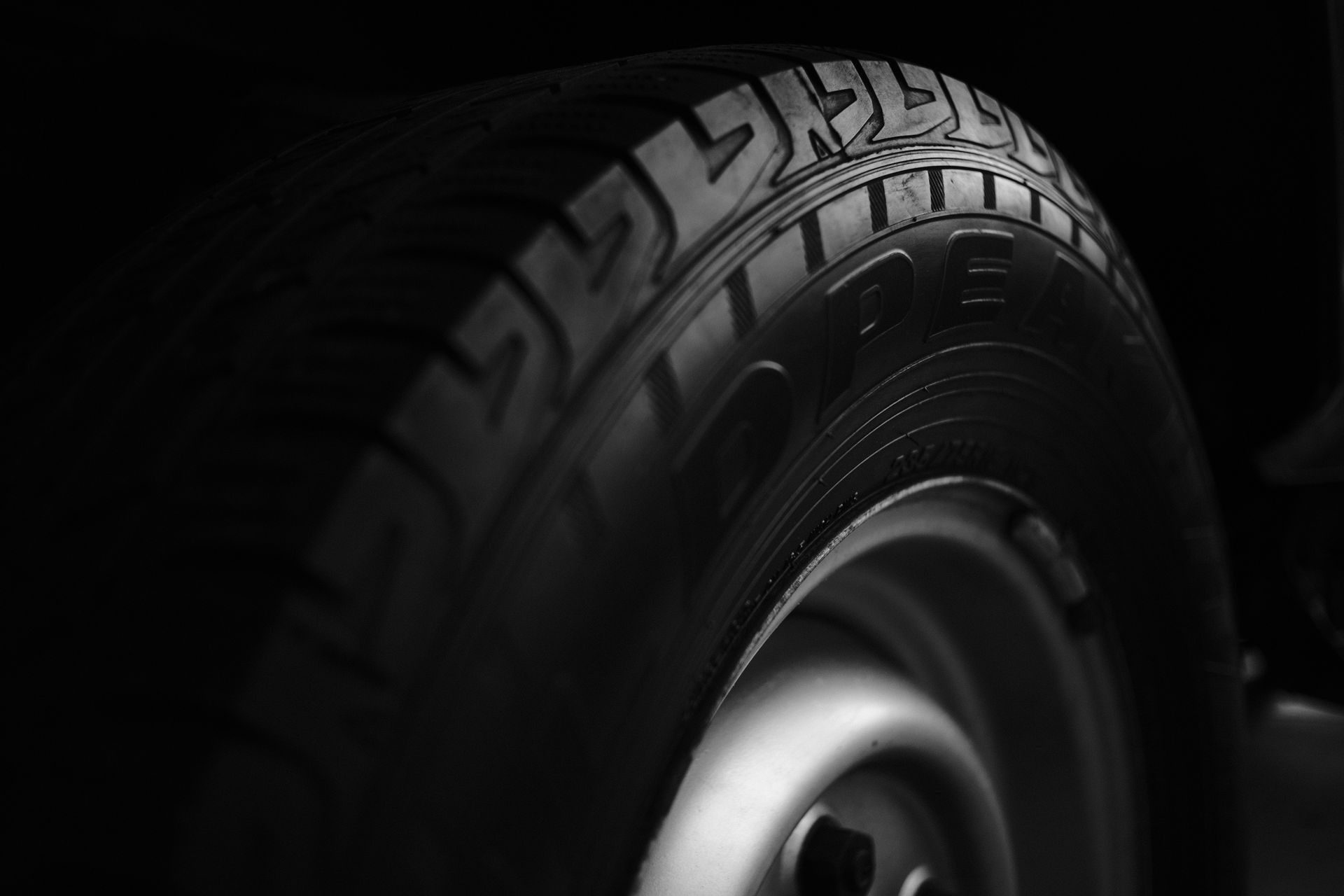
A data de fabricação é um indicador importante. Ela está localizada na lateral do pneu como parte do
código DOT. A maioria dos fabricantes recomenda que pneus com mais de seis a dez anos sejam inspecionados com cuidado ou substituídos, independentemente da aparência.

O valor da inspeção profissional de pneus
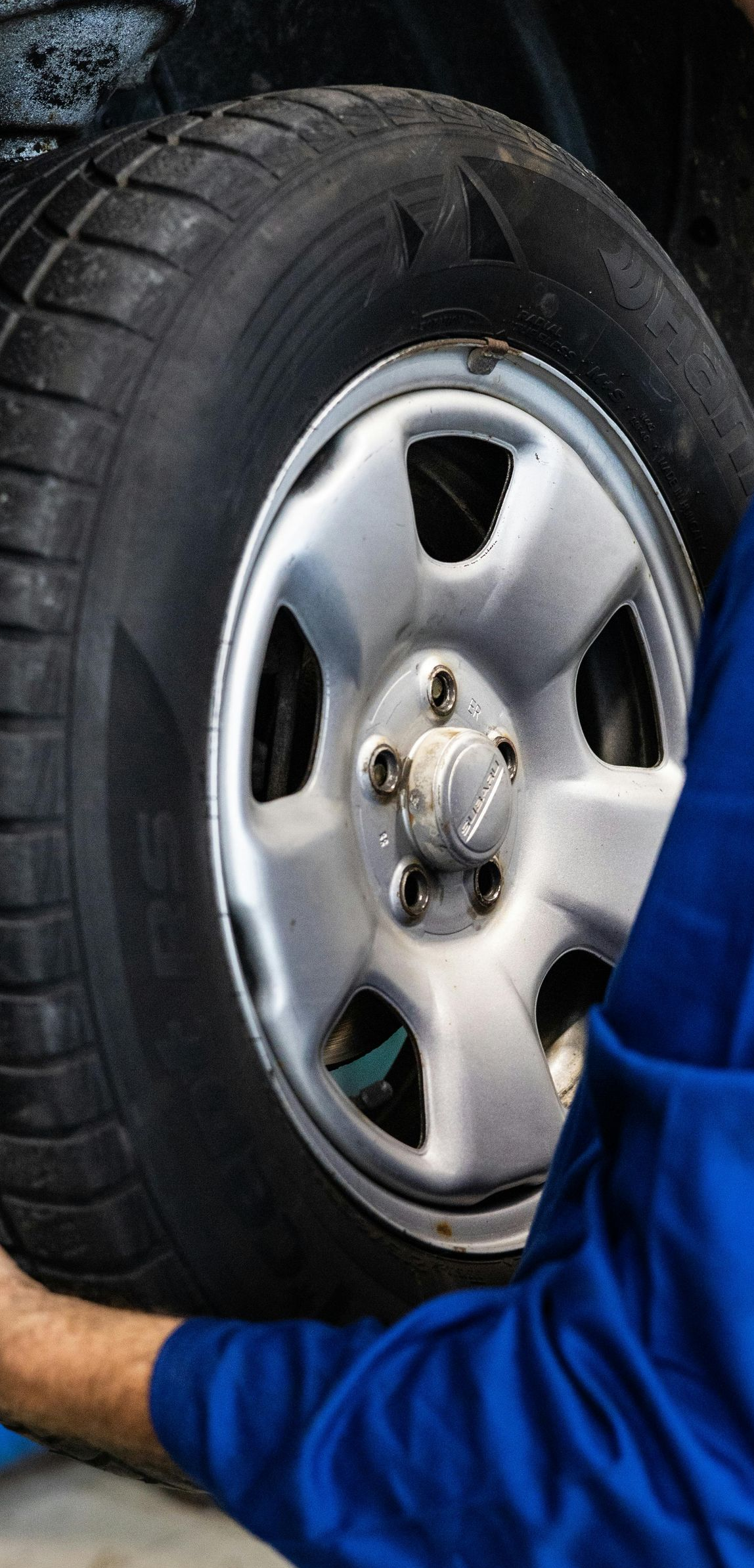
A inspeção profissional é essencial porque técnicos treinados podem identificar sinais de envelhecimento que podem não ser óbvios. Na Raymond’s Tire Shop, avaliamos a idade, a condição e a segurança estrutural de cada pneu. Procuramos rachaduras na lateral, rigidez da borracha, separação interna e danos causados pelo calor. Essa avaliação ajuda os motoristas a tomar decisões informadas sobre substituição.
Substituir um pneu envelhecido antes que ele falhe é sempre mais seguro e mais econômico do que esperar que um problema ocorra. Pneus novos restauram a tração, melhoram a dirigibilidade e aumentam a confiança ao dirigir em qualquer estação.
Promovendo uma condução segura e confiável
A banda de rodagem é importante, mas a idade do pneu desempenha um papel igualmente significativo na segurança. Um pneu pode parecer aceitável externamente enquanto sua estrutura interna já não é capaz de funcionar como deveria. Ao entender como os pneus envelhecem e ao buscar inspeções regulares, os motoristas podem evitar falhas inesperadas e manter um desempenho confiável. Na Raymond’s Tire Shop, estamos comprometidos em ajudar cada cliente a permanecer seguro com pneus que atendam às exigências da condução diária.