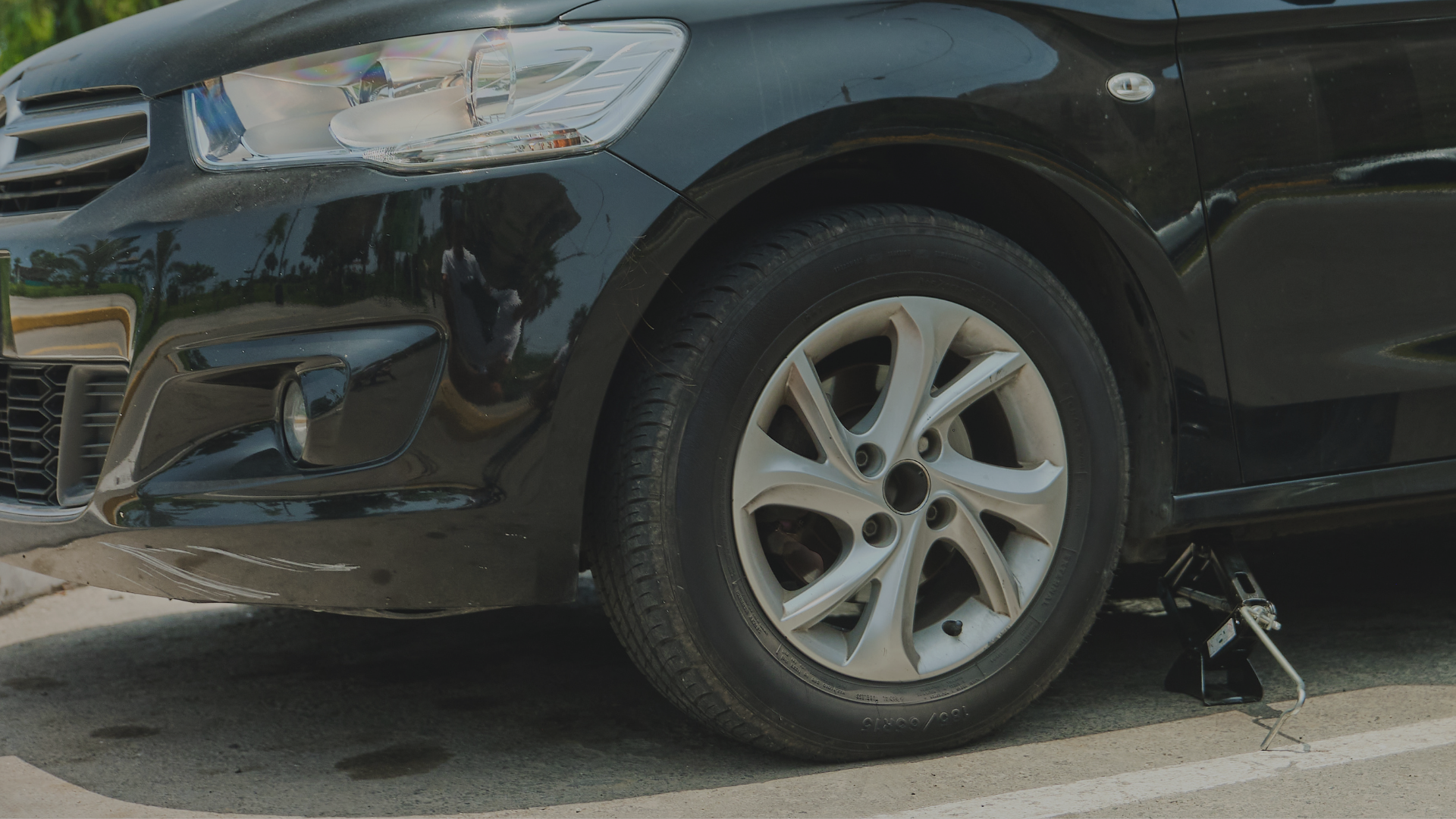
Comprender la diferencia entre la reparación y el reemplazo de neumáticos

Cuando un neumático se daña, muchos conductores no están seguros de si puede repararse de manera segura o si el reemplazo completo es la mejor opción. La decisión no siempre es evidente, y elegir incorrectamente puede afectar la seguridad, el rendimiento y los costos a largo plazo. Comprender la diferencia entre la reparación y el reemplazo de neumáticos ayuda a los conductores a proteger sus vehículos y a tomar decisiones con confianza.


Cuándo la reparación de neumáticos es una opción

La reparación de neumáticos generalmente se considera cuando el daño es limitado, está correctamente ubicado y no compromete la integridad estructural del neumático. El problema reparable más común es una pequeña perforación causada por un clavo o un tornillo.


Para que un neumático sea apto para reparación, la perforación normalmente debe estar ubicada en la banda de rodadura, no en el costado ni en el hombro del neumático. El tamaño de la perforación también es importante. Un daño demasiado grande o irregular puede no sellarse correctamente, incluso con métodos profesionales.


Una reparación adecuada implica más que simplemente insertar un tapón. El neumático debe desmontarse de la rueda, inspeccionarse internamente y repararse utilizando un parche o una combinación de parche y tapón. Este proceso ayuda a restaurar la retención de aire y garantiza que la reparación resista las condiciones normales de conducción.
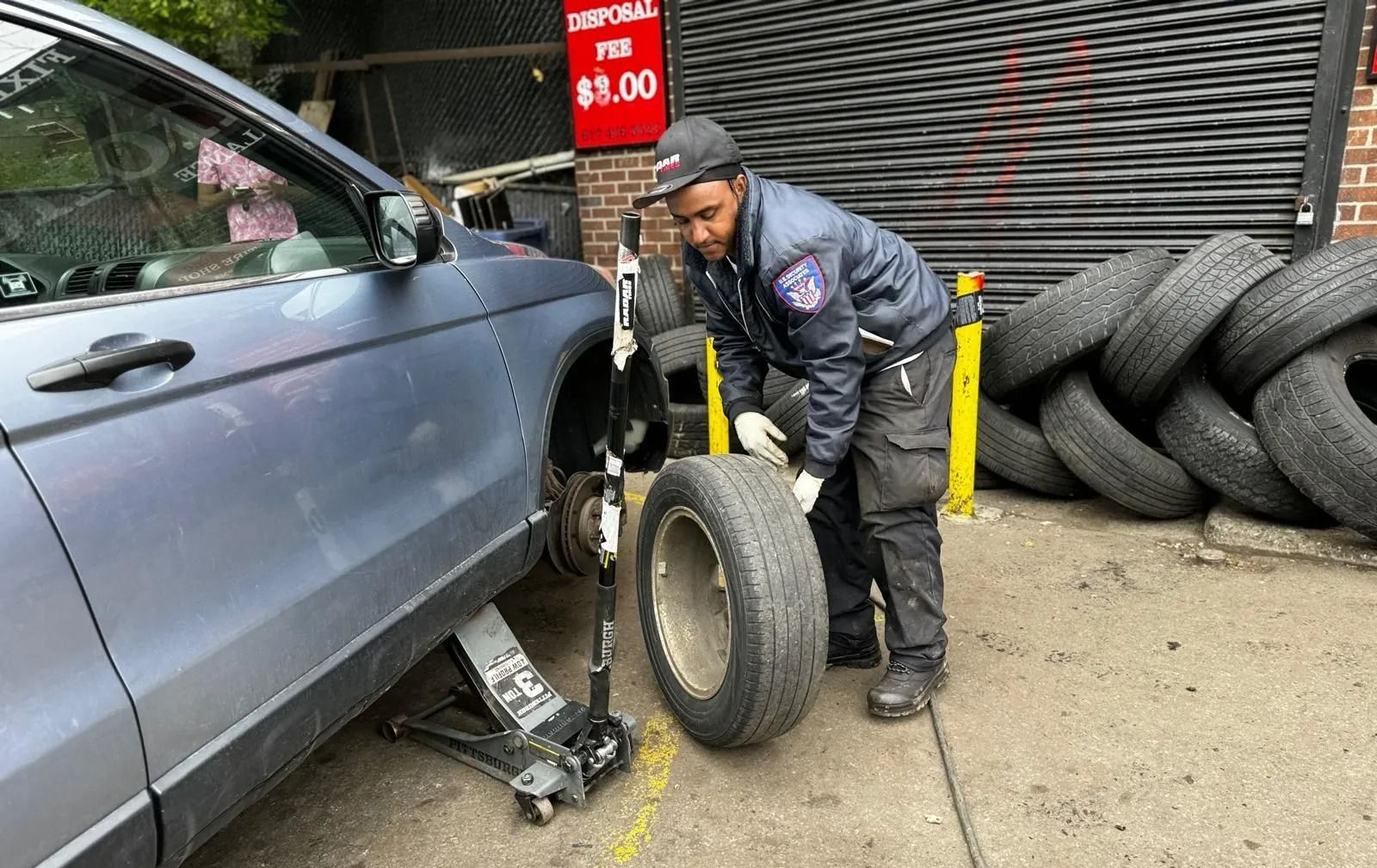
Mechanic changing a tire on a gray car, standing outside a shop with stacked tires.

Por qué el daño en el costado no puede repararse

El daño en el costado es una de las razones más comunes por las que un neumático debe ser reemplazado. El costado se flexiona constantemente durante la conducción y soporta gran parte de la carga del vehículo. Cualquier perforación, desgarro o burbuja en esta zona debilita la estructura del neumático.


Intentar reparar el daño en el costado es peligroso. Incluso si la pérdida de aire parece mínima, el riesgo de una falla repentina aumenta significativamente. El reemplazo es la única opción responsable en estos casos.

Group of tire shop employees posing in front of Raymond's Tire Shop.

El papel de la antigüedad y el desgaste del neumático

Incluso si el daño parece menor, debe considerarse el estado general del neumático. Los neumáticos muy desgastados, con desgaste irregular o envejecidos pueden no ser buenos candidatos para la reparación.


A medida que los neumáticos envejecen, los compuestos de caucho se endurecen y pierden flexibilidad. Esto reduce el agarre y aumenta el riesgo de grietas o separación. Reparar un neumático viejo o desgastado puede restaurar temporalmente la presión de aire, pero no soluciona la reducción del rendimiento ni los problemas de seguridad.
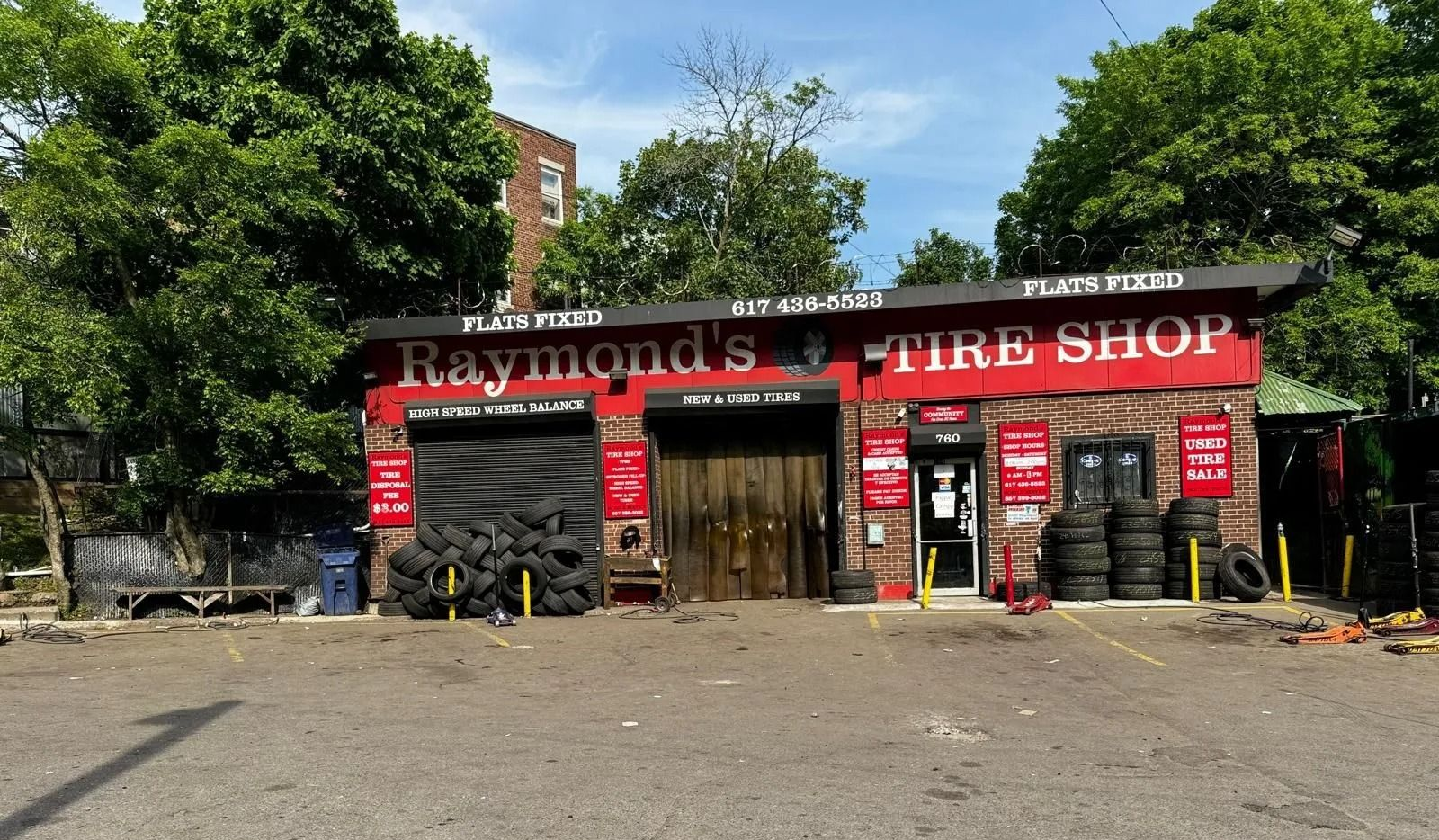
Raymond's Tire Shop exterior with tires stacked. Brick building, black roll-up door, red sign. Trees frame the building.

Cuando el reemplazo es la opción más segura

El reemplazo se recomienda cuando el daño afecta la estructura del neumático, cuando la profundidad de la banda de rodadura es baja o cuando ya se han realizado múltiples reparaciones. Los neumáticos con reparaciones previas pueden no funcionar de manera confiable bajo condiciones de exigencia.


El reemplazo también es importante cuando los neumáticos ya no coinciden en tamaño, profundidad de la banda de rodadura o estado general. Los neumáticos desiguales pueden afectar la maniobrabilidad, el frenado y la estabilidad, especialmente en situaciones de emergencia.
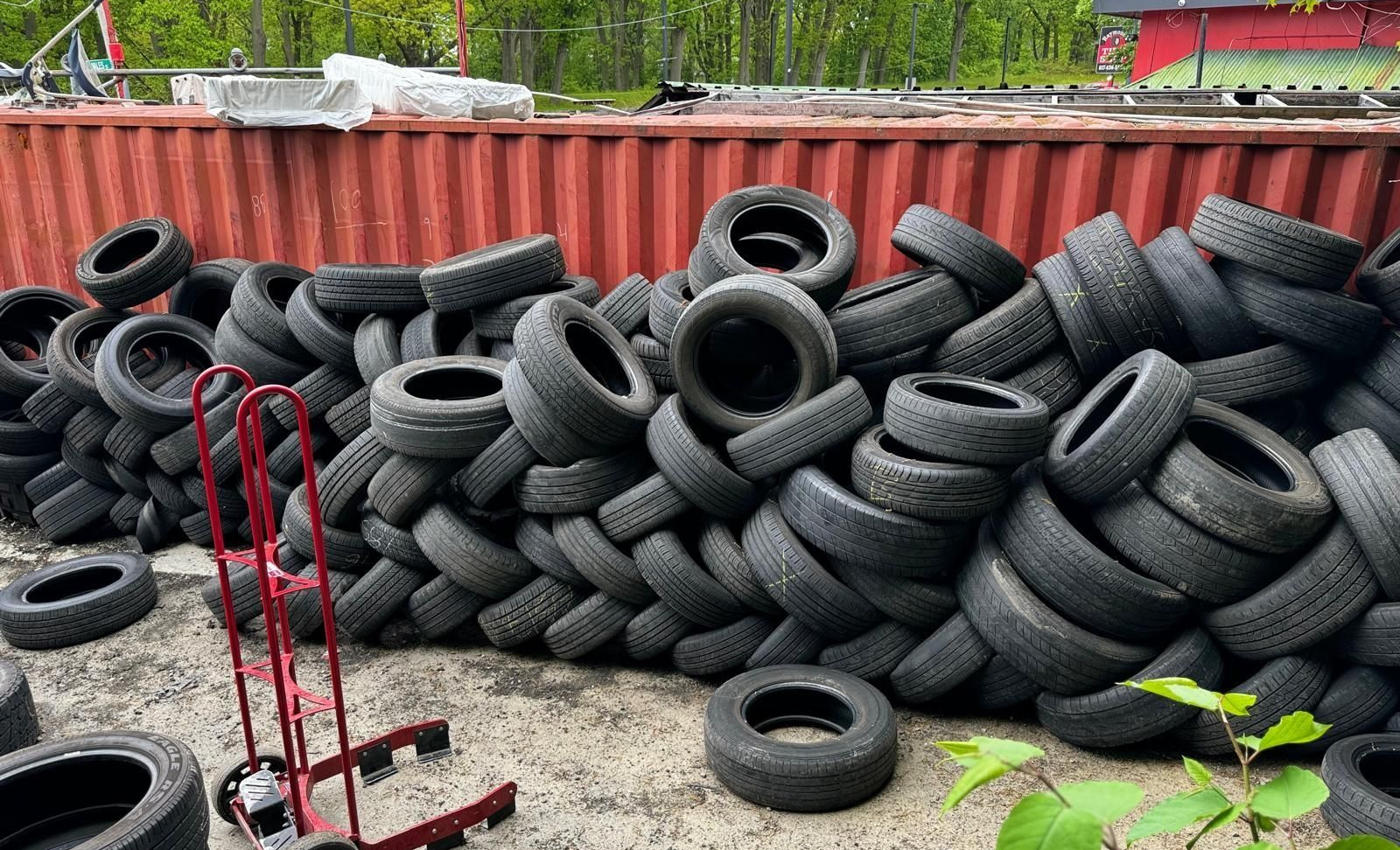
Pile of used tires against a red container, with a red hand truck and foliage in the foreground.

La seguridad es lo más importante

La principal diferencia entre la reparación y el reemplazo es la seguridad. Un neumático reparado correctamente puede seguir funcionando de manera segura cuando el daño es limitado y las condiciones son adecuadas. Un neumático comprometido, incluso si retiene aire, puede fallar de forma inesperada.


Los conductores a menudo se enfocan en el costo inmediato, pero el costo a largo plazo de una falla del neumático puede ser mucho mayor. La pérdida de control, las distancias de frenado prolongadas o las averías en la carretera conllevan riesgos reales.


La evaluación profesional marca la diferencia

Determinar si un neumático puede repararse requiere una inspección profesional. La apariencia externa por sí sola no revela daños internos. Un técnico capacitado evalúa el neumático desde el interior para identificar problemas ocultos, como desgarros internos o separación de las bandas.


Esta evaluación garantiza que las decisiones de reparación se basen en la seguridad y no en suposiciones.
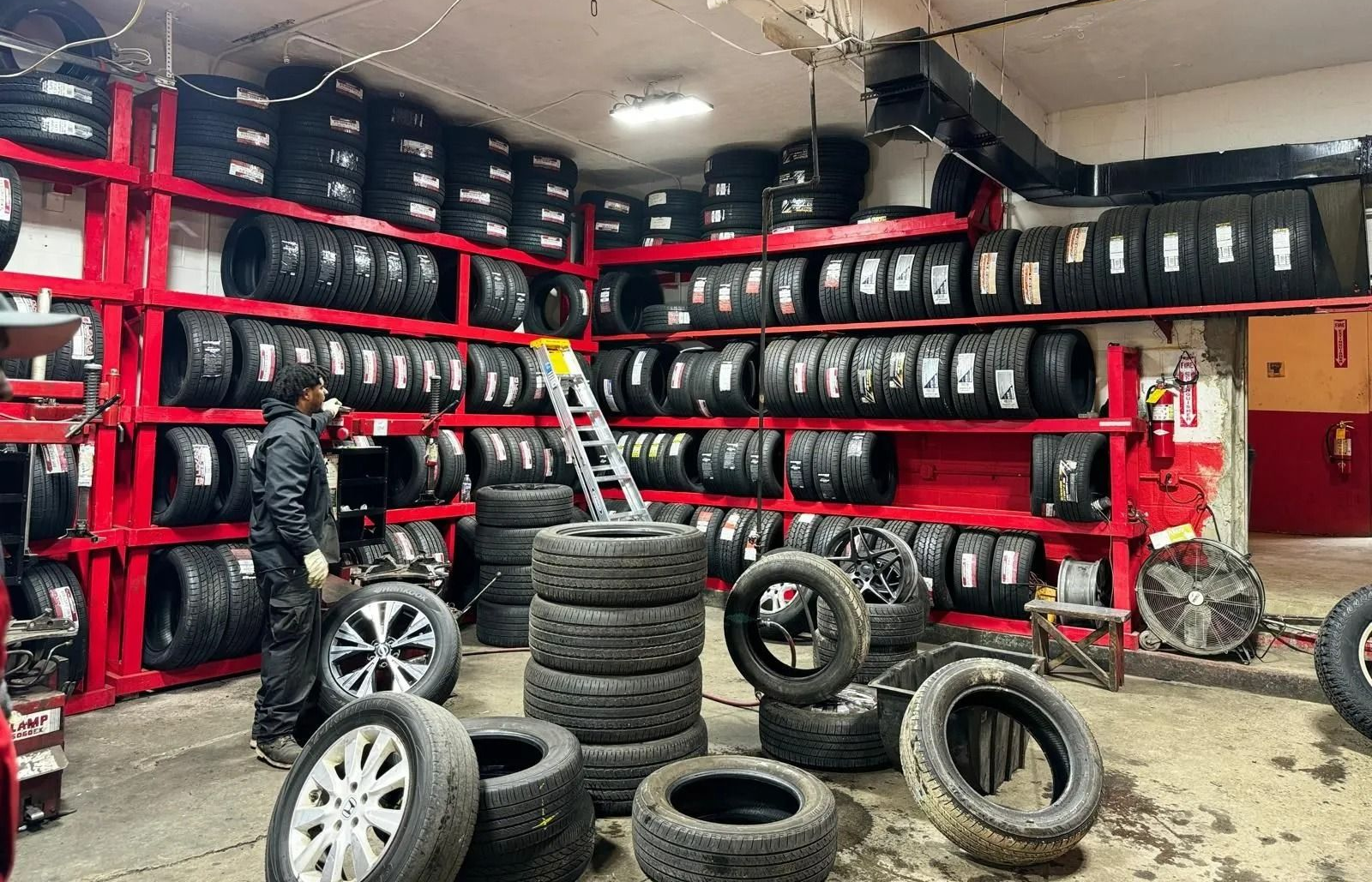
A mechanic in a tire shop surrounded by stacked tires on red shelving.

Reparación versus reemplazo no es una suposición

Comprender la diferencia entre la reparación y el reemplazo de neumáticos ayuda a los conductores a evitar riesgos innecesarios. La reparación es adecuada cuando el daño es limitado y el neumático sigue siendo estructuralmente sólido. El reemplazo es necesario cuando la seguridad o el rendimiento están comprometidos.


Tomar la decisión correcta para su vehículo

En Raymond’s Tire Shop, evaluamos cada neumático con cuidado y explicamos claramente las opciones disponibles. Nuestro objetivo es ayudar a los conductores a tomar decisiones informadas que prioricen la seguridad y la confiabilidad. Ya sea que un neumático pueda repararse o deba reemplazarse, comprender la diferencia garantiza que esté tomando la decisión correcta para su vehículo y para el camino por delante.
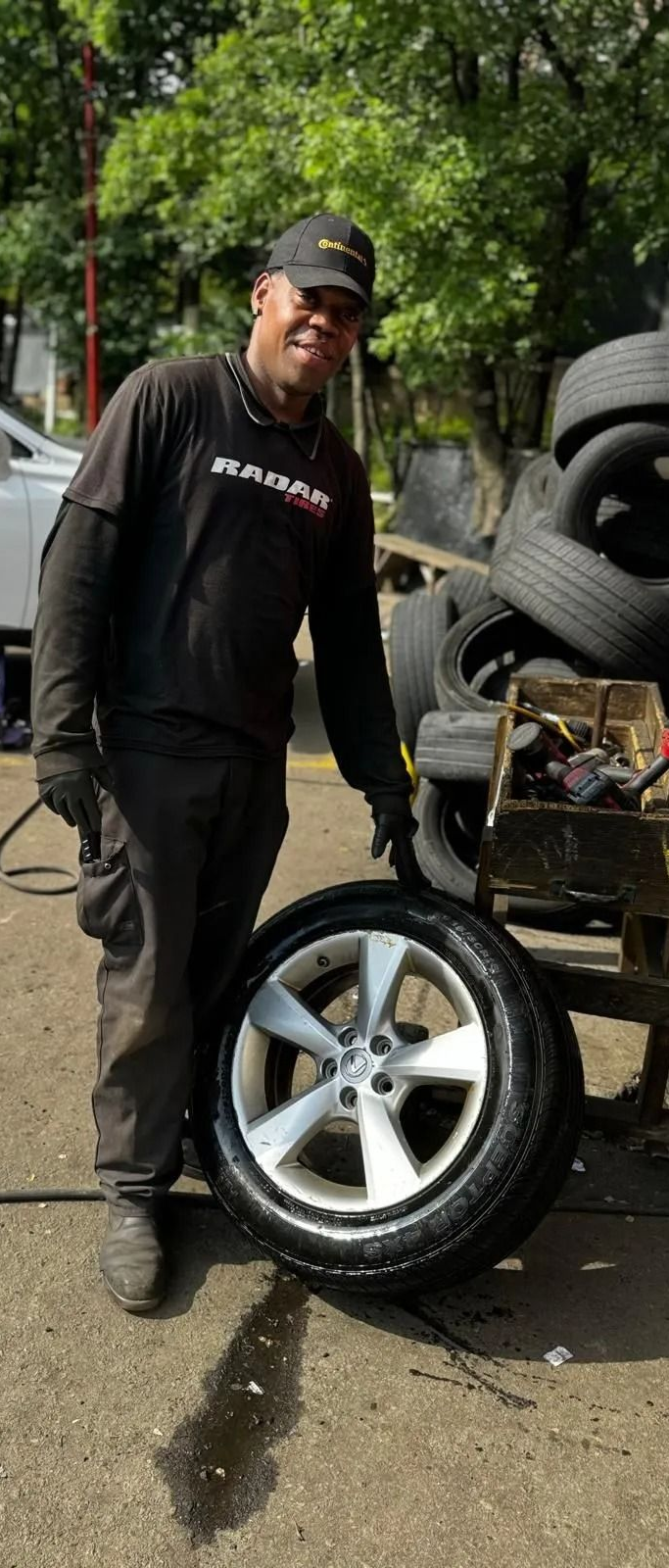
Person in black shirt holding a car tire. Stacks of tires are in the background, with greenery.
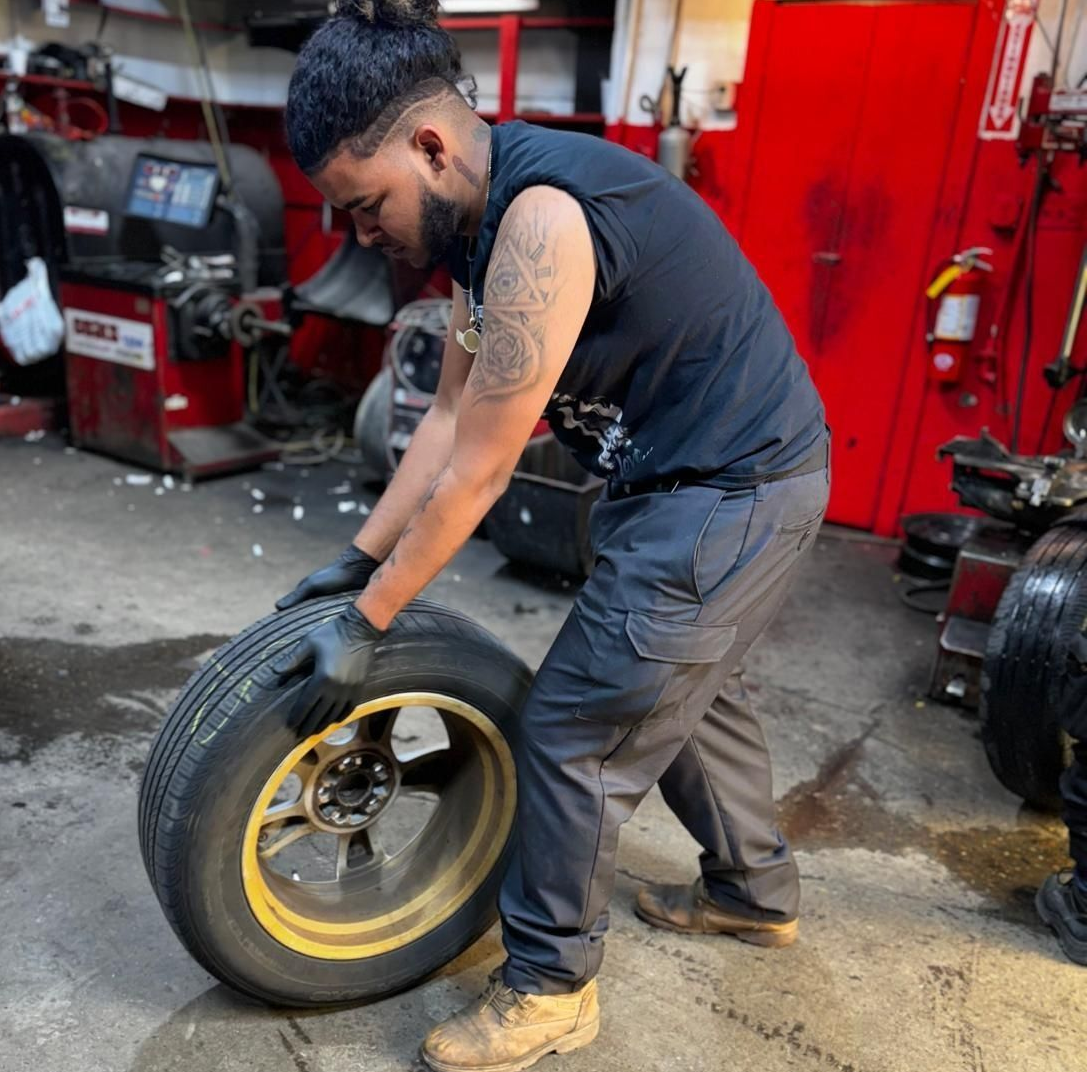
Mechanic handling a tire, inside a garage. He is wearing gloves and a black shirt.
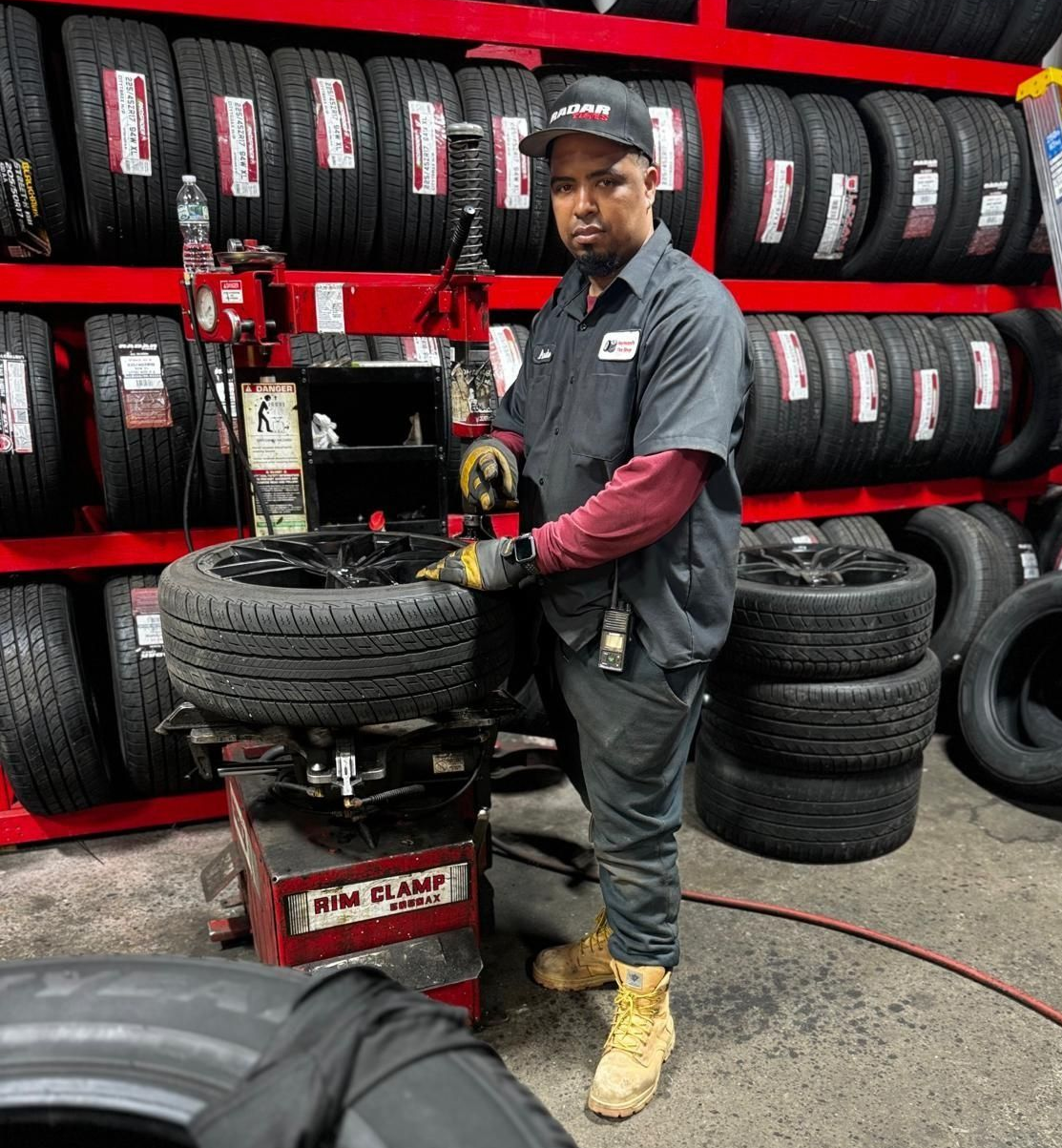
Man in a mechanic shop using a tire machine, with shelves of tires in the background.
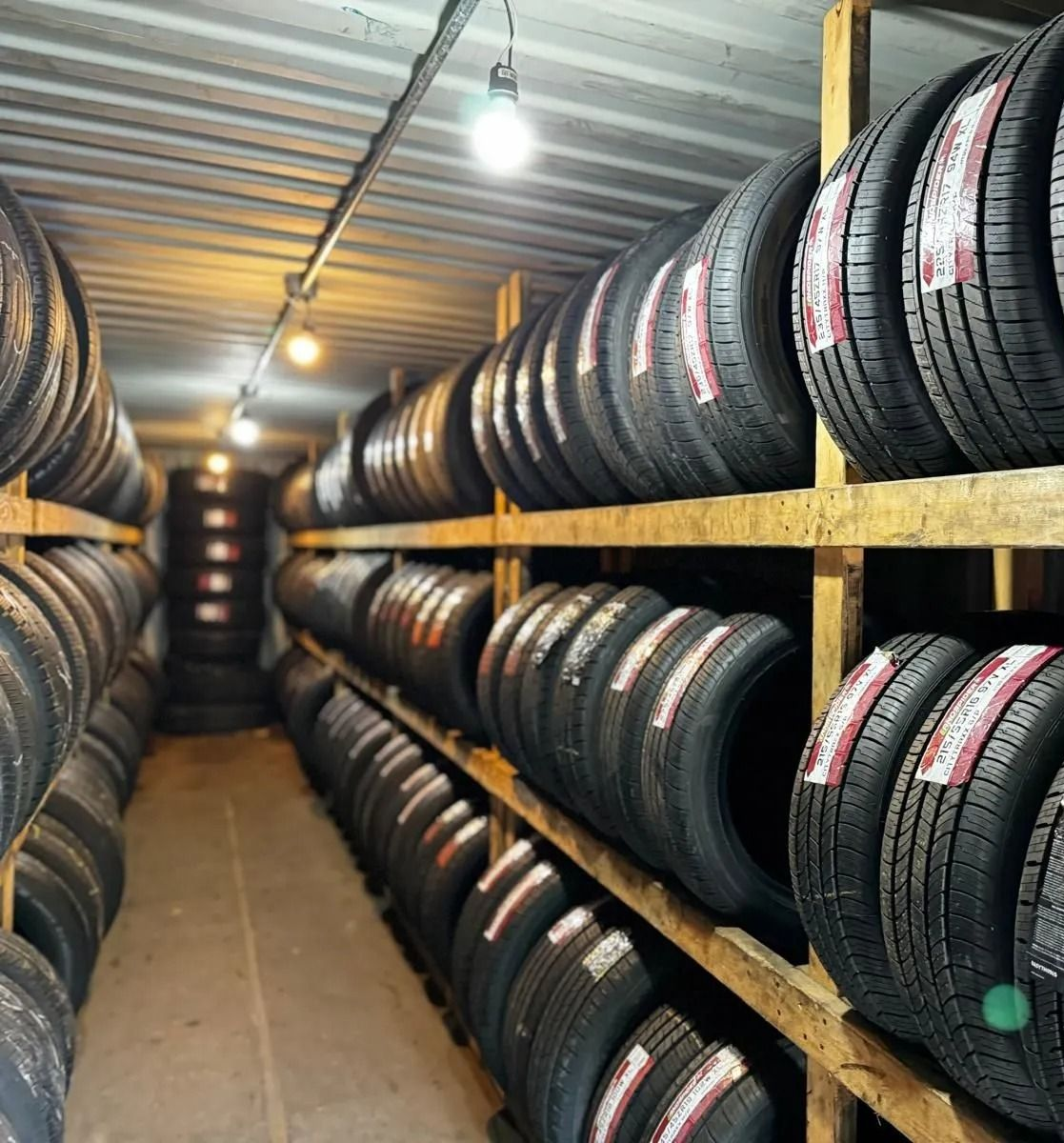
Tires stacked on wooden shelves in a storage room, lit by overhead lights.
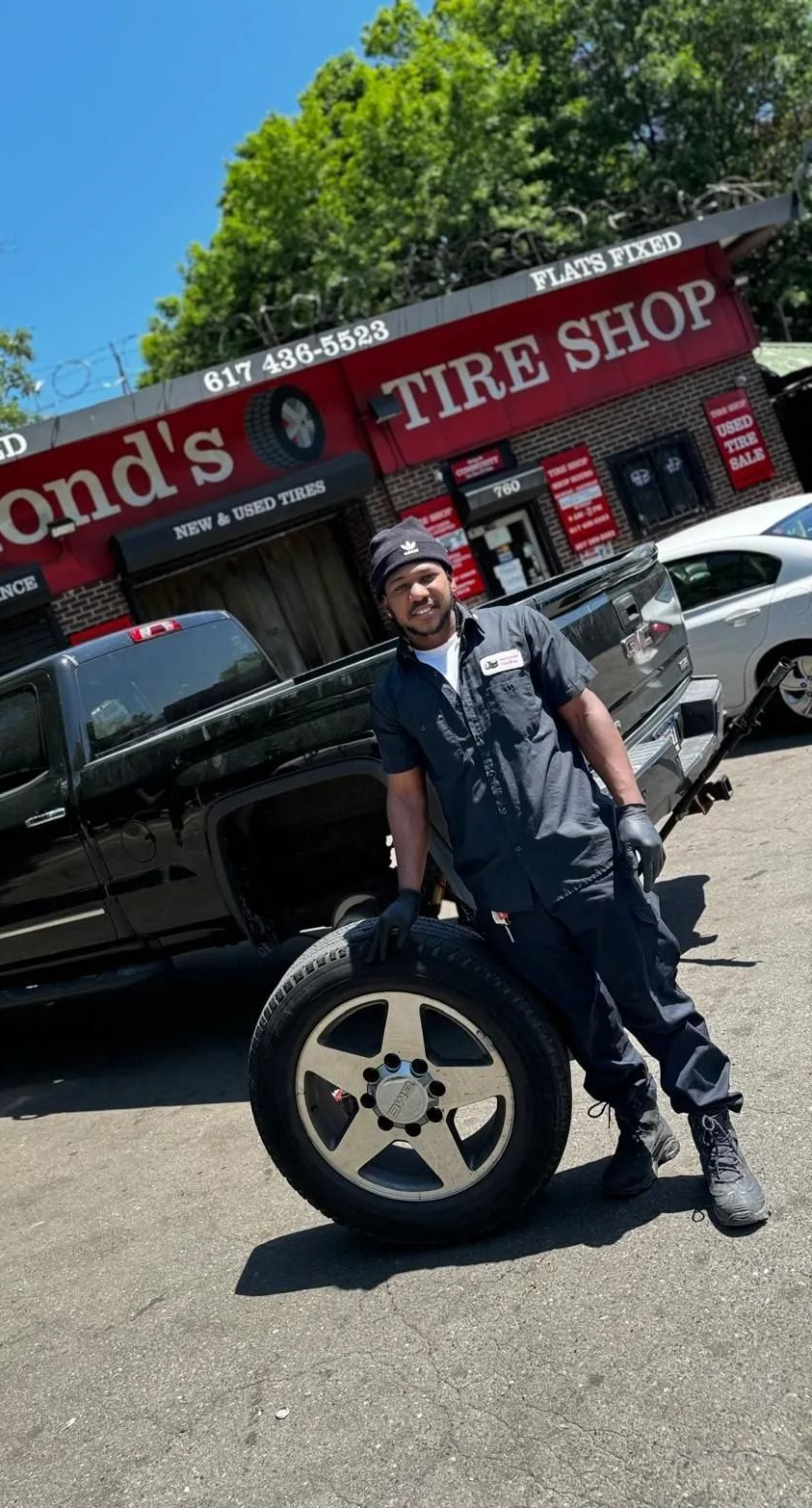
A man in work clothes holds a tire, posing beside a black truck in front of Raymond's Tire Shop.
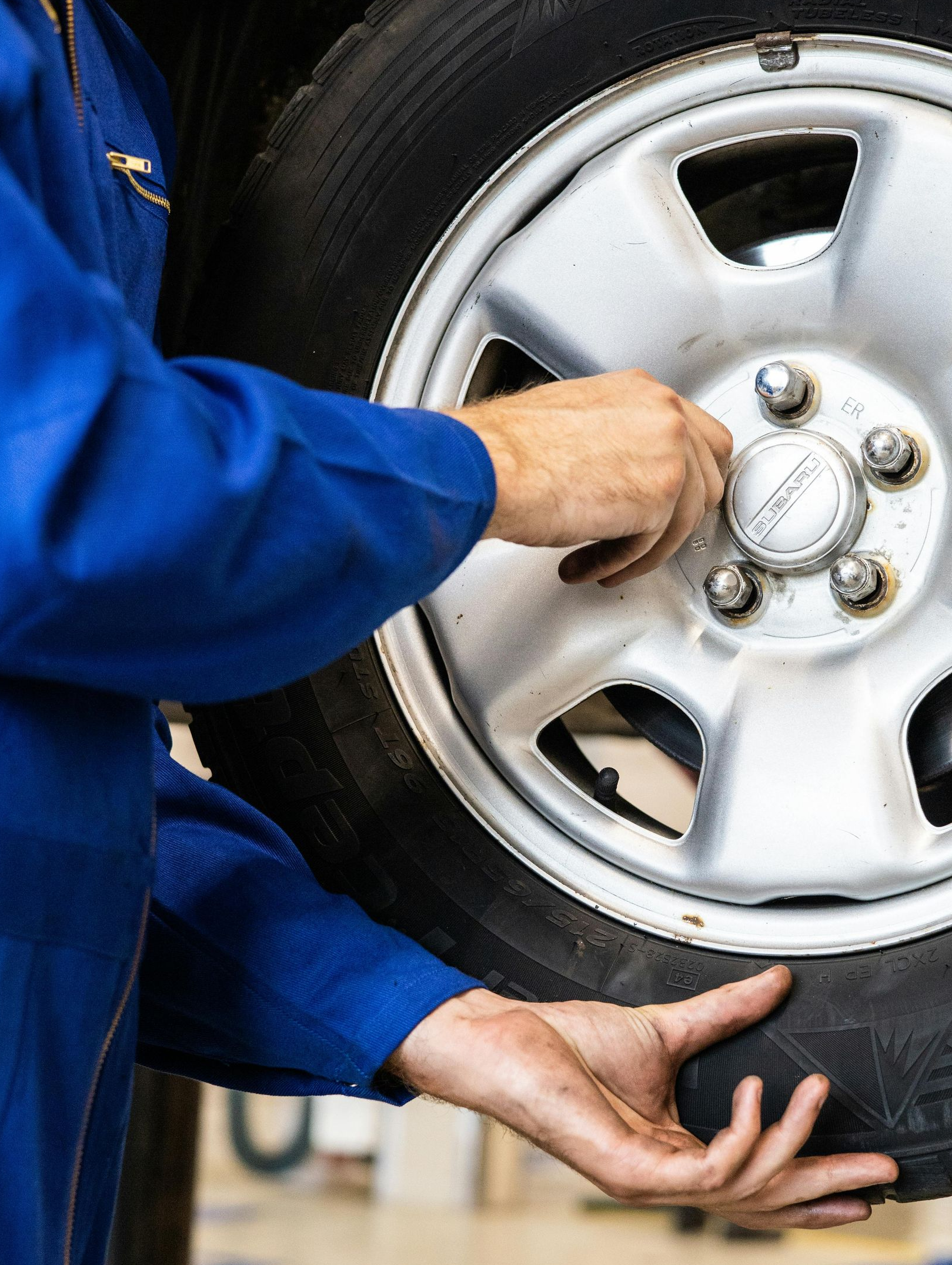
Person in blue jumpsuit working on a car tire, tightening lug nuts.
September 11, 2026
A flat tire does not always mean the tire has to be replaced. In many cases, a small puncture can be repaired safely and returned to service. The key is where the puncture occurred, how large it is, and whether the tire suffered additional damage while losing air. That is why a professional inspection matters. Two punctures that lo ok similar from the outside may require completely different solutions once the tire is removed and examined internally. Location Matters Most One of the first things a technician looks at is where the puncture is located. Damage in the central tread area is often the best candidate for repair. This part of the tire is designed to handle contact with the road and can sometimes be repaired when the puncture is small and otherwise straightforward. Punctures near the shoulder or sidewall are much more concerning.  These areas flex significantly while the tire is moving and cannot usually be repaired safely using standard puncture-repair methods. If a nail, screw, or other object damages the sidewall or outer shoulder, replacement is often the safer option.
September 6, 2026
A wheel alignment can correct important steering and tire-angle settings, but the alignment itself depends on the suspension being in good mechanical condition. If ball joints, tie rods, control arm bushings, wheel bearings, or other components are worn, the wheels may not stay in the position the technician sets.  That is why some vehicles continue pulling , wearing tires unevenly, or developing an off-center steering wheel even after an alignment. In those cases, the problem may not be the alignment machine or the adjustment. It may be worn suspension or steering components underneath the vehicle.
August 28, 2026
When a tire repeatedly loses air but there is no obvious nail, screw, or visible puncture, the problem may be where the tire meets the wheel. This area is known as the tire bead, and a poor seal between the bead and the rim can allow air to escape gradually. Tire bead leaks are a common cause of slow pressure loss. Understanding why they happen can help drivers recognize when a tire needs professional inspection rather than repeatedly adding air. What Is the Tire Bead? The bead is the reinforced inner edge of the tire that sits tightly against the wheel rim. When a tire is properly mounted and inflated, air pressure helps hold the bead securely against the wheel, creating an airtight seal. If that sealing surface becomes damaged, dirty, corroded, or distorted, a small pathway can develop for air to escape.  Because these leaks may be very small, the tire can lose pressure over several days or weeks rather than going flat immediately.
August 23, 2026
A pothole impact can feel like a quick jolt, but the forces involved can affect several parts of the tire and wheel assembly. The faster the vehicle is moving, the less time the tire has to absorb the impact. In some cases, the damage is immediately obvious. In others, problems may not become noticeable until later. Raymond’s Tire Shop helps drivers inspect tires, wheels, balancing, and alignment after hard road impacts. Understanding what can happen during a pothole strike can make it easier to recognize when a tire needs professional attention. The Tire Is Compressed Extremely Quickly When a tire drops into a pothole and strikes the far edge, the sidewall and tread can be compressed between the road and the wheel. Tires are designed to flex, but a severe impact can exceed what the internal structure can safely absorb.  The risk can be greater when tire pressure is too low because there is less air cushioning between the road surface and the wheel. However, even a properly inflated tire can be damaged by a deep pothole at sufficient speed.
August 16, 2026
Tires are one of the most important safety components on any vehicle because they are the only parts that maintain direct contact with the road. As tires wear, their ability to grip pavement, channel water, and respond predictably can gradually decline. The challenge is that unsafe tire conditions are not always obvious until performance has already been affected.  Raymond’s Tire Shop helps drivers evaluate tread wear, tire damage, pressure issues, alignment problems, and other conditions that can affect tire safety. Knowing what to look for can help you recognize when a tire needs professional attention or replacement.
August 7, 2026
Most drivers think of tires simply as the round rubber components that allow a vehicle to roll down the road. In reality, tires are sophisticated pieces of engineering that perform several essential functions every time a vehicle is in motion. They support the weight of the vehicle, transmit steering and braking forces, absorb road irregularities, and maintain traction in changing driving conditions. Every acceleration, turn, and stop depends on these four small contact patches where the tires meet the road.  Understanding the primary functions of a tire helps drivers appreciate why routine maintenance and timely replacement are so important. Raymond’s Tire Shop helps customers choose quality tires and maintain them properly so their vehicles continue to perform safely and efficiently throughout the life of the tire.