How Driving Habits Shorten or Extend the Life of Your Tires
Many drivers assume that tire lifespan is determined primarily by the brand or model they choose. While tire quality matters, everyday driving habits often play a much larger role in how long tires last. The way a vehicle is driven can significantly shorten tire life or help extend it well beyond expectations. Understanding how driving behavior affects tires allows drivers to protect their investment and maintain safer performance on the road.
Aggressive Acceleration and Rapid Wear
Hard acceleration places immediate stress on tires. When a vehicle accelerates quickly, especially from a stop, the tires experience increased friction against the road surface. This friction causes tread to wear more quickly, particularly on drive tires.
Frequent aggressive acceleration can lead to uneven wear patterns and reduced traction over time. Drivers who gradually increase speed instead of accelerating abruptly often notice more consistent tread wear and longer tire life.
Braking Habits Matter
Sudden or frequent hard braking is another major contributor to premature tire wear. Tires are designed to grip the road, but repeated abrupt stops force the tread to absorb excessive friction in a short period of time.
Over time, this can lead to flat spotting or uneven wear. Maintaining a safe following distance and braking gradually whenever possible reduces stress on tires and improves overall vehicle control.
Cornering and Turning Behavior
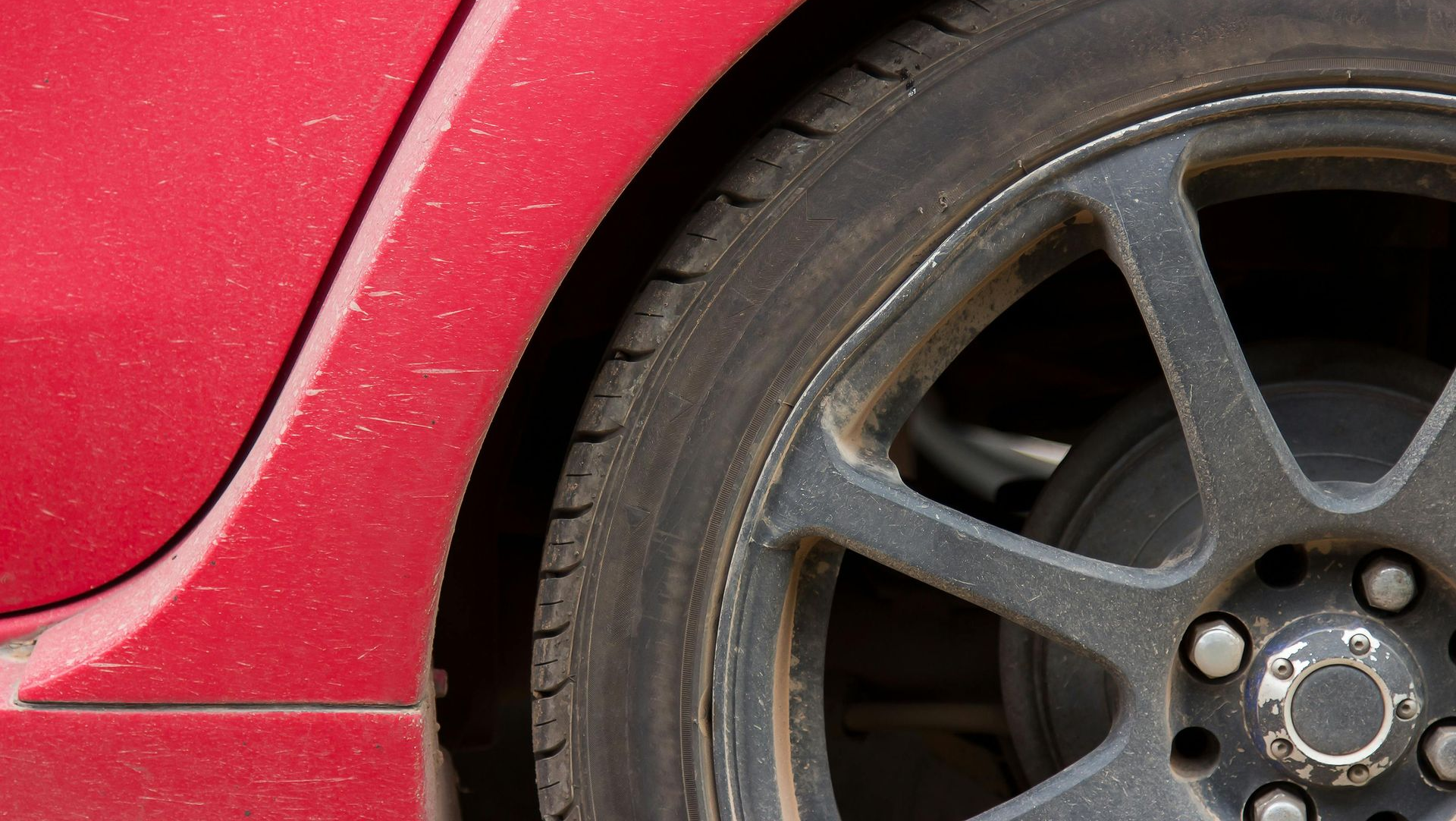
Sharp or fast turns increase lateral forces on tires, particularly on the outer edges of the tread. Taking corners aggressively can wear down the shoulders of tires faster than the center, leading to uneven tread depth.
Smooth, controlled turns help distribute forces more evenly across the tire surface. This not only extends tire life but also improves handling and stability.
Speed and Heat Buildup
Driving at consistently high speeds generates more heat within the tire. Excessive heat accelerates rubber breakdown and can weaken internal tire structure over time.
While tires are built to handle highway speeds, sustained high speed driving, especially in warm conditions, can shorten their usable life. Allowing tires to cool during long trips and avoiding unnecessary high speed driving supports better longevity.
Load and Vehicle Weight
Carrying excessive weight places additional strain on tires. Overloaded vehicles cause tires to flex more than intended, increasing heat and wear. Even occasional overloading can reduce tire lifespan.
Drivers should be mindful of cargo weight and ensure tires are properly inflated to support the vehicle’s load. Proper inflation helps tires handle weight more effectively and wear evenly.
Tire Pressure and Driving Style
Driving with underinflated or overinflated tires magnifies the effects of poor driving habits. Underinflation increases rolling resistance and shoulder wear, while overinflation concentrates wear in the center of the tread.
Checking tire pressure regularly and adjusting it to manufacturer recommendations helps tires respond better to normal driving forces. Proper pressure allows tires to handle acceleration, braking, and cornering more efficiently.
Road Awareness and Avoiding Hazards
Potholes, curbs, and debris can cause immediate tire damage or internal issues that shorten tire life. Paying attention to road conditions and avoiding hazards whenever possible reduces the risk of impact related damage.
Even small impacts can weaken a tire internally, leading to premature failure later.
Consistent Maintenance Supports Better Habits
Driving habits work hand in hand with maintenance. Regular tire rotations, alignments, and inspections help correct wear patterns caused by everyday driving. When combined with smoother driving behavior, maintenance can significantly extend tire life.
Driving Smarter Protects Your Tires
Tires respond directly to how a vehicle is driven. Smooth acceleration, gradual braking, controlled cornering, and mindful road awareness all contribute to longer lasting tires and safer driving.
At Raymond’s Tire Shop, we help drivers understand how daily habits affect tire performance and longevity. By pairing informed driving behavior with professional tire service, drivers can get the most value and safety from every set of tires.