Cuando la reparación de llantas no es suficiente y el reemplazo es la opción más segura

Cuando aparece un problema con una llanta, muchos conductores esperan una reparación rápida y económica. En algunas situaciones, la reparación de llantas es adecuada y eficaz. En otras, el reemplazo es la opción más segura y responsable. Comprender la diferencia puede ayudar a los conductores a protegerse a sí mismos, a sus pasajeros y a otros automovilistas en la carretera.


No todos los daños en las llantas son reparables
Las llantas modernas están diseñadas con múltiples capas que trabajan juntas para soportar el peso, mantener la tracción y absorber los impactos del camino. Cuando el daño afecta ciertas partes de la llanta, una reparación puede comprometer su integridad estructural.


Las perforaciones en la banda de rodamiento a veces pueden repararse si son pequeñas y están ubicadas correctamente. Sin embargo, los daños en el costado, el hombro o la estructura interna de la llanta no pueden repararse de manera segura. Estas áreas se flexionan constantemente al conducir, y las reparaciones en estas zonas tienen mayor probabilidad de fallar.

Man changing a tire on a blue and white vintage van; woman sits inside, looking out.

El daño en el costado es una señal de alerta importante
El daño en el costado es una de las razones más comunes por las que una llanta debe ser reemplazada. Cortes, abultamientos o grietas en el costado indican una estructura debilitada. Incluso si la llanta parece mantener el aire, el daño en el costado puede provocar una falla repentina sin previo aviso.


Debido a que el costado soporta gran parte de la carga del vehículo, cualquier compromiso en esta área representa un riesgo serio para la seguridad. El reemplazo es la única opción segura cuando hay daño en el costado.

Mechanic in a workshop using a wrench to work on a motorcycle tire.

Múltiples reparaciones reducen la confiabilidad
Una llanta que ya ha sido reparada una vez puede no ser una buena candidata para reparaciones adicionales. Cada reparación altera ligeramente la estructura de la llanta. Múltiples parches o tapones pueden reducir la confiabilidad, especialmente a velocidades de carretera.


Cuando una llanta ha sufrido daños repetidos, el reemplazo suele brindar mayor tranquilidad y seguridad a largo plazo.


Las condiciones de manejo importan
Cómo y dónde se conduce un vehículo juega un papel importante en las decisiones de reparación. Las llantas que circulan con frecuencia a altas velocidades o transportan cargas pesadas experimentan mayor estrés. En estos casos, incluso daños que están en el límite de lo reparable pueden justificar un reemplazo.


Los conductores que viajan largas distancias con frecuencia o se desplazan a velocidades de autopista se benefician de llantas con resistencia y desempeño sin compromisos.
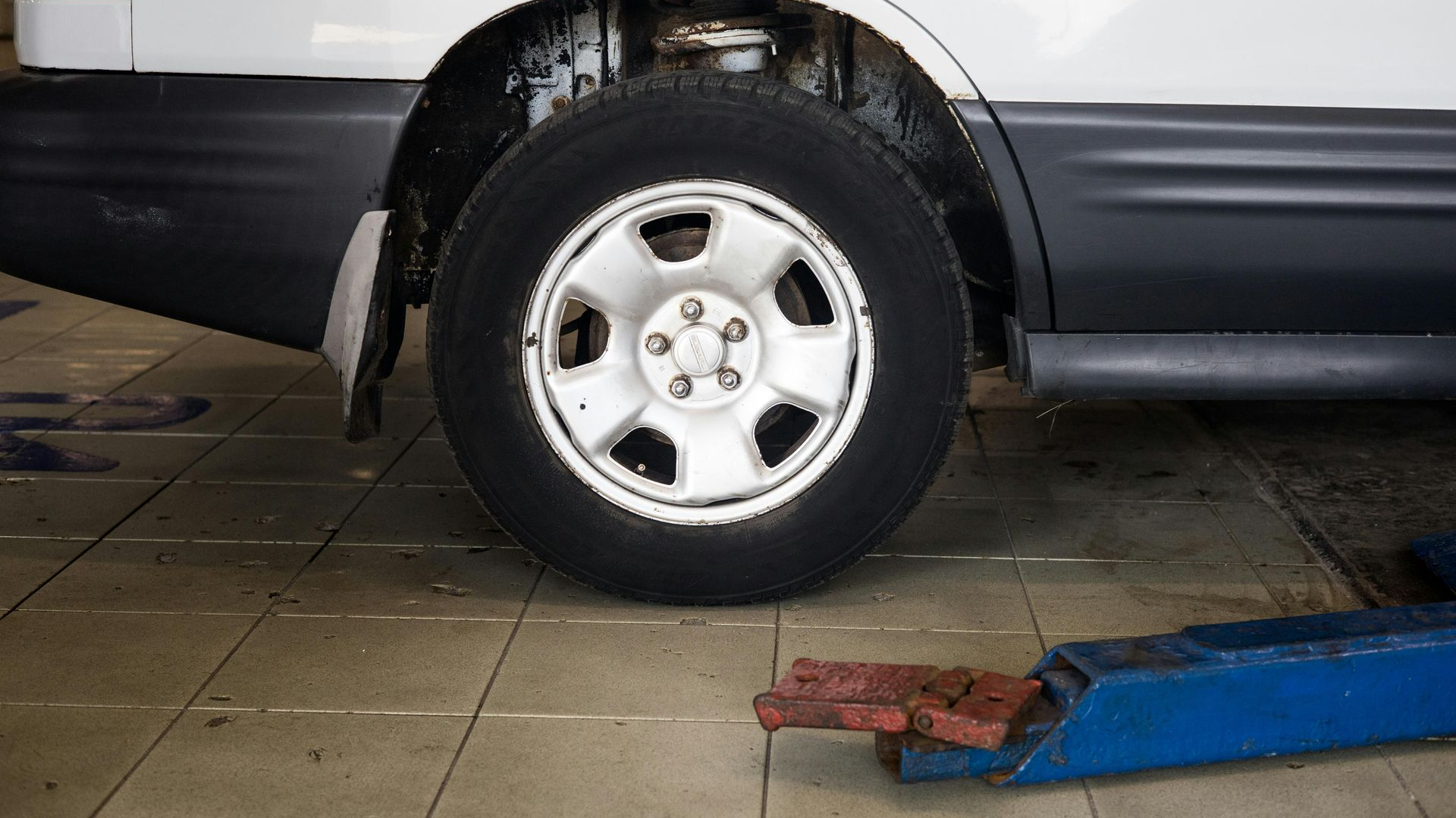
White car rear tire, mechanic shop. Tire and wheel visible, body and bumper, bricks and lift.

La antigüedad y el desgaste de la llanta deben considerarse
La profundidad de la banda de rodamiento por sí sola no cuenta toda la historia. A medida que las llantas envejecen, los compuestos de caucho se endurecen y pierden flexibilidad. Una llanta más antigua con banda de rodamiento adecuada aún puede ser más vulnerable a fallas después de sufrir un daño.


Si una llanta se acerca al final de su vida útil, reemplazarla en lugar de repararla suele ser la opción más segura y rentable.


Las reparaciones pueden no restaurar el desempeño original
Incluso cuando una reparación se realiza correctamente, la llanta puede no funcionar exactamente como antes de que ocurriera el daño. Las llantas reparadas pueden presentar cambios en el balance o una durabilidad reducida con el tiempo.


El reemplazo garantiza un desempeño uniforme en toda la llanta, lo que favorece un manejo, frenado y tracción consistentes.

Person driving a car, hands on the steering wheel, smartphone mounted on the dashboard.

La seguridad siempre debe ser la prioridad
Ahorrar dinero es importante, pero la seguridad debe guiar las decisiones relacionadas con las llantas. Una falla de llanta a velocidad puede provocar pérdida de control, daños al vehículo y lesiones graves. Elegir el reemplazo cuando la reparación es dudosa ayuda a reducir estos riesgos.


La evaluación profesional es clave. Técnicos capacitados pueden evaluar el daño, los patrones de desgaste y la condición general para recomendar la opción más segura.


La importancia de elegir llantas de reemplazo adecuadas
Cuando se necesita un reemplazo, seleccionar la llanta correcta es fundamental. El tamaño adecuado, la capacidad de carga y las características de desempeño garantizan la compatibilidad con el vehículo. En algunos casos, reemplazar más de una llanta ayuda a mantener un manejo y una tracción equilibrados.


La uniformidad entre las llantas favorece la estabilidad y el desempeño del vehículo.
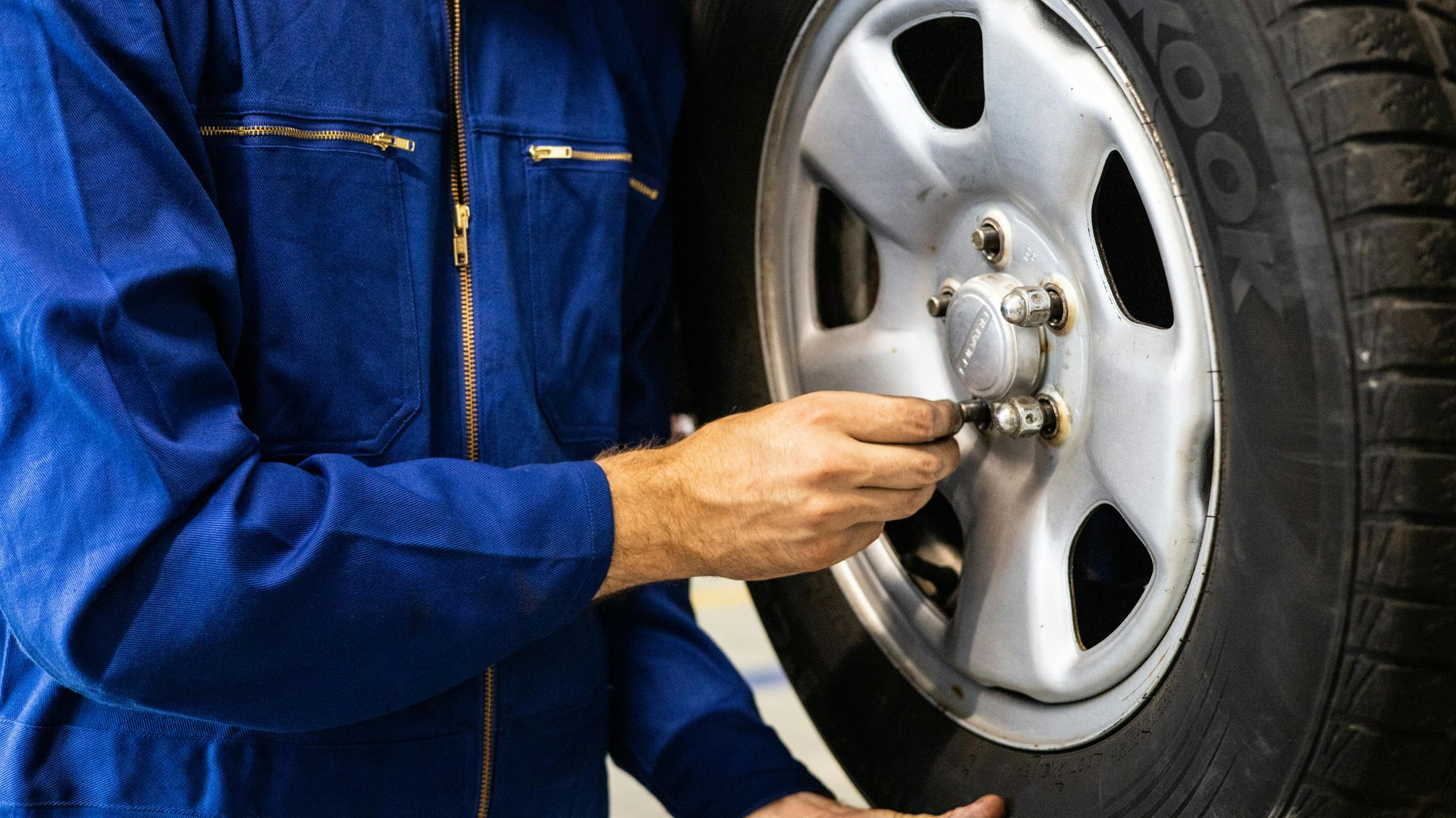
Mechanic in blue coveralls tightening lug nuts on a car tire.

Tomar una decisión informada
Comprender cuándo la reparación de llantas no es suficiente permite a los conductores tomar decisiones más seguras. No todos los problemas de llantas pueden o deben repararse, y conocer los límites de la reparación ayuda a prevenir resultados peligrosos.


En Raymond’s Tire Shop, nos tomamos el tiempo para evaluar cada llanta cuidadosamente y explicar claramente las opciones disponibles. Cuando el reemplazo es la opción más segura, ayudamos a los conductores a elegir llantas confiables que respalden una conducción segura y confianza a largo plazo en la carretera.
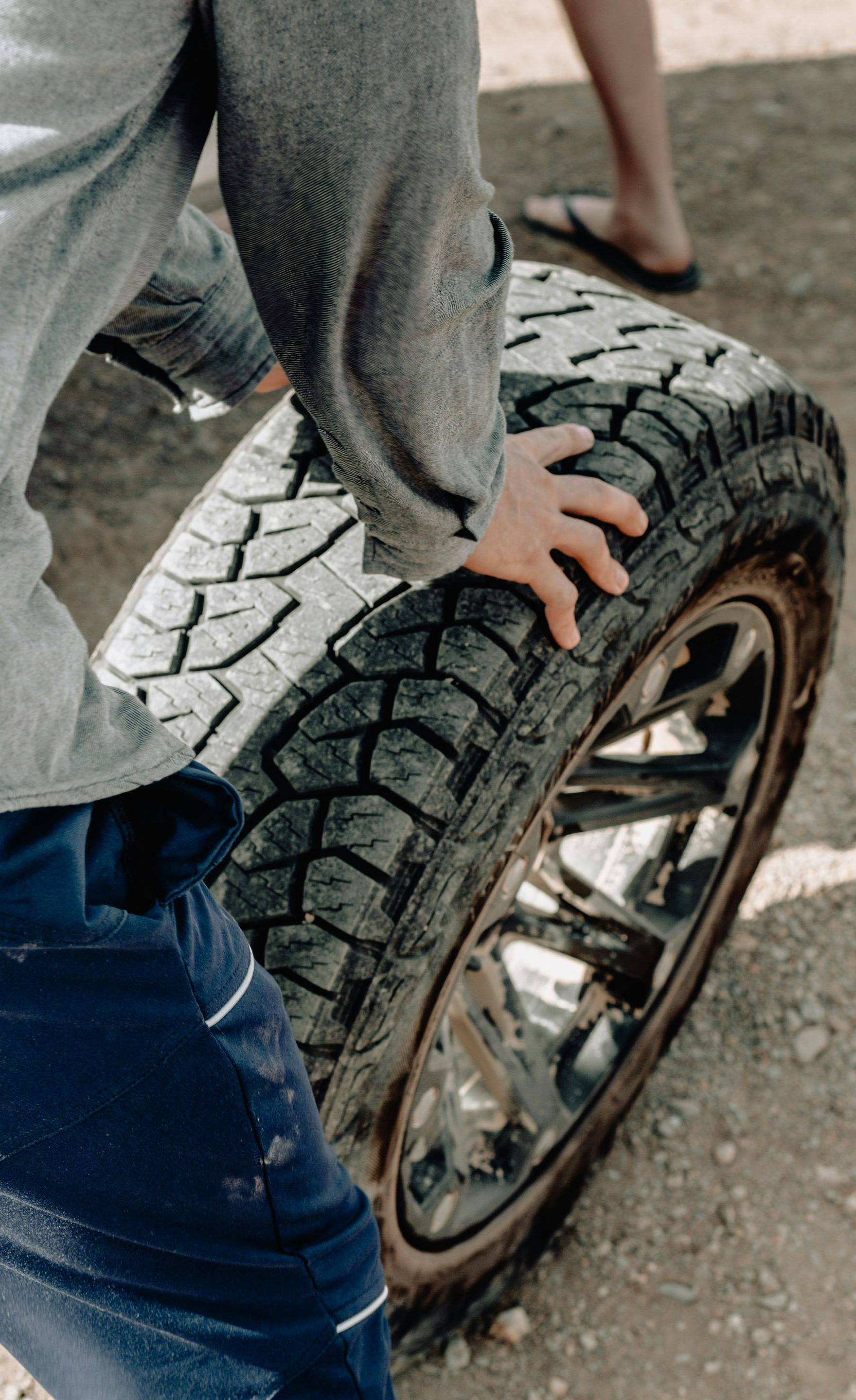
Person gripping a large tire with a shiny chrome rim outdoors.
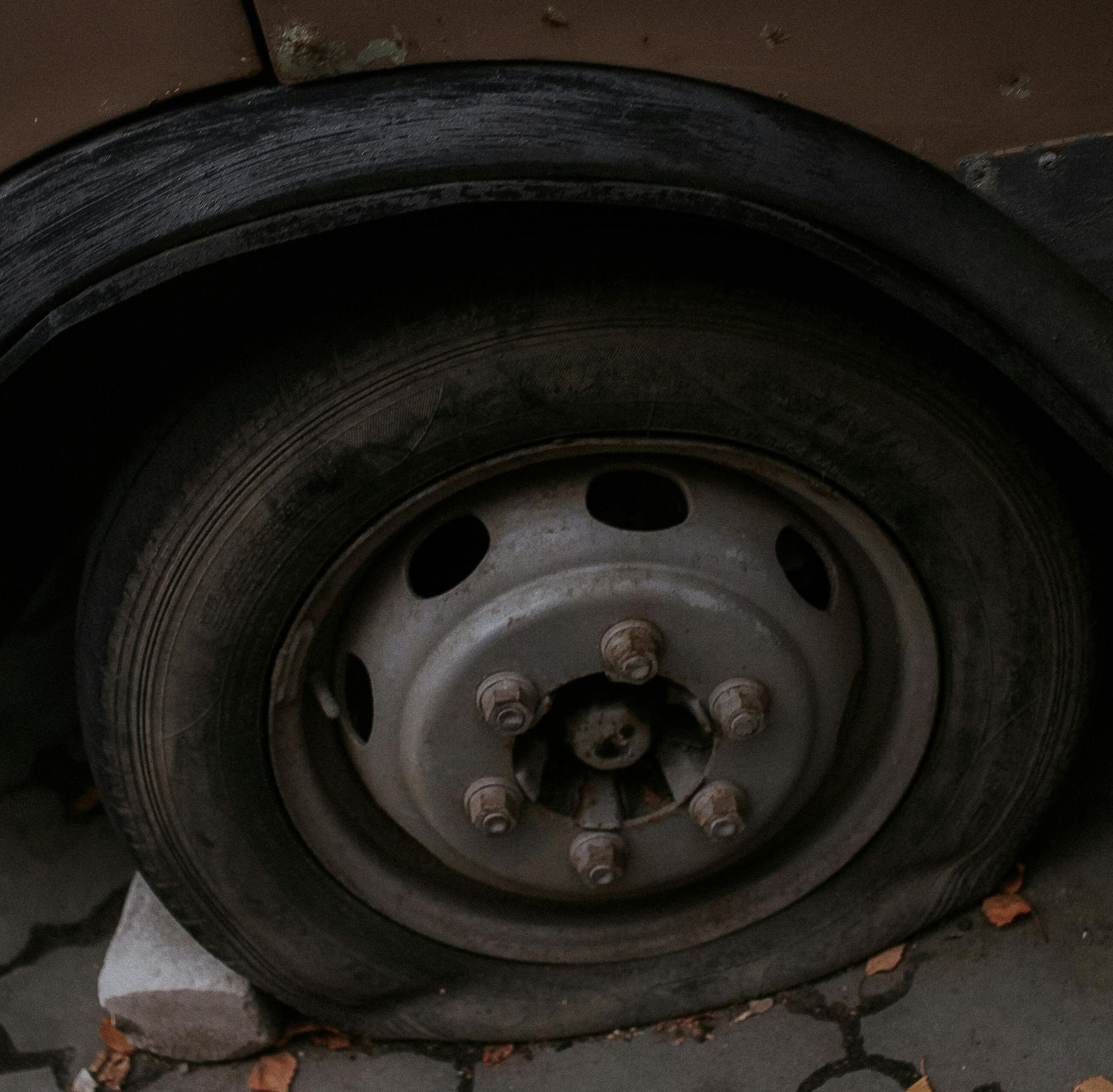
Flat tire on a vehicle's wheel, resting on a concrete block, in an outdoor setting.
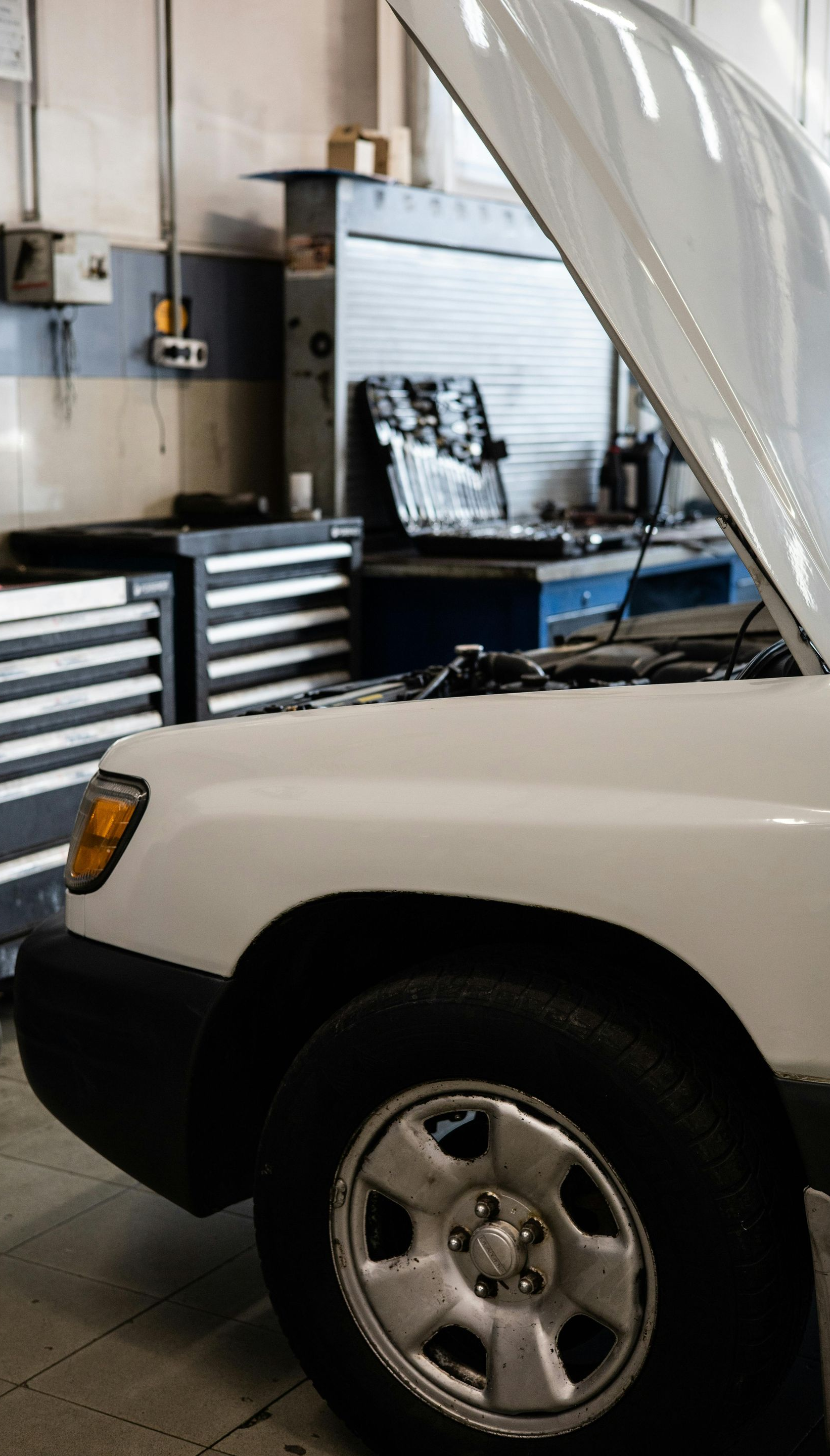
White car with hood up in auto repair shop, next to toolbox and other equipment.
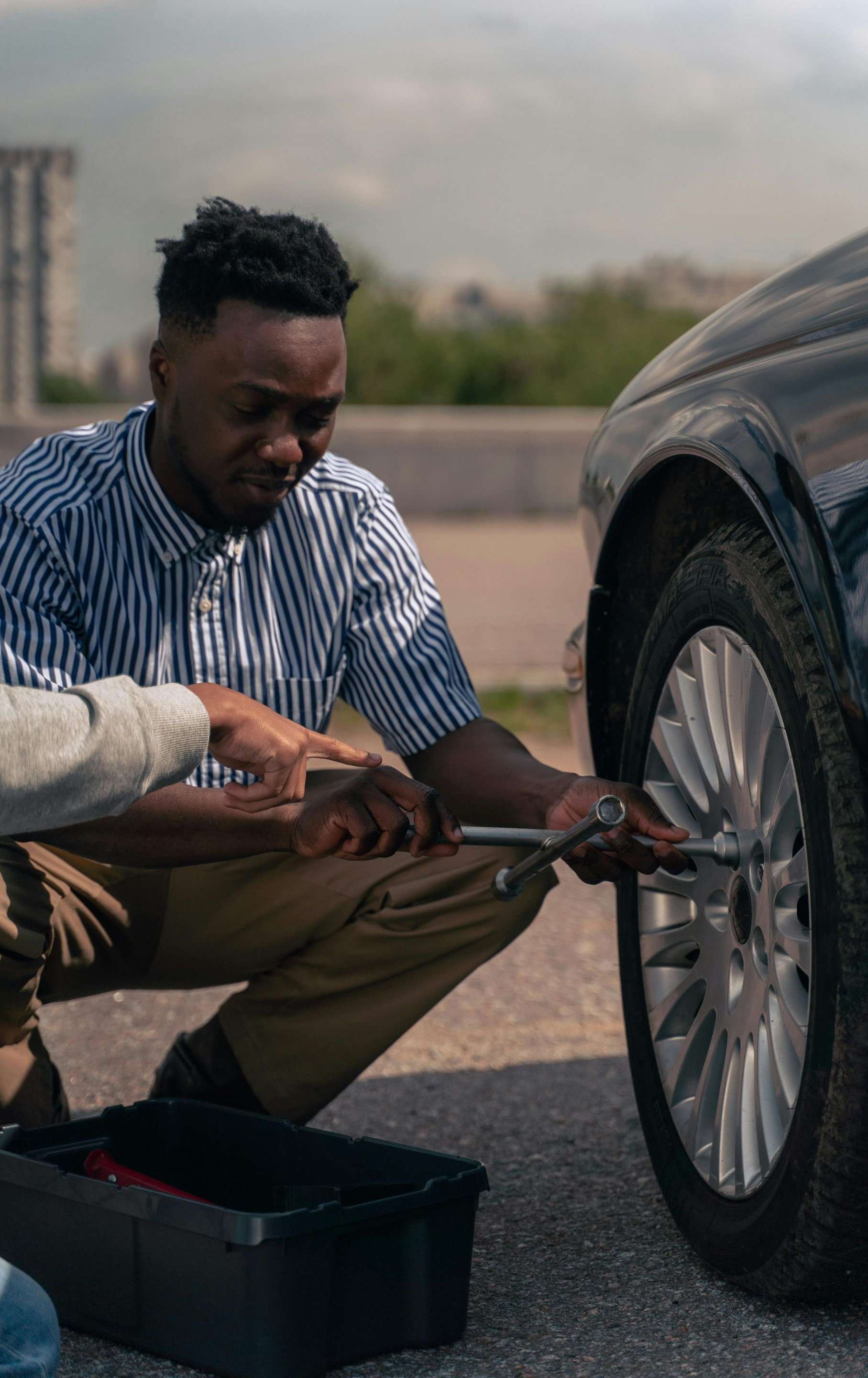
Man crouches next to a car, using a wrench. A toolbox is on the ground.
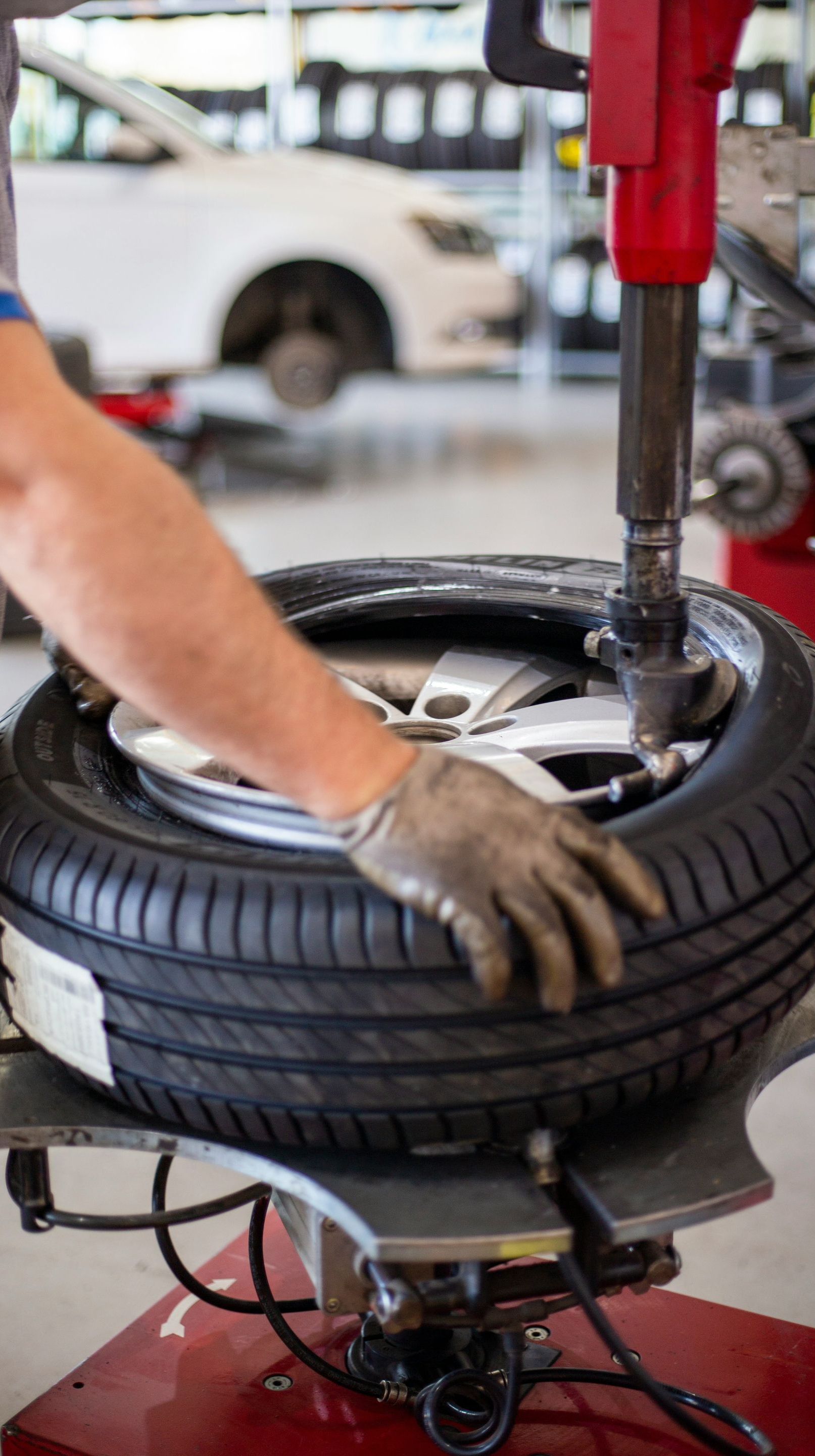
Mechanic using a tire machine to change a tire in a garage.
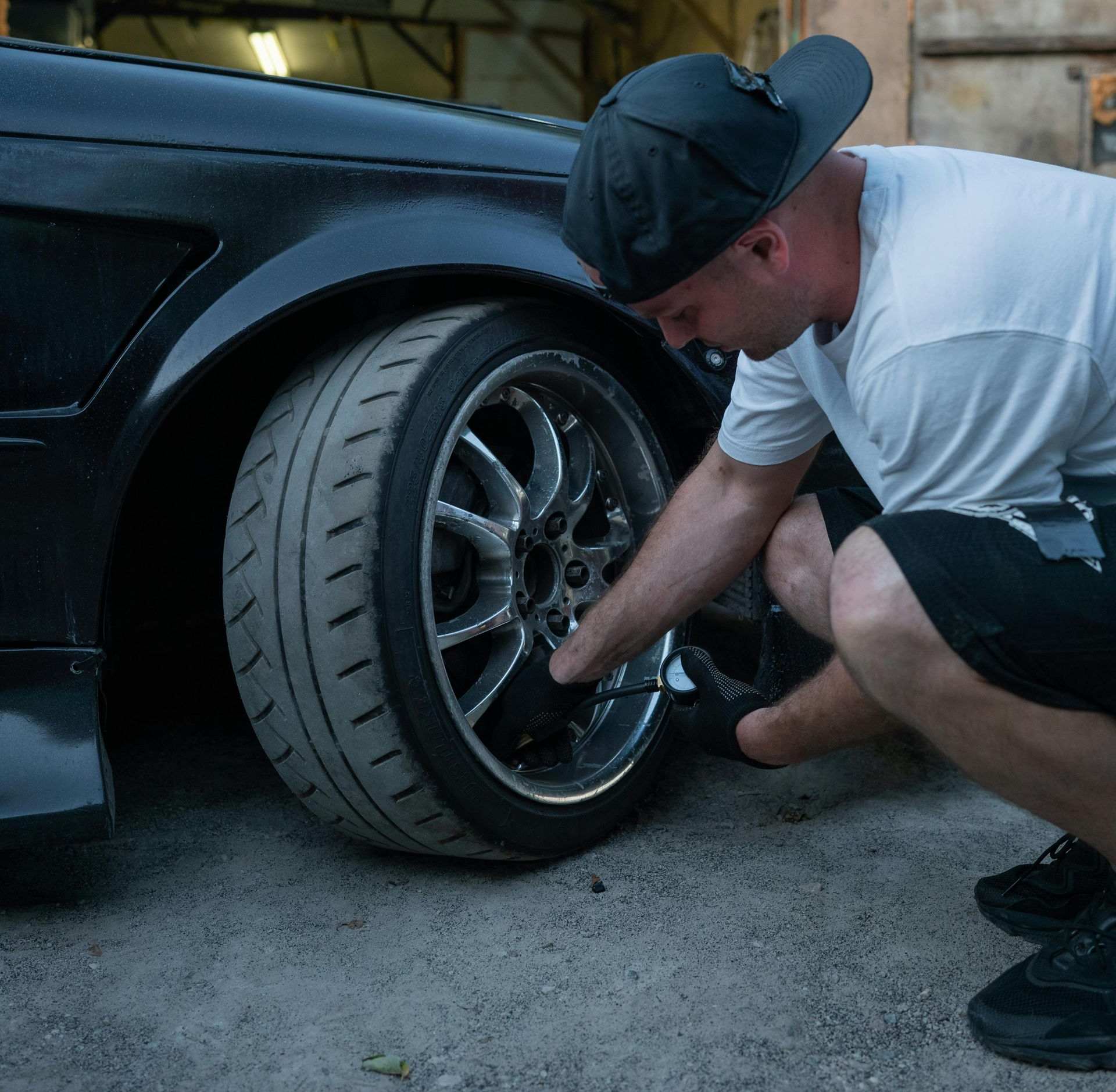
Man kneeling by black car's tire, adjusting it outdoors.
August 28, 2026
When a tire repeatedly loses air but there is no obvious nail, screw, or visible puncture, the problem may be where the tire meets the wheel. This area is known as the tire bead, and a poor seal between the bead and the rim can allow air to escape gradually. Tire bead leaks are a common cause of slow pressure loss. Understanding why they happen can help drivers recognize when a tire needs professional inspection rather than repeatedly adding air. What Is the Tire Bead? The bead is the reinforced inner edge of the tire that sits tightly against the wheel rim. When a tire is properly mounted and inflated, air pressure helps hold the bead securely against the wheel, creating an airtight seal. If that sealing surface becomes damaged, dirty, corroded, or distorted, a small pathway can develop for air to escape.  Because these leaks may be very small, the tire can lose pressure over several days or weeks rather than going flat immediately.
August 23, 2026
A pothole impact can feel like a quick jolt, but the forces involved can affect several parts of the tire and wheel assembly. The faster the vehicle is moving, the less time the tire has to absorb the impact. In some cases, the damage is immediately obvious. In others, problems may not become noticeable until later. Raymond’s Tire Shop helps drivers inspect tires, wheels, balancing, and alignment after hard road impacts. Understanding what can happen during a pothole strike can make it easier to recognize when a tire needs professional attention. The Tire Is Compressed Extremely Quickly When a tire drops into a pothole and strikes the far edge, the sidewall and tread can be compressed between the road and the wheel. Tires are designed to flex, but a severe impact can exceed what the internal structure can safely absorb.  The risk can be greater when tire pressure is too low because there is less air cushioning between the road surface and the wheel. However, even a properly inflated tire can be damaged by a deep pothole at sufficient speed.
August 16, 2026
Tires are one of the most important safety components on any vehicle because they are the only parts that maintain direct contact with the road. As tires wear, their ability to grip pavement, channel water, and respond predictably can gradually decline. The challenge is that unsafe tire conditions are not always obvious until performance has already been affected.  Raymond’s Tire Shop helps drivers evaluate tread wear, tire damage, pressure issues, alignment problems, and other conditions that can affect tire safety. Knowing what to look for can help you recognize when a tire needs professional attention or replacement.
August 7, 2026
Most drivers think of tires simply as the round rubber components that allow a vehicle to roll down the road. In reality, tires are sophisticated pieces of engineering that perform several essential functions every time a vehicle is in motion. They support the weight of the vehicle, transmit steering and braking forces, absorb road irregularities, and maintain traction in changing driving conditions. Every acceleration, turn, and stop depends on these four small contact patches where the tires meet the road.  Understanding the primary functions of a tire helps drivers appreciate why routine maintenance and timely replacement are so important. Raymond’s Tire Shop helps customers choose quality tires and maintain them properly so their vehicles continue to perform safely and efficiently throughout the life of the tire.
July 31, 2026
Understanding how your tires interact with wet pavement is one of the most important parts of safe driving. While most drivers know that rain can make roads slippery, fewer understand how hydroplaning occurs or why it can cause a vehicle to suddenly lose traction. Knowing what causes hydroplaning—and how proper tire maintenance can reduce the risk—can help you stay safer during wet weather.  At Raymond’s Tire Shop, we believe that informed drivers make safer decisions. Keeping your tires in excellent condition is one of the best ways to improve vehicle performance when road conditions are less than ideal.
July 23, 2026
Your tires are one of the hardest-working components of your vehicle. They provide traction, support your vehicle’s weight, absorb impacts from the road, and help you maintain control in a wide range of driving conditions. Because they experience constant wear, replacing tires is an expected part of vehicle ownership. However, proper maintenance can help maximize their lifespan, improve performance, and save you money over time. Many of the factors that affect tire longevity are within a driver’s control. By following a few simple maintenance practices, you can help your tires wear more evenly and perform as intended throughout their service life.