When Tire Repair Is Not Enough and Replacement Is the Safer Option
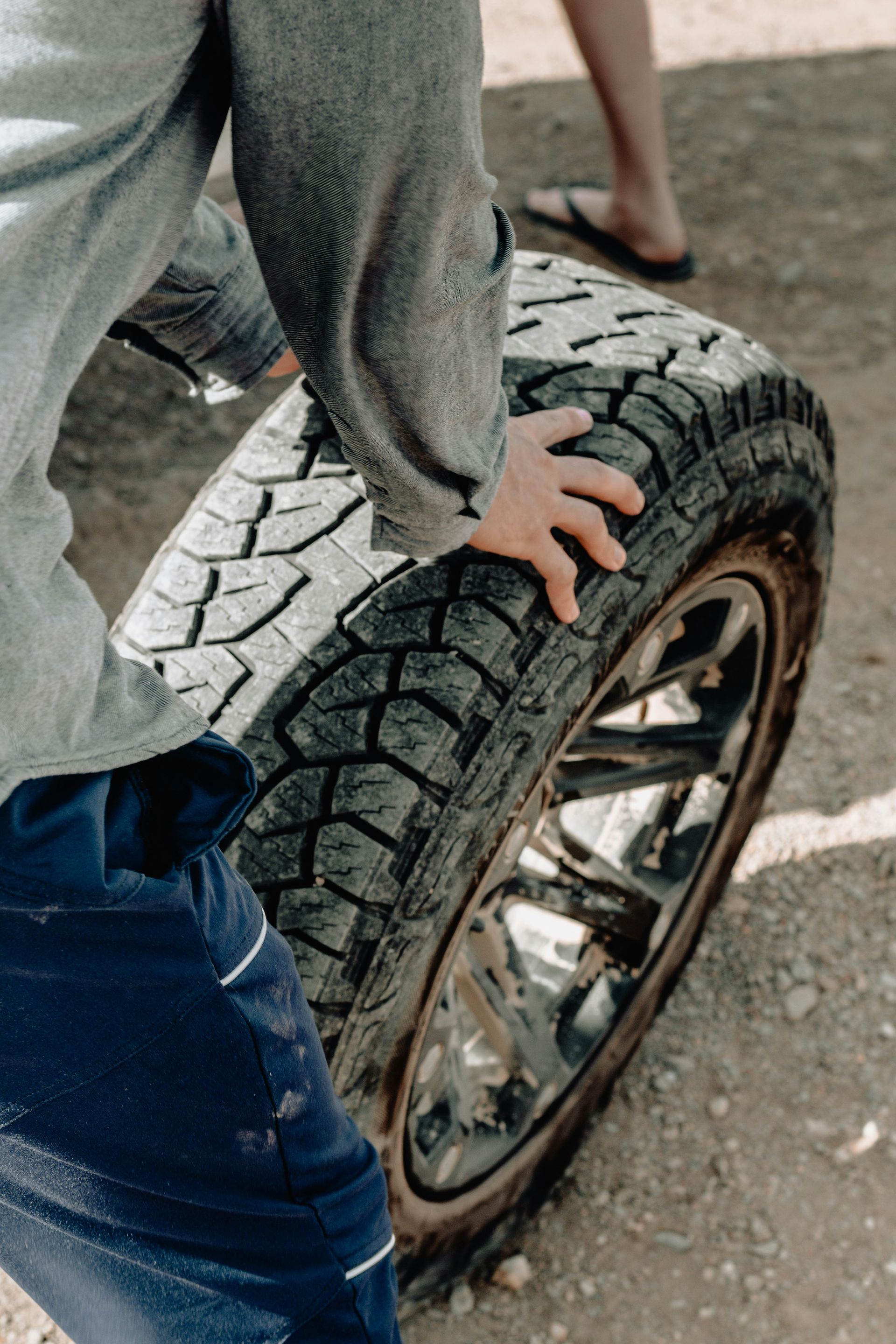
When a tire problem appears, many drivers hope for a quick and inexpensive repair. In some situations, tire repair is appropriate and effective. In others, replacement is the safer and more responsible choice. Understanding the difference can help drivers protect themselves, their passengers, and other motorists on the road.
Not All Tire Damage Is Repairable
Modern tires are designed with multiple layers that work together to support weight, maintain traction, and absorb road impacts. When damage affects certain parts of the tire, repairs may compromise its structural integrity.
Punctures in the tread area are sometimes repairable if they are small and properly located. However, damage to the sidewall, shoulder, or internal structure of the tire cannot be safely repaired. These areas flex constantly while driving, and repairs in these zones are more likely to fail.

Sidewall Damage Is a Major Red Flag
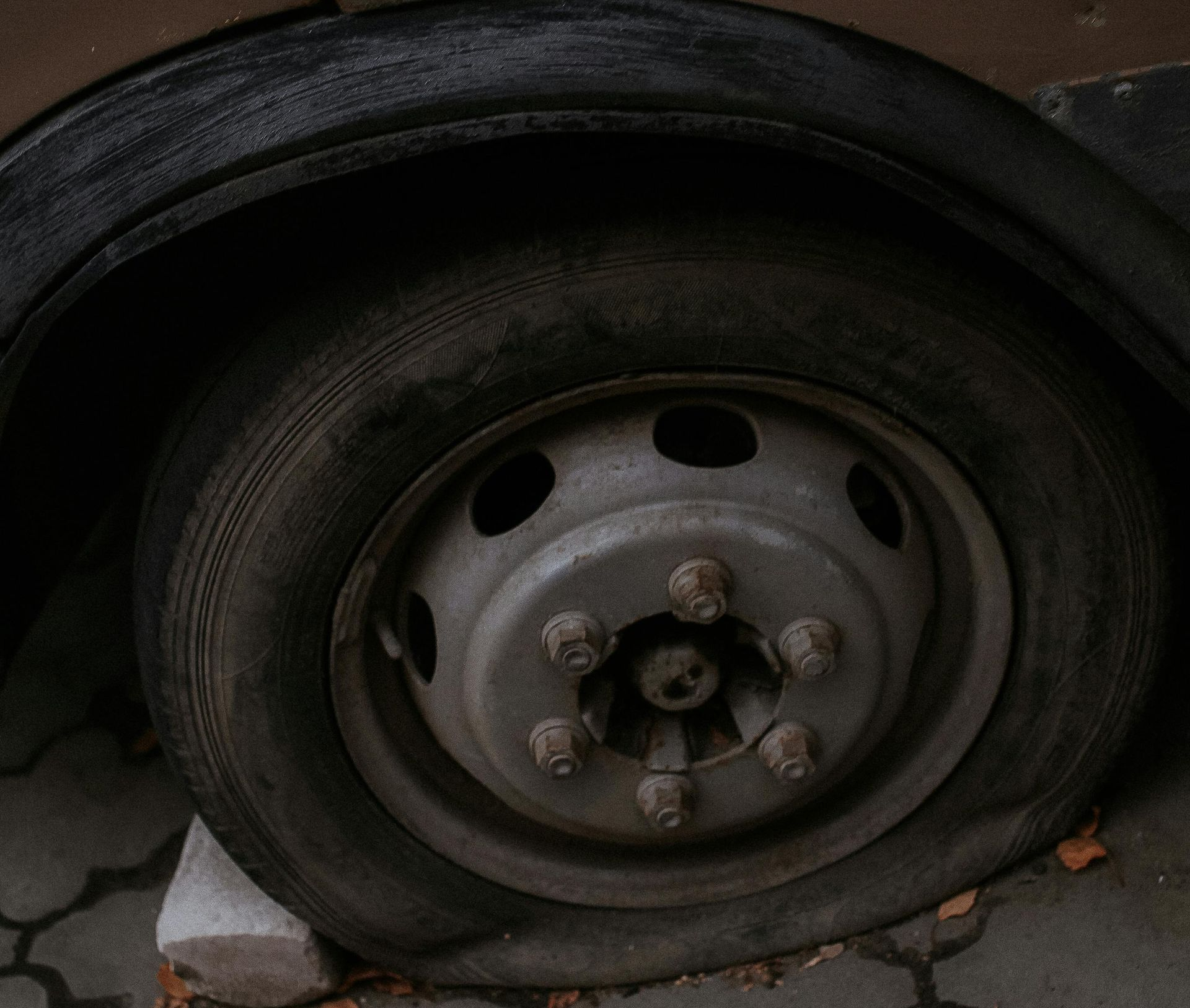
Sidewall damage is one of the most common reasons a tire must be replaced. Cuts, bulges, or cracks in the sidewall indicate weakened structure. Even if a tire appears to hold air, sidewall damage can lead to sudden failure without warning.
Because the sidewall supports much of the vehicle’s load, any compromise in this area poses a serious safety risk. Replacement is the only safe option when sidewall damage is present.
Multiple Repairs Reduce Reliability
A tire that has already been repaired once may not be a good candidate for additional repairs. Each repair alters the tire’s structure slightly. Multiple patches or plugs can reduce reliability, especially at highway speeds.
When a tire has experienced repeated damage, replacement often provides greater peace of mind and long term safety.
Driving Conditions Matter
How and where a vehicle is driven plays an important role in repair decisions. Tires that regularly travel at higher speeds or carry heavy loads experience more stress. In these cases, even borderline repairable damage may warrant replacement.
Drivers who frequently travel long distances or
commute at highway speeds benefit from tires with uncompromised strength and performance.
Tire Age and Wear Should Be Considered
Tread depth alone does not tell the whole story. As tires age, the rubber compounds harden and lose flexibility. An older tire with adequate tread may still be more vulnerable to failure after damage.
If a tire is nearing the end of its service life, replacing it rather than repairing it is often the safer and more cost effective choice.
Repairs May Not Restore Original Performance
Even when a repair is performed correctly, the tire may not perform exactly as it did before damage occurred. Repaired tires can have altered balance or reduced durability over time.
Replacement ensures uniform performance across the tire, which supports consistent handling, braking, and traction.

Safety Should Always Come First
Saving money is important, but safety should guide tire decisions. A tire failure at speed can lead to loss of control, vehicle damage, and serious injury. Choosing replacement when repair is questionable helps reduce these risks.
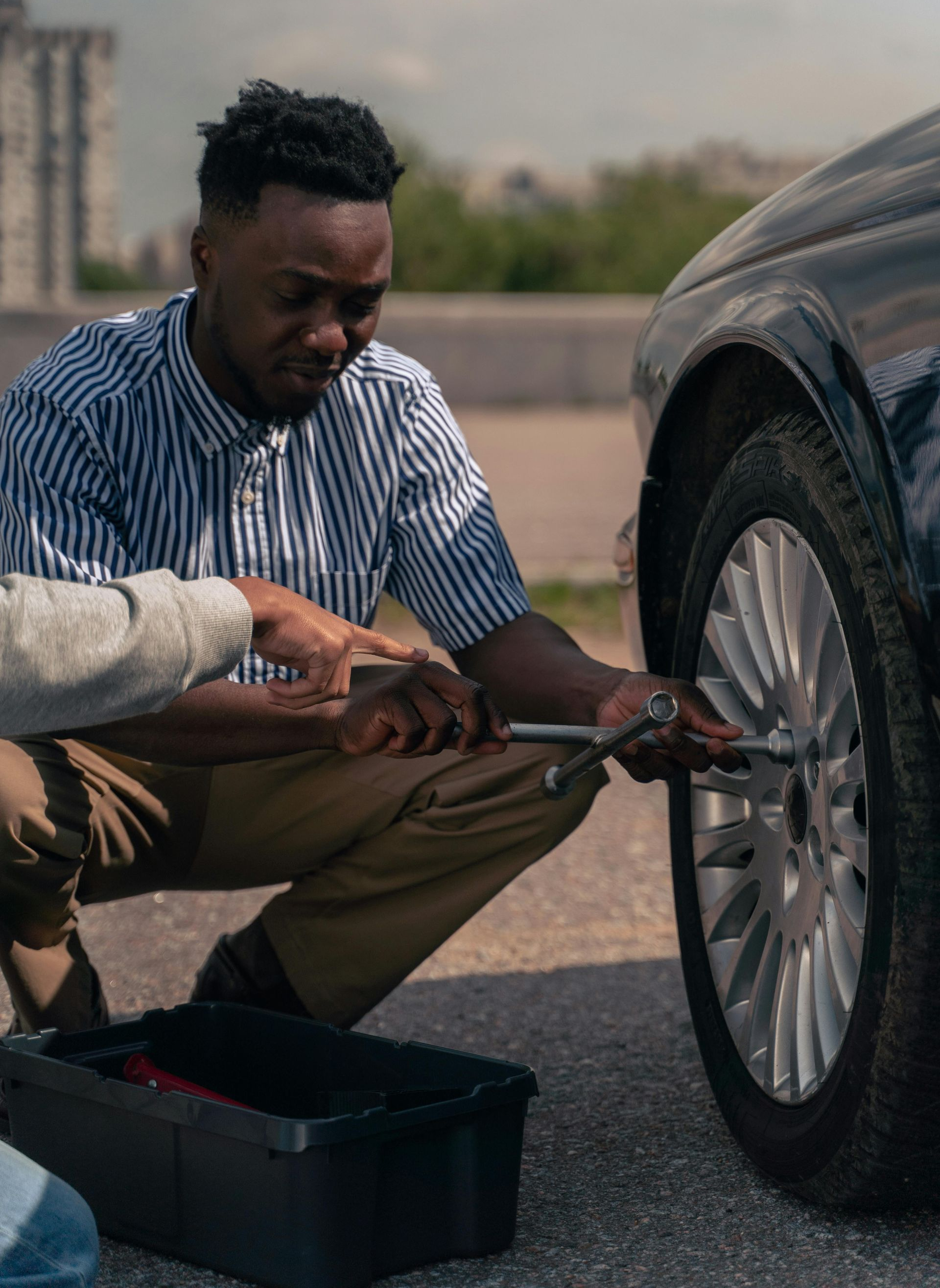
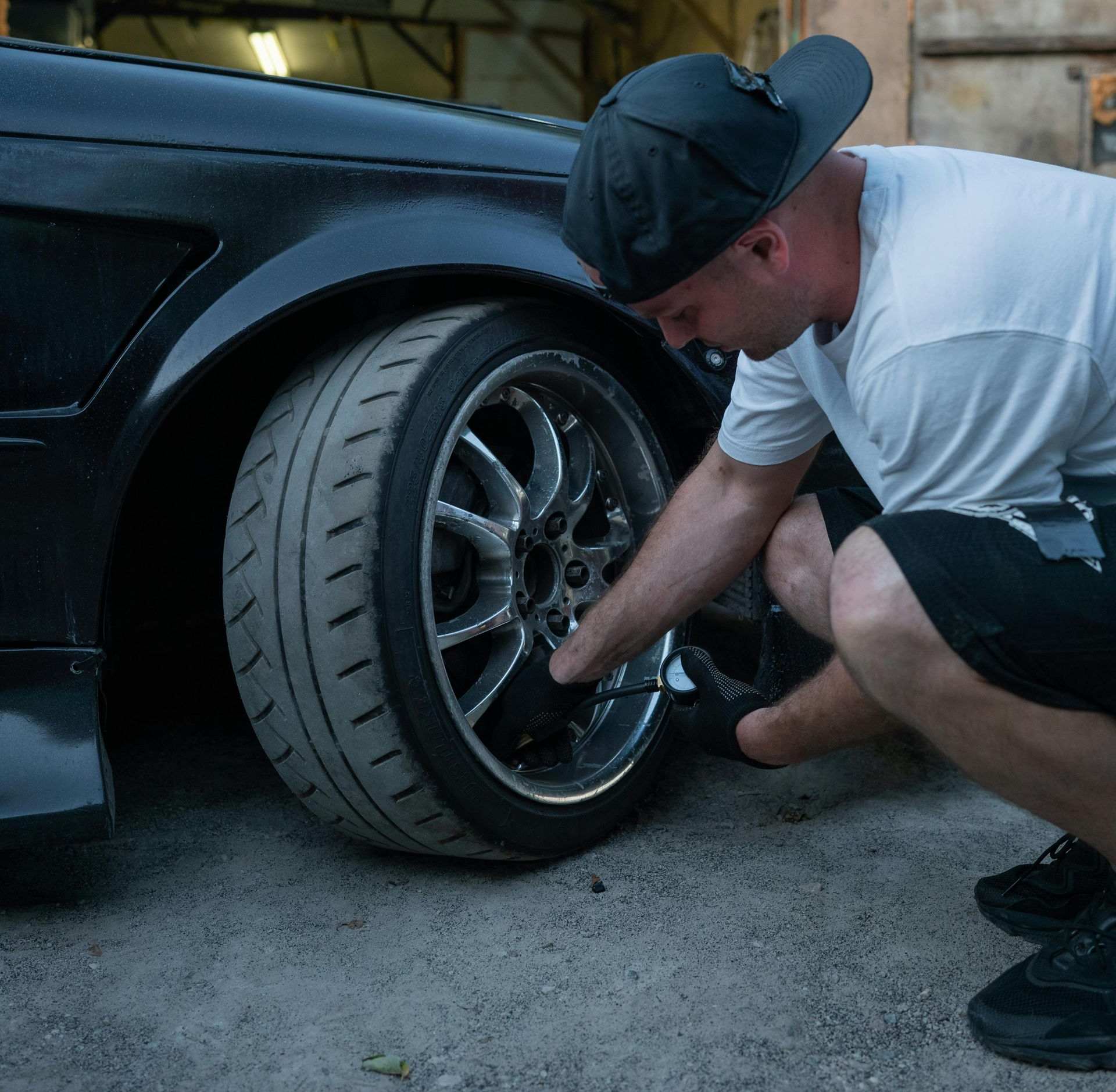
Professional evaluation is key. Trained technicians can assess damage, wear patterns, and overall condition to recommend the safest option.
Matching Replacement Tires Matters
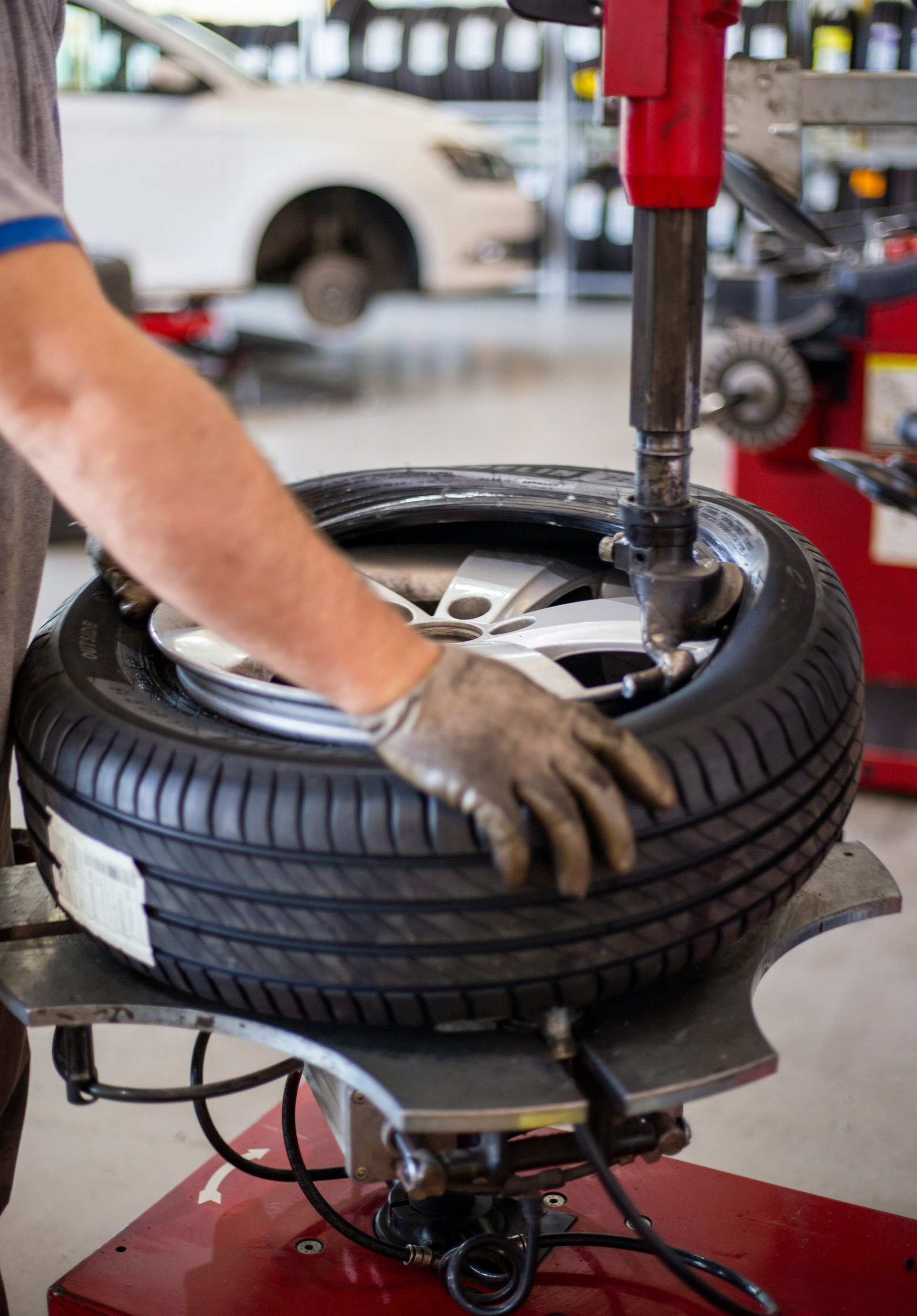
When replacement is needed, selecting the right tire matters. Proper size, load rating, and performance characteristics ensure compatibility with the vehicle. In some cases, replacing more than one tire helps maintain balanced handling and traction.
Consistency across tires supports vehicle stability and performance.
Making an Informed Decision
Understanding when tire repair is not enough empowers drivers to make safer choices. Not every tire issue can or should be repaired, and knowing the limits of repair helps prevent dangerous outcomes.
At Raymond’s Tire Shop, we take the time to evaluate each tire carefully and explain available options clearly. When replacement is the safer choice, we help drivers select reliable tires that support safe driving and long term confidence on the road.