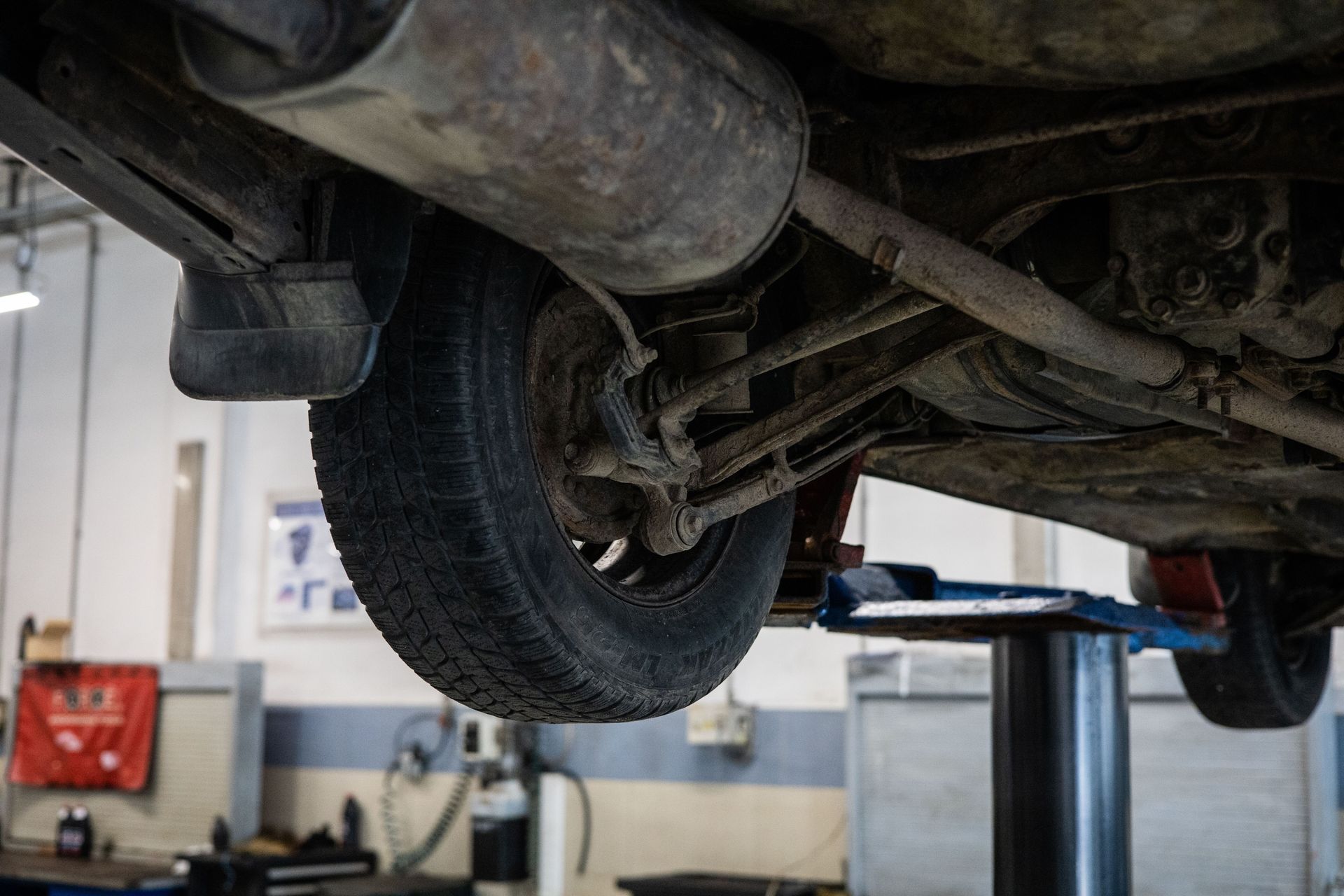
Driving in Boston: Why City Roads Wear Out Tires Faster Than You Think
Driving in Boston presents a unique set of challenges that many motorists underestimate. From uneven road surfaces to constant stop-and-go traffic, urban conditions place consistent stress on a vehicle’s tires. While tire wear is inevitable over time, city driving can accelerate that process in ways that are not always immediately noticeable.
Understanding how
Boston roads affect tire performance can help drivers take a more proactive approach to maintenance and avoid preventable issues.

Uneven Road Surfaces Create Constant Stress
Boston is known for its older infrastructure, and many roads reflect years of wear, repairs, and seasonal damage. Drivers frequently encounter:
- Potholes and patched pavement
- Uneven road surfaces
- Construction zones and temporary road fixes
Each of these conditions introduces impact and vibration that tires must absorb. When a tire strikes a pothole or rough surface, the force can affect not only the outer tread but also the internal structure of the tire.
Repeated exposure to these conditions may contribute to:
- Accelerated tread wear
- Sidewall damage
- Reduced overall tire lifespan
Even minor impacts, when experienced regularly, can have a cumulative effect.

Stop-and-Go Traffic Increases Friction
City driving rarely allows for consistent speeds. In Boston, traffic patterns often require frequent stopping, starting, and turning. This type of driving increases friction between the tire and the road.
Every time a vehicle accelerates or brakes, the tires experience additional stress. Over time, this can lead to:
- Faster tread wear
- Increased heat buildup
- Greater strain on tire surfaces
Compared to highway driving, where speeds are more consistent, urban driving places more frequent demands on tires within a shorter distance.

Tight Turns and Parking Add Wear
Navigating Boston streets often involves tight turns, narrow roads, and frequent parking maneuvers. Parallel parking, in particular, can place additional strain on tires.
Common factors include:
- Turning the steering wheel while the vehicle is stationary
- Contact with curbs during parking
- Repeated sharp turns in confined spaces
These actions can wear down specific areas of the tire unevenly, leading to reduced performance over time.

Seasonal Conditions Compound the Problem
Boston’s changing seasons further contribute to tire wear. Winter conditions can introduce snow, ice, and road treatments, while spring often reveals new potholes and surface damage caused by freeze-thaw cycles.
These seasonal factors may:
- Increase the likelihood of road hazards
- Affect tire traction and performance
- Accelerate wear due to fluctuating temperatures
Drivers may not always notice these effects immediately, but they can influence tire condition over time.

Tire Wear Is Not Always Obvious
One of the challenges with urban tire wear is that it often develops gradually. Tires may appear functional while experiencing underlying issues such as uneven wear or internal damage.
Without regular inspection, drivers may miss early warning signs, including:
- Subtle vibration while driving
- Slight changes in handling
- Uneven tread patterns
Identifying these issues early can help prevent more serious problems.

The Importance of Regular Maintenance
Given the demands of city driving, routine tire maintenance becomes even more important. Regular checks can help ensure that tires remain in good condition despite challenging road environments.
Key maintenance practices include:
- Monitoring tire pressure
- Scheduling tire rotations
- Checking for visible damage
- Ensuring proper balancing
These steps may help extend tire life and support consistent performance.
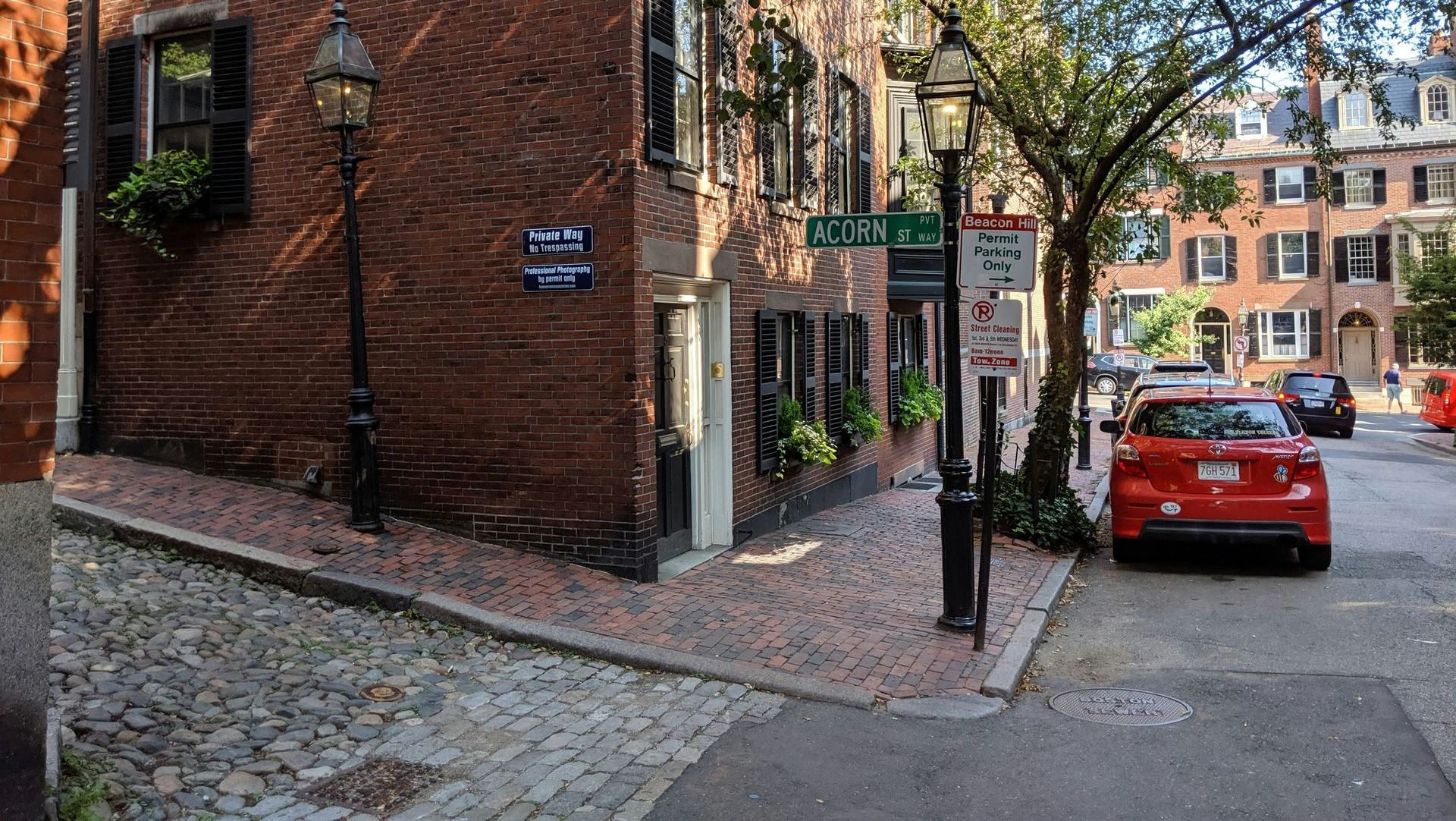
A Smarter Approach to City Driving
Driving in Boston places unique demands on your vehicle, particularly your tires. While these conditions cannot be avoided, understanding their impact can help you respond more effectively.
Raymond’s Tire Shop has served Boston drivers for over 40 years, providing practical tire solutions tailored to real-world driving conditions. Whether you are dealing with uneven wear, pothole damage, or routine maintenance needs, the team at Raymond’s Tire Shop can help keep your vehicle performing reliably. Contact Raymond’s Tire Shop today to ensure your tires are ready for the challenges of city driving.