Cómo los baches y las carreteras en mal estado dañan los neumáticos con el tiempo

La mayoría de los conductores se encuentran con baches y condiciones de carretera irregulares de forma regular. Aunque un solo golpe en la carretera puede no parecer una preocupación importante, la exposición repetida a un pavimento desigual puede afectar significativamente a los neumáticos de un vehículo. Con el tiempo, los baches y las carreteras en mal estado contribuyen al desgaste, al daño estructural y a la reducción del rendimiento de los neumáticos.


Comprender cómo estas condiciones afectan a los neumáticos puede ayudar a los conductores a identificar problemas potenciales a tiempo y a tomar medidas para proteger tanto sus neumáticos como sus vehículos.

A black BMW X1 SUV driving through a deep, muddy pothole on an urban road.

Qué sucede cuando un neumático golpea un bache
Cuando un vehículo golpea un bache, el neumático es forzado hacia abajo dentro de la depresión mientras soporta todo el peso del vehículo. Al mismo tiempo, el borde del bache puede provocar un impacto fuerte contra el neumático y la llanta.


Esta fuerza repentina comprime el neumático contra la llanta, lo que puede dañar tanto la estructura interna del neumático como la propia llanta. El impacto no siempre causa una falla inmediata, pero puede debilitar el neumático de maneras que se vuelven más evidentes con el tiempo.


Los impactos repetidos pueden reducir gradualmente la resistencia y la fiabilidad del neumático.

A rural asphalt road stretches into the distance, illuminated by a warm, hazy sunset filtering through overhanging trees.

Daños en el flanco y puntos débiles
Una de las partes más vulnerables de un neumático es el flanco. A diferencia de la banda de rodadura, que está diseñada para soportar el contacto con la carretera, el flanco es más flexible y menos reforzado.


Cuando un neumático golpea un bache, el flanco puede quedar atrapado entre el borde del bache y la llanta. Esto puede generar abultamientos o daños internos que no siempre son visibles a simple vista. Un abultamiento en el flanco suele ser una señal de que la estructura interna del neumático ha sido comprometida. Una vez que ocurre este tipo de daño, es más probable que el neumático falle y, por lo general, debe ser reemplazado.


Efectos en la alineación y la suspensión
Los baches no solo afectan a los neumáticos. La fuerza del impacto también puede afectar la alineación del vehículo y su sistema de suspensión. Cuando la alineación se ve alterada, los neumáticos pueden comenzar a desgastarse de manera desigual.


Los conductores pueden notar que el vehículo se desvía hacia un lado o que la dirección se siente menos estable. Estos cambios pueden provocar un mayor desgaste de los neumáticos con el tiempo. Incluso si el neumático parece no tener daños, los problemas de alineación causados por carreteras en mal estado pueden acortar su vida útil y reducir el rendimiento general.
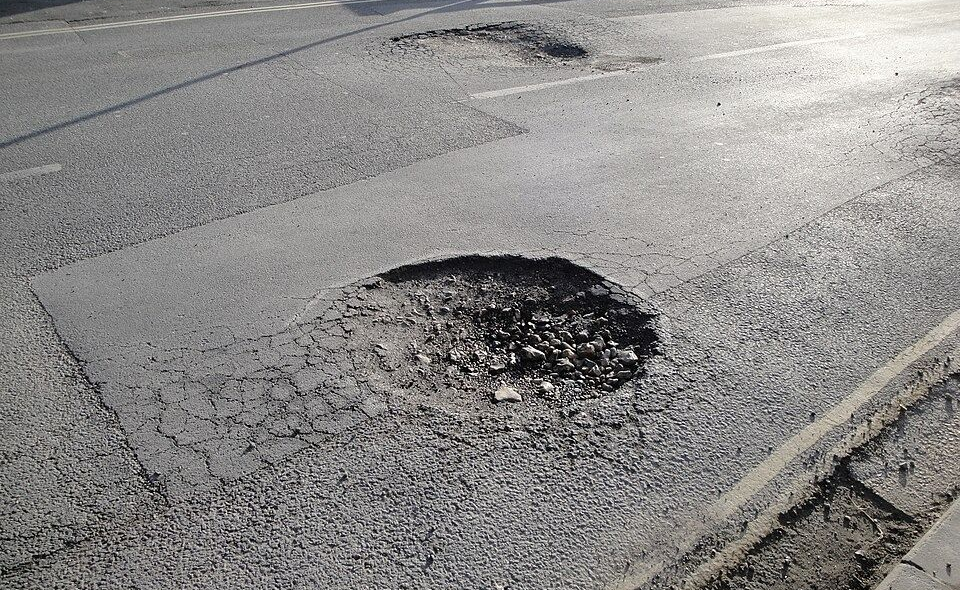
A deep, dark pothole in the asphalt surface of a paved road.

Desgaste gradual por superficies irregulares
No todo el daño causado por carreteras en mal estado es inmediato. Conducir regularmente sobre superficies irregulares o mal mantenidas puede provocar un desgaste gradual que no siempre es evidente al principio.


El pavimento rugoso aumenta la fricción entre el neumático y la superficie de la carretera, lo que puede hacer que la banda de rodadura se desgaste más rápidamente en comparación con carreteras más lisas.


Además, la vibración constante de las superficies irregulares puede generar pequeñas tensiones en la estructura del neumático. Con el tiempo, esta tensión repetida puede afectar la durabilidad y el rendimiento.
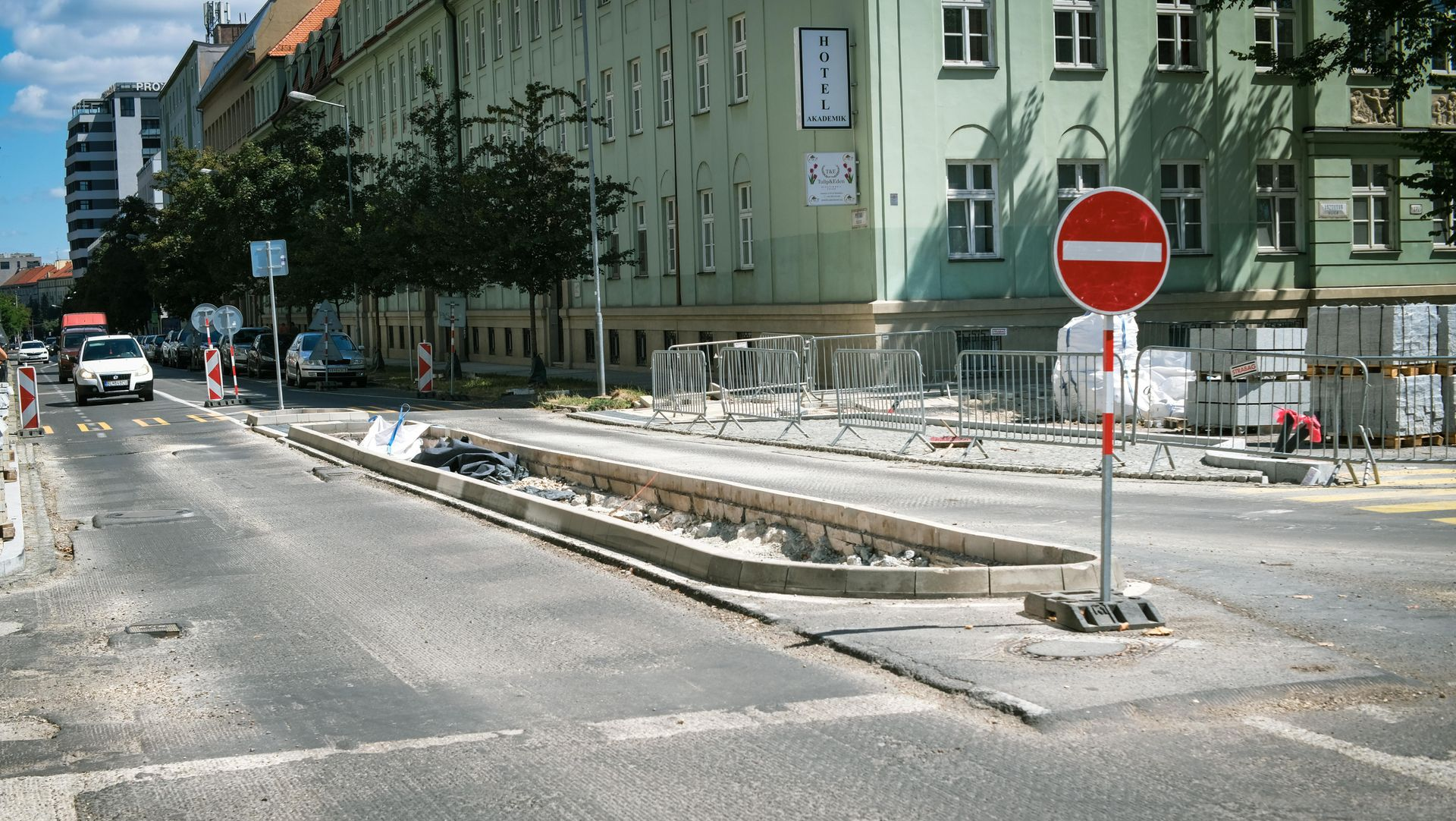
Street scene with a road construction zone featuring a central curb divider and a

Pérdida de presión de los neumáticos
Los impactos con baches también pueden provocar pérdida de aire. En algunos casos, la fuerza del impacto puede crear pequeñas fugas en el neumático o dañar la válvula. En otras situaciones, la llanta puede deformarse ligeramente, impidiendo que el neumático selle correctamente.


Incluso una pérdida lenta de aire puede afectar el rendimiento del neumático. Los neumáticos con baja presión se desgastan más rápidamente, reducen la eficiencia del combustible y aumentan el riesgo de daños adicionales.


Las revisiones regulares de la presión son importantes para identificar estos problemas antes de que se vuelvan más graves.
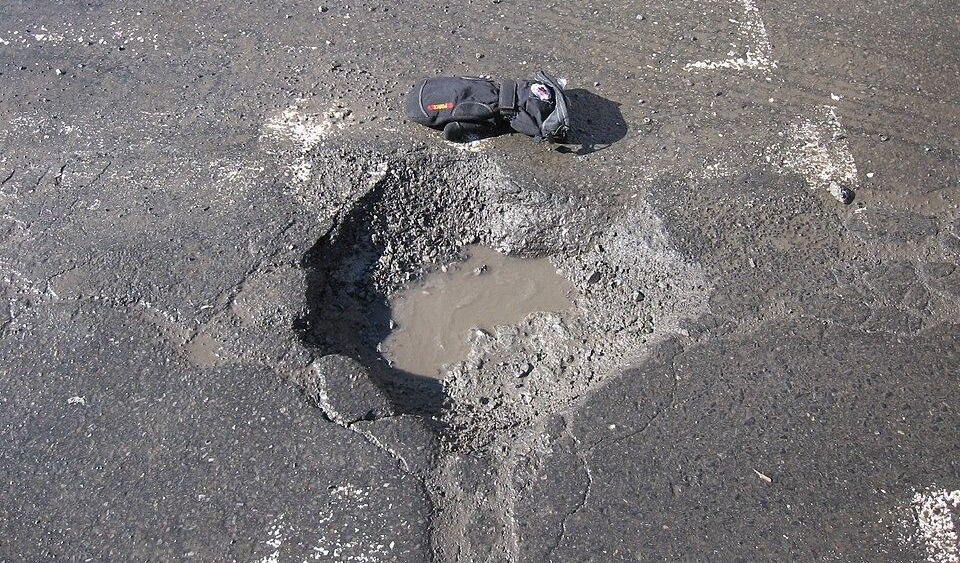
A large, dark pothole in asphalt pavement containing a small puddle, with a black glove placed near the edge for scale.

Señales de daño a tener en cuenta
Después de encontrarse con baches o carreteras en mal estado, los conductores deben estar atentos a señales que puedan indicar daños en los neumáticos, como:


  • Vibraciones al conducir
  • Abultamientos o grietas visibles en el neumático
  • Desgaste desigual de la banda de rodadura
  • Pérdida de presión de aire
  • Cambios en la dirección o en el manejo


Abordar estos problemas a tiempo puede ayudar a prevenir complicaciones más graves en el futuro.
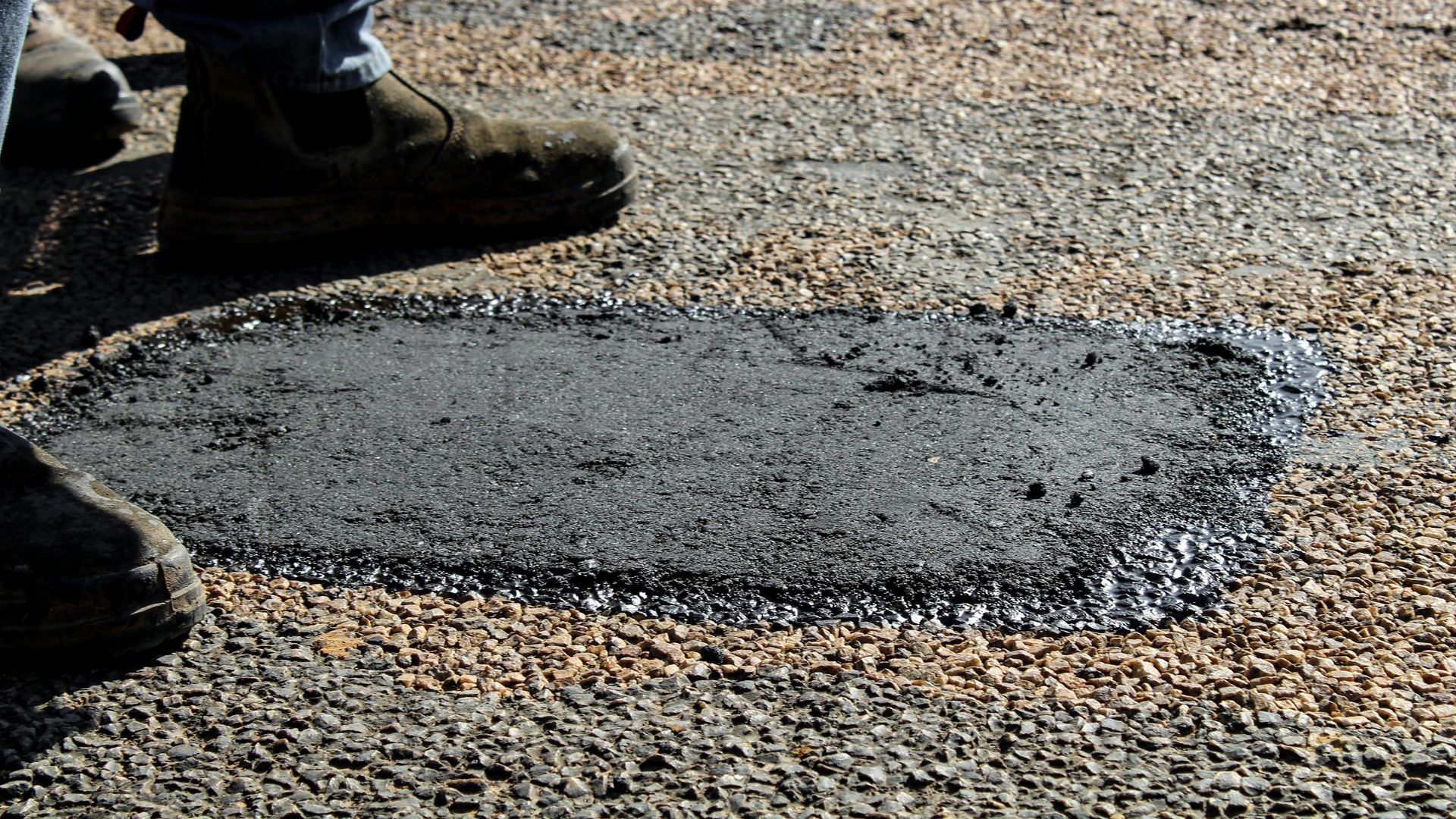
A person’s feet stand on a gravel surface next to a freshly filled asphalt patch on a road.

Inspección y cuidado profesional de los neumáticos
Los neumáticos están constantemente expuestos a las condiciones de la carretera, e incluso impactos menores pueden tener efectos duraderos. Las inspecciones profesionales pueden identificar daños ocultos que no siempre son visibles durante una revisión rápida.


En Raymond’s Tire Shop, ayudamos a los conductores a evaluar el estado de sus neumáticos después de la exposición a carreteras en mal estado y baches. Nuestro equipo ofrece inspecciones, reparaciones y reemplazos para garantizar que sus neumáticos se mantengan seguros y confiables.


Las carreteras en mal estado forman parte de la conducción diaria, pero no tienen por qué provocar problemas graves. Con el cuidado y la atención adecuados, los conductores pueden minimizar los daños y mantener sus vehículos funcionando de manera segura con el paso del tiempo.
A red vintage car parked on the shoulder of an asphalt road.
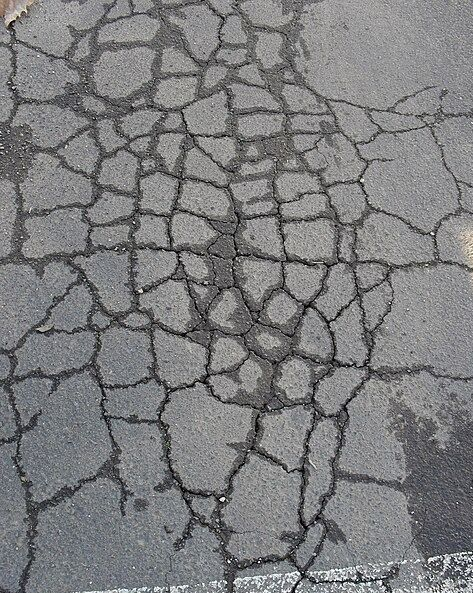
Close-up of gray asphalt pavement featuring an extensive network of interlocking alligator cracking.
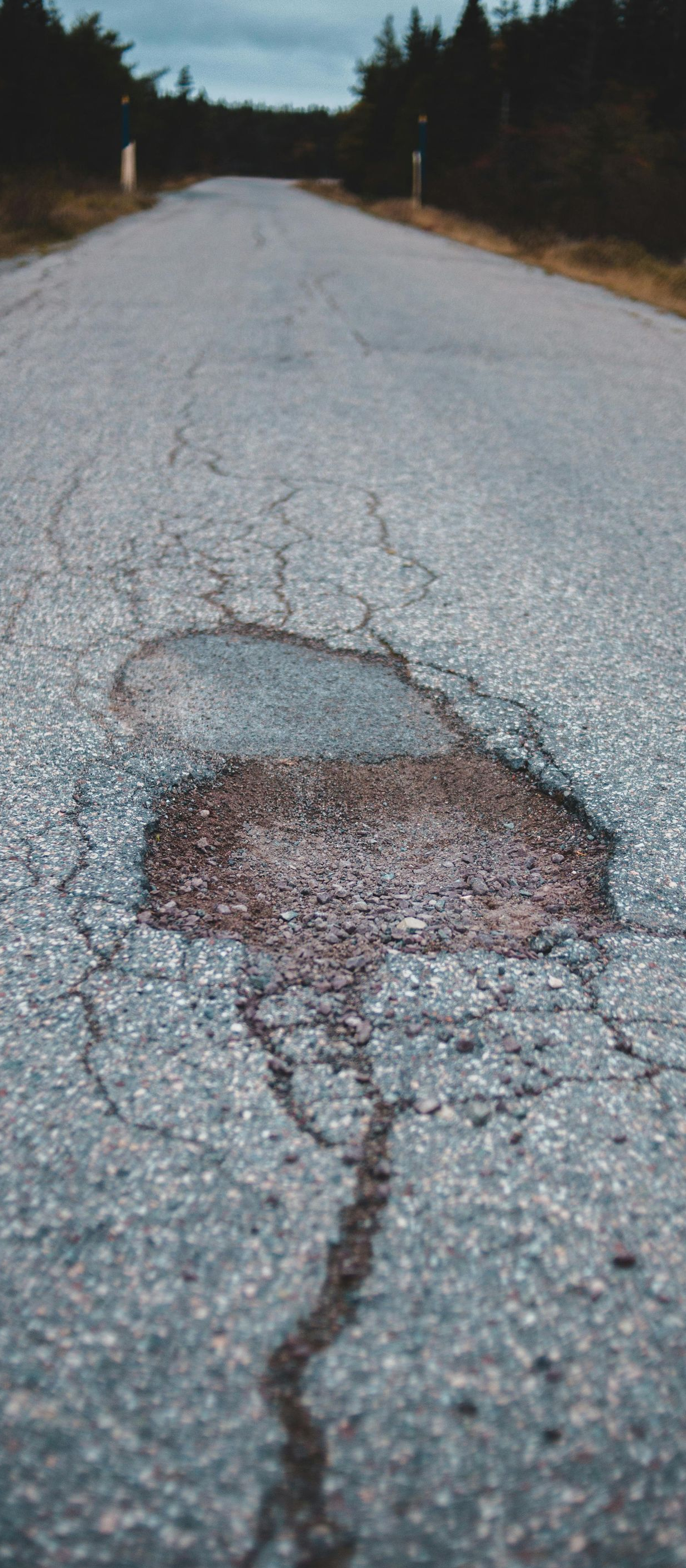
A pothole in the center of a weathered asphalt road stretching toward trees under an overcast sky.
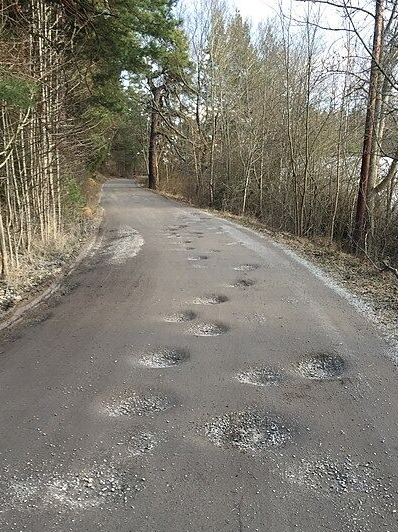
A narrow asphalt path through a forest, featuring several scattered, rough circular patches of repair or damage.
A sunset sky reflecting in a roadside puddle, with cars driving down a street at dusk.
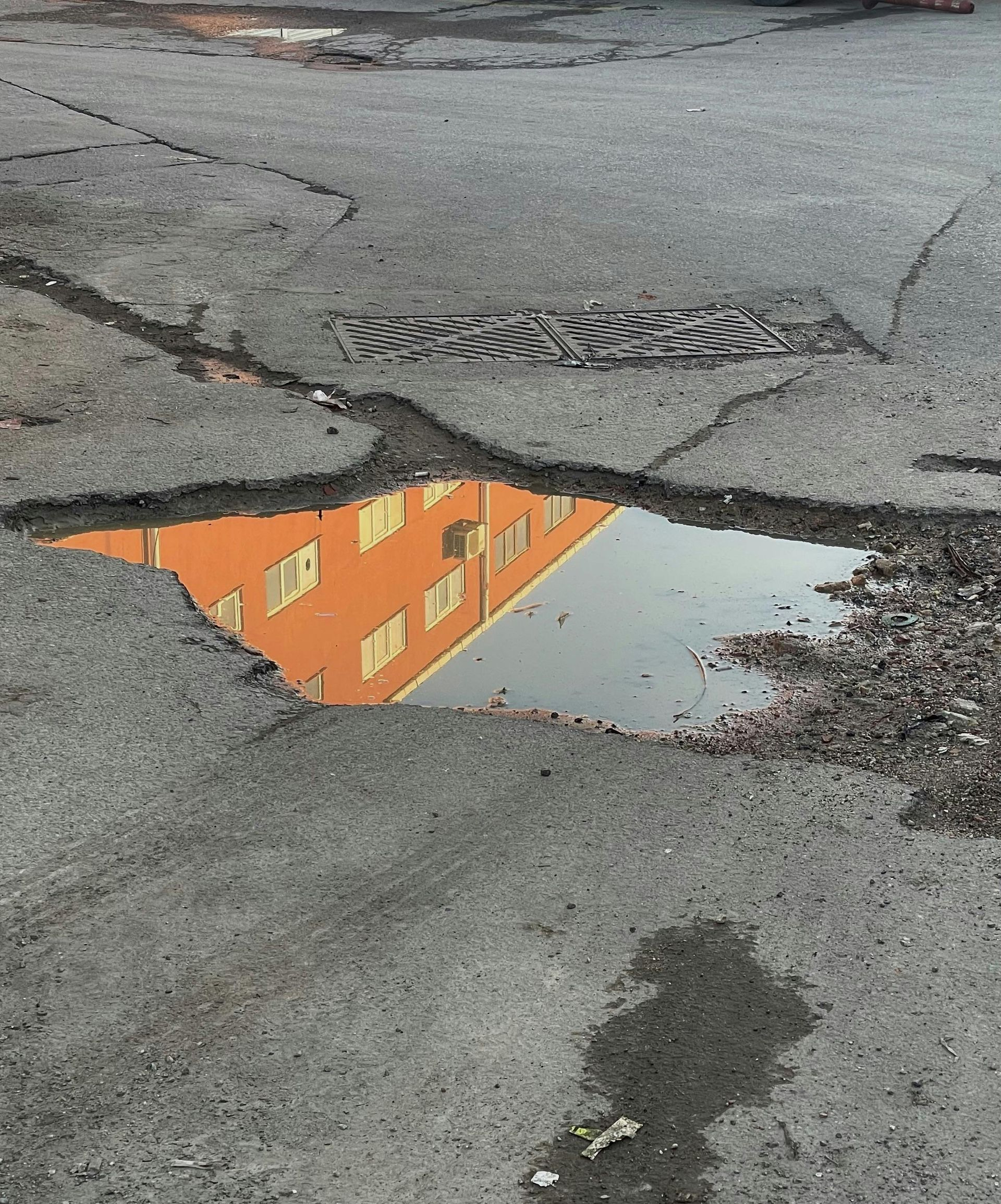
A puddle in a large pothole on a cracked asphalt road reflects a multi-story orange building.
A black and white close-up of raindrops falling on a wet street, with blurred trees and a car in the distance.
October 1, 2026
A hard pothole impact can do more than damage a tire. The force can also bend a wheel, especially if the pothole is deep, the vehicle is moving quickly, or the tire has a lower-profile sidewall with less cushioning between the road and rim. Sometimes the damage is obvious. In other cases, the wheel may look normal but cause vibration, air loss, or handling problems.  Knowing what to watch for after a pothole strike can help drivers catch wheel damage before it creates additional tire or suspension problems.
September 23, 2026
Most drivers are familiar with the tire pressure monitoring system , or TPMS, warning light. When it stays on steadily, it usually means one or more tires may be underinflated. A flashing TPMS light often means something different. Instead of simply warning about low tire pressure, a flashing light can indicate a problem with the monitoring system itself. That could involve a sensor, sensor battery, communication issue, or another TPMS-related fault.  Knowing the difference can help drivers avoid assuming that adding air will automatically solve the problem.
September 22, 2026
Tread depth is one of the first things drivers look at when deciding whether a tire still has life left. Deep grooves can make a tire appear healthy, especially if the vehicle is not driven very often. But tread is only part of the picture. Tires age even when they are not being used heavily. Over time, rubber compounds can harden, dry out, and become less flexible. That means an older tire may still have plenty of tread while no longer performing the way it did when it was newer. Rubber Changes With Age Tires are constantly exposed to oxygen, heat, sunlight, moisture, and changing temperatures. Those conditions gradually affect the rubber. As a tire ages, the material can lose some of its elasticity. That may reduce its ability to flex properly as it rolls and responds to the road. A tire that looks acceptable at a quick glance may therefore be significantly older than its appearance suggests. This is especially important for vehicles that accumulate very few miles each year.
September 11, 2026
A flat tire does not always mean the tire has to be replaced. In many cases, a small puncture can be repaired safely and returned to service. The key is where the puncture occurred, how large it is, and whether the tire suffered additional damage while losing air. That is why a professional inspection matters. Two punctures that lo ok similar from the outside may require completely different solutions once the tire is removed and examined internally. Location Matters Most One of the first things a technician looks at is where the puncture is located. Damage in the central tread area is often the best candidate for repair. This part of the tire is designed to handle contact with the road and can sometimes be repaired when the puncture is small and otherwise straightforward. Punctures near the shoulder or sidewall are much more concerning.  These areas flex significantly while the tire is moving and cannot usually be repaired safely using standard puncture-repair methods. If a nail, screw, or other object damages the sidewall or outer shoulder, replacement is often the safer option.
September 6, 2026
A wheel alignment can correct important steering and tire-angle settings, but the alignment itself depends on the suspension being in good mechanical condition. If ball joints, tie rods, control arm bushings, wheel bearings, or other components are worn, the wheels may not stay in the position the technician sets.  That is why some vehicles continue pulling , wearing tires unevenly, or developing an off-center steering wheel even after an alignment. In those cases, the problem may not be the alignment machine or the adjustment. It may be worn suspension or steering components underneath the vehicle.
August 28, 2026
When a tire repeatedly loses air but there is no obvious nail, screw, or visible puncture, the problem may be where the tire meets the wheel. This area is known as the tire bead, and a poor seal between the bead and the rim can allow air to escape gradually. Tire bead leaks are a common cause of slow pressure loss. Understanding why they happen can help drivers recognize when a tire needs professional inspection rather than repeatedly adding air. What Is the Tire Bead? The bead is the reinforced inner edge of the tire that sits tightly against the wheel rim. When a tire is properly mounted and inflated, air pressure helps hold the bead securely against the wheel, creating an airtight seal. If that sealing surface becomes damaged, dirty, corroded, or distorted, a small pathway can develop for air to escape.  Because these leaks may be very small, the tire can lose pressure over several days or weeks rather than going flat immediately.