How Rain and Wet Roads Influence Tire Safety
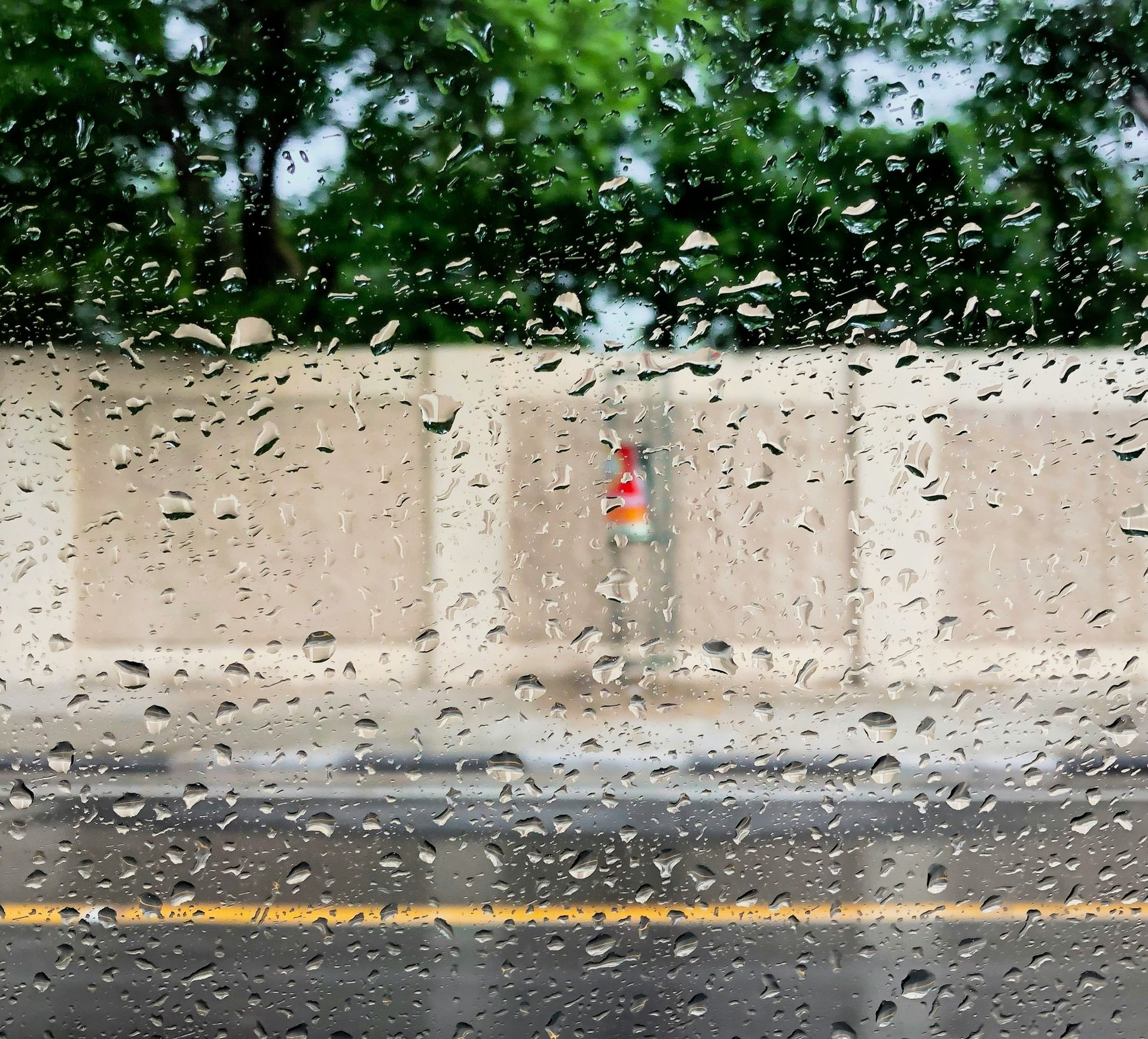
Driving in the rain is a common experience, but it introduces conditions that can significantly affect how a vehicle performs. Wet roads change the interaction between tires and the driving surface, which can influence traction, braking, and overall control. Understanding these changes can help drivers make better decisions and recognize when tire condition becomes a concern.
Tires are the only point of contact between a vehicle and the road. When that contact is affected by water, even routine driving situations can become more complex.

Reduced Traction on Wet Surfaces
One of the most immediate effects of rain is reduced traction. Water creates a thin layer between the tire and the road, which can limit the tire’s ability to grip the surface effectively.
This reduction in traction may lead to:
- Longer stopping distances
- Decreased stability during turns
- Less responsive handling
Even light rain can alter road conditions, especially when combined with oil or debris that has accumulated on the surface. These factors can make the road more slippery than expected.

The Risk of Hydroplaning
Hydroplaning occurs when a layer of water builds up between the tire and the road, causing the tire to lose direct contact with the surface. When this happens, the driver may temporarily lose control of the vehicle.
Hydroplaning is more likely to occur when:
- Tires are worn and have reduced tread depth
- Water accumulates on the road surface
- Vehicles are traveling at higher speeds
While it can happen suddenly, the condition is often influenced by tire quality and maintenance. Tires with sufficient tread are better equipped to channel water away and maintain contact with the road.

The Importance of Tread Depth
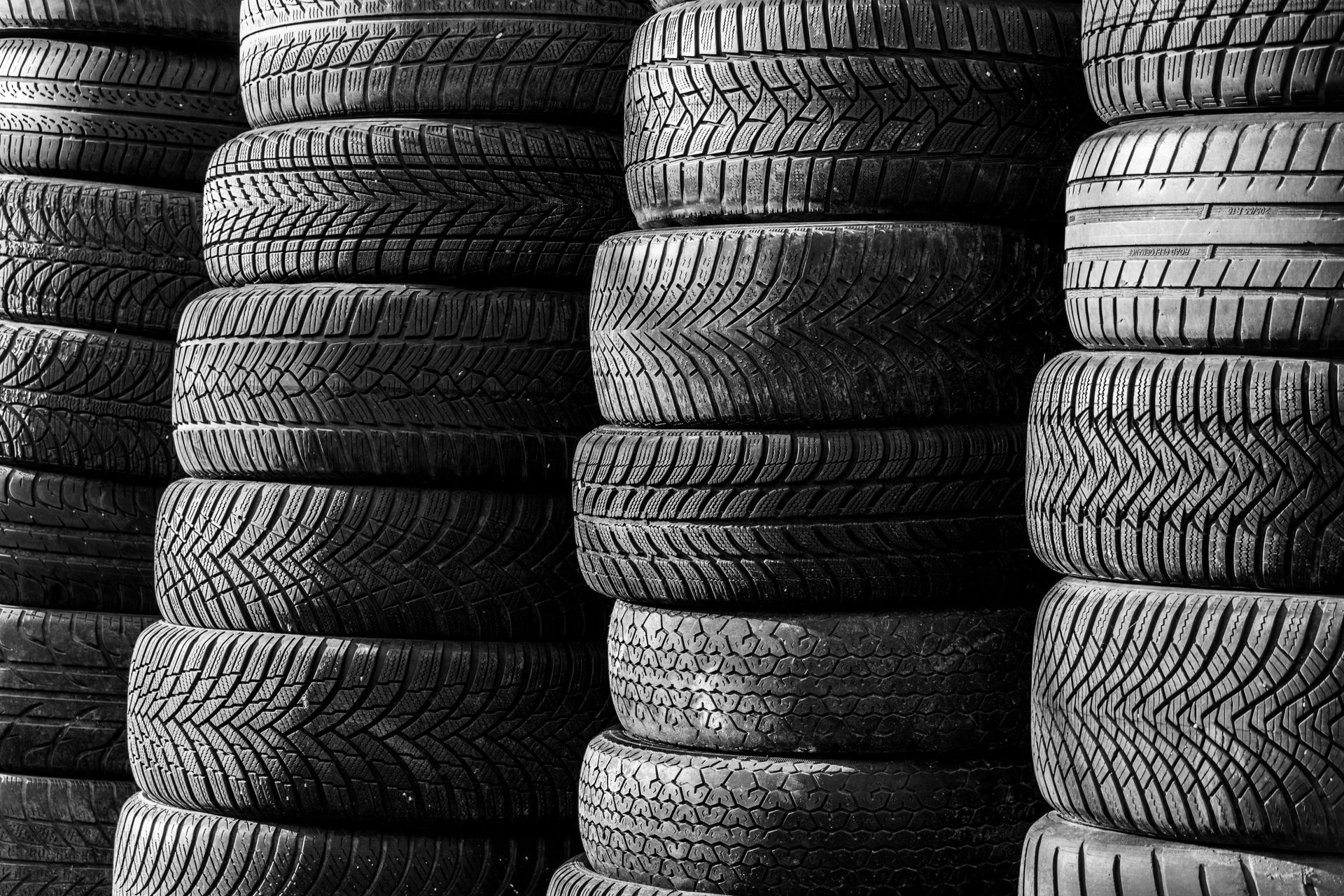
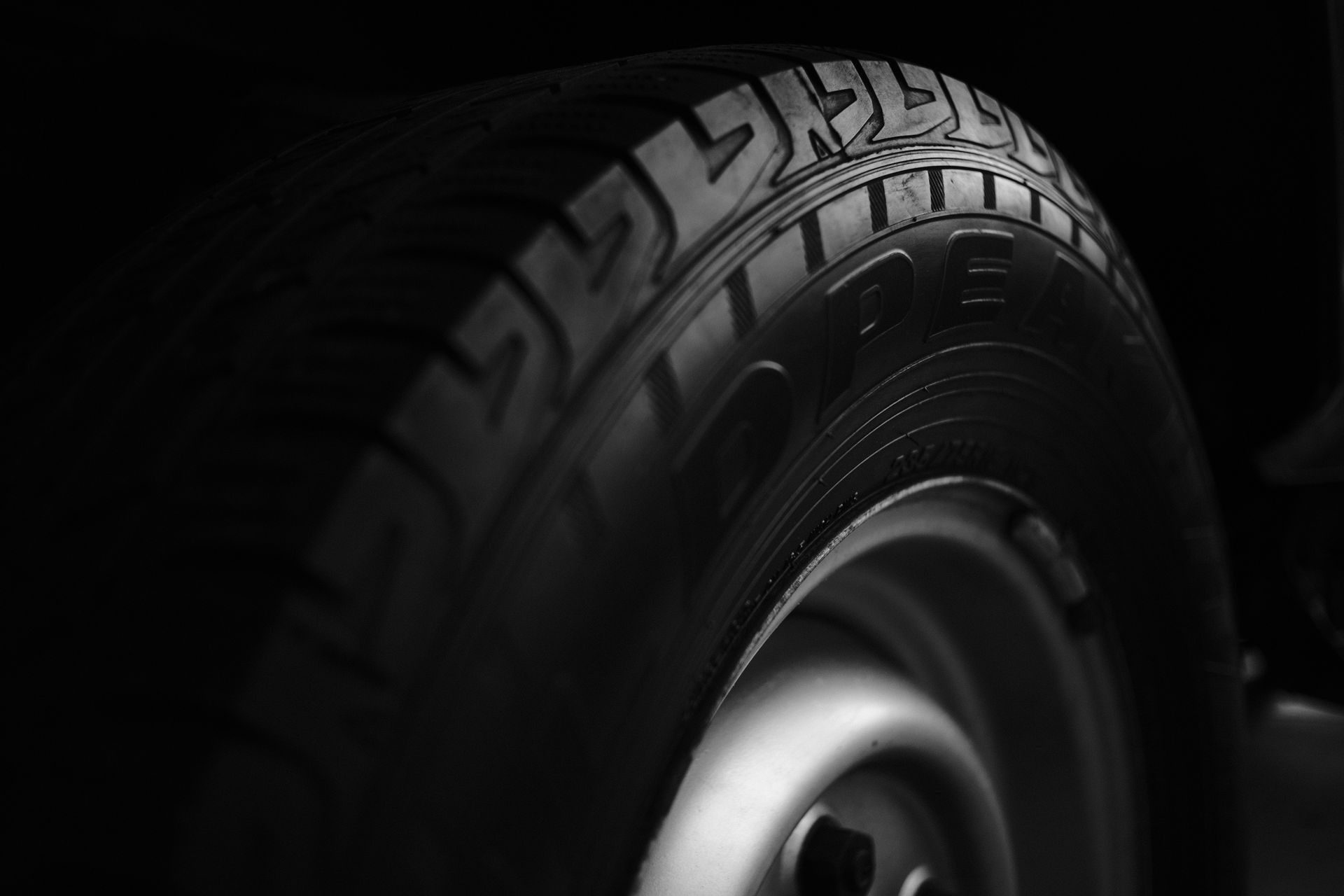
Tread patterns are designed to move water away from the tire’s contact patch. As tires wear down, their ability to perform this function decreases.
Worn tires may:
- Struggle to disperse water effectively
- Lose grip more easily
- Increase the likelihood of sliding or skidding
Maintaining adequate
tread depth is one of the most important factors in wet-weather driving. Even if tires appear usable in dry conditions, they may not perform the same way in the rain.

Braking Performance in Rainy Conditions
Braking distances typically increase on wet roads. Reduced traction means that tires require more distance to bring a vehicle to a complete stop.
This can affect:
- Emergency braking situations
- Following distance between vehicles
- Overall reaction time
Drivers often need to adjust their behavior to account for these changes, but tire condition plays a key role in how effectively a vehicle responds.

Tire Pressure and Contact With the Road
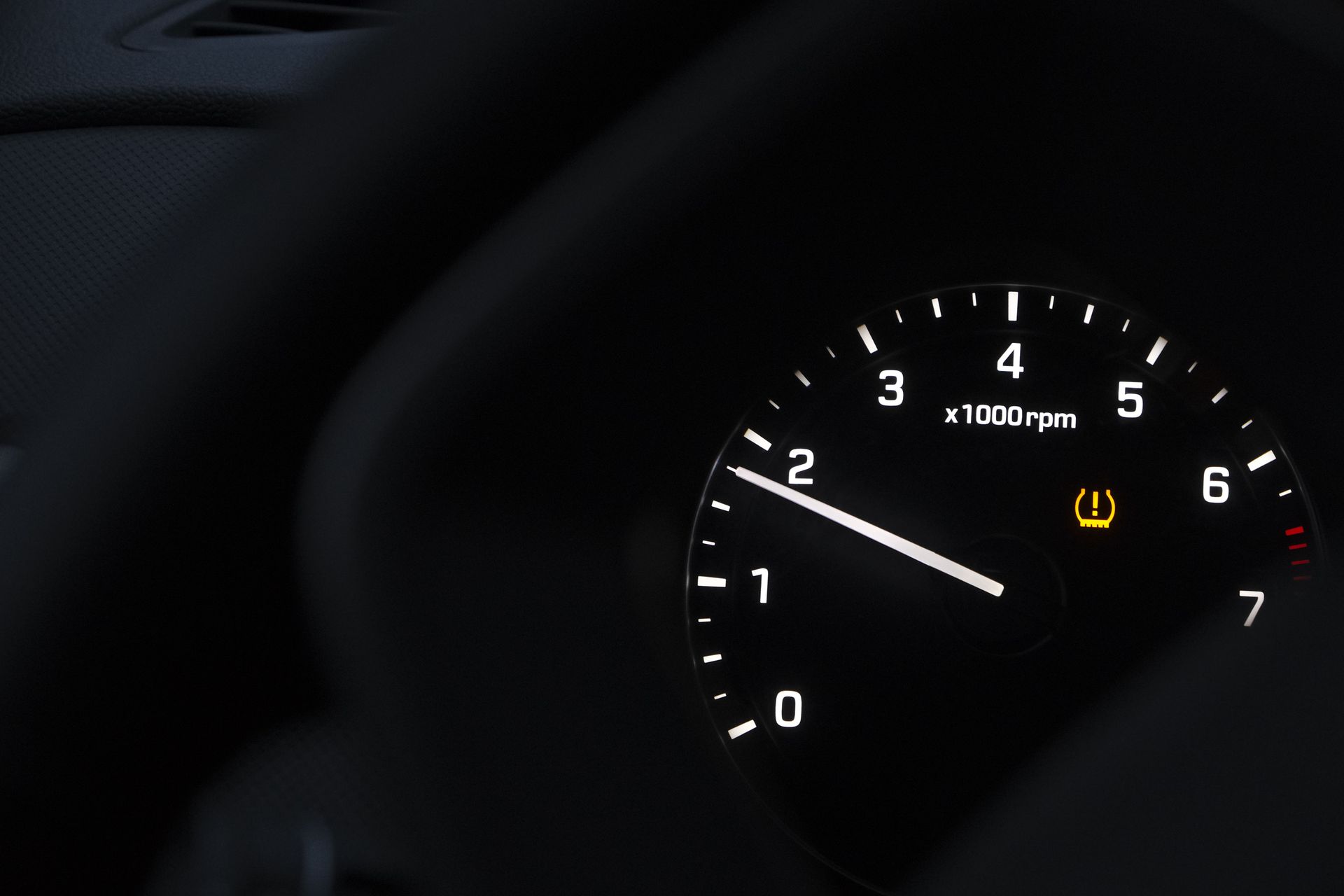
Proper tire inflation is another important factor in wet conditions. Tires that are underinflated or overinflated may not maintain optimal contact with the road surface.
Incorrect tire pressure can lead to:
- Uneven contact with the road
- Reduced stability
- Increased wear over time
Maintaining proper inflation helps ensure that the tire performs as intended, especially when conditions are less predictable.

How Driving Conditions Change Quickly
Rain can develop suddenly, and road conditions can change within minutes. A surface that was dry moments earlier may become slick, especially during the first stages of rainfall.
During these transitions:
- Oil and debris may rise to the surface
- Visibility can decrease
- Drivers may not adjust immediately
These factors can increase the likelihood of accidents, particularly if tires are not in good condition.

Recognizing When Tires Need Attention
Drivers may not always notice changes in tire performance until conditions become more demanding. Wet weather often reveals issues that are less apparent during dry driving.
Signs that tires may need attention include:
- Reduced grip during rain
- Increased stopping distance
- A feeling of instability or sliding
Addressing these issues early can help improve overall driving confidence and safety.
A Practical Approach to Wet Weather Driving
Rain and wet roads are unavoidable, but their impact on driving can be managed with proper awareness and maintenance. Tires that are in good condition are better equipped to handle these challenges and support more consistent performance.
Raymond’s Tire Shop provides tire services designed to help drivers maintain reliable performance in all conditions. If you have concerns about how your tires are handling in wet weather, contact Raymond’s Tire Shop to ensure your vehicle is prepared for the road ahead.