Como a chuva e as estradas molhadas influenciam a segurança dos pneus

Dirigir na chuva é uma experiência comum, mas introduz condições que podem afetar significativamente o desempenho de um veículo. Estradas molhadas alteram a interação entre os pneus e a superfície de condução, o que pode influenciar a tração, a frenagem e o controle geral. Compreender essas mudanças pode ajudar os motoristas a tomar decisões melhores e a reconhecer quando a condição dos pneus se torna uma preocupação.


Os pneus são o único ponto de contato entre um veículo e a estrada. Quando esse contato é afetado pela água, até mesmo situações rotineiras de direção podem se tornar mais complexas.

Rain-slick city street with reflective pavement and crosswalk lines at dusk

Tração reduzida em superfícies molhadas

Um dos efeitos mais imediatos da chuva é a redução da tração. A água cria uma fina camada entre o pneu e a estrada, o que pode limitar a capacidade do pneu de aderir à superfície de forma eficaz.


Essa redução de tração pode levar a:

  • Distâncias de frenagem mais longas
  • Menor estabilidade durante curvas
  • Menor resposta na direção


Mesmo uma chuva leve pode alterar as condições da estrada, especialmente quando combinada com óleo ou detritos acumulados na superfície. Esses fatores podem tornar a via mais escorregadia do que o esperado.

Tree-lined road with pink cherry blossoms arching over a wet street

O risco de aquaplanagem

A aquaplanagem ocorre quando uma camada de água se forma entre o pneu e a estrada, fazendo com que o pneu perca o contato direto com a superfície. Quando isso acontece, o motorista pode perder temporariamente o controle do veículo.


A aquaplanagem é mais provável de ocorrer quando:

  • Os pneus estão desgastados e com profundidade de sulco reduzida
  • A água se acumula na superfície da estrada
  • Os veículos estão em velocidades mais altas


Embora possa acontecer repentinamente, essa condição é frequentemente influenciada pela qualidade e manutenção dos pneus. Pneus com sulcos adequados estão mais preparados para escoar a água e manter o contato com a estrada.

Wet road at dusk with green traffic lights reflecting on the pavement under a cloudy sky

A importância da profundidade do sulco

Os desenhos dos sulcos são projetados para afastar a água da área de contato do pneu. À medida que os pneus se desgastam, sua capacidade de realizar essa função diminui.


Pneus desgastados podem:

  • Ter dificuldade em dispersar a água de forma eficaz
  • Perder aderência com mais facilidade
  • Aumentar a probabilidade de deslizamento ou derrapagem


Manter uma profundidade de sulco adequada é um dos fatores mais importantes para dirigir em condições de chuva. Mesmo que os pneus pareçam utilizáveis em condições secas, eles podem não ter o mesmo desempenho na chuva.

Rainy roadside beside a silver car on an empty wet road with cloudy sky

Desempenho de frenagem em condições de chuva

As distâncias de frenagem geralmente aumentam em estradas molhadas. A redução da tração significa que os pneus precisam de mais distância para parar completamente o veículo.


Isso pode afetar:

  • Situações de frenagem de emergência
  • A distância de seguimento entre veículos
  • O tempo geral de reação


Os motoristas muitas vezes precisam ajustar seu comportamento para lidar com essas mudanças, mas a condição dos pneus desempenha um papel fundamental na eficácia da resposta do veículo.

Wet forest road with double yellow lines reflecting in rainwater

Pressão dos pneus e contato com a estrada

A calibragem correta dos pneus é outro fator importante em condições úmidas. Pneus com pressão baixa ou excessiva podem não manter o contato ideal com a superfície da estrada.


Uma pressão incorreta pode resultar em:

  • Contato irregular com a estrada
  • Redução da estabilidade
  • Maior desgaste ao longo do tempo


Manter a pressão adequada ajuda a garantir que o pneu funcione como esperado, especialmente quando as condições são menos previsíveis.

Narrow wet road curving through autumn trees with yellow and green leaves

Como as condições de condução mudam rapidamente

A chuva pode começar de forma repentina, e as condições da estrada podem mudar em questão de minutos. Uma superfície que estava seca momentos antes pode se tornar escorregadia, especialmente nas primeiras fases da chuva.


Durante essas transições:

  • Óleo e detritos podem subir à superfície
  • A visibilidade pode diminuir
  • Os motoristas podem não se ajustar imediatamente


Esses fatores podem aumentar a probabilidade de acidentes, especialmente se os pneus não estiverem em boas condições.

Rainy street at night with wet pavement reflecting orange lights

Reconhecendo quando os pneus precisam de atenção

Os motoristas nem sempre percebem mudanças no desempenho dos pneus até que as condições se tornem mais exigentes. O clima úmido frequentemente revela problemas que são menos aparentes em condições secas.


Sinais de que os pneus podem precisar de atenção incluem:

  • Redução da aderência na chuva
  • Aumento da distância de frenagem
  • Sensação de instabilidade ou deslizamento


Resolver esses problemas precocemente pode ajudar a melhorar a confiança e a segurança ao dirigir.


Uma abordagem prática para dirigir em condições de chuva

A chuva e as estradas molhadas são inevitáveis, mas seu impacto na condução pode ser gerenciado com conscientização e manutenção adequadas. Pneus em boas condições estão mais preparados para lidar com esses desafios e proporcionar um desempenho mais consistente.


A Raymond’s Tire Shop oferece serviços de pneus projetados para ajudar motoristas a manter um desempenho confiável em todas as condições. Se você tiver dúvidas sobre como seus pneus estão se comportando em clima úmido, entre em contato com a Raymond’s Tire Shop para garantir que seu veículo esteja pronto para a estrada.
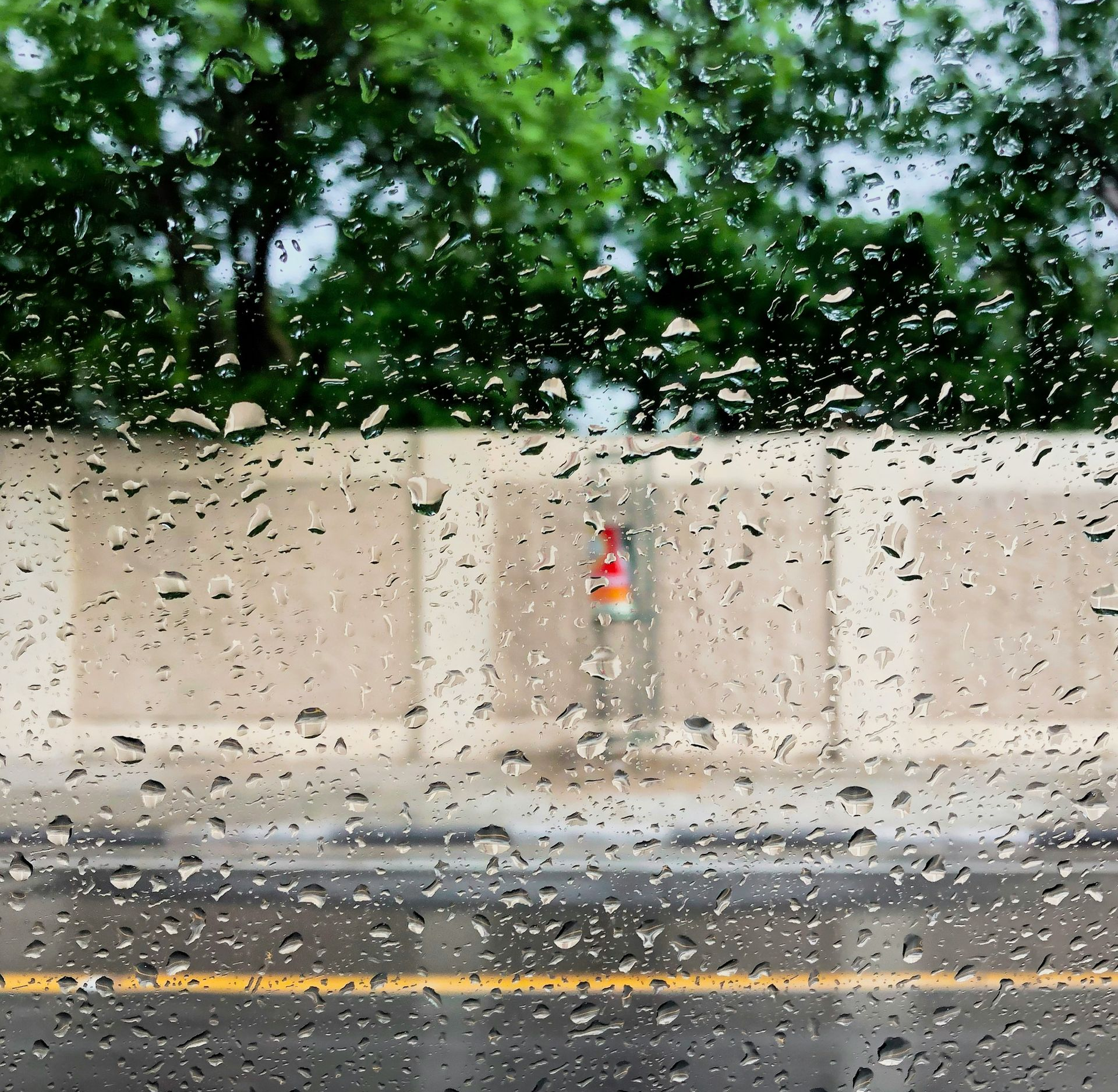

Rain-soaked street seen through a window with water droplets, beige wall, and blurred trees beyond.
Wet road winding through a misty green forest with mountains in the background
Rain ripples on blue pavement beside yellow painted markings and a rough curb.
Frost-covered red leaf on a wet road between yellow lines
Rainy city street between tall skyscrapers with wet pavement and a pedestrian bridge overhead
Rain ripples on a wet street with yellow lane markings reflected in blue water.
Rain-soaked parking lot at dusk, with wet pavement reflecting lights and parked cars
Rainy city street with wet pavement, traffic lights, and storefronts reflecting orange lights.
August 28, 2026
When a tire repeatedly loses air but there is no obvious nail, screw, or visible puncture, the problem may be where the tire meets the wheel. This area is known as the tire bead, and a poor seal between the bead and the rim can allow air to escape gradually. Tire bead leaks are a common cause of slow pressure loss. Understanding why they happen can help drivers recognize when a tire needs professional inspection rather than repeatedly adding air. What Is the Tire Bead? The bead is the reinforced inner edge of the tire that sits tightly against the wheel rim. When a tire is properly mounted and inflated, air pressure helps hold the bead securely against the wheel, creating an airtight seal. If that sealing surface becomes damaged, dirty, corroded, or distorted, a small pathway can develop for air to escape.  Because these leaks may be very small, the tire can lose pressure over several days or weeks rather than going flat immediately.
August 23, 2026
A pothole impact can feel like a quick jolt, but the forces involved can affect several parts of the tire and wheel assembly. The faster the vehicle is moving, the less time the tire has to absorb the impact. In some cases, the damage is immediately obvious. In others, problems may not become noticeable until later. Raymond’s Tire Shop helps drivers inspect tires, wheels, balancing, and alignment after hard road impacts. Understanding what can happen during a pothole strike can make it easier to recognize when a tire needs professional attention. The Tire Is Compressed Extremely Quickly When a tire drops into a pothole and strikes the far edge, the sidewall and tread can be compressed between the road and the wheel. Tires are designed to flex, but a severe impact can exceed what the internal structure can safely absorb.  The risk can be greater when tire pressure is too low because there is less air cushioning between the road surface and the wheel. However, even a properly inflated tire can be damaged by a deep pothole at sufficient speed.
August 16, 2026
Tires are one of the most important safety components on any vehicle because they are the only parts that maintain direct contact with the road. As tires wear, their ability to grip pavement, channel water, and respond predictably can gradually decline. The challenge is that unsafe tire conditions are not always obvious until performance has already been affected.  Raymond’s Tire Shop helps drivers evaluate tread wear, tire damage, pressure issues, alignment problems, and other conditions that can affect tire safety. Knowing what to look for can help you recognize when a tire needs professional attention or replacement.
August 7, 2026
Most drivers think of tires simply as the round rubber components that allow a vehicle to roll down the road. In reality, tires are sophisticated pieces of engineering that perform several essential functions every time a vehicle is in motion. They support the weight of the vehicle, transmit steering and braking forces, absorb road irregularities, and maintain traction in changing driving conditions. Every acceleration, turn, and stop depends on these four small contact patches where the tires meet the road.  Understanding the primary functions of a tire helps drivers appreciate why routine maintenance and timely replacement are so important. Raymond’s Tire Shop helps customers choose quality tires and maintain them properly so their vehicles continue to perform safely and efficiently throughout the life of the tire.
July 31, 2026
Understanding how your tires interact with wet pavement is one of the most important parts of safe driving. While most drivers know that rain can make roads slippery, fewer understand how hydroplaning occurs or why it can cause a vehicle to suddenly lose traction. Knowing what causes hydroplaning—and how proper tire maintenance can reduce the risk—can help you stay safer during wet weather.  At Raymond’s Tire Shop, we believe that informed drivers make safer decisions. Keeping your tires in excellent condition is one of the best ways to improve vehicle performance when road conditions are less than ideal.
July 23, 2026
Your tires are one of the hardest-working components of your vehicle. They provide traction, support your vehicle’s weight, absorb impacts from the road, and help you maintain control in a wide range of driving conditions. Because they experience constant wear, replacing tires is an expected part of vehicle ownership. However, proper maintenance can help maximize their lifespan, improve performance, and save you money over time. Many of the factors that affect tire longevity are within a driver’s control. By following a few simple maintenance practices, you can help your tires wear more evenly and perform as intended throughout their service life.