How Road Conditions Impact Tire Lifespan
Tires are designed to withstand a wide range of driving conditions, but the roads they travel on play a significant role in how long they actually last. While many drivers focus on mileage or tread depth alone, road conditions are one of the most influential and often overlooked factors affecting tire lifespan.
Understanding how everyday road hazards contribute to tire wear can help drivers make better decisions about maintenance, inspections, and replacement.
Potholes and Surface Damage
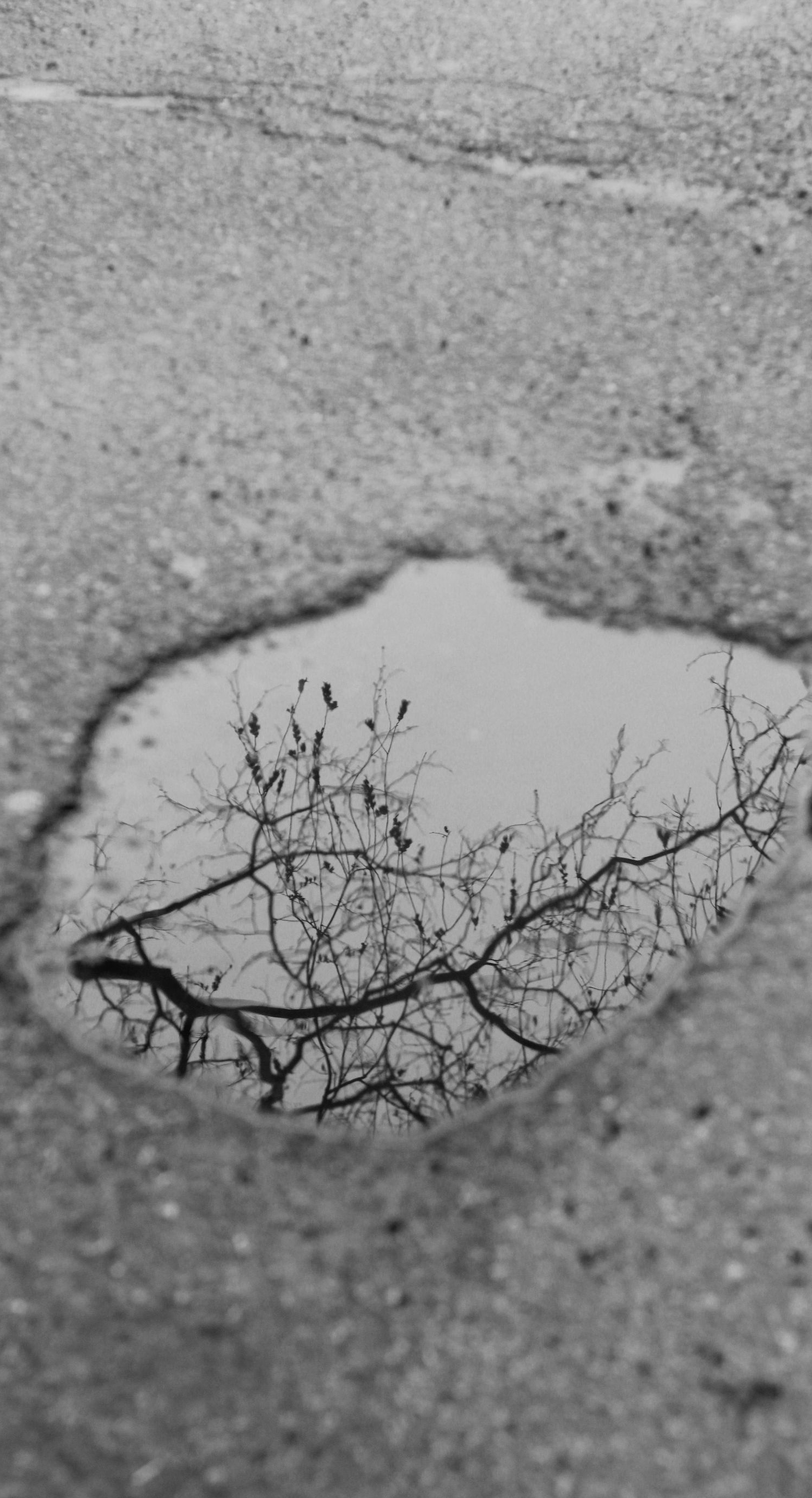
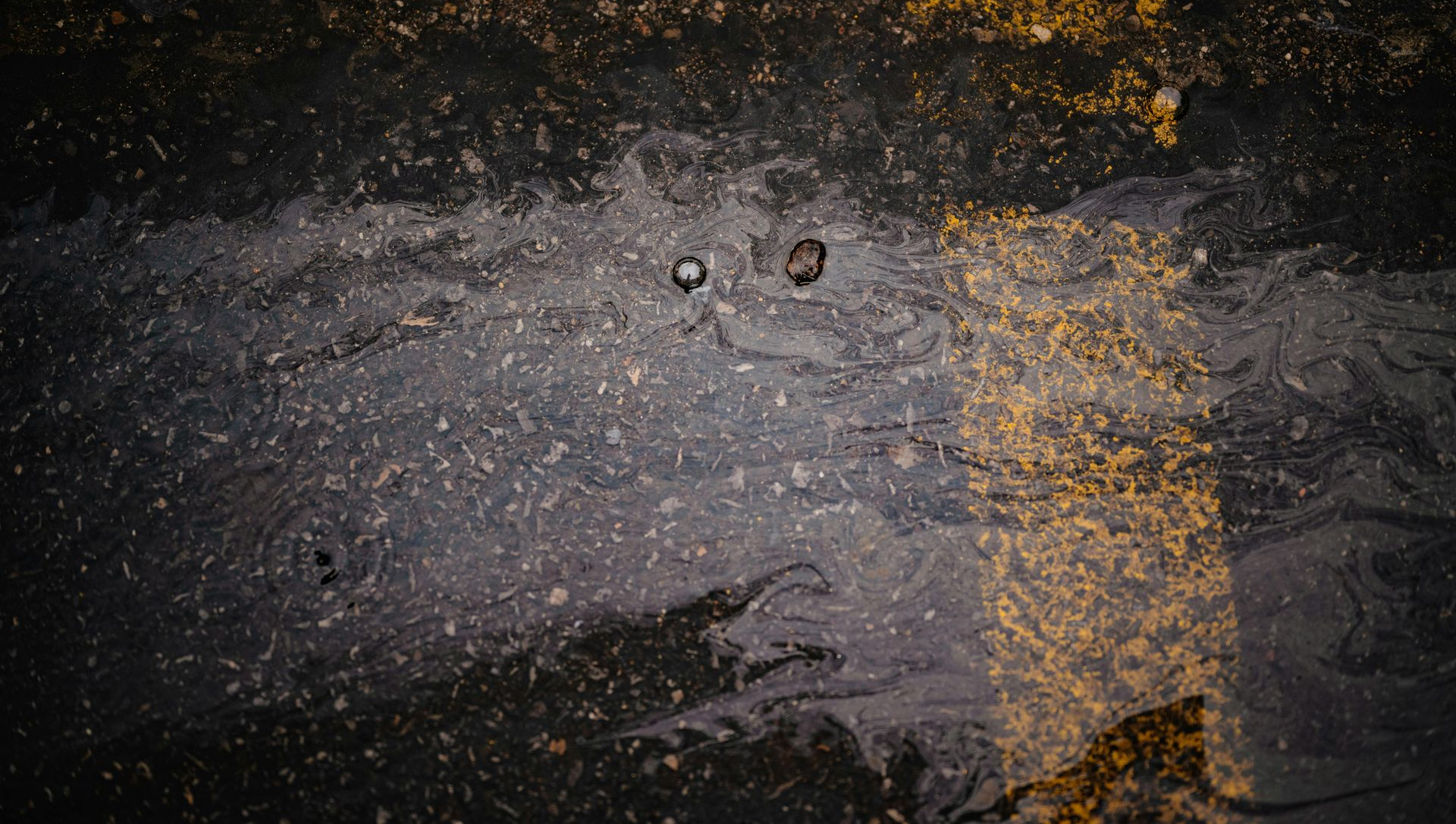
Potholes are one of the most common causes of premature tire damage. When a tire strikes a pothole, the impact can damage the internal structure of the tire even if the exterior appears intact. Sidewall bulges, internal belt separation, and weakened cords are all possible outcomes.
Repeated pothole impacts can also knock wheels out of alignment or cause balance issues, which accelerates uneven tread wear. These problems may develop gradually, making them difficult to notice without a professional inspection.

Construction Zones and Rough Pavement
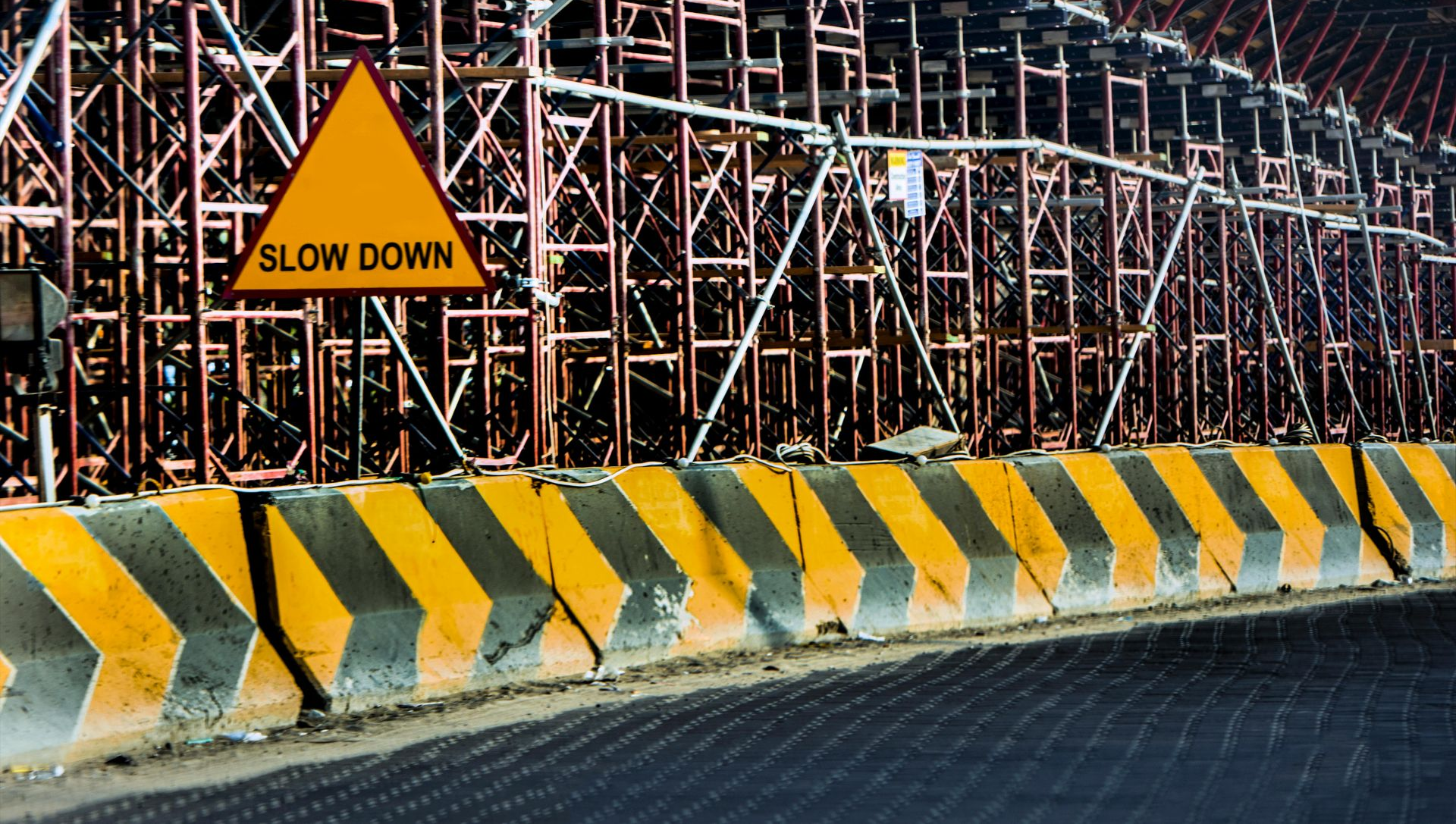
Road construction often creates uneven surfaces, loose gravel, and abrupt elevation changes. Driving through these areas places additional stress on tires, especially when speeds fluctuate or sharp edges are present.
Rough pavement increases rolling resistance and causes tires to flex more than intended. Over time, this repeated stress contributes to faster tread wear and can reduce overall tire lifespan.
Urban Driving Versus Highway Driving
Urban environments tend to be harder on tires than highway driving. Frequent stopping, turning, and navigating tight streets cause tires to wear unevenly. Curbs, debris, and frequent lane changes all add to the strain.
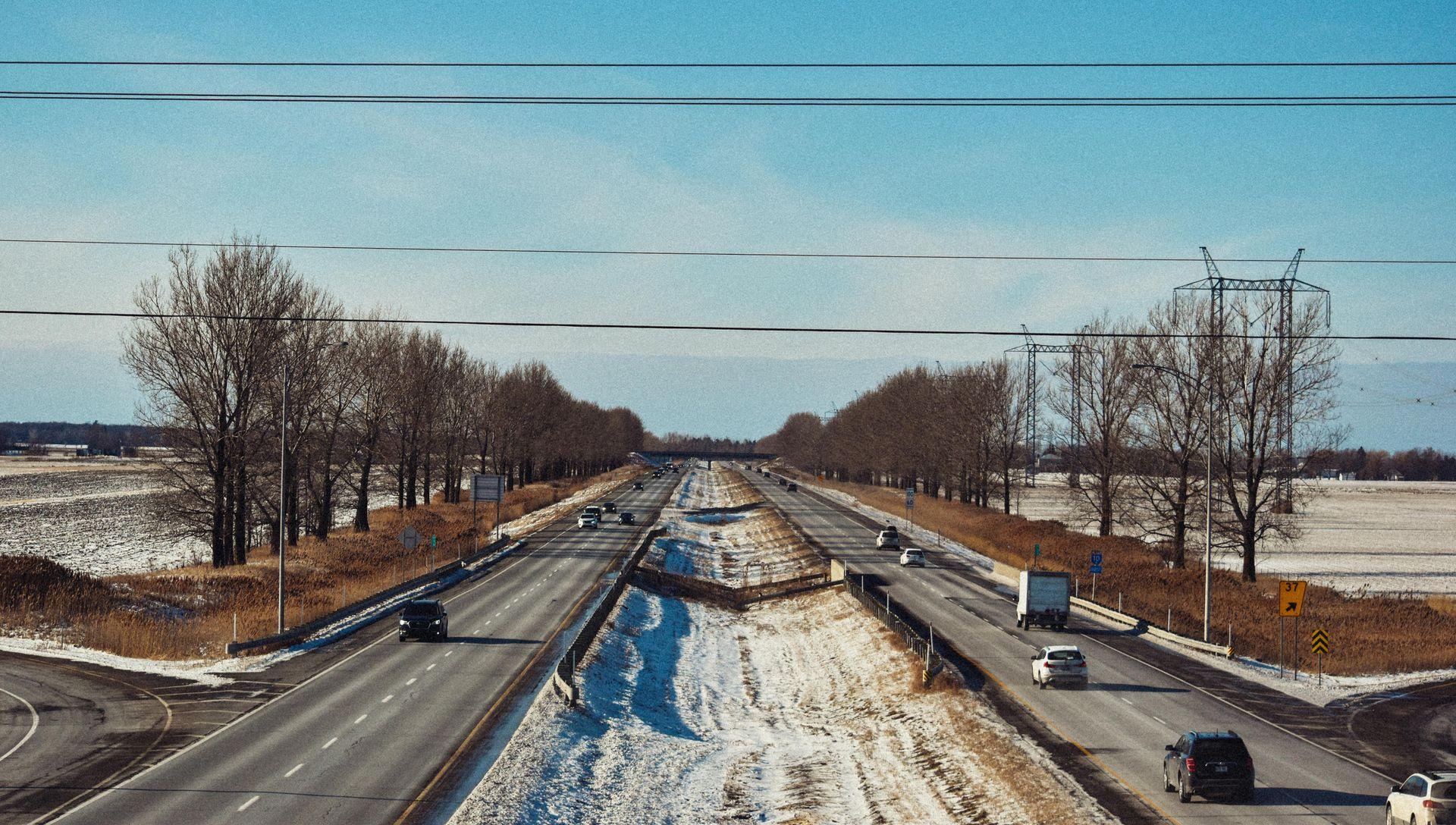
Highway driving generally produces more consistent wear patterns, but poor road maintenance or heavy truck traffic can still introduce hazards. Understanding where and how a vehicle is driven helps explain why tires may wear faster than expected.
Weather and Road Treatment
Seasonal weather conditions also influence road surfaces. Heat can soften asphalt, increasing friction and accelerating wear. Cold temperatures can stiffen rubber compounds, making tires more susceptible to cracking and impact damage.
In winter months, road treatments such as salt and chemical deicers can affect tires and wheels. Prolonged exposure may contribute to corrosion of wheel components and gradual degradation of tire materials.
Debris and Hidden Hazards
Road debris, including nails, glass, and sharp objects, poses an obvious risk to tires. However, even small debris can cause slow leaks or internal damage that worsens over time.
Some hazards are not immediately visible. A tire may sustain damage that does not result in immediate air loss, but compromises its structural integrity. These issues often surface later as vibration, noise, or sudden failure.
Why Regular Inspections Matter
Because road related tire damage is not always obvious, regular inspections are essential. Technicians look for uneven wear patterns, sidewall damage, tread separation, and alignment issues that indicate road impact.
Catching these problems early can prevent further damage and improve safety. It can also extend tire life by addressing contributing factors such as alignment or balance issues.
How Proper Service Protects Tire Investment
Tires are a significant investment, and protecting that investment requires more than simply replacing them when they wear out. Proper mounting, balancing, alignment checks, and pressure maintenance all help tires withstand challenging road conditions more effectively.
Drivers who regularly service their tires are better equipped to handle the realities of imperfect roads.
Staying Ahead of Road Related Wear
Road conditions are unpredictable, but their impact on tires does not have to be. Awareness, routine inspections, and professional service go a long way toward preserving tire performance and safety.
At Raymond’s Tire Shop, tire service is approached with an understanding of how real world driving affects tire health. By addressing wear caused by potholes, construction zones, and rough pavement, we help drivers stay safe and get the most value from their tires.