Como as condições das estradas impactam a vida útil dos pneus

Os pneus são projetados para suportar uma ampla variedade de condições de condução, mas as estradas por onde trafegam desempenham um papel significativo em quanto tempo realmente duram. Embora muitos motoristas se concentrem apenas na quilometragem ou na profundidade da banda de rodagem, as condições das vias são um dos fatores mais influentes e frequentemente negligenciados que afetam a vida útil dos pneus.


Compreender como os riscos diários das estradas contribuem para o desgaste dos pneus pode ajudar os motoristas a tomar decisões mais acertadas sobre manutenção, inspeções e substituição.


Buracos e danos na superfície

Os buracos são uma das causas mais comuns de danos prematuros aos pneus. Quando um pneu atinge um buraco, o impacto pode danificar sua estrutura interna, mesmo que o exterior pareça intacto. Bolhas na lateral, separação interna das cintas e cordonéis enfraquecidos são possíveis consequências.


Impactos repetidos em buracos também podem desalinhá-las rodas ou causar problemas de balanceamento, o que acelera o desgaste irregular da banda de rodagem. Esses problemas podem se desenvolver gradualmente, tornando-se difíceis de perceber sem uma inspeção profissional.

Boston skyline with tall blue glass skyscraper, and other buildings against blue sky.

Áreas em obras e pavimento irregular

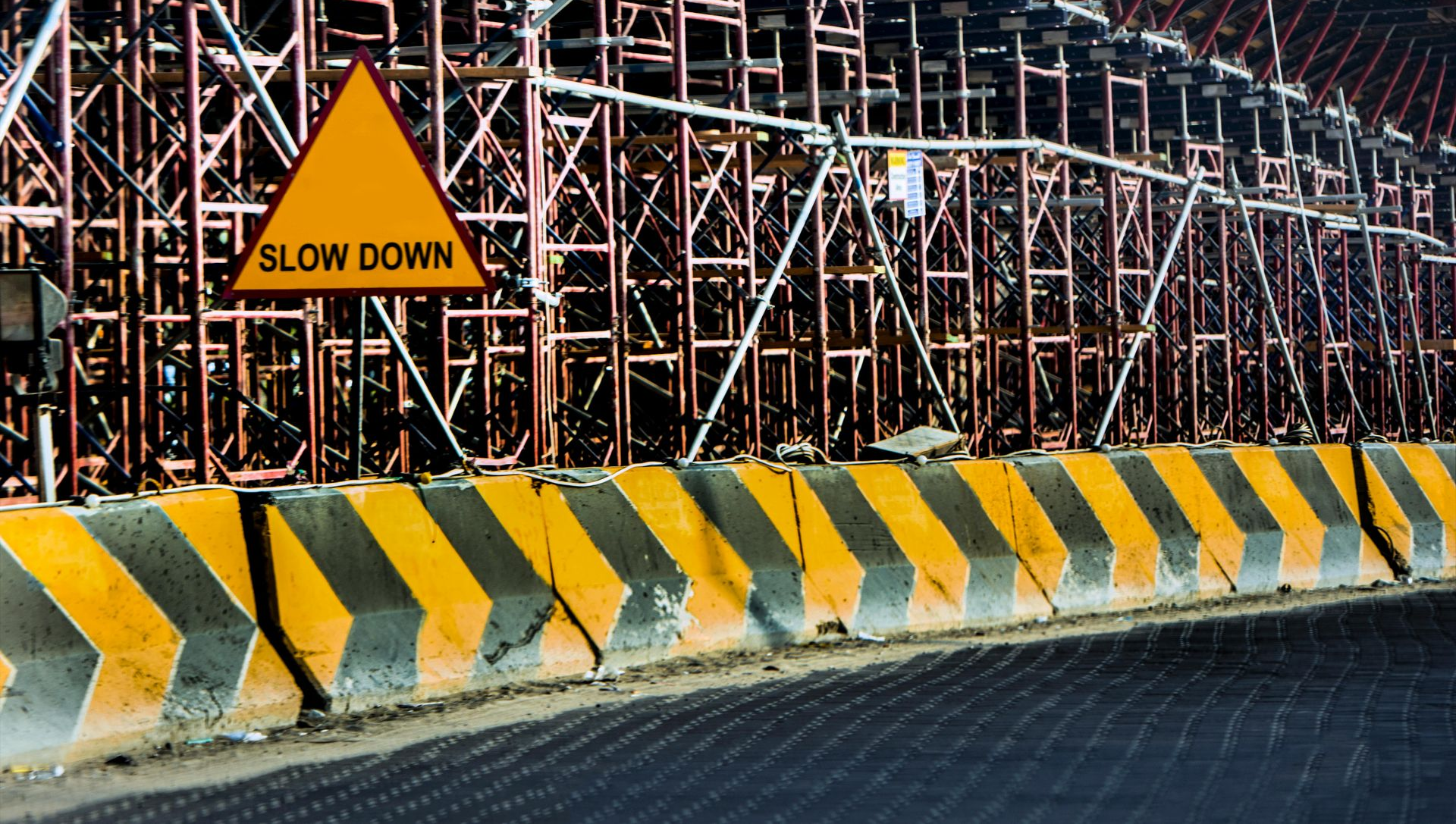
Obras nas vias frequentemente criam superfícies irregulares, cascalho solto e mudanças bruscas de nível. Dirigir por essas áreas impõe estresse adicional aos pneus, especialmente quando há variações de velocidade ou bordas afiadas.


O pavimento irregular aumenta a resistência ao rolamento e faz com que os pneus flexionem mais do que o previsto. Com o tempo, esse estresse repetido contribui para um desgaste mais rápido da banda de rodagem e pode reduzir a vida útil geral dos pneus.
Construction zone. Orange triangle

Condução urbana versus condução em rodovias

Ambientes urbanos tendem a ser mais exigentes para os pneus do que a condução em rodovias. Paradas frequentes, curvas e ruas estreitas provocam desgaste irregular. Guias, detritos e trocas constantes de faixa também aumentam o esforço sobre os pneus.


A condução em rodovias geralmente produz padrões de desgaste mais consistentes, mas a má conservação das estradas ou o tráfego intenso de caminhões ainda podem representar riscos. Entender onde e como o veículo é conduzido ajuda a explicar por que os pneus podem se desgastar mais rapidamente do que o esperado.


Clima e tratamento das estradas

As condições climáticas sazonais também influenciam a superfície das estradas. O calor pode amolecer o asfalto, aumentando o atrito e acelerando o desgaste. Temperaturas frias podem endurecer os compostos de borracha, tornando os pneus mais suscetíveis a rachaduras e danos por impacto.


Nos meses de inverno, tratamentos de estrada como sal e descongelantes químicos podem afetar pneus e rodas. A exposição prolongada pode contribuir para a corrosão dos componentes das rodas e para a degradação gradual dos materiais dos pneus.

Highway with cars and trucks, flanked by trees and snow-covered ground, under a blue sky.

Detritos e perigos ocultos

Detritos na estrada, incluindo pregos, vidro e objetos pontiagudos, representam um risco evidente para os pneus. No entanto, mesmo pequenos detritos podem causar vazamentos lentos ou danos internos que pioram com o tempo.


Alguns perigos não são imediatamente visíveis. Um pneu pode sofrer danos que não resultam em perda imediata de ar, mas comprometem sua integridade estrutural. Esses problemas frequentemente se manifestam mais tarde como vibração, ruído ou falha repentina.


Por que as inspeções regulares são omportantes

Como os danos relacionados às condições da estrada nem sempre são evidentes, inspeções regulares são essenciais. Técnicos verificam padrões de desgaste irregular, danos na lateral, separação da banda de rodagem e problemas de alinhamento que indicam impacto com a via.


Identificar esses problemas precocemente pode evitar danos adicionais e melhorar a segurança. Também pode prolongar a vida útil dos pneus ao corrigir fatores contribuintes, como desalinhamento ou problemas de balanceamento.

Close-up of asphalt road surface with yellow and white painted lines, two metal studs are visible.

Como o serviço adequado protege o investimento em pneus

Os pneus representam um investimento significativo, e proteger esse investimento exige mais do que simplesmente substituí-los quando se desgastam. Montagem correta, balanceamento, verificação de alinhamento e manutenção adequada da pressão ajudam os pneus a resistirem melhor às condições desafiadoras das estradas.


Motoristas que realizam manutenção regular em seus pneus estão mais preparados para lidar com a realidade de vias imperfeitas.


Mantendo-se à frente do desgaste relacionado às estradas

As condições das estradas são imprevisíveis, mas seu impacto nos pneus não precisa ser. Conscientização, inspeções de rotina e serviço profissional contribuem significativamente para preservar o desempenho e a segurança dos pneus.


Na Raymond’s Tire Shop, o serviço de pneus é realizado com a compreensão de como a condução no mundo real afeta a saúde dos pneus. Ao tratar o desgaste causado por buracos, áreas em obras e pavimento irregular, ajudamos os motoristas a permanecerem seguros e a obterem o máximo valor de seus pneus.

Puddle reflecting bare tree branches on cracked pavement.
Hands gripping a steering wheel, driving on a road towards a sunset. Dashboard visible, with speed and mileage displayed.
Silhouette of city skyline at sunset with three construction cranes.
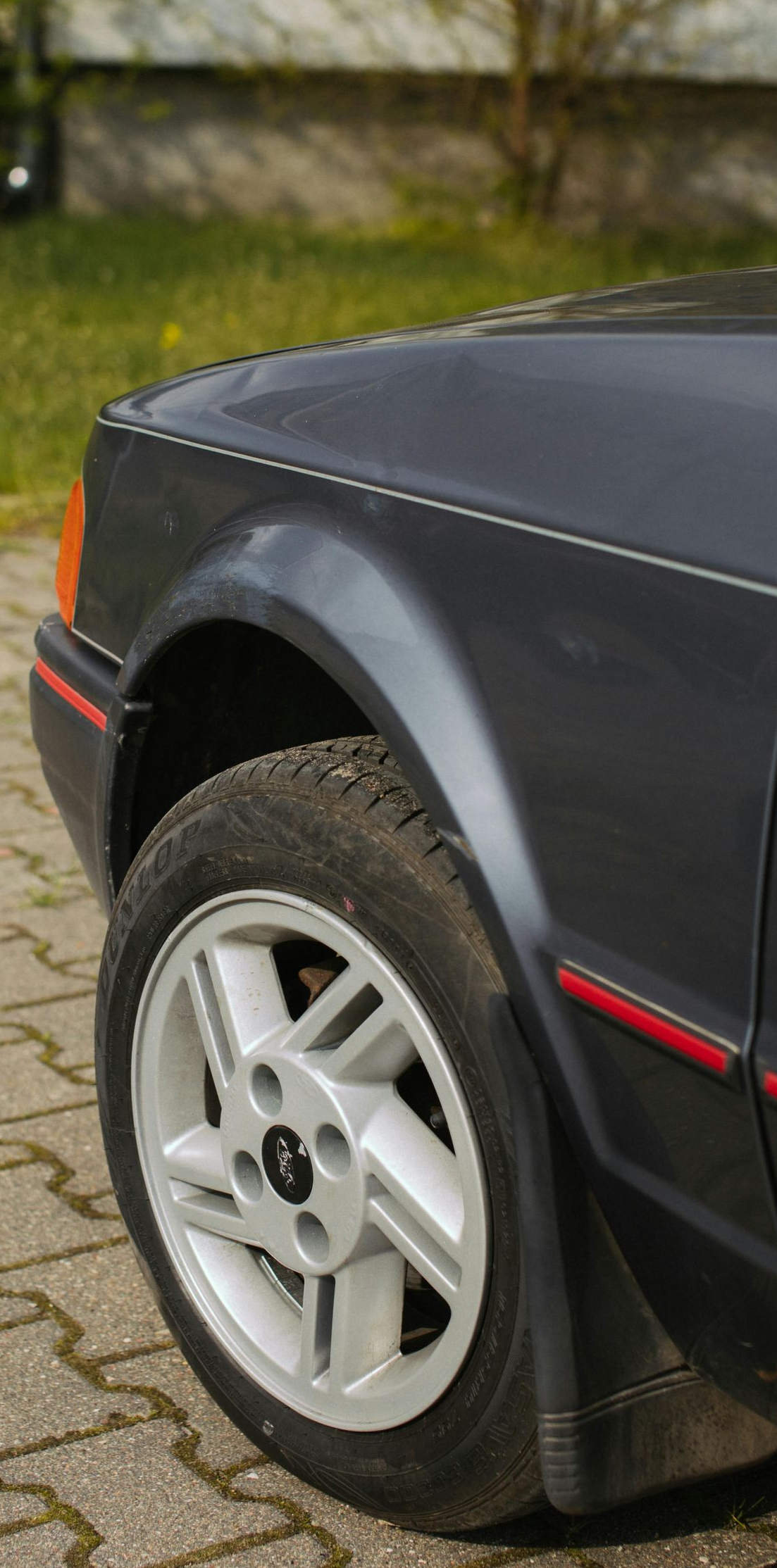
Dark grey Ford Escort front quarter panel, wheel on brick pavement.
Night view of a cityscape with bright lights, a river, and a dark blue sky.
October 7, 2026
Tire tread gets a lot of attention, but tread depth is not the only factor that matters. Tires also age . Even when a tire still has visible tread, the rubber compounds can gradually change over time because of heat, sunlight, weather exposure, and normal use. That is why knowing how to read the DOT date code can help drivers understand how old a tire really is.  The date code does not tell you everything about tire condition, but it provides an important piece of the overall picture.
October 1, 2026
A hard pothole impact can do more than damage a tire. The force can also bend a wheel, especially if the pothole is deep, the vehicle is moving quickly, or the tire has a lower-profile sidewall with less cushioning between the road and rim. Sometimes the damage is obvious. In other cases, the wheel may look normal but cause vibration, air loss, or handling problems.  Knowing what to watch for after a pothole strike can help drivers catch wheel damage before it creates additional tire or suspension problems.
September 23, 2026
Most drivers are familiar with the tire pressure monitoring system , or TPMS, warning light. When it stays on steadily, it usually means one or more tires may be underinflated. A flashing TPMS light often means something different. Instead of simply warning about low tire pressure, a flashing light can indicate a problem with the monitoring system itself. That could involve a sensor, sensor battery, communication issue, or another TPMS-related fault.  Knowing the difference can help drivers avoid assuming that adding air will automatically solve the problem.
September 22, 2026
Tread depth is one of the first things drivers look at when deciding whether a tire still has life left. Deep grooves can make a tire appear healthy, especially if the vehicle is not driven very often. But tread is only part of the picture. Tires age even when they are not being used heavily. Over time, rubber compounds can harden, dry out, and become less flexible. That means an older tire may still have plenty of tread while no longer performing the way it did when it was newer. Rubber Changes With Age Tires are constantly exposed to oxygen, heat, sunlight, moisture, and changing temperatures. Those conditions gradually affect the rubber. As a tire ages, the material can lose some of its elasticity. That may reduce its ability to flex properly as it rolls and responds to the road. A tire that looks acceptable at a quick glance may therefore be significantly older than its appearance suggests. This is especially important for vehicles that accumulate very few miles each year.
September 11, 2026
A flat tire does not always mean the tire has to be replaced. In many cases, a small puncture can be repaired safely and returned to service. The key is where the puncture occurred, how large it is, and whether the tire suffered additional damage while losing air. That is why a professional inspection matters. Two punctures that lo ok similar from the outside may require completely different solutions once the tire is removed and examined internally. Location Matters Most One of the first things a technician looks at is where the puncture is located. Damage in the central tread area is often the best candidate for repair. This part of the tire is designed to handle contact with the road and can sometimes be repaired when the puncture is small and otherwise straightforward. Punctures near the shoulder or sidewall are much more concerning.  These areas flex significantly while the tire is moving and cannot usually be repaired safely using standard puncture-repair methods. If a nail, screw, or other object damages the sidewall or outer shoulder, replacement is often the safer option.
September 6, 2026
A wheel alignment can correct important steering and tire-angle settings, but the alignment itself depends on the suspension being in good mechanical condition. If ball joints, tie rods, control arm bushings, wheel bearings, or other components are worn, the wheels may not stay in the position the technician sets.  That is why some vehicles continue pulling , wearing tires unevenly, or developing an off-center steering wheel even after an alignment. In those cases, the problem may not be the alignment machine or the adjustment. It may be worn suspension or steering components underneath the vehicle.