How Road Salt Affects Your Tires and Wheels During Winter
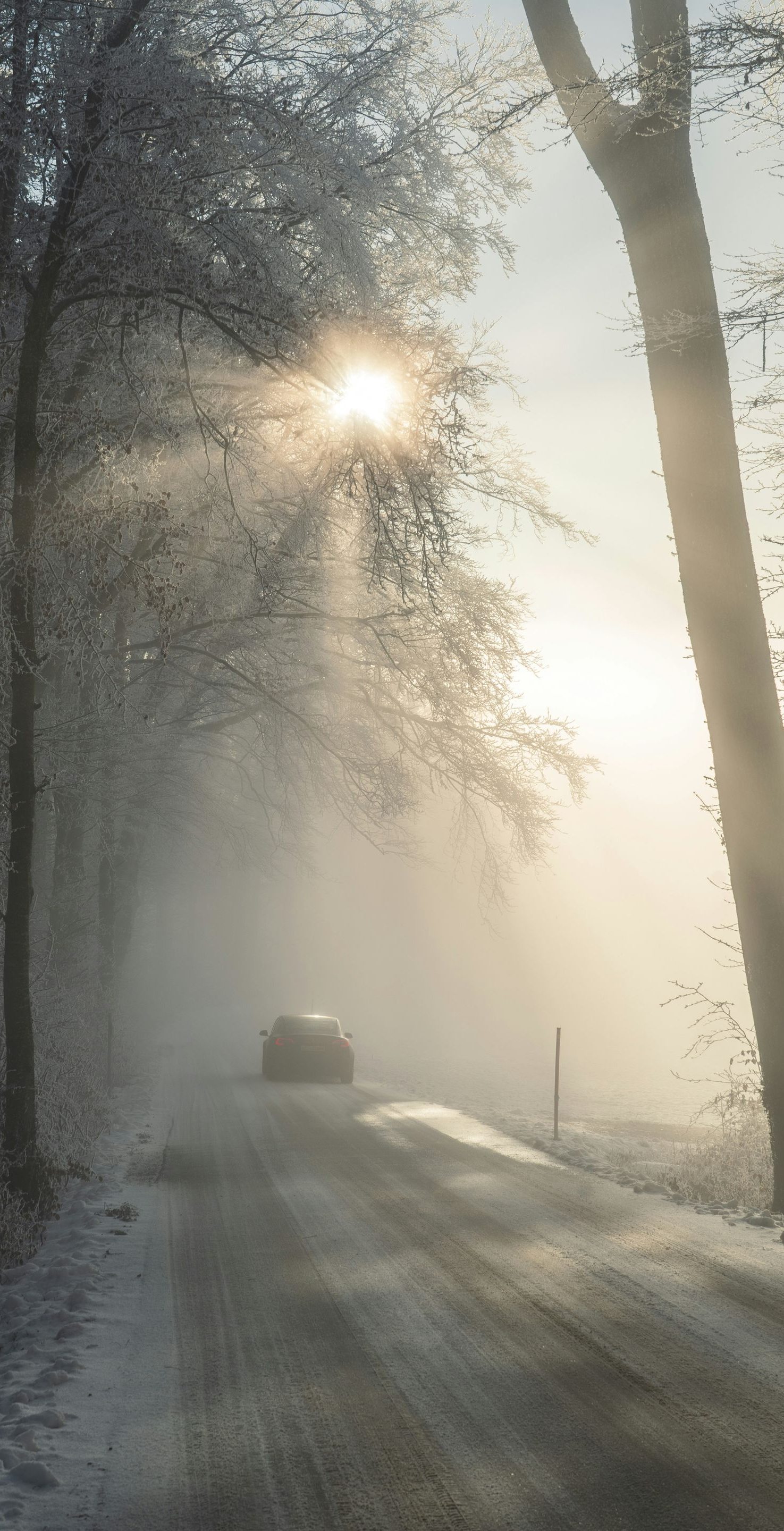
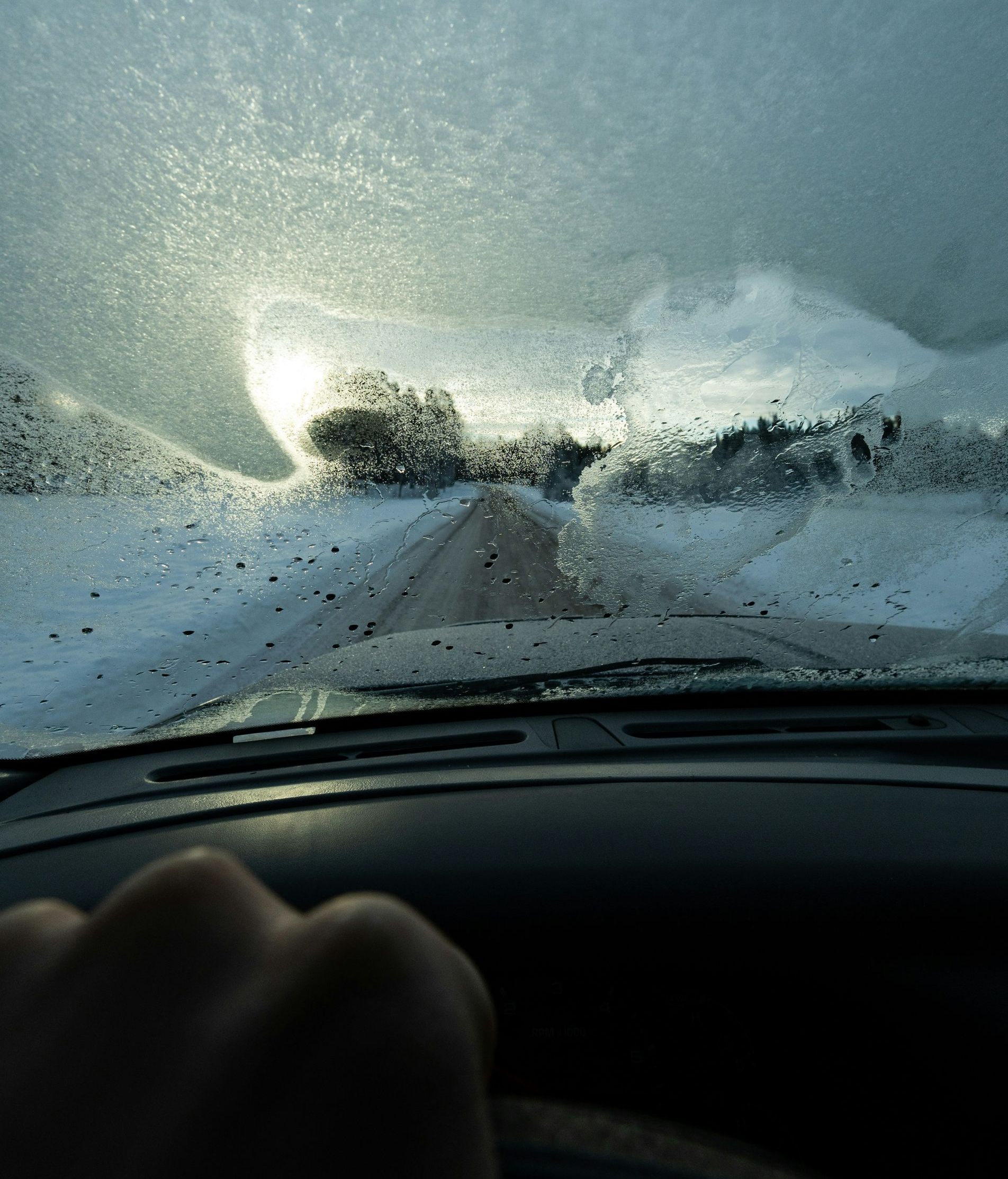
Winter driving presents challenges beyond snow and ice. In many regions, road crews rely heavily on salt and chemical de-icers to improve traction and reduce freezing conditions. While these treatments make roads safer for travel, they can have unintended effects on your vehicle, particularly your tires and wheels. Understanding how road salt impacts your vehicle helps drivers take proactive steps to maintain safety and performance throughout the season.
At Raymond’s Tire Shop, we often see the aftereffects of prolonged exposure to salt and brine solutions once winter begins to fade.
The Purpose of Road Salt
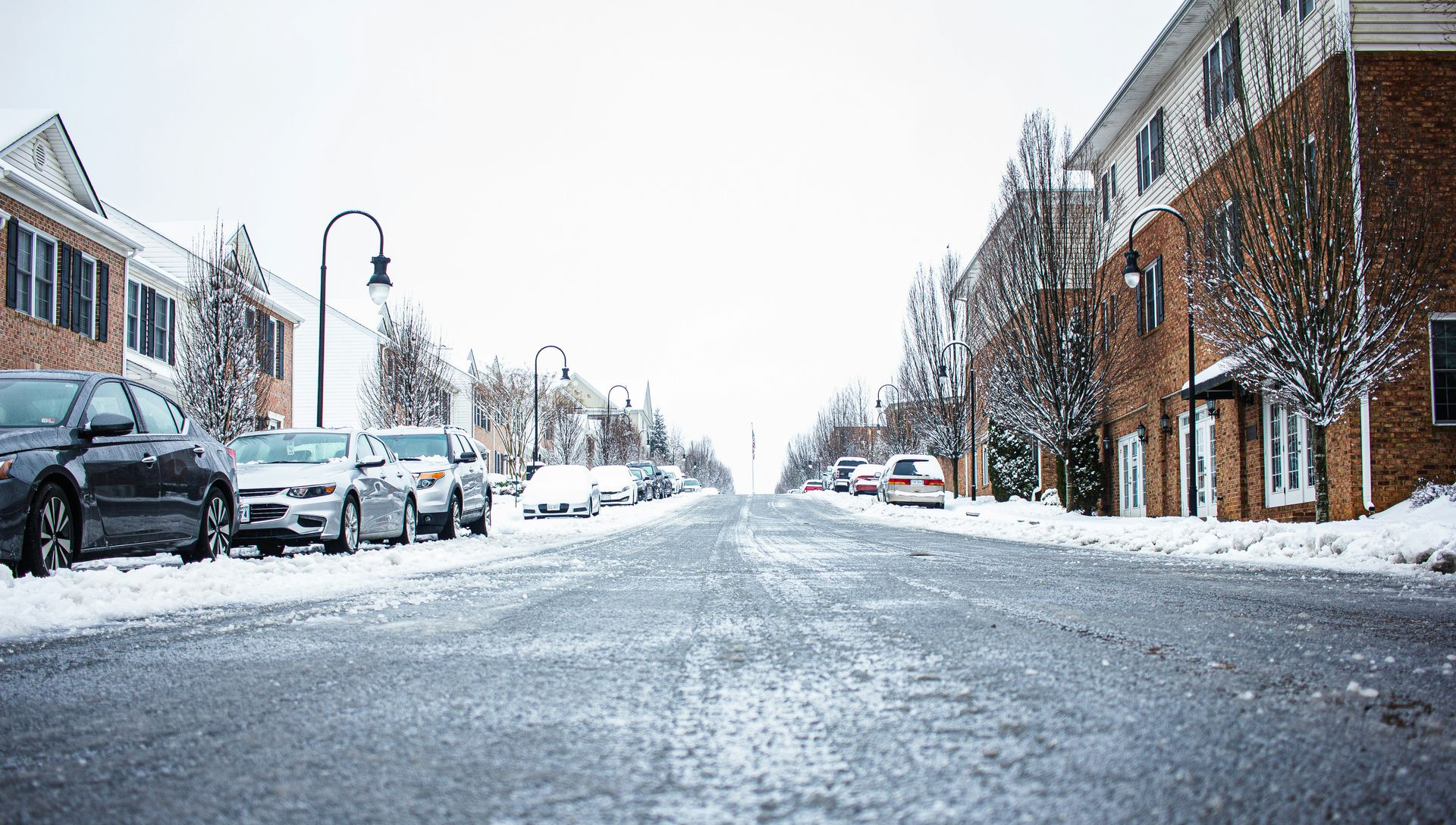
Salt lowers the freezing point of water, preventing ice from forming or helping it melt more quickly. Many municipalities also use liquid brine mixtures that cling to road surfaces before storms. While these materials improve roadway conditions, they create a corrosive environment for vehicles.
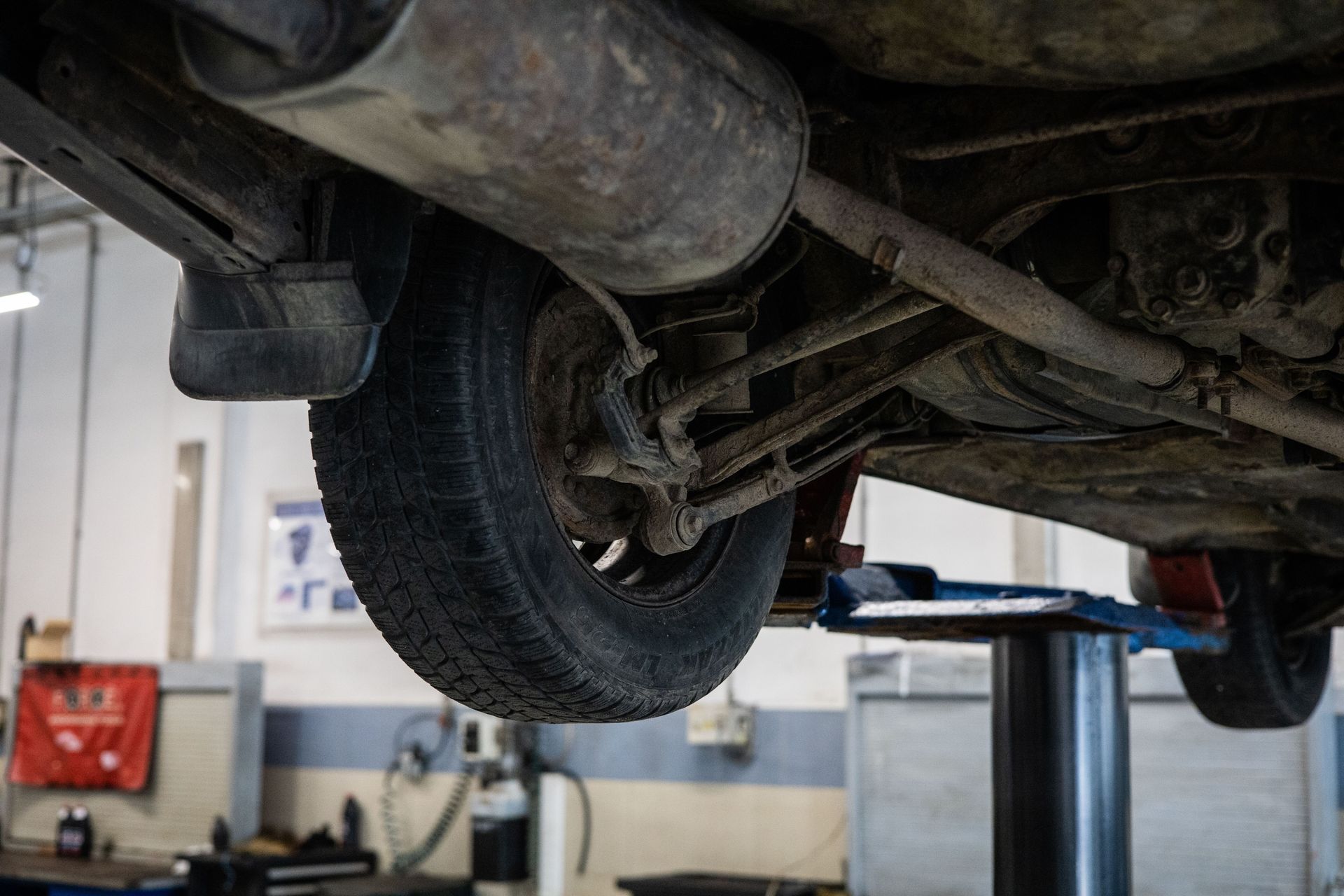
Salt residue is easily kicked up by passing cars, coating tires, wheels, suspension components, and undercarriages. Over time, repeated exposure can accelerate wear.
Corrosion of Wheels and Rims
One of the most noticeable impacts of road salt is corrosion on metal wheels and rims. Steel wheels are particularly vulnerable to rust when protective coatings become chipped or worn. Aluminum alloy wheels are more resistant but are not immune. Salt can penetrate small imperfections and begin oxidizing the metal beneath the surface.
Corroded rims may not just affect appearance. Severe corrosion can compromise the bead seat area where the tire seals against the rim. This can lead to slow air leaks that gradually reduce tire pressure.
Effects on Tire Rubber
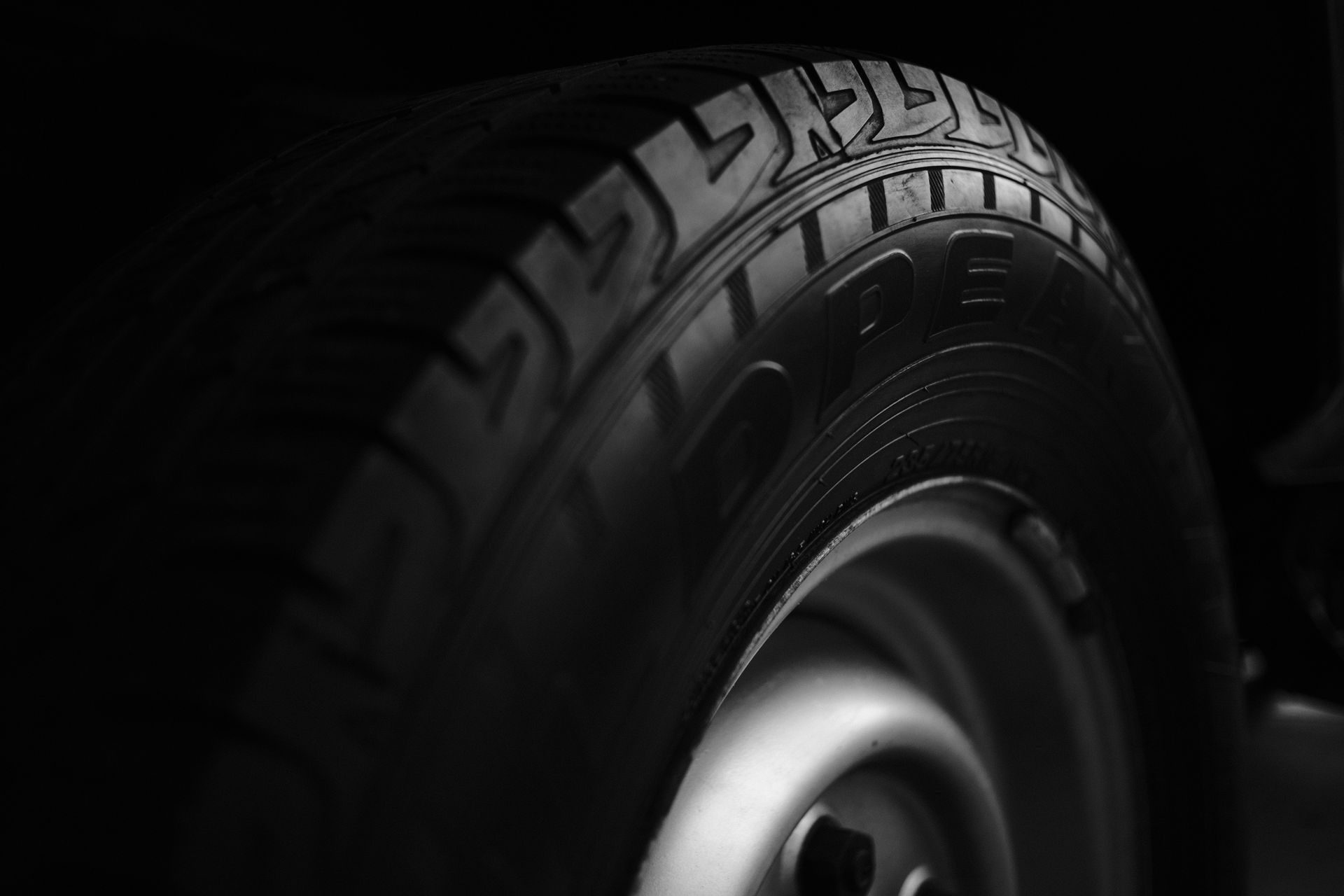
While salt primarily attacks metal components, tire rubber is also exposed to winter chemicals. Cold temperatures already reduce rubber flexibility, and the presence of salt and slush can accelerate surface wear. Constant exposure to moisture and chemicals may contribute to cracking over time, particularly if tires are already aging.
Maintaining proper tire pressure during winter is essential.
Cold air reduces pressure naturally, and corrosion-related leaks may compound the issue. Underinflated tires decrease traction, increase stopping distance, and lead to uneven tread wear.
Hidden Damage After Winter
When spring arrives, many drivers assume that the risk has passed. However, the buildup of salt residue can linger long after snow melts. Even dried salt deposits can continue to attract moisture, sustaining corrosion.
That is why post-winter inspections are important. Checking for rim corrosion, bead damage, and slow leaks can prevent more serious issues later in the year. Catching minor problems early often means simpler, more affordable solutions.
Protecting Your Tires and Wheels
There are several practical steps drivers can take during and after winter:
- Regularly wash your vehicle, including the wheels and undercarriage, to remove salt buildup.
- Monitor tire pressure more frequently in cold weather.
- Inspect wheels for visible rust, pitting, or bubbling finishes.
- Schedule a professional tire inspection once winter conditions subside.
Professional evaluation can identify corrosion that may not be obvious at first glance. Addressing issues early helps extend the life of both tires and wheels.
Safety Comes First
Tires are your vehicle’s only contact with the road. Any factor that affects their integrity deserves attention. Road salt serves an important public safety function, but drivers should be aware of its long-term impact.
At Raymond’s Tire Shop, we provide thorough tire inspections, pressure checks, balancing, and wheel evaluations to help ensure your vehicle remains safe year-round. Winter conditions are demanding, but with proper maintenance, your tires and wheels can withstand the season and continue performing reliably.
If you suspect salt-related damage or have not had your tires inspected since winter began, scheduling an evaluation is a practical step toward maintaining safe driving conditions.