Como o sal de estrada afeta seus pneus e rodas durante o inverno

Conduzir no inverno apresenta desafios que vão além da neve e do gelo. Em muitas regiões, as equipes de manutenção de estradas dependem fortemente do sal e de produtos químicos descongelantes para melhorar a tração e reduzir as condições de congelamento. Embora esses tratamentos tornem as estradas mais seguras, eles podem causar efeitos indesejados em seu veículo, especialmente nos pneus e rodas. Compreender como o sal de estrada impacta seu veículo ajuda os motoristas a tomar medidas proativas para manter a segurança e o desempenho durante toda a temporada.


Na Raymond’s Tire Shop, frequentemente observamos os efeitos da exposição prolongada ao sal e às soluções de salmoura quando o inverno começa a passar.


O propósito do sal de estrada

O sal reduz o ponto de congelamento da água, impedindo a formação de gelo ou ajudando-o a derreter mais rapidamente. Muitas prefeituras também usam misturas líquidas de salmoura que aderem à superfície das estradas antes das tempestades. Embora esses materiais melhorem as condições das vias, eles criam um ambiente corrosivo para os veículos.


O resíduo de sal é facilmente levantado pelos carros em circulação, cobrindo pneus, rodas, componentes da suspensão e o chassi. Com o tempo, a exposição repetida pode acelerar o desgaste.
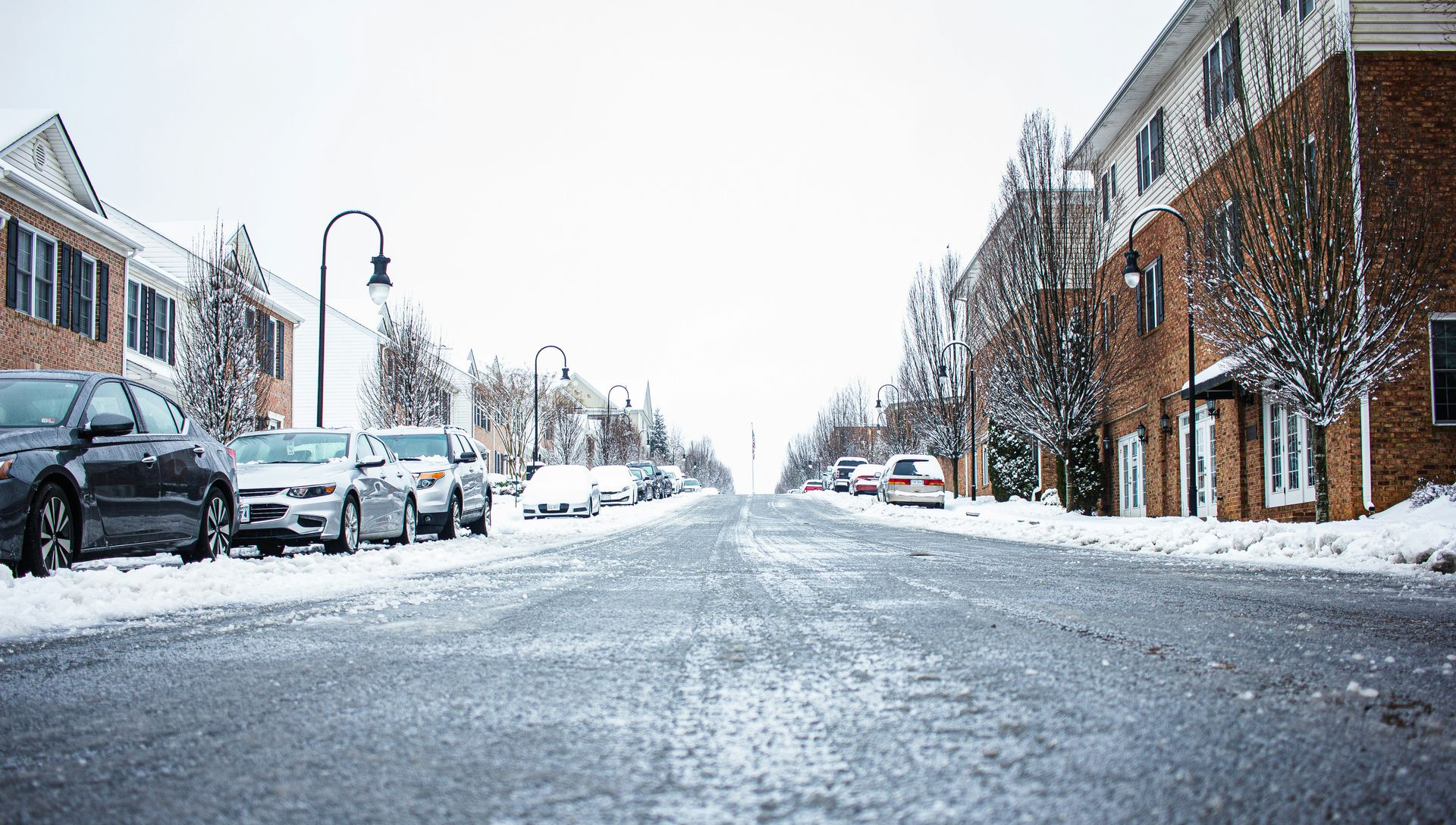
Snowy street with parked cars and buildings, under overcast sky.

Corrosão de rodas e aros

Um dos impactos mais visíveis do sal de estrada é a corrosão em rodas e aros metálicos. As rodas de aço são particularmente vulneráveis à ferrugem quando os revestimentos protetores estão lascados ou desgastados. As rodas de liga de alumínio são mais resistentes, mas não são imunes. O sal pode penetrar pequenas imperfeições e começar a oxidar o metal abaixo da superfície.


Aros corroídos não afetam apenas a aparência. A corrosão severa pode comprometer a área do assento do talão, onde o pneu veda contra o aro. Isso pode causar vazamentos lentos de ar, reduzindo gradualmente a pressão dos pneus.


Efeitos na borracha dos pneus

Embora o sal ataque principalmente componentes metálicos, a borracha dos pneus também é exposta aos produtos químicos do inverno. As baixas temperaturas já reduzem a flexibilidade da borracha, e a presença de sal e neve derretida pode acelerar o desgaste da superfície. A exposição constante à umidade e aos produtos químicos pode contribuir para o surgimento de rachaduras com o tempo, especialmente se os pneus já estiverem envelhecendo.


Manter a pressão adequada dos pneus durante o inverno é essencial. O ar frio reduz naturalmente a pressão, e vazamentos relacionados à corrosão podem agravar o problema. Pneus desinflados diminuem a tração, aumentam a distância de frenagem e causam desgaste irregular da banda de rodagem.

Snowy road through a winter landscape with frosted trees and a clear blue sky.

Danos ocultos após o inverno

Quando a primavera chega, muitos motoristas presumem que o risco passou. No entanto, o acúmulo de resíduos de sal pode permanecer muito tempo depois que a neve derrete. Mesmo depósitos de sal secos podem continuar a atrair umidade, mantendo a corrosão ativa.


Por isso, as inspeções pós-inverno são importantes. Verificar a corrosão nos aros, danos no talão e vazamentos lentos pode prevenir problemas mais graves ao longo do ano. Detectar pequenos problemas cedo geralmente significa soluções mais simples e econômicas.
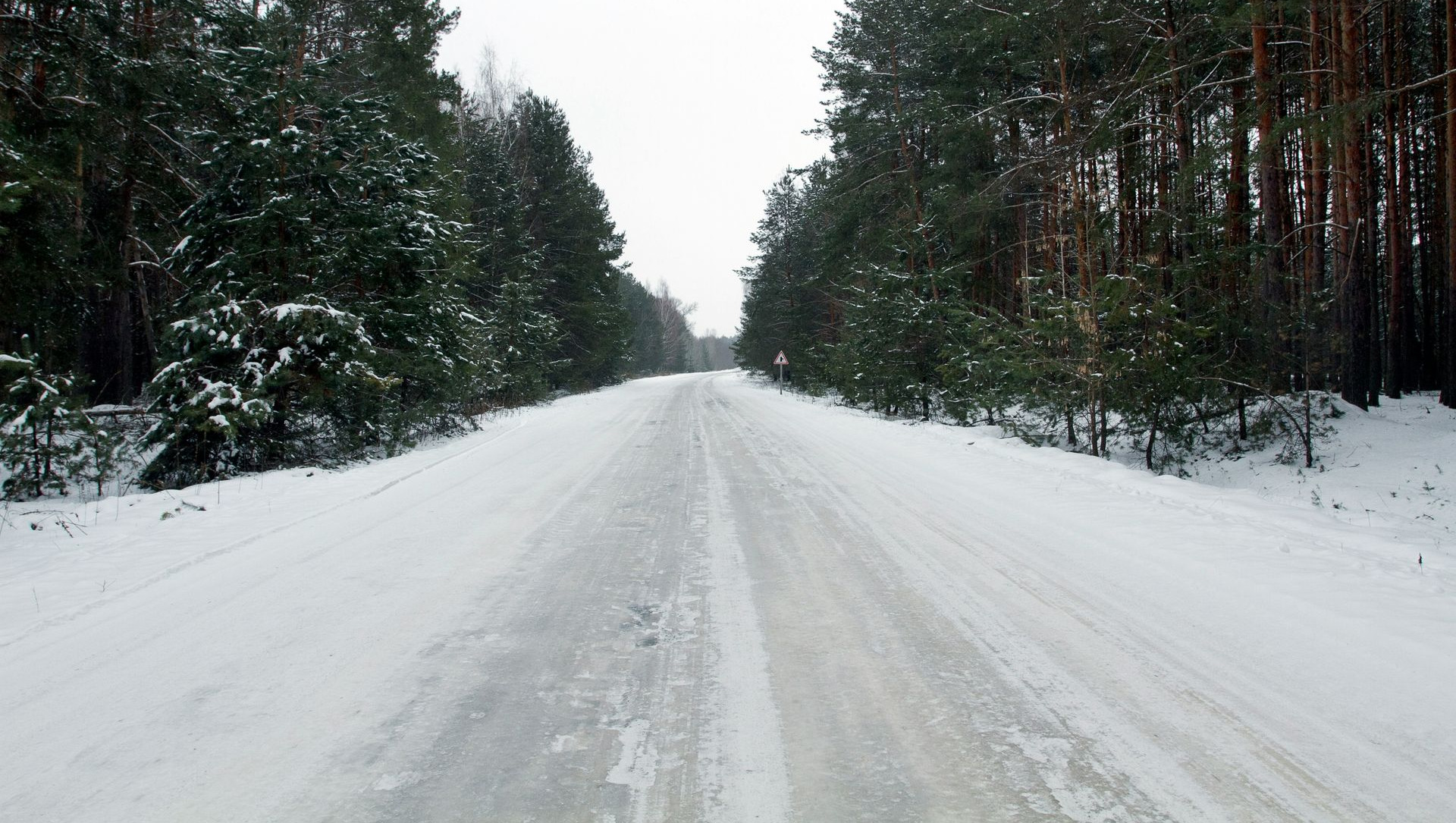
Snow-covered road through a forest of evergreens on an overcast day.

Protegendo seus pneus e rodas

Existem várias medidas práticas que os motoristas podem tomar durante e após o inverno:

  • Lave regularmente seu veículo, incluindo rodas e chassi, para remover o acúmulo de sal.
  • Verifique a pressão dos pneus com mais frequência em clima frio.
  • Inspecione as rodas quanto a ferrugem visível, cavidades ou bolhas no acabamento.
  • Agende uma inspeção profissional dos pneus após o fim das condições invernais.


Uma avaliação profissional pode identificar corrosão que não é evidente à primeira vista. Resolver problemas precocemente ajuda a prolongar a vida útil tanto dos pneus quanto das rodas.
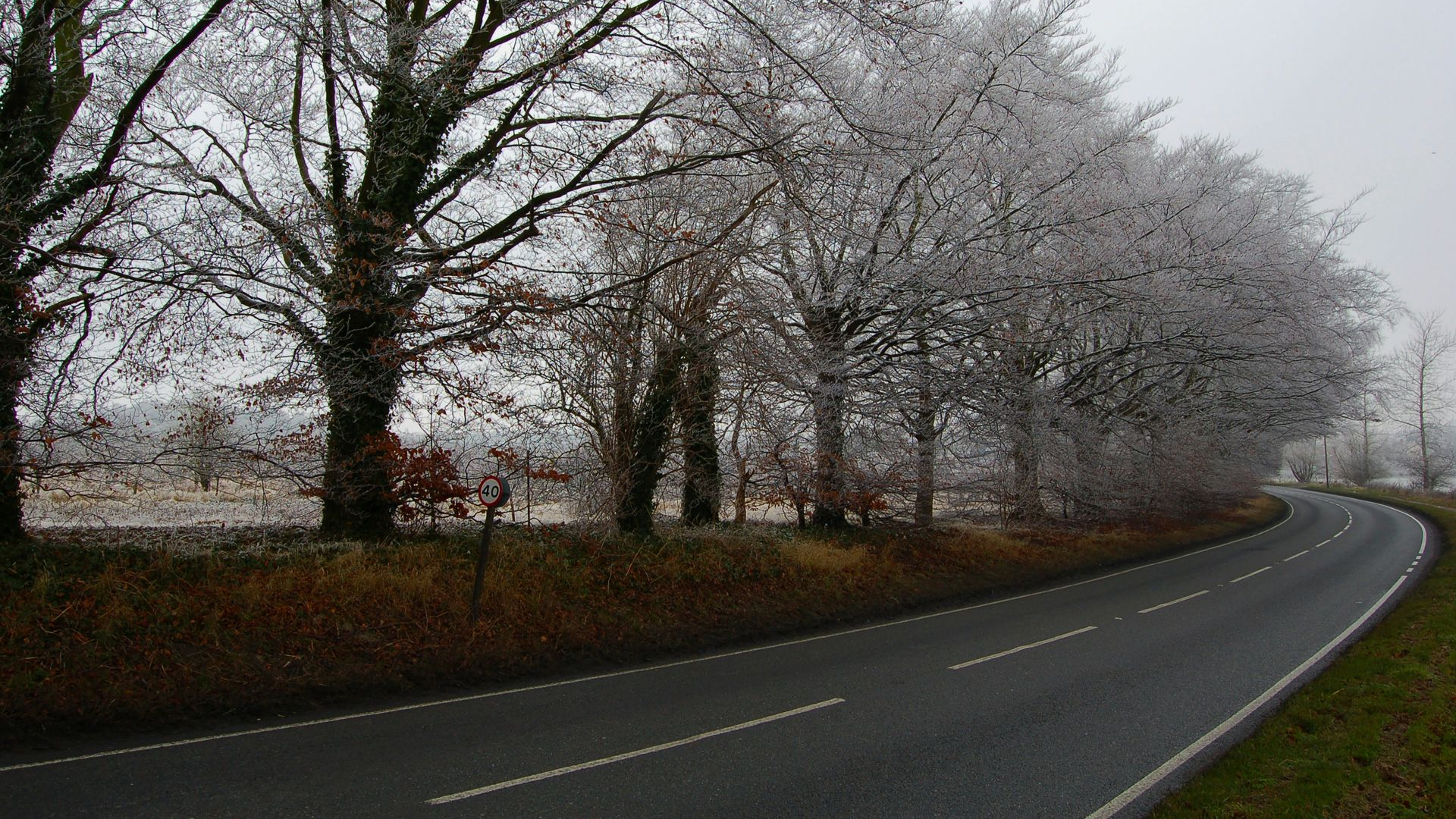
A road curves alongside a line of trees with frosted branches, on a gray, overcast day.

A segurança vem primeiro

Os pneus são o único ponto de contato do seu veículo com a estrada. Qualquer fator que afete sua integridade merece atenção. O sal de estrada cumpre uma função importante para a segurança pública, mas os motoristas devem estar cientes de seu impacto a longo prazo.


Na Raymond’s Tire Shop, oferecemos inspeções completas de pneus, verificações de pressão, balanceamento e avaliações de rodas para garantir que seu veículo permaneça seguro durante todo o ano. As condições de inverno são exigentes, mas com manutenção adequada, seus pneus e rodas podem suportar a temporada e continuar funcionando de forma confiável.


Se você suspeita de danos relacionados ao sal ou não inspecionou seus pneus desde o início do inverno, agendar uma avaliação é um passo prático para manter condições de condução seguras.


Road through snow-covered trees under a light blue sky.
Sunlight streams through trees onto a foggy road with a car. Winter scene.
Road covered in snow with yellow lines, footprints in the snow.
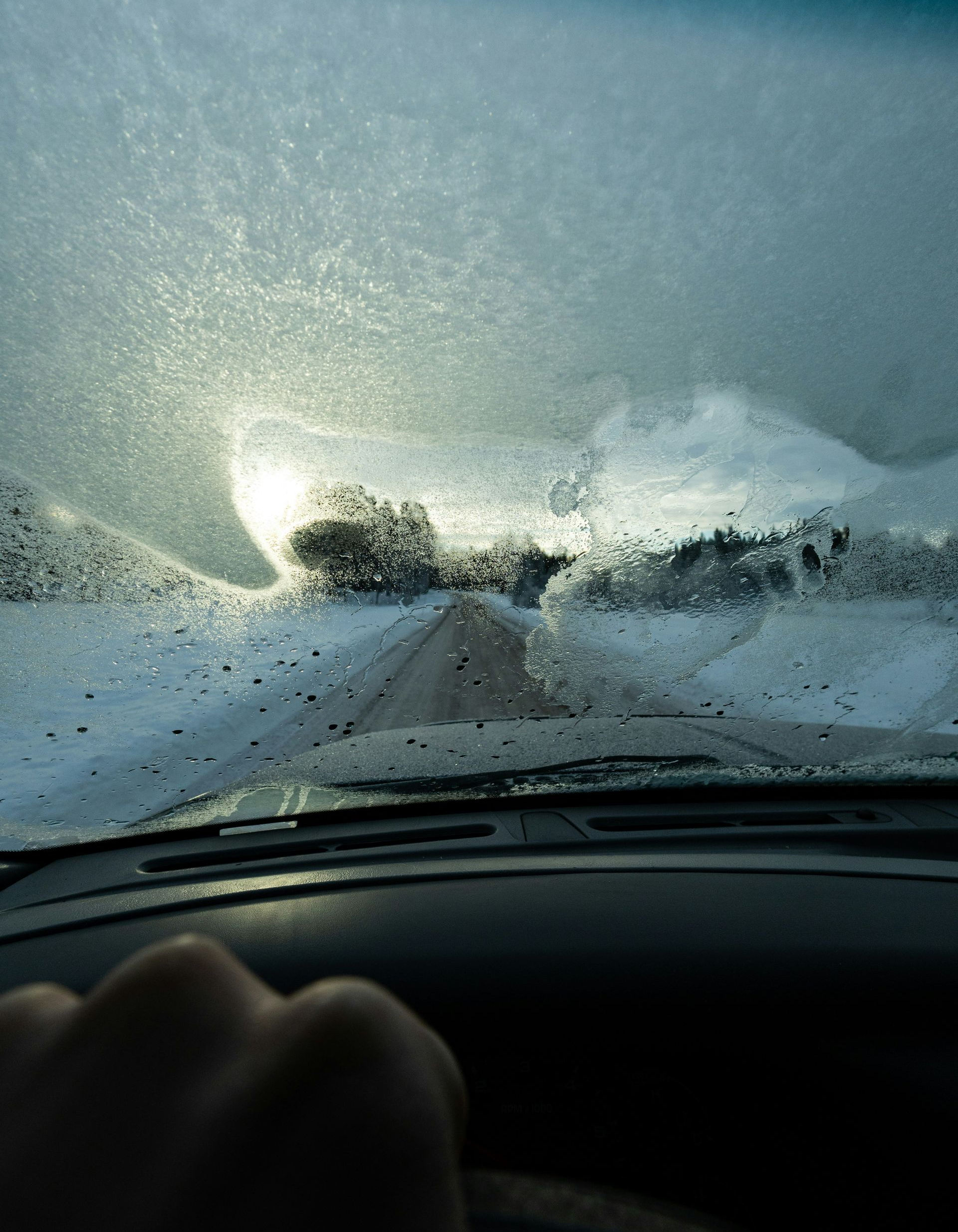
View from a car windshield covered in ice and frost, with a hand on the steering wheel, driving on a snowy road.
Asphalt road through snow-covered trees, under overcast sky.
October 7, 2026
Tire tread gets a lot of attention, but tread depth is not the only factor that matters. Tires also age . Even when a tire still has visible tread, the rubber compounds can gradually change over time because of heat, sunlight, weather exposure, and normal use. That is why knowing how to read the DOT date code can help drivers understand how old a tire really is.  The date code does not tell you everything about tire condition, but it provides an important piece of the overall picture.
October 1, 2026
A hard pothole impact can do more than damage a tire. The force can also bend a wheel, especially if the pothole is deep, the vehicle is moving quickly, or the tire has a lower-profile sidewall with less cushioning between the road and rim. Sometimes the damage is obvious. In other cases, the wheel may look normal but cause vibration, air loss, or handling problems.  Knowing what to watch for after a pothole strike can help drivers catch wheel damage before it creates additional tire or suspension problems.
September 23, 2026
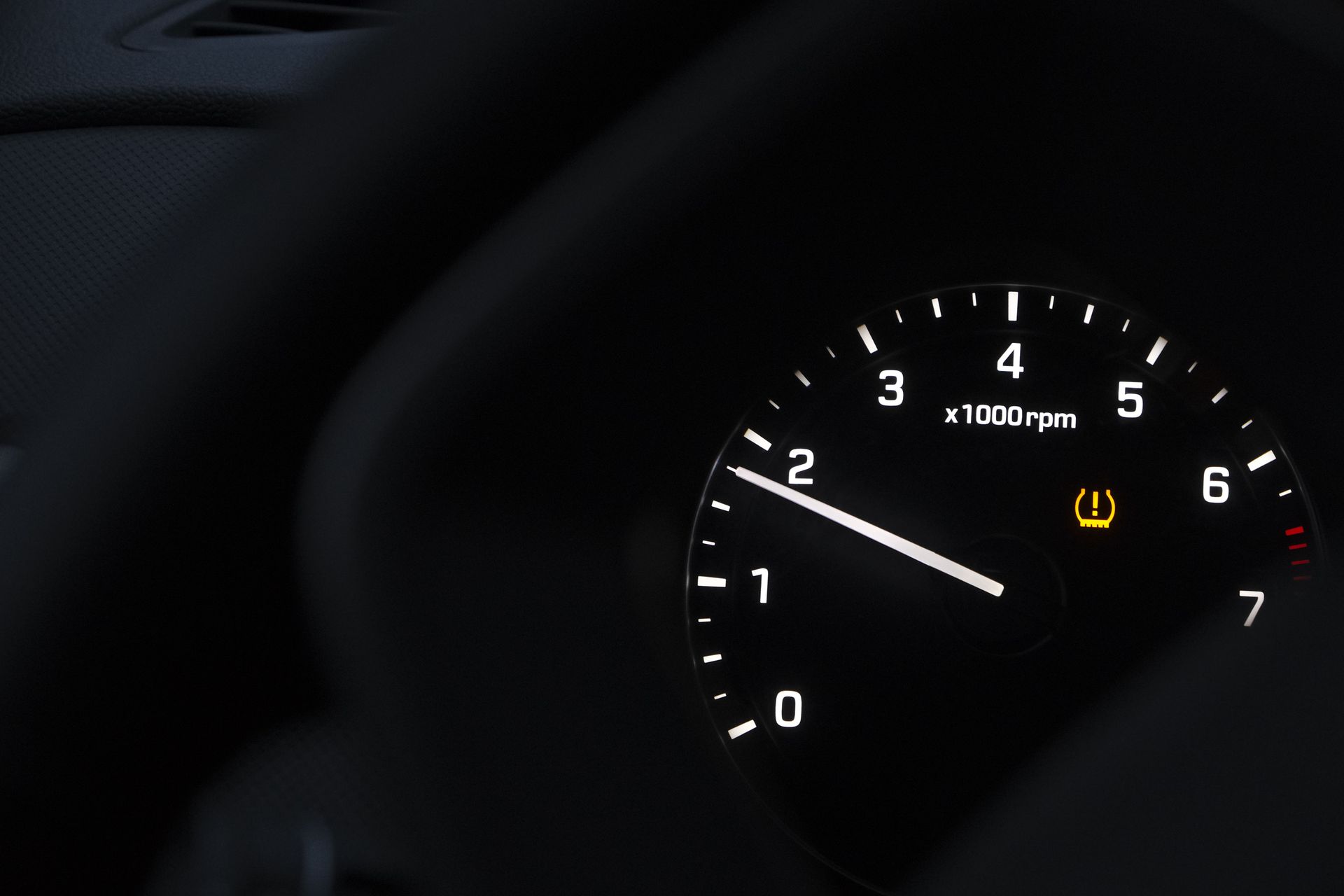
Most drivers are familiar with the tire pressure monitoring system , or TPMS, warning light. When it stays on steadily, it usually means one or more tires may be underinflated. A flashing TPMS light often means something different. Instead of simply warning about low tire pressure, a flashing light can indicate a problem with the monitoring system itself. That could involve a sensor, sensor battery, communication issue, or another TPMS-related fault.  Knowing the difference can help drivers avoid assuming that adding air will automatically solve the problem.
September 22, 2026
Tread depth is one of the first things drivers look at when deciding whether a tire still has life left. Deep grooves can make a tire appear healthy, especially if the vehicle is not driven very often. But tread is only part of the picture. Tires age even when they are not being used heavily. Over time, rubber compounds can harden, dry out, and become less flexible. That means an older tire may still have plenty of tread while no longer performing the way it did when it was newer. Rubber Changes With Age Tires are constantly exposed to oxygen, heat, sunlight, moisture, and changing temperatures. Those conditions gradually affect the rubber. As a tire ages, the material can lose some of its elasticity. That may reduce its ability to flex properly as it rolls and responds to the road. A tire that looks acceptable at a quick glance may therefore be significantly older than its appearance suggests. This is especially important for vehicles that accumulate very few miles each year.
September 11, 2026
A flat tire does not always mean the tire has to be replaced. In many cases, a small puncture can be repaired safely and returned to service. The key is where the puncture occurred, how large it is, and whether the tire suffered additional damage while losing air. That is why a professional inspection matters. Two punctures that lo ok similar from the outside may require completely different solutions once the tire is removed and examined internally. Location Matters Most One of the first things a technician looks at is where the puncture is located. Damage in the central tread area is often the best candidate for repair. This part of the tire is designed to handle contact with the road and can sometimes be repaired when the puncture is small and otherwise straightforward. Punctures near the shoulder or sidewall are much more concerning.  These areas flex significantly while the tire is moving and cannot usually be repaired safely using standard puncture-repair methods. If a nail, screw, or other object damages the sidewall or outer shoulder, replacement is often the safer option.
September 6, 2026
A wheel alignment can correct important steering and tire-angle settings, but the alignment itself depends on the suspension being in good mechanical condition. If ball joints, tie rods, control arm bushings, wheel bearings, or other components are worn, the wheels may not stay in the position the technician sets.  That is why some vehicles continue pulling , wearing tires unevenly, or developing an off-center steering wheel even after an alignment. In those cases, the problem may not be the alignment machine or the adjustment. It may be worn suspension or steering components underneath the vehicle.