How Suspension Components Affect Tire Wear
When drivers think about tire wear, they often focus on tread depth, tire pressure, or wheel alignments. While these factors are certainly important, there is another part of the vehicle that plays a major role in how long tires last: the suspension system.
Your suspension is responsible for much more than providing a comfortable ride. It helps keep the tires in proper contact with the road, supports vehicle stability, and distributes weight as you accelerate, brake, and turn. When suspension components begin to wear, your tires often show the effects long before you notice a major change in how your vehicle drives.
Understanding this relationship can help drivers recognize the importance of regular vehicle inspections and preventative maintenance.
What Does the Suspension System Do?
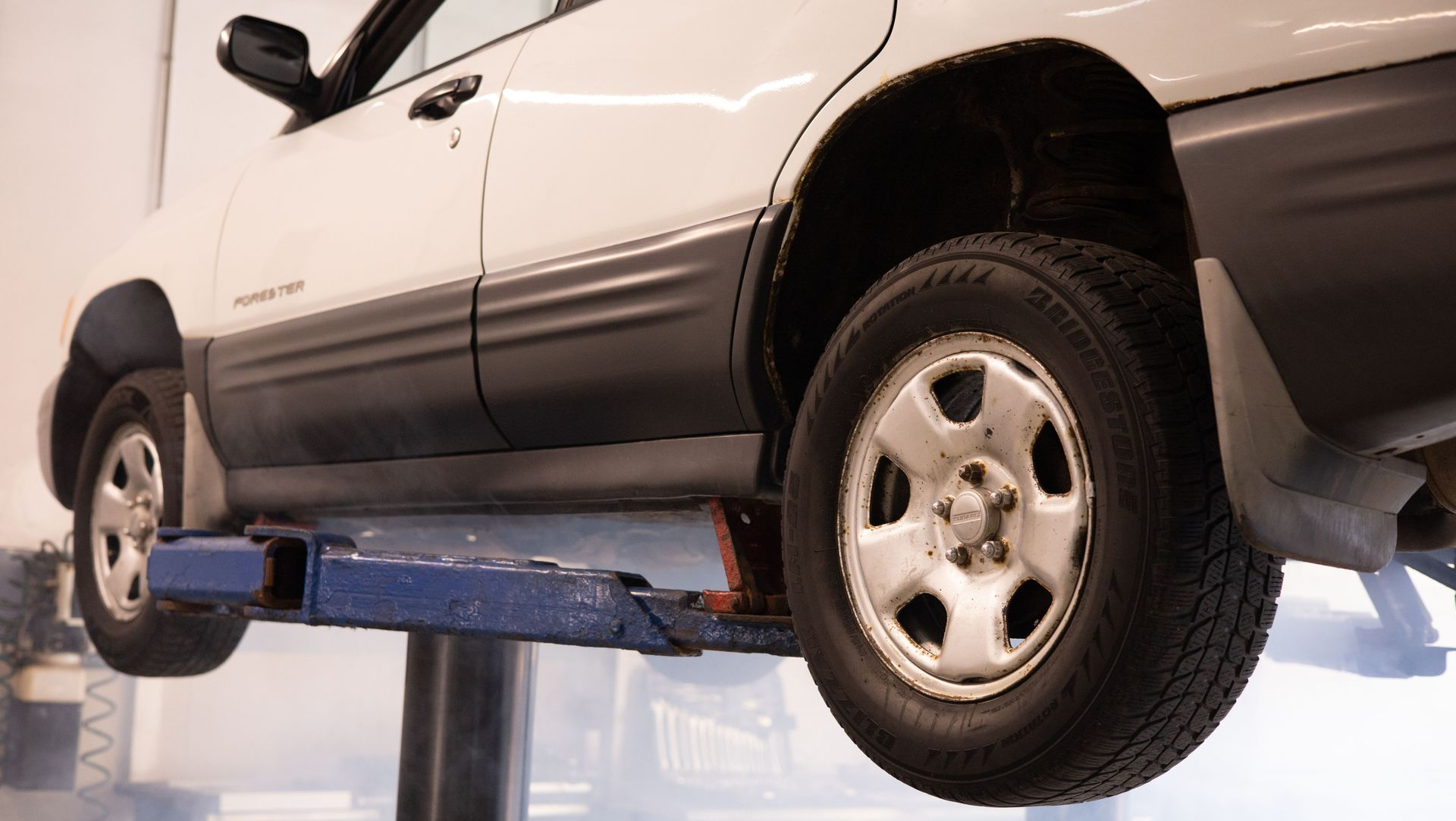
A vehicle’s suspension is made up of several components that work together to support handling and ride quality.
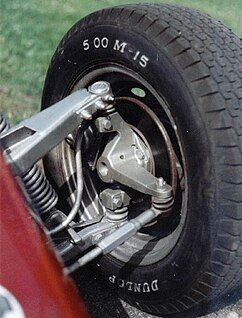
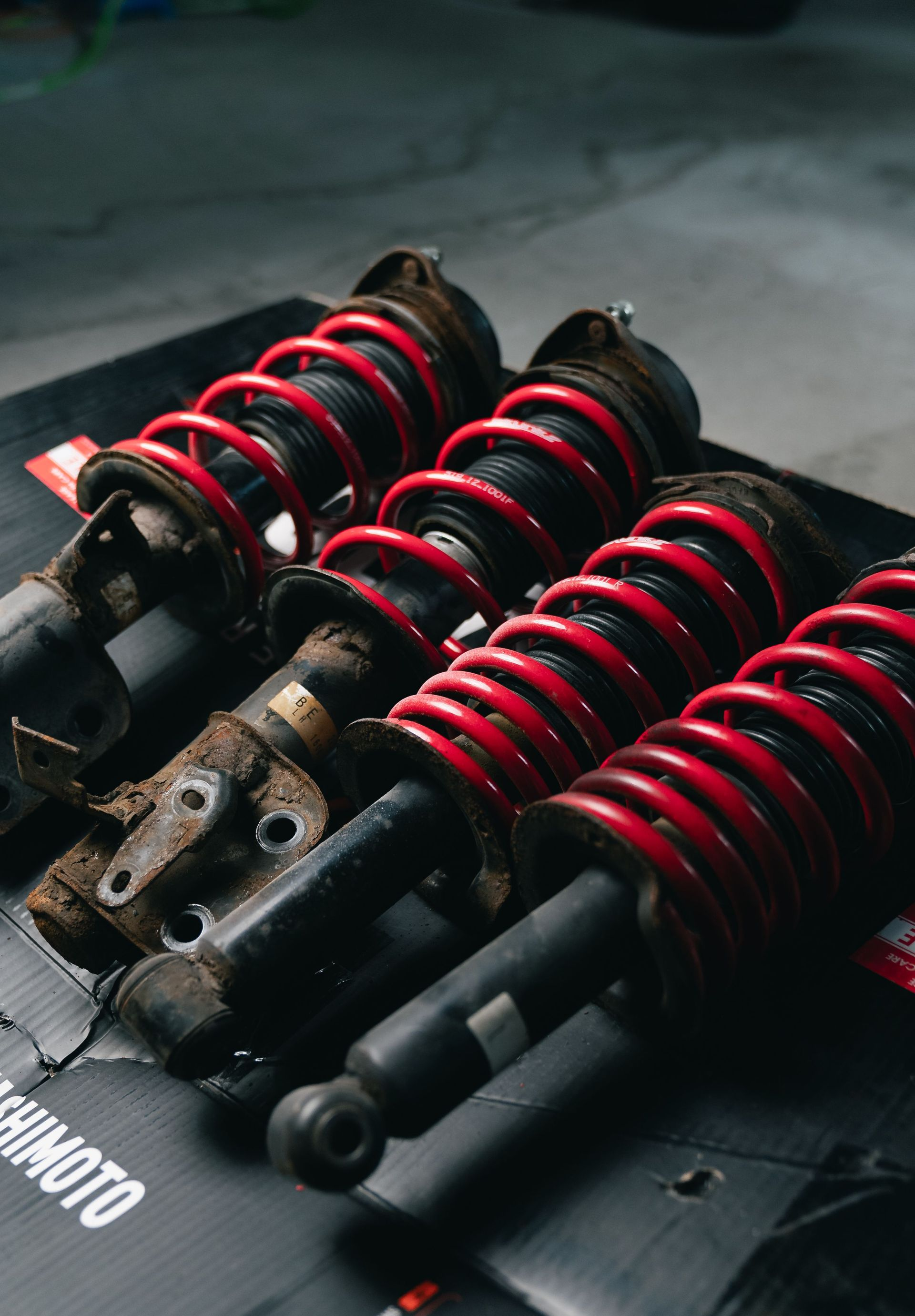
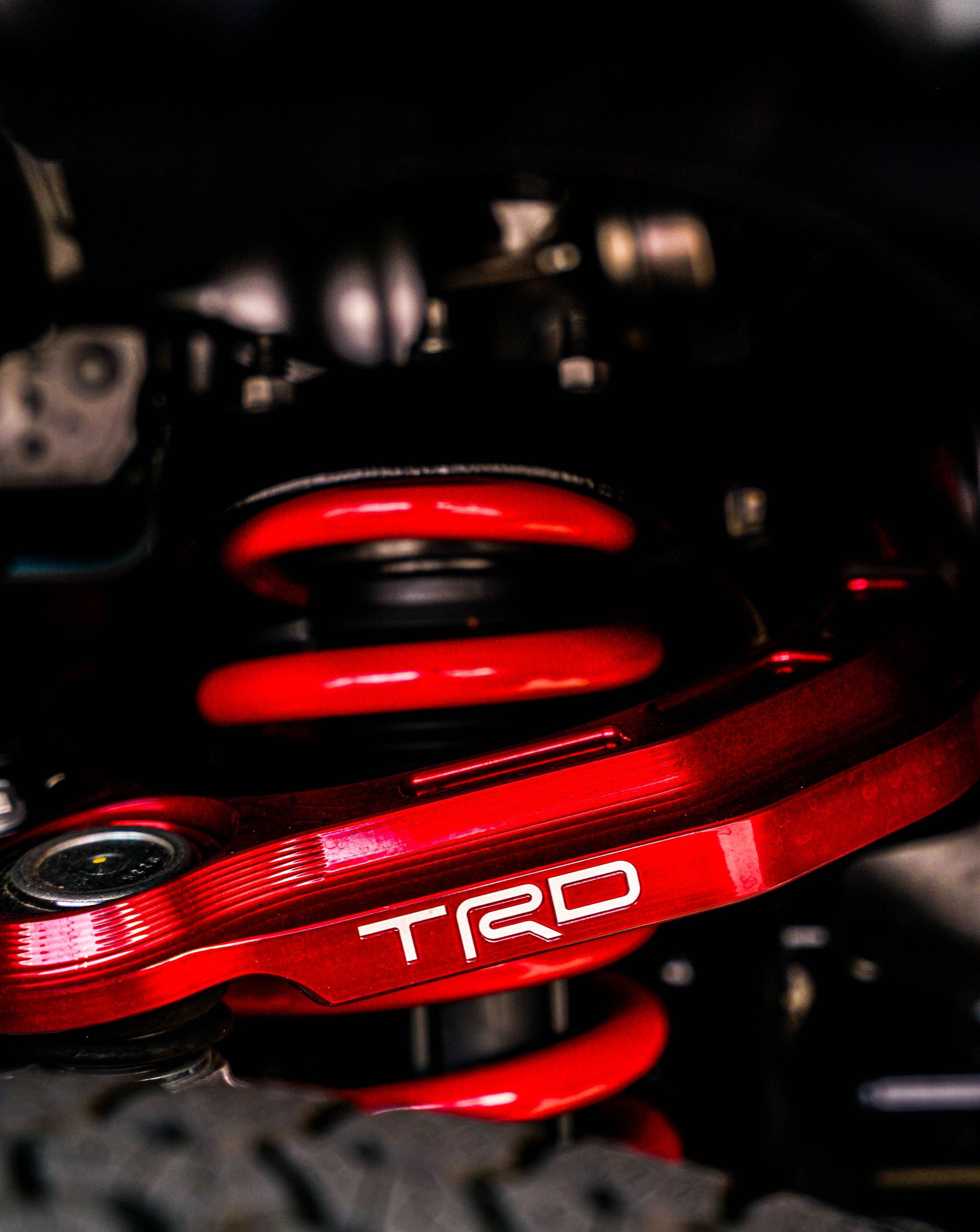
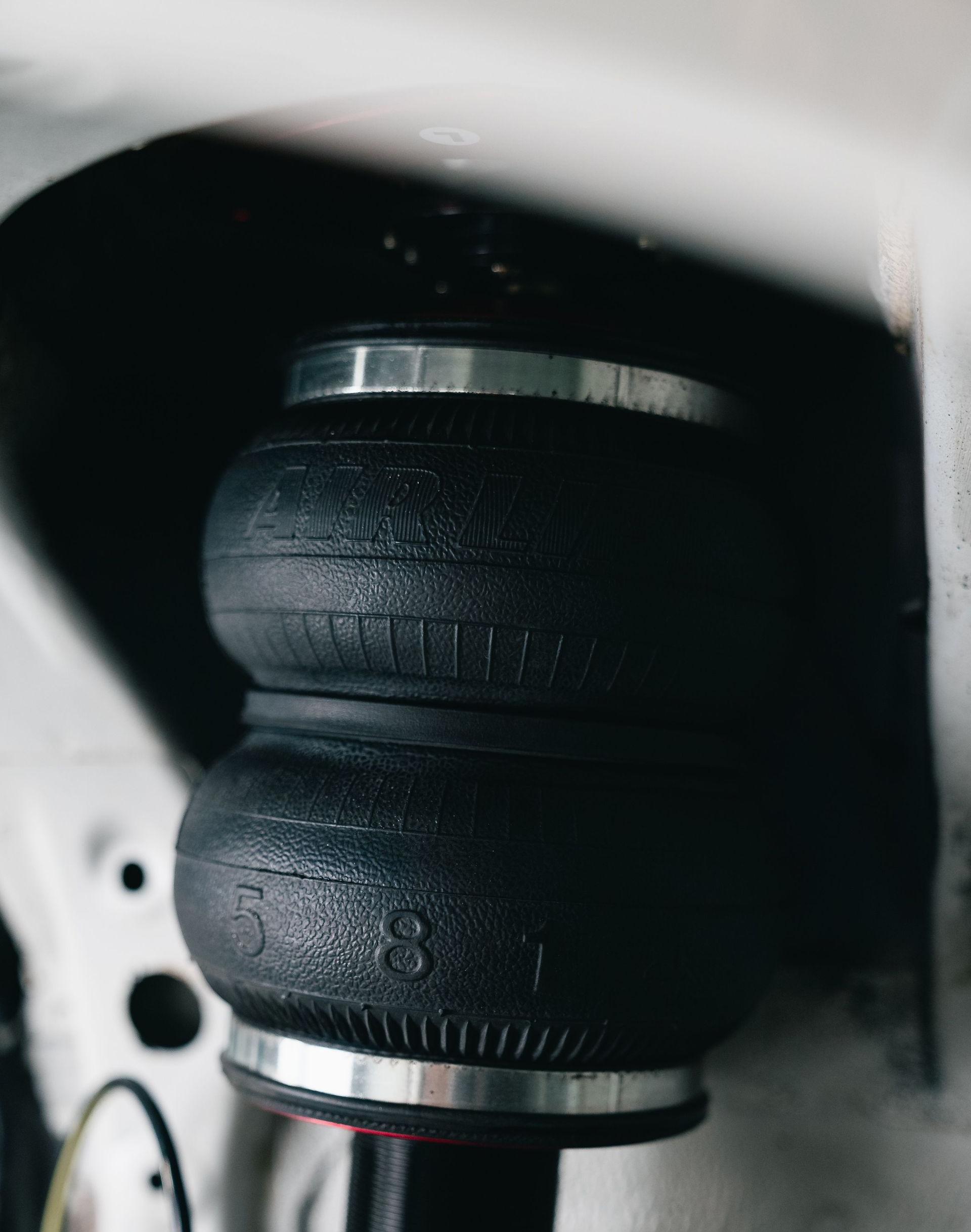
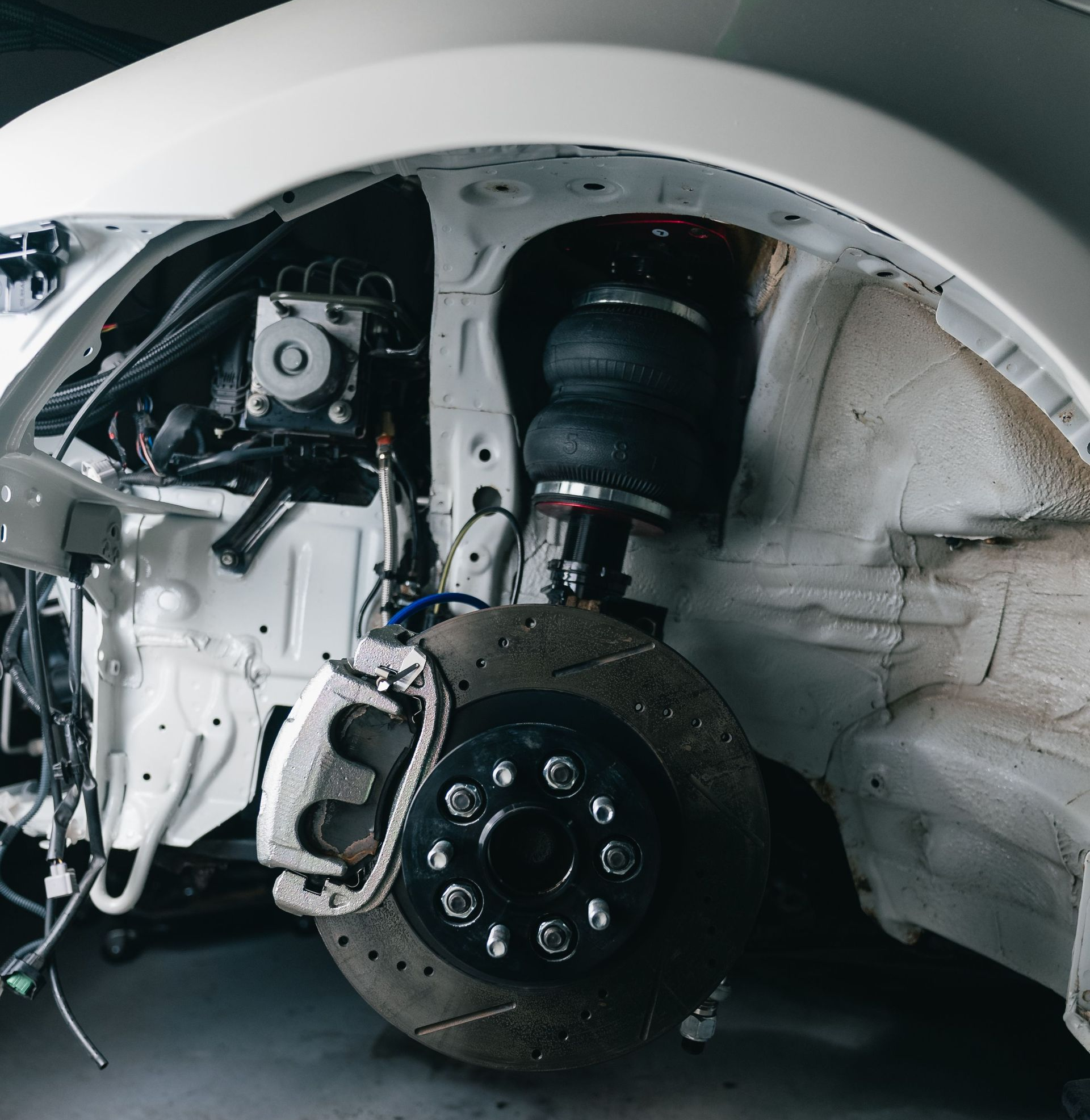
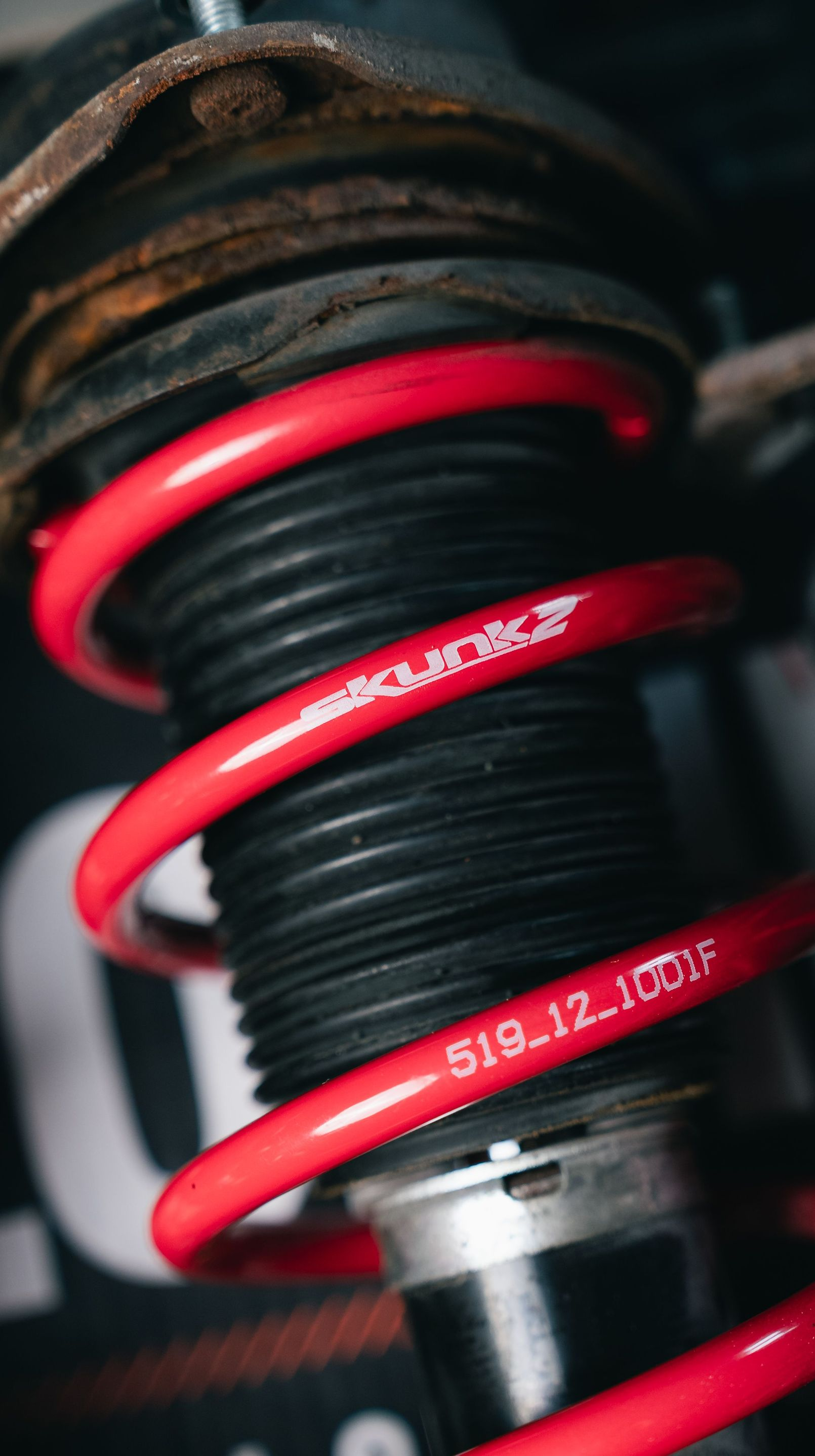
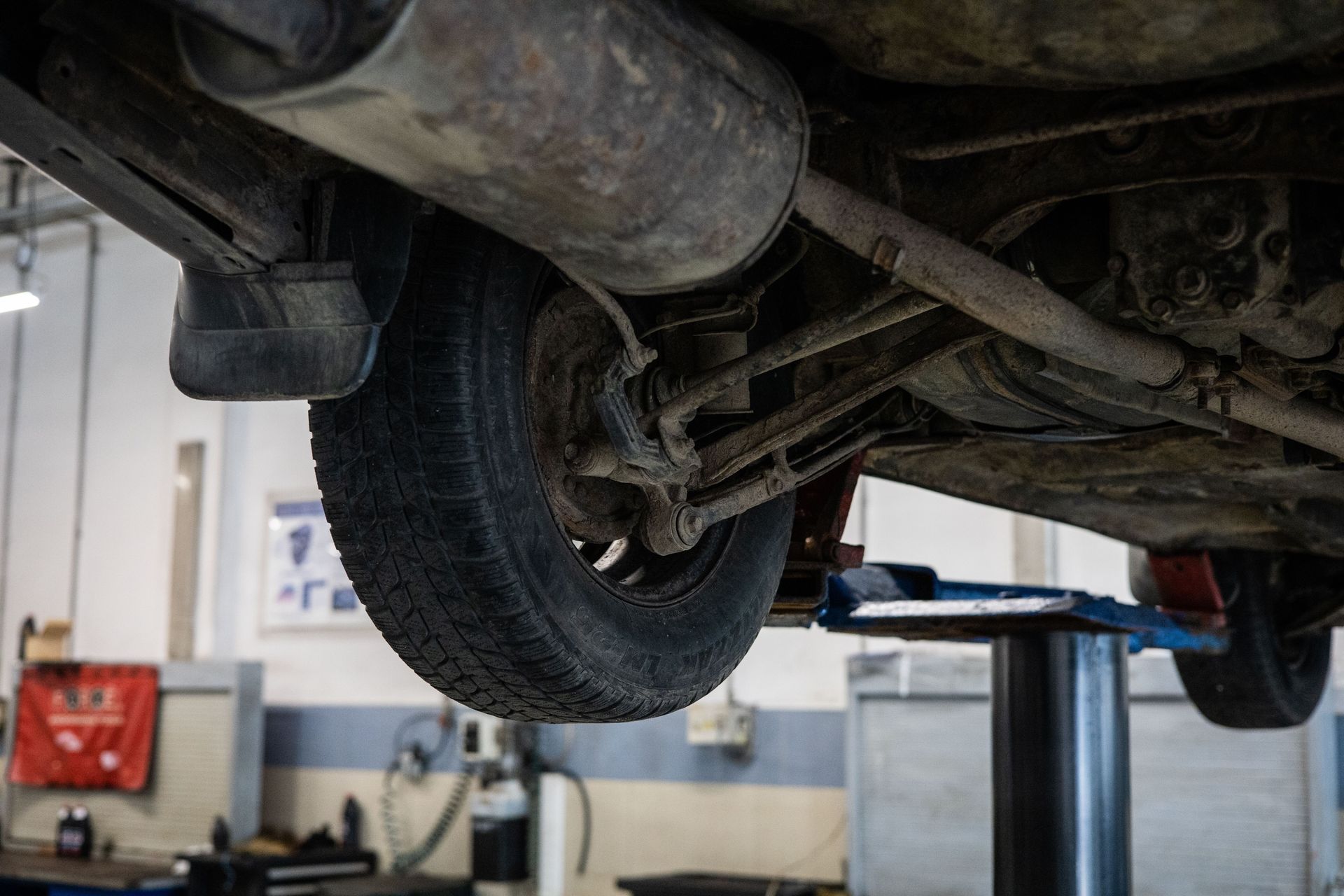
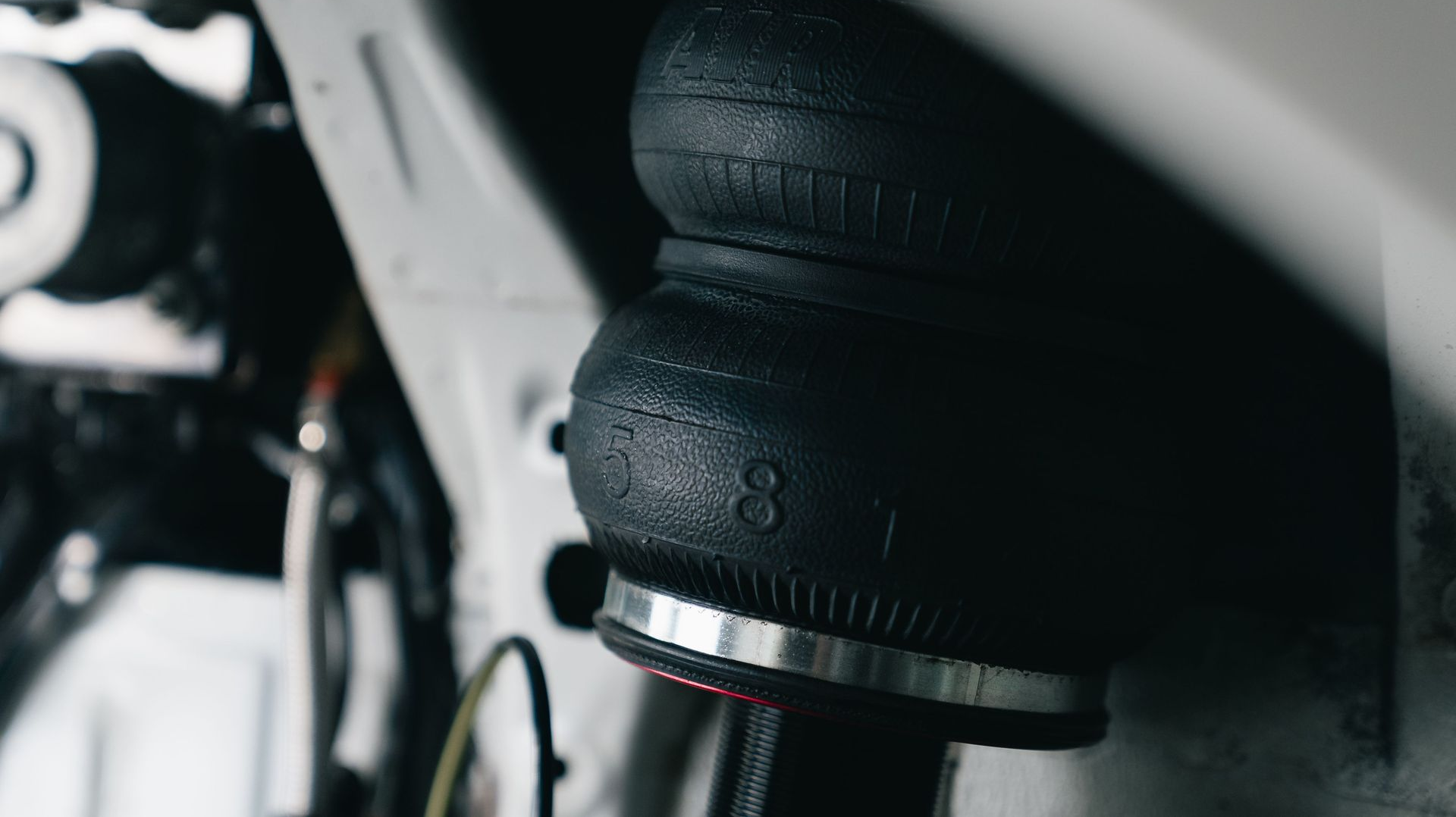
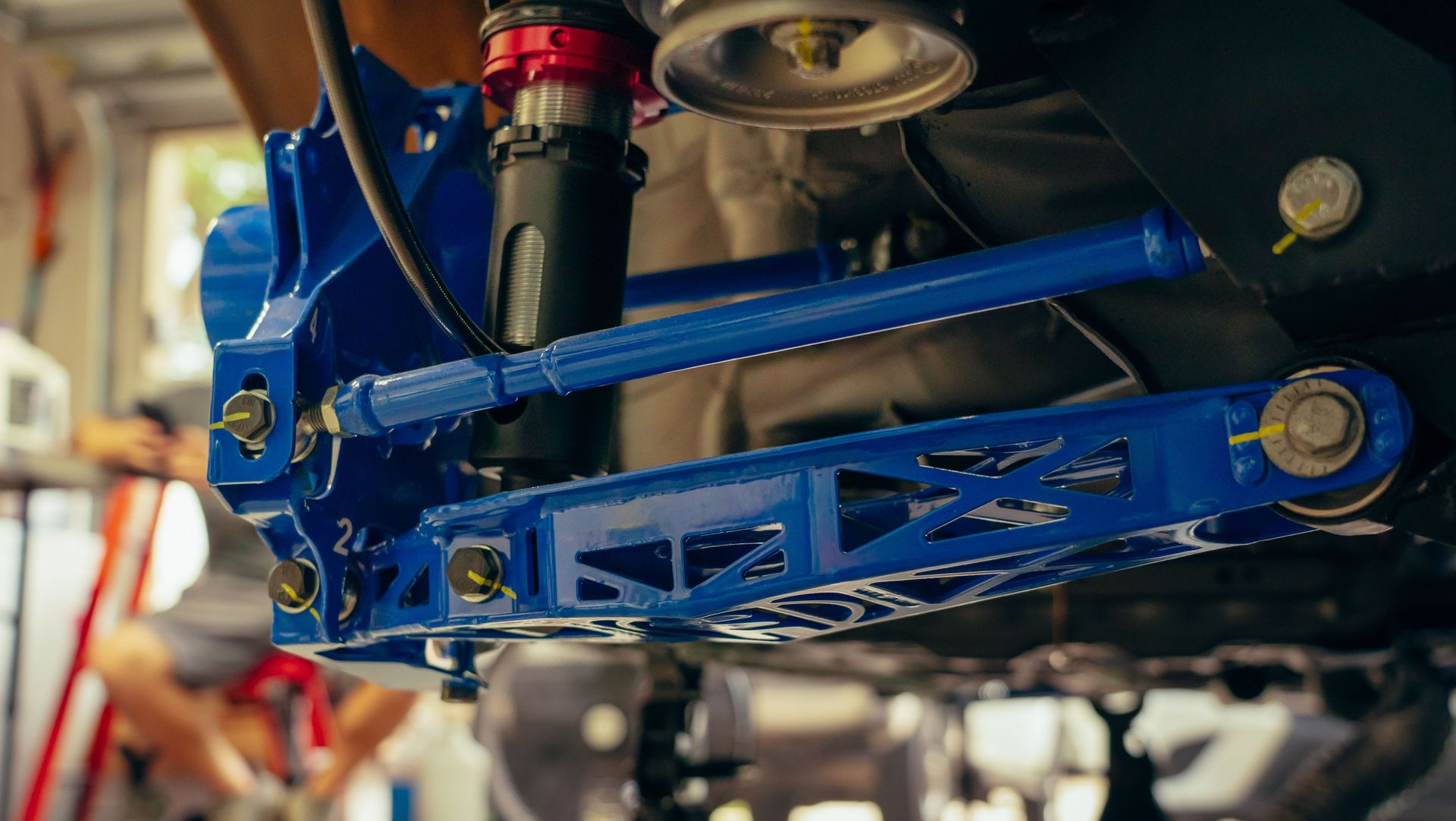
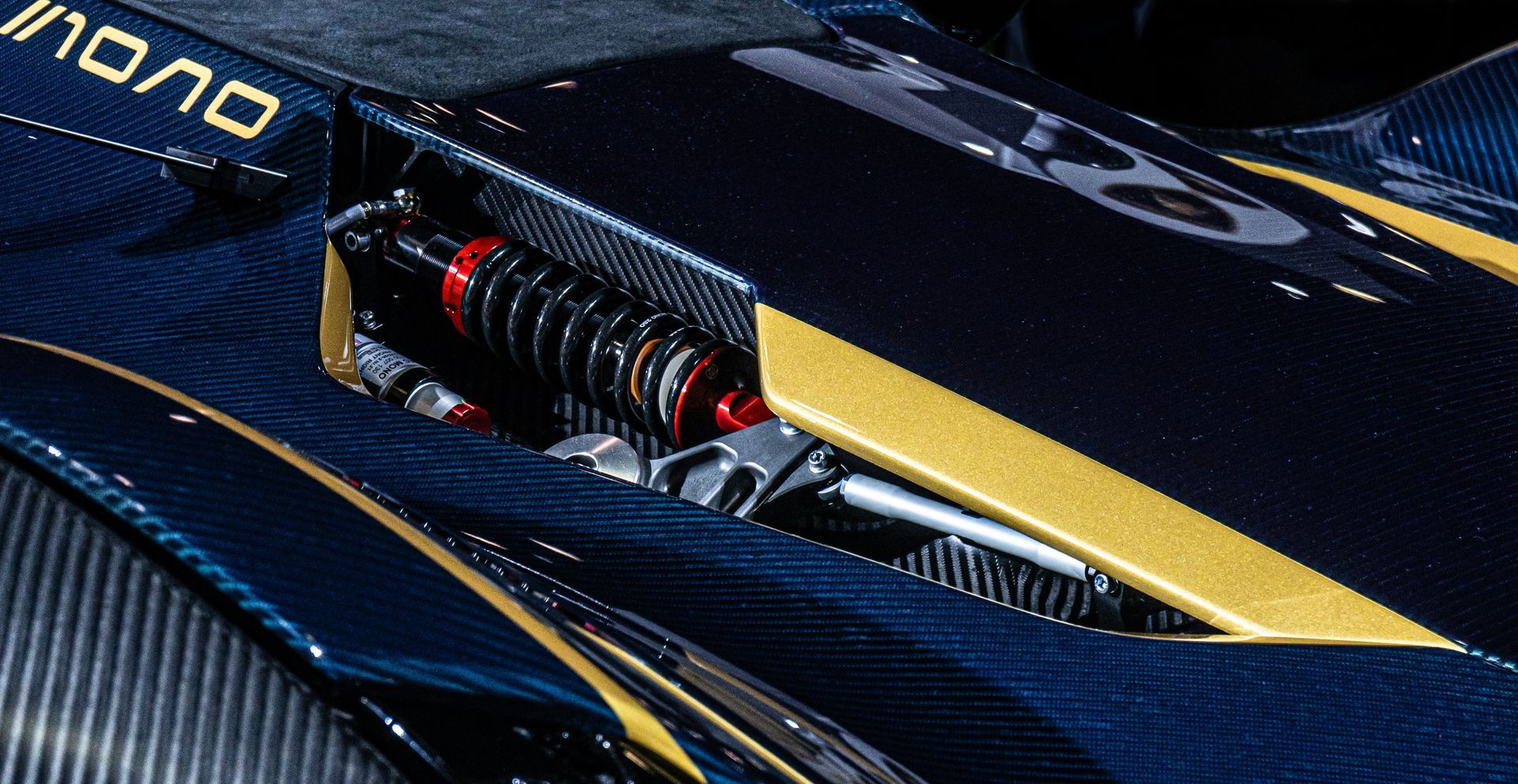
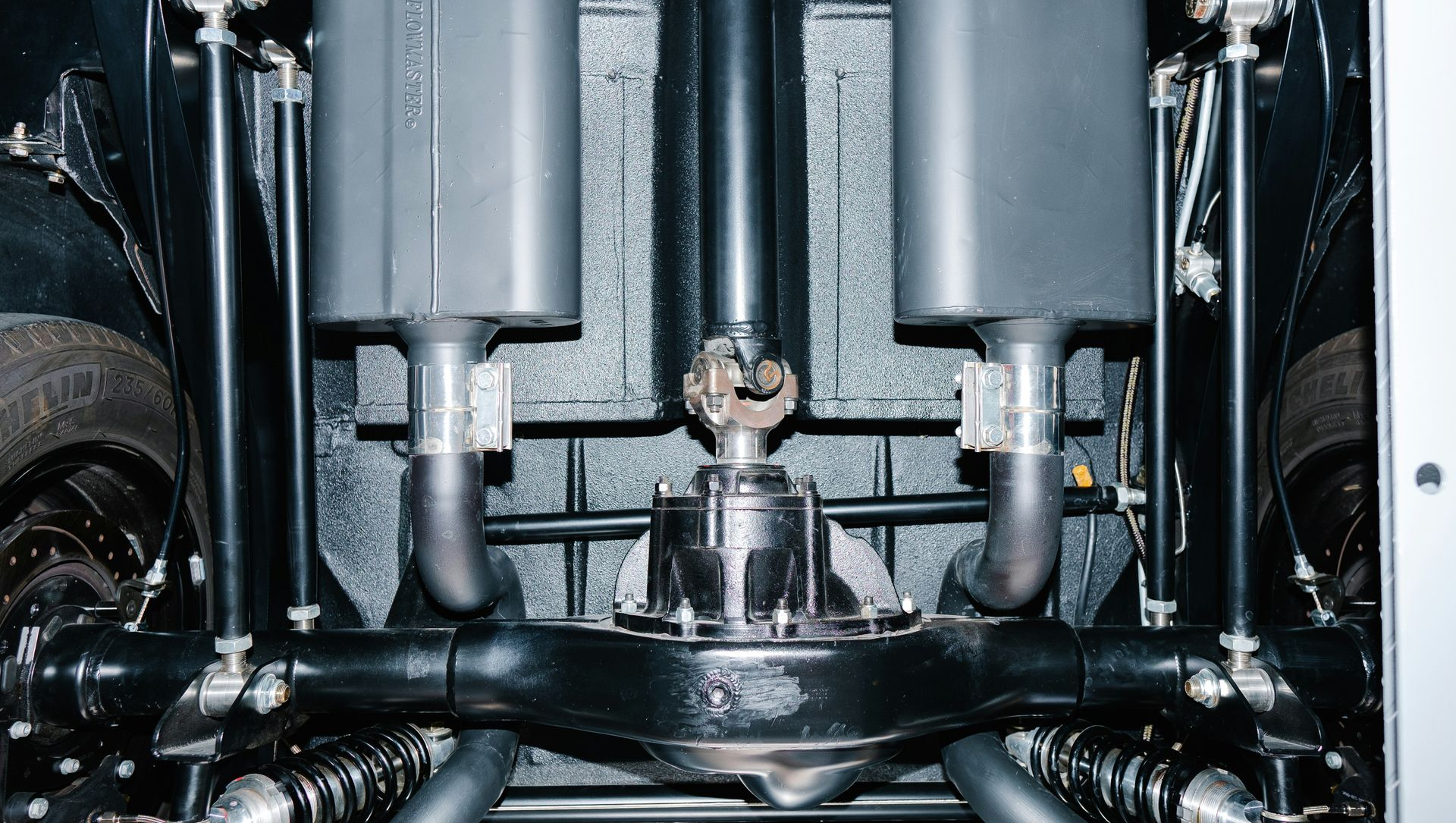
Shocks, struts, springs, control arms, ball joints, bushings, and other parts help absorb bumps while keeping the wheels positioned correctly. These components allow the tires to maintain consistent contact with the road under a variety of driving conditions.
When everything is working properly, the suspension helps promote even tire wear and predictable handling.
As components naturally wear over time, however, that balance can begin to change.
Uneven Tire Wear Can Be a Warning Sign
Tires often provide some of the earliest clues that suspension components may need attention.
If a shock absorber or strut is no longer performing effectively, the tire may bounce excessively instead of maintaining steady contact with the road. Worn ball joints or bushings can also affect wheel positioning, contributing to unusual tread wear.
Drivers may notice that one area of the tire is wearing faster than another or that tires seem to require replacement sooner than expected.
Because several different issues can produce similar wear patterns, a professional inspection is the best way to identify the underlying cause.
Suspension and Alignment Work Together
Wheel alignment and suspension condition are closely connected.
An alignment adjusts the angles of the wheels according to the manufacturer’s specifications. However, if suspension components are worn or damaged, those alignment settings may not remain consistent.
For example, a vehicle may receive a proper alignment, but worn suspension parts could allow the wheels to shift during normal driving, leading to continued uneven tire wear.
Addressing suspension issues before or alongside an alignment helps ensure the adjustments can perform as intended.
Everyday Driving Takes Its Toll
Suspension components experience constant stress.
Every pothole, speed bump, rough road, railroad crossing, and driveway entrance places demands on the system. Over thousands of miles, these everyday impacts contribute to normal wear.
Most suspension parts are designed for long service lives, but no component lasts forever. Gradual wear often develops so slowly that drivers adapt without realizing their vehicle no longer rides or handles the way it once did.
Routine inspections help identify worn components before they contribute to more significant tire wear or handling concerns.
Protecting Your Tire Investment
Quality tires represent an important investment in your vehicle’s safety and performance.
Keeping the suspension system in good condition helps maximize that investment by promoting even tread wear and extending tire life. It may also contribute to improved ride comfort, handling, and overall driving confidence.
When tire wear appears unusual, looking beyond the tires themselves often leads to a more complete solution.
Routine Inspections Make a Difference
Many suspension problems develop gradually rather than suddenly.
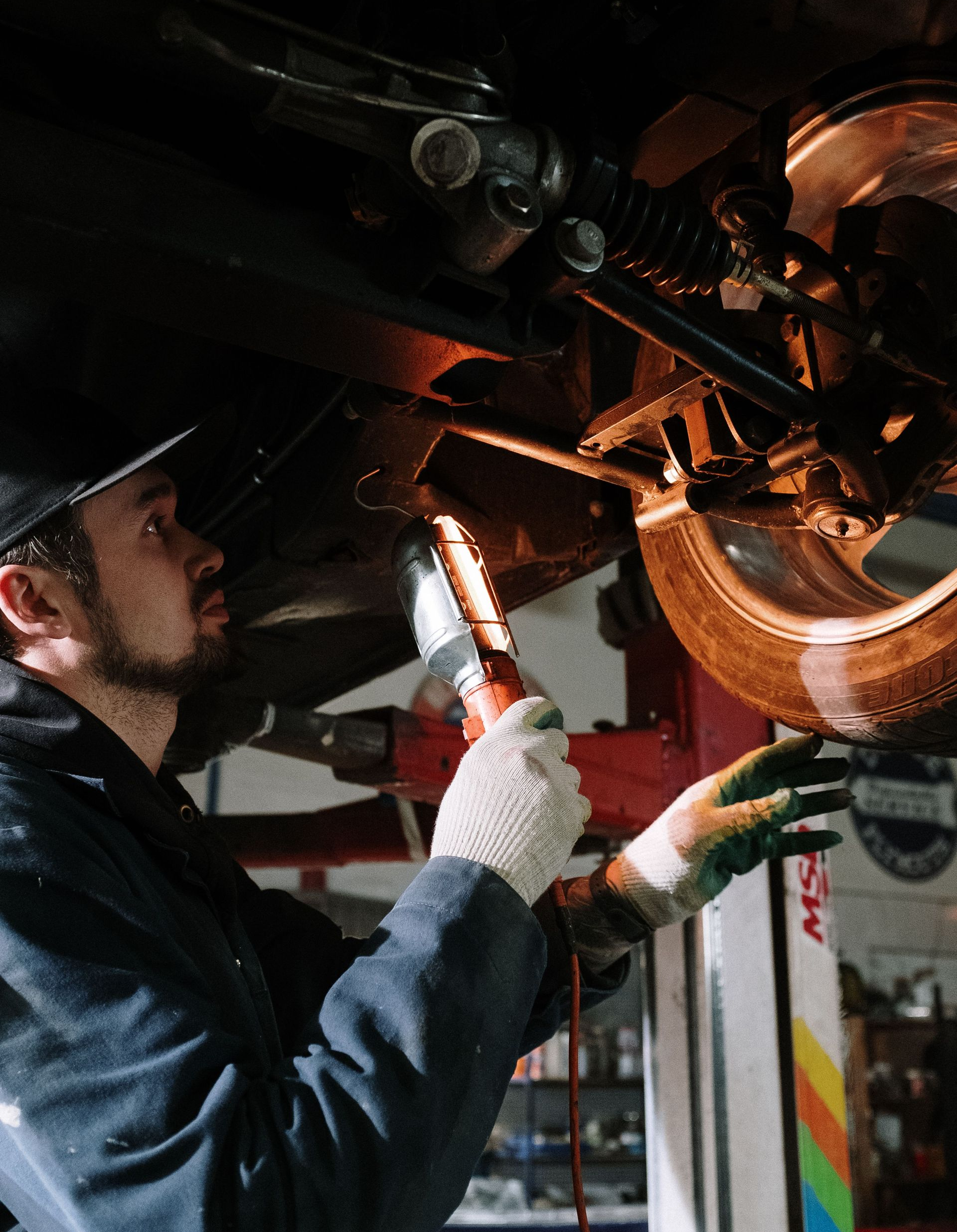
Having your tires, alignment, and suspension inspected during routine maintenance allows technicians to identify potential concerns early. Catching worn components before they cause excessive tire wear can help reduce long-term maintenance costs and improve overall vehicle performance.
At Raymond’s Tire Shop, we provide comprehensive tire services, wheel alignments, and vehicle inspections to help drivers get the most from their tires. Our experienced team understands how tires, suspension components, and alignment work together to support safe, dependable driving.
Your tires do not wear in isolation. They respond to how your entire vehicle performs. By keeping your suspension system in good condition, you can help protect your tires, improve your driving experience, and extend the life of one of your vehicle’s most important safety components.