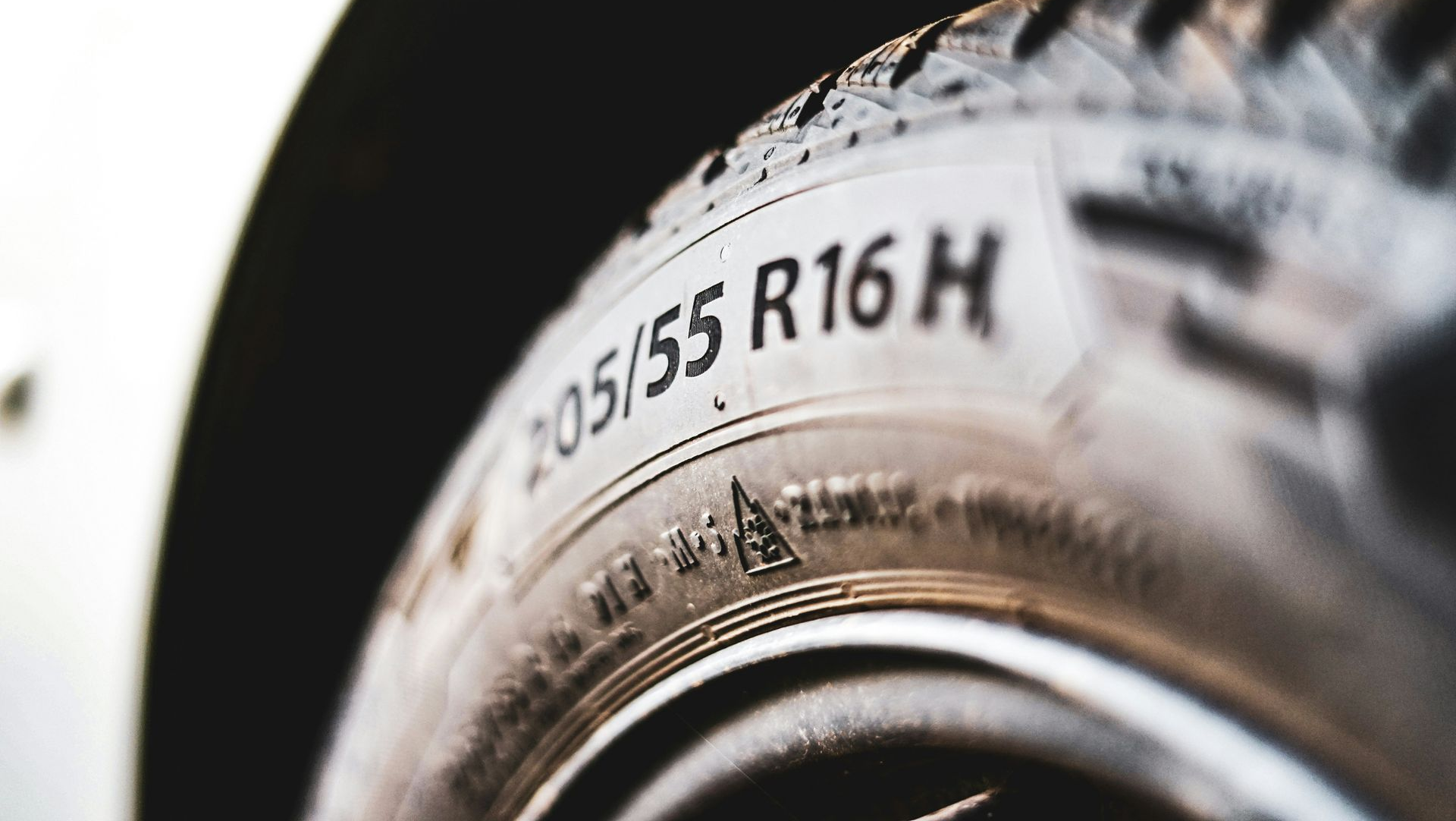
Como os componentes da suspensão afetam o desgaste dos pneus

Quando os motoristas pensam no desgaste dos pneus, geralmente se concentram na profundidade da banda de rodagem, na pressão dos pneus ou no alinhamento das rodas. Embora esses fatores sejam certamente importantes, existe outra parte do veículo que desempenha um papel fundamental na durabilidade dos pneus: o sistema de suspensão.


A suspensão é responsável por muito mais do que proporcionar uma condução confortável. Ela ajuda a manter os pneus em contato adequado com a estrada, contribui para a estabilidade do veículo e distribui o peso durante acelerações, frenagens e curvas. Quando os componentes da suspensão começam a se desgastar, os pneus costumam apresentar os primeiros sinais muito antes de você perceber uma mudança significativa na forma como o veículo se comporta.


Compreender essa relação pode ajudar os motoristas a reconhecer a importância das inspeções regulares do veículo e da manutenção preventiva.
White SUV on a blue hydraulic lift in an auto repair shop

O que faz o sistema de suspensão?

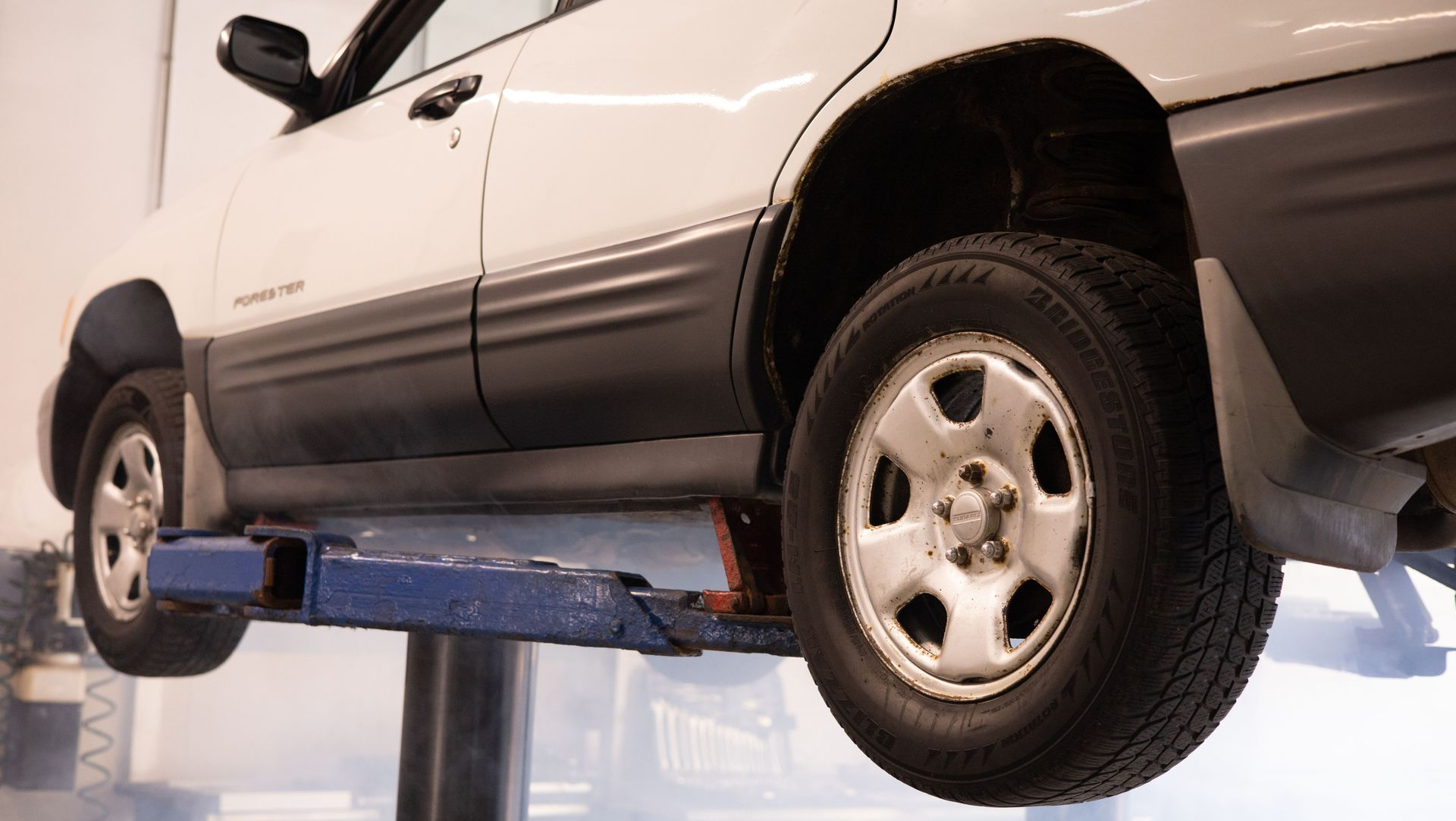
O sistema de suspensão de um veículo é composto por diversos componentes que trabalham em conjunto para proporcionar boa dirigibilidade e conforto ao dirigir.


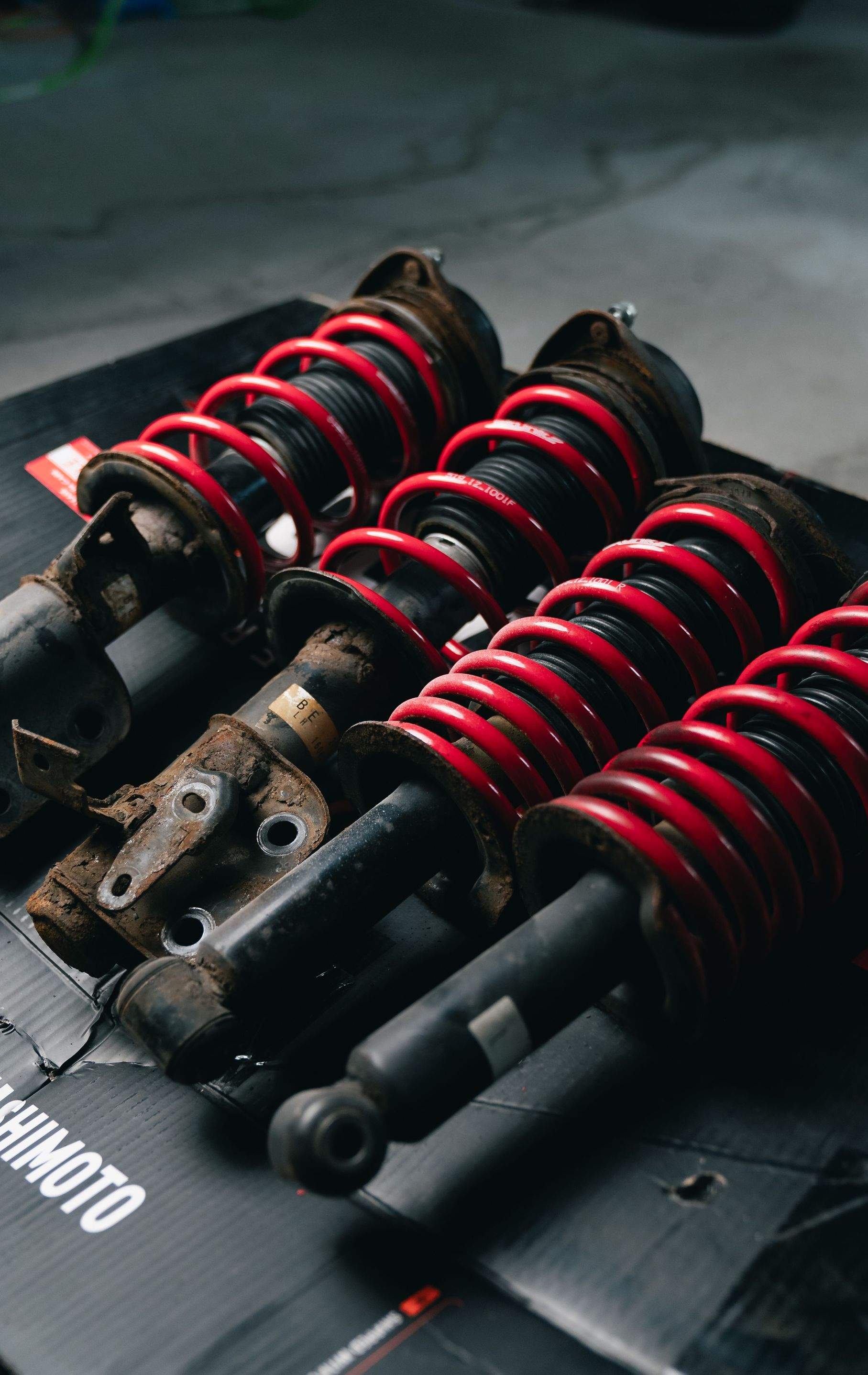
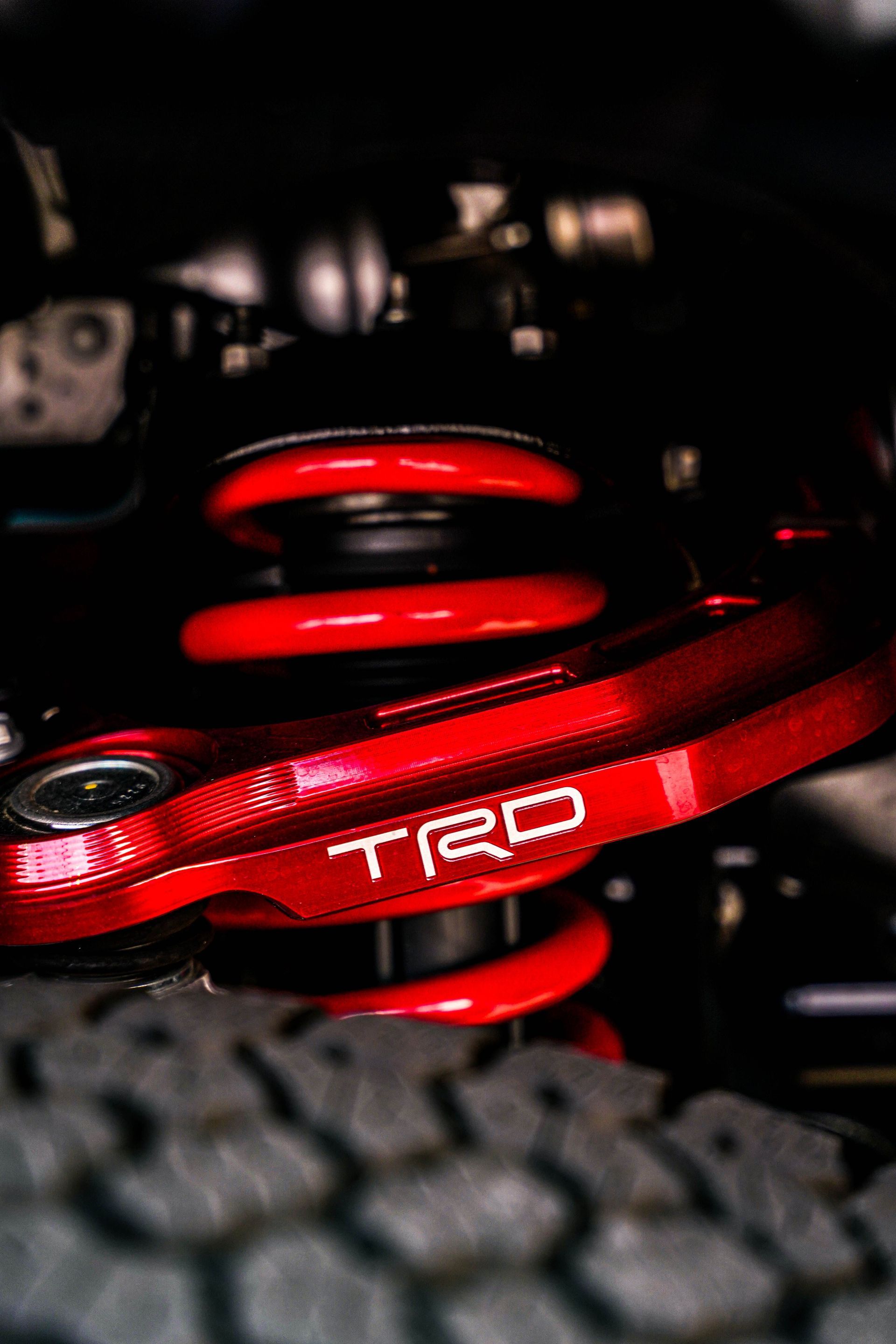
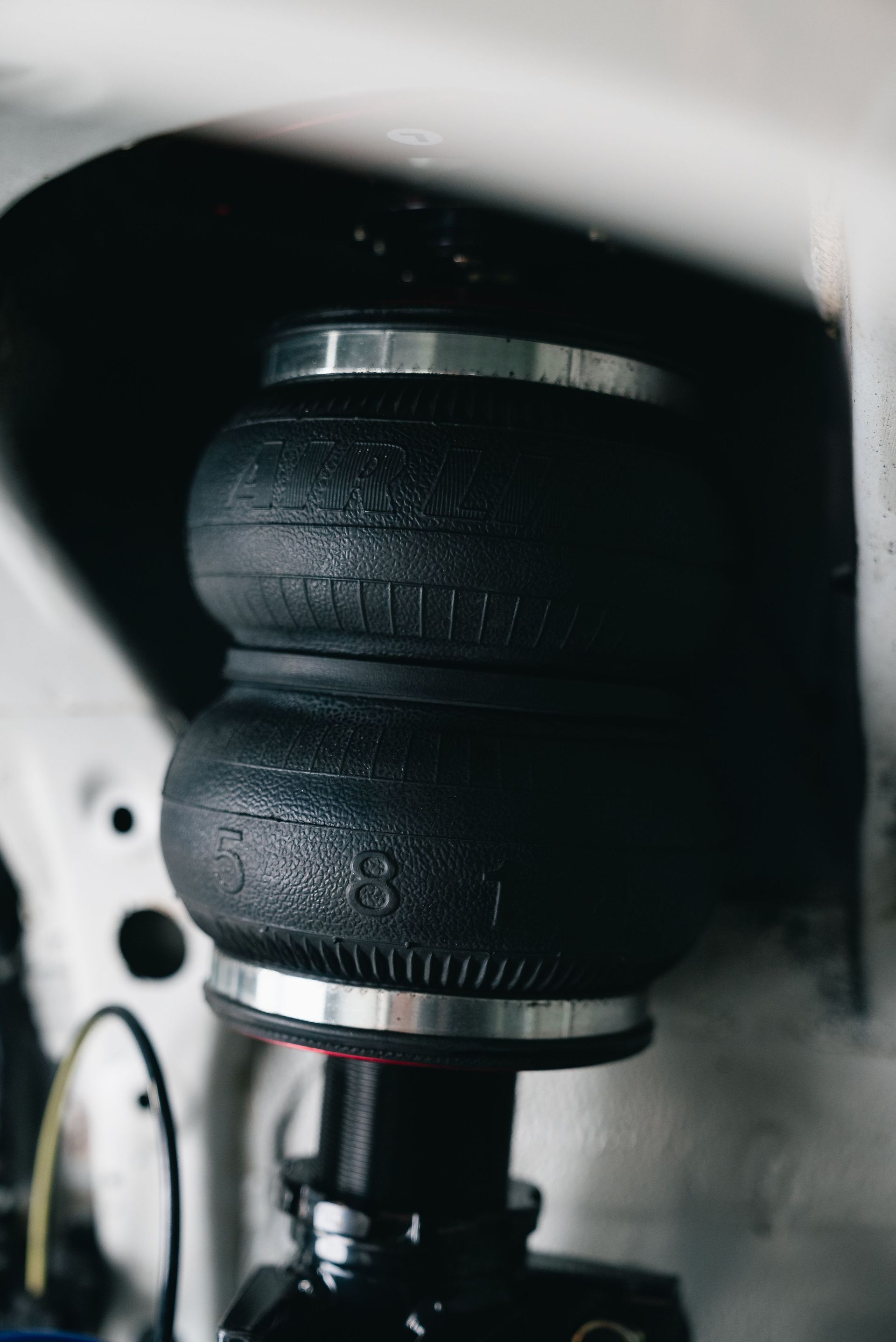
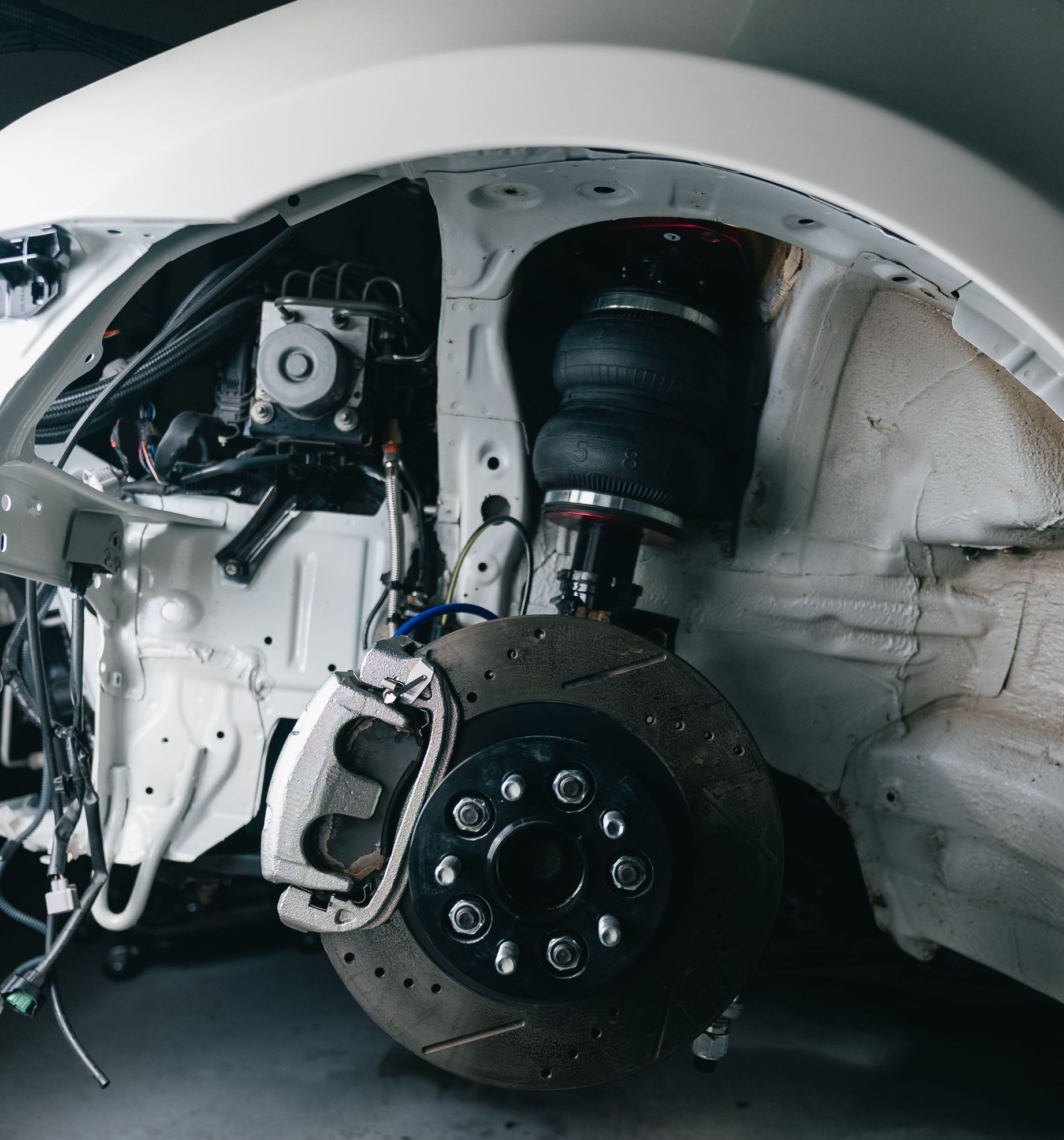
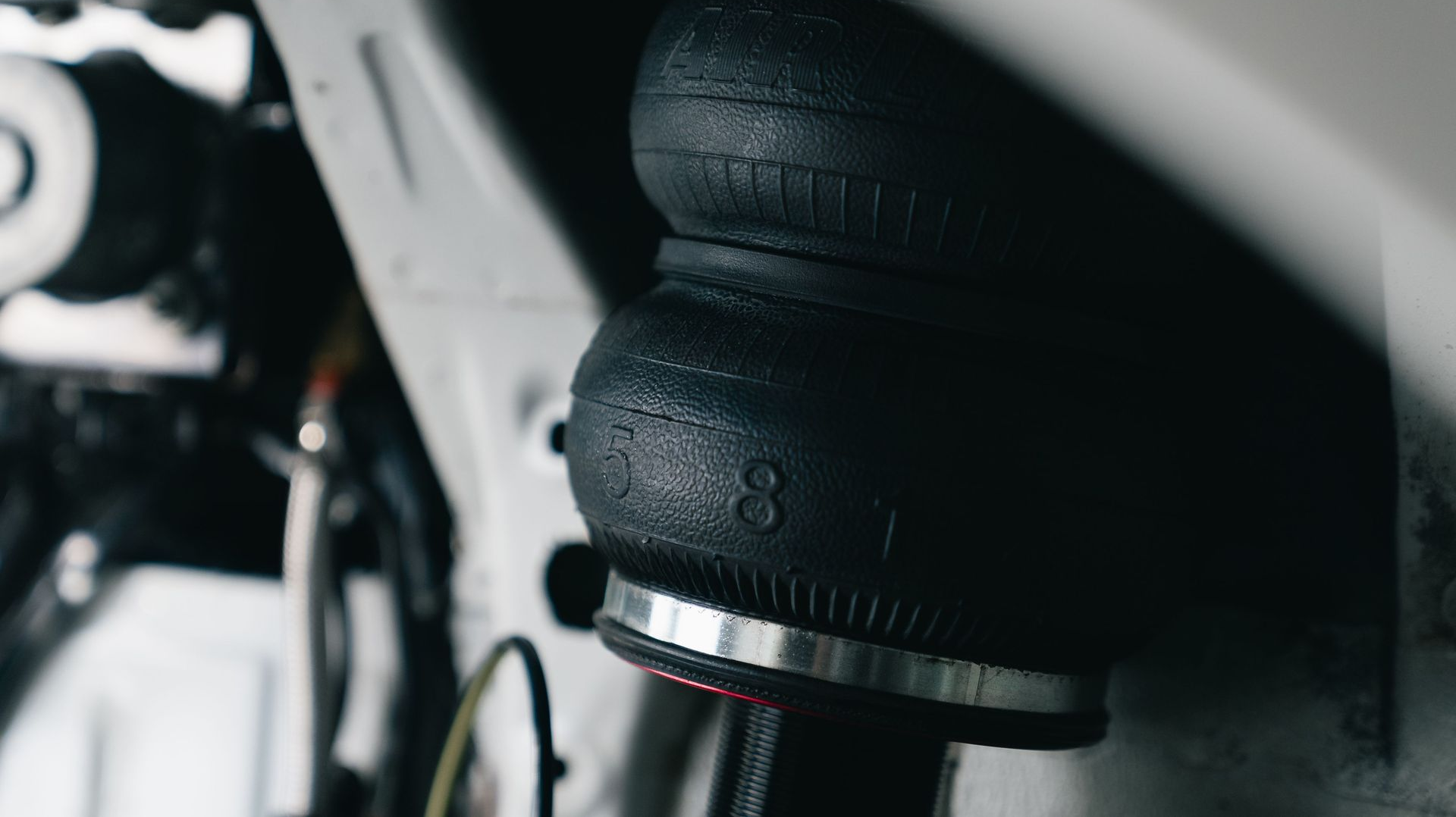
Amortecedores, colunas de suspensão, molas, braços de controle, juntas esféricas, buchas e outras peças ajudam a absorver os impactos da estrada enquanto mantêm as rodas corretamente posicionadas. Esses componentes permitem que os pneus mantenham contato constante com o solo em diversas condições de condução.


Quando tudo está funcionando corretamente, a suspensão contribui para um desgaste uniforme dos pneus e uma dirigibilidade estável e previsível.


No entanto, à medida que os componentes se desgastam naturalmente com o tempo, esse equilíbrio pode começar a mudar.
Close-up of a black gear shift boot and knob inside a vehicle, with a metallic trim ring

O desgaste irregular dos pneus pode ser um sinal de alerta

Os pneus frequentemente fornecem alguns dos primeiros indícios de que os componentes da suspensão precisam de atenção.


Se um amortecedor ou uma coluna de suspensão não estiver mais funcionando de forma eficiente, o pneu poderá quicar excessivamente em vez de manter contato firme com a estrada. Juntas esféricas ou buchas desgastadas também podem alterar o posicionamento das rodas, contribuindo para um desgaste anormal da banda de rodagem.


Os motoristas podem perceber que uma área do pneu está se desgastando mais rapidamente do que outra ou que os pneus parecem precisar ser substituídos antes do esperado.


Como diferentes problemas podem produzir padrões de desgaste semelhantes, uma inspeção profissional é a melhor maneira de identificar a causa do problema.
Blue car suspension and undercarriage components on a vehicle lift in a garage.

Suspensão e alinhamento trabalham juntos

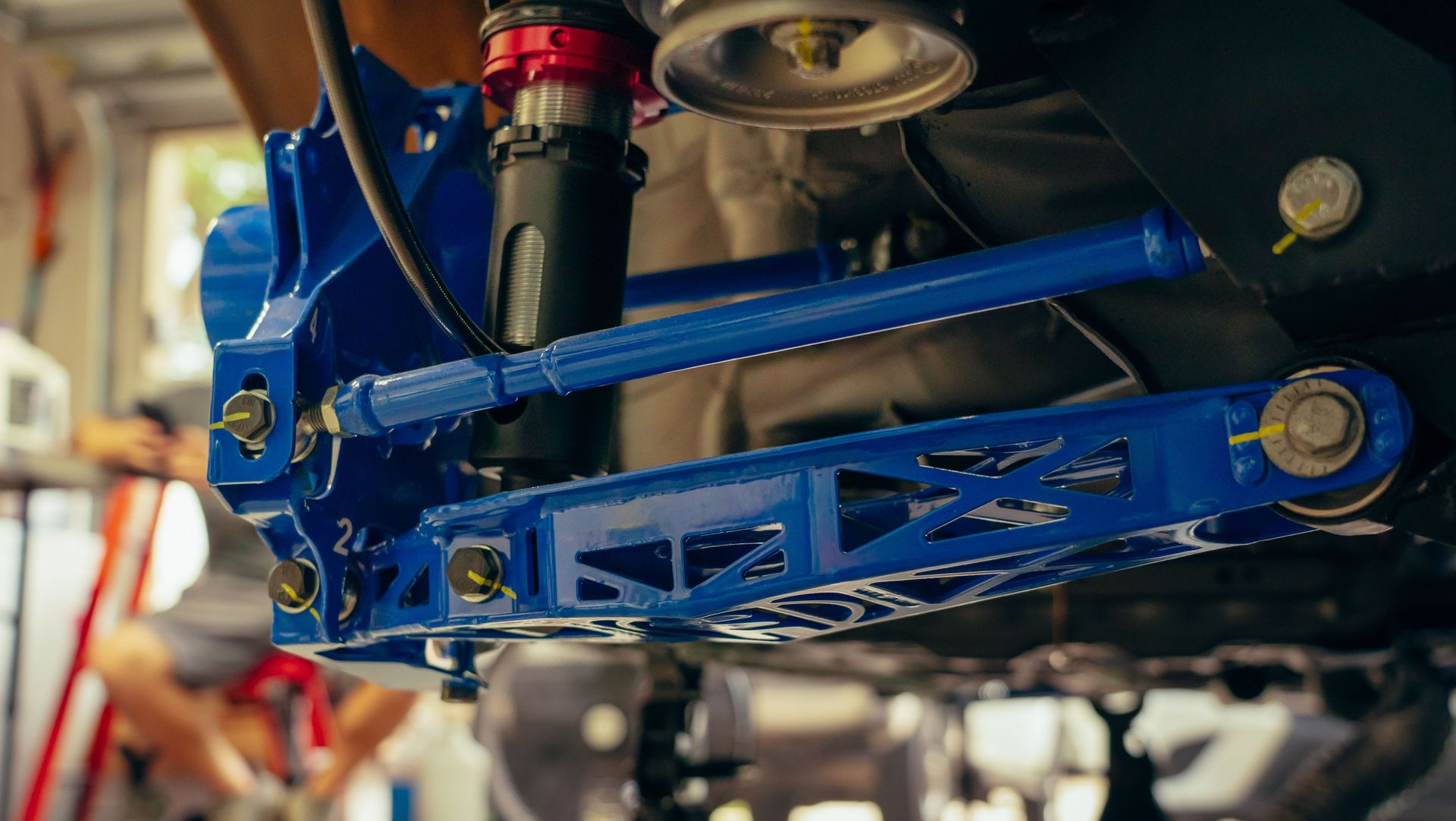
O alinhamento das rodas e as condições da suspensão estão intimamente ligados.


O alinhamento ajusta os ângulos das rodas de acordo com as especificações do fabricante. No entanto, se os componentes da suspensão estiverem desgastados ou danificados, esses ajustes podem não permanecer consistentes.


Por exemplo, um veículo pode receber um alinhamento correto, mas peças desgastadas da suspensão podem permitir que as rodas mudem de posição durante a condução normal, causando a continuidade do desgaste irregular dos pneus.


Corrigir os problemas da suspensão antes ou juntamente com o alinhamento ajuda a garantir que os ajustes funcionem conforme o esperado.

Close-up of a sleek black and yellow racing car body with visible suspension components.

A condução diária cobra seu preço

Os componentes da suspensão estão sujeitos a esforços constantes.


Cada buraco, lombada, estrada irregular, passagem de nível ferroviária e entrada de garagem impõe esforços ao sistema. Ao longo de milhares de quilômetros, esses impactos cotidianos contribuem para o desgaste natural.


A maioria das peças da suspensão é projetada para oferecer longa vida útil, mas nenhuma componente dura para sempre. O desgaste gradual costuma ocorrer tão lentamente que muitos motoristas se adaptam sem perceber que o veículo já não oferece o mesmo conforto ou a mesma dirigibilidade de antes.


Inspeções de rotina ajudam a identificar componentes desgastados antes que eles causem um desgaste mais acentuado dos pneus ou comprometam a dirigibilidade.
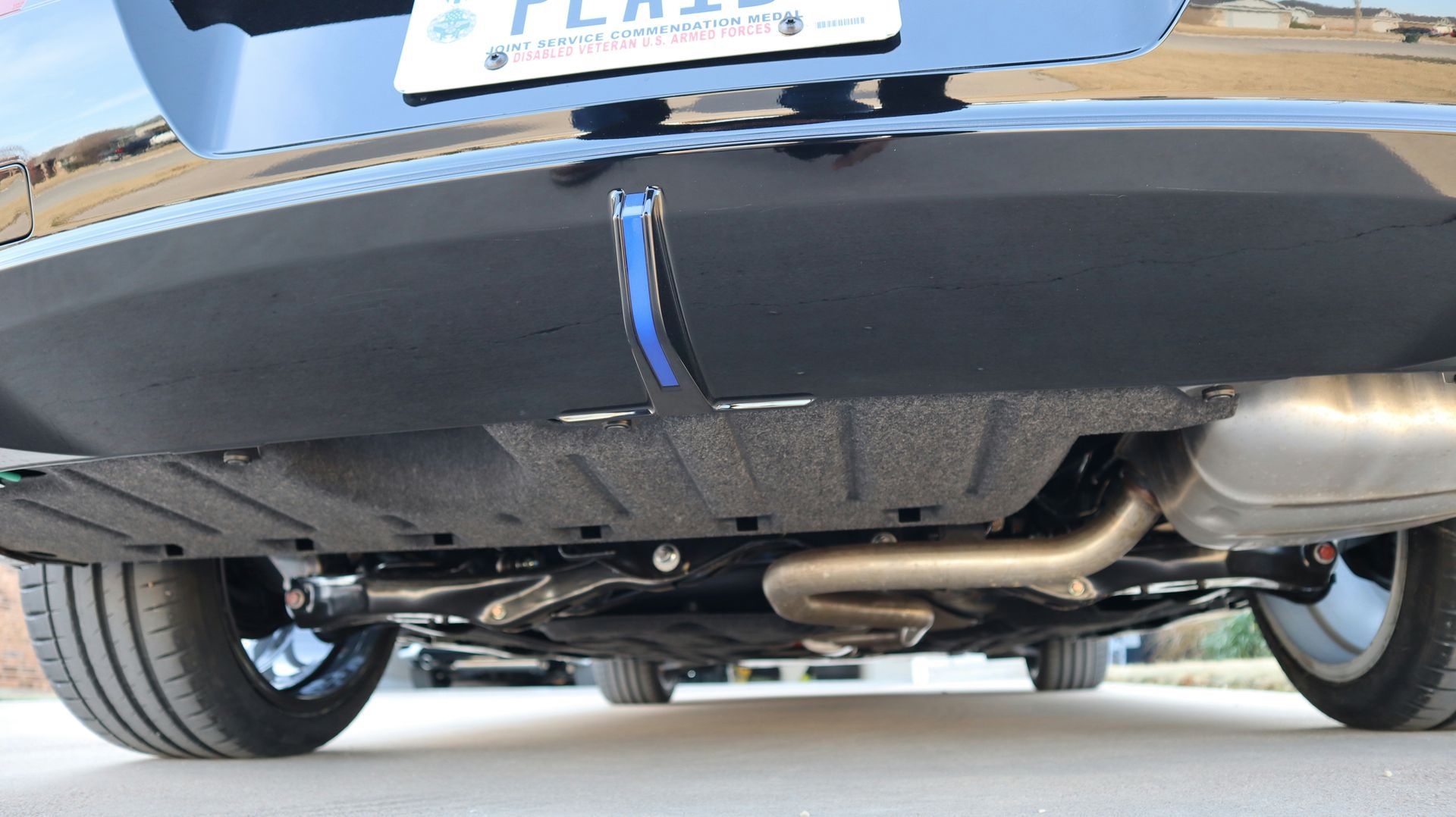
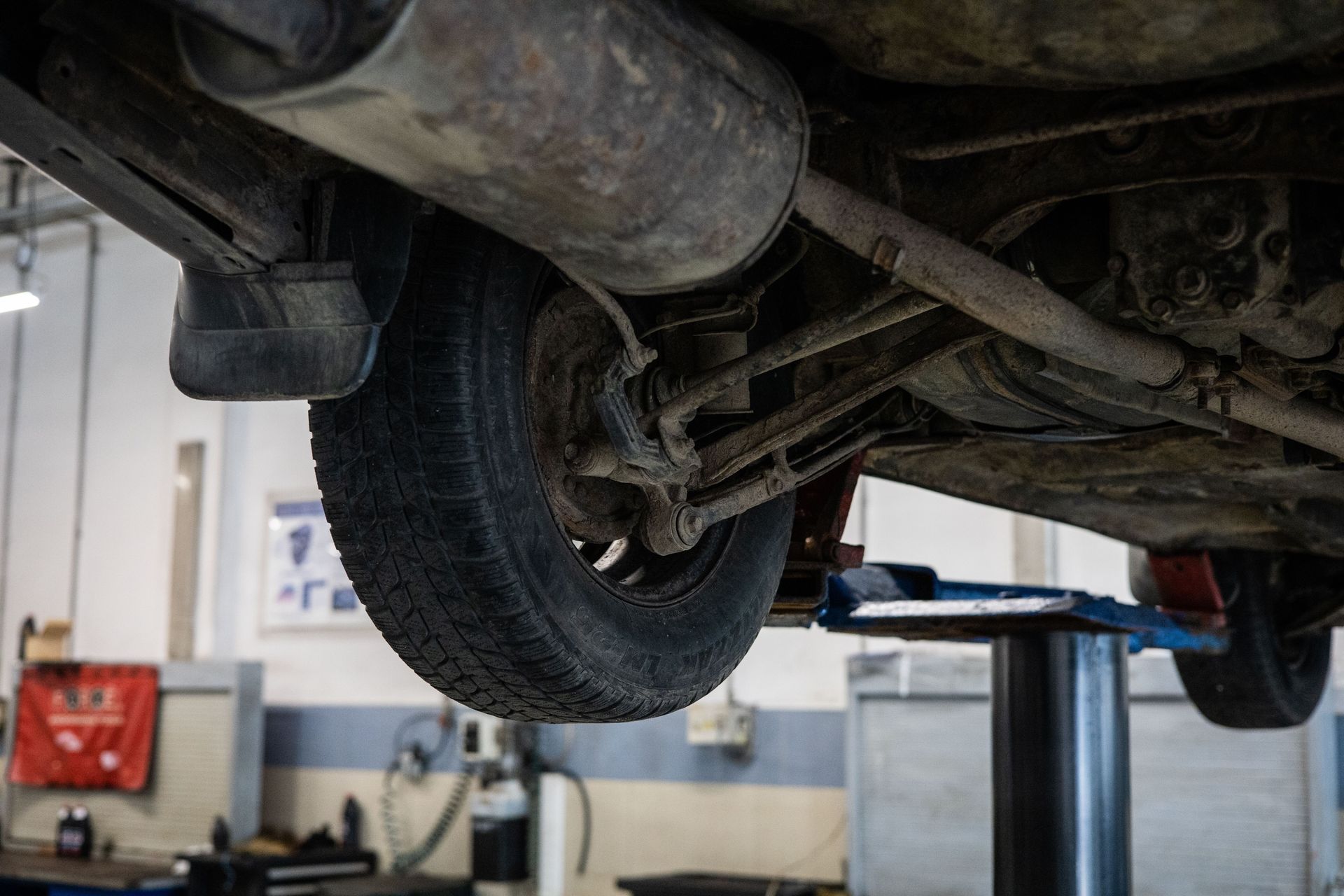
Undercarriage of a blue car showing the exhaust and rear wheels on a driveway.

Protecting Your Tire Investment

Quality tires represent an important investment in your vehicle’s safety and performance.


Keeping the suspension system in good condition helps maximize that investment by promoting even tread wear and extending tire life. It may also contribute to improved ride comfort, handling, and overall driving confidence.


When tire wear appears unusual, looking beyond the tires themselves often leads to a more complete solution.
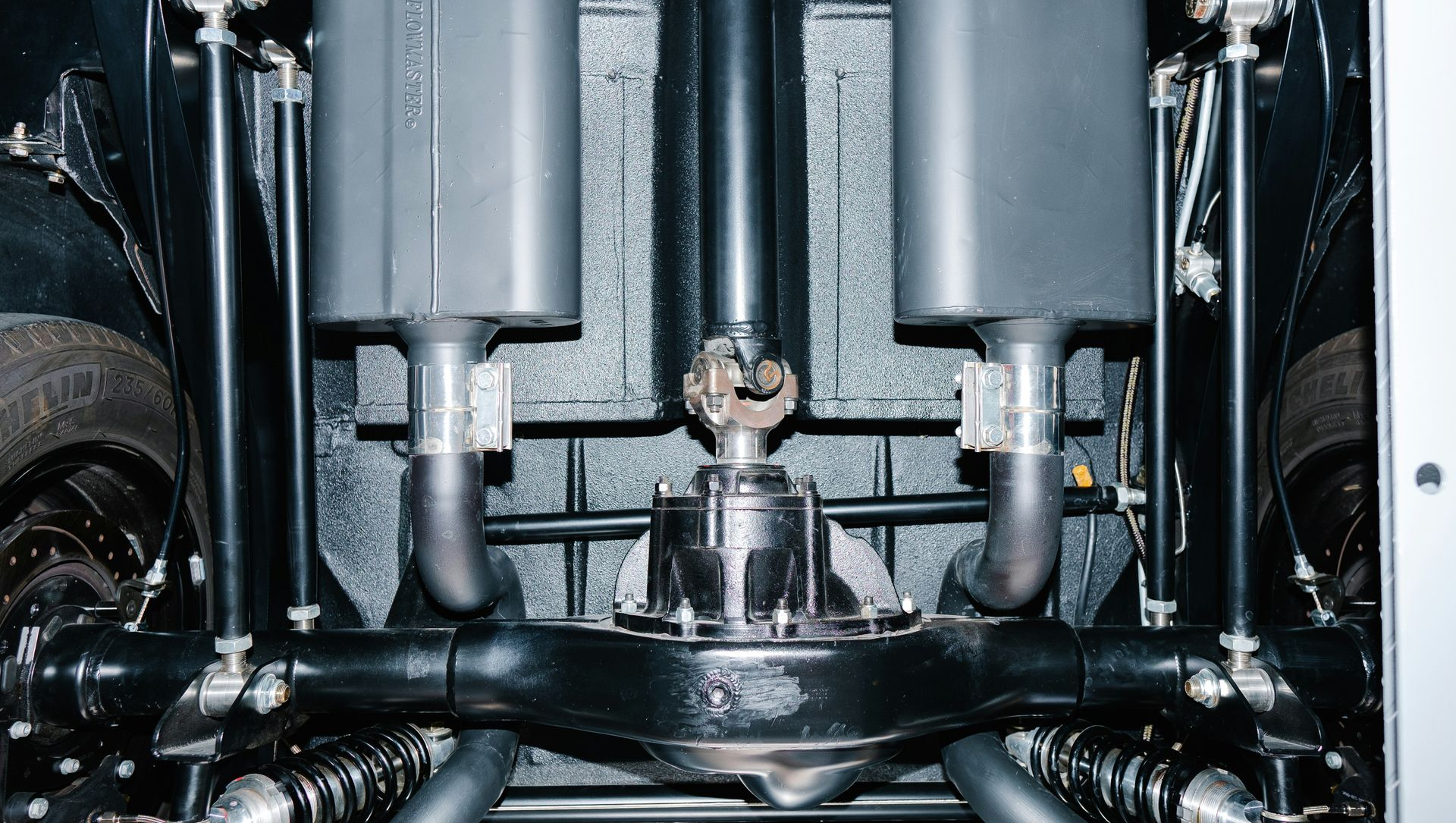
Close-up of a mechanical engine assembly with metal pistons, shafts, and pipes in a dark industrial setting

Inspeções de rotina fazem a diferença

Muitos problemas na suspensão se desenvolvem gradualmente, em vez de surgirem de repente. Inspecionar os pneus, o alinhamento e a suspensão durante as manutenções de rotina permitem que os técnicos identifiquem possíveis problemas logo no início. Detectar componentes desgastados antes que provoquem desgaste excessivo dos pneus pode ajudar a reduzir os custos de manutenção a longo prazo e melhorar o desempenho geral do veículo.


Na Raymond's Tire Shop, oferecemos serviços completos para pneus, alinhamento de rodas e inspeções veiculares para ajudar os motoristas a obter o máximo desempenho de seus pneus. Nossa equipe experiente entende como pneus, componentes da suspensão e alinhamento trabalham em conjunto para proporcionar uma condução segura e confiável.


Seus pneus não se desgastam isoladamente. Eles refletem o desempenho de todo o veículo. Ao manter o sistema de suspensão em boas condições, você ajuda a proteger seus pneus, melhora sua experiência ao dirigir e prolonga a vida útil de um dos componentes de segurança mais importantes do seu veículo.
Close-up of a car wheel and suspension assembly, with a black tire mounted on a red vehicle.
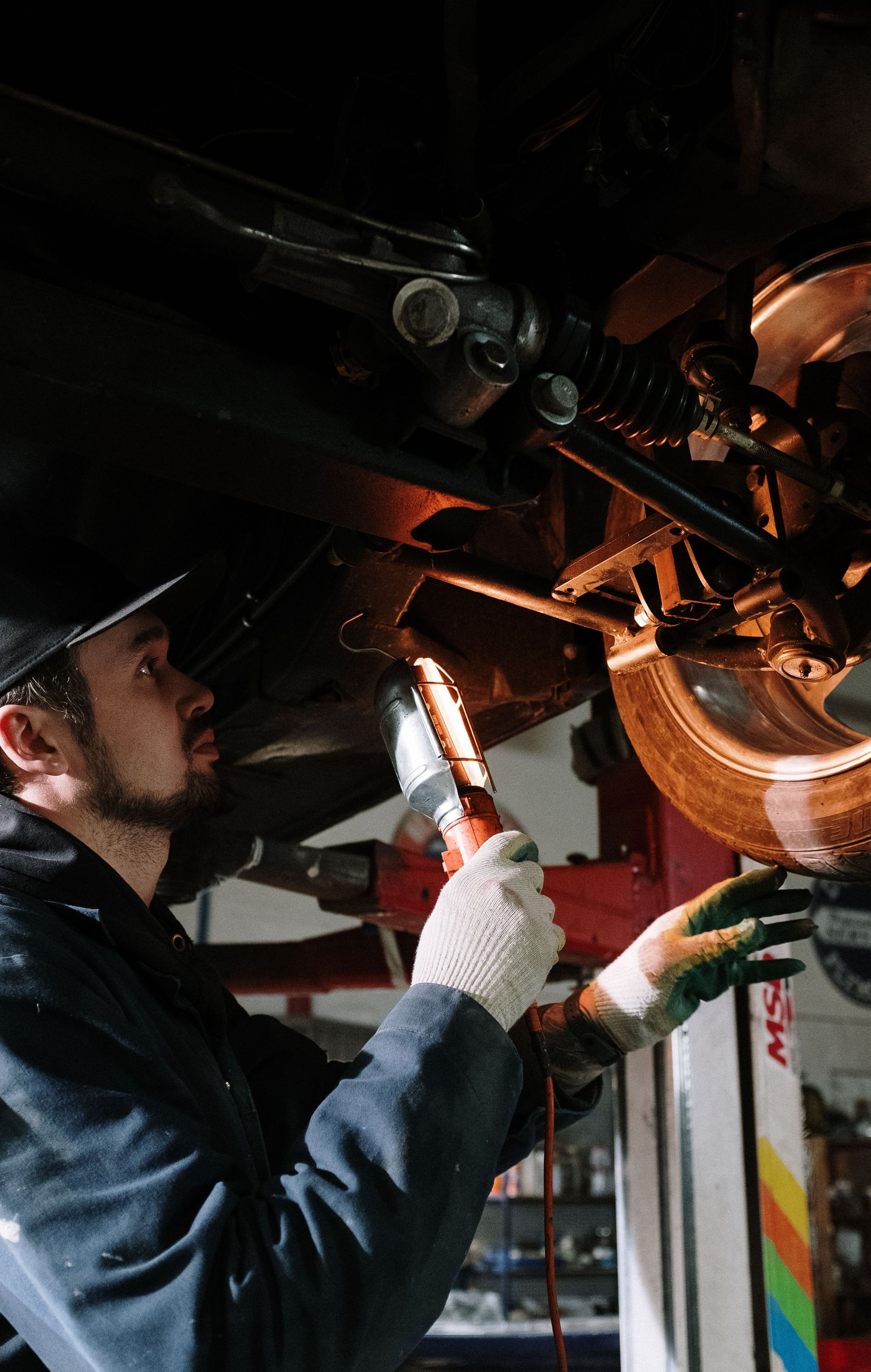
Mechanic inspecting motorcycle engine with a flashlight in a dim garage
Black suspension coilover shocks with red springs arranged on a mat, close-up on a workshop floor
Red TRD suspension spring and component in a car engine bay
Close-up of a black rubber air spring in a vehicle suspension assembly
Car with front wheel removed, exposing brake and suspension inside a garage
Close-up of a red coilover spring and shock absorber on a vehicle suspension.
September 23, 2026
Most drivers are familiar with the tire pressure monitoring system , or TPMS, warning light. When it stays on steadily, it usually means one or more tires may be underinflated. A flashing TPMS light often means something different. Instead of simply warning about low tire pressure, a flashing light can indicate a problem with the monitoring system itself. That could involve a sensor, sensor battery, communication issue, or another TPMS-related fault.  Knowing the difference can help drivers avoid assuming that adding air will automatically solve the problem.
September 22, 2026
Tread depth is one of the first things drivers look at when deciding whether a tire still has life left. Deep grooves can make a tire appear healthy, especially if the vehicle is not driven very often. But tread is only part of the picture. Tires age even when they are not being used heavily. Over time, rubber compounds can harden, dry out, and become less flexible. That means an older tire may still have plenty of tread while no longer performing the way it did when it was newer. Rubber Changes With Age Tires are constantly exposed to oxygen, heat, sunlight, moisture, and changing temperatures. Those conditions gradually affect the rubber. As a tire ages, the material can lose some of its elasticity. That may reduce its ability to flex properly as it rolls and responds to the road. A tire that looks acceptable at a quick glance may therefore be significantly older than its appearance suggests. This is especially important for vehicles that accumulate very few miles each year.
September 11, 2026
A flat tire does not always mean the tire has to be replaced. In many cases, a small puncture can be repaired safely and returned to service. The key is where the puncture occurred, how large it is, and whether the tire suffered additional damage while losing air. That is why a professional inspection matters. Two punctures that lo ok similar from the outside may require completely different solutions once the tire is removed and examined internally. Location Matters Most One of the first things a technician looks at is where the puncture is located. Damage in the central tread area is often the best candidate for repair. This part of the tire is designed to handle contact with the road and can sometimes be repaired when the puncture is small and otherwise straightforward. Punctures near the shoulder or sidewall are much more concerning.  These areas flex significantly while the tire is moving and cannot usually be repaired safely using standard puncture-repair methods. If a nail, screw, or other object damages the sidewall or outer shoulder, replacement is often the safer option.
September 6, 2026
A wheel alignment can correct important steering and tire-angle settings, but the alignment itself depends on the suspension being in good mechanical condition. If ball joints, tie rods, control arm bushings, wheel bearings, or other components are worn, the wheels may not stay in the position the technician sets.  That is why some vehicles continue pulling , wearing tires unevenly, or developing an off-center steering wheel even after an alignment. In those cases, the problem may not be the alignment machine or the adjustment. It may be worn suspension or steering components underneath the vehicle.
August 28, 2026
When a tire repeatedly loses air but there is no obvious nail, screw, or visible puncture, the problem may be where the tire meets the wheel. This area is known as the tire bead, and a poor seal between the bead and the rim can allow air to escape gradually. Tire bead leaks are a common cause of slow pressure loss. Understanding why they happen can help drivers recognize when a tire needs professional inspection rather than repeatedly adding air. What Is the Tire Bead? The bead is the reinforced inner edge of the tire that sits tightly against the wheel rim. When a tire is properly mounted and inflated, air pressure helps hold the bead securely against the wheel, creating an airtight seal. If that sealing surface becomes damaged, dirty, corroded, or distorted, a small pathway can develop for air to escape.  Because these leaks may be very small, the tire can lose pressure over several days or weeks rather than going flat immediately.
August 23, 2026
A pothole impact can feel like a quick jolt, but the forces involved can affect several parts of the tire and wheel assembly. The faster the vehicle is moving, the less time the tire has to absorb the impact. In some cases, the damage is immediately obvious. In others, problems may not become noticeable until later. Raymond’s Tire Shop helps drivers inspect tires, wheels, balancing, and alignment after hard road impacts. Understanding what can happen during a pothole strike can make it easier to recognize when a tire needs professional attention. The Tire Is Compressed Extremely Quickly When a tire drops into a pothole and strikes the far edge, the sidewall and tread can be compressed between the road and the wheel. Tires are designed to flex, but a severe impact can exceed what the internal structure can safely absorb.  The risk can be greater when tire pressure is too low because there is less air cushioning between the road surface and the wheel. However, even a properly inflated tire can be damaged by a deep pothole at sufficient speed.