Lista de verificación del estado de los neumáticos para los viajes de fin de año
Prepara tus neumáticos para los kilómetros que vienen
La temporada navideña es una de las más ocupadas del año para viajar. Las familias preparan sus autos, cargan el equipaje y se ponen en camino para visitar a sus seres queridos o disfrutar de unas merecidas vacaciones. Sin embargo, antes de salir, es importante asegurarse de que el vehículo esté listo para el viaje, comenzando por los neumáticos. En Raymond’s Tire Shop, sabemos que unos neumáticos bien mantenidos pueden marcar la diferencia entre un viaje seguro y sin contratiempos o un retraso inesperado al costado de la carretera. Aquí tienes una lista completa para ayudarte a preparar tus neumáticos y viajar con confianza durante las fiestas.
1. Verifica la presión de los neumáticos
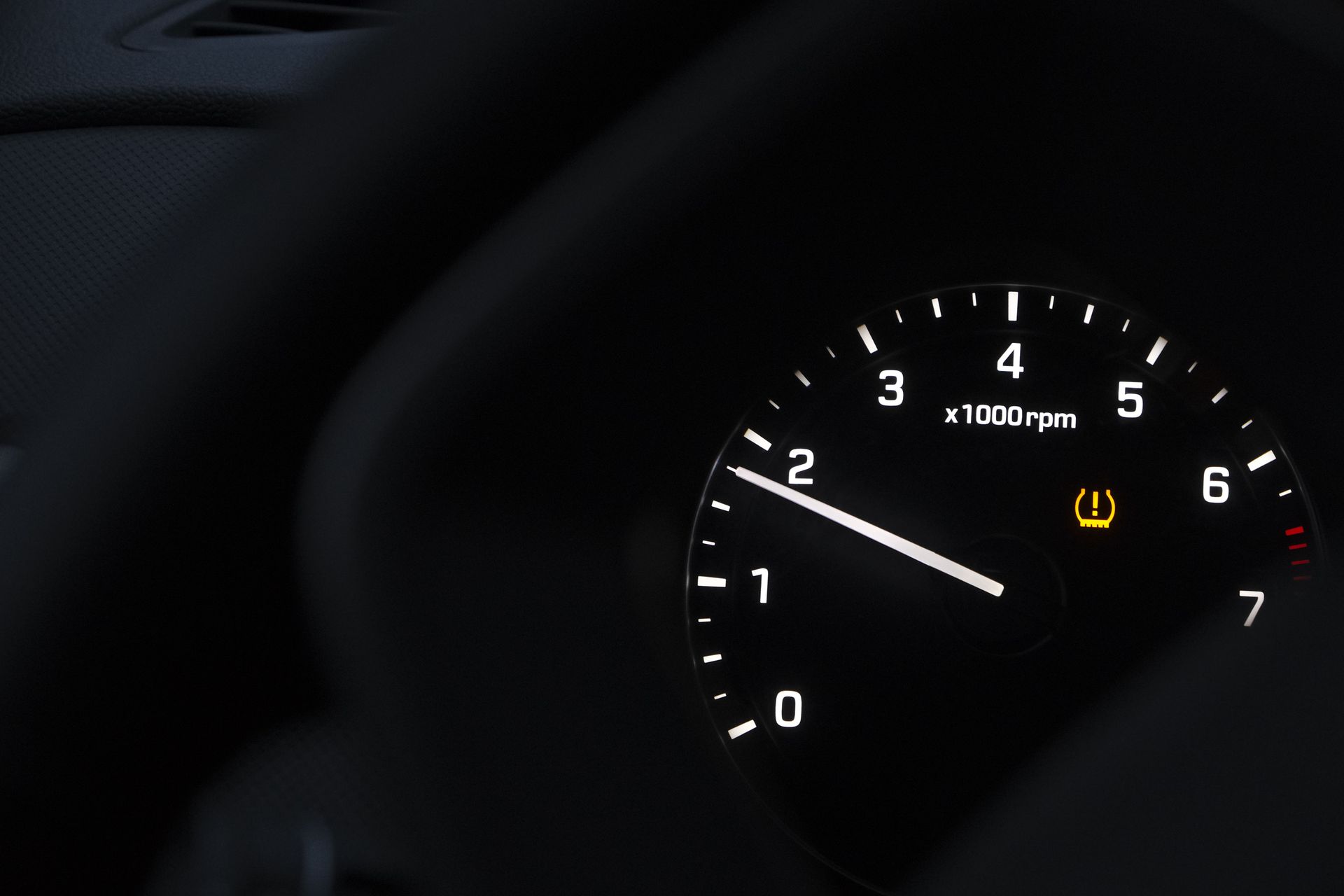
El clima frío afecta la presión de los neumáticos más de lo que la mayoría de los conductores piensa. Por cada disminución de 10 grados Fahrenheit (aprox. 5 °C), la presión puede bajar alrededor de una libra por pulgada cuadrada (psi). Los neumáticos con baja presión aumentan la resistencia al rodamiento, reducen la eficiencia del combustible y pueden provocar un desgaste desigual de la banda de rodadura. También hacen que el vehículo sea más difícil de controlar en carreteras mojadas o con hielo.
Antes de salir, revisa la presión de los neumáticos con un medidor confiable y compárala con el nivel recomendado por el fabricante, indicado en el manual del propietario o en la etiqueta de la puerta del conductor. Si la presión está baja, ajústala al nivel correcto. No olvides revisar también el neumático de repuesto, ya que muchos viajeros se olvidan de él hasta que realmente lo necesitan.

2. Inspecciona la profundidad de la banda de rodadura
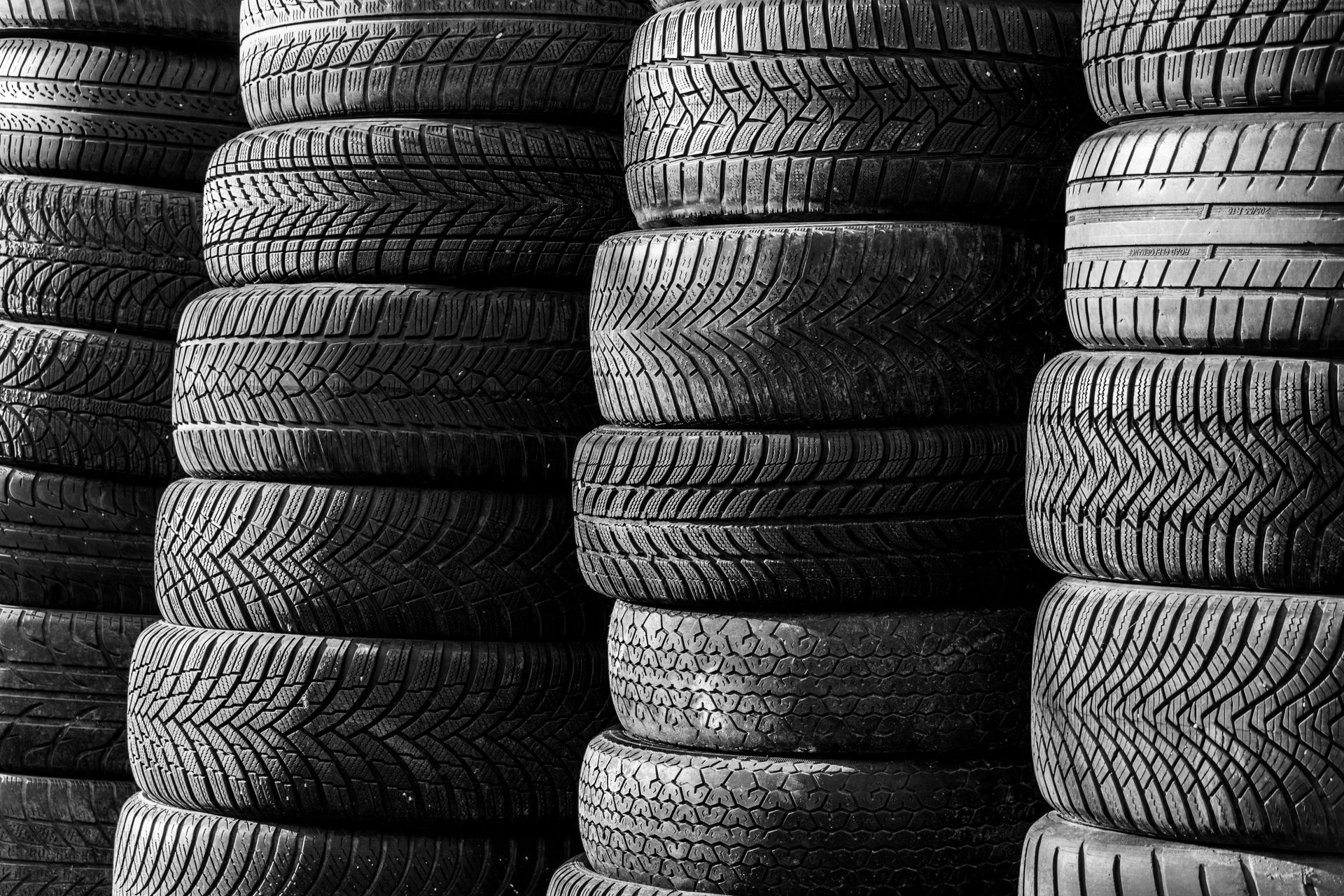
Una buena banda de rodadura es esencial para mantener la tracción, especialmente en condiciones invernales. Una banda desgastada reduce el agarre en superficies mojadas o nevadas y aumenta la distancia de frenado. Una forma sencilla de verificar la profundidad es la “prueba de la moneda”: inserta una moneda en la ranura del neumático con la cabeza hacia abajo. Si puedes ver la parte superior de la cabeza, la banda está demasiado desgastada y es hora de reemplazar el neumático.
En Raymond’s Tire Shop, realizamos una inspección profesional de la banda de rodadura utilizando herramientas precisas que miden el desgaste en toda la superficie del neumático. Esto garantiza que no solo cumplas con los estándares mínimos de seguridad, sino que también aproveches al máximo el rendimiento y la vida útil de tus neumáticos.
3. Busca daños visibles
Antes de un viaje largo, inspecciona cada neumático en busca de grietas, cortes, abultamientos u objetos incrustados como clavos o vidrios. Incluso las perforaciones pequeñas pueden causar pérdida de aire o reventones al conducir por la autopista. Los daños en los laterales son especialmente peligrosos, ya que debilitan la estructura del neumático.
Si notas alguna irregularidad, visita a un profesional antes de conducir largas distancias. Nuestros técnicos pueden determinar si la reparación es segura o si es mejor reemplazar el neumático.

4. Asegura una correcta alineación y balanceo de las ruedas
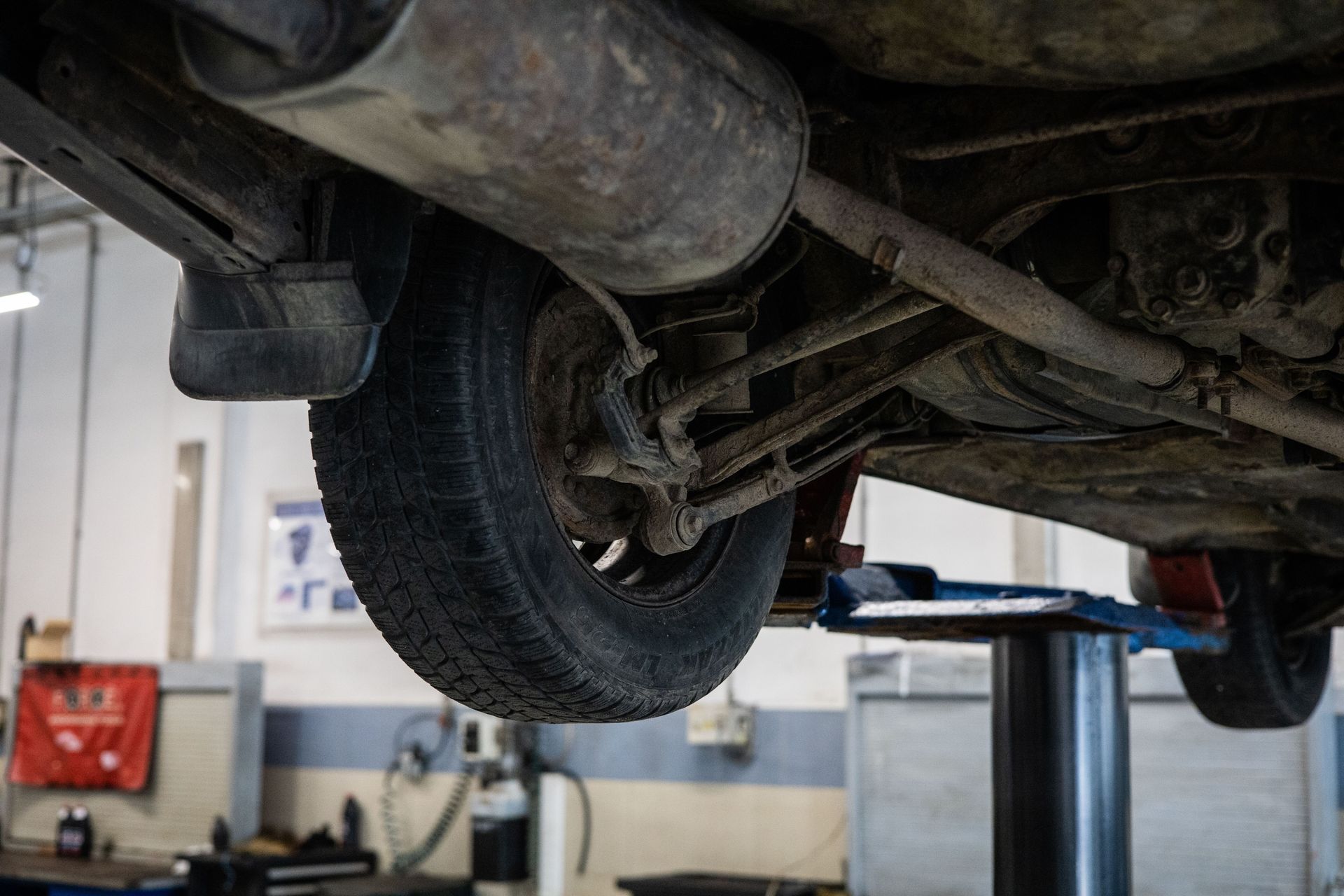
Los neumáticos desalineados o desbalanceados pueden causar vibraciones, desgaste irregular y una mala maniobrabilidad, lo que puede hacer que los viajes largos sean incómodos e inseguros. Si tu auto se desvía hacia un lado o si sientes vibración en el volante a ciertas velocidades, es momento de revisar la alineación y el balanceo.
En Raymond’s Tire Shop, utilizamos sistemas de alineación profesionales para corregir ángulos irregulares y garantizar que cada neumático tenga un contacto uniforme con la carretera. Esto mejora el control de la dirección y prolonga la vida útil de tus neumáticos.
5. Rota los neumáticos antes de viajes largos
La rotación regular de los neumáticos promueve un desgaste uniforme en los cuatro, mejorando el rendimiento y prolongando su duración. Como cada neumático soporta una carga diferente según la tracción del vehículo, los delanteros y traseros se desgastan a ritmos distintos. Rotarlos antes de un viaje largo ayuda a mantener una tracción y una calidad de conducción consistentes.
Recomendamos rotar los neumáticos aproximadamente cada
8,000 a 11,000 kilómetros. Si ha pasado tiempo desde la última rotación, las semanas previas a los viajes de fin de año son el momento ideal para programar este servicio.

6. Verifica el neumático de repuesto y las herramientas
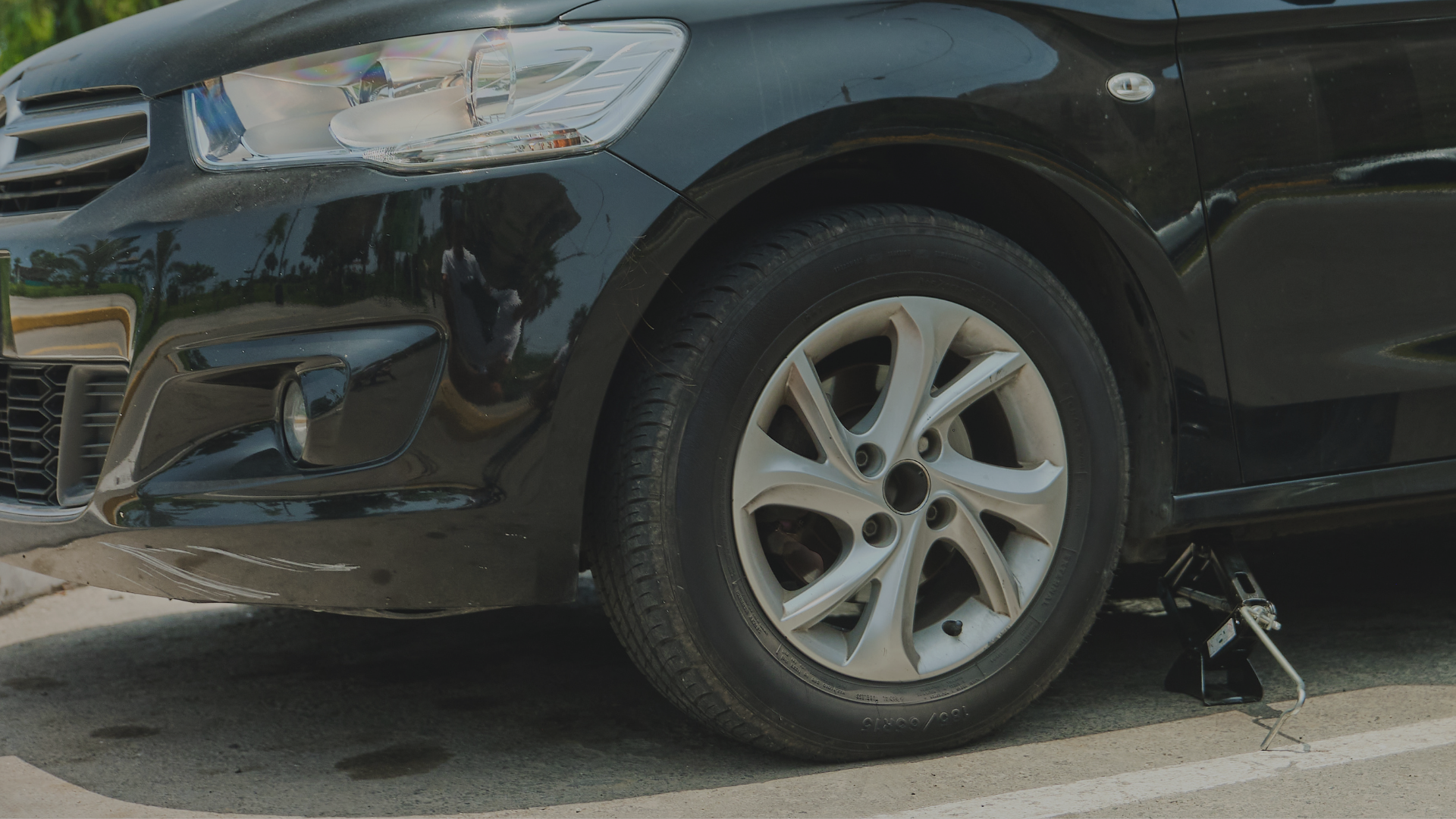
Ni la mejor preparación puede evitar todos los imprevistos. Antes de salir, asegúrate de que el neumático de repuesto esté bien inflado y en buenas condiciones. También confirma que el gato, la llave de tuercas y otras herramientas necesarias para cambiar un neumático estén presentes y funcionen correctamente. Tener estos elementos listos puede ahorrarte tiempo valioso si sufres un pinchazo en la carretera.
Reflexión final
Un viaje por carretera durante las fiestas debe ser placentero, no estresante. Tomarse el tiempo para inspeccionar y mantener los neumáticos antes de salir garantiza seguridad, comodidad y tranquilidad para todos los pasajeros.
En Raymond’s Tire Shop, ayudamos a los conductores a prepararse para los viajes de temporada ofreciendo inspecciones, reemplazos y servicios de mantenimiento de neumáticos realizados por expertos. Visítanos antes de tu próximo viaje y deja que nuestro equipo se asegure de que tu vehículo esté listo para los kilómetros que vienen.