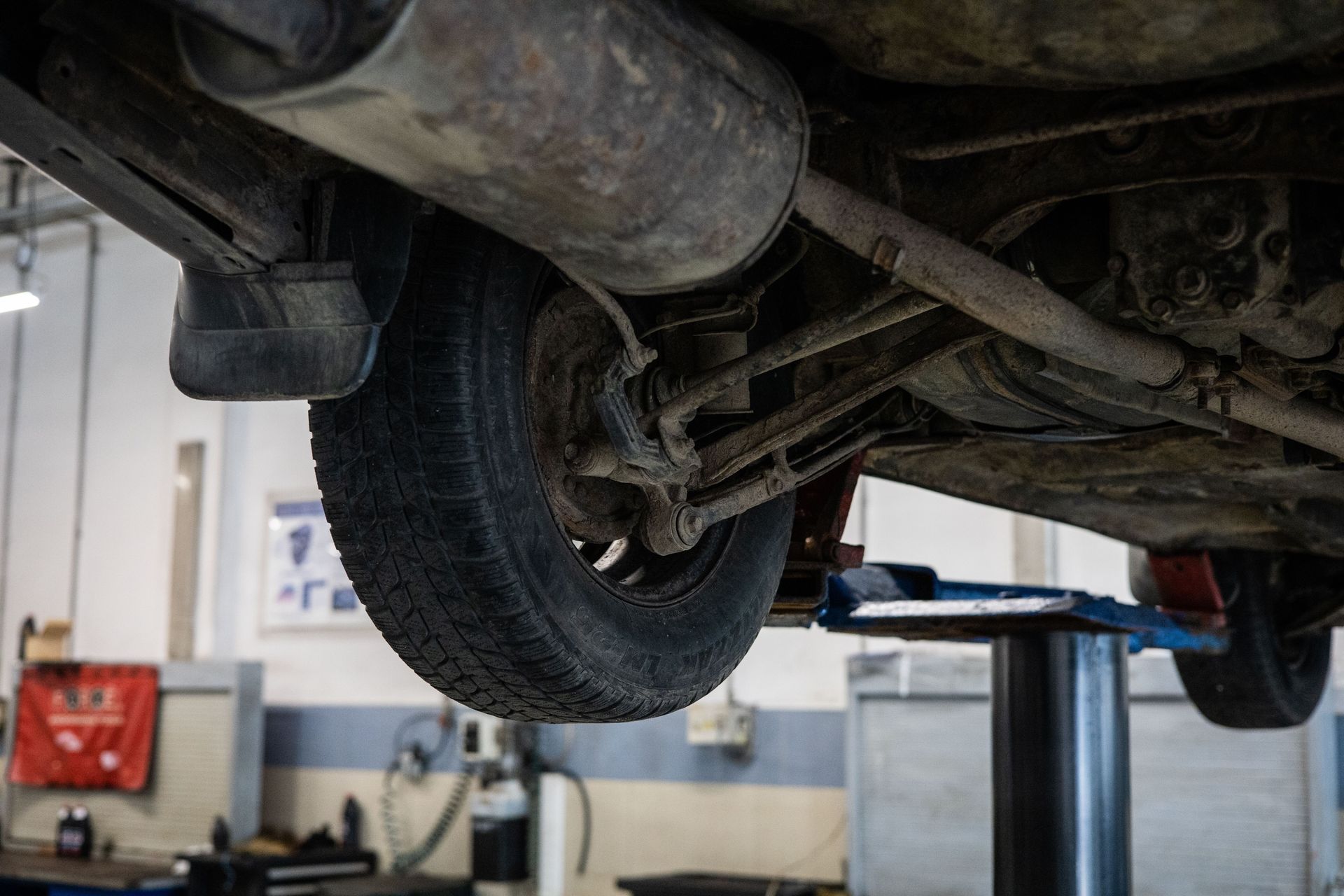
Lista de verificação da saúde dos pneus para viagens de fim de ano

Prepare seus pneus para os quilômetros que virão

A época de fim de ano é um dos períodos mais movimentados para viagens. As famílias preparam seus carros, carregam as malas e pegam a estrada para visitar entes queridos ou aproveitar um merecido descanso. No entanto, antes de sair, é importante garantir que o veículo esteja pronto para a viagem — começando pelos pneus. Na Raymond’s Tire Shop, sabemos que pneus bem cuidados podem fazer a diferença entre uma viagem segura e tranquila e um contratempo inesperado na estrada. Aqui está uma lista completa para ajudá-lo a preparar seus pneus para viajar com confiança durante as festas.


1. Verifique a pressão dos pneus

O clima frio afeta a pressão dos pneus mais do que muitos motoristas imaginam. A cada queda de 10 °F (aprox. 5 °C), a pressão pode diminuir cerca de uma libra por polegada quadrada (psi). Pneus murchos aumentam a resistência ao rolamento, reduzem a eficiência de combustível e causam desgaste irregular da banda de rodagem. Eles também dificultam o controle do veículo em estradas molhadas ou com gelo.


Antes de sair, verifique a pressão com um medidor confiável e compare-a com o nível recomendado pelo fabricante — indicado no manual do proprietário ou na etiqueta da porta do motorista. Se estiver baixa, complete até o nível correto. Lembre-se também de verificar o pneu sobressalente, pois muitos viajantes só percebem que ele está vazio quando precisam usá-lo.

Gray car covered in snow parked on a street in front of a building with red window frames.

2. Inspecione a profundidade da banda de rodagem

Uma boa profundidade da banda de rodagem é essencial para manter a tração, especialmente em condições de inverno. O desgaste excessivo reduz a aderência em pisos molhados ou nevados e aumenta a distância de frenagem. Uma forma simples de verificar é o teste da moeda: insira uma moeda na ranhura do pneu com a cabeça voltada para baixo. Se for possível ver o topo da cabeça, a banda está muito rasa e o pneu deve ser substituído.


Na Raymond’s Tire Shop, realizamos uma inspeção profissional da banda de rodagem com ferramentas precisas que medem o desgaste em toda a superfície do pneu. Isso garante que você atenda aos padrões mínimos de segurança e, ao mesmo tempo, maximize o desempenho e a durabilidade dos seus pneus.


3. Verifique se há danos visíveis

Antes de uma viagem longa, inspecione cada pneu em busca de rachaduras, cortes, bolhas ou objetos presos, como pregos ou pedaços de vidro. Mesmo pequenos furos podem causar perda de ar ou estouros em alta velocidade. Danos nas laterais são especialmente perigosos, pois enfraquecem a estrutura do pneu.


Se notar qualquer irregularidade, procure um profissional antes de dirigir longas distâncias. Nossos técnicos podem avaliar se o reparo é seguro ou se a substituição é a melhor opção.

Person driving car on snowy road towards mountains.

4. Garanta o alinhamento e o balanceamento corretos

Pneus desalinhados ou desbalanceados podem causar vibrações, desgaste irregular e má dirigibilidade — tornando viagens longas desconfortáveis e inseguras. Se o carro puxar para um lado ou se o volante vibrar em certas velocidades, é hora de verificar o alinhamento e o balanceamento.


Na Raymond’s Tire Shop, utilizamos sistemas profissionais de alinhamento para corrigir ângulos incorretos e garantir que cada pneu tenha contato uniforme com a estrada. Isso melhora o controle da direção e prolonga a vida útil dos pneus.


5. Faça o rodízio dos pneus antes de viagens longas

O rodízio regular dos pneus promove um desgaste uniforme nos quatro pneus, melhorando o desempenho e aumentando a durabilidade. Como cada pneu suporta uma carga diferente dependendo da tração do veículo, os pneus dianteiros e traseiros se desgastam em ritmos distintos. Fazê-los girar antes de uma viagem longa ajuda a manter a tração e o conforto consistentes.


Recomendamos realizar o rodízio a cada 8.000 a 11.000 quilômetros. Se já faz algum tempo desde o último, as semanas que antecedem as festas são o momento ideal para agendar esse serviço.

Empty highway through a mountainous, snow-covered landscape under a pale sunset sky.

6. Verifique o pneu sobressalente e as ferramentas

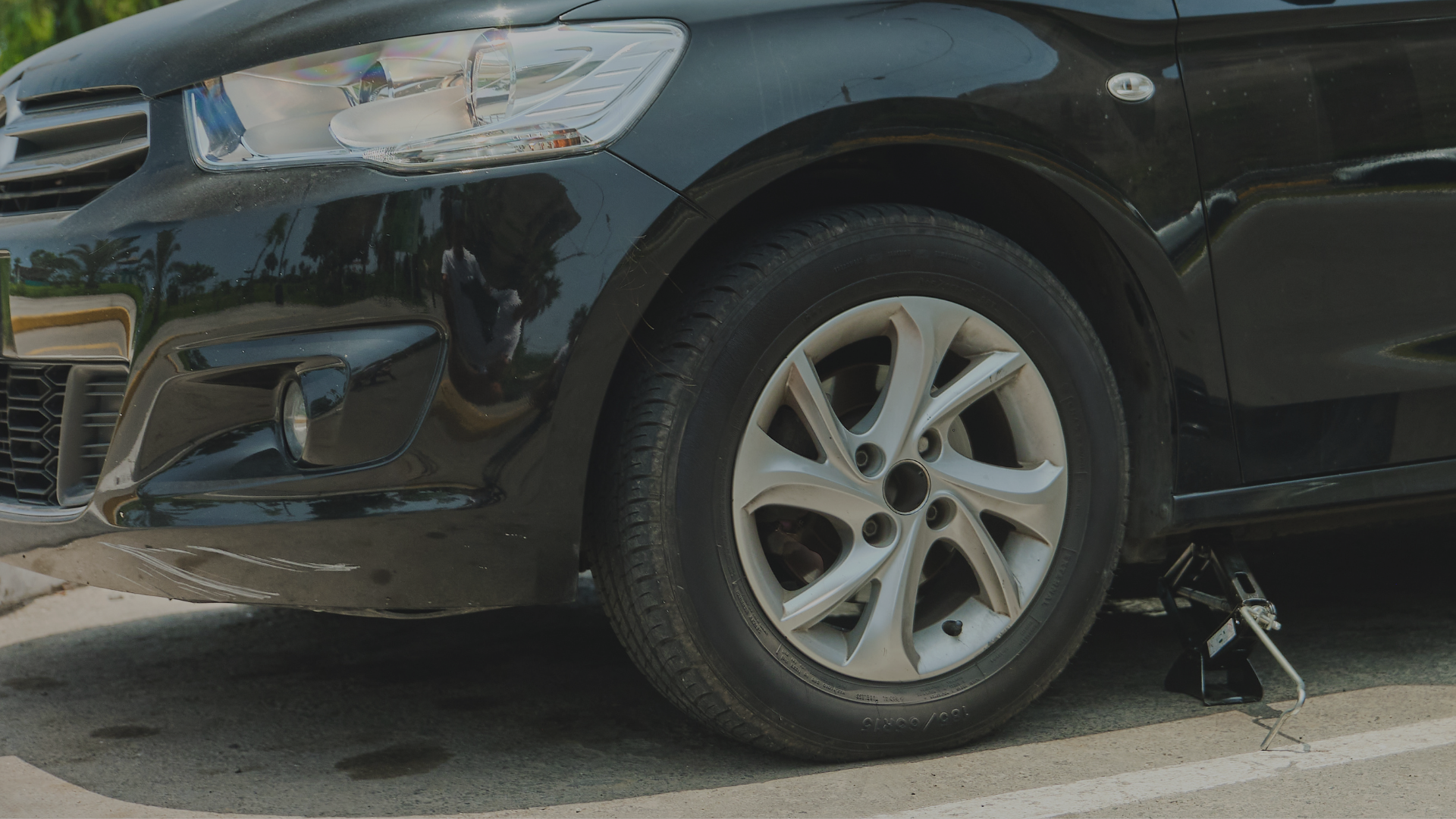
Mesmo a melhor preparação não evita todos os imprevistos. Antes de partir, certifique-se de que o pneu sobressalente está bem calibrado e em boas condições. Verifique também se o macaco, a chave de roda e outras ferramentas necessárias estão presentes e funcionando corretamente. Ter esses itens prontos pode economizar tempo valioso em caso de pneu furado na estrada.


Considerações finais

Uma viagem de fim de ano deve ser prazerosa, não estressante. Reservar um tempo para inspecionar e cuidar dos pneus antes da partida garante segurança, conforto e tranquilidade para todos os passageiros.


Na Raymond’s Tire Shop, ajudamos motoristas a se preparar para as viagens sazonais com inspeções, substituições e serviços de manutenção de pneus realizados por especialistas. Visite-nos antes da sua próxima viagem e deixe nossa equipe garantir que seu veículo esteja pronto para os quilômetros que virão.

Pathway through trees with patches of snow. Overhead power lines.
Winding road through an autumn forest, with a metal guardrail on the right side.
Black car parked on a road covered in fall leaves; autumn forest in the background.
Snowy street scene, a person walking down a path through deep snow. Buildings and a utility pole line the street.
October 7, 2026
Tire tread gets a lot of attention, but tread depth is not the only factor that matters. Tires also age . Even when a tire still has visible tread, the rubber compounds can gradually change over time because of heat, sunlight, weather exposure, and normal use. That is why knowing how to read the DOT date code can help drivers understand how old a tire really is.  The date code does not tell you everything about tire condition, but it provides an important piece of the overall picture.
October 1, 2026
A hard pothole impact can do more than damage a tire. The force can also bend a wheel, especially if the pothole is deep, the vehicle is moving quickly, or the tire has a lower-profile sidewall with less cushioning between the road and rim. Sometimes the damage is obvious. In other cases, the wheel may look normal but cause vibration, air loss, or handling problems.  Knowing what to watch for after a pothole strike can help drivers catch wheel damage before it creates additional tire or suspension problems.
September 23, 2026
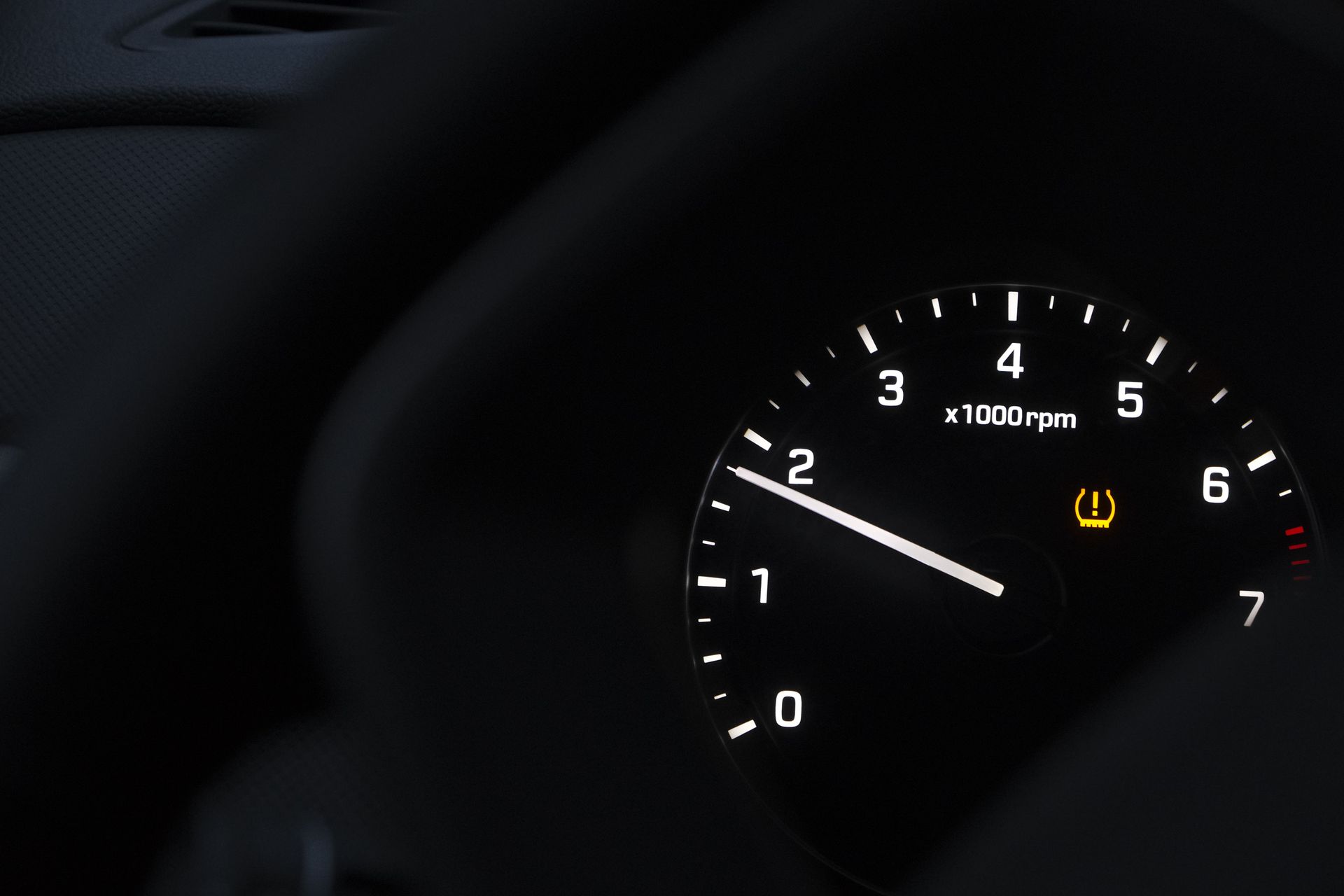
Most drivers are familiar with the tire pressure monitoring system , or TPMS, warning light. When it stays on steadily, it usually means one or more tires may be underinflated. A flashing TPMS light often means something different. Instead of simply warning about low tire pressure, a flashing light can indicate a problem with the monitoring system itself. That could involve a sensor, sensor battery, communication issue, or another TPMS-related fault.  Knowing the difference can help drivers avoid assuming that adding air will automatically solve the problem.
September 22, 2026
Tread depth is one of the first things drivers look at when deciding whether a tire still has life left. Deep grooves can make a tire appear healthy, especially if the vehicle is not driven very often. But tread is only part of the picture. Tires age even when they are not being used heavily. Over time, rubber compounds can harden, dry out, and become less flexible. That means an older tire may still have plenty of tread while no longer performing the way it did when it was newer. Rubber Changes With Age Tires are constantly exposed to oxygen, heat, sunlight, moisture, and changing temperatures. Those conditions gradually affect the rubber. As a tire ages, the material can lose some of its elasticity. That may reduce its ability to flex properly as it rolls and responds to the road. A tire that looks acceptable at a quick glance may therefore be significantly older than its appearance suggests. This is especially important for vehicles that accumulate very few miles each year.
September 11, 2026
A flat tire does not always mean the tire has to be replaced. In many cases, a small puncture can be repaired safely and returned to service. The key is where the puncture occurred, how large it is, and whether the tire suffered additional damage while losing air. That is why a professional inspection matters. Two punctures that lo ok similar from the outside may require completely different solutions once the tire is removed and examined internally. Location Matters Most One of the first things a technician looks at is where the puncture is located. Damage in the central tread area is often the best candidate for repair. This part of the tire is designed to handle contact with the road and can sometimes be repaired when the puncture is small and otherwise straightforward. Punctures near the shoulder or sidewall are much more concerning.  These areas flex significantly while the tire is moving and cannot usually be repaired safely using standard puncture-repair methods. If a nail, screw, or other object damages the sidewall or outer shoulder, replacement is often the safer option.
September 6, 2026
A wheel alignment can correct important steering and tire-angle settings, but the alignment itself depends on the suspension being in good mechanical condition. If ball joints, tie rods, control arm bushings, wheel bearings, or other components are worn, the wheels may not stay in the position the technician sets.  That is why some vehicles continue pulling , wearing tires unevenly, or developing an off-center steering wheel even after an alignment. In those cases, the problem may not be the alignment machine or the adjustment. It may be worn suspension or steering components underneath the vehicle.