Lista de verificación para tu viaje por carretera: Lo que tus neumáticos necesitan antes de salir a la ruta

No dejes que los problemas de neumáticos arruinen tu viaje por carretera

Un viaje por carretera debe ser sinónimo de libertad, no de frustración. Ya sea que te dirijas al Cabo, a las Montañas Blancas o aún más lejos, tus neumáticos son la única parte de tu auto que siempre toca el camino. Soportan el calor, el peso y el desgaste, y si fallan, tu viaje puede terminar antes de empezar.


Antes de cargar el auto y salir de la entrada, tómate el tiempo de asegurarte de que tus neumáticos estén listos. Aquí tienes una lista completa para ayudarte a viajar con seguridad, comodidad y sin sorpresas costosas.

Man driving a car, view from back seat. He wears a blue jacket and looks forward. Interior of a car.

1. Verifica la profundidad de la banda de rodadura

Los neumáticos dependen de la banda de rodadura para mantener agarre, especialmente bajo la lluvia, cuando el aquaplaning es un riesgo. Si la banda es demasiado superficial, comprometes la distancia de frenado, la tracción y la maniobrabilidad. El mínimo legal en Massachusetts es de 2/32 de pulgada, pero para un viaje largo, eso es demasiado justo.


Prueba rápida: Inserta una moneda de un centavo en la ranura con la cabeza de Lincoln hacia abajo. Si puedes ver la parte superior de su cabeza, el neumático está demasiado gastado. Considera reemplazarlo antes de tu viaje.


2. Inspecciona los neumáticos en busca de daños

Revisa visualmente los cuatro neumáticos (y la de repuesto) en busca de grietas, abultamientos, objetos incrustados o daños en los laterales. Incluso pequeños pinchazos pueden empeorar en distancias largas o a velocidades de autopista. Un reventón no solo es incómodo, es peligroso.


Si ves algo fuera de lo normal, haz que un profesional de Raymond’s Tire Shop lo revise. Algunos daños se pueden reparar, pero en otros casos será necesario reemplazar el neumático.

Person relaxing in a white car, feet out the window. Driving on a road with green foliage.

3. Verifica y ajusta la presión

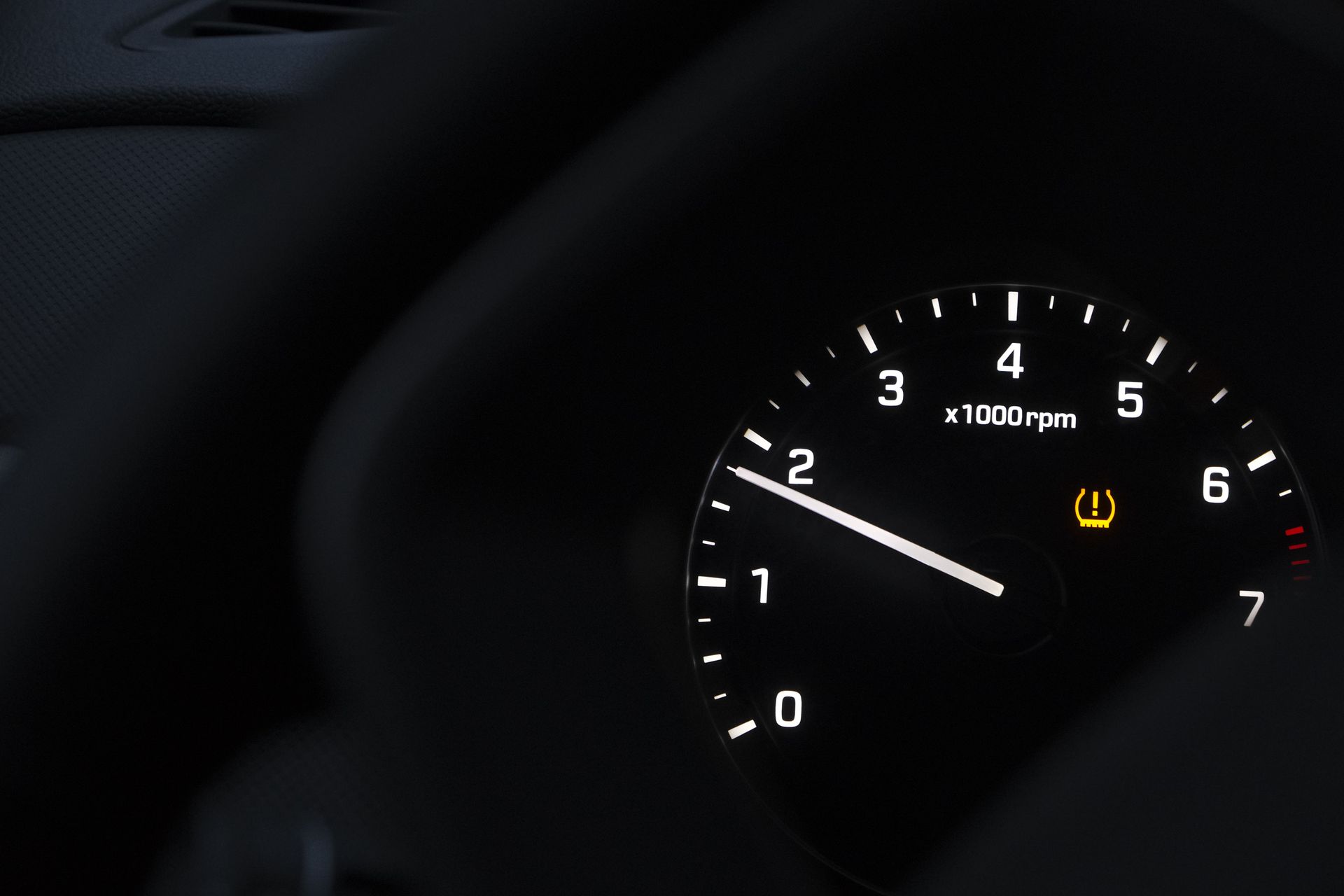
La presión de los neumáticos afecta la eficiencia del combustible, la comodidad de manejo y la seguridad. Los neumáticos con poca presión generan más calor, se desgastan más rápido y aumentan el riesgo de reventón. Los sobreinflados reducen la tracción y se desgastan de forma irregular.


Usa un manómetro confiable para revisar cada neumático (incluyendo el de repuesto) y ajústalos según las recomendaciones del fabricante, que normalmente se encuentran en una etiqueta dentro de la puerta del conductor o en el manual del propietario. Haz la verificación con los neumáticos fríos, preferiblemente antes de conducir.


4. No olvides la rueda de repuesto

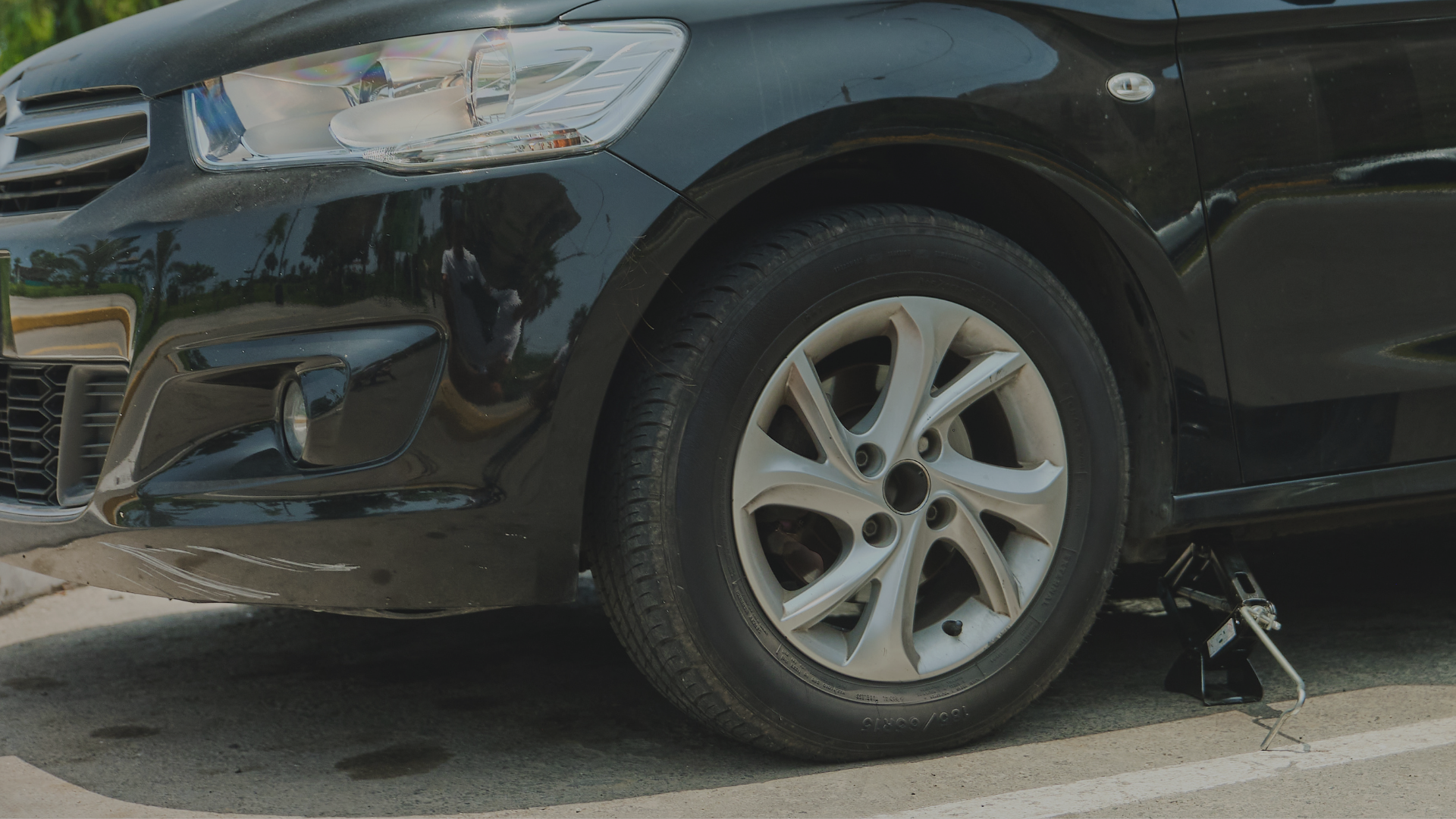
Muchos conductores olvidan revisar su neumático de repuesto hasta que lo necesitan, y para entonces puede estar desinflado o deteriorado. Antes de tu viaje, asegúrate de que la rueda de repuesto esté inflada correctamente y en buen estado. Revisa también que el gato y la llave de tuercas estén presentes y funcionen.


Si tu vehículo usa una rueda de repuesto temporal (space-saver), recuerda sus limitaciones: no están diseñadas para largas distancias ni altas velocidades, solo para llevarte a un taller.

Car driving on a winding road through a green, hilly landscape.

5. Considera una rotación de neumáticos

Si no has rotado tus neumáticos en los últimos 8,000 a 11,000 km, es recomendable hacerlo antes de un viaje largo. La rotación favorece un desgaste uniforme y prolonga la vida útil de los neumáticos. También puede revelar problemas de alineación u otros que podrían agravarse en un trayecto largo.


Raymond’s Tire Shop ofrece un servicio rápido y profesional de rotación para mantener tu vehículo listo para la ruta.


6. Conoce la edad de tus neumáticos

Los neumáticos no solo se desgastan, también envejecen. El caucho se degrada con el tiempo, incluso si la banda parece aceptable. La mayoría de los fabricantes recomienda reemplazarlos cada 6 a 10 años, independientemente del desgaste. El costado del neumático tiene un código DOT de cuatro dígitos que indica la semana y el año de fabricación.


Si tus neumáticos tienen más de seis años, haz que los revisen. Los viajes largos y el calor del verano aceleran la degradación del caucho.

Road stretching toward distant mountains, bright sun, lined with green trees.

7. Lleva un kit de emergencia

Incluso con una preparación perfecta, pueden surgir imprevistos. Asegúrate de que tu vehículo cuente con:

  • Un inflador de neumáticos o compresor portátil
  • Un kit de reparación o sellador de neumáticos
  • Cables de arranque
  • Una linterna con pilas extra
  • Guantes y un impermeable para reparaciones en la carretera
  • Triángulos de emergencia o bengalas


Estas herramientas simples pueden convertir un gran problema en una pequeña demora en lugar de un viaje arruinado.

Person in orange sweater drives a car with a passenger, mountains visible through the windshield.

Conclusión: No lo dejes al azar

Un viaje por carretera debe ser sobre la experiencia, no sobre preocuparte por los neumáticos. En Raymond’s Tire Shop, hemos ayudado a los conductores de Boston a prepararse para viajes seguros durante años. Nuestro equipo puede inspeccionar, rotar, reparar o reemplazar tus neumáticos para que manejes con confianza, ya sea por la ciudad o por todo el país.


Pasa a vernos antes de salir y deja que hagamos tu viaje más tranquilo.

Woman in hat sits in car trunk, unfolding a map in front of a building.
Aerial view of a winding road through a lush green forest with cars driving on it.
White SUV parked on a roadside overlooking a canyon at sunset.
A person in a car reaching for the sunroof, while driving with the other hand on the steering wheel.
Close-up of a car tire on a dusty road, showing tread detail. Gray car body in background.
Cars driving on a highway at sunset, with a city skyline in the distance.
August 23, 2026
A pothole impact can feel like a quick jolt, but the forces involved can affect several parts of the tire and wheel assembly. The faster the vehicle is moving, the less time the tire has to absorb the impact. In some cases, the damage is immediately obvious. In others, problems may not become noticeable until later. Raymond’s Tire Shop helps drivers inspect tires, wheels, balancing, and alignment after hard road impacts. Understanding what can happen during a pothole strike can make it easier to recognize when a tire needs professional attention. The Tire Is Compressed Extremely Quickly When a tire drops into a pothole and strikes the far edge, the sidewall and tread can be compressed between the road and the wheel. Tires are designed to flex, but a severe impact can exceed what the internal structure can safely absorb.  The risk can be greater when tire pressure is too low because there is less air cushioning between the road surface and the wheel. However, even a properly inflated tire can be damaged by a deep pothole at sufficient speed.
August 16, 2026
Tires are one of the most important safety components on any vehicle because they are the only parts that maintain direct contact with the road. As tires wear, their ability to grip pavement, channel water, and respond predictably can gradually decline. The challenge is that unsafe tire conditions are not always obvious until performance has already been affected.  Raymond’s Tire Shop helps drivers evaluate tread wear, tire damage, pressure issues, alignment problems, and other conditions that can affect tire safety. Knowing what to look for can help you recognize when a tire needs professional attention or replacement.
August 7, 2026
Most drivers think of tires simply as the round rubber components that allow a vehicle to roll down the road. In reality, tires are sophisticated pieces of engineering that perform several essential functions every time a vehicle is in motion. They support the weight of the vehicle, transmit steering and braking forces, absorb road irregularities, and maintain traction in changing driving conditions. Every acceleration, turn, and stop depends on these four small contact patches where the tires meet the road.  Understanding the primary functions of a tire helps drivers appreciate why routine maintenance and timely replacement are so important. Raymond’s Tire Shop helps customers choose quality tires and maintain them properly so their vehicles continue to perform safely and efficiently throughout the life of the tire.
July 31, 2026
Understanding how your tires interact with wet pavement is one of the most important parts of safe driving. While most drivers know that rain can make roads slippery, fewer understand how hydroplaning occurs or why it can cause a vehicle to suddenly lose traction. Knowing what causes hydroplaning—and how proper tire maintenance can reduce the risk—can help you stay safer during wet weather.  At Raymond’s Tire Shop, we believe that informed drivers make safer decisions. Keeping your tires in excellent condition is one of the best ways to improve vehicle performance when road conditions are less than ideal.
July 23, 2026
Your tires are one of the hardest-working components of your vehicle. They provide traction, support your vehicle’s weight, absorb impacts from the road, and help you maintain control in a wide range of driving conditions. Because they experience constant wear, replacing tires is an expected part of vehicle ownership. However, proper maintenance can help maximize their lifespan, improve performance, and save you money over time. Many of the factors that affect tire longevity are within a driver’s control. By following a few simple maintenance practices, you can help your tires wear more evenly and perform as intended throughout their service life.
July 17, 2026
Your tires are the only part of your vehicle that remains in constant contact with the road, making them one of the most important components for safety, performance, and fuel efficiency. While many drivers remember to check their oil or schedule routine maintenance, tire pressure is often overlooked until a problem develops.  Maintaining proper tire inflation is one of the simplest and most effective ways to extend the life of your tires. It takes only a few minutes to check your tire pressure, yet this small maintenance task can help improve vehicle performance and protect your investment over the long term.