Lista de verificação da sua viagem: O que os pneus precisam antes de pegar a estrada

Não deixe que problemas nos pneus estraguem sua viagem

Uma viagem de carro deve significar liberdade, não frustração. Seja indo para Cape, as Montanhas Brancas ou ainda mais longe, os pneus são a única parte do seu carro que está sempre em contato com a estrada. Eles suportam o calor, o peso e o desgaste e, se falharem, sua viagem pode acabar antes mesmo de começar.


Antes de carregar o carro e sair da garagem, reserve um tempo para garantir que os pneus estejam prontos. Aqui está uma lista completa para ajudá-lo a viajar com segurança, conforto e sem surpresas caras.

Man driving a car, view from back seat. He wears a blue jacket and looks forward. Interior of a car.

1. Verifique a profundidade dos sulcos

Os pneus dependem dos sulcos para manter a aderência, especialmente sob chuva, quando a aquaplanagem é um risco. Se a profundidade estiver muito baixa, você compromete a frenagem, a tração e a dirigibilidade. O mínimo legal em Massachusetts é 2/32 de polegada, mas para viagens longas isso é arriscado.


Teste rápido: insira uma moeda de um centavo (penny) no sulco com a cabeça de Lincoln voltada para baixo. Se conseguir ver o topo da cabeça, o pneu está muito gasto. Considere substituí-lo antes da viagem.


2. Inspecione os pneus em busca de danos

Verifique visualmente os quatro pneus (e o estepe) para identificar rachaduras, bolhas, objetos presos ou danos nas laterais. Mesmo pequenos furos podem piorar em longas distâncias ou em alta velocidade. Um estouro na estrada não é apenas inconveniente, é perigoso.


Se notar algo estranho, peça a um profissional da Raymond’s Tire Shop para avaliar. Pequenos danos podem ser reparados, mas em alguns casos é necessário substituir o pneu.

Person relaxing in a white car, feet out the window. Driving on a road with green foliage.

3. Verifique e ajuste a pressão

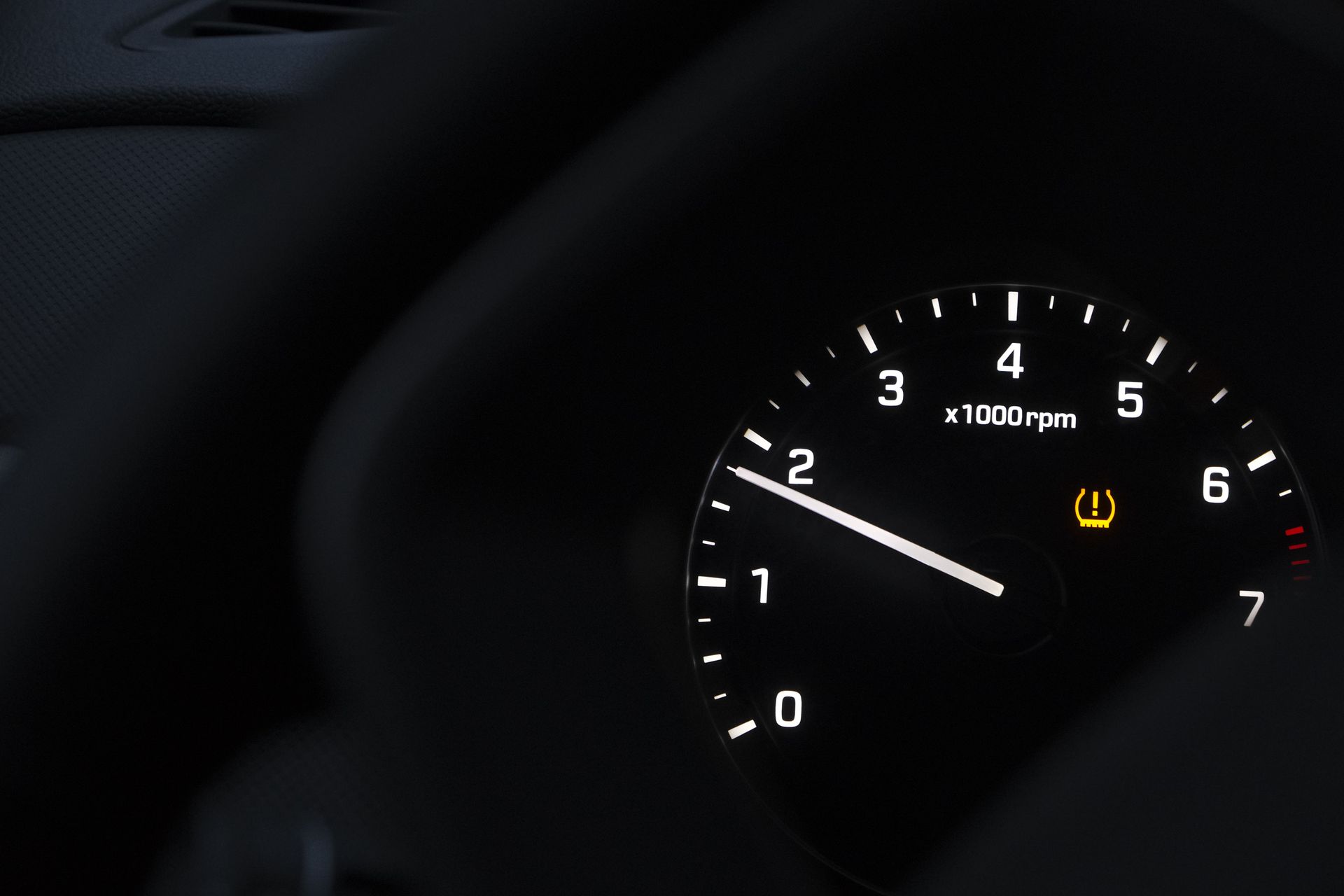
A pressão afeta a eficiência do combustível, o conforto e a segurança geral. Pneus murchos aquecem mais, desgastam-se mais rápido e aumentam o risco de estouro. Pneus muito cheios reduzem a tração e desgastam-se de forma irregular.


Use um manômetro confiável para verificar cada pneu (incluindo o estepe) e ajuste de acordo com as recomendações do fabricante, geralmente indicadas em uma etiqueta dentro da porta do motorista ou no manual do veículo. Verifique a pressão com os pneus frios, de preferência antes de dirigir.


4. Não se esqueça do estepe

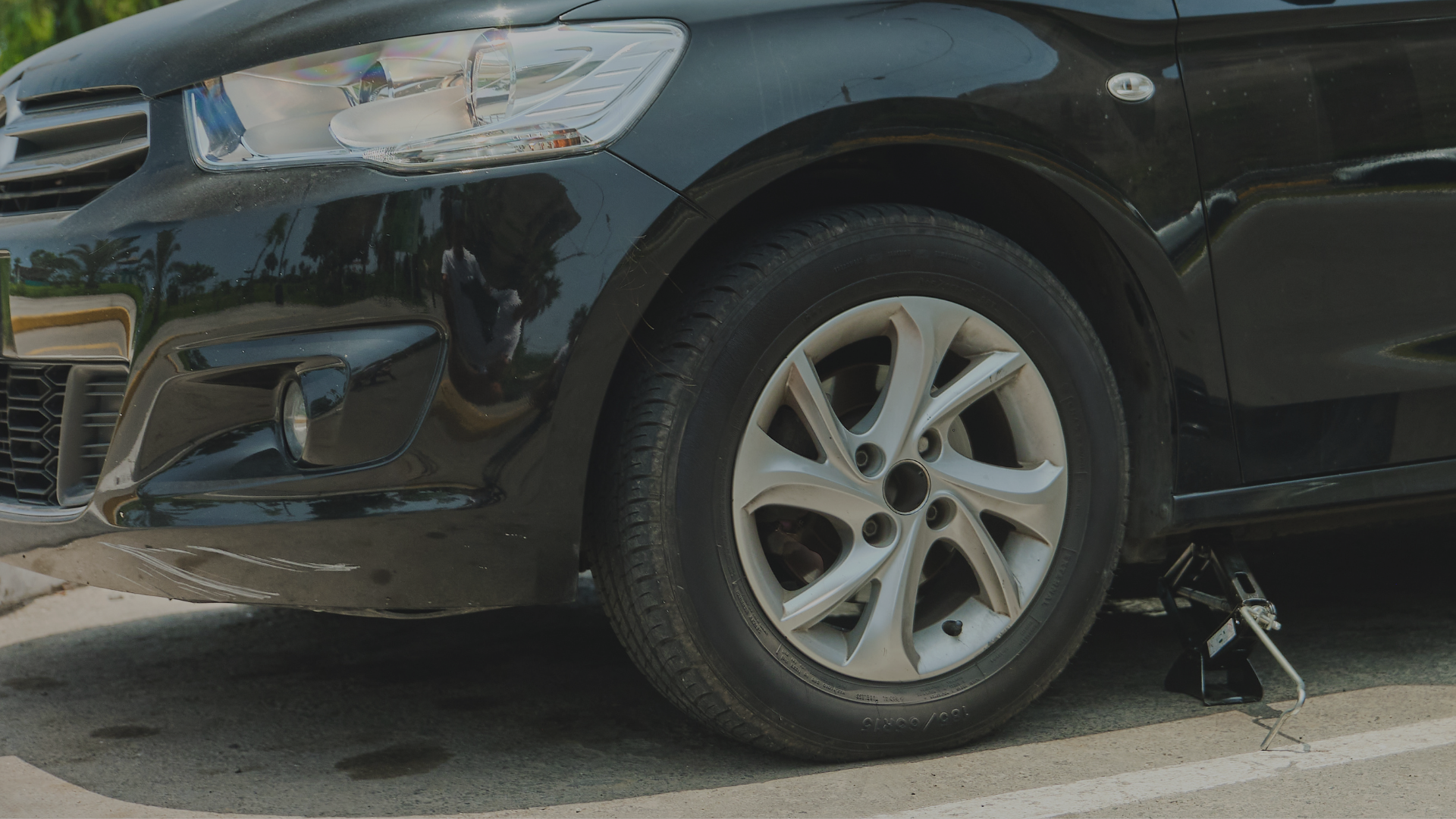
Muitos motoristas só lembram de verificar o estepe quando precisam dele — e nessa hora ele pode estar murcho ou ressecado. Antes da viagem, confirme que o estepe está inflado corretamente e sem danos. Verifique também se o macaco e a chave de roda estão presentes e funcionando.


Se o seu carro usa estepe temporário (space-saver), conheça suas limitações. Eles não são feitos para longas distâncias nem para altas velocidades, devendo ser usados apenas para chegar até uma oficina.

Car driving on a winding road through a green, hilly landscape.

5. Considere rodízio dos pneus

Se você não fez o rodízio nos últimos 8.000 a 11.000 km, é recomendável fazê-lo antes de uma viagem. O rodízio ajuda a equilibrar o desgaste e prolongar a vida útil dos pneus. Também pode revelar problemas de alinhamento ou outros que podem piorar em uma viagem longa.


A Raymond’s Tire Shop oferece rodízio rápido e profissional para manter seu carro pronto para a estrada.


6. Conheça a idade dos pneus

Os pneus não apenas se desgastam, eles envelhecem. A borracha se degrada com o tempo, mesmo que os sulcos ainda pareçam bons. A maioria dos fabricantes recomenda a troca a cada 6 a 10 anos, independentemente do desgaste. A lateral do pneu possui um código DOT de quatro dígitos que indica a semana e o ano de fabricação.


Se os pneus tiverem mais de seis anos, faça uma inspeção. Viagens longas e calor de verão aceleram a deterioração da borracha.

Road stretching toward distant mountains, bright sun, lined with green trees.

7. Monte um kit de emergência

Mesmo com a melhor preparação, imprevistos podem ocorrer. Certifique-se de que seu veículo esteja equipado com:

  • Um compressor portátil ou calibrador de pneus
  • Um kit de reparo ou selante de pneus
  • Cabos de partida
  • Lanterna com pilhas extras
  • Luvas e capa de chuva para reparos na estrada
  • Triângulos de sinalização ou sinalizadores


Esses itens simples podem transformar um problema grave em apenas um pequeno atraso, em vez de uma viagem arruinada.

Person in orange sweater drives a car with a passenger, mountains visible through the windshield.

Conclusão: Não deixe por conta do acaso

Uma viagem de carro deve ser sobre a experiência, não sobre se preocupar com os pneus. Na Raymond’s Tire Shop, ajudamos motoristas de Boston a se prepararem para viagens seguras há anos. Nossa equipe pode inspecionar, rodiziar, reparar ou substituir seus pneus para que você viaje com confiança, seja pela cidade ou pelo país inteiro.


Passe na loja antes de pegar a estrada e deixe-nos tornar sua viagem mais tranquila.

Woman in hat sits in car trunk, unfolding a map in front of a building.
Aerial view of a winding road through a lush green forest with cars driving on it.
White SUV parked on a roadside overlooking a canyon at sunset.
A person in a car reaching for the sunroof, while driving with the other hand on the steering wheel.
Close-up of a car tire on a dusty road, showing tread detail. Gray car body in background.
Cars driving on a highway at sunset, with a city skyline in the distance.
August 28, 2026
When a tire repeatedly loses air but there is no obvious nail, screw, or visible puncture, the problem may be where the tire meets the wheel. This area is known as the tire bead, and a poor seal between the bead and the rim can allow air to escape gradually. Tire bead leaks are a common cause of slow pressure loss. Understanding why they happen can help drivers recognize when a tire needs professional inspection rather than repeatedly adding air. What Is the Tire Bead? The bead is the reinforced inner edge of the tire that sits tightly against the wheel rim. When a tire is properly mounted and inflated, air pressure helps hold the bead securely against the wheel, creating an airtight seal. If that sealing surface becomes damaged, dirty, corroded, or distorted, a small pathway can develop for air to escape.  Because these leaks may be very small, the tire can lose pressure over several days or weeks rather than going flat immediately.
August 23, 2026
A pothole impact can feel like a quick jolt, but the forces involved can affect several parts of the tire and wheel assembly. The faster the vehicle is moving, the less time the tire has to absorb the impact. In some cases, the damage is immediately obvious. In others, problems may not become noticeable until later. Raymond’s Tire Shop helps drivers inspect tires, wheels, balancing, and alignment after hard road impacts. Understanding what can happen during a pothole strike can make it easier to recognize when a tire needs professional attention. The Tire Is Compressed Extremely Quickly When a tire drops into a pothole and strikes the far edge, the sidewall and tread can be compressed between the road and the wheel. Tires are designed to flex, but a severe impact can exceed what the internal structure can safely absorb.  The risk can be greater when tire pressure is too low because there is less air cushioning between the road surface and the wheel. However, even a properly inflated tire can be damaged by a deep pothole at sufficient speed.
August 16, 2026
Tires are one of the most important safety components on any vehicle because they are the only parts that maintain direct contact with the road. As tires wear, their ability to grip pavement, channel water, and respond predictably can gradually decline. The challenge is that unsafe tire conditions are not always obvious until performance has already been affected.  Raymond’s Tire Shop helps drivers evaluate tread wear, tire damage, pressure issues, alignment problems, and other conditions that can affect tire safety. Knowing what to look for can help you recognize when a tire needs professional attention or replacement.
August 7, 2026
Most drivers think of tires simply as the round rubber components that allow a vehicle to roll down the road. In reality, tires are sophisticated pieces of engineering that perform several essential functions every time a vehicle is in motion. They support the weight of the vehicle, transmit steering and braking forces, absorb road irregularities, and maintain traction in changing driving conditions. Every acceleration, turn, and stop depends on these four small contact patches where the tires meet the road.  Understanding the primary functions of a tire helps drivers appreciate why routine maintenance and timely replacement are so important. Raymond’s Tire Shop helps customers choose quality tires and maintain them properly so their vehicles continue to perform safely and efficiently throughout the life of the tire.
July 31, 2026
Understanding how your tires interact with wet pavement is one of the most important parts of safe driving. While most drivers know that rain can make roads slippery, fewer understand how hydroplaning occurs or why it can cause a vehicle to suddenly lose traction. Knowing what causes hydroplaning—and how proper tire maintenance can reduce the risk—can help you stay safer during wet weather.  At Raymond’s Tire Shop, we believe that informed drivers make safer decisions. Keeping your tires in excellent condition is one of the best ways to improve vehicle performance when road conditions are less than ideal.
July 23, 2026
Your tires are one of the hardest-working components of your vehicle. They provide traction, support your vehicle’s weight, absorb impacts from the road, and help you maintain control in a wide range of driving conditions. Because they experience constant wear, replacing tires is an expected part of vehicle ownership. However, proper maintenance can help maximize their lifespan, improve performance, and save you money over time. Many of the factors that affect tire longevity are within a driver’s control. By following a few simple maintenance practices, you can help your tires wear more evenly and perform as intended throughout their service life.