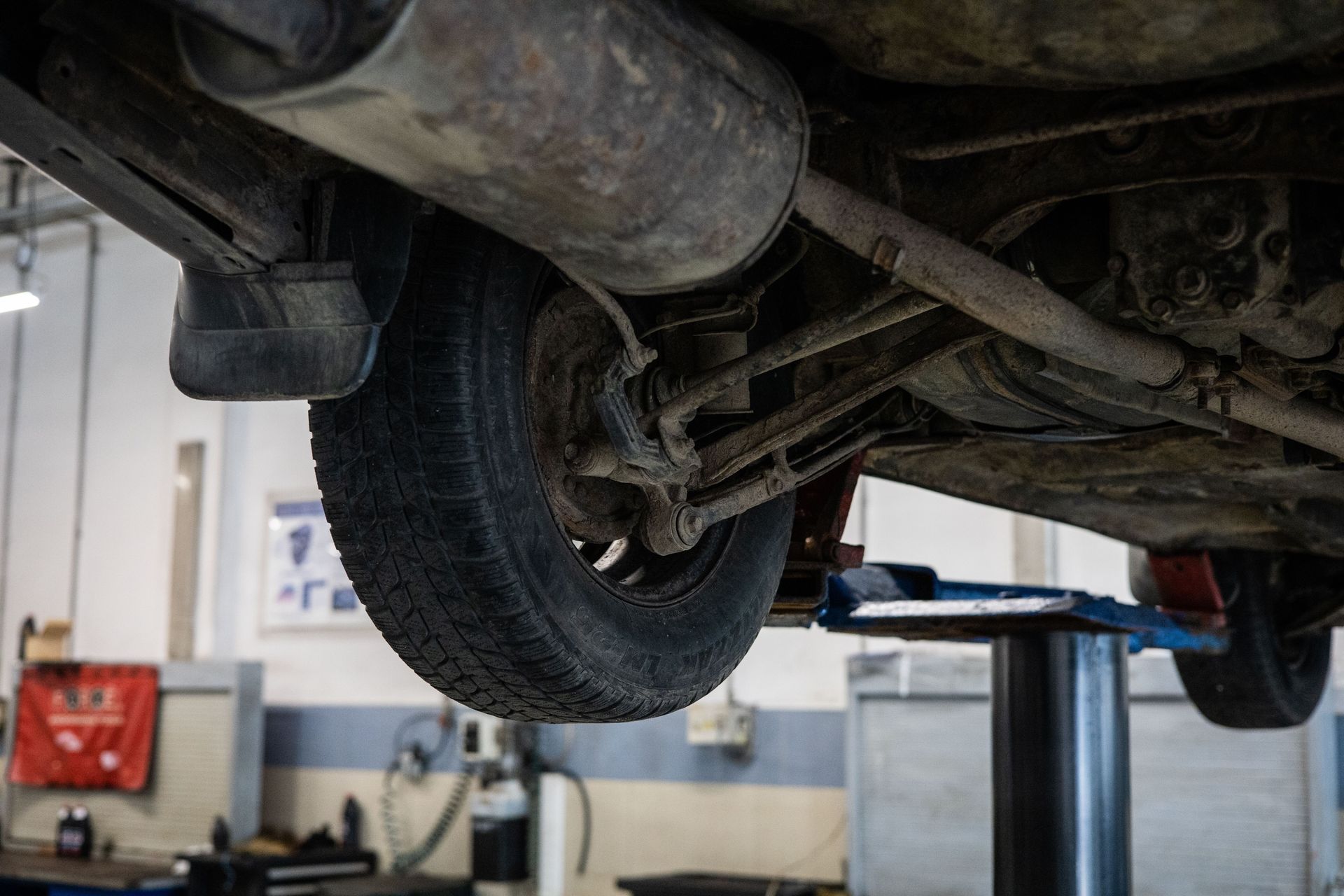
Quando o reparo do pneu não é suficiente e a substituição é a opção mais segura

Quando surge um problema no pneu, muitos motoristas esperam um reparo rápido e econômico. Em algumas situações, o reparo do pneu é adequado e eficaz. Em outras, a substituição é a escolha mais segura e responsável. Compreender a diferença pode ajudar os motoristas a proteger a si mesmos, seus passageiros e outros usuários da via.


Nem todos os danos em pneus podem ser reparados
Os pneus modernos são projetados com múltiplas camadas que trabalham juntas para suportar o peso, manter a tração e absorver os impactos da estrada. Quando o dano afeta determinadas partes do pneu, o reparo pode comprometer sua integridade estrutural.


Perfurações na área da banda de rodagem às vezes podem ser reparadas se forem pequenas e estiverem bem localizadas. No entanto, danos na lateral, no ombro ou na estrutura interna do pneu não podem ser reparados com segurança. Essas áreas se flexionam constantemente durante a condução, e os reparos nessas zonas têm maior probabilidade de falhar.

Man changing a tire on a blue and white vintage van; woman sits inside, looking out.

Danos na lateral são um grande sinal de alerta
Danos na lateral são uma das razões mais comuns para a substituição de um pneu. Cortes, bolhas ou rachaduras na lateral indicam uma estrutura enfraquecida. Mesmo que o pneu pareça manter a pressão de ar, danos na lateral podem levar a uma falha repentina sem aviso.


Como a lateral suporta grande parte da carga do veículo, qualquer comprometimento nessa área representa um risco sério à segurança. A substituição é a única opção segura quando há danos na lateral.
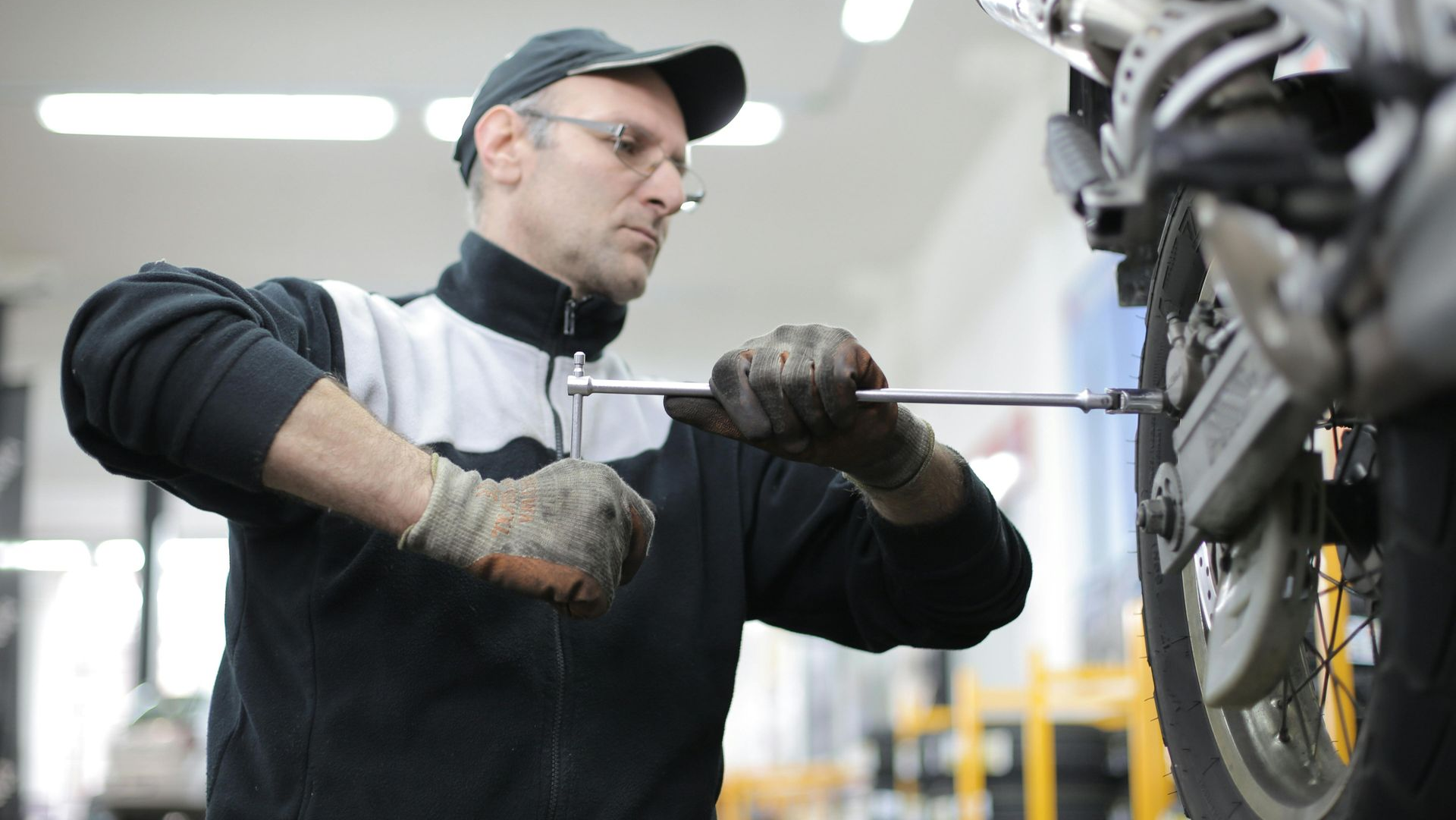
Mechanic in a workshop using a wrench to work on a motorcycle tire.

Múltiplos reparos reduzem a confiabilidade
Um pneu que já foi reparado uma vez pode não ser um bom candidato para reparos adicionais. Cada reparo altera levemente a estrutura do pneu. Vários remendos ou plugues podem reduzir a confiabilidade, especialmente em velocidades de rodovia.


Quando um pneu sofre danos repetidos, a substituição geralmente oferece maior tranquilidade e segurança a longo prazo.


As condições de condução importam
Como e onde um veículo é conduzido desempenha um papel importante nas decisões de reparo. Pneus que circulam regularmente em altas velocidades ou transportam cargas pesadas sofrem maior estresse. Nesses casos, até mesmo danos que estão no limite do reparável podem justificar a substituição.


Motoristas que viajam longas distâncias com frequência ou trafegam em velocidades de rodovia se beneficiam de pneus com resistência e desempenho sem compromissos.
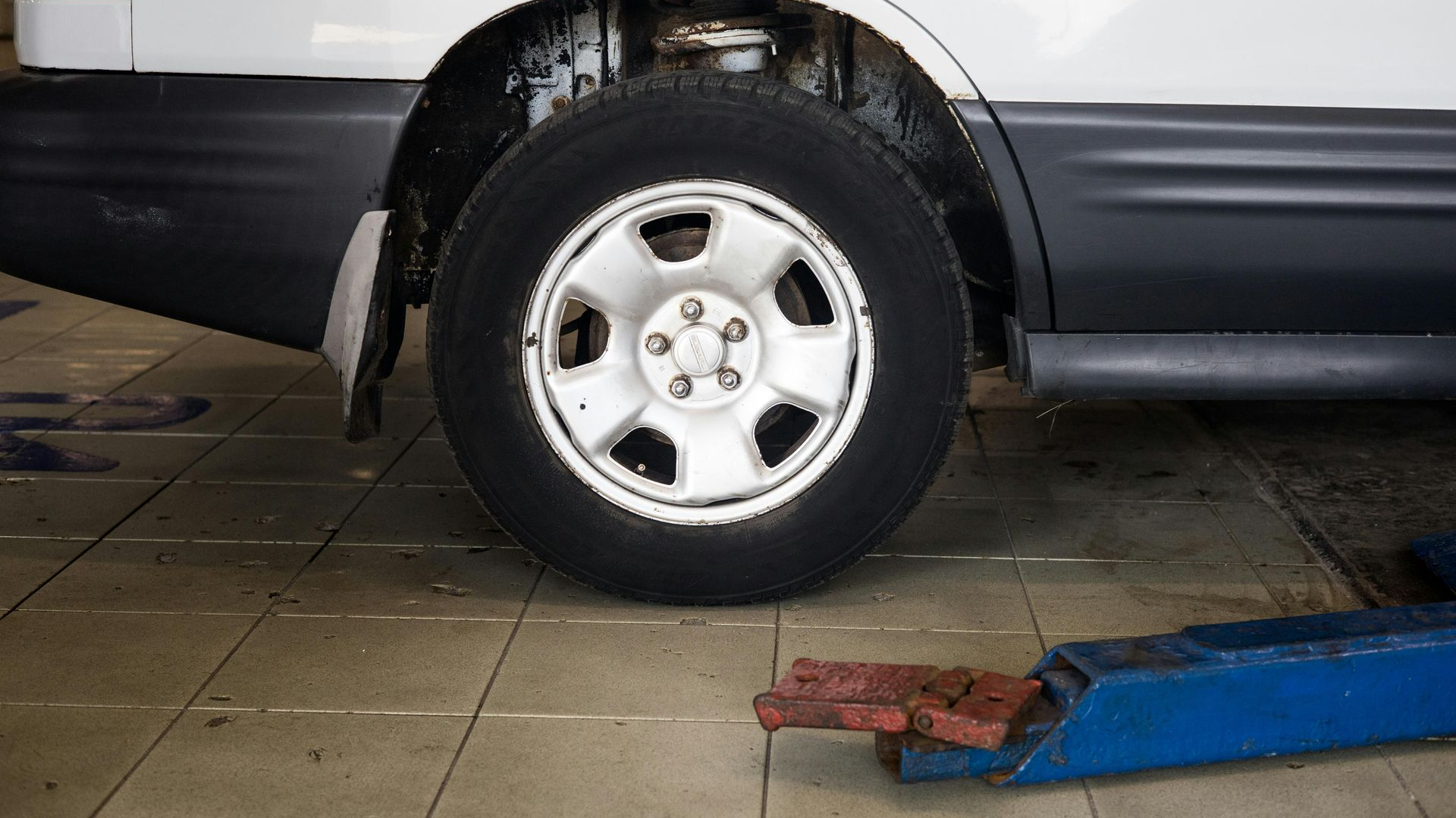
White car rear tire, mechanic shop. Tire and wheel visible, body and bumper, bricks and lift.

A idade e o desgaste do pneu devem ser considerados
A profundidade da banda de rodagem, por si só, não conta toda a história. À medida que os pneus envelhecem, os compostos de borracha endurecem e perdem flexibilidade. Um pneu mais antigo com banda de rodagem adequada ainda pode ser mais vulnerável a falhas após sofrer um dano.


Se um pneu estiver próximo do fim de sua vida útil, substituí-lo em vez de repará-lo costuma ser a escolha mais segura e econômica.


Os reparos podem não restaurar o desempenho original
Mesmo quando um reparo é realizado corretamente, o pneu pode não ter exatamente o mesmo desempenho de antes do dano. Pneus reparados podem apresentar alteração no balanceamento ou redução da durabilidade ao longo do tempo.


A substituição garante um desempenho uniforme em todo o pneu, o que contribui para uma condução, frenagem e tração consistentes.

Person driving a car, hands on the steering wheel, smartphone mounted on the dashboard.

A segurança deve sempre vir em primeiro lugar
Economizar dinheiro é importante, mas a segurança deve orientar as decisões sobre pneus. Uma falha de pneu em alta velocidade pode resultar em perda de controle, danos ao veículo e ferimentos graves. Optar pela substituição quando o reparo é duvidoso ajuda a reduzir esses riscos.


A avaliação profissional é fundamental. Técnicos treinados podem analisar os danos, os padrões de desgaste e a condição geral para recomendar a opção mais segura.


A escolha correta dos pneus de substituição é importante
Quando a substituição é necessária, escolher o pneu certo faz diferença. O tamanho adequado, o índice de carga e as características de desempenho garantem a compatibilidade com o veículo. Em alguns casos, substituir mais de um pneu ajuda a manter o equilíbrio de dirigibilidade e tração.


A consistência entre os pneus contribui para a estabilidade e o desempenho do veículo.
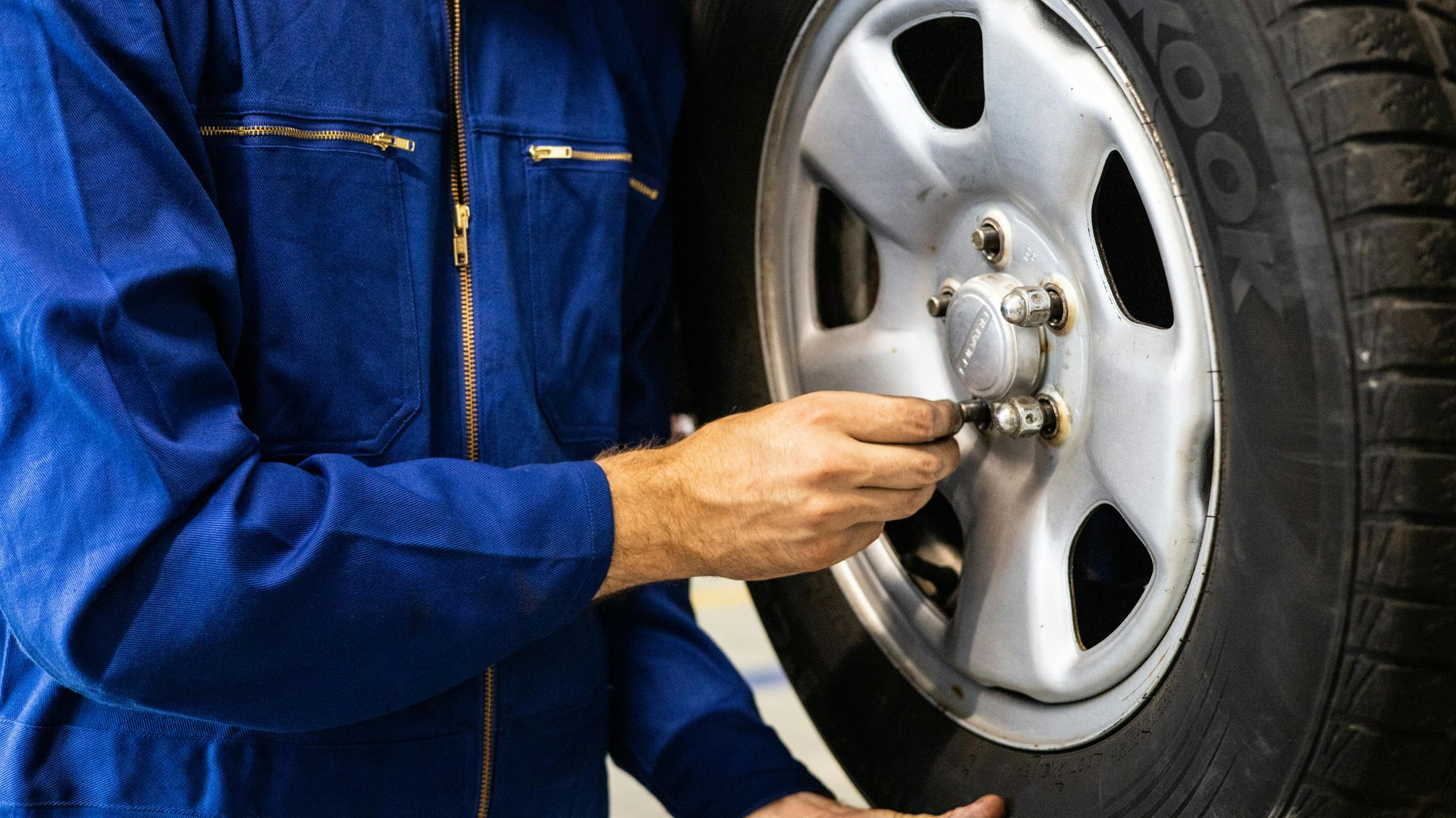
Mechanic in blue coveralls tightening lug nuts on a car tire.

Tomando uma decisão informada
Entender quando o reparo do pneu não é suficiente capacita os motoristas a fazer escolhas mais seguras. Nem todo problema de pneu pode ou deve ser reparado, e conhecer os limites do reparo ajuda a evitar situações perigosas.


Na Raymond’s Tire Shop, dedicamos tempo para avaliar cada pneu cuidadosamente e explicar claramente as opções disponíveis. Quando a substituição é a escolha mais segura, ajudamos os motoristas a selecionar pneus confiáveis que promovem uma condução segura e confiança a longo prazo na estrada.
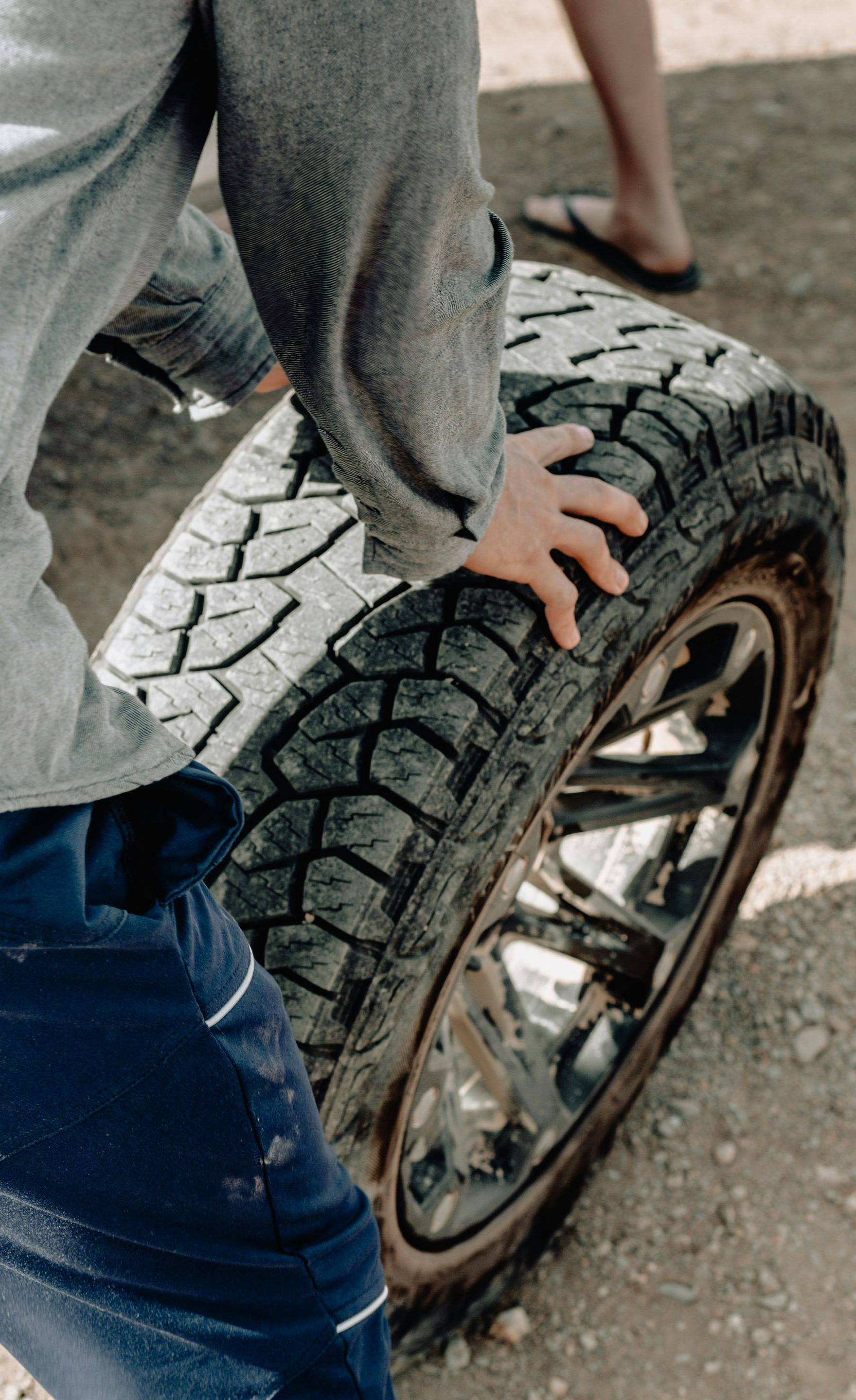
Person gripping a large tire with a shiny chrome rim outdoors.
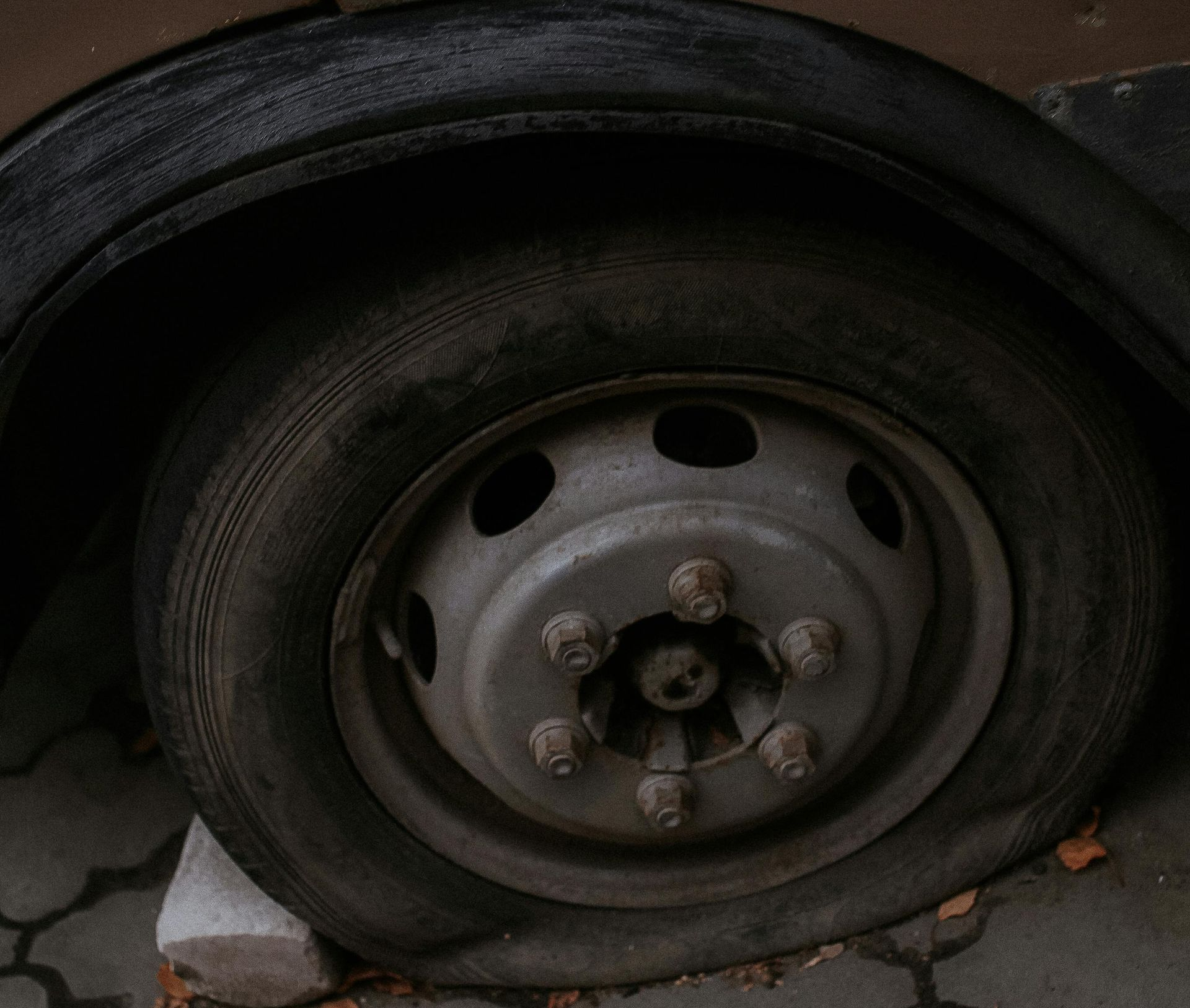
Flat tire on a vehicle's wheel, resting on a concrete block, in an outdoor setting.
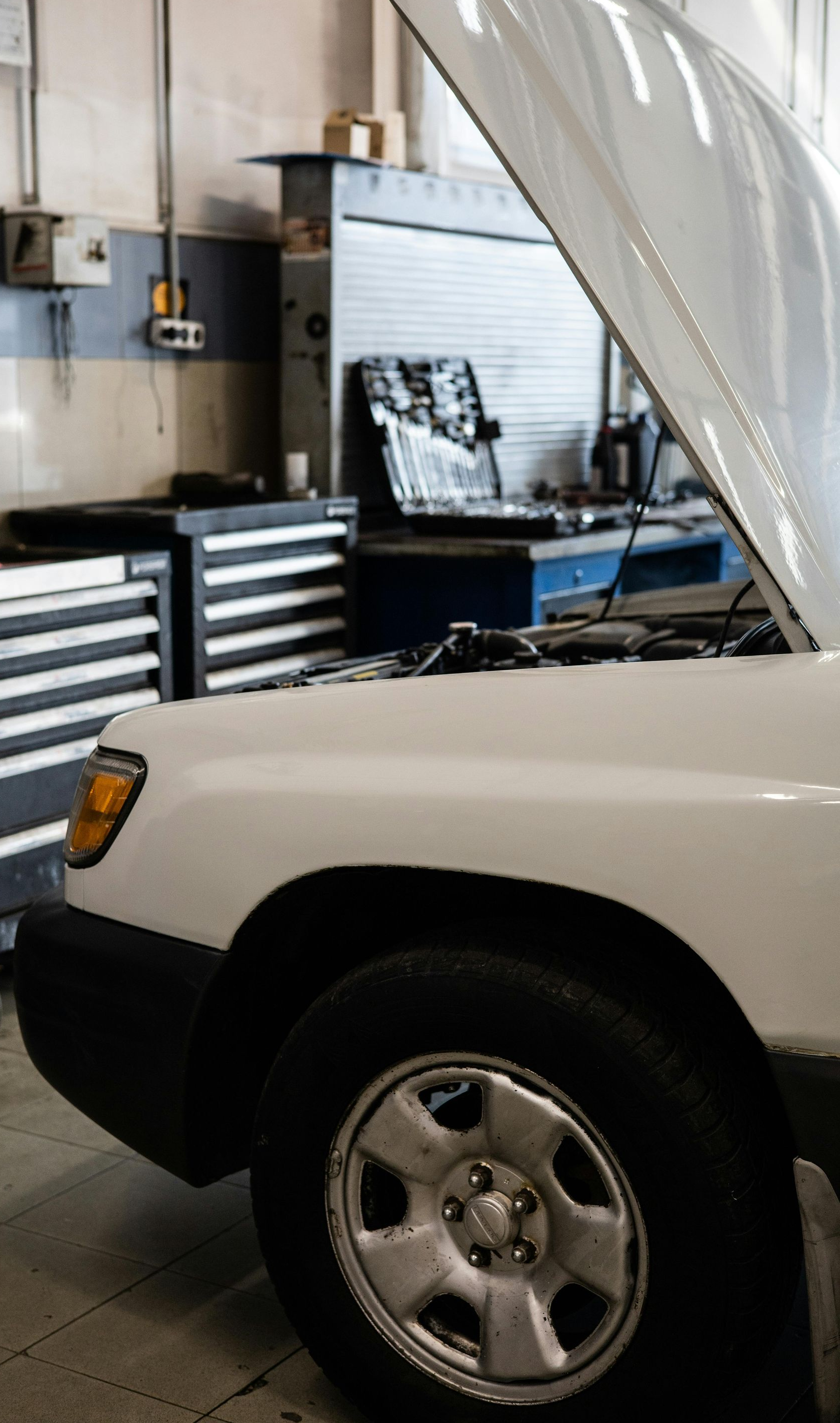
White car with hood up in auto repair shop, next to toolbox and other equipment.
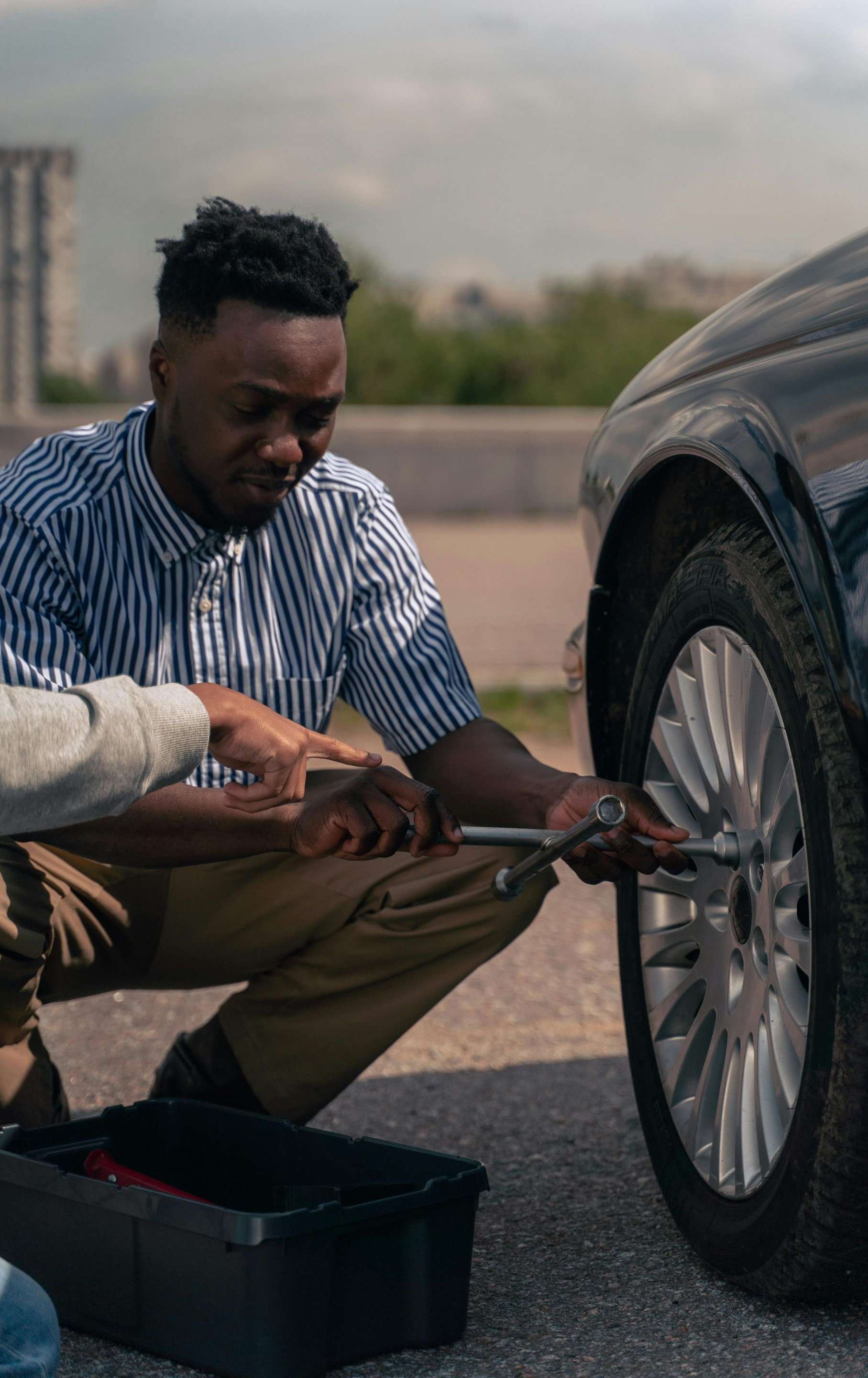
Man crouches next to a car, using a wrench. A toolbox is on the ground.
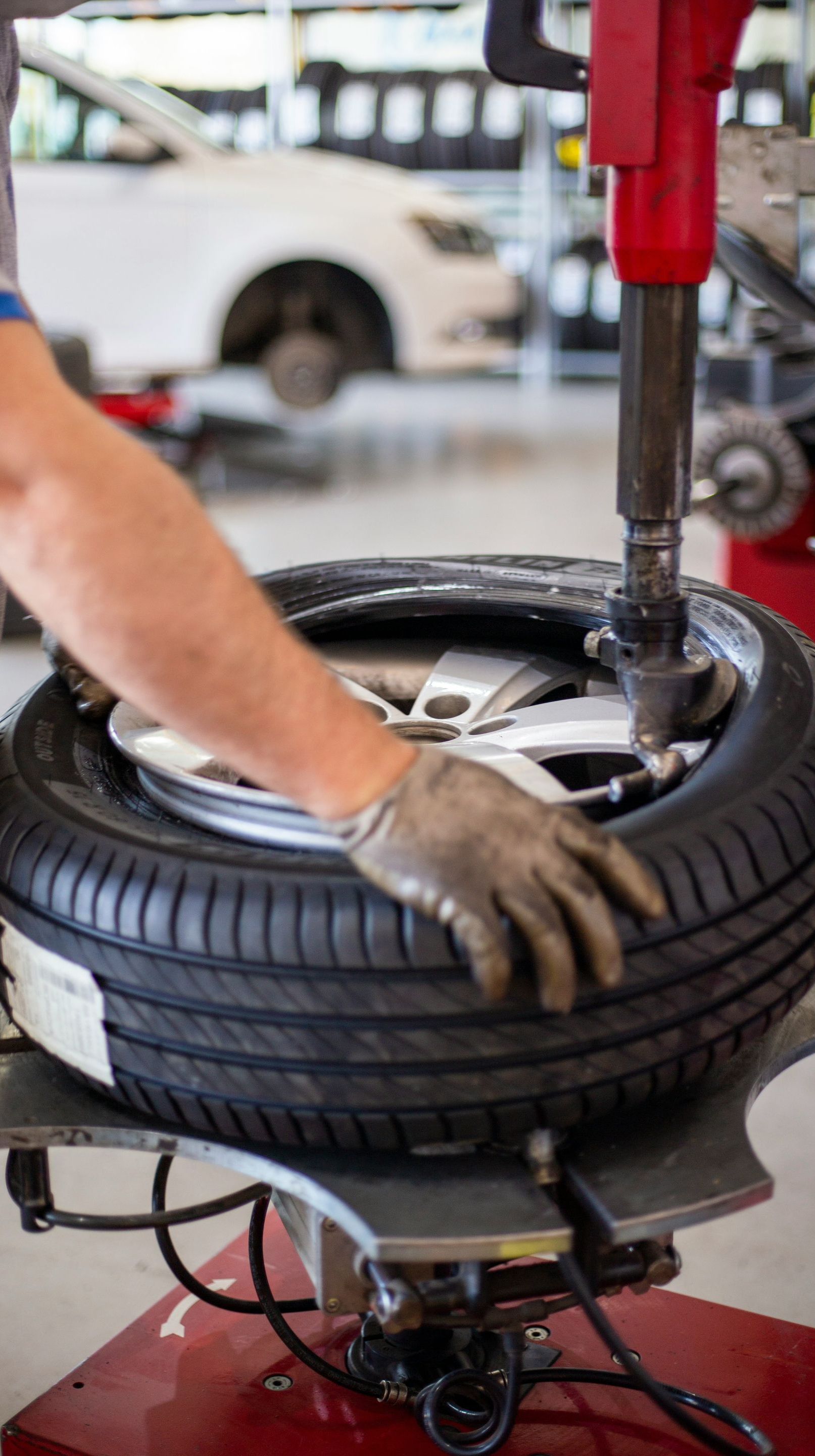
Mechanic using a tire machine to change a tire in a garage.
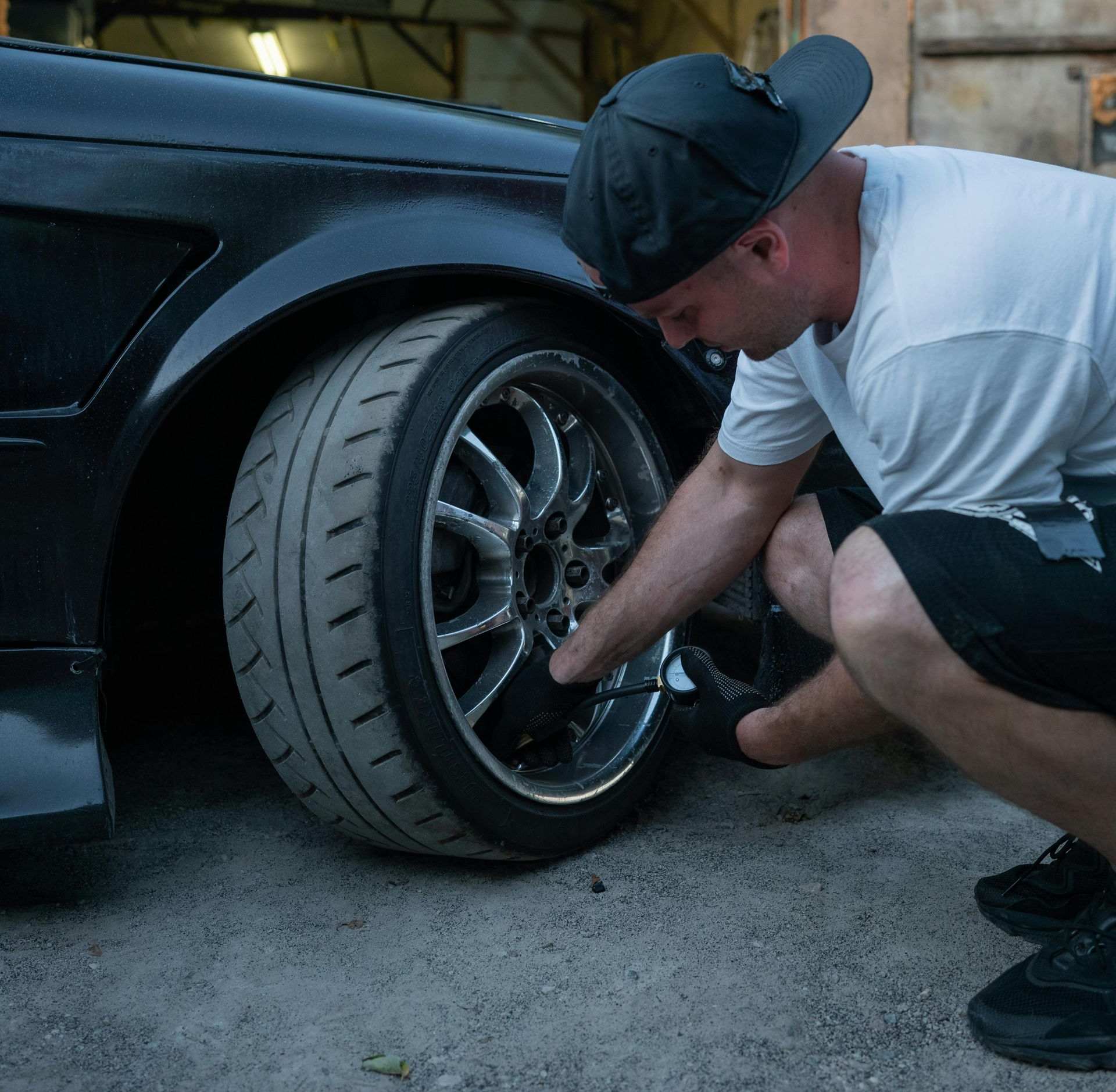
Man kneeling by black car's tire, adjusting it outdoors.
August 28, 2026
When a tire repeatedly loses air but there is no obvious nail, screw, or visible puncture, the problem may be where the tire meets the wheel. This area is known as the tire bead, and a poor seal between the bead and the rim can allow air to escape gradually. Tire bead leaks are a common cause of slow pressure loss. Understanding why they happen can help drivers recognize when a tire needs professional inspection rather than repeatedly adding air. What Is the Tire Bead? The bead is the reinforced inner edge of the tire that sits tightly against the wheel rim. When a tire is properly mounted and inflated, air pressure helps hold the bead securely against the wheel, creating an airtight seal. If that sealing surface becomes damaged, dirty, corroded, or distorted, a small pathway can develop for air to escape.  Because these leaks may be very small, the tire can lose pressure over several days or weeks rather than going flat immediately.
August 23, 2026
A pothole impact can feel like a quick jolt, but the forces involved can affect several parts of the tire and wheel assembly. The faster the vehicle is moving, the less time the tire has to absorb the impact. In some cases, the damage is immediately obvious. In others, problems may not become noticeable until later. Raymond’s Tire Shop helps drivers inspect tires, wheels, balancing, and alignment after hard road impacts. Understanding what can happen during a pothole strike can make it easier to recognize when a tire needs professional attention. The Tire Is Compressed Extremely Quickly When a tire drops into a pothole and strikes the far edge, the sidewall and tread can be compressed between the road and the wheel. Tires are designed to flex, but a severe impact can exceed what the internal structure can safely absorb.  The risk can be greater when tire pressure is too low because there is less air cushioning between the road surface and the wheel. However, even a properly inflated tire can be damaged by a deep pothole at sufficient speed.
August 16, 2026
Tires are one of the most important safety components on any vehicle because they are the only parts that maintain direct contact with the road. As tires wear, their ability to grip pavement, channel water, and respond predictably can gradually decline. The challenge is that unsafe tire conditions are not always obvious until performance has already been affected.  Raymond’s Tire Shop helps drivers evaluate tread wear, tire damage, pressure issues, alignment problems, and other conditions that can affect tire safety. Knowing what to look for can help you recognize when a tire needs professional attention or replacement.
August 7, 2026
Most drivers think of tires simply as the round rubber components that allow a vehicle to roll down the road. In reality, tires are sophisticated pieces of engineering that perform several essential functions every time a vehicle is in motion. They support the weight of the vehicle, transmit steering and braking forces, absorb road irregularities, and maintain traction in changing driving conditions. Every acceleration, turn, and stop depends on these four small contact patches where the tires meet the road.  Understanding the primary functions of a tire helps drivers appreciate why routine maintenance and timely replacement are so important. Raymond’s Tire Shop helps customers choose quality tires and maintain them properly so their vehicles continue to perform safely and efficiently throughout the life of the tire.
July 31, 2026
Understanding how your tires interact with wet pavement is one of the most important parts of safe driving. While most drivers know that rain can make roads slippery, fewer understand how hydroplaning occurs or why it can cause a vehicle to suddenly lose traction. Knowing what causes hydroplaning—and how proper tire maintenance can reduce the risk—can help you stay safer during wet weather.  At Raymond’s Tire Shop, we believe that informed drivers make safer decisions. Keeping your tires in excellent condition is one of the best ways to improve vehicle performance when road conditions are less than ideal.
July 23, 2026
Your tires are one of the hardest-working components of your vehicle. They provide traction, support your vehicle’s weight, absorb impacts from the road, and help you maintain control in a wide range of driving conditions. Because they experience constant wear, replacing tires is an expected part of vehicle ownership. However, proper maintenance can help maximize their lifespan, improve performance, and save you money over time. Many of the factors that affect tire longevity are within a driver’s control. By following a few simple maintenance practices, you can help your tires wear more evenly and perform as intended throughout their service life.