Understanding the Difference Between Tire Repair and Replacement
When a tire is damaged, many drivers are unsure whether it can be safely repaired or if full replacement is the better option. The decision is not always obvious, and choosing incorrectly can affect safety, performance, and long term costs. Understanding the difference between tire repair and tire replacement helps drivers protect their vehicles and make confident choices.
When Tire Repair Is an Option
Tire repair is typically considered when damage is limited, properly located, and does not compromise the structural integrity of the tire. The most common repairable issue is a small puncture caused by a nail or screw.
For a tire to be eligible for repair, the puncture generally must be located in the tread area, not the sidewall or shoulder. The size of the puncture also matters. Damage that is too large or irregular may not seal properly, even with professional methods.
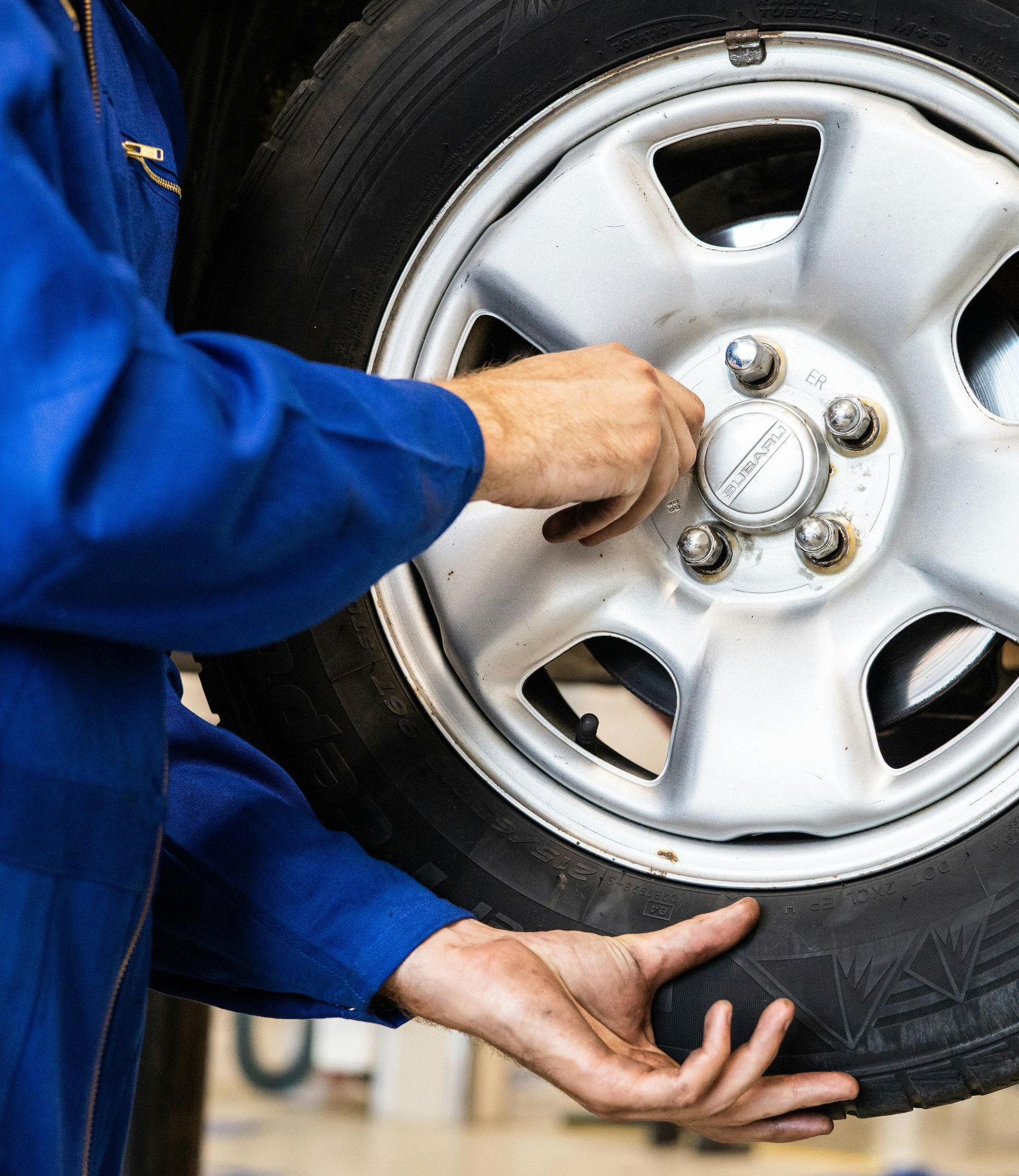
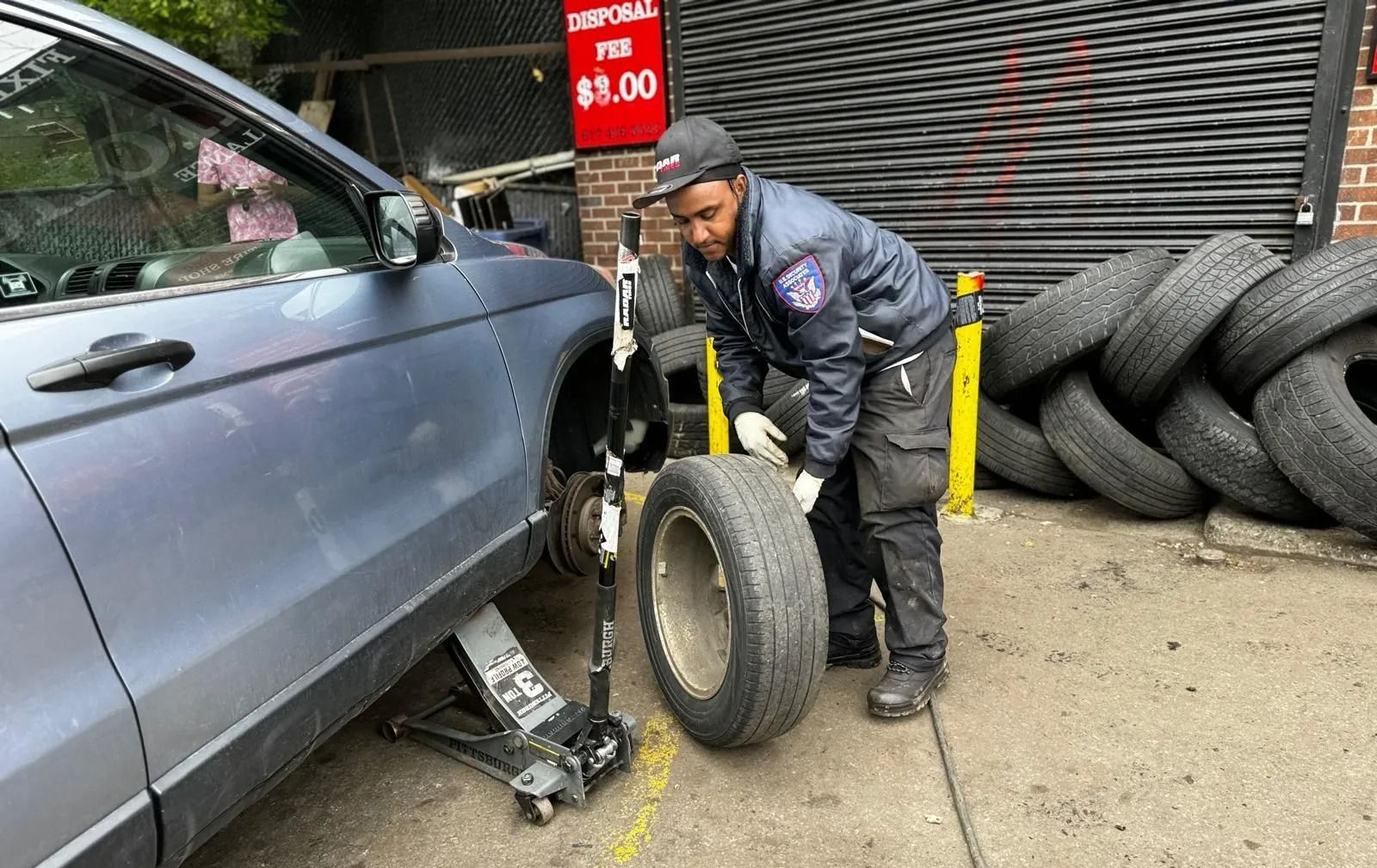
A proper repair involves more than inserting a plug. The tire must be removed from the wheel, inspected internally, and repaired using a patch or patch plug combination. This process helps restore air retention and ensures the repair holds under normal driving conditions.
Why Sidewall Damage Cannot Be Repaired
Sidewall damage is one of the most common reasons a tire must be replaced. The sidewall flexes constantly while driving and supports much of the vehicle’s load. Any puncture, tear, or bubble in this area weakens the tire’s structure.
Attempting to repair sidewall damage is unsafe. Even if air loss seems minor, the risk of sudden failure increases significantly. Replacement is the only responsible option in these cases.

The Role of Tire Age and Wear
Even if damage appears minor, the overall condition of the tire must be considered. Tires that are heavily worn, unevenly worn, or aged may not be good candidates for repair.
As tires age, the rubber compounds harden and lose flexibility. This reduces grip and increases the risk of cracking or separation. Repairing an old or worn tire may temporarily restore air pressure, but it does not address reduced performance or safety.
When Replacement Is the Safer Choice
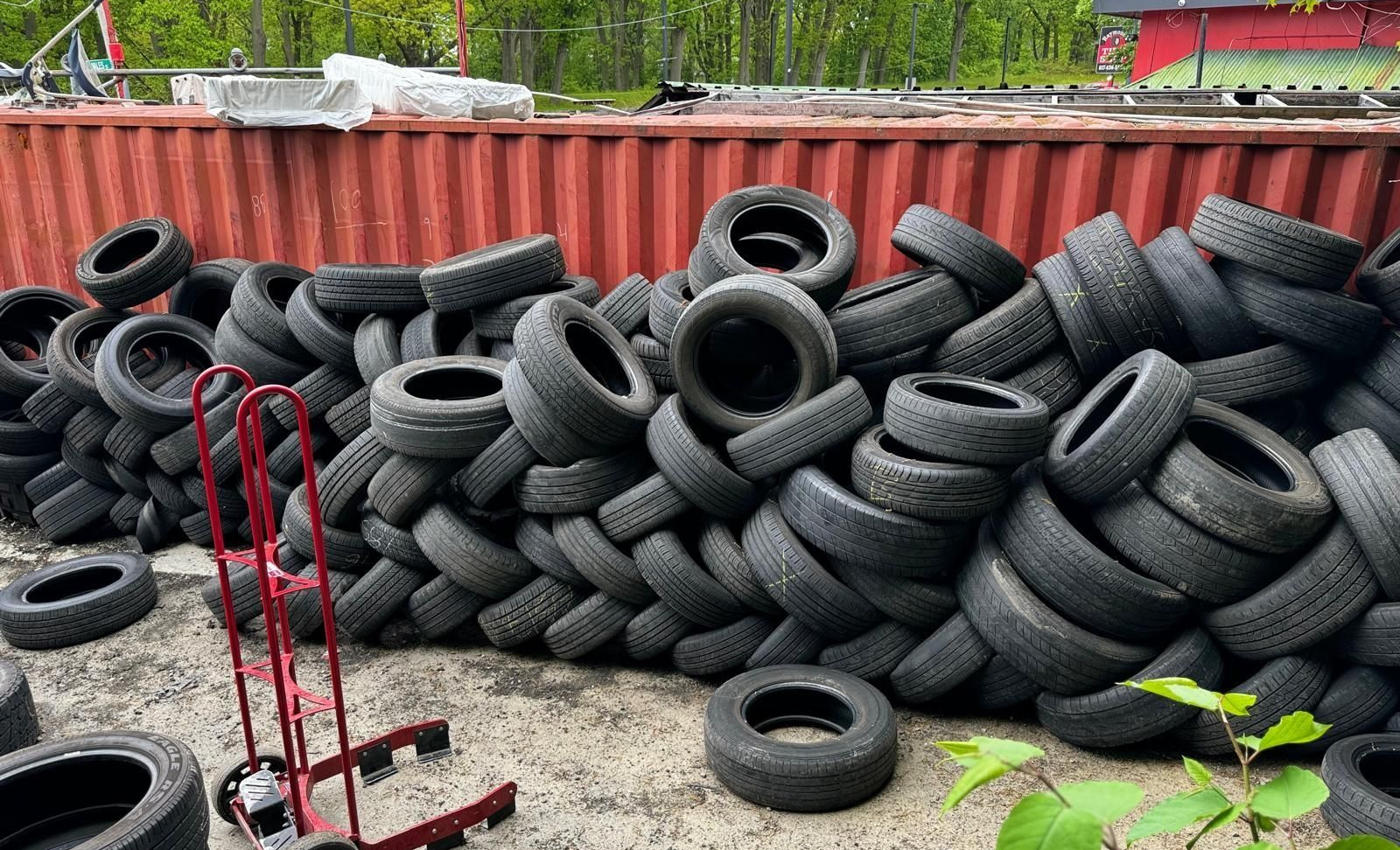
Replacement is recommended when damage affects the tire’s structure, when tread depth is low, or when multiple repairs have already been made. Tires with previous repairs may no longer perform reliably under stress.
Replacement is also important when tires no longer match in size, tread depth, or condition. Mismatched tires can affect handling, braking, and stability, particularly in emergency situations.
Safety Considerations Matter Most
The primary difference between repair and replacement is safety. A properly repaired tire can continue to perform safely when damage is limited and conditions are right. A compromised tire, even if it holds air, may fail unexpectedly.
Drivers often focus on immediate cost, but the long term cost of tire failure can be far greater. Loss of control, extended stopping distances, or roadside breakdowns carry real risks.
Professional Evaluation Makes the Difference
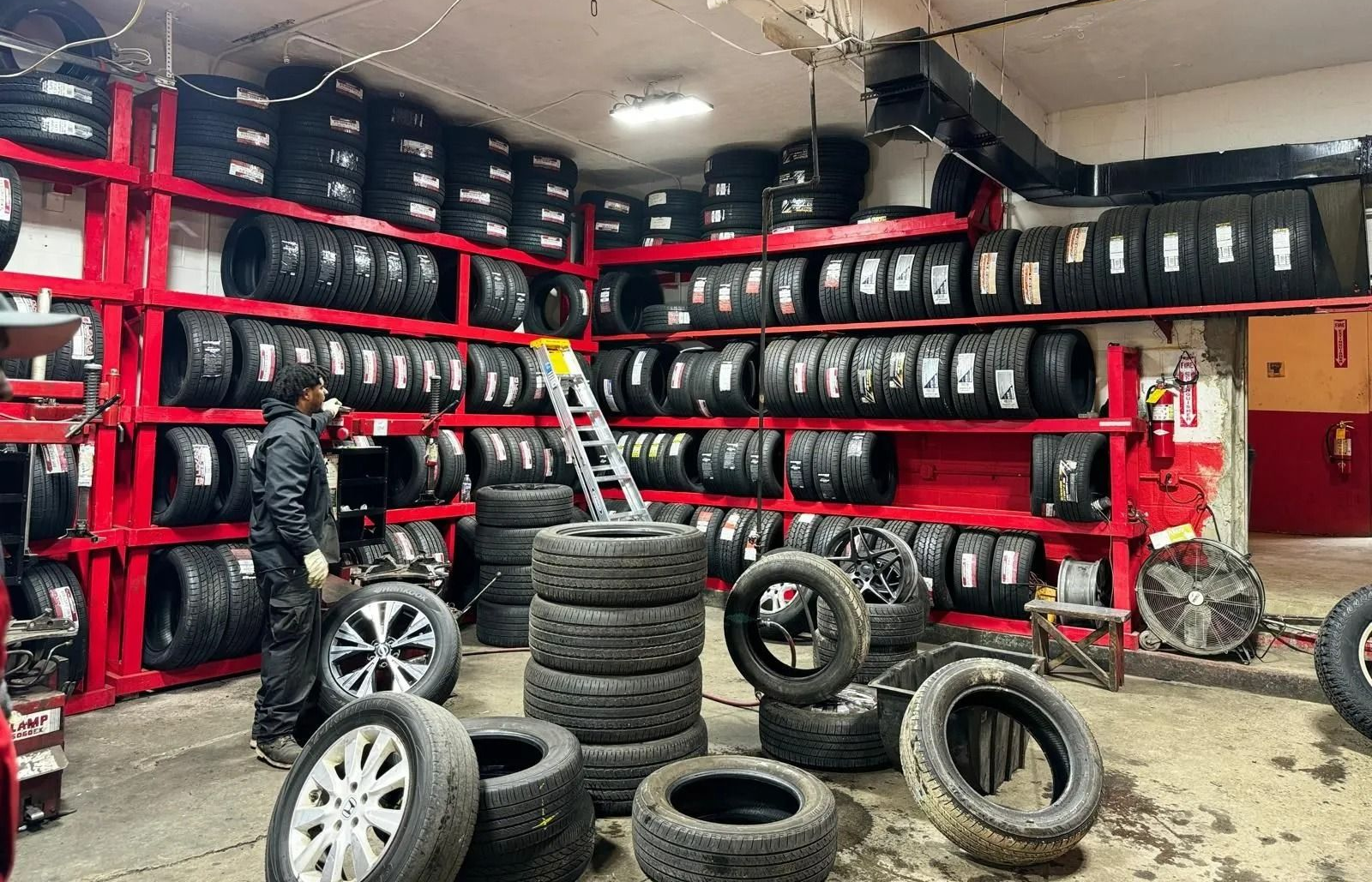
Determining whether a tire can be repaired requires professional inspection. External appearance alone does not reveal internal damage. A trained technician evaluates the tire from the inside to identify hidden issues such as internal tearing or belt separation.
This evaluation ensures that repair decisions are based on safety, not guesswork.
Repair Versus Replacement Is Not a Guess
Understanding the difference between tire repair and replacement helps drivers avoid unnecessary risk. Repair is appropriate when damage is limited and the tire remains structurally sound. Replacement is necessary when safety or performance is compromised.
Making the Right Choice for Your Vehicle
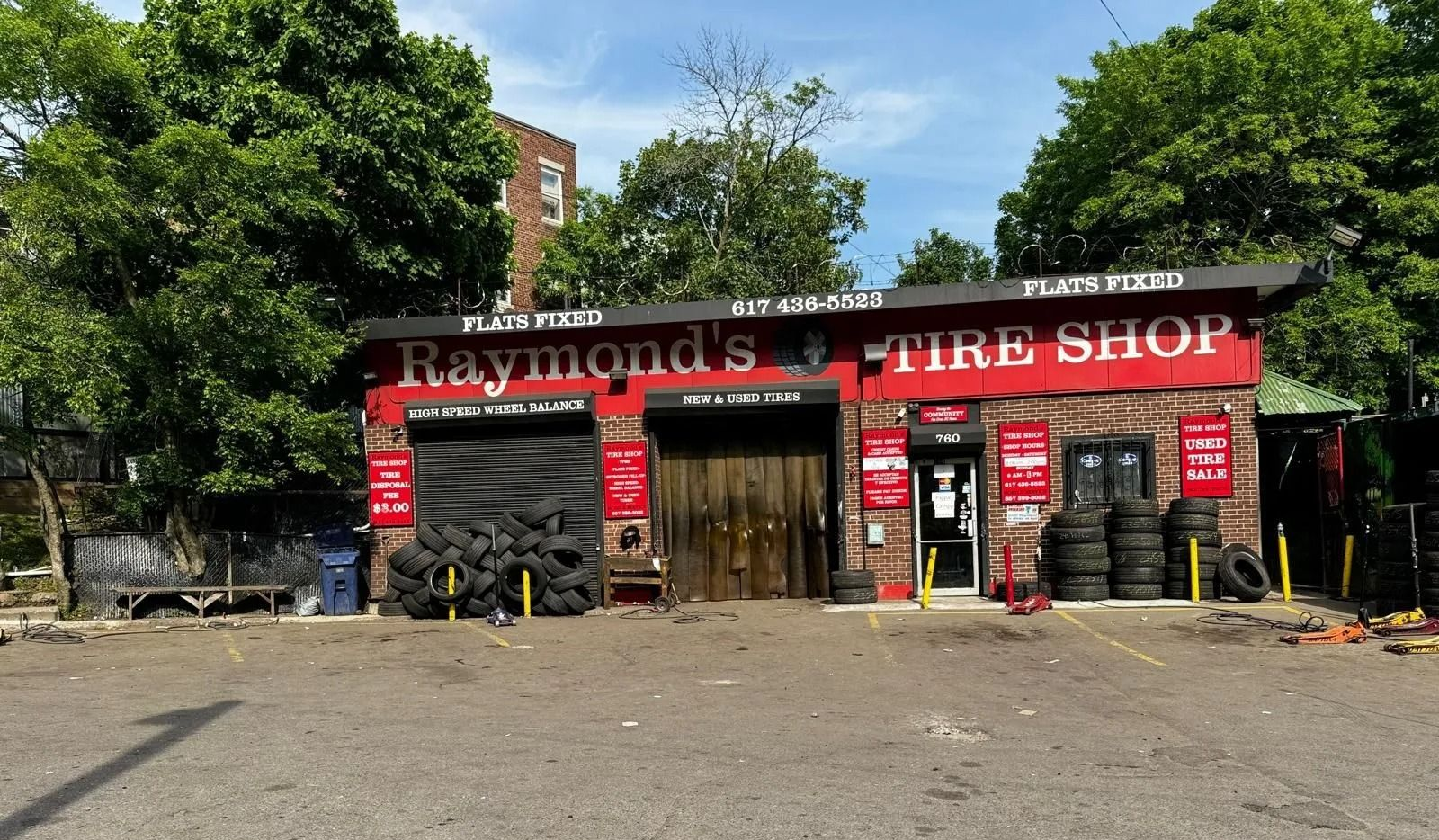
At Raymond’s Tire Shop, we evaluate each tire carefully and explain available options clearly. Our goal is to help drivers make informed decisions that prioritize safety and reliability. Whether a tire can be repaired or should be replaced, understanding the difference ensures you are making the right choice for your vehicle and the road ahead.