¿Qué causa el desgaste irregular de los neumáticos?

No ignores las señales

El desgaste irregular de los neumáticos es más que una simple molestia. Acorta la vida útil de los neumáticos, afecta el manejo del vehículo y puede incluso convertirse en un riesgo para la seguridad. Si notas zonas calvas, marcas en forma de escamas o diferencias en la profundidad del dibujo entre un neumático y otro, no lo ignores. Afortunadamente, la mayoría de los patrones de desgaste irregular pueden prevenirse con mantenimiento regular y un poco de conocimiento.


Aquí tienes un desglose de las causas más comunes del desgaste irregular de los neumáticos y lo que puedes hacer para evitarlo:


1. Presión inadecuada de los neumáticos
Una presión incorrecta es una de las causas más frecuentes del desgaste irregular. Cuando los neumáticos están poco inflados, los bordes exteriores soportan la mayor carga y se desgastan más rápido que el centro. Por otro lado, un exceso de presión provoca un desgaste prematuro en el centro de la banda de rodadura.


La solución: Revisa la presión de tus neumáticos una vez al mes, especialmente antes de viajes largos o en climas extremos. La presión adecuada (PSI) suele estar indicada en una etiqueta en el marco de la puerta del conductor o en el manual del propietario. Asegúrate de medir la presión con los neumáticos fríos para obtener una lectura más precisa.
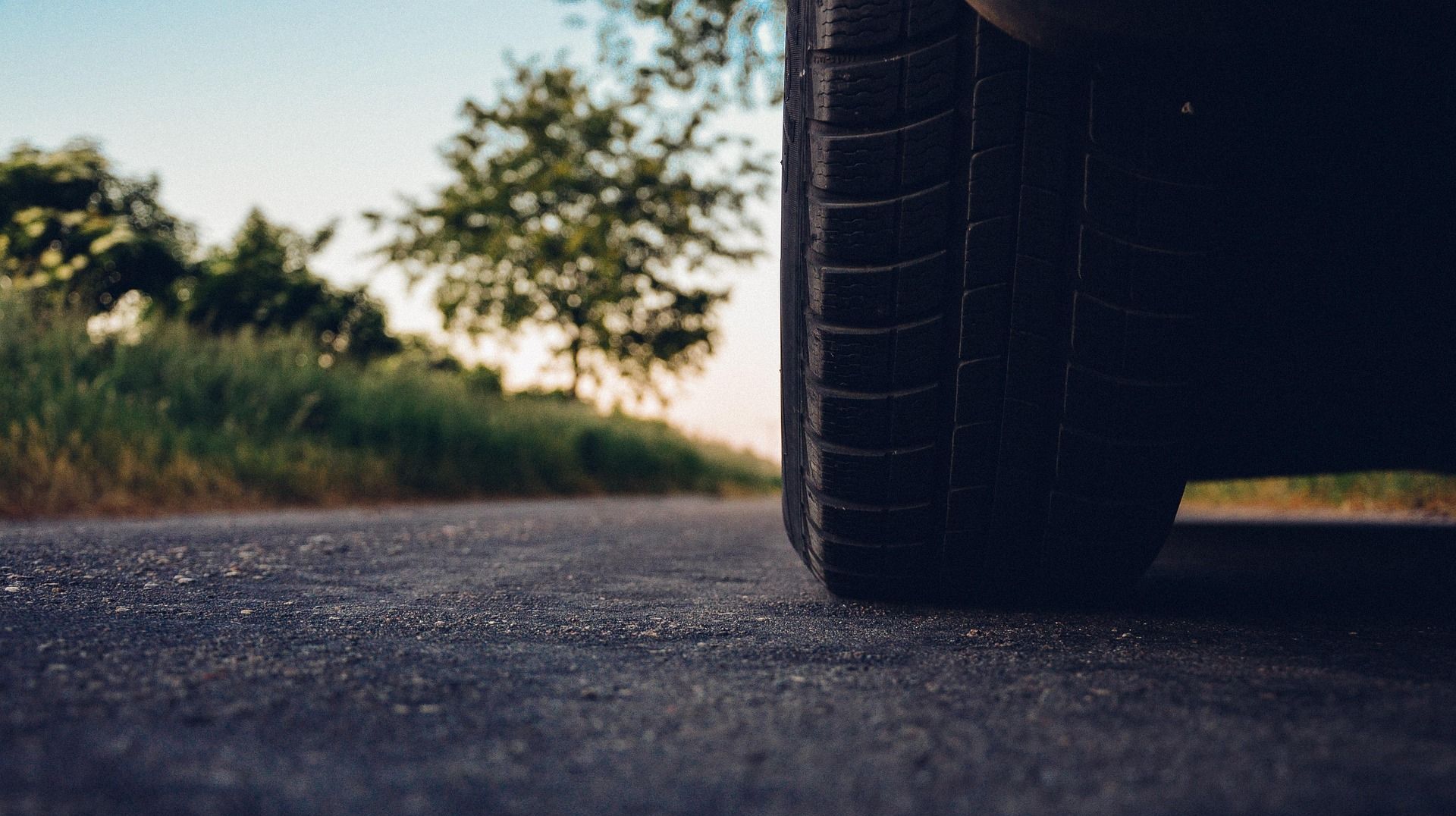
A close up of a car tire on a road.

2. Desalineación de las ruedas
La alineación se refiere a la forma en que los neumáticos están posicionados con respecto al chasis del vehículo. Si están desalineados, los neumáticos no apuntan en la dirección correcta y pueden rozar el pavimento en ángulos extraños. Esto provoca desgaste en los bordes, desgaste en plumas o desgaste por caída (camber), según el tipo de desalineación.


Puede que no notes un problema de alineación de inmediato, pero si el vehículo se desvía hacia un lado, el volante vibra o los neumáticos presentan patrones de desgaste inusuales, es hora de hacer una revisión.


La solución: Revisa la alineación al menos una vez al año, o antes si golpeas un bache grande o el borde de una acera. En Raymond’s Tire Shop, utilizamos equipos de precisión para devolver todo a las especificaciones adecuadas.
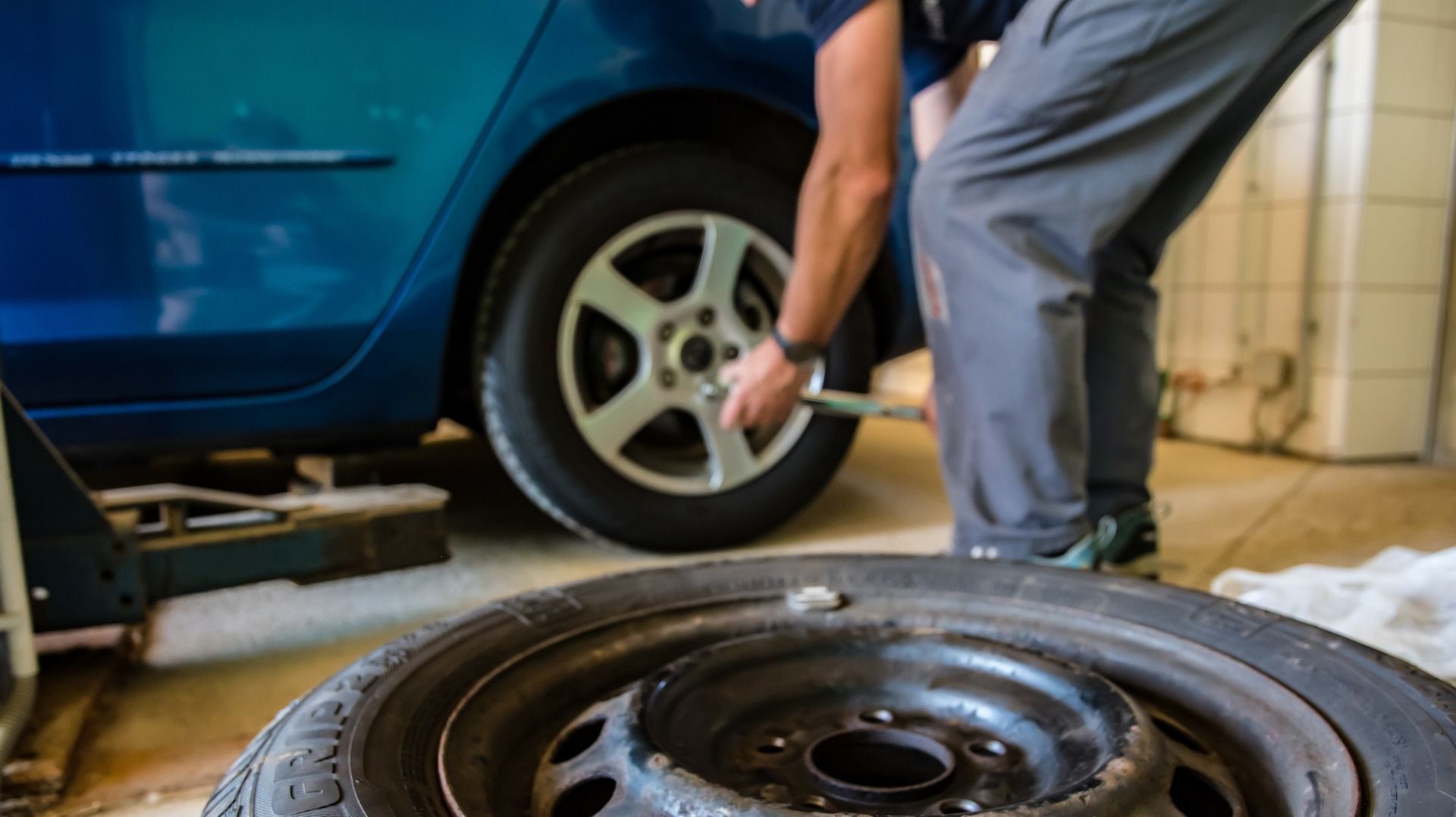
A man is changing a tire on a blue car in a garage.

3. Falta de rotación regular de los neumáticos
Los neumáticos delanteros y traseros se desgastan a diferentes ritmos porque cumplen funciones distintas. En los vehículos con tracción delantera, por ejemplo, los neumáticos delanteros se encargan de la mayoría de la dirección, aceleración y frenado. Si no se rotan, se desgastarán más rápido y de forma desigual comparado con los traseros.


La solución: Rota los neumáticos cada 8.000 a 13.000 kilómetros (5.000 a 8.000 millas), o según las recomendaciones del fabricante. Esto ayuda a equilibrar el desgaste y a prolongar la vida útil general de los neumáticos.
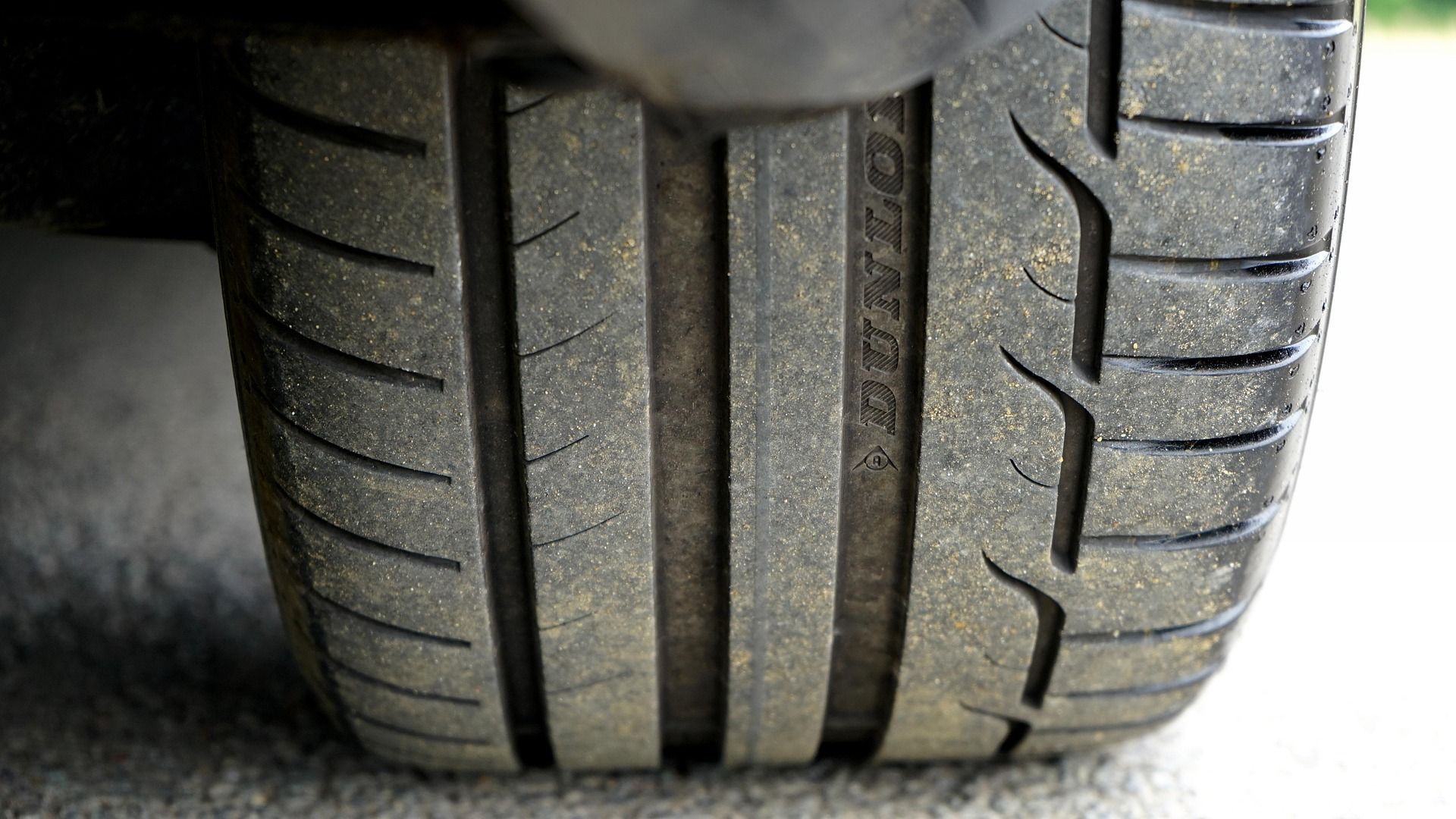
A close up of a dirty tire on a car.

4. Problemas con la suspensión o la dirección
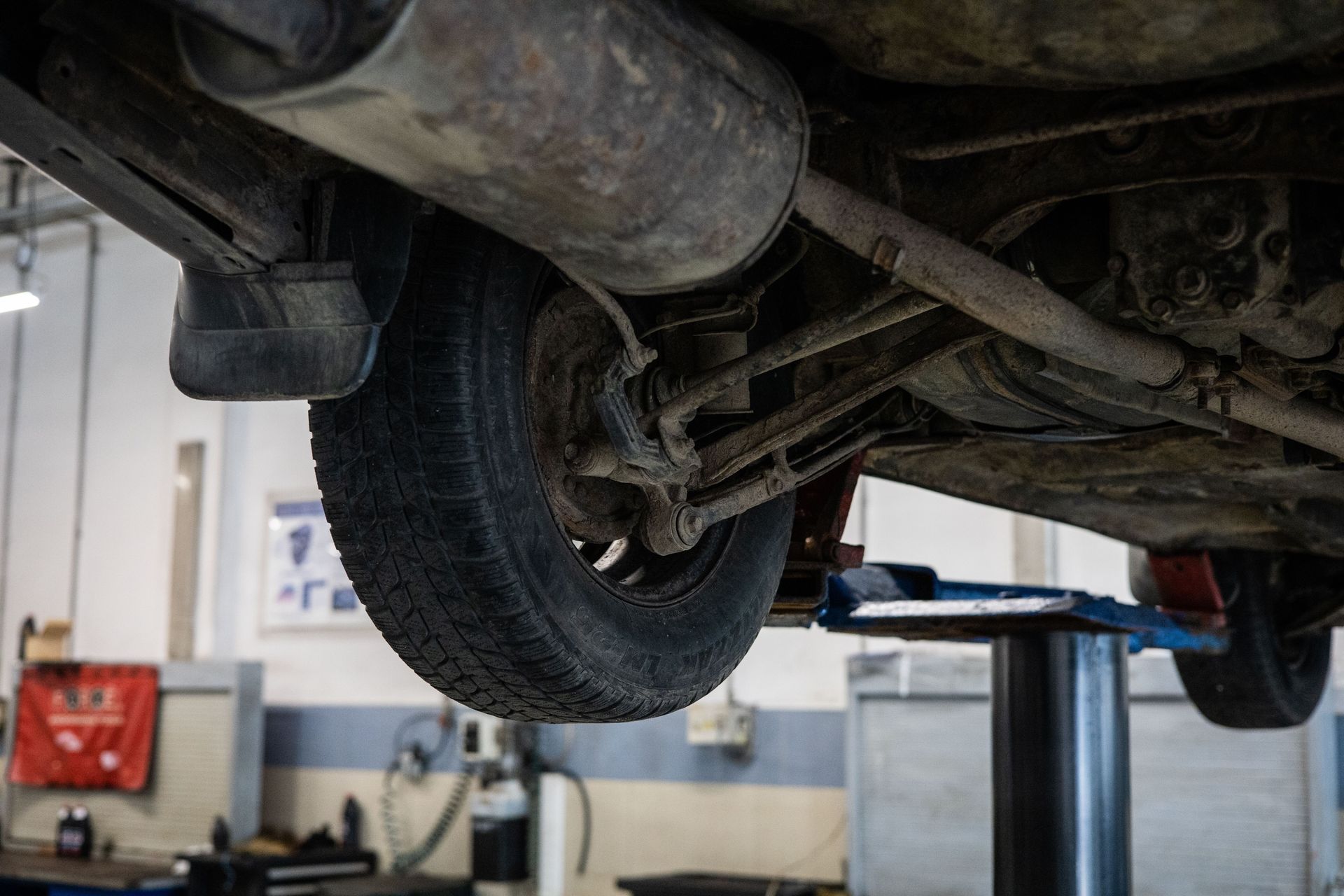
Componentes de la suspensión desgastados —como amortiguadores, puntales, rótulas o bujes— pueden provocar rebotes, vibraciones y un mal contacto del neumático con la carretera. Con el tiempo, esto produce patrones de desgaste irregulares como el “cupping” (desgaste ondulado) o el “scalloping” (desgaste en escamas), difíciles de ignorar y costosos de reparar.


La solución: Haz revisar la suspensión si notas que el vehículo va más áspero, hace ruidos metálicos o la dirección se siente floja. Corregir el problema desde el inicio puede evitar que un juego nuevo de neumáticos se desgaste prematuramente.
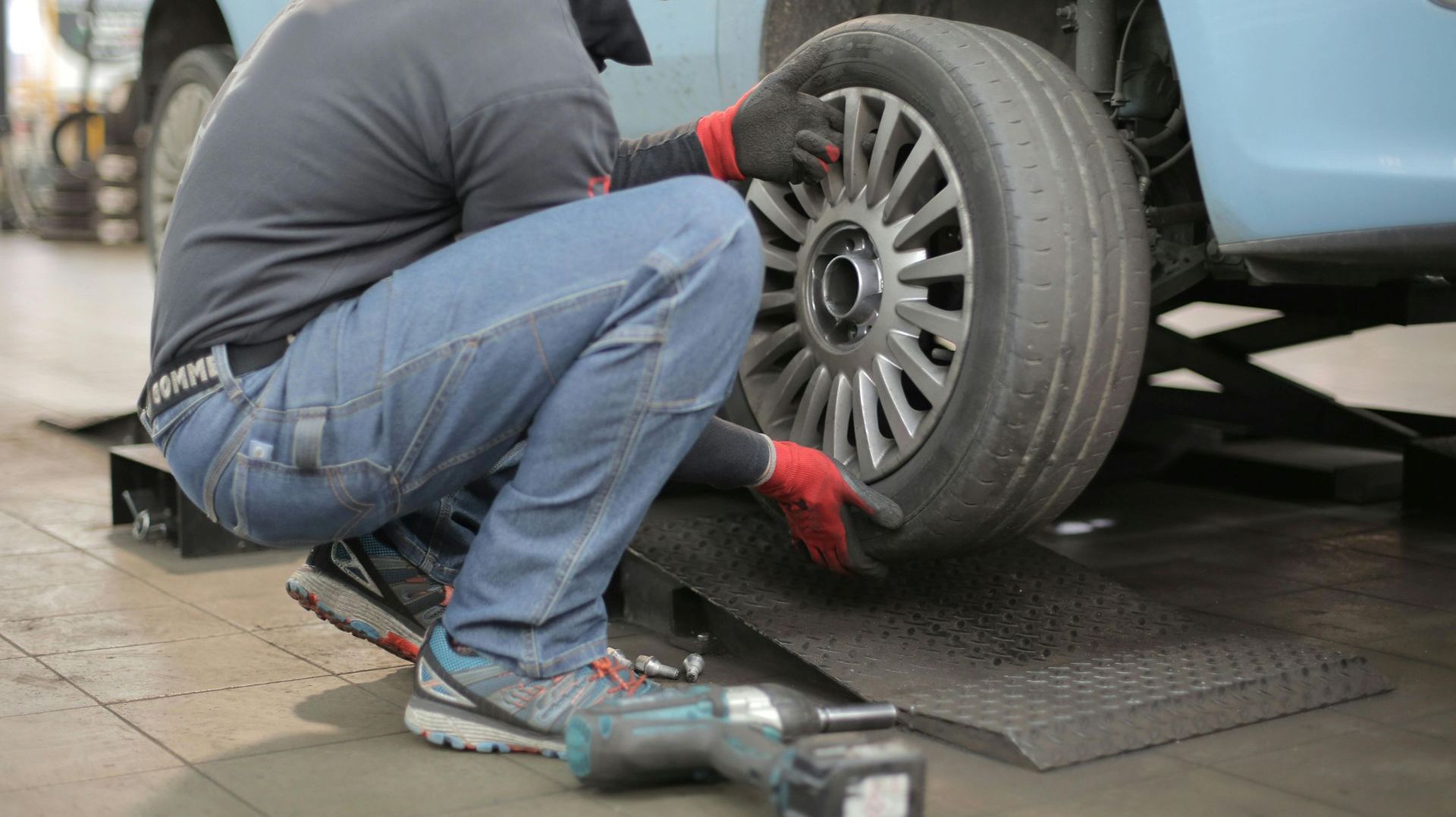
A man is kneeling down to change a tire on a car.

5. Hábitos de conducción y distribución de la carga
Frenadas bruscas, giros cerrados o conducir con la carga mal distribuida (como un maletero lleno o una baca cargada) pueden causar tensiones desiguales en los neumáticos. No siempre se trata de un fallo mecánico: tus hábitos al volante también importan.


La solución: Conduce de forma suave y constante, y asegúrate de que el vehículo esté cargado correctamente. Distribuye la carga de manera uniforme y evita conducir durante mucho tiempo con peso innecesario.
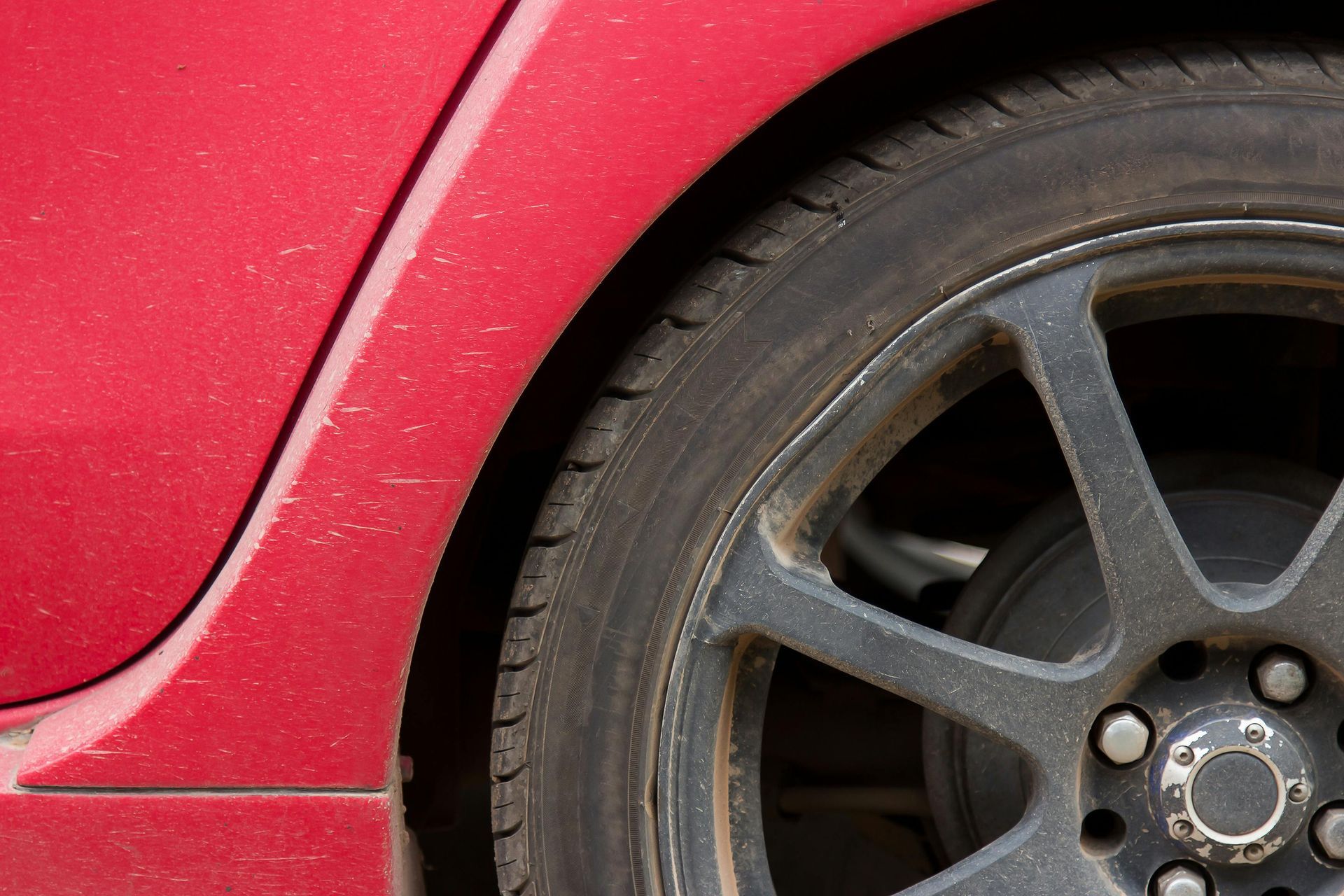
A close up of a red car 's tire and wheel

El costo de ignorarlo
Dejar que el desgaste irregular avance sin control reduce la vida útil de los neumáticos, disminuye la tracción, afecta el consumo de combustible y, en algunos casos, puede causar fallos graves. No se trata solo de una incomodidad, sino de un riesgo real para la seguridad, especialmente en carretera o en condiciones de lluvia.


Cuida tus neumáticos en Raymond’s
En Raymond’s Tire Shop, ayudamos a los conductores de Boston a sacar el máximo provecho de cada juego de neumáticos. Ya sea que necesites una rotación, alineación, revisión de presión o un reemplazo completo, estamos aquí para asegurarnos de que tu vehículo esté listo para la carretera.


No esperes a que tus neumáticos te digan que hay un problema. Ven para una inspección rápida y deja que nuestros técnicos te mantengan rodando con seguridad y eficiencia, kilómetro tras kilómetro.
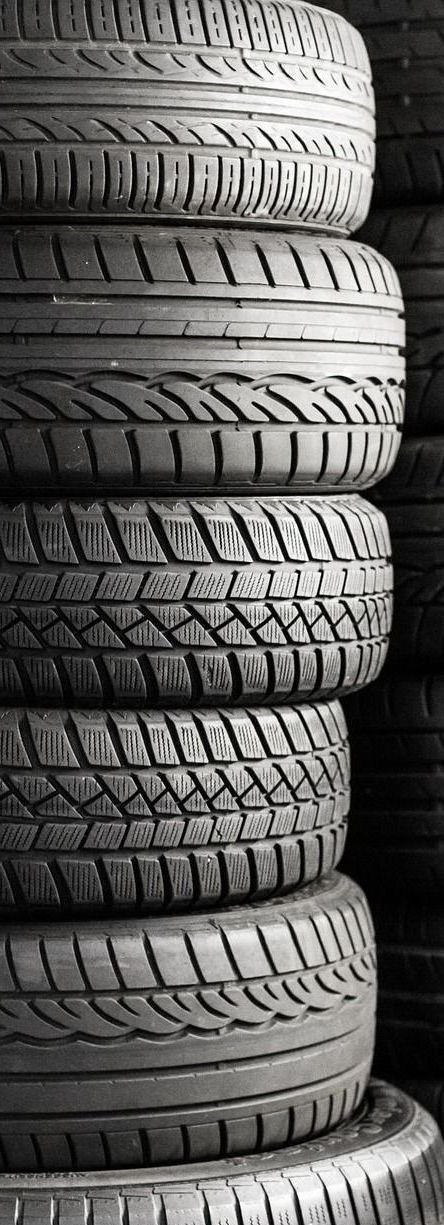
A stack of tires are stacked on top of each other.
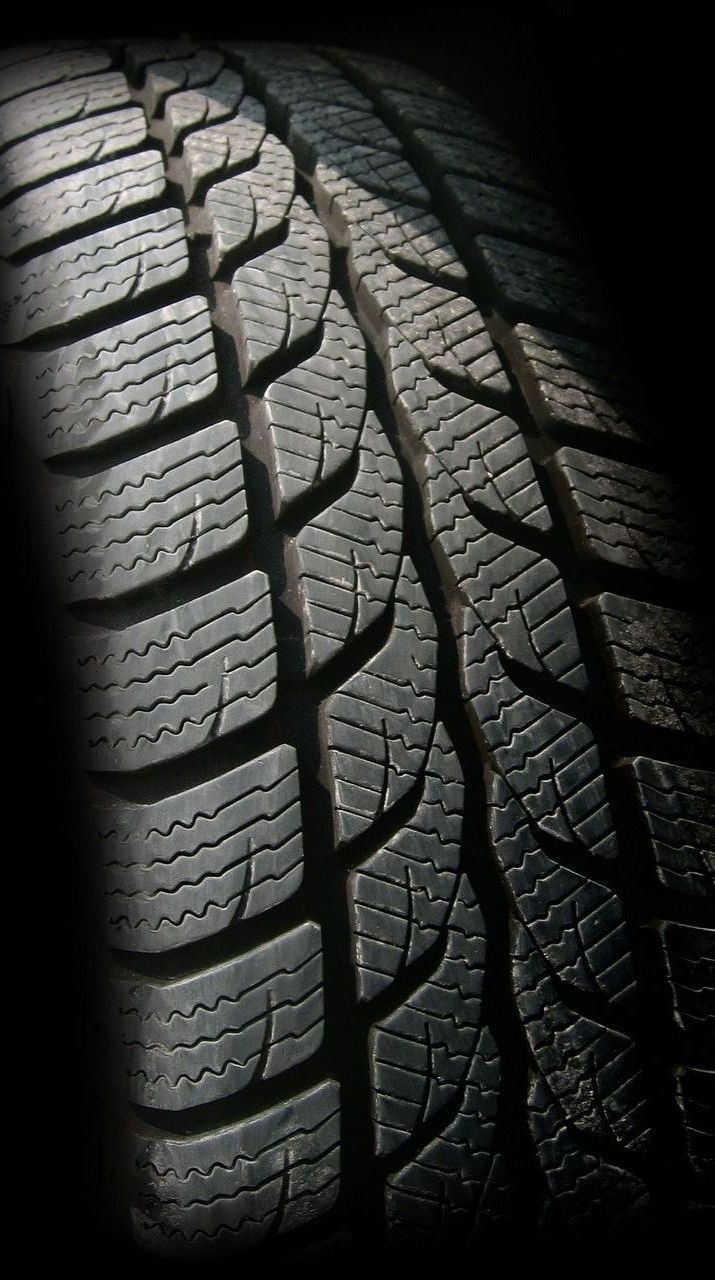
A close up of a tire on a black background
A car is driving down a road surrounded by trees.
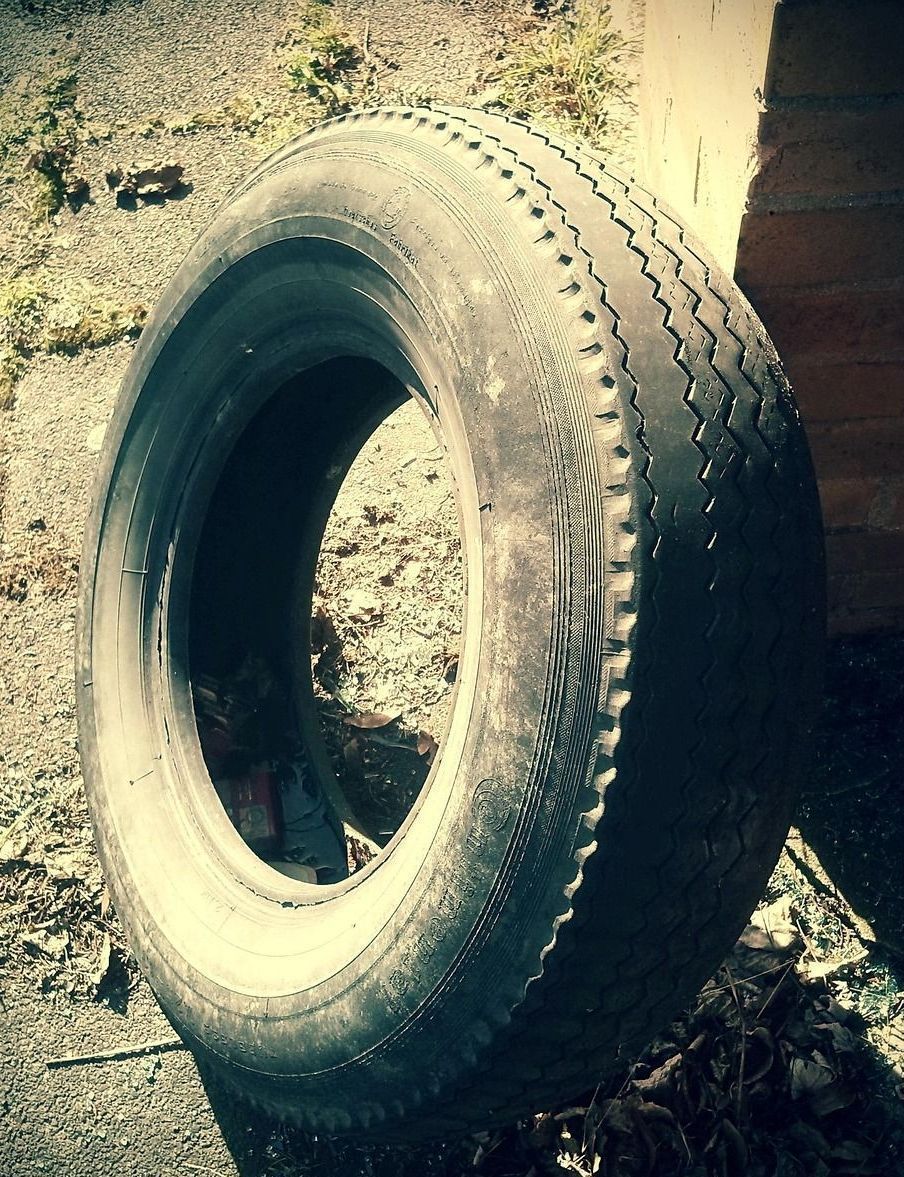
A tire is sitting on the ground in front of a brick building
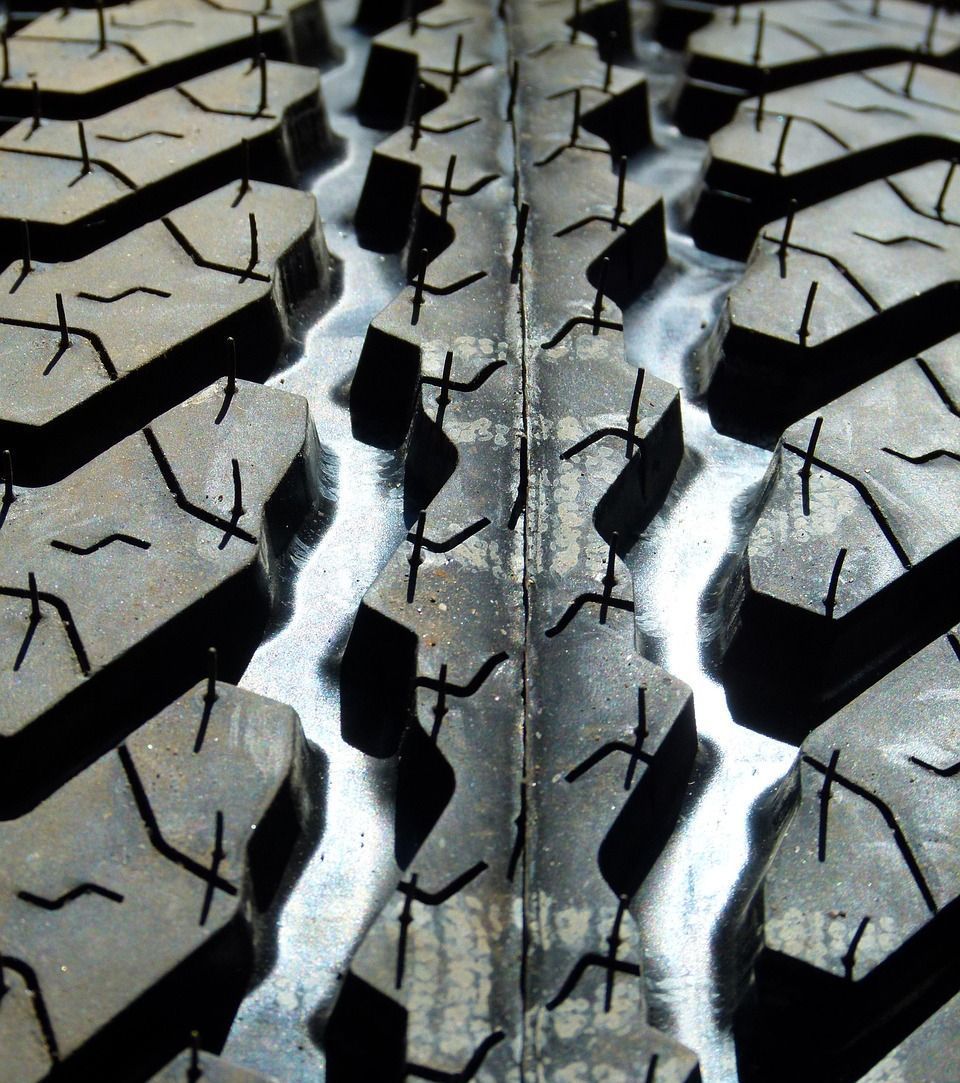
A close up of a tire with a pattern of x 's on it
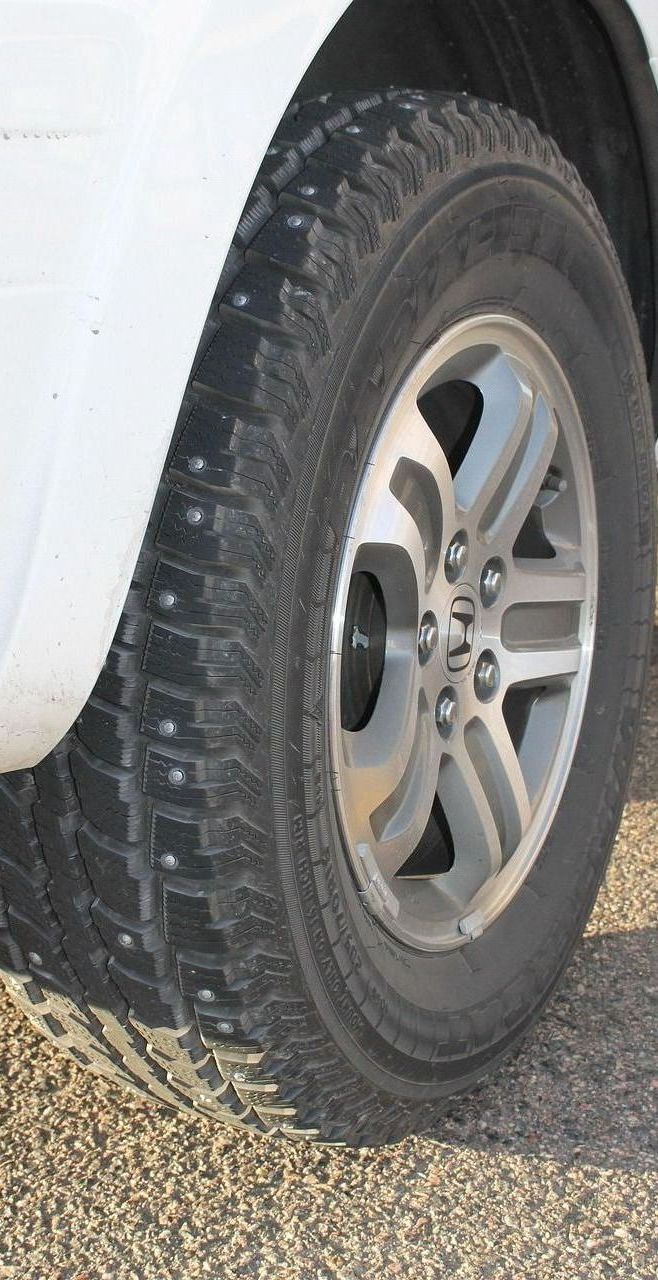
A close up of a tire on a white truck
October 1, 2026
A hard pothole impact can do more than damage a tire. The force can also bend a wheel, especially if the pothole is deep, the vehicle is moving quickly, or the tire has a lower-profile sidewall with less cushioning between the road and rim. Sometimes the damage is obvious. In other cases, the wheel may look normal but cause vibration, air loss, or handling problems.  Knowing what to watch for after a pothole strike can help drivers catch wheel damage before it creates additional tire or suspension problems.
September 23, 2026
Most drivers are familiar with the tire pressure monitoring system , or TPMS, warning light. When it stays on steadily, it usually means one or more tires may be underinflated. A flashing TPMS light often means something different. Instead of simply warning about low tire pressure, a flashing light can indicate a problem with the monitoring system itself. That could involve a sensor, sensor battery, communication issue, or another TPMS-related fault.  Knowing the difference can help drivers avoid assuming that adding air will automatically solve the problem.
September 22, 2026
Tread depth is one of the first things drivers look at when deciding whether a tire still has life left. Deep grooves can make a tire appear healthy, especially if the vehicle is not driven very often. But tread is only part of the picture. Tires age even when they are not being used heavily. Over time, rubber compounds can harden, dry out, and become less flexible. That means an older tire may still have plenty of tread while no longer performing the way it did when it was newer. Rubber Changes With Age Tires are constantly exposed to oxygen, heat, sunlight, moisture, and changing temperatures. Those conditions gradually affect the rubber. As a tire ages, the material can lose some of its elasticity. That may reduce its ability to flex properly as it rolls and responds to the road. A tire that looks acceptable at a quick glance may therefore be significantly older than its appearance suggests. This is especially important for vehicles that accumulate very few miles each year.
September 11, 2026
A flat tire does not always mean the tire has to be replaced. In many cases, a small puncture can be repaired safely and returned to service. The key is where the puncture occurred, how large it is, and whether the tire suffered additional damage while losing air. That is why a professional inspection matters. Two punctures that lo ok similar from the outside may require completely different solutions once the tire is removed and examined internally. Location Matters Most One of the first things a technician looks at is where the puncture is located. Damage in the central tread area is often the best candidate for repair. This part of the tire is designed to handle contact with the road and can sometimes be repaired when the puncture is small and otherwise straightforward. Punctures near the shoulder or sidewall are much more concerning.  These areas flex significantly while the tire is moving and cannot usually be repaired safely using standard puncture-repair methods. If a nail, screw, or other object damages the sidewall or outer shoulder, replacement is often the safer option.
September 6, 2026
A wheel alignment can correct important steering and tire-angle settings, but the alignment itself depends on the suspension being in good mechanical condition. If ball joints, tie rods, control arm bushings, wheel bearings, or other components are worn, the wheels may not stay in the position the technician sets.  That is why some vehicles continue pulling , wearing tires unevenly, or developing an off-center steering wheel even after an alignment. In those cases, the problem may not be the alignment machine or the adjustment. It may be worn suspension or steering components underneath the vehicle.
August 28, 2026
When a tire repeatedly loses air but there is no obvious nail, screw, or visible puncture, the problem may be where the tire meets the wheel. This area is known as the tire bead, and a poor seal between the bead and the rim can allow air to escape gradually. Tire bead leaks are a common cause of slow pressure loss. Understanding why they happen can help drivers recognize when a tire needs professional inspection rather than repeatedly adding air. What Is the Tire Bead? The bead is the reinforced inner edge of the tire that sits tightly against the wheel rim. When a tire is properly mounted and inflated, air pressure helps hold the bead securely against the wheel, creating an airtight seal. If that sealing surface becomes damaged, dirty, corroded, or distorted, a small pathway can develop for air to escape.  Because these leaks may be very small, the tire can lose pressure over several days or weeks rather than going flat immediately.