O que causa o desgaste irregular dos pneus?

Não ignore os sinais

O desgaste irregular dos pneus é mais do que um simples incômodo. Ele reduz a vida útil dos pneus, compromete a dirigibilidade do carro e pode até representar um risco à segurança. Se você perceber áreas carecas, marcas em forma de escamas ou diferenças na profundidade da banda de rodagem entre os pneus, isso não deve ser ignorado. Felizmente, a maioria dos padrões de desgaste irregular pode ser evitada com manutenção regular e um pouco de conhecimento.


Aqui estão as causas mais comuns do desgaste irregular dos pneus — e o que você pode fazer para evitá-lo:


1. Pressão incorreta dos pneus
A
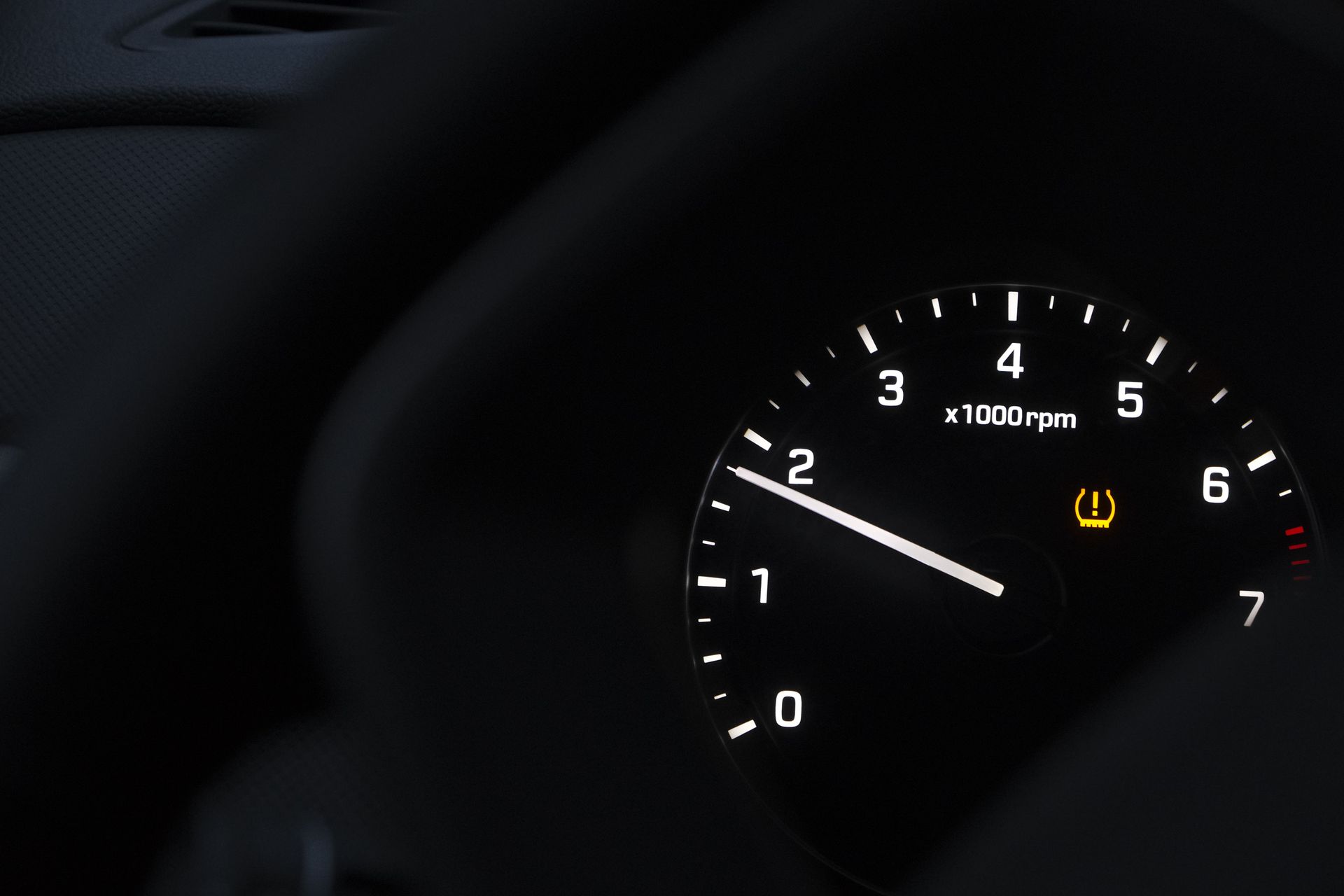
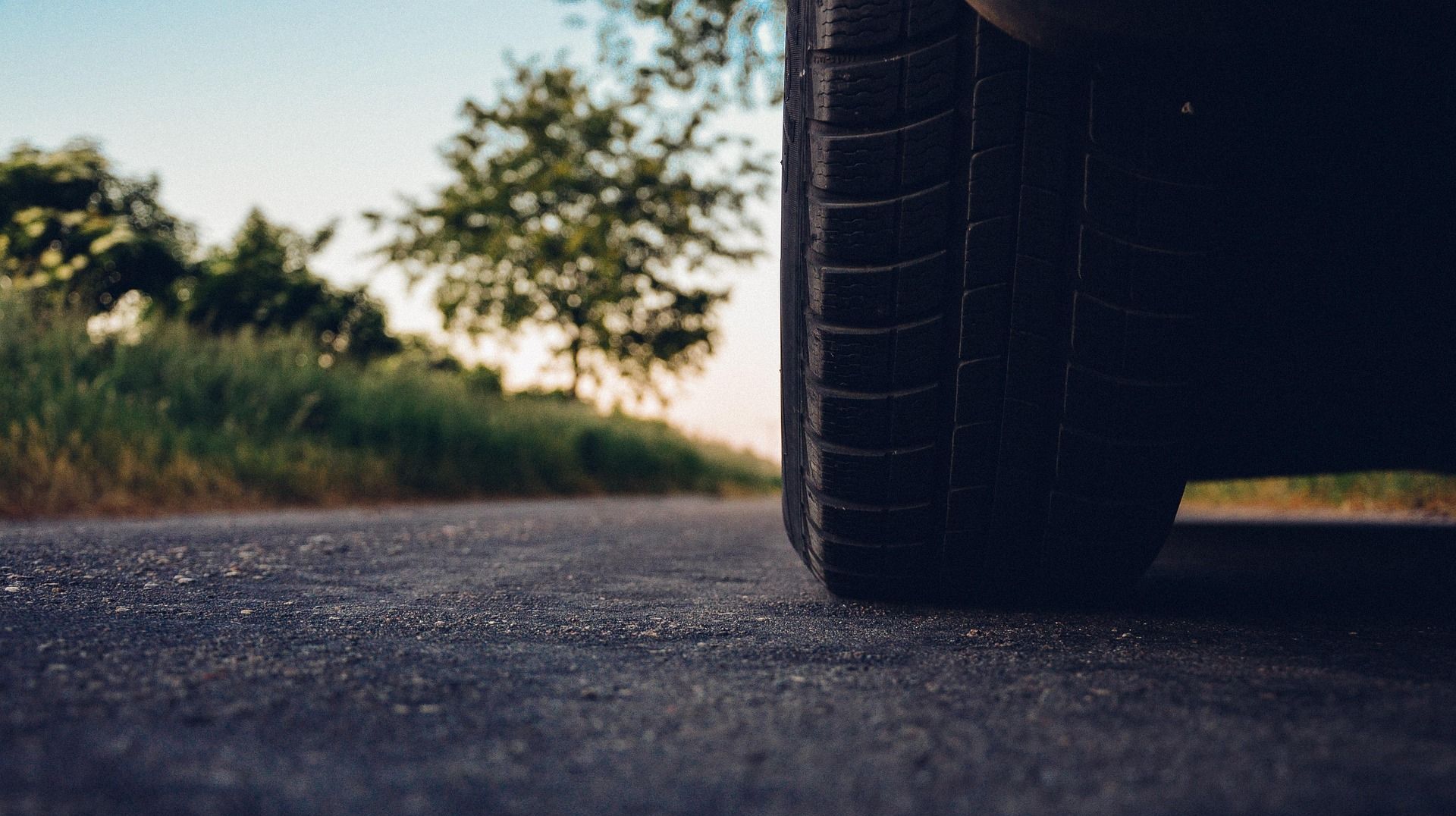
calibragem inadequada é uma das causas mais frequentes de desgaste irregular. Quando os pneus estão com pouca pressão, as bordas externas suportam a maior parte da carga e se desgastam mais rapidamente que o centro. Por outro lado, pneus com pressão excessiva sofrem desgaste prematuro no centro da banda de rodagem.


Solução: Verifique a pressão dos pneus mensalmente, especialmente antes de viagens longas ou em condições climáticas extremas. A pressão correta (PSI) para o seu veículo normalmente está indicada em um adesivo na porta do motorista ou no manual do proprietário. Certifique-se de medir a pressão com os pneus frios, para uma leitura mais precisa.
A close up of a car tire on a road.

2. Alinhamento incorreto das rodas
O
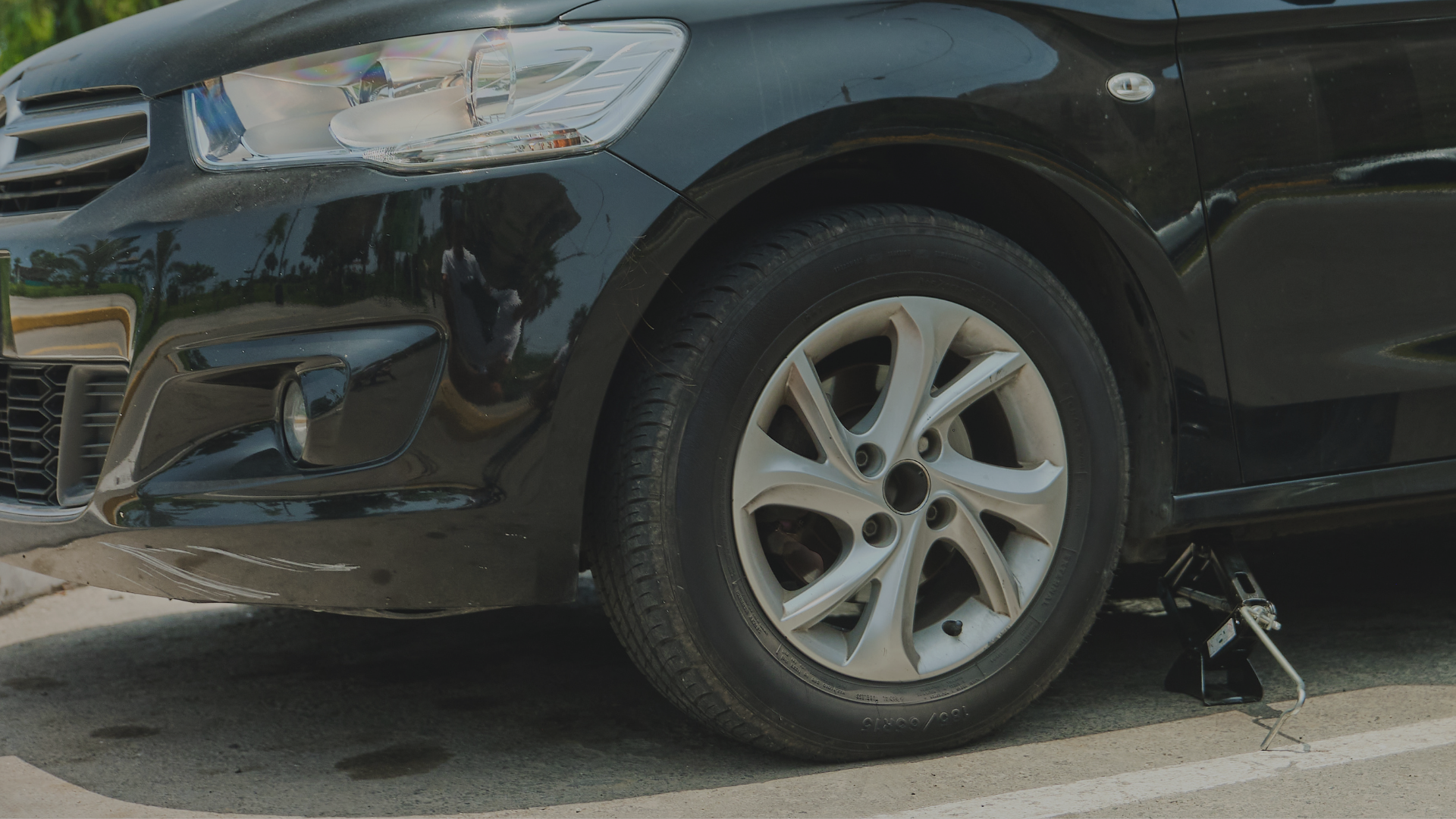
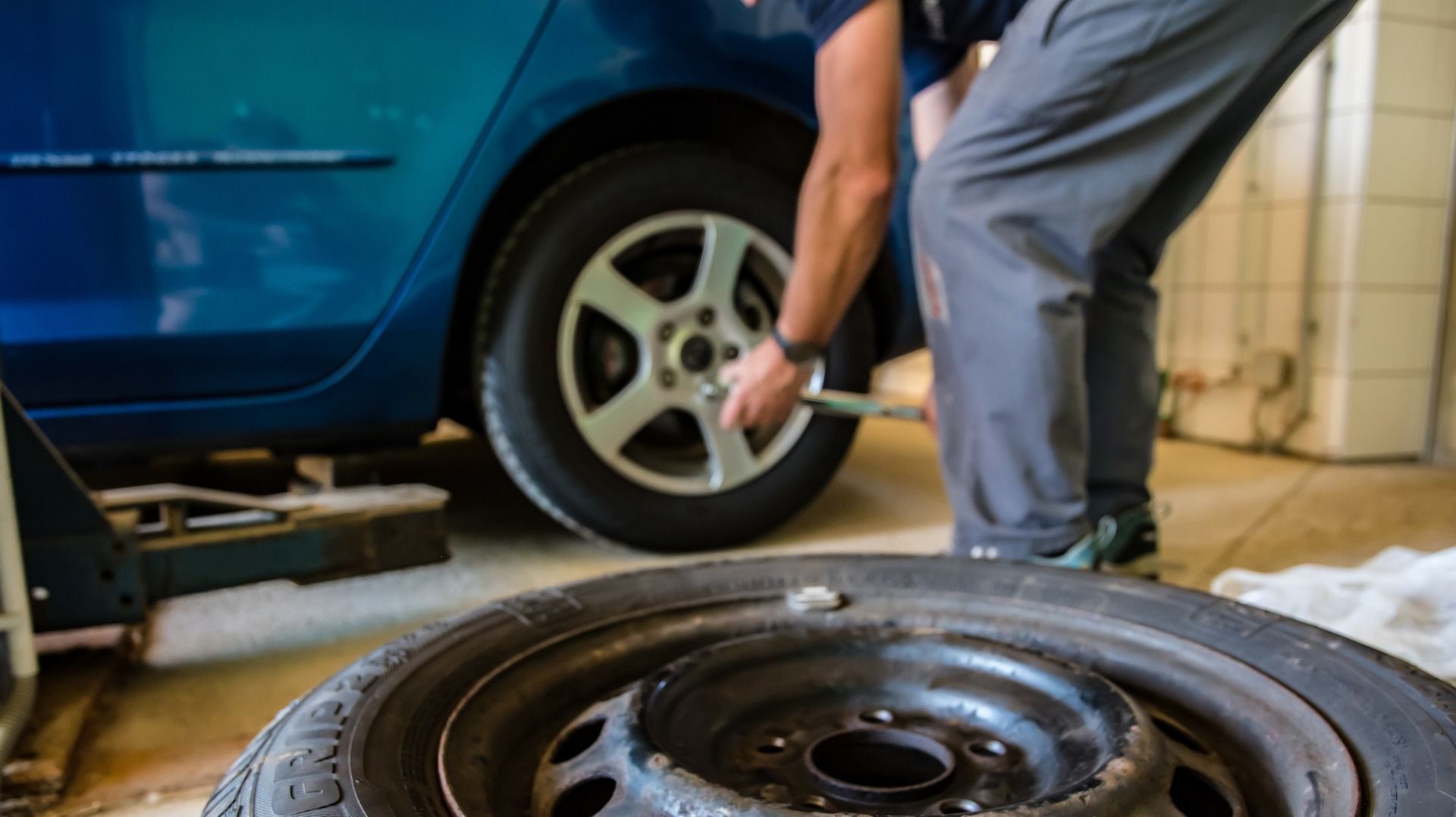
alinhamento se refere à posição dos pneus em relação ao chassi do veículo. Quando está fora do ideal, os pneus não apontam na direção correta e podem arrastar na pista em ângulos anormais. Isso causa desgaste nas bordas, serrilhamento ou desgaste por cambagem, dependendo do tipo de desalinhamento.


Você pode não perceber um problema de alinhamento de imediato, mas se o veículo puxa para um lado, o volante vibra ou os pneus mostram padrões de desgaste estranhos, é hora de verificar.


Solução: Faça a inspeção do alinhamento pelo menos uma vez por ano, ou mais cedo se você bater em um buraco profundo ou no meio-fio. Na Raymond’s Tire Shop, usamos equipamentos de precisão para garantir que tudo volte às especificações corretas.
A man is changing a tire on a blue car in a garage.

3. Falta de rodízio regular dos pneus
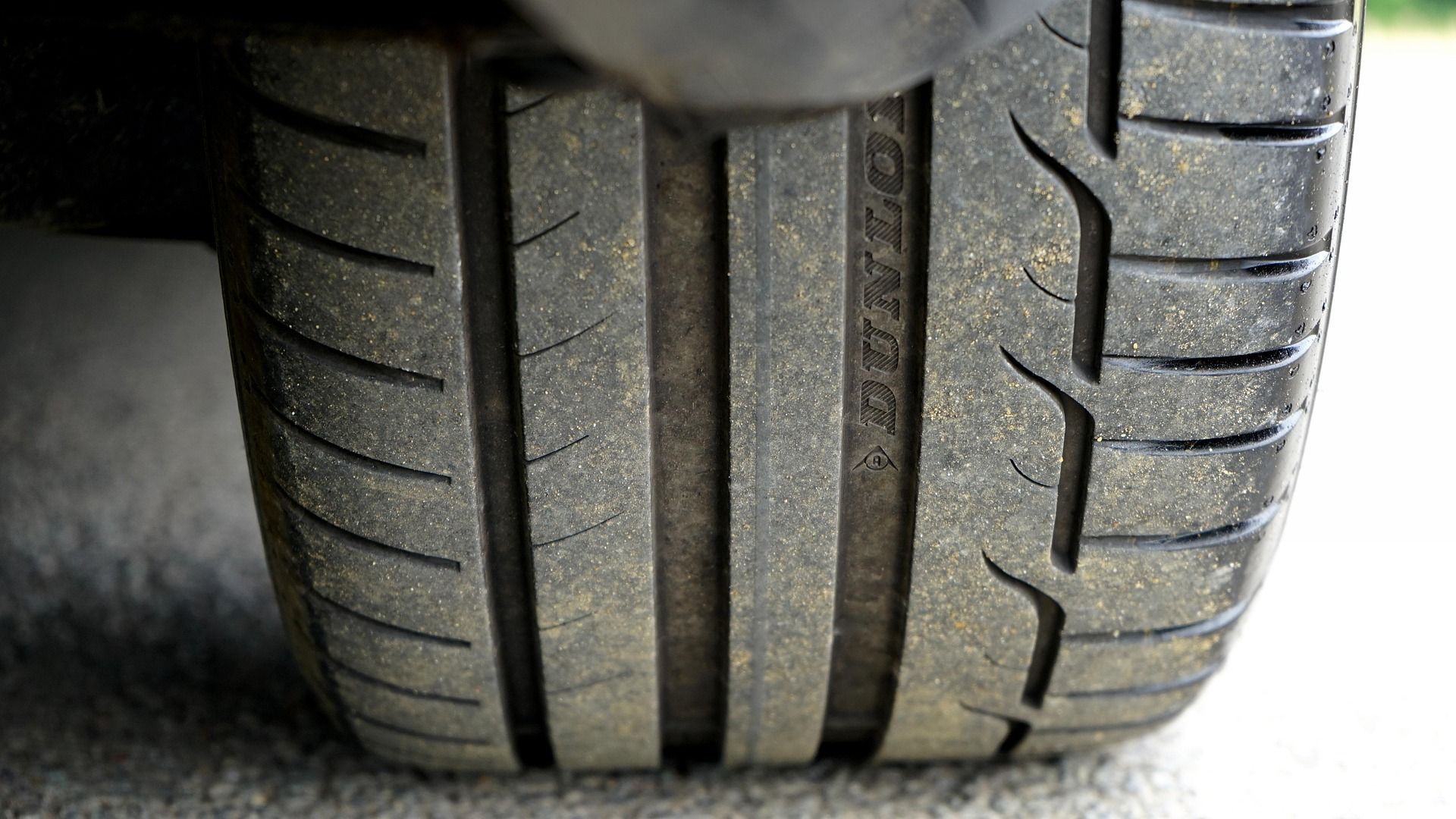
Os pneus dianteiros e traseiros se desgastam em ritmos diferentes porque desempenham funções distintas. Em veículos com tração dianteira, por exemplo, os pneus dianteiros são responsáveis pela maior parte da direção, aceleração e frenagem. Sem rodízio, eles se desgastarão mais rapidamente — e de forma desigual — em relação aos pneus traseiros.


Solução: Faça o rodízio dos pneus a cada 8.000 a 13.000 km, ou conforme a recomendação do fabricante. Isso ajuda a nivelar o desgaste da banda de rodagem e prolongar a vida útil geral dos pneus.
A close up of a dirty tire on a car.

4. Problemas na suspensão ou direção
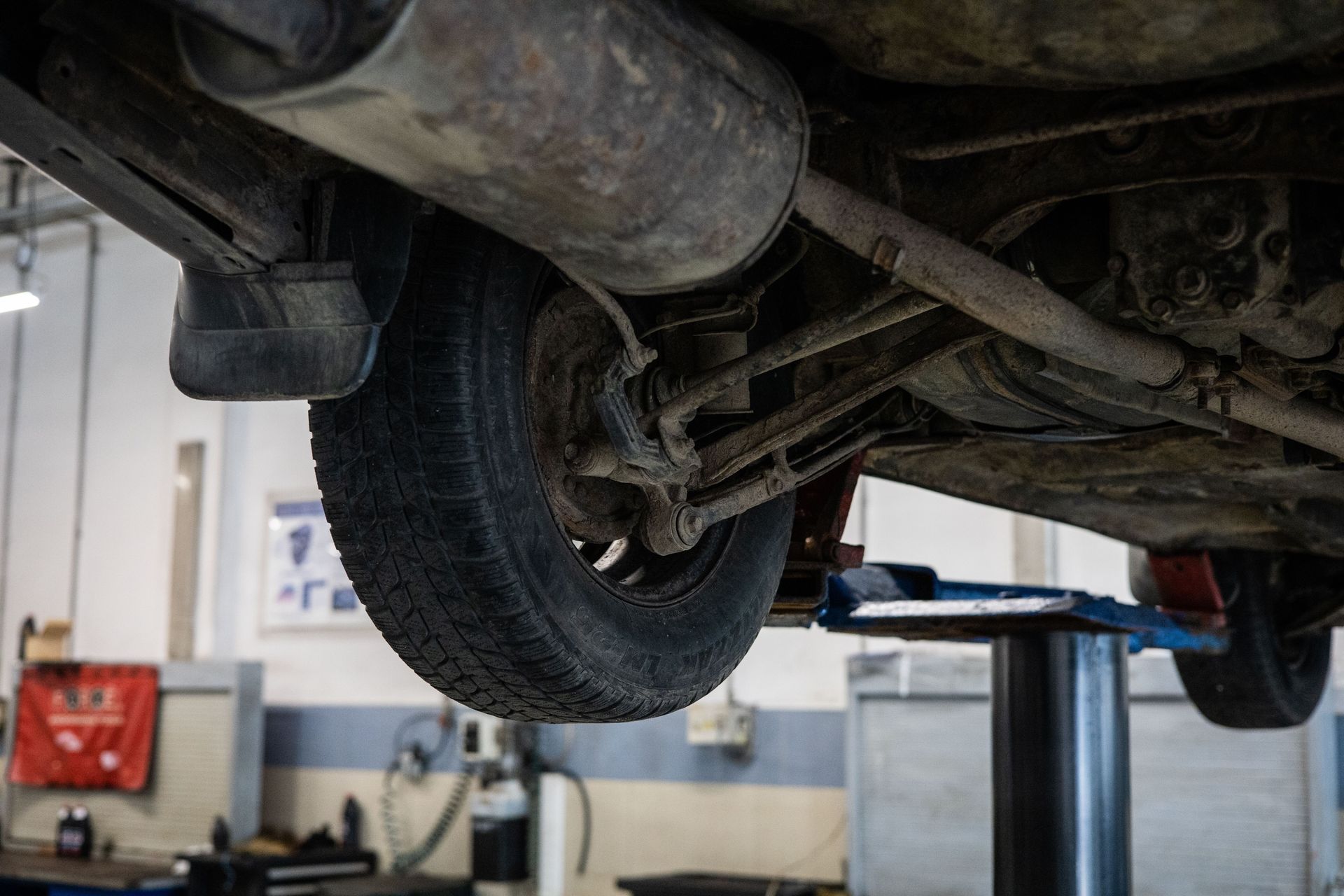
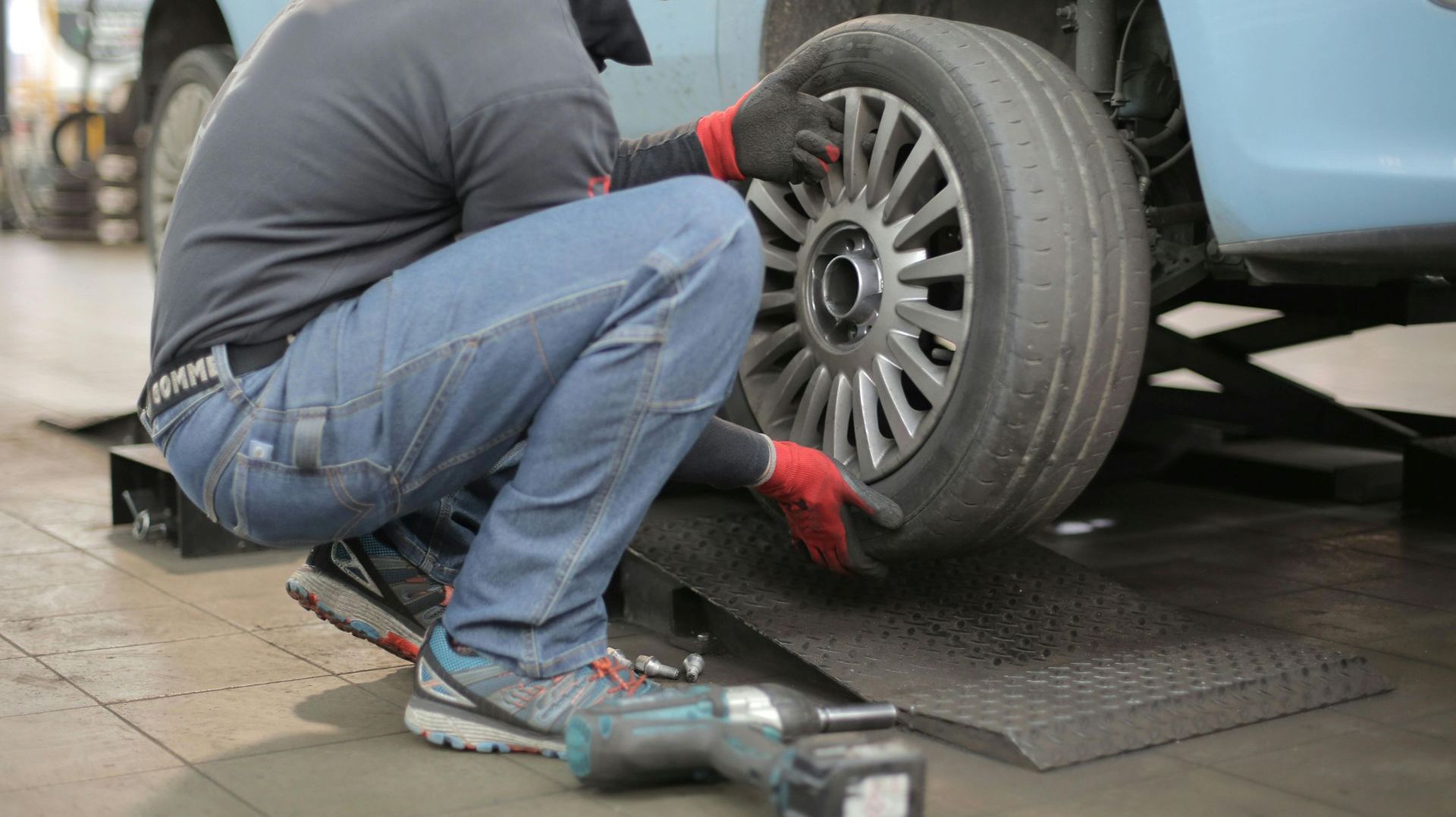
Componentes de suspensão desgastados — como amortecedores, molas, pivôs ou buchas — podem causar saltos, vibrações e perda de contato adequado entre o pneu e o solo. Com o tempo, isso leva a padrões irregulares de desgaste, como marcas em forma de escamas ou “copos”, difíceis de ignorar e caros para corrigir.


Solução: Leve sua suspensão para revisão se notar que a condução está mais áspera, barulhos metálicos ou uma direção imprecisa. Resolver o problema logo no início pode evitar que um novo jogo de pneus se desgaste prematuramente.
A man is kneeling down to change a tire on a car.

5. Hábitos de condução e distribuição de peso
Paradas bruscas, curvas fechadas ou dirigir com o peso mal distribuído (como porta-malas cheio ou bagageiro de teto sobrecarregado) podem causar tensão desigual sobre os pneus. Nem tudo é mecânico — seus hábitos ao volante também fazem diferença.


Solução: Dirija de forma suave e constante, e certifique-se de que a carga esteja distribuída de maneira uniforme. Evite rodar por longos períodos com peso excessivo desnecessário.
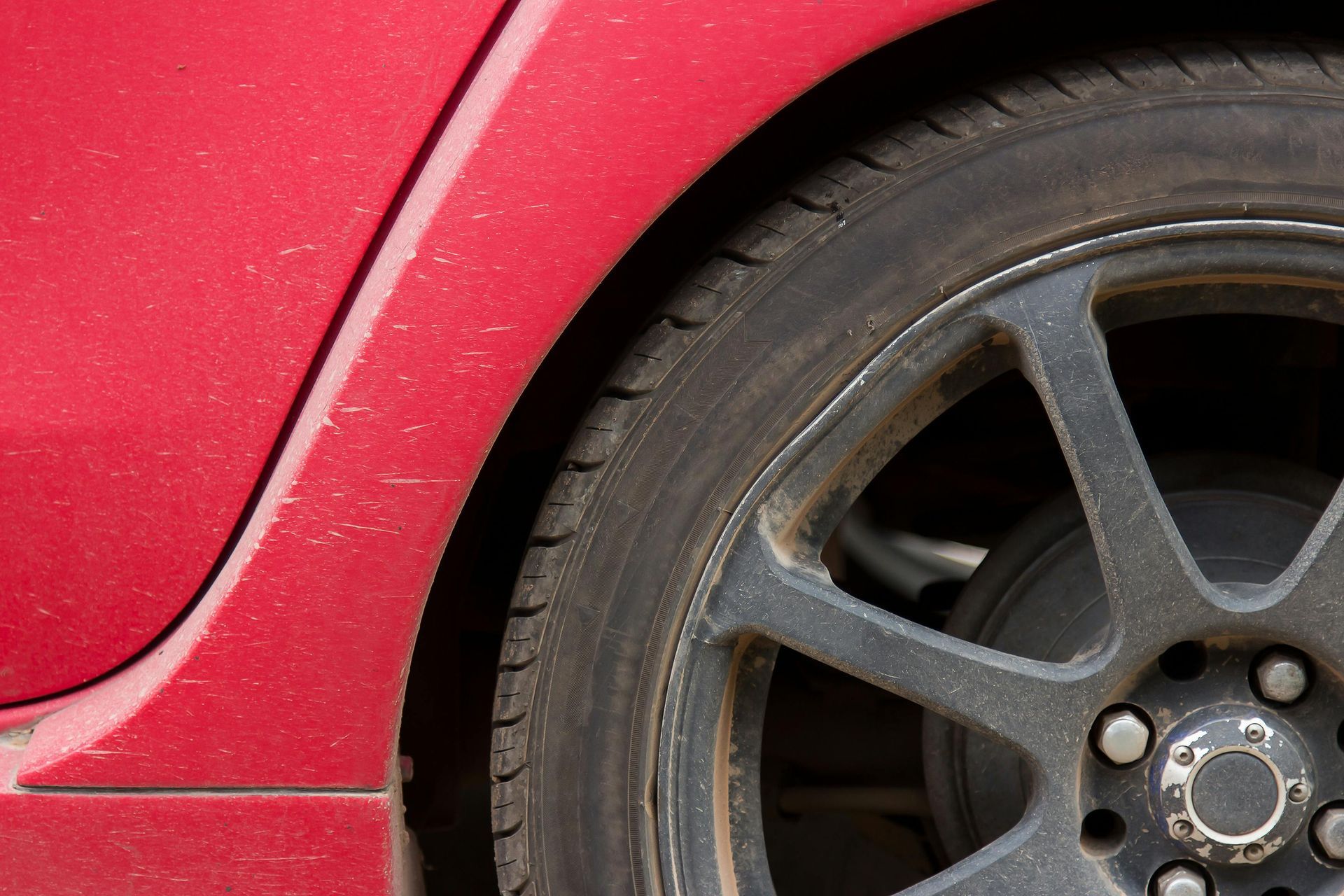
A close up of a red car 's tire and wheel

O custo de ignorar o problema
Deixar o desgaste irregular sem controle leva a uma vida útil mais curta dos pneus, perda de tração, menor eficiência de combustível e, em alguns casos, falha completa do pneu. Isso vai além de um simples incômodo — é uma preocupação real de segurança, especialmente em alta velocidade ou sob chuva.


Mantenha seus pneus em forma na Raymond’s
Na Raymond’s Tire Shop, ajudamos os motoristas de Boston a obter o máximo de cada jogo de pneus. Seja para rodízio, alinhamento, verificação da pressão ou substituição completa, estamos aqui para garantir que seu carro esteja pronto para a estrada.


Não espere seus pneus avisarem que há um problema. Venha fazer uma inspeção rápida — nossos técnicos vão garantir que você continue rodando com segurança e eficiência, quilômetro após quilômetro.
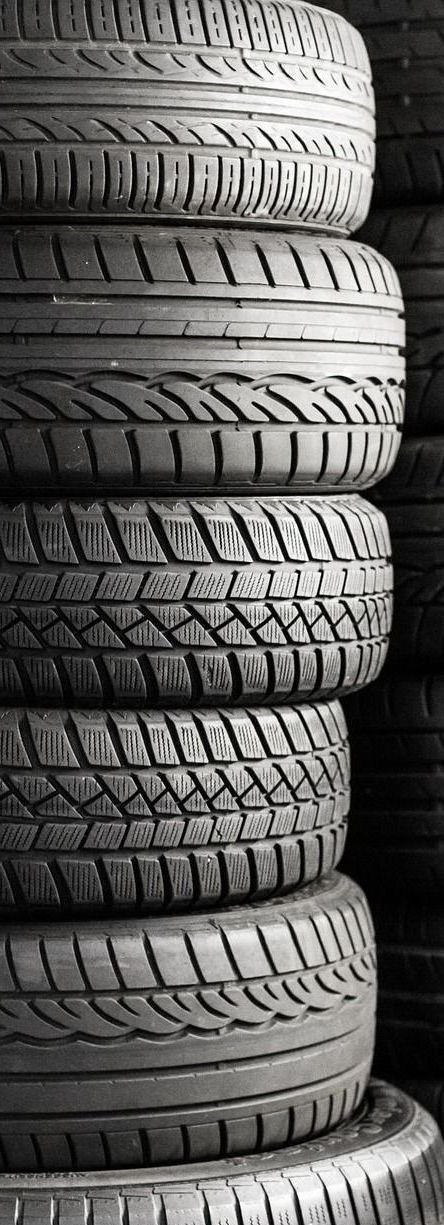
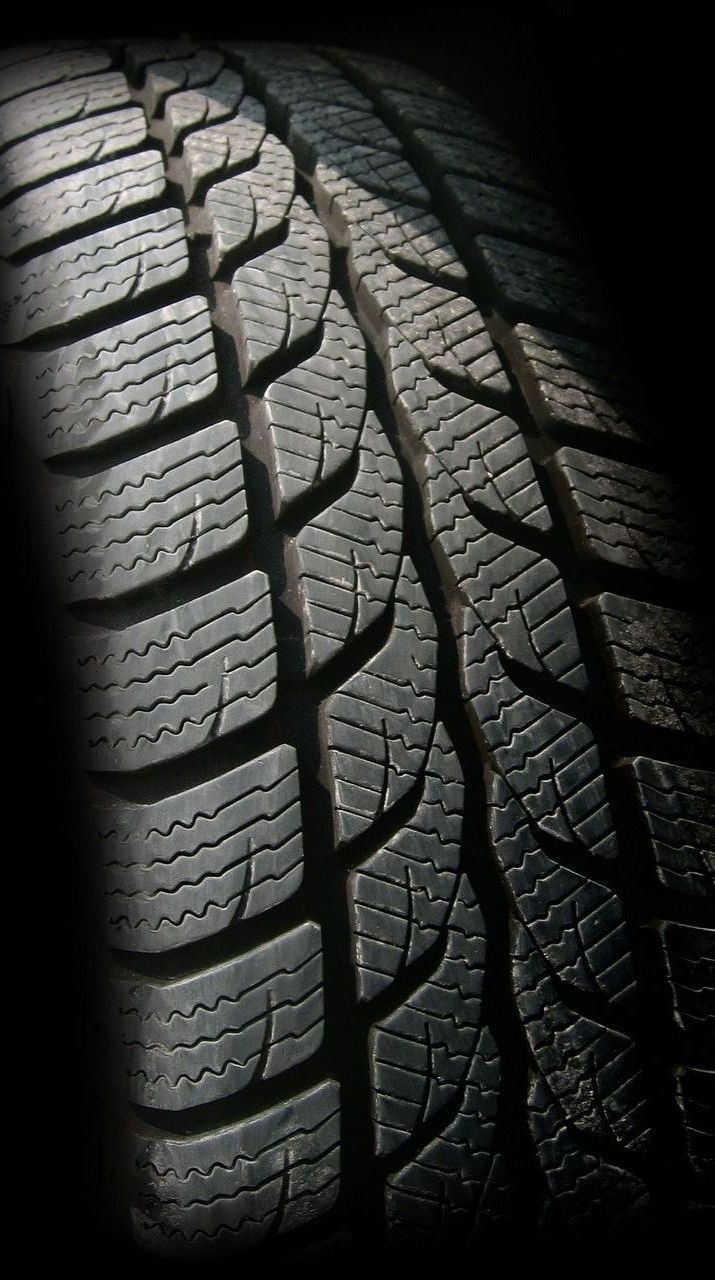
A stack of tires are stacked on top of each other.
A close up of a tire on a black background
A car is driving down a road surrounded by trees.
A tire is sitting on the ground in front of a brick building
A close up of a tire with a pattern of x 's on it
A close up of a tire on a white truck
October 1, 2026
A hard pothole impact can do more than damage a tire. The force can also bend a wheel, especially if the pothole is deep, the vehicle is moving quickly, or the tire has a lower-profile sidewall with less cushioning between the road and rim. Sometimes the damage is obvious. In other cases, the wheel may look normal but cause vibration, air loss, or handling problems.  Knowing what to watch for after a pothole strike can help drivers catch wheel damage before it creates additional tire or suspension problems.
September 23, 2026
Most drivers are familiar with the tire pressure monitoring system , or TPMS, warning light. When it stays on steadily, it usually means one or more tires may be underinflated. A flashing TPMS light often means something different. Instead of simply warning about low tire pressure, a flashing light can indicate a problem with the monitoring system itself. That could involve a sensor, sensor battery, communication issue, or another TPMS-related fault.  Knowing the difference can help drivers avoid assuming that adding air will automatically solve the problem.
September 22, 2026
Tread depth is one of the first things drivers look at when deciding whether a tire still has life left. Deep grooves can make a tire appear healthy, especially if the vehicle is not driven very often. But tread is only part of the picture. Tires age even when they are not being used heavily. Over time, rubber compounds can harden, dry out, and become less flexible. That means an older tire may still have plenty of tread while no longer performing the way it did when it was newer. Rubber Changes With Age Tires are constantly exposed to oxygen, heat, sunlight, moisture, and changing temperatures. Those conditions gradually affect the rubber. As a tire ages, the material can lose some of its elasticity. That may reduce its ability to flex properly as it rolls and responds to the road. A tire that looks acceptable at a quick glance may therefore be significantly older than its appearance suggests. This is especially important for vehicles that accumulate very few miles each year.
September 11, 2026
A flat tire does not always mean the tire has to be replaced. In many cases, a small puncture can be repaired safely and returned to service. The key is where the puncture occurred, how large it is, and whether the tire suffered additional damage while losing air. That is why a professional inspection matters. Two punctures that lo ok similar from the outside may require completely different solutions once the tire is removed and examined internally. Location Matters Most One of the first things a technician looks at is where the puncture is located. Damage in the central tread area is often the best candidate for repair. This part of the tire is designed to handle contact with the road and can sometimes be repaired when the puncture is small and otherwise straightforward. Punctures near the shoulder or sidewall are much more concerning.  These areas flex significantly while the tire is moving and cannot usually be repaired safely using standard puncture-repair methods. If a nail, screw, or other object damages the sidewall or outer shoulder, replacement is often the safer option.
September 6, 2026
A wheel alignment can correct important steering and tire-angle settings, but the alignment itself depends on the suspension being in good mechanical condition. If ball joints, tie rods, control arm bushings, wheel bearings, or other components are worn, the wheels may not stay in the position the technician sets.  That is why some vehicles continue pulling , wearing tires unevenly, or developing an off-center steering wheel even after an alignment. In those cases, the problem may not be the alignment machine or the adjustment. It may be worn suspension or steering components underneath the vehicle.
August 28, 2026
When a tire repeatedly loses air but there is no obvious nail, screw, or visible puncture, the problem may be where the tire meets the wheel. This area is known as the tire bead, and a poor seal between the bead and the rim can allow air to escape gradually. Tire bead leaks are a common cause of slow pressure loss. Understanding why they happen can help drivers recognize when a tire needs professional inspection rather than repeatedly adding air. What Is the Tire Bead? The bead is the reinforced inner edge of the tire that sits tightly against the wheel rim. When a tire is properly mounted and inflated, air pressure helps hold the bead securely against the wheel, creating an airtight seal. If that sealing surface becomes damaged, dirty, corroded, or distorted, a small pathway can develop for air to escape.  Because these leaks may be very small, the tire can lose pressure over several days or weeks rather than going flat immediately.