Why Stop-and-Go Driving Accelerates Tire Wear
Many drivers associate tire wear with long highway miles, but in reality, stop-and-go driving can have a greater impact on tire lifespan. City traffic, frequent braking, and constant acceleration place unique stress on tires that is often overlooked. While this type of driving may feel less demanding than high-speed travel, it creates conditions that contribute to faster and more uneven wear.
Understanding how
stop-and-go driving affects tires can help drivers take a more proactive approach to maintenance and avoid premature replacement.

The Impact of Repeated Acceleration
Every time a vehicle accelerates from a stop, the tires are responsible for transferring power from the engine to the road. In stop-and-go conditions, this process happens repeatedly within a short period of time.
This constant demand places stress on the tread surface. As the tires grip the road to move the vehicle forward, friction increases, gradually wearing down the rubber. Over time, this repeated action contributes to faster tread loss compared to steady, consistent driving.
The effect is often subtle at first, but it becomes more noticeable as mileage increases.

Braking and Surface Friction
Braking is another major factor in tire wear during stop-and-go driving. Each time the brakes are applied, the tires experience additional friction as they work to slow the vehicle.
In heavy traffic, where braking occurs frequently, this friction adds up. The repeated contact between the tires and the road surface accelerates wear, particularly on the front tires, which typically handle a larger portion of the braking force.
This pattern can lead to uneven wear if not addressed through regular maintenance.

Increased Heat and Stress
Frequent acceleration and braking also generate heat within the tires. Heat is a natural byproduct of friction, and while tires are designed to handle it, excessive or repeated heat buildup can affect their condition over time.
In stop-and-go environments, tires do not have the same opportunity to cool down as they might during steady highway driving. This ongoing cycle of heating and limited cooling contributes to gradual degradation of the rubber.
As the material wears down, the tire’s ability to perform consistently may be reduced.

Uneven Wear Patterns
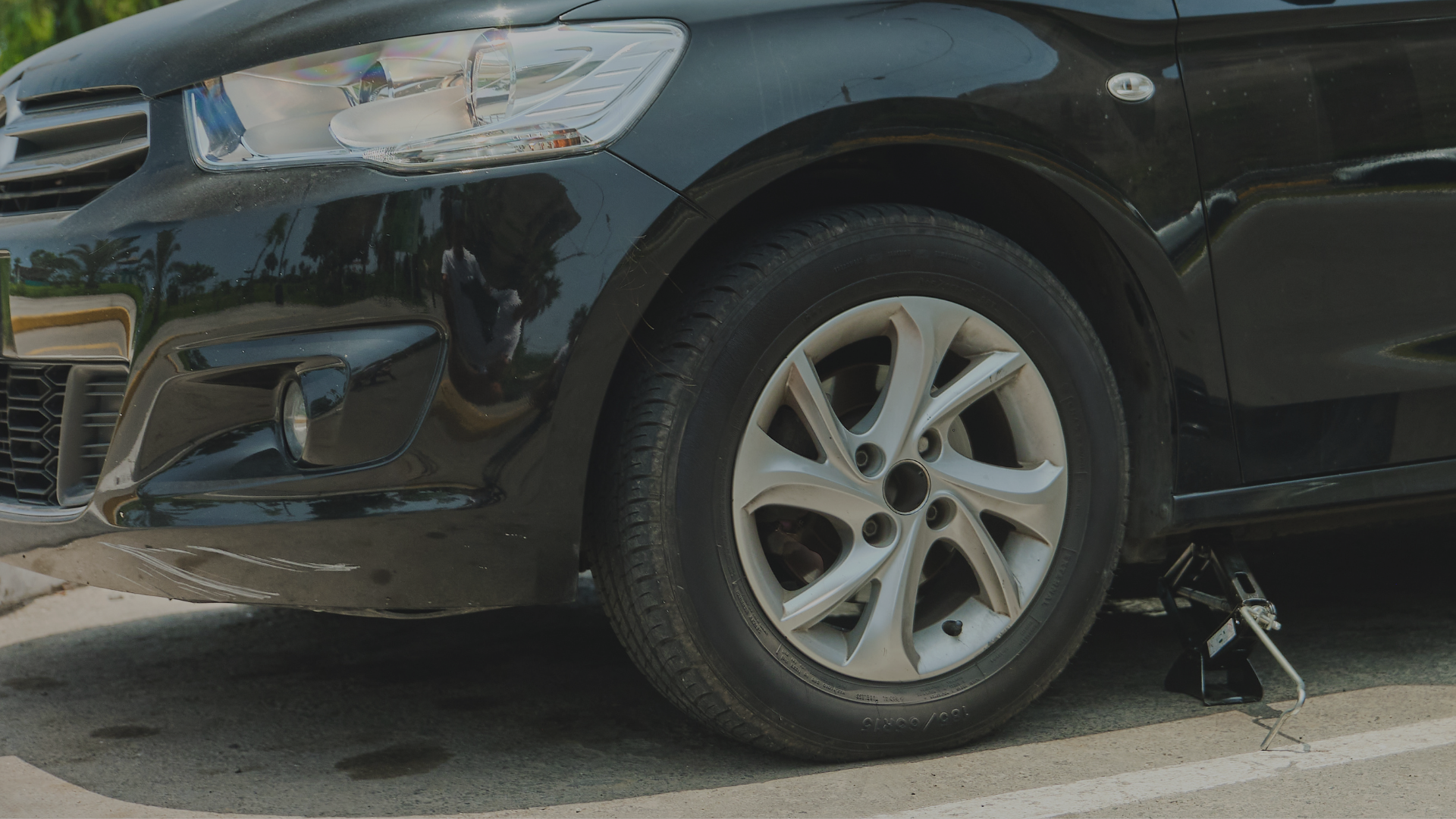
Stop-and-go driving often results in uneven wear patterns. Because the front tires are more involved in both acceleration and braking, they tend to wear faster than the rear tires.
In addition, variations in driving habits, road conditions, and vehicle alignment can influence how wear develops. Without regular rotation, these differences can become more pronounced, leading to reduced performance and shorter overall tire life.
Identifying and addressing uneven wear early is key to maintaining balance across all four tires.

The Role of Driving Environment
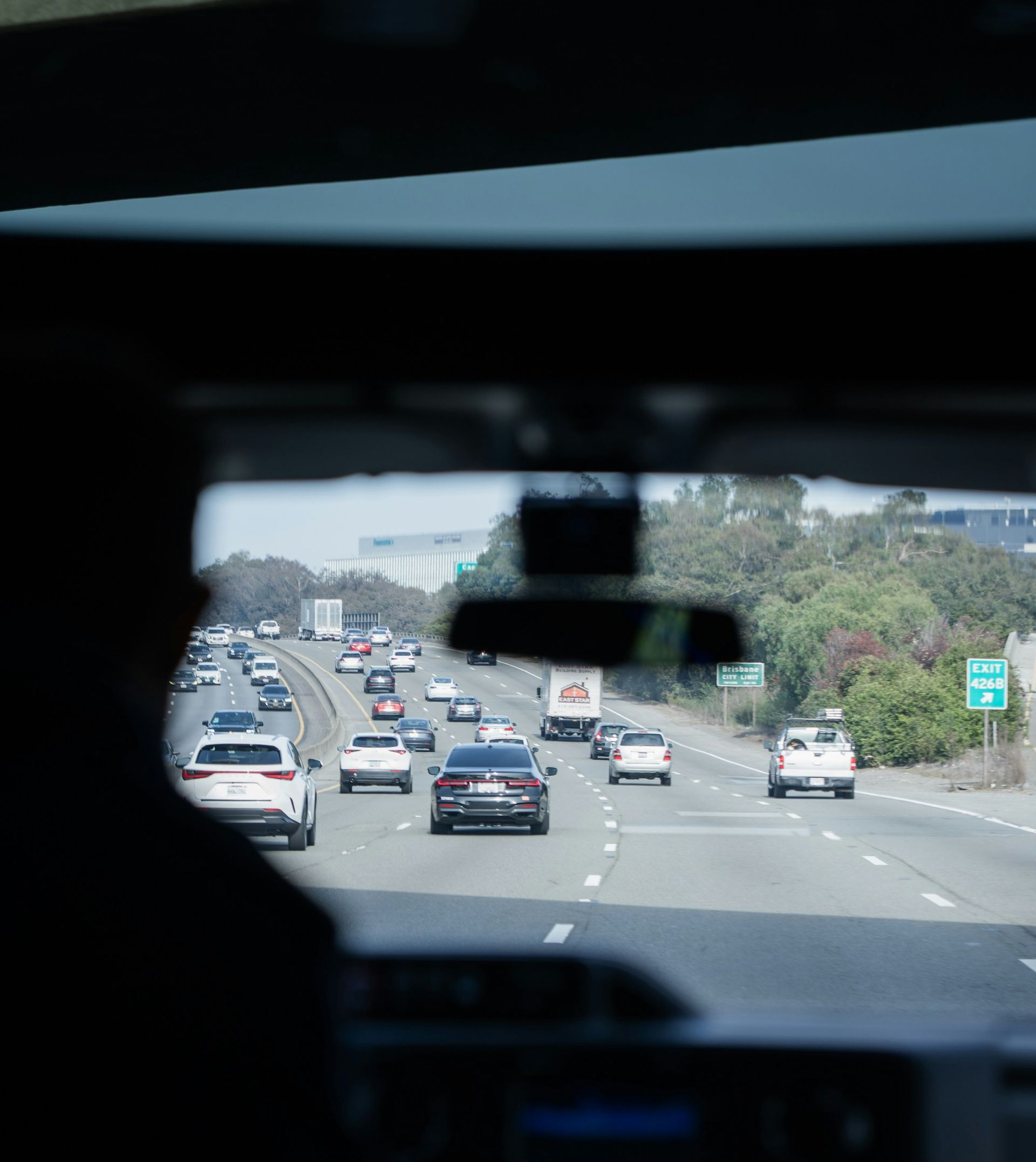
Urban and suburban driving environments typically involve more intersections, traffic signals, and congestion. These conditions naturally lead to more frequent stopping and starting.
Road surfaces in these areas may also vary, adding another layer of complexity. Rough pavement, debris, and inconsistent road quality can further increase the stress placed on tires.
Together, these factors create a driving environment that is more demanding than it may initially appear.
How Maintenance Helps Offset the Effects
While stop-and-go driving cannot always be avoided, its impact on tires can be managed through consistent maintenance. Regular tire rotations help distribute wear more evenly, extending the life of each tire. Maintaining proper tire pressure also plays a role, as underinflated or overinflated tires can wear more quickly under these conditions.
Routine inspections allow drivers to identify early signs of wear and address them before they develop into larger issues. This proactive approach supports both performance and safety.

A Practical Approach to Tire Longevity
Tire wear is influenced by more than just mileage. The way a vehicle is driven has a direct impact on how quickly tires degrade. Stop-and-go driving introduces repeated stress that accelerates wear, particularly when combined with inconsistent maintenance.
By understanding these effects, drivers can make informed decisions about how to care for their tires. Raymond’s Tire Service provides professional tire inspections, maintenance, and replacement services designed to keep vehicles performing reliably in all driving conditions.
If your vehicle is primarily used in stop-and-go traffic, contact Raymond’s Tire Service to ensure your tires are properly maintained and ready for the demands of daily driving.