Why Tire Age Matters as Much as Tread Depth
When evaluating the condition of their tires, most drivers focus on tread depth. After all, tread is easy to see and plays an important role in traction, especially during wet weather. While tread depth is certainly important, it is only one factor that determines whether a tire is still safe and reliable.
What many drivers do not realize is that tires continue to age even if they are driven infrequently. A tire may appear to have plenty of tread remaining, yet still require replacement because of its age. Understanding how tire aging occurs can help drivers make better decisions about vehicle maintenance and safety.

Tires Change Over Time
Tires are made from complex rubber compounds and other materials that are designed to provide flexibility, strength, and durability.
However, like many materials, rubber changes as it ages. Exposure to sunlight, heat, oxygen, moisture, and environmental conditions gradually affects the tire over time. These changes occur whether the vehicle is driven every day or sits in a garage for long periods.
As tires age, the
rubber may become less flexible and more susceptible to deterioration. This natural aging process is one reason tire age deserves attention alongside tread depth.

Tread Depth Does Not Tell the Whole Story
Many drivers assume that if their tires still have substantial tread, they must be in good condition.
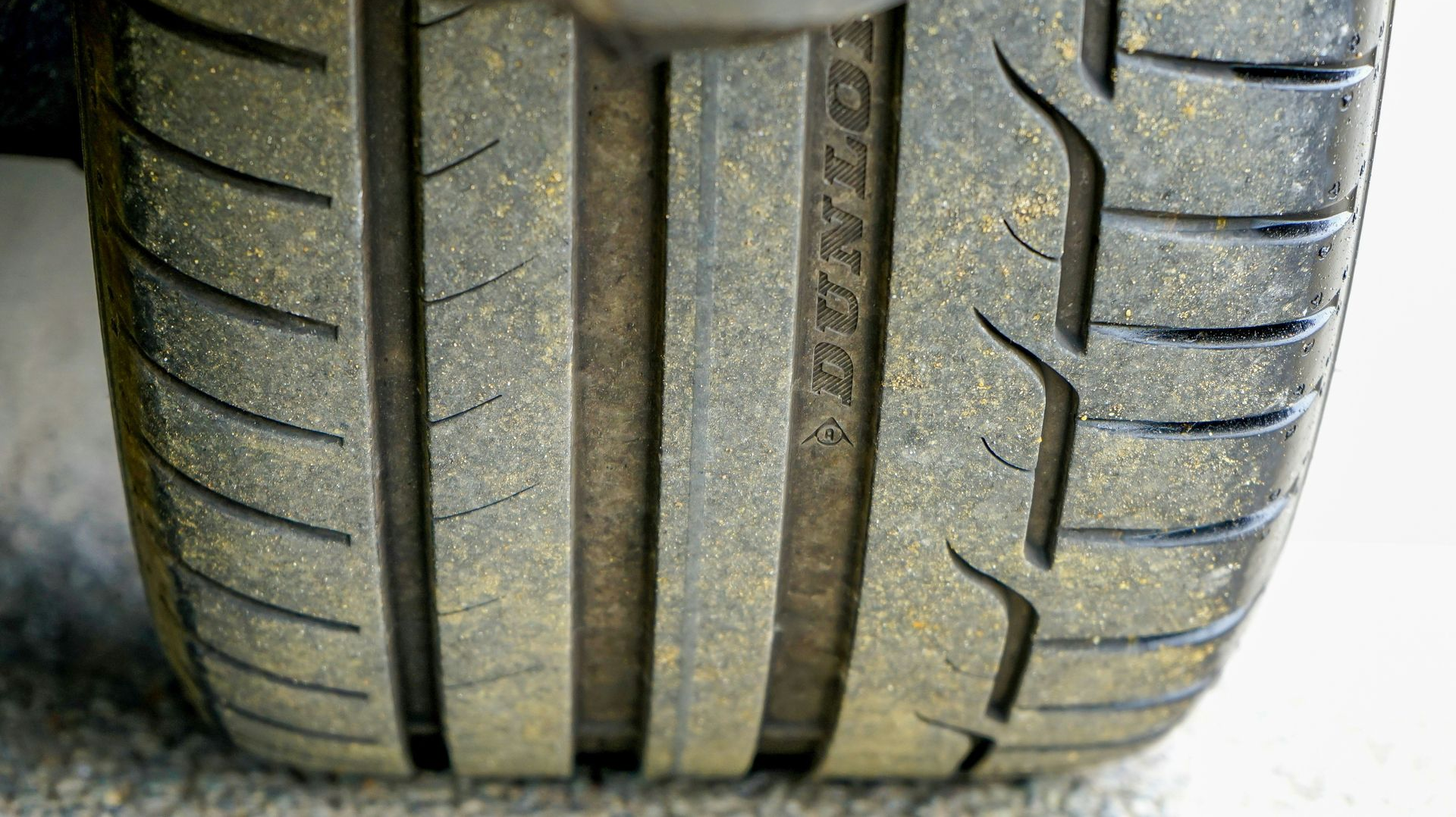
While adequate tread is essential for maintaining traction, tread depth alone does not provide a complete picture of tire health. A tire can retain significant tread while still experiencing age-related changes that affect performance.
This situation is particularly common on vehicles that accumulate relatively low mileage each year. Drivers may not wear down the tread quickly, but the tires continue aging regardless of how often the vehicle is used.
For this reason, tire professionals evaluate more than just tread depth when inspecting tires.
Environmental Exposure Accelerates Aging
Several factors can influence how quickly tires age. Vehicles that spend significant time outdoors are exposed to sunlight and changing weather conditions that may accelerate deterioration. High temperatures can also place additional stress on tire materials over time.
Even driving habits and storage conditions can affect the aging process. Tires that experience prolonged exposure to harsh environmental conditions may age differently than those stored in more controlled environments.
Because these factors vary from vehicle to vehicle, regular inspections are important.
Visible Signs of Aging
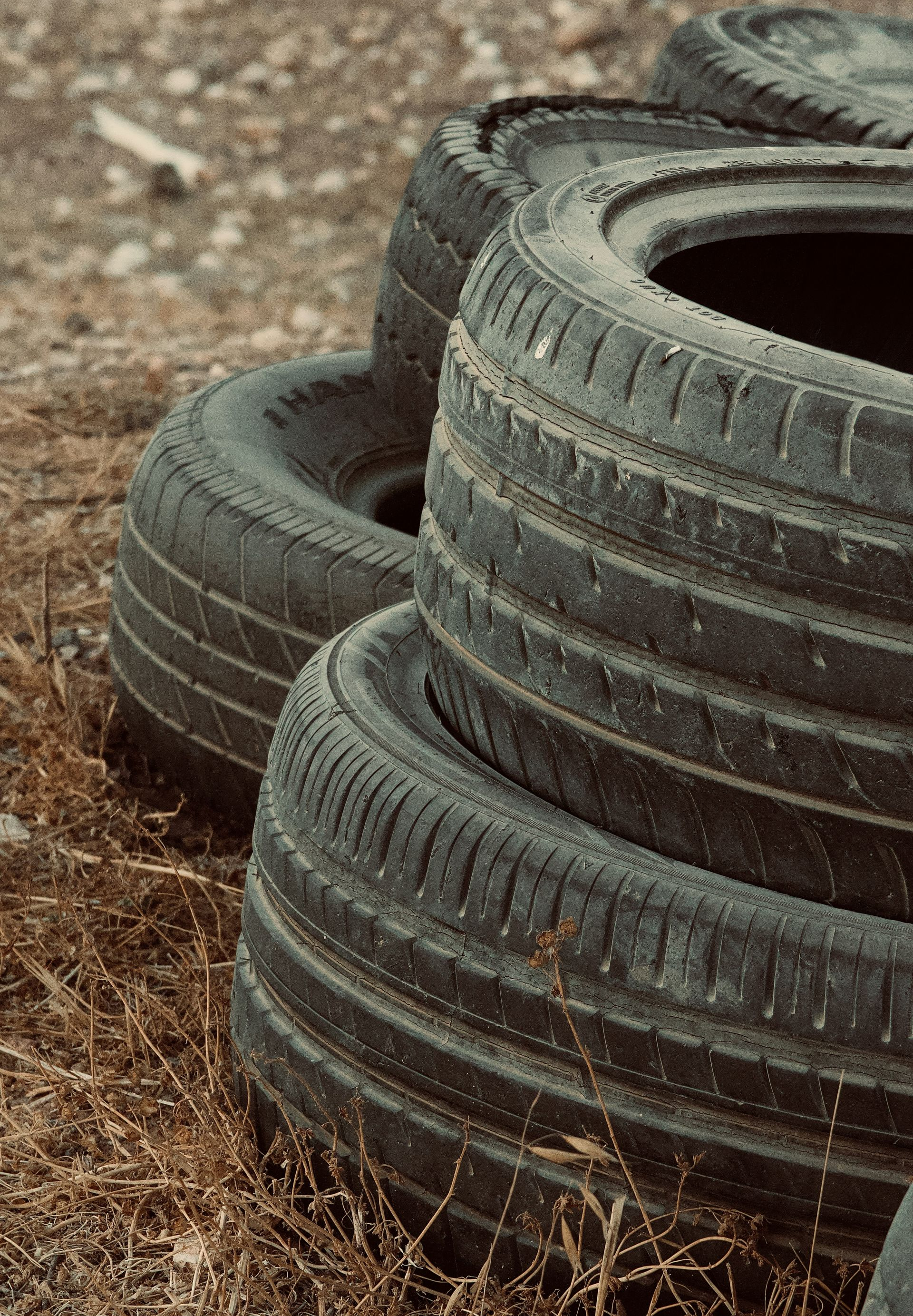
In some cases, aging tires may develop visible signs of wear beyond normal tread reduction.
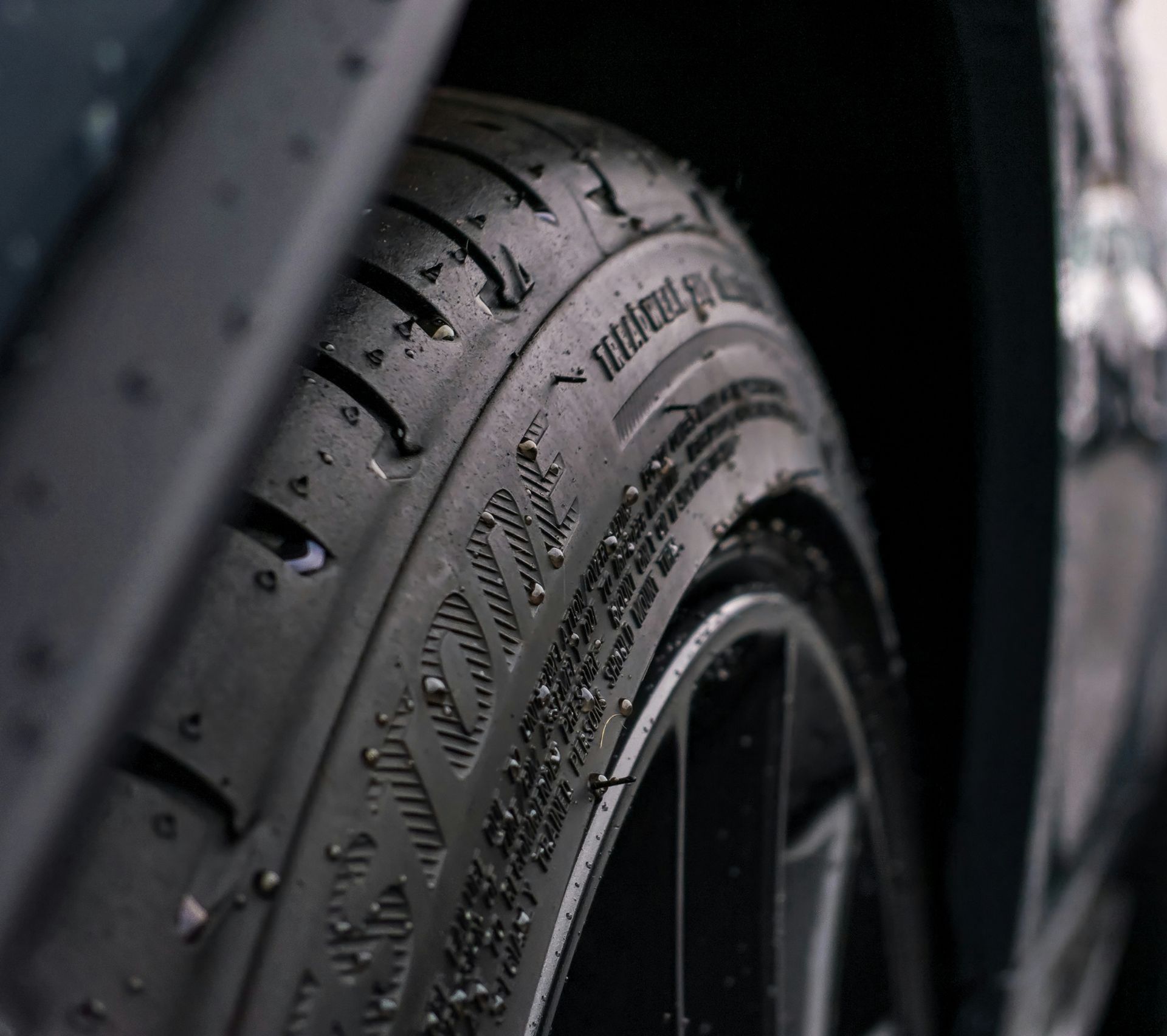
Drivers may notice cracking in the sidewalls, changes in the appearance of the rubber, or other indications that the tire is no longer in optimal condition. However, not all age-related concerns are immediately obvious to the average driver.
This is one reason professional inspections can be valuable. Experienced technicians know what to look for and can identify potential concerns that might otherwise go unnoticed.

Safety Depends on More Than Appearance
One of the challenges associated with tire aging is that tires can appear acceptable at first glance.
A tire may look relatively normal while still experiencing internal changes that affect its performance. Because tires play such a critical role in braking, handling, and overall vehicle control, maintaining them in good condition is an important part of safe driving.
Replacing aging tires before problems develop can help drivers avoid unnecessary risks and maintain confidence behind the wheel.
Routine Inspections Make a Difference
The best way to monitor tire condition is through regular inspections performed by qualified professionals.
A comprehensive tire evaluation considers multiple factors, including tread depth, wear patterns, inflation, overall condition, and age. Looking at the complete picture allows technicians to provide recommendations based on the tire’s actual condition rather than relying on a single measurement.
This proactive approach helps drivers make informed decisions about maintenance and replacement timing.
Protecting Yourself on the Road
Tread depth will always be an important factor in tire safety, but it is not the only one. Tires continue aging throughout their lifespan, and understanding that reality can help drivers avoid surprises and maintain safer vehicles.
For more than 40 years, Raymond’s Tire Shop has helped drivers make informed decisions about tire care, replacement, alignments, balancing, and overall vehicle safety. Whether your tires are showing signs of wear or simply getting older, a professional inspection can provide valuable insight into their condition.
When it comes to tire safety, age matters just as much as tread depth. Paying attention to both can help ensure your vehicle remains ready for the road ahead.