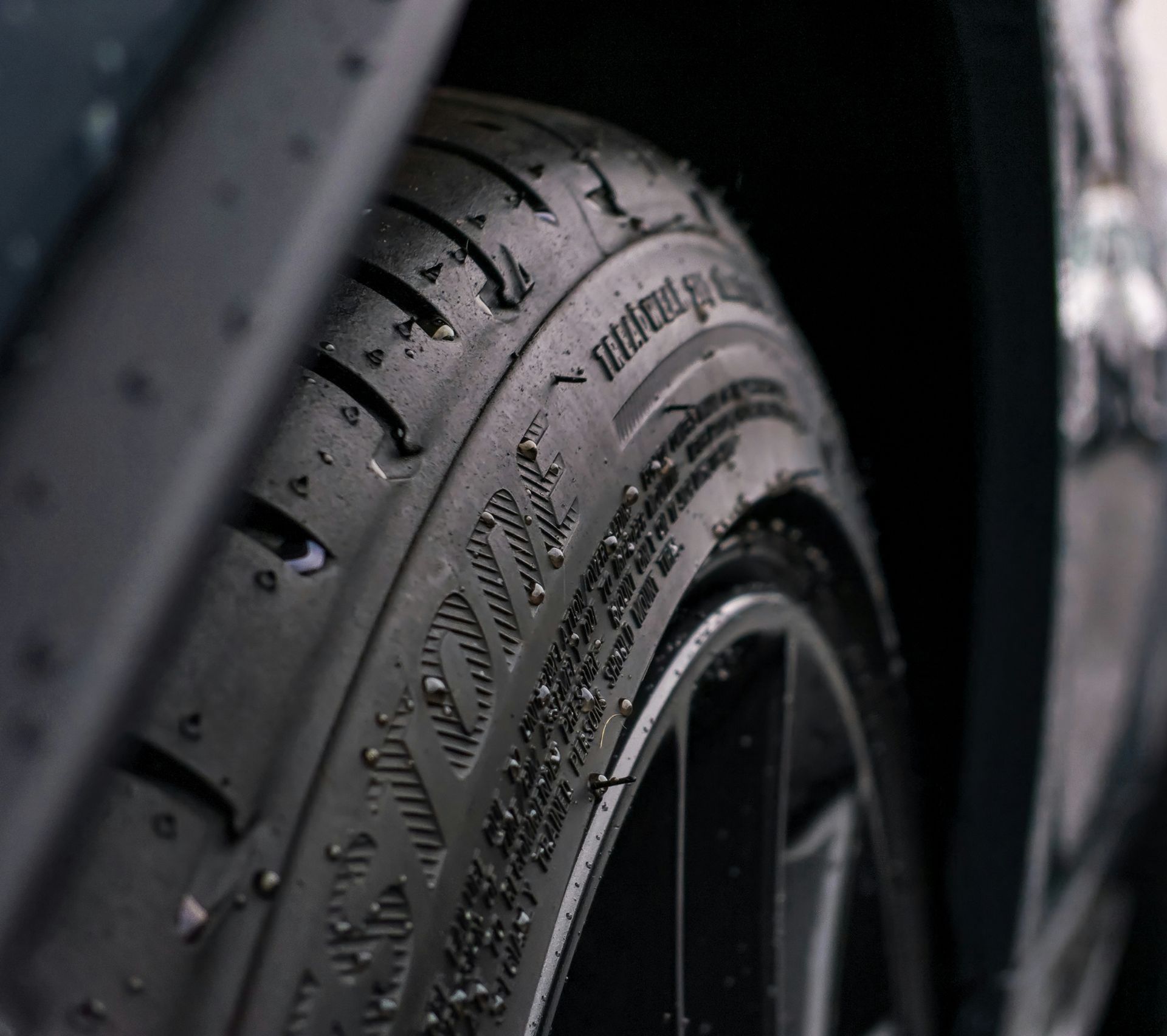
Por que a idade dos pneus é tão importante quanto a profundidade da banda de rodagem
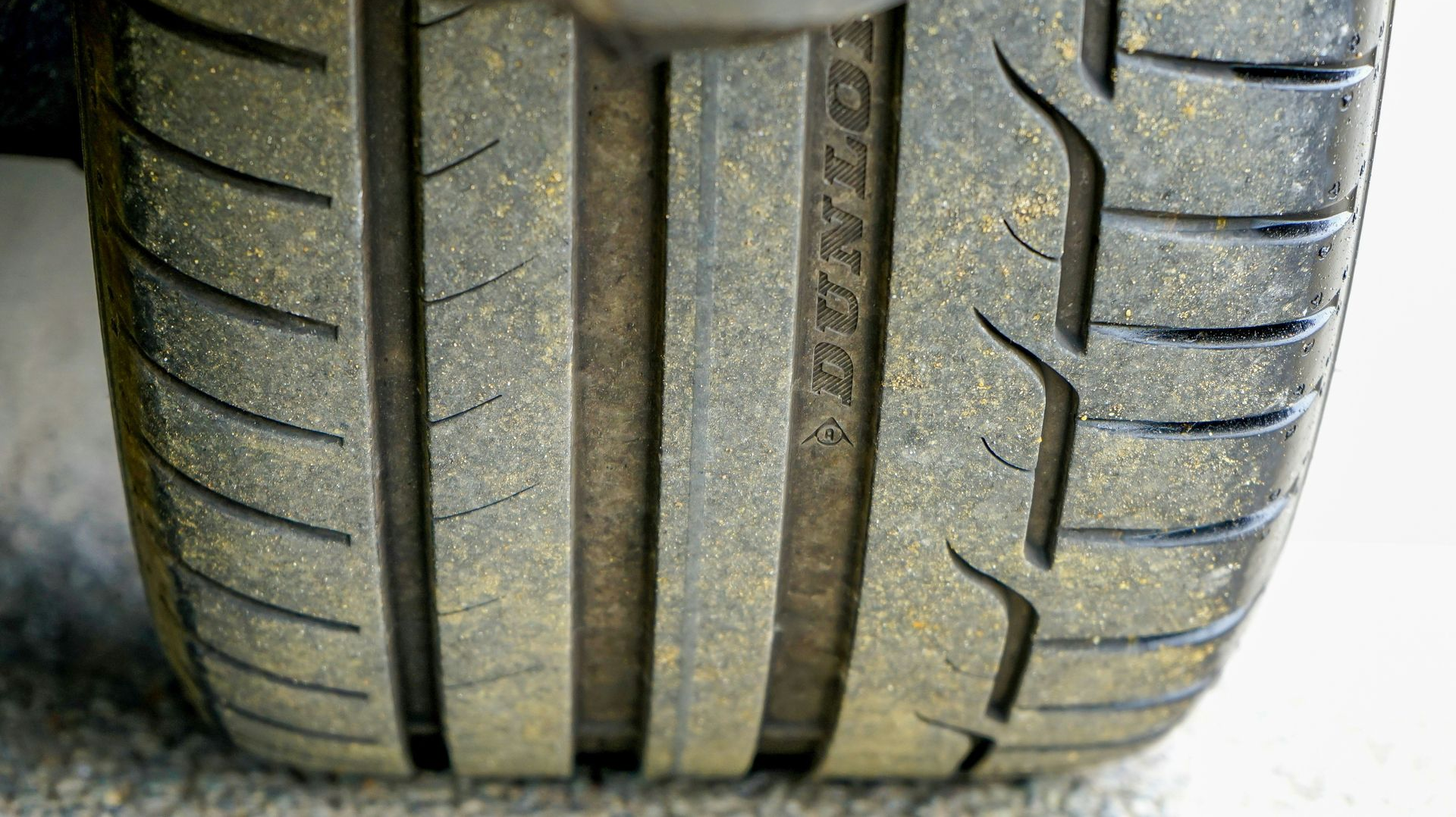
Ao avaliar a condição dos pneus, a maioria dos motoristas se concentra na profundidade da banda de rodagem. Afinal, a banda de rodagem é fácil de observar e desempenha um papel importante na tração, especialmente em condições de pista molhada. Embora a profundidade da banda de rodagem seja certamente importante, ela é apenas um dos fatores que determinam se um pneu ainda é seguro e confiável.
O que muitos motoristas não percebem é que os pneus continuam envelhecendo mesmo quando são usados com pouca frequência. Um pneu pode parecer ter bastante banda de rodagem restante e, ainda assim, precisar ser substituído devido à sua idade. Compreender como ocorre o envelhecimento dos pneus pode ajudar os motoristas a tomar decisões mais inteligentes sobre manutenção e segurança do veículo.

Os pneus mudam com o tempo
Os pneus são fabricados com compostos complexos de borracha e outros materiais projetados para oferecer flexibilidade, resistência e durabilidade.
No entanto, assim como muitos materiais, a borracha sofre alterações à medida que envelhece. A exposição à luz solar, ao calor, ao oxigênio, à umidade e às condições ambientais afeta gradualmente o pneu ao longo do tempo. Essas mudanças ocorrem independentemente de o veículo ser conduzido diariamente ou permanecer estacionado em uma garagem por longos períodos.
À medida que os pneus envelhecem, a borracha pode se tornar menos flexível e mais suscetível à deterioração. Esse processo natural de envelhecimento é uma das razões pelas quais a idade do pneu merece tanta atenção quanto a profundidade da banda de rodagem.

A profundidade da banda de rodagem não conta toda a história
Muitos motoristas presumem que, se seus pneus ainda possuem uma quantidade significativa de banda de rodagem, eles devem estar em boas condições.
Embora uma profundidade adequada da banda de rodagem seja essencial para manter a tração, ela, por si só, não fornece uma visão completa da condição do pneu. Um pneu pode manter uma quantidade significativa de banda de rodagem enquanto ainda passa por alterações relacionadas ao envelhecimento que afetam seu desempenho.
Essa situação é particularmente comum em veículos que acumulam relativamente pouca quilometragem por ano. Os motoristas podem não desgastar rapidamente a banda de rodagem, mas os pneus continuam envelhecendo independentemente da frequência com que o veículo é utilizado.
Por esse motivo, os profissionais especializados em pneus avaliam muito mais do que apenas a profundidade da banda de rodagem durante uma inspeção.
A exposição ao ambiente acelera o envelhecimento
Diversos fatores podem influenciar a velocidade com que os pneus envelhecem. Veículos que passam muito tempo ao ar livre ficam expostos à luz solar e às mudanças climáticas, fatores que podem acelerar a deterioração. Altas temperaturas também podem exercer pressão adicional sobre os materiais do pneu ao longo do tempo.
Até mesmo os hábitos de condução e as condições de armazenamento podem afetar o processo de envelhecimento. Pneus que permanecem expostos por longos períodos a condições ambientais severas podem envelhecer de maneira diferente daqueles armazenados em ambientes mais controlados.
Como esses fatores variam de veículo para veículo, inspeções regulares são importantes.
Sinais visíveis de envelhecimento
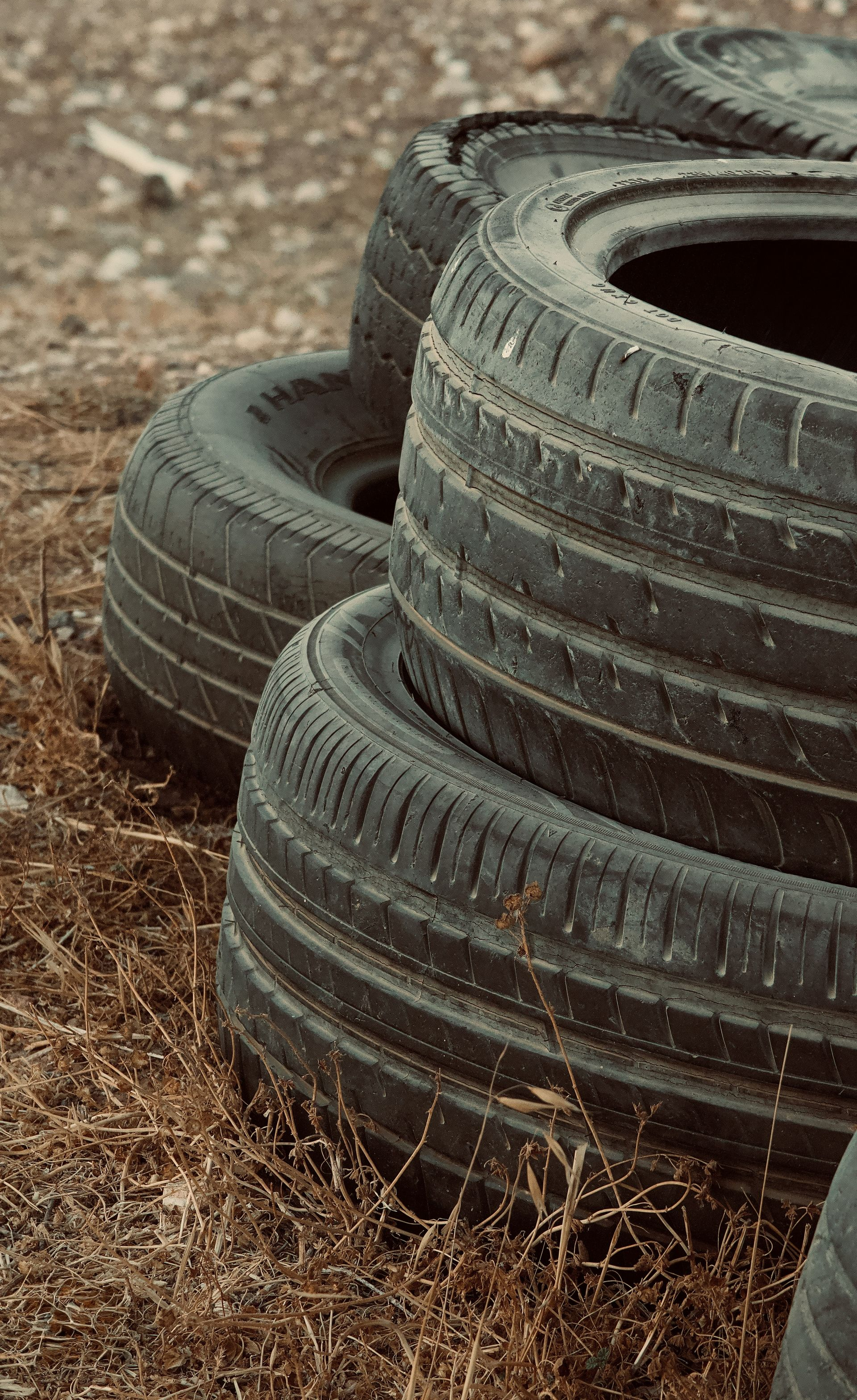
Em alguns casos, pneus envelhecidos podem desenvolver sinais visíveis de desgaste além da redução normal da banda de rodagem.
Os motoristas podem notar rachaduras nas laterais dos pneus, alterações na aparência da borracha ou outros indícios de que o pneu não está mais em condições ideais. No entanto, nem todos os problemas relacionados ao envelhecimento são imediatamente perceptíveis para o motorista comum.
Essa é uma das razões pelas quais inspeções profissionais podem ser tão valiosas. Técnicos experientes sabem o que procurar e podem identificar possíveis problemas que, de outra forma, passariam despercebidos.

A segurança depende de mais do que a aparência
Um dos desafios associados ao envelhecimento dos pneus é que eles podem parecer aceitáveis à primeira vista.
Um pneu pode aparentar estar relativamente normal enquanto sofre alterações internas que afetam seu desempenho. Como os pneus desempenham um papel tão importante na frenagem, dirigibilidade e controle geral do veículo, mantê-los em boas condições é uma parte fundamental da condução segura.
Substituir pneus envelhecidos antes que problemas se desenvolvam pode ajudar os motoristas a evitar riscos desnecessários e manter a confiança ao volante.
Inspeções de rotina fazem a diferença
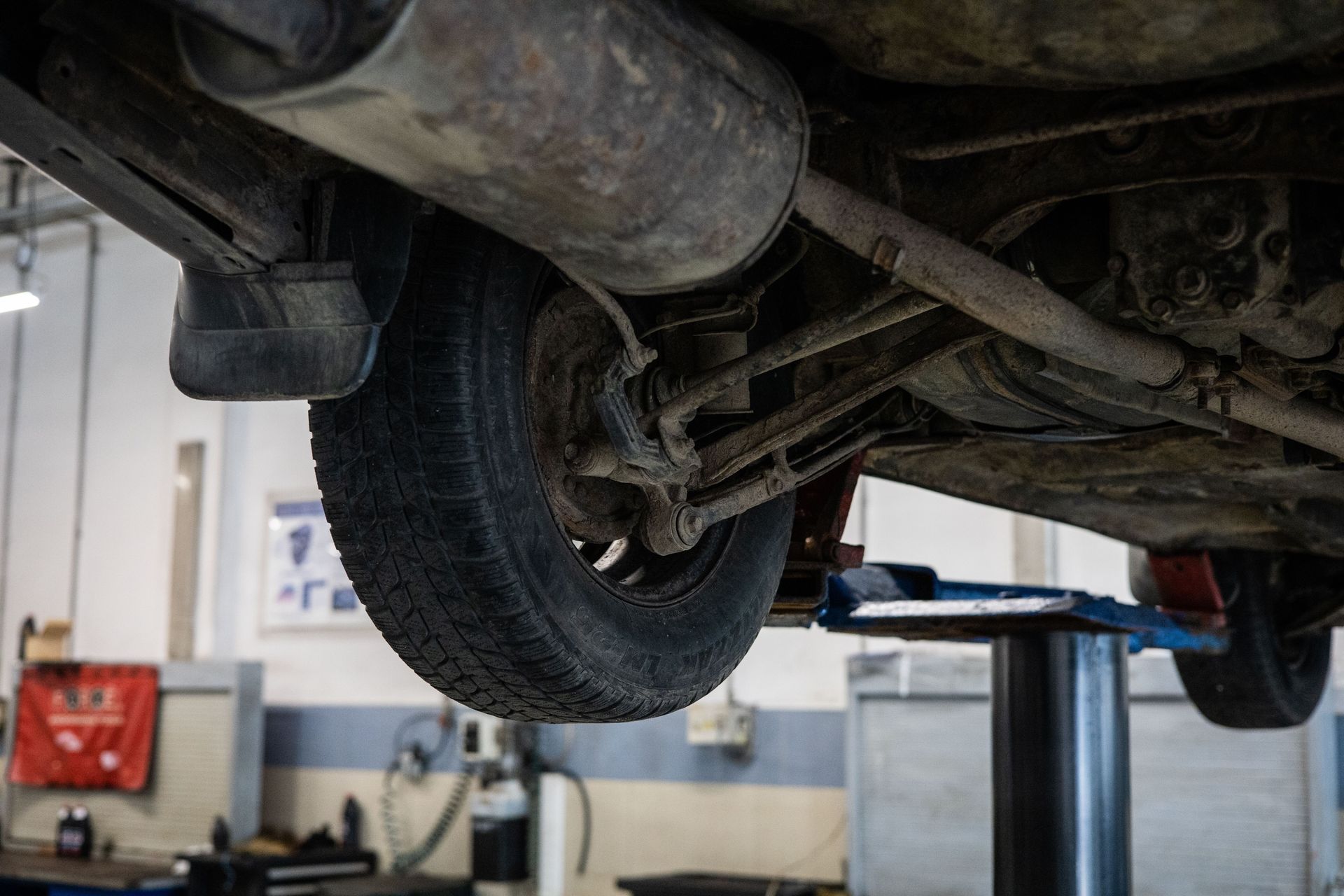
A melhor maneira de monitorar a condição dos pneus é por meio de inspeções regulares realizadas por profissionais qualificados.
Uma avaliação completa dos pneus considera diversos fatores, incluindo profundidade da banda de rodagem, padrões de desgaste, calibragem, condição geral e idade. Analisar o quadro completo permite que os técnicos façam recomendações com base na condição real do pneu, em vez de se apoiarem em apenas uma única medição.
Essa abordagem proativa ajuda os motoristas a tomar decisões informadas sobre manutenção e o momento adequado para a substituição dos pneus.
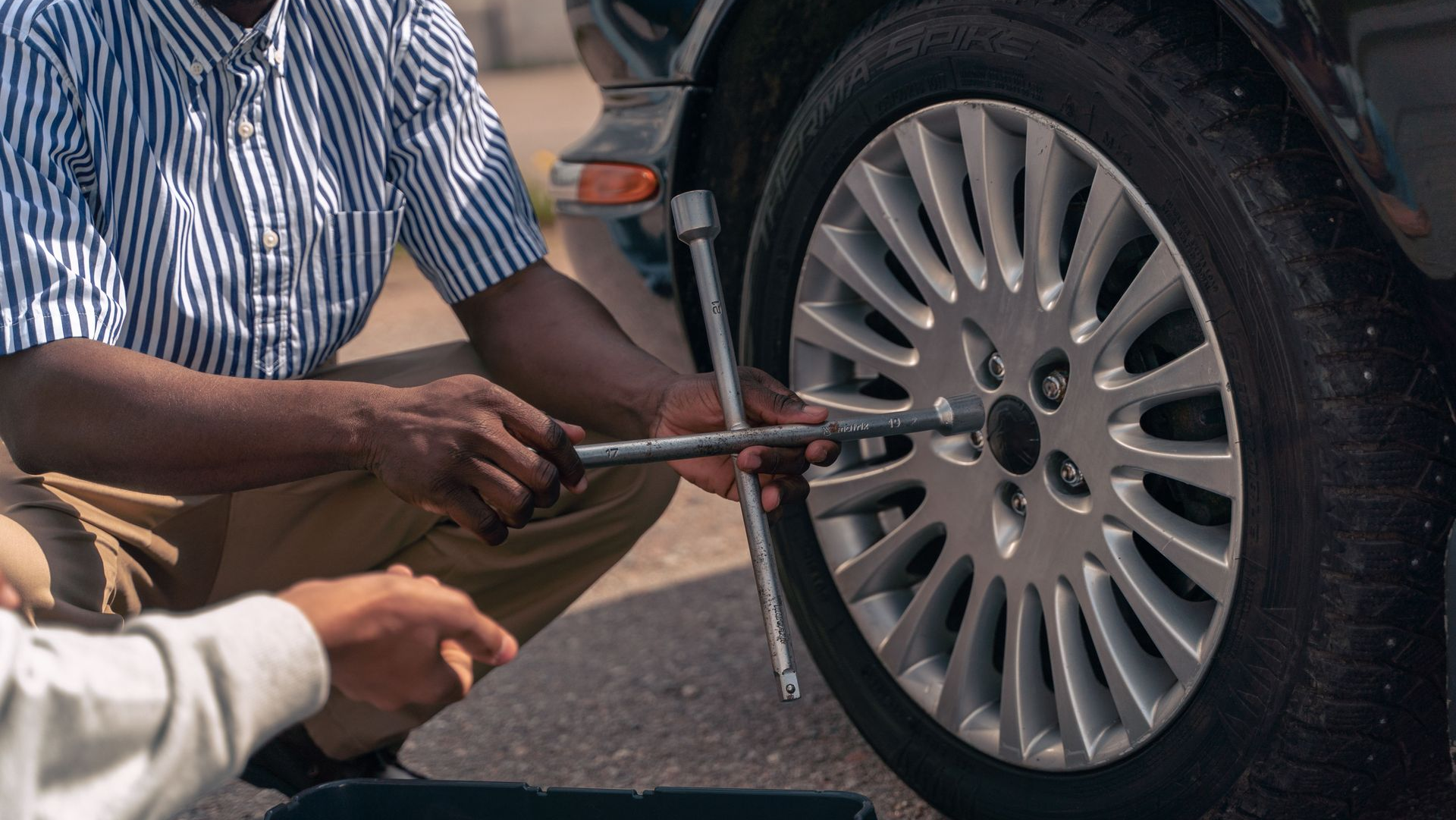
Protegendo você na estrada
A profundidade da banda de rodagem sempre será um fator importante para a segurança dos pneus, mas não é o único. Os pneus continuam envelhecendo ao longo de toda a sua vida útil, e compreender essa realidade pode ajudar os motoristas a evitar surpresas e manter seus veículos mais seguros.
Há mais de 40 anos, a Raymond’s Tire Shop ajuda motoristas a tomar decisões informadas sobre cuidados com pneus, substituições, alinhamentos, balanceamentos e segurança geral do veículo. Se os seus pneus estão apresentando sinais de desgaste ou simplesmente ficando mais antigos, uma inspeção profissional pode fornecer informações valiosas sobre sua condição.
Quando se trata de segurança dos pneus, a idade é tão importante quanto a profundidade da banda de rodagem. Dar atenção a ambos os fatores pode ajudar a garantir que seu veículo esteja sempre pronto para enfrentar a estrada à frente.