Why Tire Pressure Changes More Often Than Most Drivers Realize
Many drivers assume that once their tires are properly inflated, they will stay that way for long periods of time. In reality, tire pressure changes more frequently than most people expect. Temperature shifts, everyday driving, and natural air loss all influence the amount of air inside a tire. Because these changes happen gradually, many drivers may not notice them until performance or safety is affected.
Maintaining proper tire pressure is one of the simplest and most important steps in vehicle maintenance. Understanding why pressure changes occur can help drivers recognize the importance of regular tire checks.
Temperature Plays a Major Role
One of the biggest factors affecting tire pressure is temperature. Air expands when temperatures rise and contracts when temperatures drop. Because tires are filled with compressed air, these changes directly affect the pressure inside the tire.
A common rule of thumb is that tire pressure changes by about 1-2 pounds per square inch (PSI) for every ten-degree change in temperature. When colder weather arrives, tire pressure naturally drops. When temperatures increase, pressure may rise slightly.
Seasonal temperature swings can therefore cause noticeable pressure changes even if the tire itself is not leaking air.
Natural Air Loss Over Time
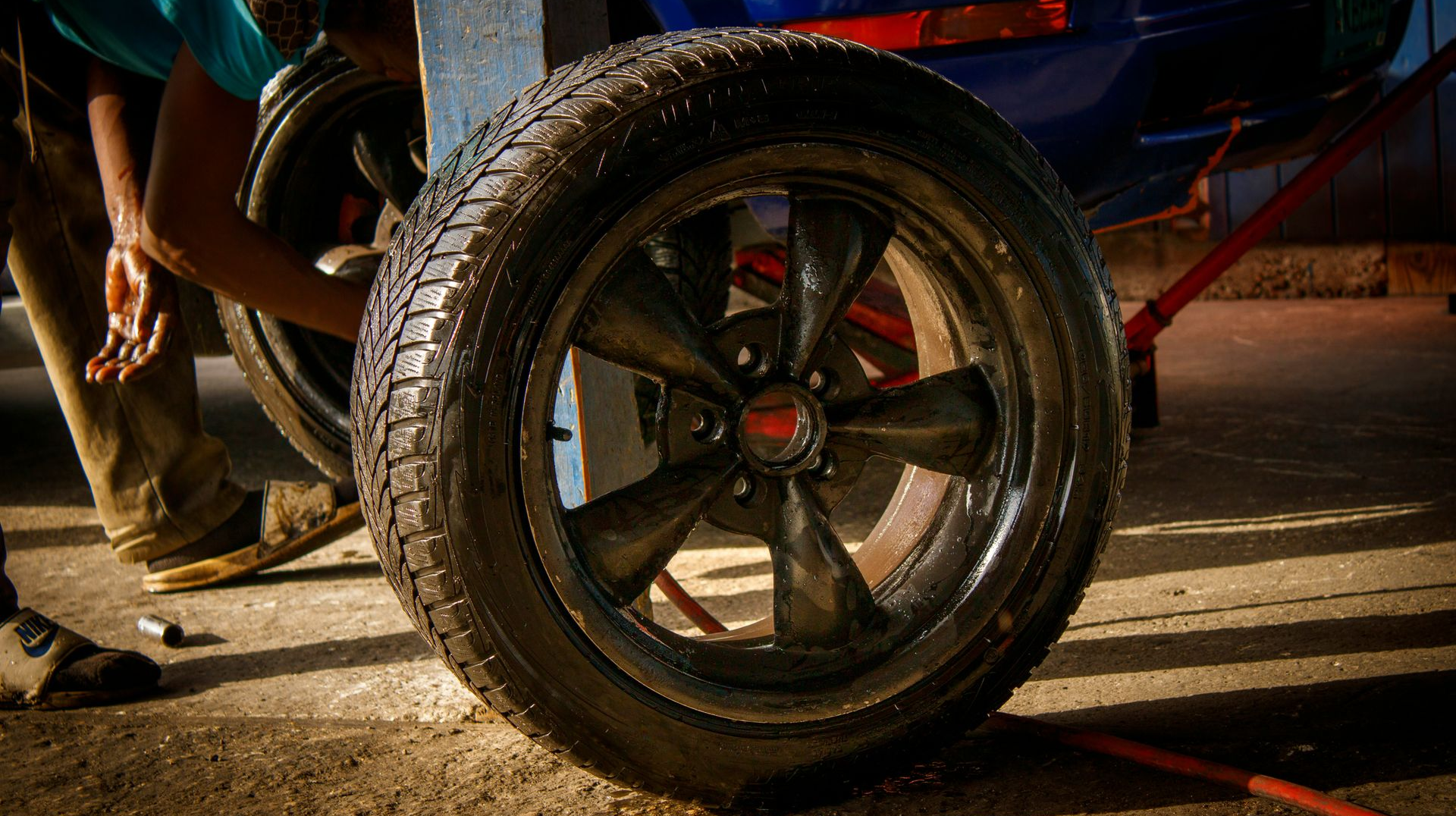
Even under normal conditions, tires slowly lose air. The rubber materials used to manufacture tires are durable but slightly porous, which allows small amounts of air to escape over time.
This gradual loss is completely normal and occurs even in brand-new tires. Over several weeks or months, it can reduce pressure enough to affect performance.
Because this process happens slowly, drivers may not notice a difference until the tire becomes significantly underinflated.
Everyday Driving Affects Tire Pressure
Daily driving also contributes to pressure changes. When a vehicle is in motion, friction between the tire and the road generates heat. This heat causes the air inside the tire to expand temporarily, increasing pressure slightly during longer drives.
Once the vehicle is parked and the tires cool down, the pressure returns to its original level. This is why tire pressure measurements are most accurate when tires are cold, such as before driving or after the vehicle has been parked for several hours.
Checking tire pressure immediately after driving can produce readings that are slightly higher than normal.
Why Proper Tire Pressure Matters
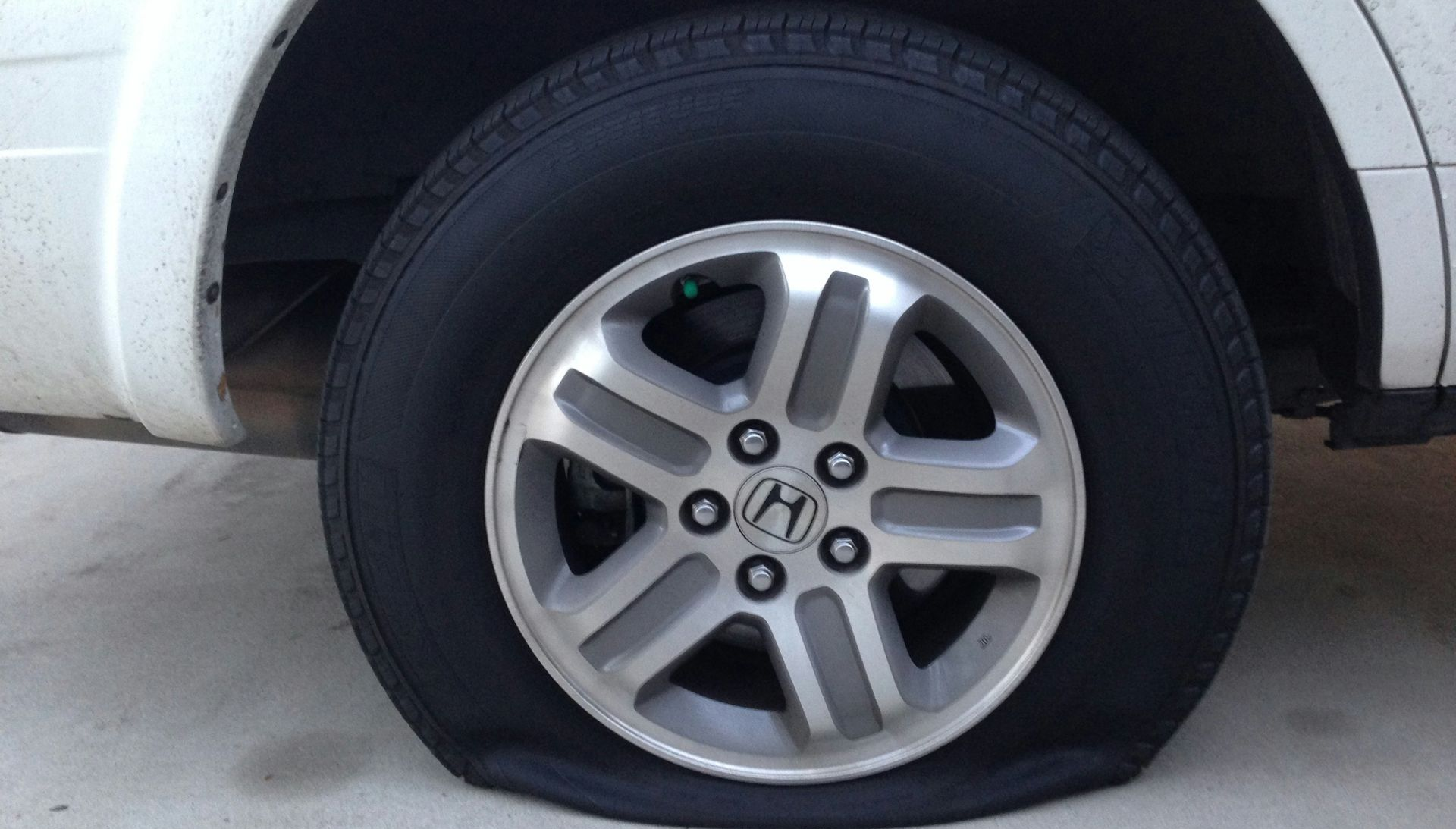
Maintaining proper tire pressure is essential for both safety and vehicle performance. Underinflated tires can cause several problems, including uneven wear, reduced fuel efficiency, and decreased handling stability.
Low tire pressure also increases the amount of tire surface that contacts the road. This extra friction can cause tires to overheat, which may increase the risk of a blowout.
Overinflated tires can also create problems. Excess pressure reduces the amount of tread touching the road surface, which can reduce traction and cause tires to wear unevenly in the center.
Keeping tire pressure within the recommended range helps ensure that the tire performs as designed.

The Importance of Regular Tire Checks
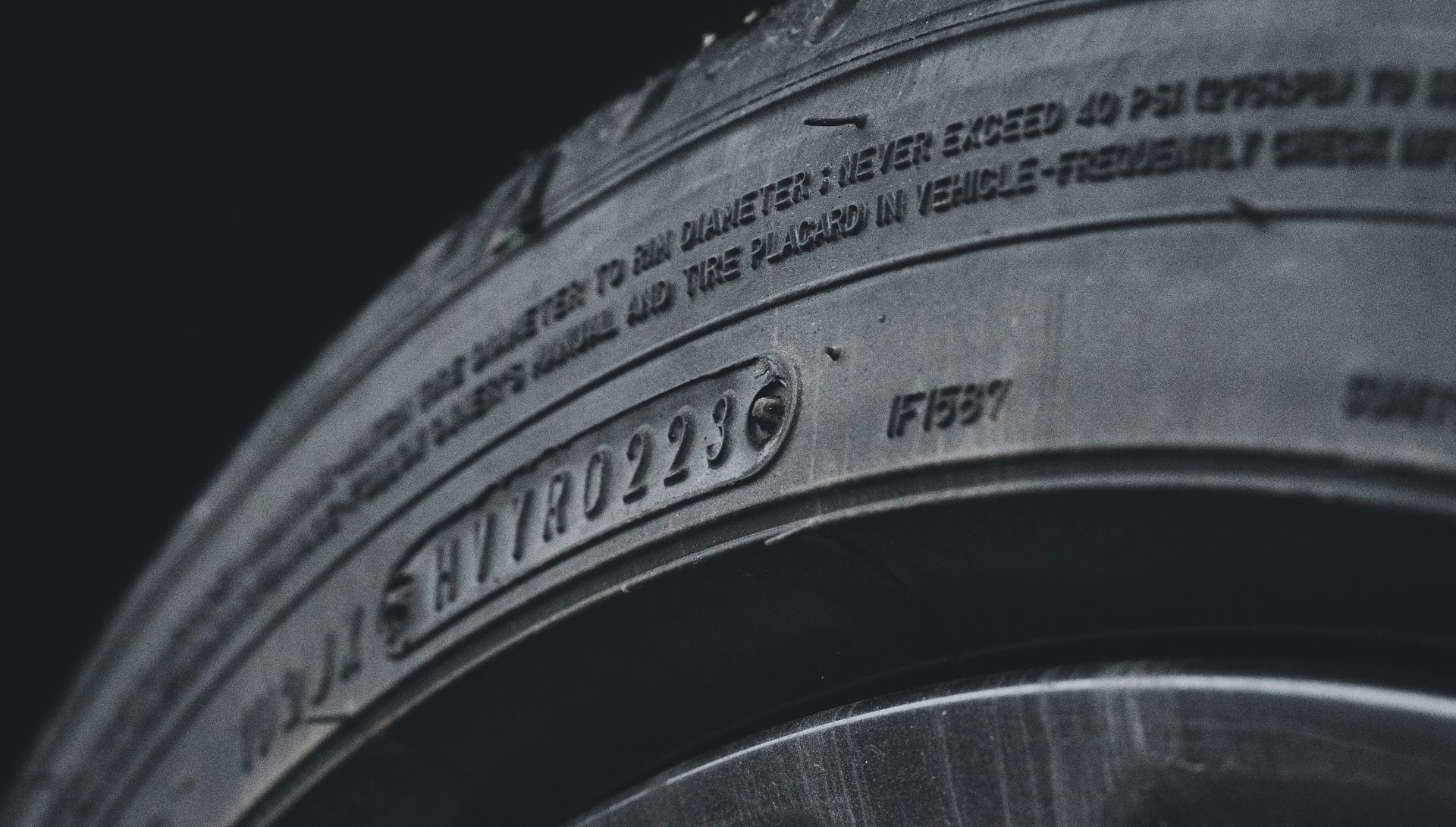
Because tire pressure changes naturally over time, it is important for drivers to check it regularly. Many experts recommend checking tire pressure at least once a month and before long trips.
Modern vehicles often include tire pressure monitoring systems that alert drivers when pressure drops significantly. While these systems are helpful, they usually activate only when pressure becomes dangerously low.
Regular manual checks can identify smaller changes before they become serious problems.
Professional Tire Care
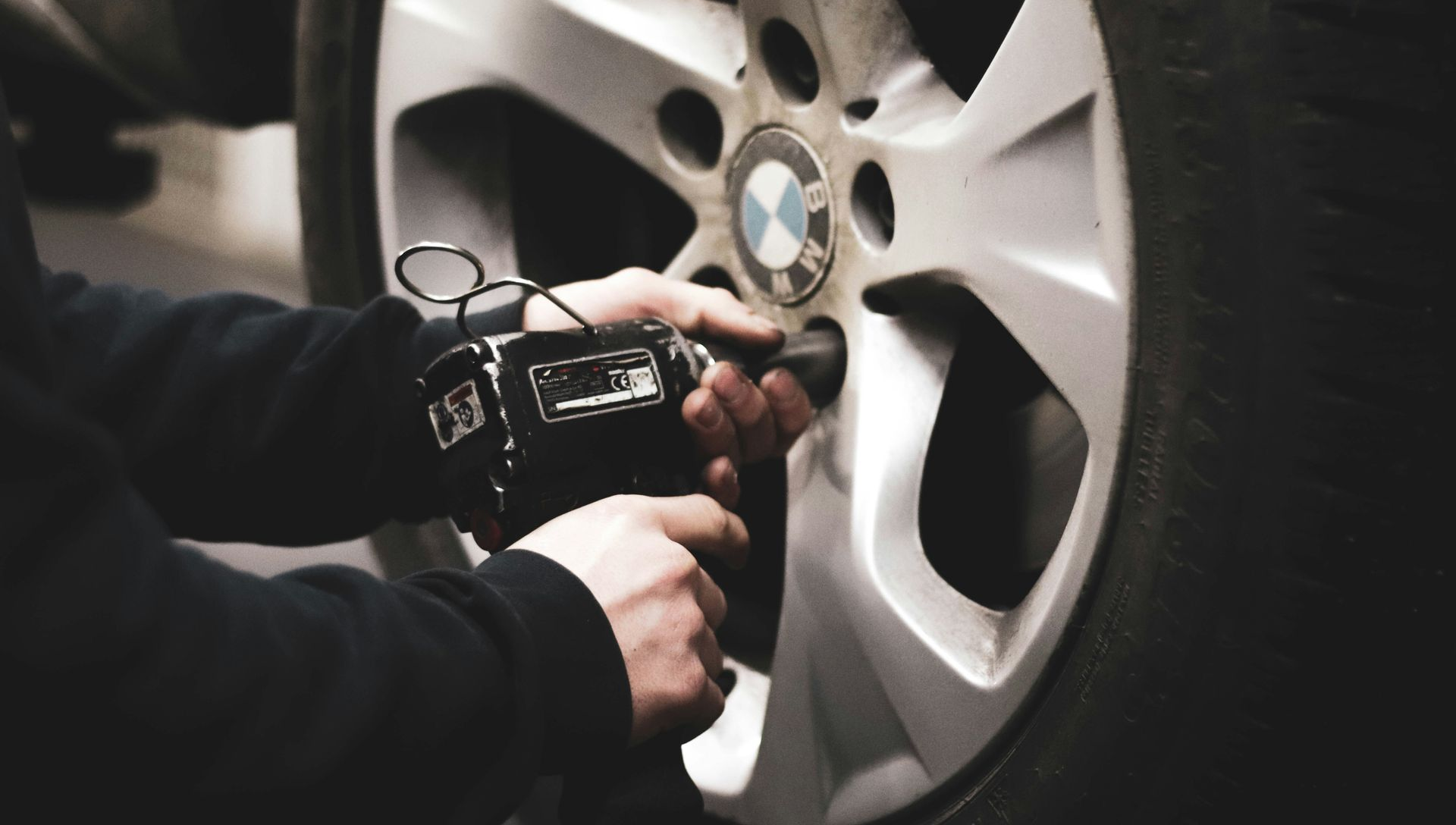
Routine tire inspections are another important part of maintaining proper pressure and overall tire health. During professional inspections, technicians can check for slow leaks, valve stem issues, or damage that may affect air retention.
At Raymond’s Tire Shop, we help drivers maintain safe and reliable tires through professional inspections, pressure checks, and tire services. Our team works to ensure that your tires are properly inflated and performing as they should.
Tire pressure may seem like a small detail, but it has a major impact on safety, fuel efficiency, and tire lifespan. By checking tire pressure regularly and addressing small issues early, drivers can help ensure their vehicles remain safe and reliable on the road.