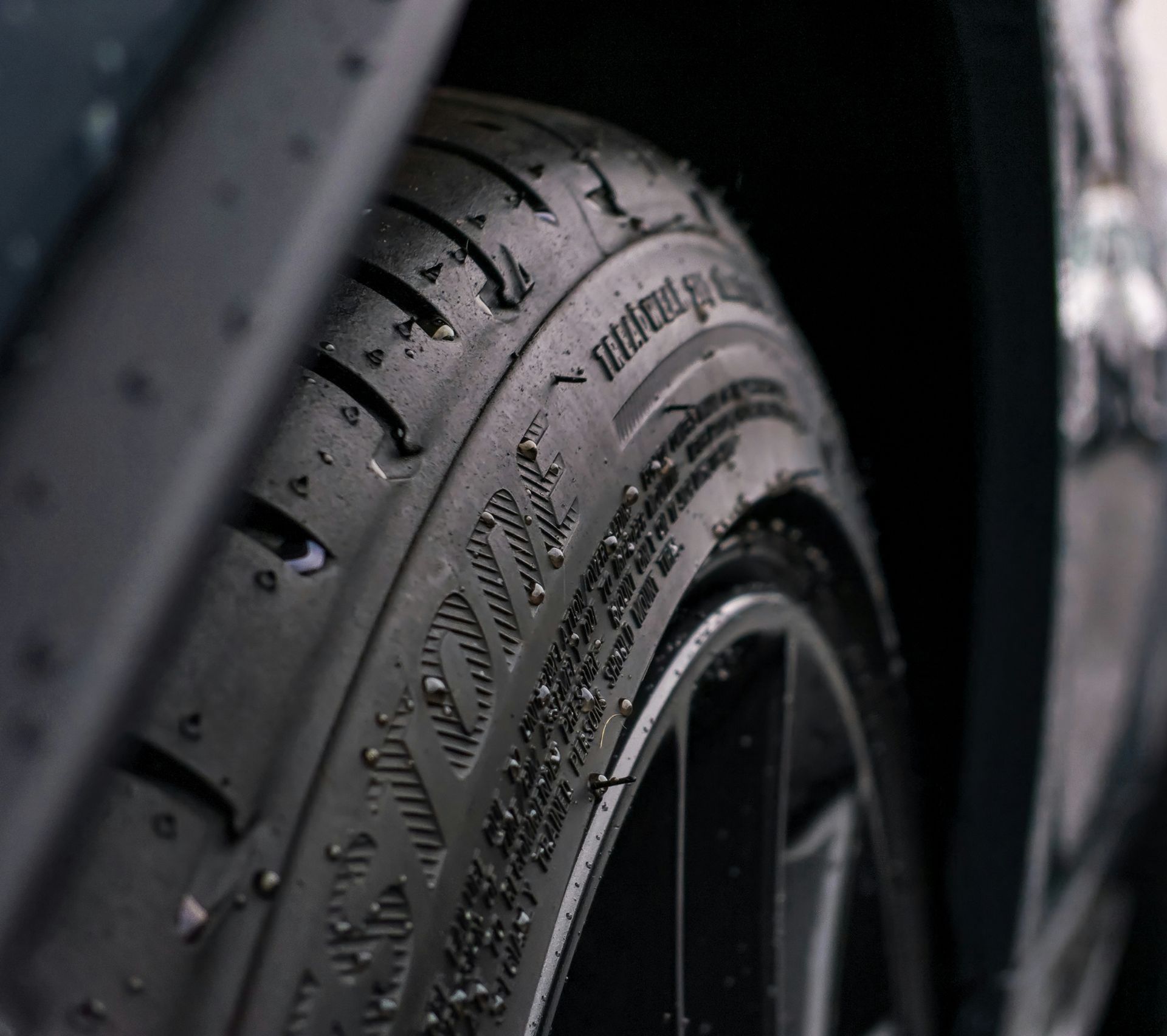
Por que a pressão dos pneus muda mais frequentemente do que a maioria dos motoristas imagina

Muitos motoristas presumem que, uma vez que seus pneus estejam devidamente calibrados, eles permanecerão assim por longos períodos de tempo. Na realidade, a pressão dos pneus muda com mais frequência do que a maioria das pessoas espera. As variações de temperatura, a condução diária e a perda natural de ar influenciam a quantidade de ar dentro de um pneu. Como essas mudanças ocorrem gradualmente, muitos motoristas podem não percebê-las até que o desempenho ou a segurança sejam afetados.


Manter a pressão adequada dos pneus é uma das etapas mais simples e importantes da manutenção de um veículo. Entender por que ocorrem essas variações pode ajudar os motoristas a reconhecer a importância de verificar os pneus regularmente.
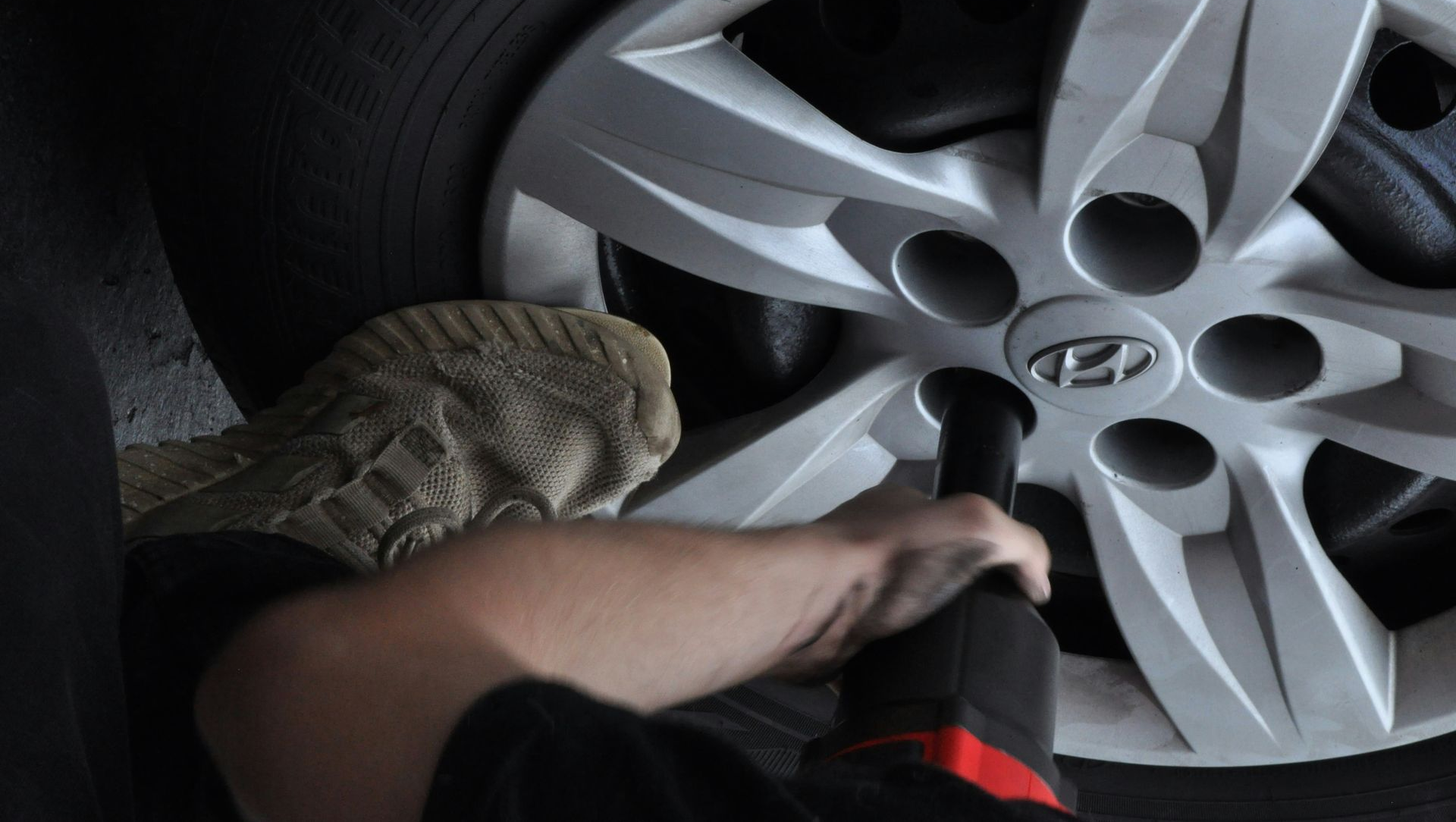
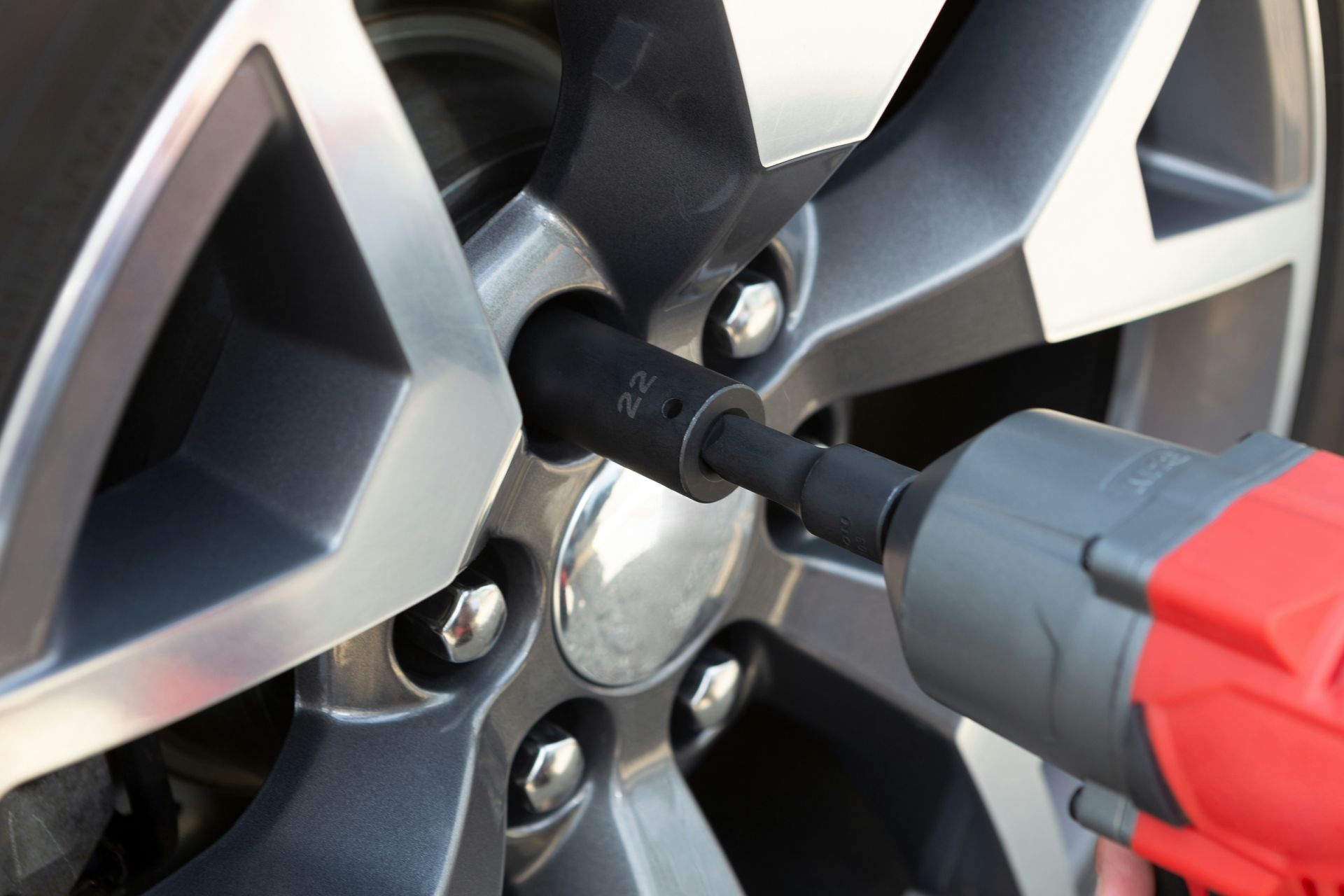
A person uses a tool to tighten a lug nut on a Hyundai car wheel.

A temperatura desempenha um papel importante
Um dos principais fatores que afetam a pressão dos pneus é a temperatura. O ar se expande quando a temperatura aumenta e se contrai quando diminui. Como os pneus são preenchidos com ar comprimido, essas mudanças afetam diretamente a pressão dentro do pneu.


Uma regra geral é que a pressão dos pneus varia cerca de 1 a 2 libras por polegada quadrada (PSI) para cada variação de dez graus na temperatura. Quando o clima fica mais frio, a pressão dos pneus diminui naturalmente. Quando a temperatura aumenta, a pressão pode subir ligeiramente.


As variações sazonais de temperatura podem, portanto, causar mudanças perceptíveis na pressão, mesmo que o pneu não esteja vazando ar.
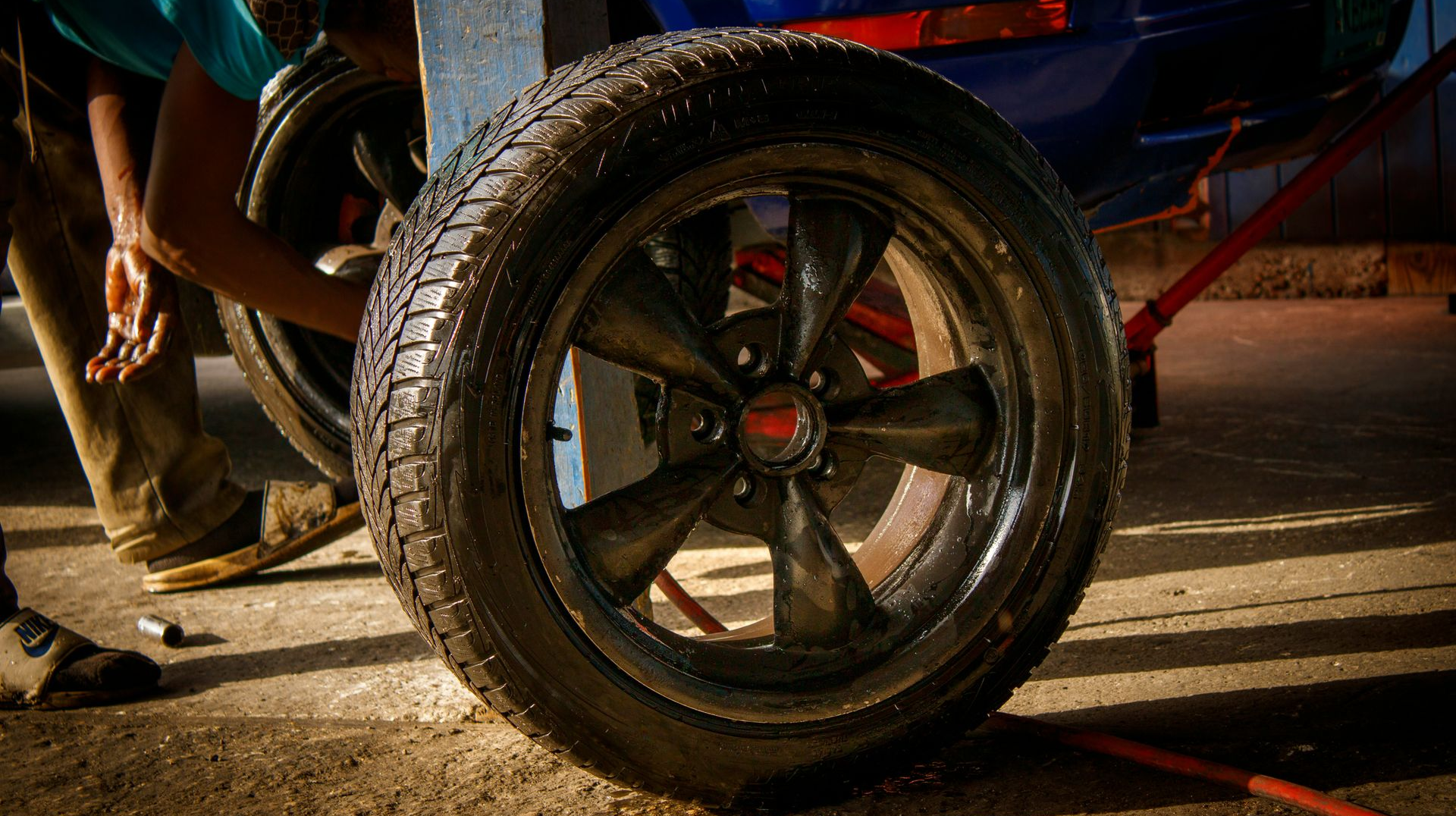
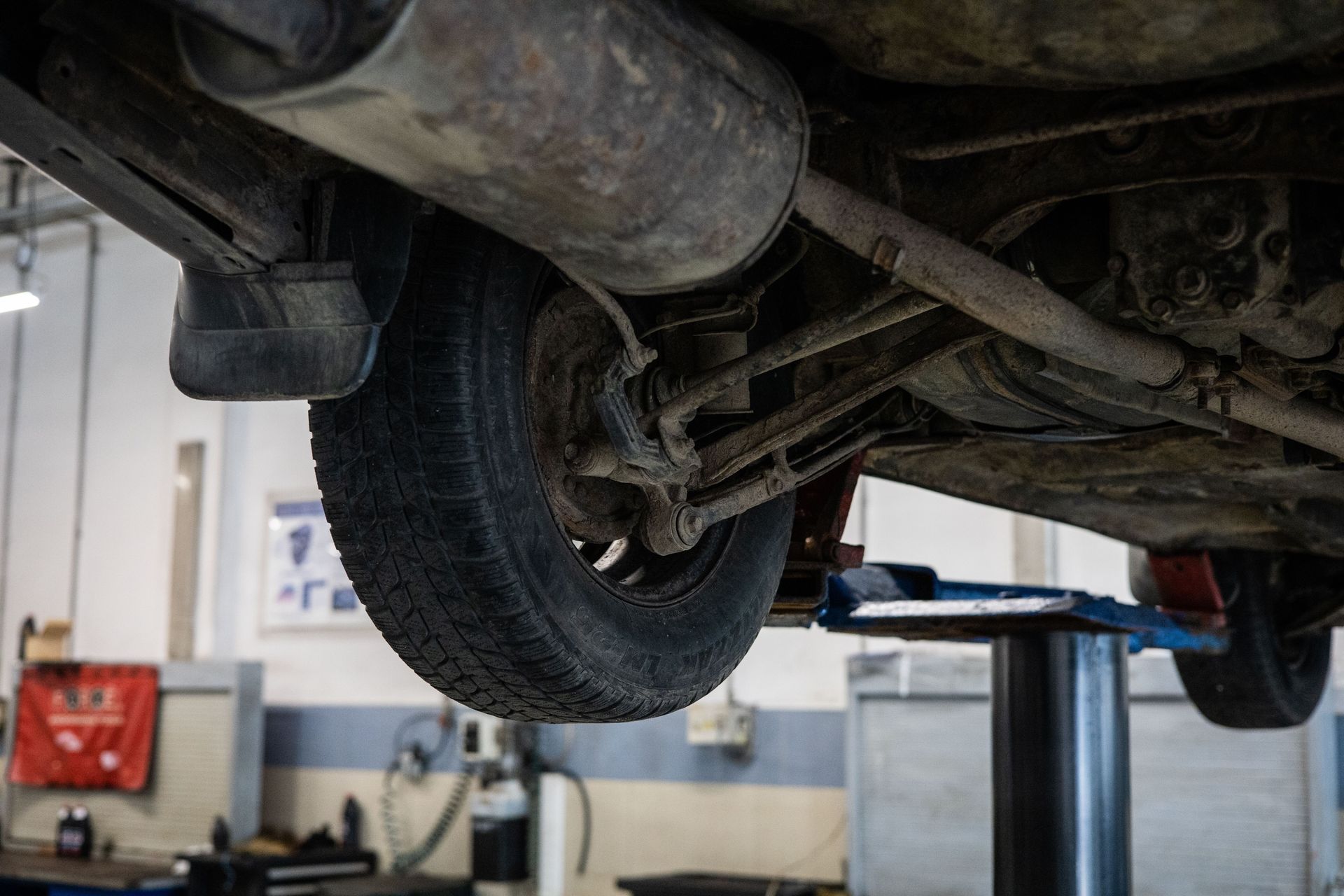
A mechanic works on a tire and five-spoke wheel assembly on a car raised by a jack in a garage.

Perda natural de ar ao longo do tempo
Mesmo em condições normais, os pneus perdem ar lentamente. Os materiais de borracha usados na fabricação dos pneus são duráveis, mas levemente porosos, permitindo que pequenas quantidades de ar escapem com o tempo.


Essa perda gradual é completamente normal e ocorre mesmo em pneus novos. Ao longo de várias semanas ou meses, pode reduzir a pressão o suficiente para afetar o desempenho.


Como esse processo acontece lentamente, os motoristas podem não notar diferença até que o pneu esteja significativamente descalibrado.
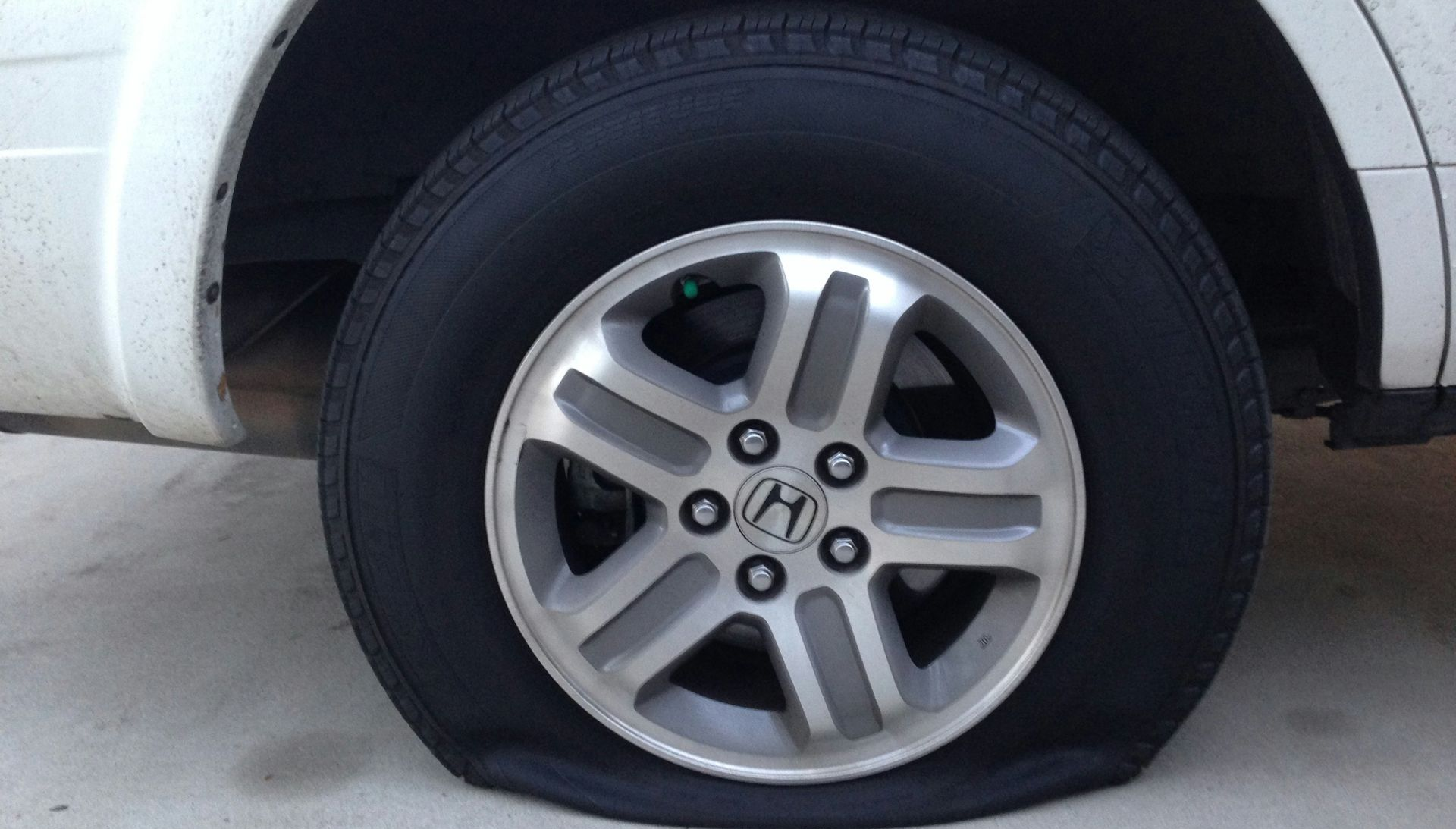
A white vehicle with a flat tire resting on a concrete surface.

A condução diária afeta a pressão dos pneus
A condução diária também contribui para as mudanças na pressão. Quando o veículo está em movimento, o atrito entre o pneu e a estrada gera calor. Esse calor faz com que o ar dentro do pneu se expanda temporariamente, aumentando ligeiramente a pressão durante trajetos mais longos.


Depois que o veículo é estacionado e os pneus esfriam, a pressão retorna ao seu nível original. Por isso, as medições de pressão são mais precisas quando os pneus estão frios, como antes de dirigir ou após o veículo ter ficado estacionado por várias horas.


Verificar a pressão imediatamente após dirigir pode resultar em leituras ligeiramente mais altas do que o normal.
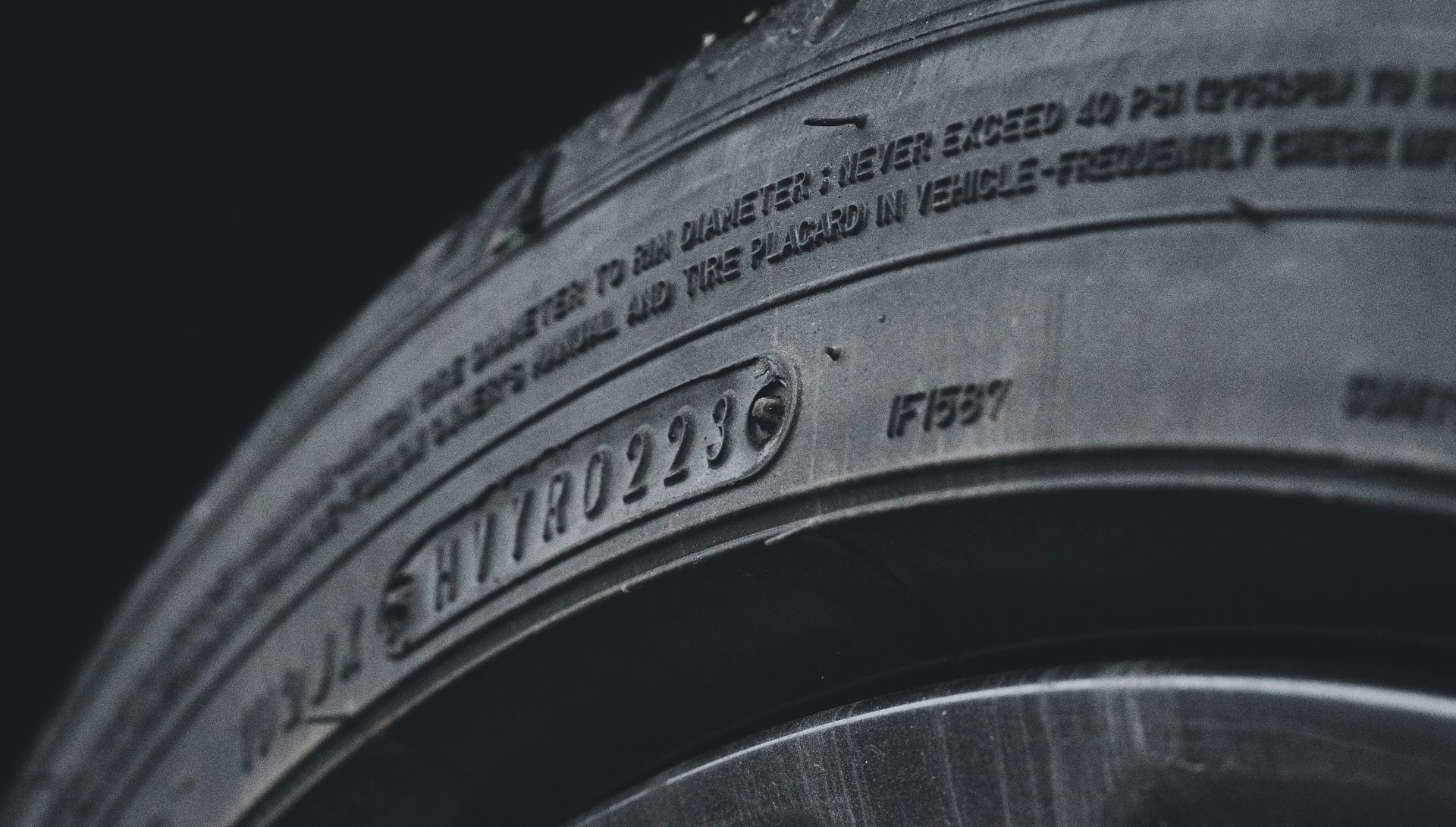
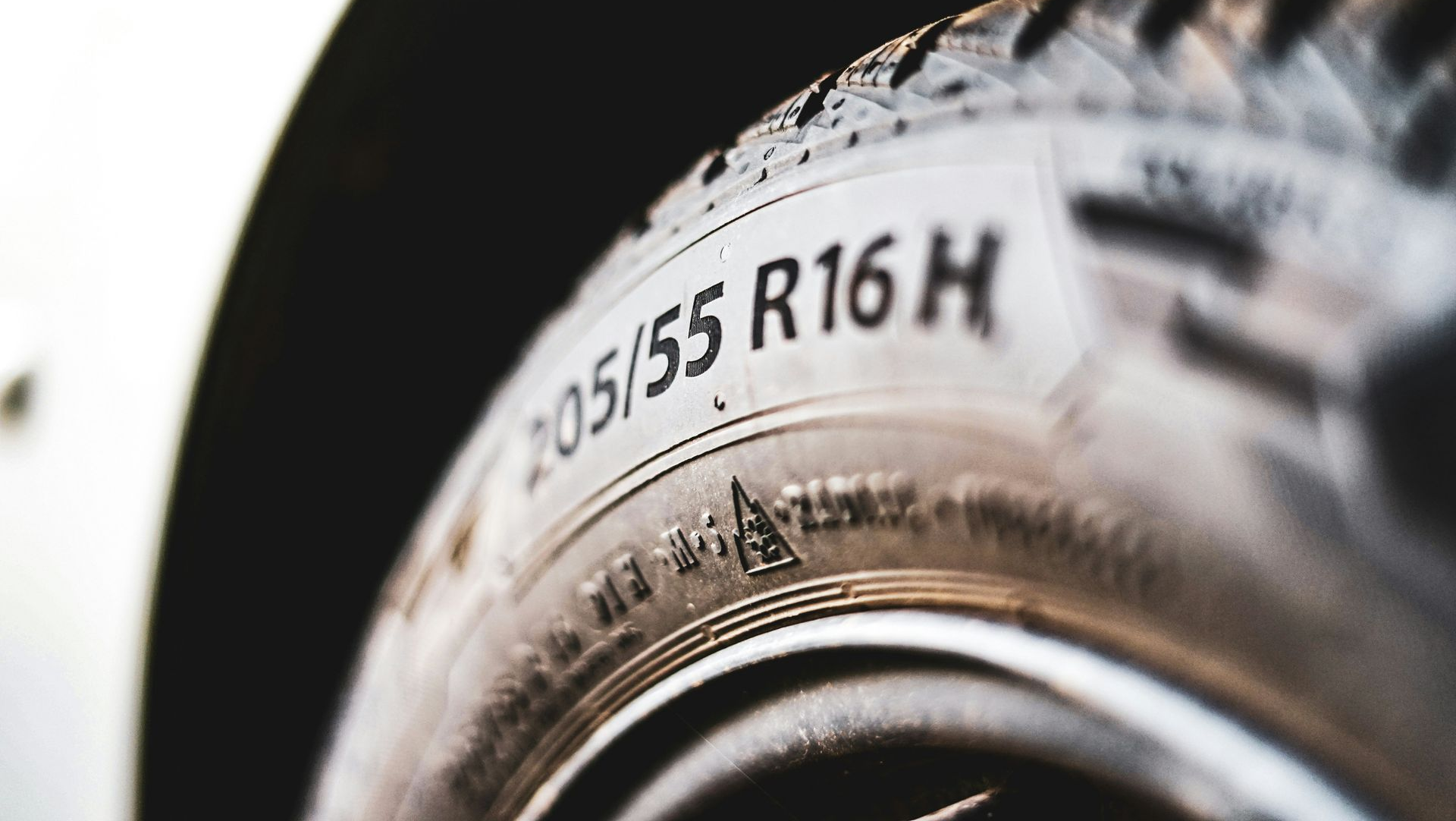
Close-up of a black tire sidewall highlighting the alphanumeric manufacturing and safety code markings.

Por que a pressão adequada dos pneus é importante
Manter a pressão adequada dos pneus é essencial tanto para a segurança quanto para o desempenho do veículo. Pneus com pressão baixa podem causar vários problemas, incluindo desgaste irregular, menor eficiência de combustível e redução da estabilidade na condução.


A baixa pressão também aumenta a área do pneu em contato com a estrada. Esse atrito adicional pode causar superaquecimento dos pneus, o que pode aumentar o risco de estouro.


Pneus com pressão excessiva também podem gerar problemas. O excesso de pressão reduz a área da banda de rodagem em contato com a superfície da estrada, o que pode diminuir a aderência e causar desgaste irregular no centro do pneu.


Manter a pressão dentro da faixa recomendada ajuda a garantir que o pneu funcione conforme projetado.
A silver BMW E36 sedan parked on pavement.

A importância de verificar os pneus regularmente
Como a pressão dos pneus muda naturalmente ao longo do tempo, é importante que os motoristas a verifiquem regularmente. Muitos especialistas recomendam verificar a pressão pelo menos uma vez por mês e antes de viagens longas.


Os veículos modernos frequentemente incluem sistemas de monitoramento da pressão dos pneus que alertam os motoristas quando a pressão cai significativamente. Embora esses sistemas sejam úteis, geralmente só são ativados quando a pressão se torna perigosamente baixa.


Verificações manuais regulares podem identificar pequenas mudanças antes que se tornem problemas mais sérios.
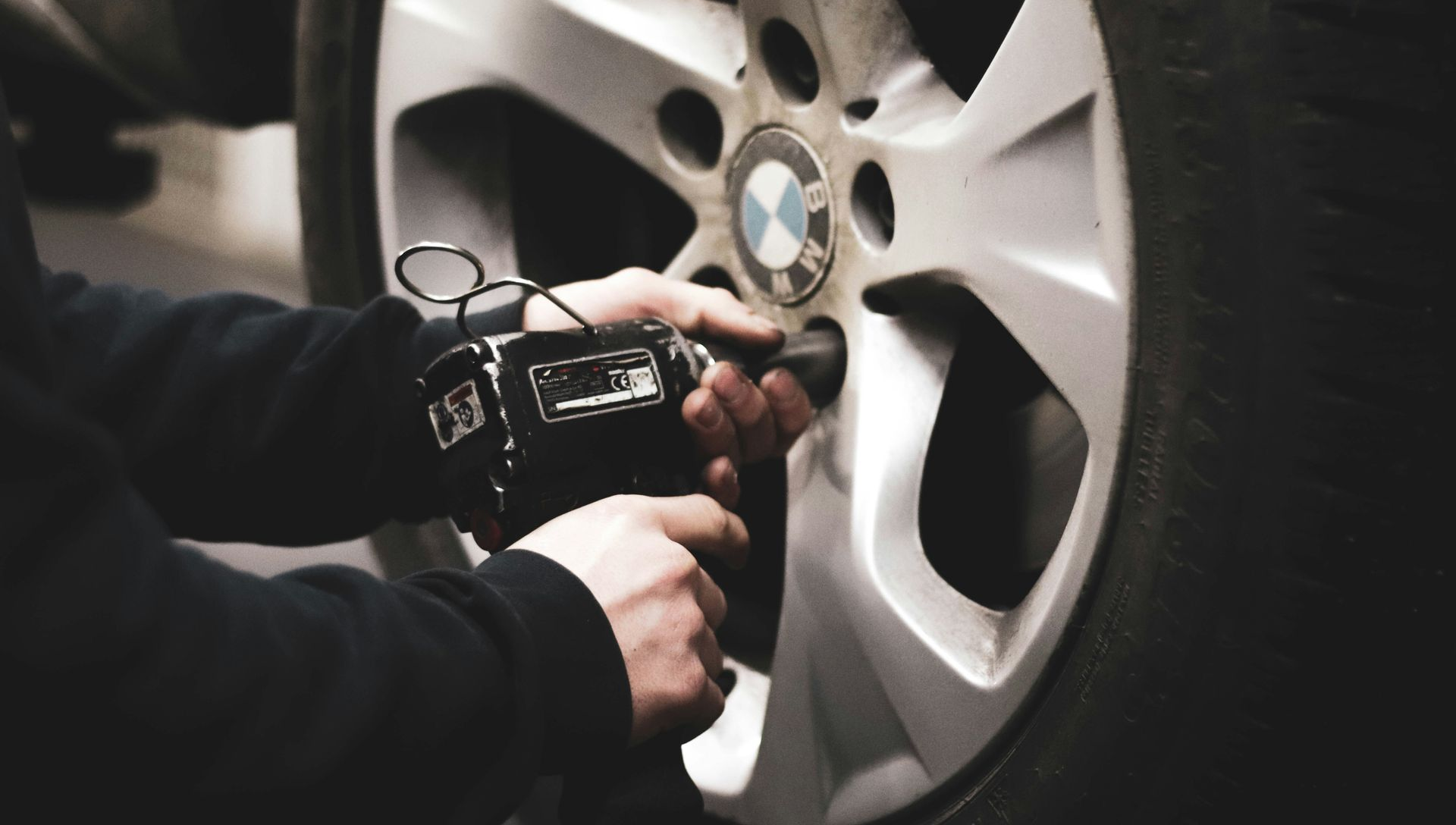
A pair of hands uses a black power tool to tighten a lug nut on a silver BMW wheel.

Cuidados profissionais com os pneus
Inspeções regulares dos pneus são outra parte importante para manter a pressão adequada e a saúde geral dos pneus. Durante inspeções profissionais, os técnicos podem verificar vazamentos lentos, problemas na válvula ou danos que possam afetar a retenção de ar.


Na Raymond’s Tire Shop, ajudamos os motoristas a manter pneus seguros e confiáveis por meio de inspeções profissionais, verificações de pressão e serviços de pneus. Nossa equipe trabalha para garantir que seus pneus estejam devidamente calibrados e funcionando como deveriam.


A pressão dos pneus pode parecer um detalhe pequeno, mas tem um grande impacto na segurança, na eficiência de combustível e na vida útil dos pneus. Ao verificar a pressão regularmente e resolver pequenos problemas antecipadamente, os motoristas podem ajudar a garantir que seus veículos permaneçam seguros e confiáveis na estrada.
A bright blue car with a multi-spoke metallic wheel parked on grass, partially obscured by a vehicle in the foreground.
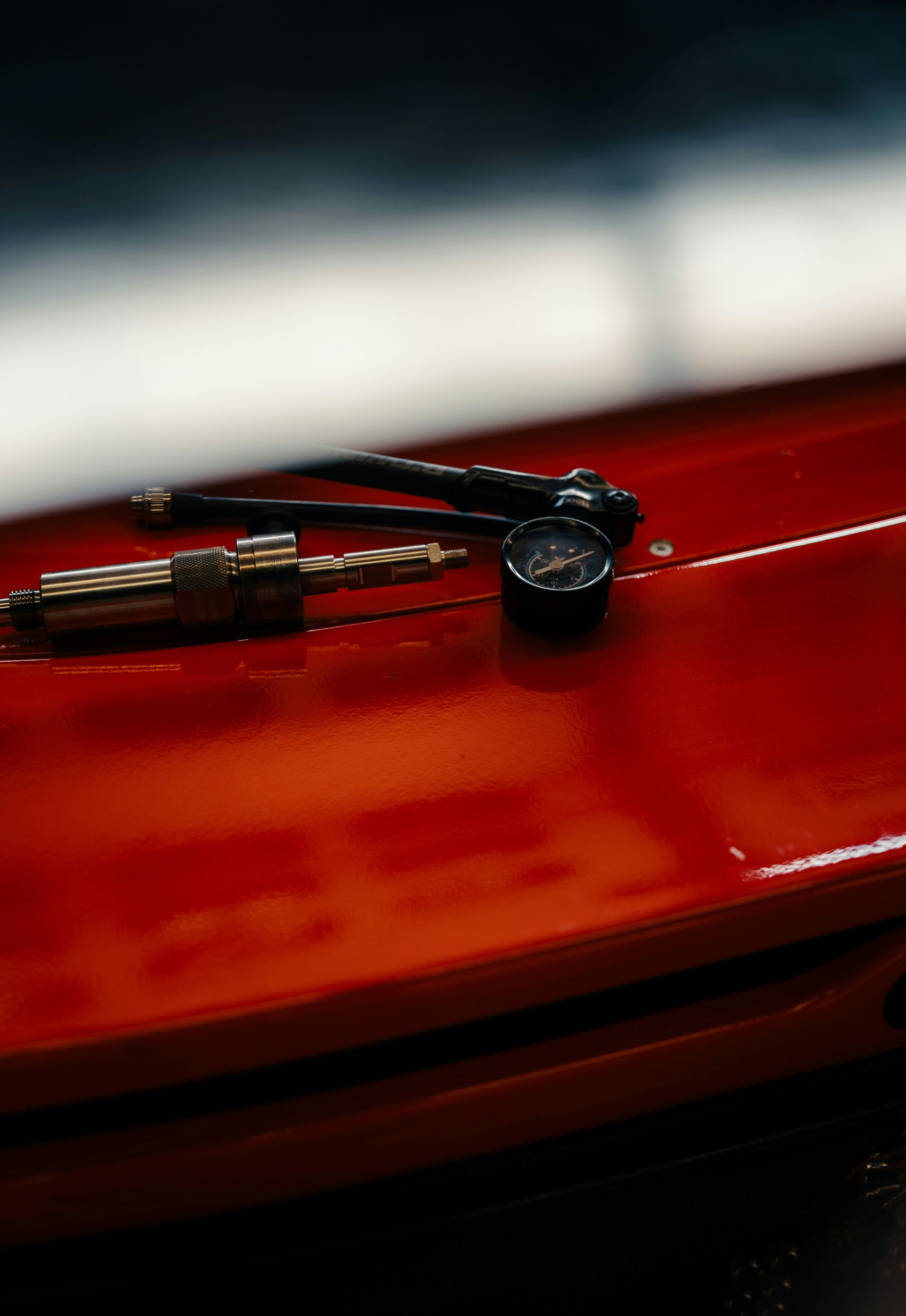
A tire pressure gauge and a valve stem tool rest on the bright red, glossy surface of a car hood.
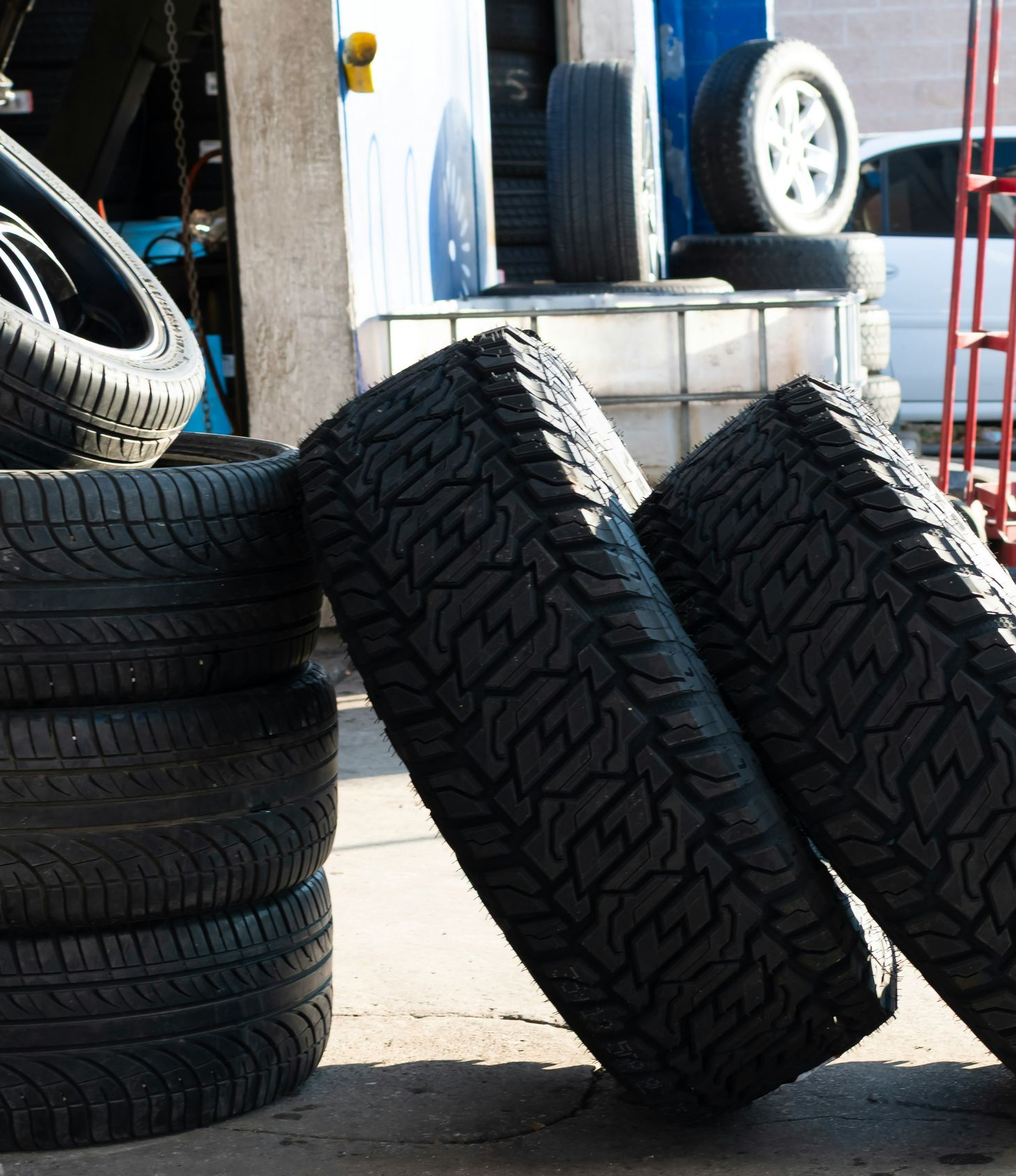
Tires stacked and leaning in a garage setting, sunlight.
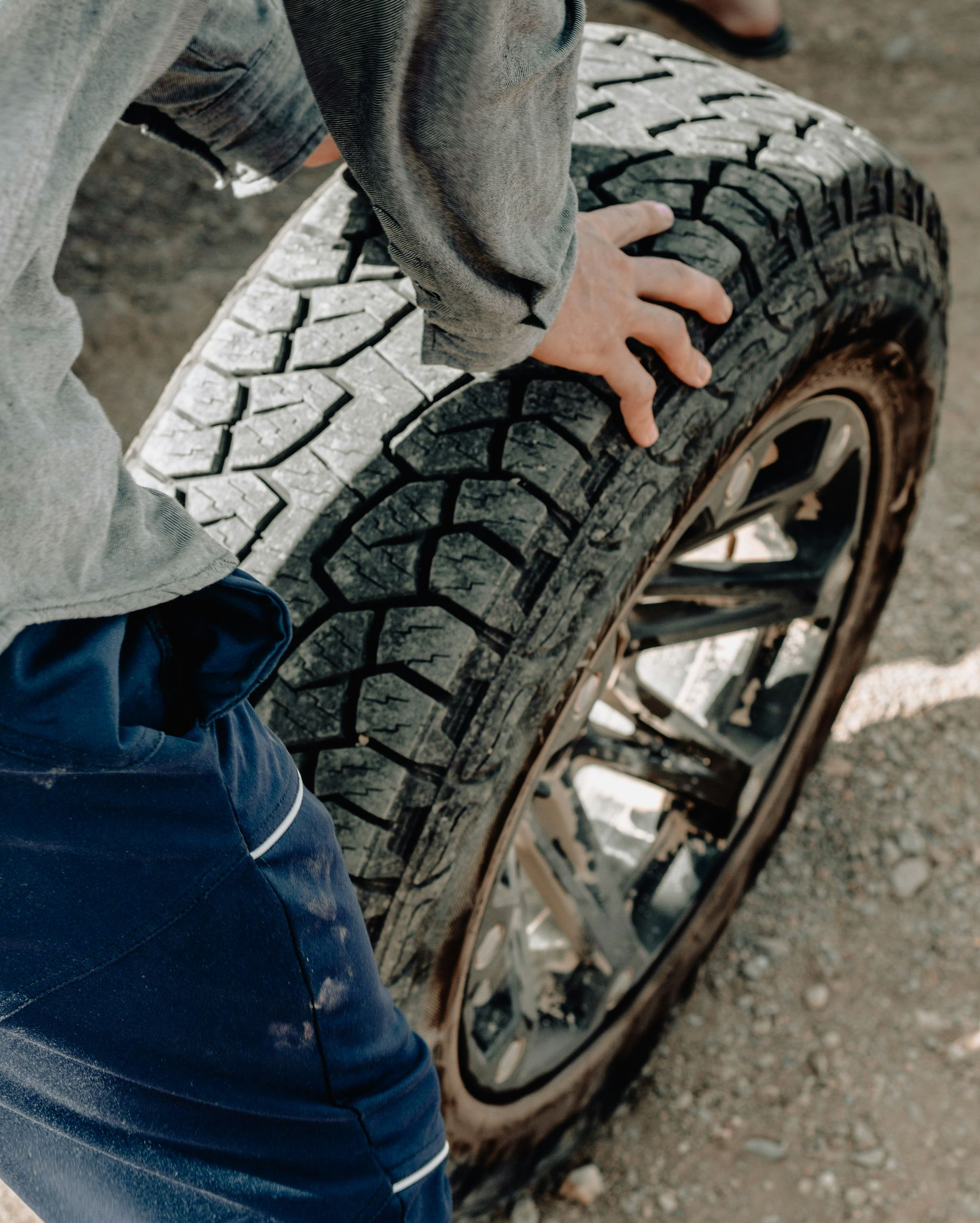
A person wearing a grey shirt and blue pants grips a large, treaded tire on a metal rim on a dirt surface.
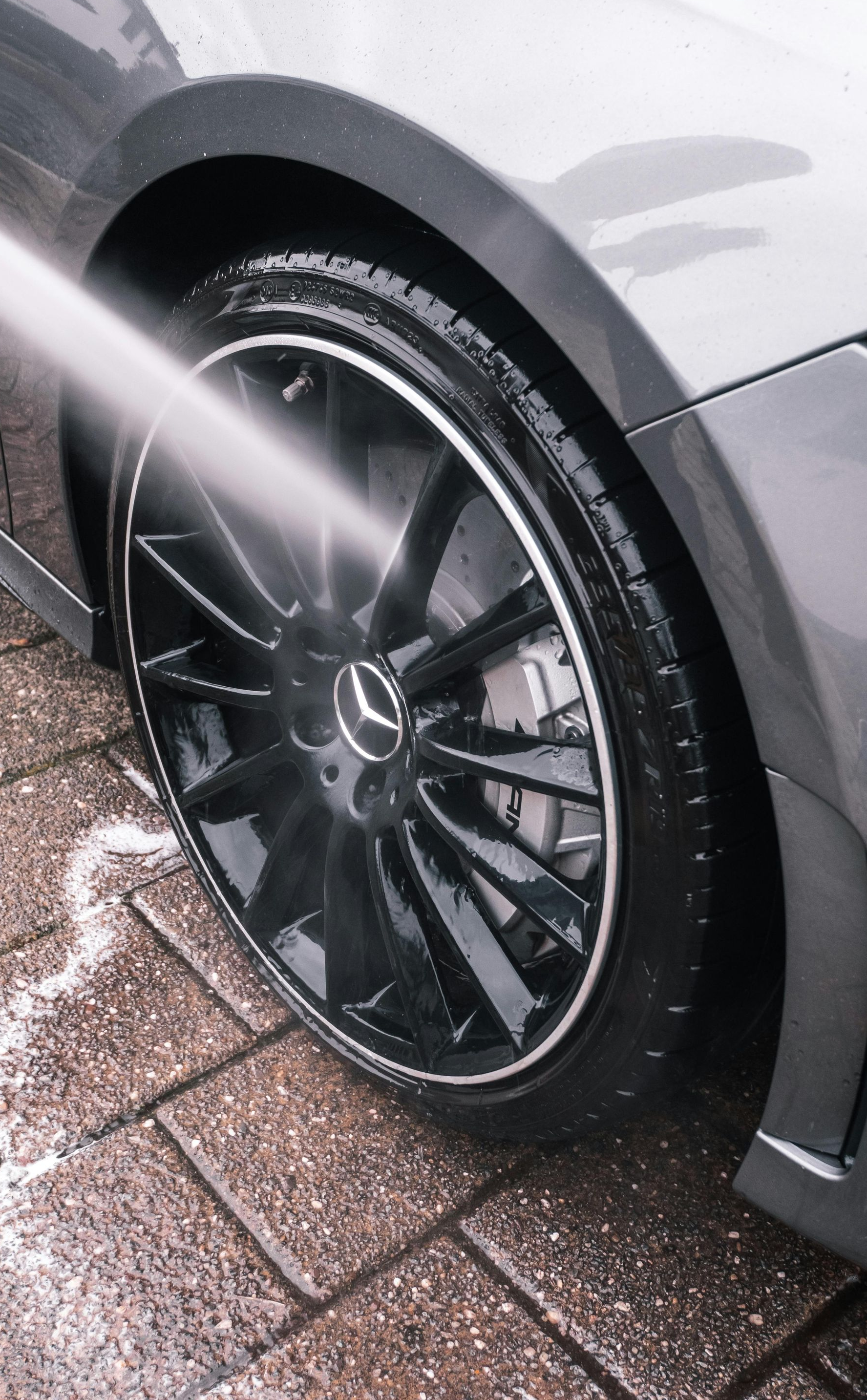
A pressure washer sprays water onto the shiny black wheel and tire of a gray Mercedes-Benz on a paved driveway.
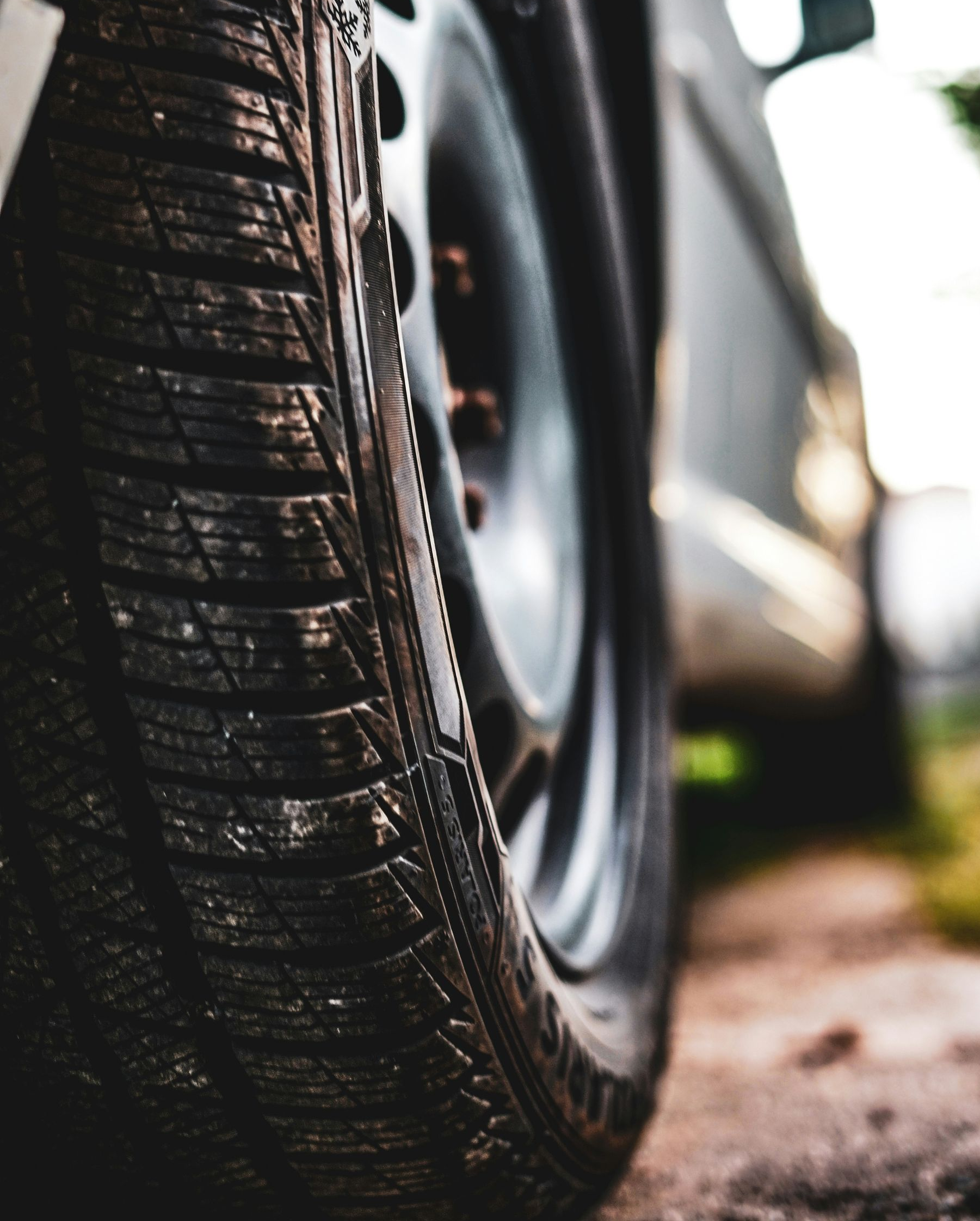
Close-up view of a car tire on a dirt road, captured from a low angle with a shallow depth of field.
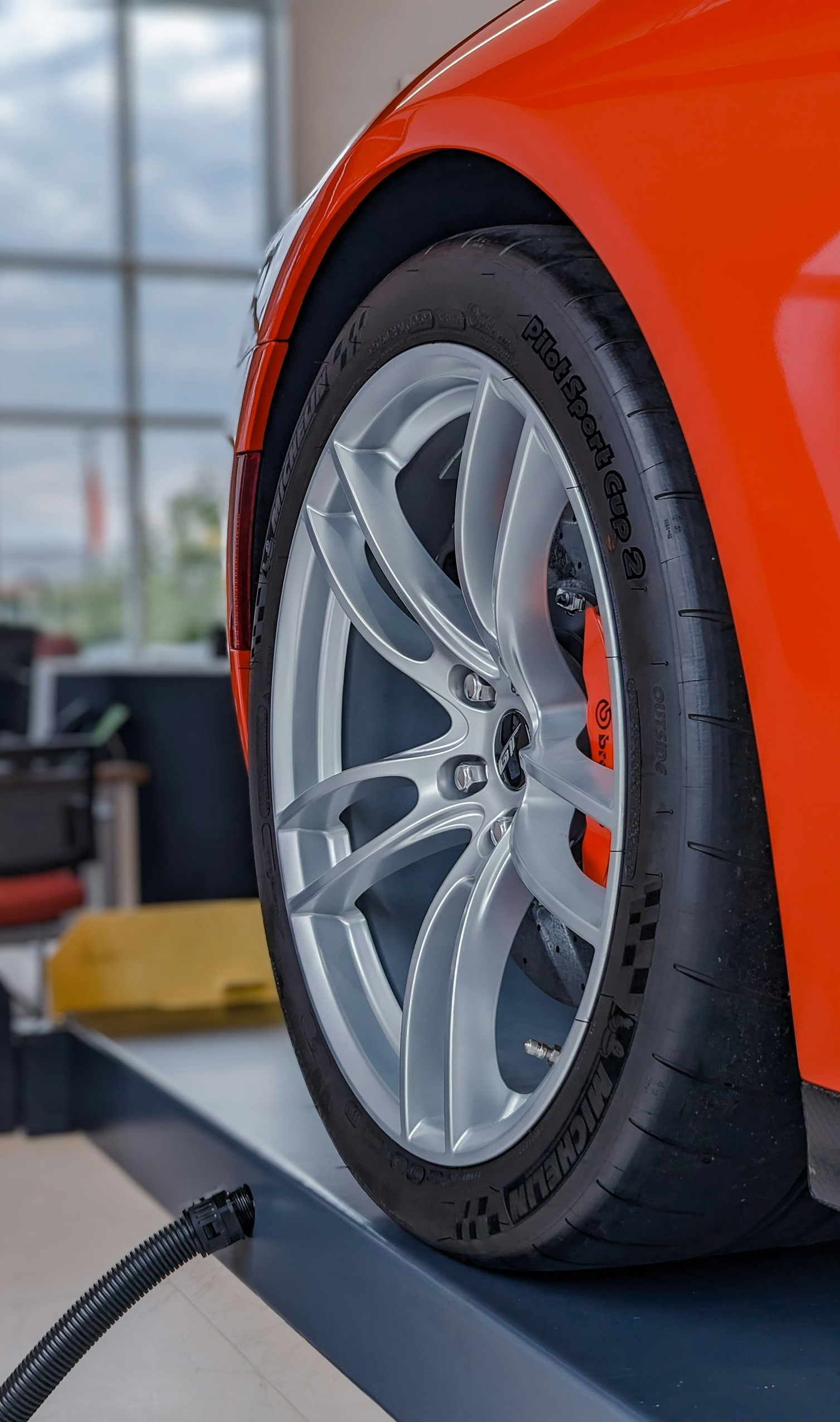
A close-up view of an orange car wheel with a silver rim on a lift inside an auto repair shop.
September 11, 2026
A flat tire does not always mean the tire has to be replaced. In many cases, a small puncture can be repaired safely and returned to service. The key is where the puncture occurred, how large it is, and whether the tire suffered additional damage while losing air. That is why a professional inspection matters. Two punctures that lo ok similar from the outside may require completely different solutions once the tire is removed and examined internally. Location Matters Most One of the first things a technician looks at is where the puncture is located. Damage in the central tread area is often the best candidate for repair. This part of the tire is designed to handle contact with the road and can sometimes be repaired when the puncture is small and otherwise straightforward. Punctures near the shoulder or sidewall are much more concerning.  These areas flex significantly while the tire is moving and cannot usually be repaired safely using standard puncture-repair methods. If a nail, screw, or other object damages the sidewall or outer shoulder, replacement is often the safer option.
September 6, 2026
A wheel alignment can correct important steering and tire-angle settings, but the alignment itself depends on the suspension being in good mechanical condition. If ball joints, tie rods, control arm bushings, wheel bearings, or other components are worn, the wheels may not stay in the position the technician sets.  That is why some vehicles continue pulling , wearing tires unevenly, or developing an off-center steering wheel even after an alignment. In those cases, the problem may not be the alignment machine or the adjustment. It may be worn suspension or steering components underneath the vehicle.
August 28, 2026
When a tire repeatedly loses air but there is no obvious nail, screw, or visible puncture, the problem may be where the tire meets the wheel. This area is known as the tire bead, and a poor seal between the bead and the rim can allow air to escape gradually. Tire bead leaks are a common cause of slow pressure loss. Understanding why they happen can help drivers recognize when a tire needs professional inspection rather than repeatedly adding air. What Is the Tire Bead? The bead is the reinforced inner edge of the tire that sits tightly against the wheel rim. When a tire is properly mounted and inflated, air pressure helps hold the bead securely against the wheel, creating an airtight seal. If that sealing surface becomes damaged, dirty, corroded, or distorted, a small pathway can develop for air to escape.  Because these leaks may be very small, the tire can lose pressure over several days or weeks rather than going flat immediately.
August 23, 2026
A pothole impact can feel like a quick jolt, but the forces involved can affect several parts of the tire and wheel assembly. The faster the vehicle is moving, the less time the tire has to absorb the impact. In some cases, the damage is immediately obvious. In others, problems may not become noticeable until later. Raymond’s Tire Shop helps drivers inspect tires, wheels, balancing, and alignment after hard road impacts. Understanding what can happen during a pothole strike can make it easier to recognize when a tire needs professional attention. The Tire Is Compressed Extremely Quickly When a tire drops into a pothole and strikes the far edge, the sidewall and tread can be compressed between the road and the wheel. Tires are designed to flex, but a severe impact can exceed what the internal structure can safely absorb.  The risk can be greater when tire pressure is too low because there is less air cushioning between the road surface and the wheel. However, even a properly inflated tire can be damaged by a deep pothole at sufficient speed.
August 16, 2026
Tires are one of the most important safety components on any vehicle because they are the only parts that maintain direct contact with the road. As tires wear, their ability to grip pavement, channel water, and respond predictably can gradually decline. The challenge is that unsafe tire conditions are not always obvious until performance has already been affected.  Raymond’s Tire Shop helps drivers evaluate tread wear, tire damage, pressure issues, alignment problems, and other conditions that can affect tire safety. Knowing what to look for can help you recognize when a tire needs professional attention or replacement.
August 7, 2026
Most drivers think of tires simply as the round rubber components that allow a vehicle to roll down the road. In reality, tires are sophisticated pieces of engineering that perform several essential functions every time a vehicle is in motion. They support the weight of the vehicle, transmit steering and braking forces, absorb road irregularities, and maintain traction in changing driving conditions. Every acceleration, turn, and stop depends on these four small contact patches where the tires meet the road.  Understanding the primary functions of a tire helps drivers appreciate why routine maintenance and timely replacement are so important. Raymond’s Tire Shop helps customers choose quality tires and maintain them properly so their vehicles continue to perform safely and efficiently throughout the life of the tire.