5 Signs It’s Time to Replace Your Tires

Stay Safe on the Road

Your tires are the only part of your vehicle that makes contact with the road. That means their condition plays a direct role in how well your car handles, how safely it stops, and how comfortable your ride feels. Still, many drivers wait too long to replace worn-out or unsafe tires—often because they’re unsure what to look for.


At Raymond’s Tire Shop in Dorchester, we help Boston drivers stay safe by spotting signs of trouble before they turn into roadside breakdowns. If you’re wondering whether your tires still have life in them, here are five clear signs it’s time for a replacement.
A man is changing a tire on a car in front of a pile of tires.

1. Your Tread Is Too Low

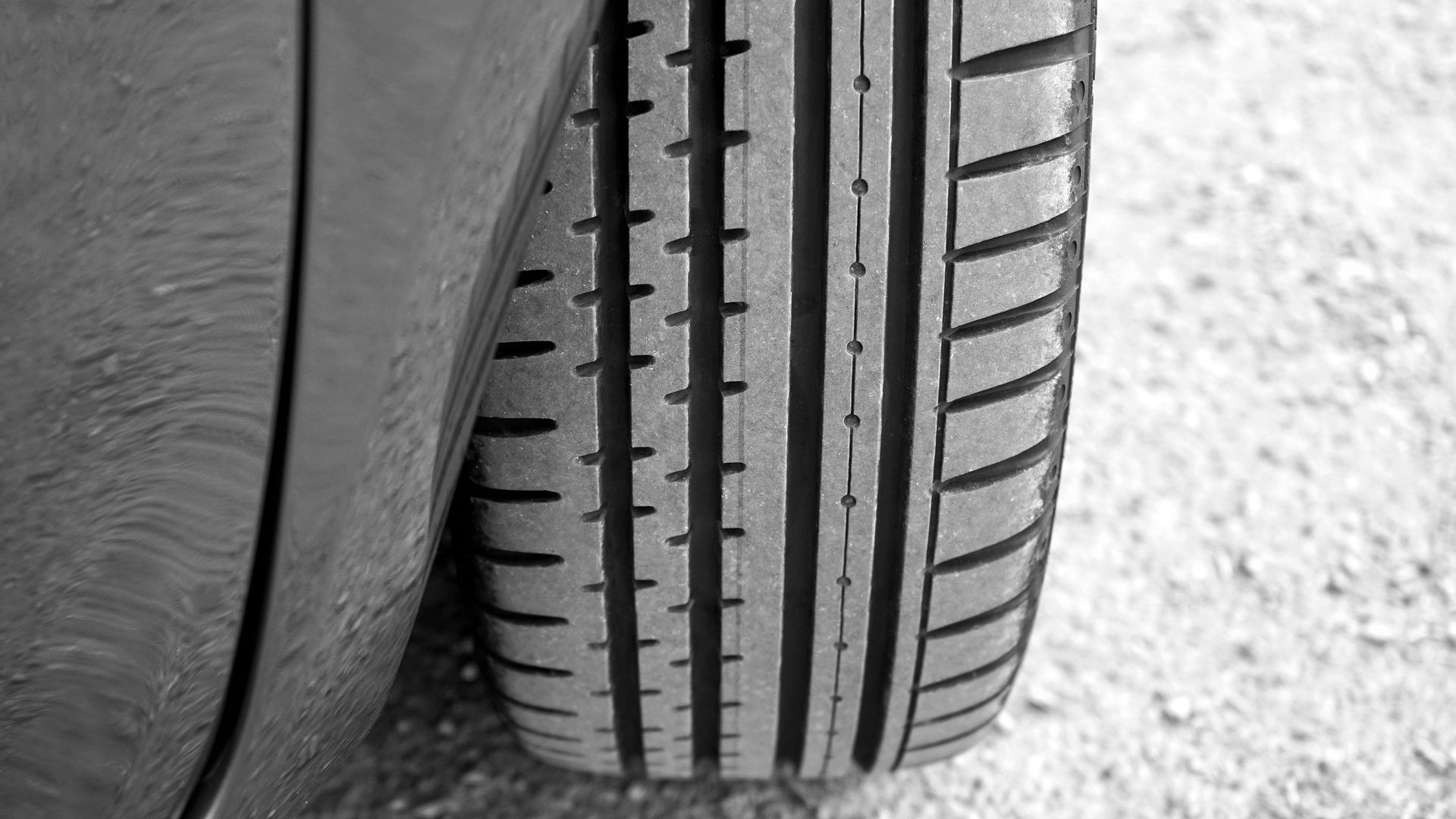
Tread depth is one of the most important indicators of tire health. The grooves in your tire tread help it grip the road, especially in wet or slippery conditions. As the tread wears down, your risk of hydroplaning, sliding, or losing traction increases dramatically.


A good rule of thumb: use the penny test. Insert a penny into the tread with Lincoln’s head facing down. If you can see the top of his head, your tread is below 2/32 of an inch—and it’s time to replace the tire. Many experts recommend replacing at 4/32” for safety, especially in wet climates.


At Raymond’s, we measure tread depth during every inspection and help you decide whether replacement is urgent or simply on the horizon.
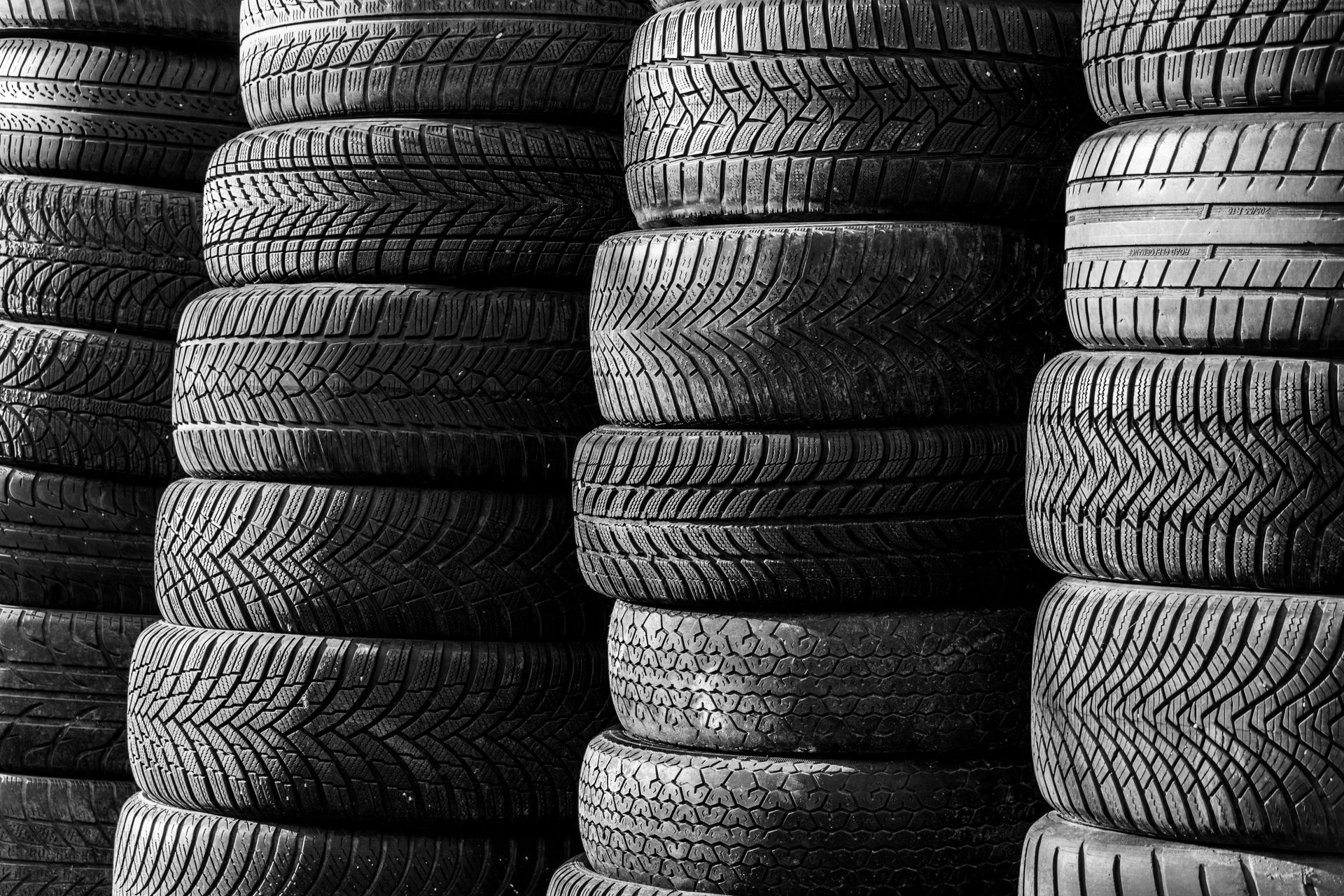
A bunch of tires are stacked on shelves in a garage

2. You Notice Cracks or Bulges

Rubber naturally breaks down over time, especially in extreme temperatures. If you see cracks in the sidewalls or tread surface, it could indicate dry rot or structural breakdown. Similarly, bulges or bubbles in the sidewall often mean that internal layers of the tire have been damaged—usually from potholes, curbs, or road debris.


These issues aren’t just cosmetic. A bulging tire can blow out without warning, especially at higher speeds. If you see anything out of the ordinary, don’t wait—get your tires checked immediately.
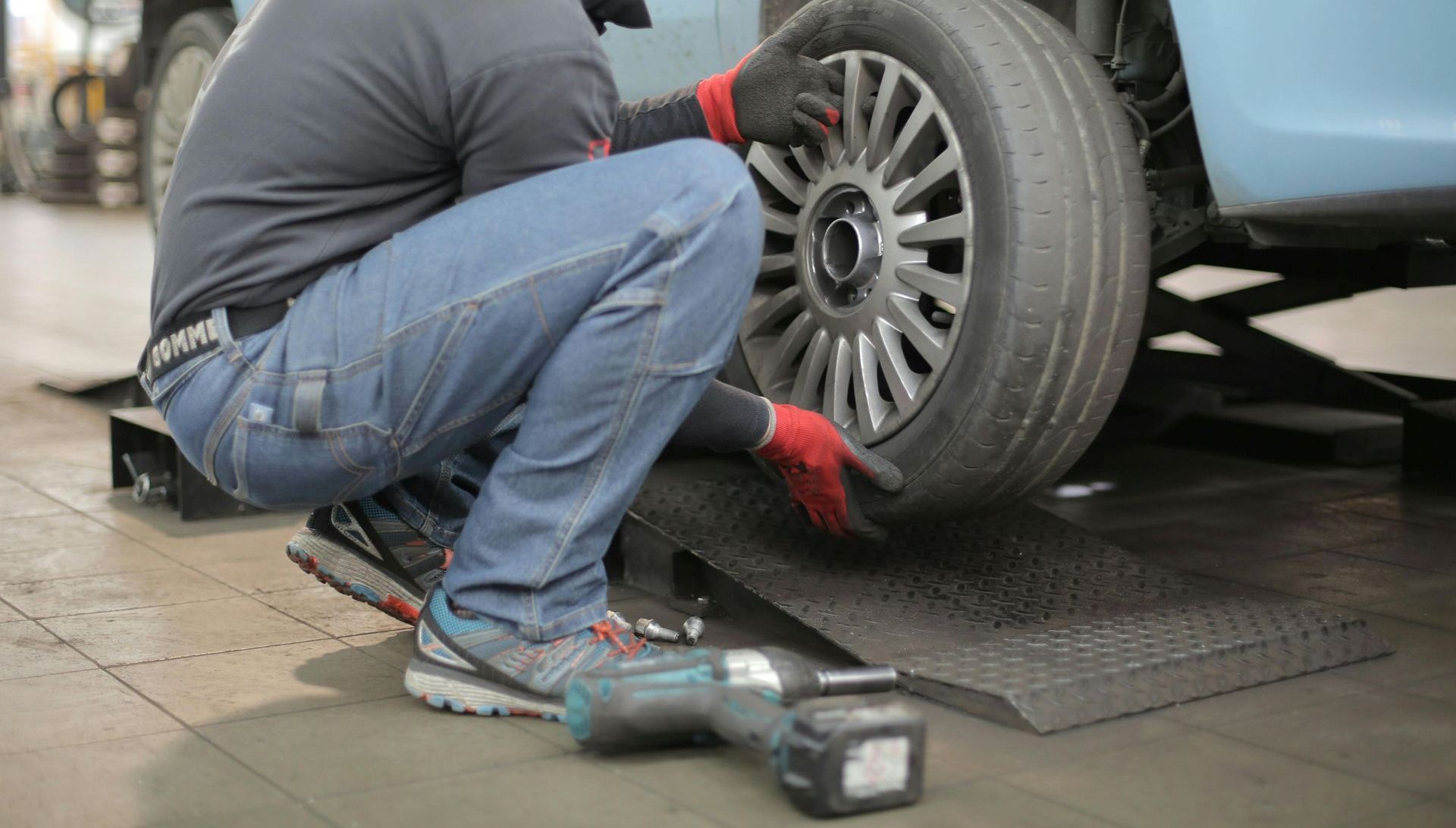
A man is working on a tire in a tire shop.

3. You Feel Vibration While Driving

Some vibration is normal on rough Boston roads, but if you notice a new or persistent vibration—especially at low speeds or on smooth pavement—it could point to uneven tire wear, misalignment, or internal tire damage.


In some cases, a vibration means the tire is out of balance or the belts inside the tire have started to separate. Either way, it’s a sign that your tires are no longer providing a stable, consistent ride.


If you’re not sure what’s causing the shake, bring your car to Raymond’s Tire Shop. We can inspect for damage, rebalance your wheels, and let you know if it’s time for new rubber.
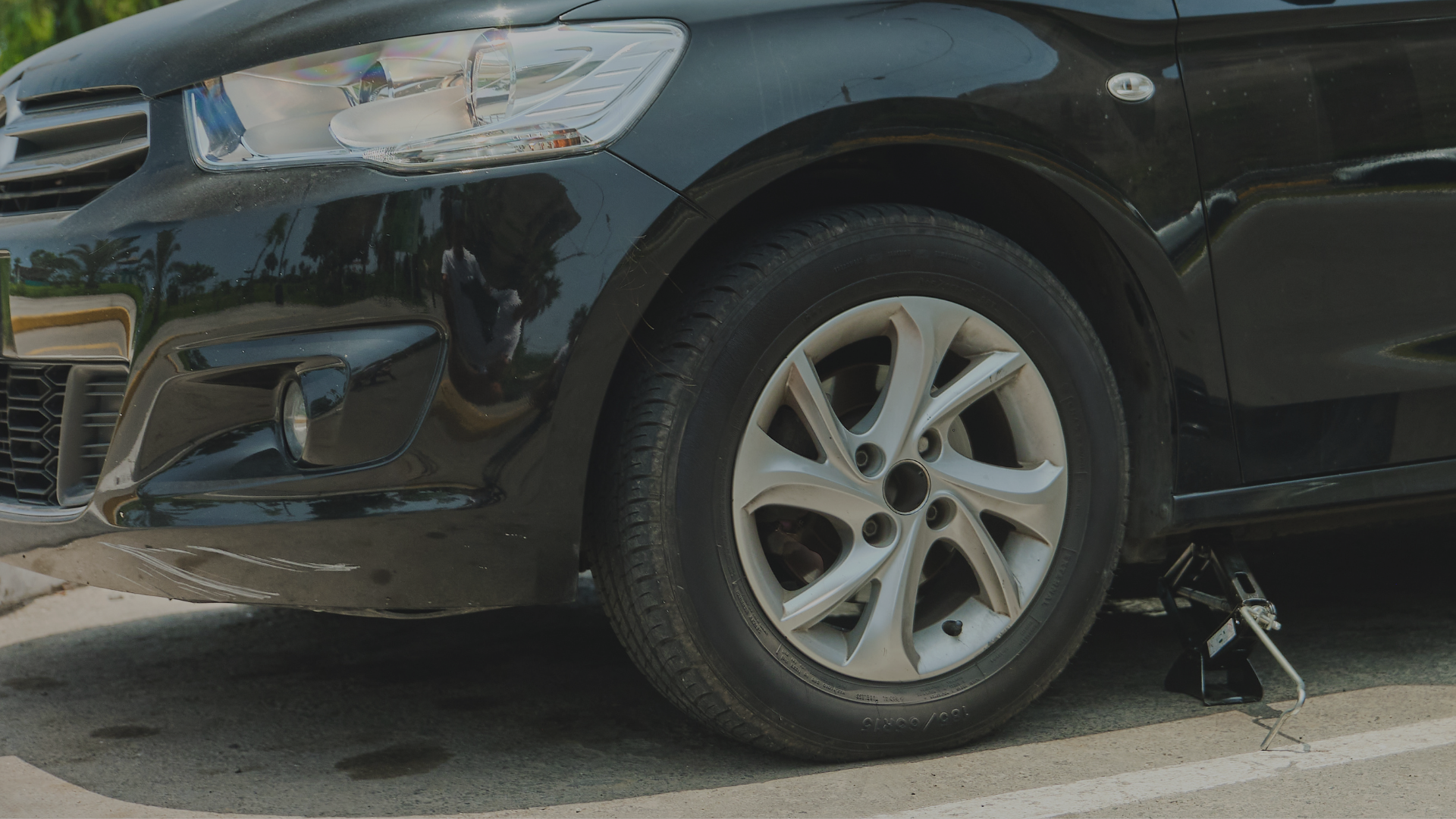
A man is changing a tire on a car in a parking lot

4. You’ve Had One Too Many Patches

Getting a flat fixed is a cost-effective solution—but only up to a point. If a tire has been patched multiple times, especially near the sidewall or shoulder, it’s more likely to fail under pressure. Most manufacturers recommend no more than two patches per tire, and only if they’re in repairable locations.


If your tire looks like it’s been stitched back together too many times, it’s probably time to retire it and move on to a safer set.


5. They’re Just Old

Even if your tires look fine, age alone can make them unsafe. Most manufacturers suggest replacing tires every six to ten years, regardless of tread wear. Over time, rubber hardens and loses flexibility, making the tire more prone to cracking or failure.


You can check your tire’s age by reading the DOT code on the sidewall. The last four digits represent the week and year of manufacture. For example, a tire stamped “3219” was made in the 32nd week of 2019.


If your tires are over six years old, especially if they’ve been exposed to a lot of sun or harsh weather, it’s worth considering a replacement—even if the tread still looks good.
Know the Signs, Stay Ahead

Tires don’t last forever, but keeping an eye on these five signs can help you avoid bigger problems down the road. Whether you need a single replacement or a full set, Raymond’s Tire Shop offers affordable options—both new and used—for every budget.


Stop by our shop on Blue Hill Ave for a quick inspection, or call us for roadside service if you’re dealing with a flat. We’ll get you back on the road with tires you can trust—fast, honest, and built to last.
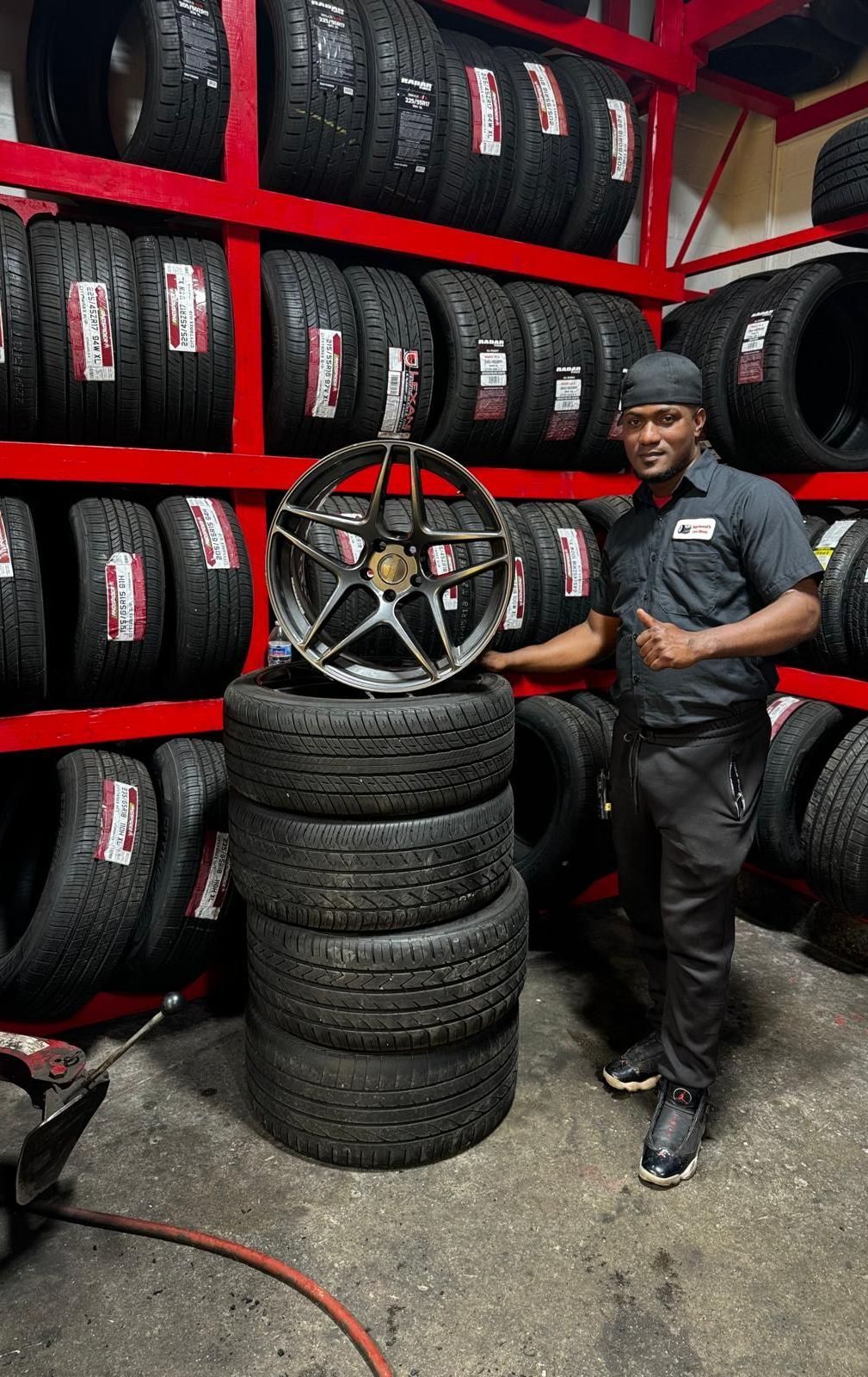
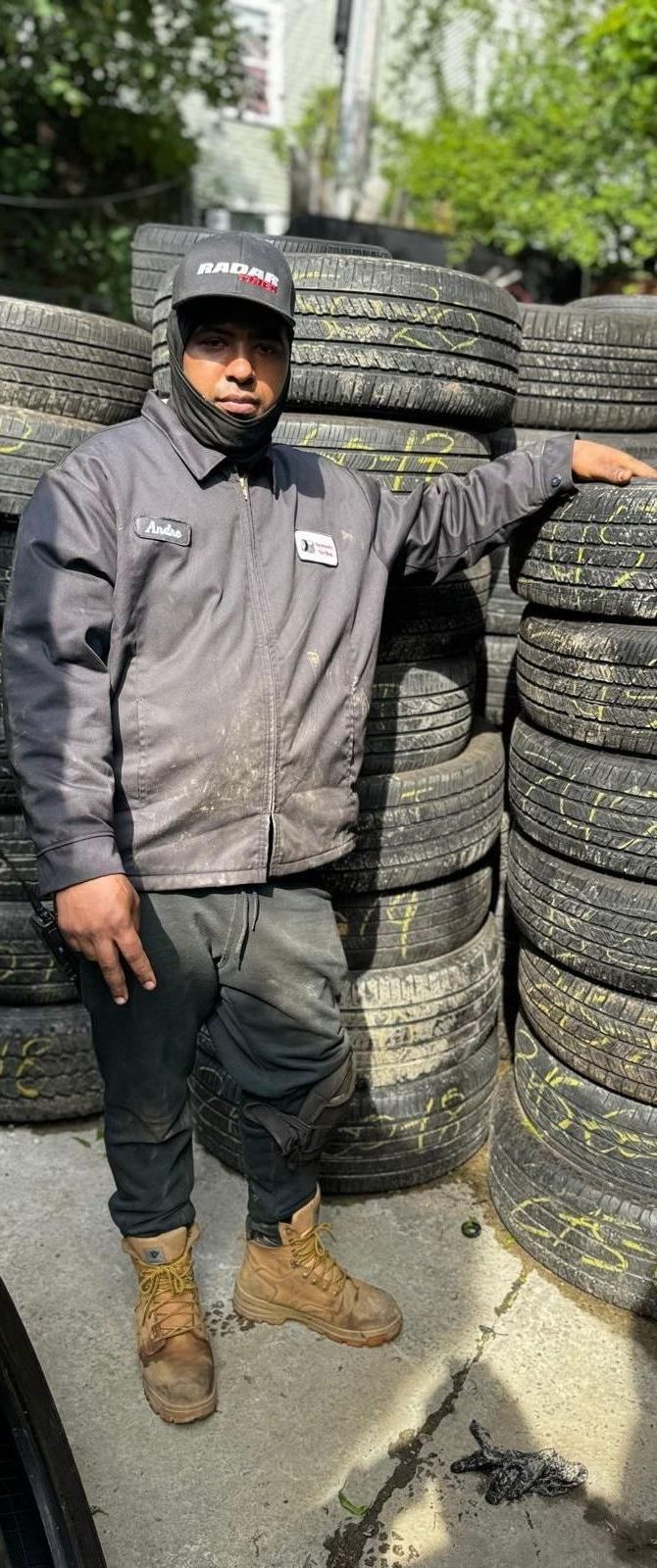
A man is standing next to a pile of tires in a tire store.
A man is changing a tire in a garage.
A man is standing next to a tire in front of a pile of tires.
A man is working on a tire in a tire shop.
A man is standing in front of a pile of tires.
August 23, 2026
A pothole impact can feel like a quick jolt, but the forces involved can affect several parts of the tire and wheel assembly. The faster the vehicle is moving, the less time the tire has to absorb the impact. In some cases, the damage is immediately obvious. In others, problems may not become noticeable until later. Raymond’s Tire Shop helps drivers inspect tires, wheels, balancing, and alignment after hard road impacts. Understanding what can happen during a pothole strike can make it easier to recognize when a tire needs professional attention. The Tire Is Compressed Extremely Quickly When a tire drops into a pothole and strikes the far edge, the sidewall and tread can be compressed between the road and the wheel. Tires are designed to flex, but a severe impact can exceed what the internal structure can safely absorb.  The risk can be greater when tire pressure is too low because there is less air cushioning between the road surface and the wheel. However, even a properly inflated tire can be damaged by a deep pothole at sufficient speed.
August 16, 2026
Tires are one of the most important safety components on any vehicle because they are the only parts that maintain direct contact with the road. As tires wear, their ability to grip pavement, channel water, and respond predictably can gradually decline. The challenge is that unsafe tire conditions are not always obvious until performance has already been affected.  Raymond’s Tire Shop helps drivers evaluate tread wear, tire damage, pressure issues, alignment problems, and other conditions that can affect tire safety. Knowing what to look for can help you recognize when a tire needs professional attention or replacement.
August 7, 2026
Most drivers think of tires simply as the round rubber components that allow a vehicle to roll down the road. In reality, tires are sophisticated pieces of engineering that perform several essential functions every time a vehicle is in motion. They support the weight of the vehicle, transmit steering and braking forces, absorb road irregularities, and maintain traction in changing driving conditions. Every acceleration, turn, and stop depends on these four small contact patches where the tires meet the road.  Understanding the primary functions of a tire helps drivers appreciate why routine maintenance and timely replacement are so important. Raymond’s Tire Shop helps customers choose quality tires and maintain them properly so their vehicles continue to perform safely and efficiently throughout the life of the tire.
July 31, 2026
Understanding how your tires interact with wet pavement is one of the most important parts of safe driving. While most drivers know that rain can make roads slippery, fewer understand how hydroplaning occurs or why it can cause a vehicle to suddenly lose traction. Knowing what causes hydroplaning—and how proper tire maintenance can reduce the risk—can help you stay safer during wet weather.  At Raymond’s Tire Shop, we believe that informed drivers make safer decisions. Keeping your tires in excellent condition is one of the best ways to improve vehicle performance when road conditions are less than ideal.
July 23, 2026
Your tires are one of the hardest-working components of your vehicle. They provide traction, support your vehicle’s weight, absorb impacts from the road, and help you maintain control in a wide range of driving conditions. Because they experience constant wear, replacing tires is an expected part of vehicle ownership. However, proper maintenance can help maximize their lifespan, improve performance, and save you money over time. Many of the factors that affect tire longevity are within a driver’s control. By following a few simple maintenance practices, you can help your tires wear more evenly and perform as intended throughout their service life.
July 17, 2026
Your tires are the only part of your vehicle that remains in constant contact with the road, making them one of the most important components for safety, performance, and fuel efficiency. While many drivers remember to check their oil or schedule routine maintenance, tire pressure is often overlooked until a problem develops.  Maintaining proper tire inflation is one of the simplest and most effective ways to extend the life of your tires. It takes only a few minutes to check your tire pressure, yet this small maintenance task can help improve vehicle performance and protect your investment over the long term.