A importância da rotação regular dos pneus

Na Raymond’s Tire Shop, acreditamos que manter seu veículo em boas condições começa literalmente de baixo para cima. Um dos aspectos mais importantes, e muitas vezes negligenciados, da manutenção do veículo é a rotação regular dos pneus. Esse procedimento simples pode prolongar significativamente a vida útil dos pneus, melhorar o desempenho do veículo e aumentar a sua segurança nas estradas. Neste artigo, vamos discutir o que é a rotação de pneus, com que frequência ela deve ser feita e por que é tão importante.


O que é a rotação de pneus?
Definição e processo

A rotação de pneus é o processo de mover os pneus de uma posição para outra no veículo. Isso pode envolver trocar os pneus dianteiros com os traseiros ou movê-los de um lado para o outro. O objetivo é garantir um desgaste uniforme em todos os quatro pneus. Padrões diferentes de rotação podem ser recomendados dependendo do tipo de tração do veículo (dianteira, traseira ou integral) e do tipo de pneu.
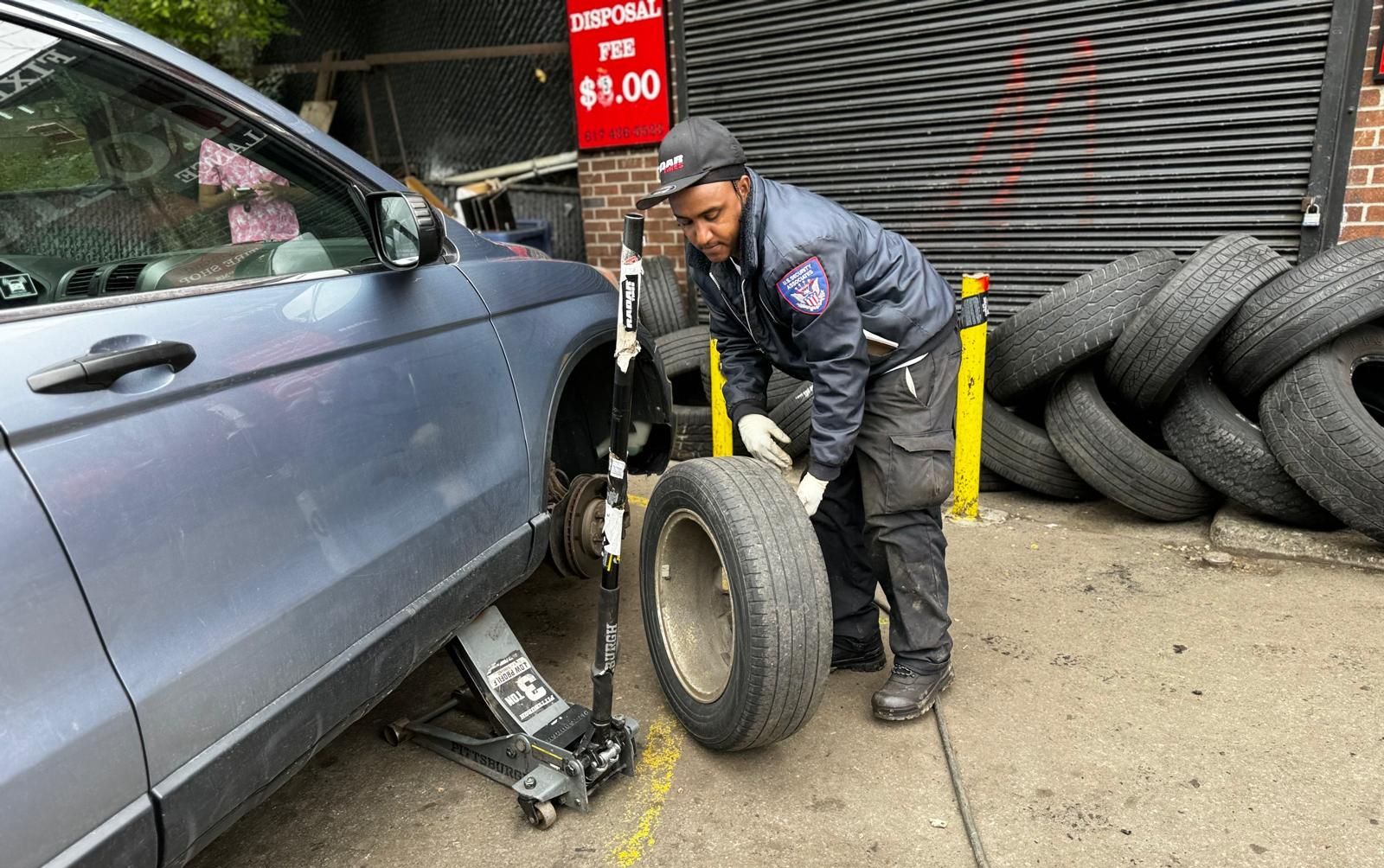
A man is changing a tire on a car in front of a pile of tires.

Padrões comuns de rotação:
- Cruzamento para frente: Os pneus dianteiros são movidos para trás e os traseiros são cruzados para os lados dianteiros opostos.
- Cruzamento para trás: Os pneus traseiros são movidos para frente e os dianteiros são cruzados para os lados traseiros opostos.
- Padrão em X: Todos os quatro pneus são trocados diagonalmente, com cada pneu indo para o canto oposto.
- Lado a lado: Os pneus são trocados do lado esquerdo para o direito, geralmente usado em veículos com pneus direcionais.


Com que frequência os pneus devem ser rotacionados?
Recomendações do fabricante

A frequência da rotação pode variar de acordo com o veículo e os hábitos de condução. No entanto, uma regra geral é rotacionar os pneus a cada 8.000 a 12.000 quilômetros. Esse intervalo geralmente coincide com as trocas de óleo, facilitando a lembrança. Sempre consulte o manual do proprietário para recomendações específicas do fabricante.
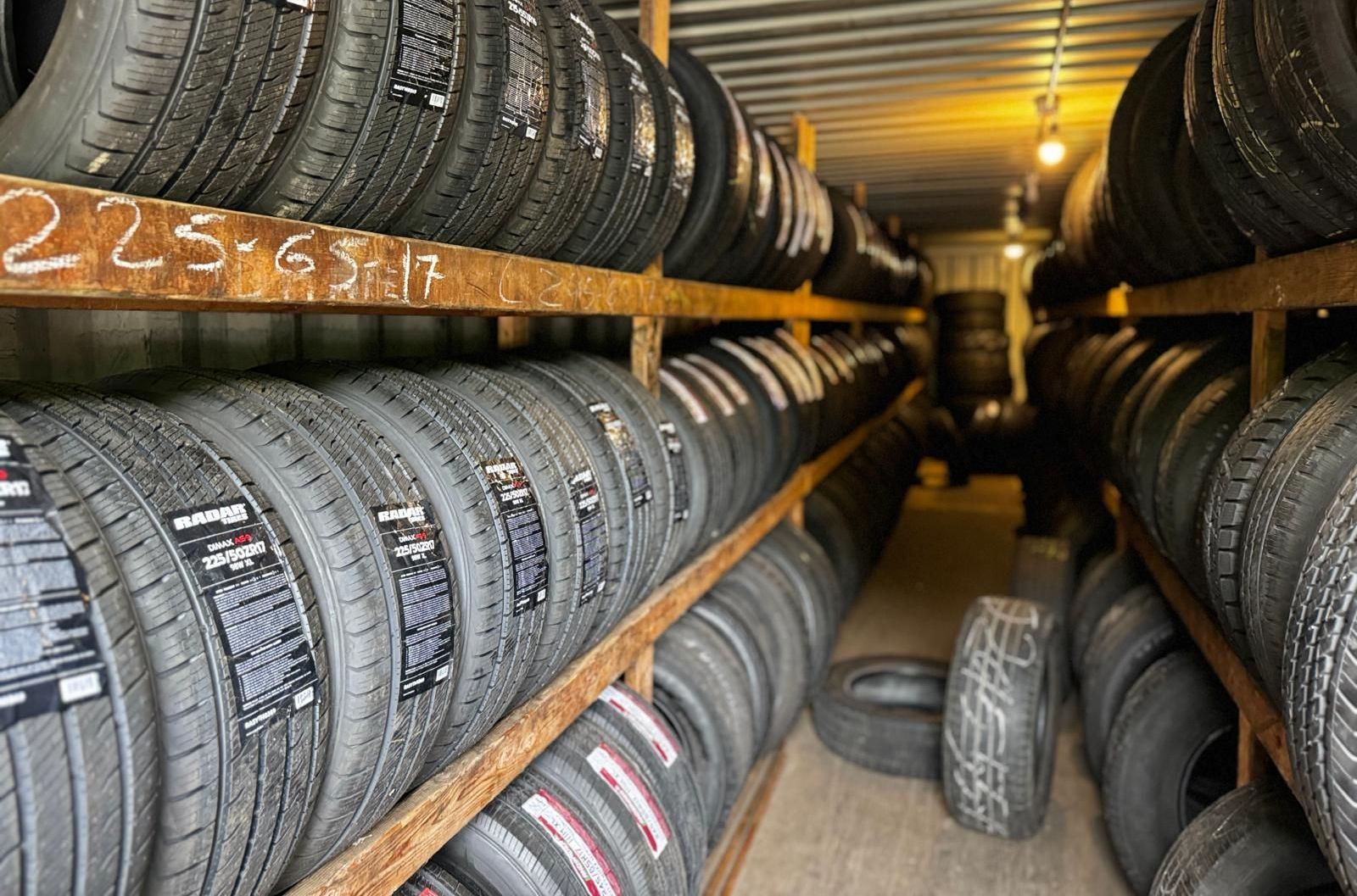
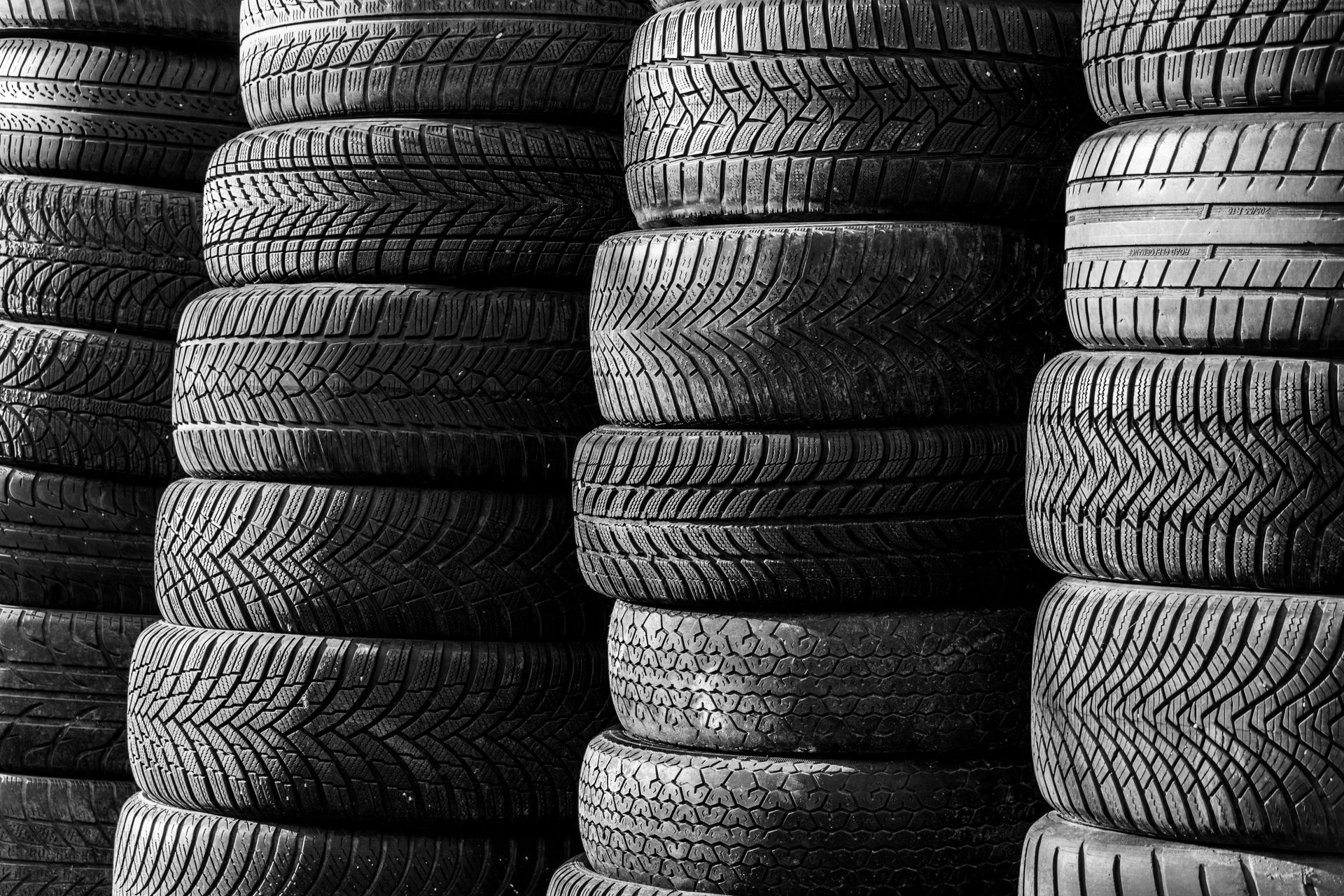
A bunch of tires are stacked on shelves in a garage

Indicadores de que está na hora de rotacionar:
- Desgaste desigual: Se notar que alguns pneus estão se desgastando mais rápido que outros, é hora de rotacioná-los.
- Vibrações: Sentir vibrações no volante pode ser sinal de desgaste irregular dos pneus.
- Manutenção programada: Inclua a rotação dos pneus na rotina de manutenção regular do seu veículo para garantir desgaste uniforme.


Por que a rotação dos pneus é importante?
Prolonga a vida Útil dos pneus

Os pneus se desgastam de maneira diferente dependendo da posição no veículo. Por exemplo, pneus dianteiros em veículos com tração dianteira geralmente se desgastam mais rapidamente. Rotacioná-los regularmente garante desgaste equilibrado, maximizando a vida útil e economizando dinheiro com substituições mais tardias.
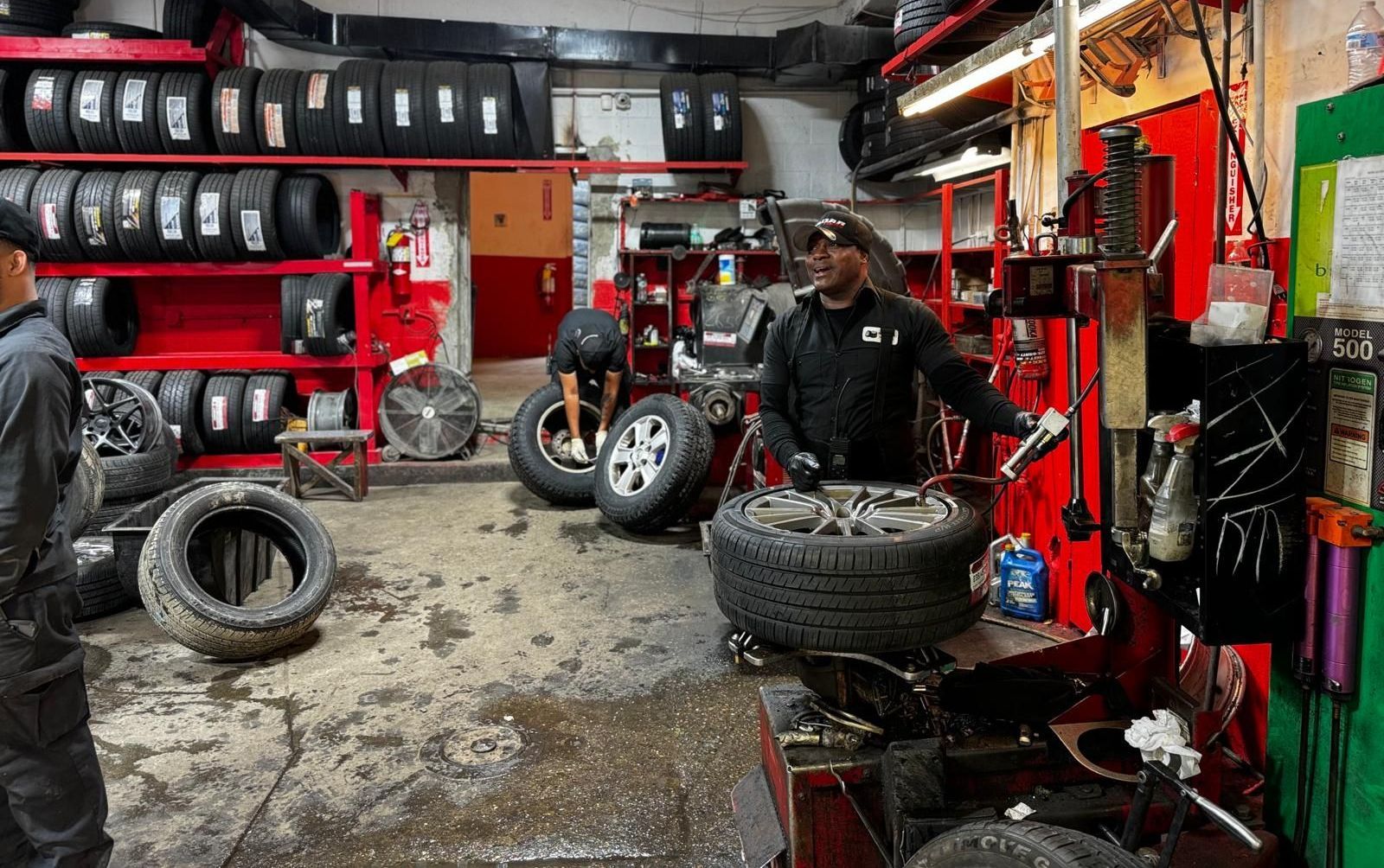
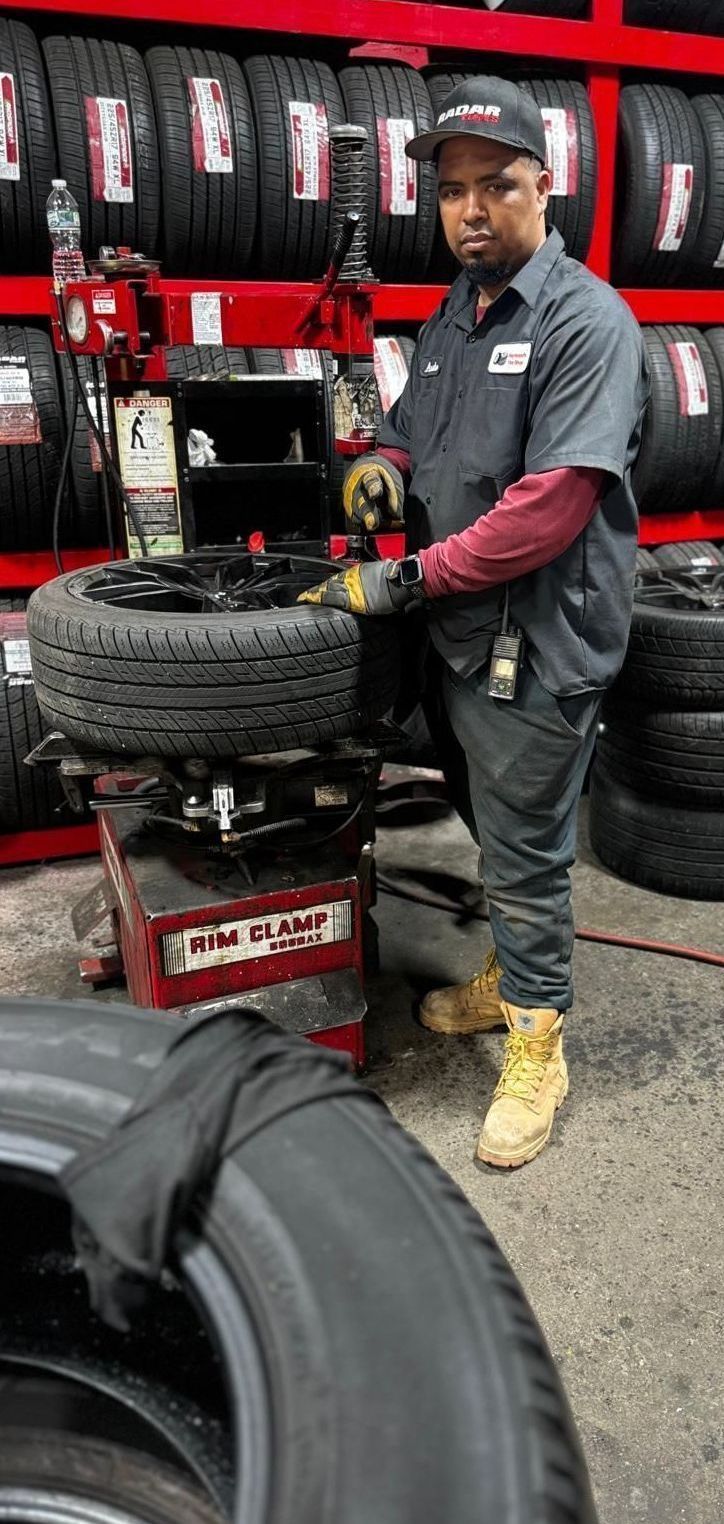
A man is working on a tire in a tire shop.

Melhora o desempenho do veículo
Desgaste uniforme contribui para melhor dirigibilidade e desempenho. Pneus desgastados de forma desigual podem afetar o equilíbrio do veículo, resultando em manuseio ruim e menor tração. Rotacionar os pneus mantém o desempenho ideal e proporciona uma condução mais suave e segura.


Aumenta a segurança
Segurança é essencial na direção. O desgaste irregular pode reduzir a tração, especialmente em condições climáticas adversas como chuva ou neve. A rotação regular ajuda a manter a profundidade do sulco uniforme, essencial para boa aderência e desempenho de frenagem. Esse simples passo de manutenção pode reduzir significativamente o risco de acidentes causados por problemas nos pneus.


Manutenção da garantia
Muitos fabricantes exigem rotação regular para manter a validade da garantia. Não realizar a rotação conforme recomendado pode anular a garantia. Manter a rotação em dia garante conformidade com os termos da garantia e protege seu investimento.
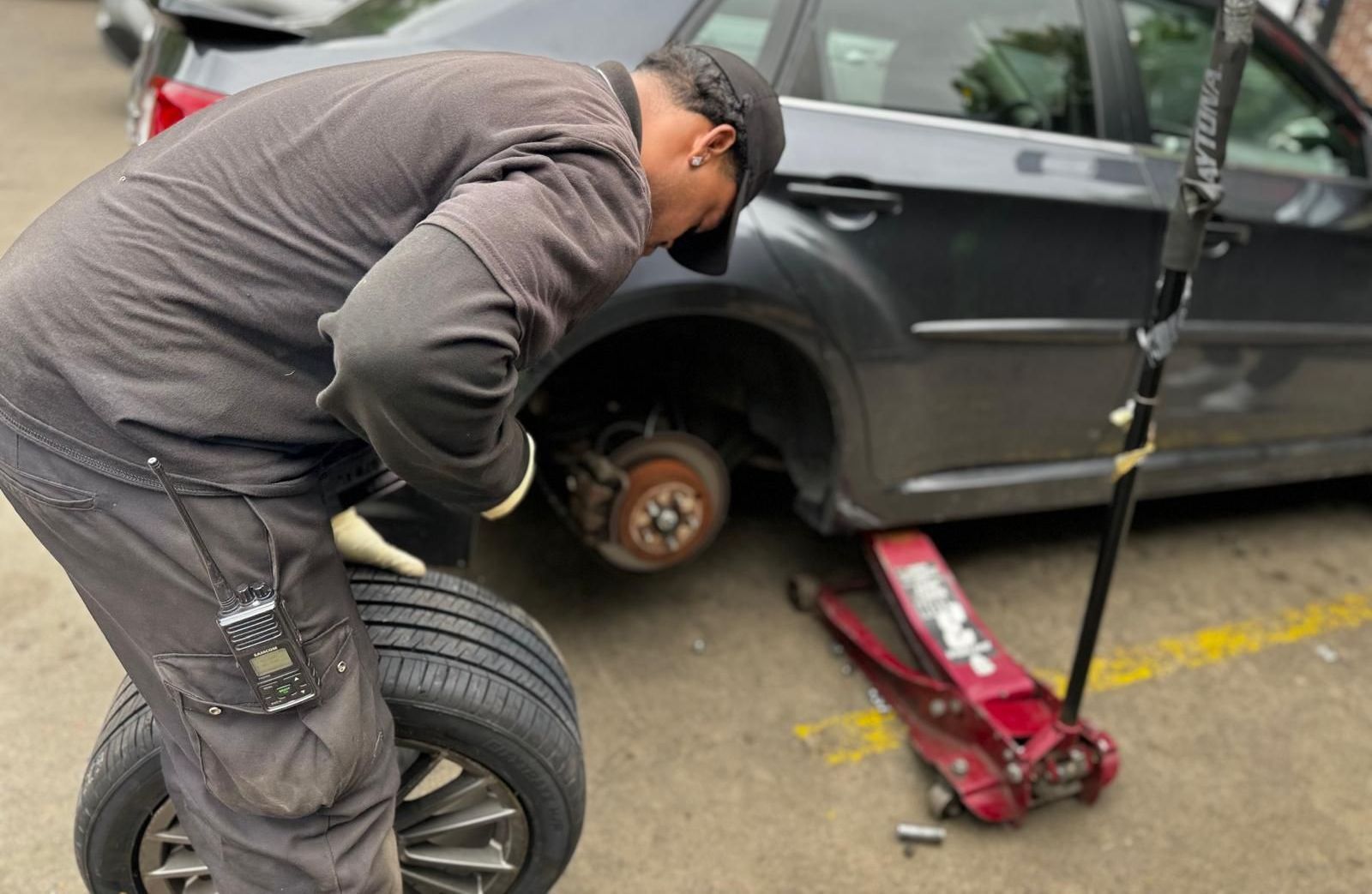
A man is changing a tire on a car in a parking lot

Visite a Raymond’s Tire Shop para sua próxima rotação
Na Raymond’s Tire Shop, estamos comprometidos em ajudá-lo a aproveitar ao máximo seus pneus. Nossos técnicos experientes estão prontos para oferecer serviços profissionais de rotação, garantindo desgaste uniforme e melhor desempenho do veículo. Utilizamos equipamentos modernos e seguimos padrões de rotação de acordo com as necessidades do seu carro.


Por que escolher a gente?
- Técnicos experientes: Anos de experiência e conhecimento em manutenção de pneus.
- Serviço de qualidade: Orgulhamo-nos de oferecer um serviço excelente e garantir a satisfação do cliente.
- Agendamento conveniente: Horários flexíveis para se adequar à sua agenda.


Não espere até que o desgaste comprometa sua segurança e conforto. Visite a Raymond’s Tire Shop para sua próxima rotação de pneus e sinta a diferença que a manutenção regular pode fazer. Seus pneus vão agradecer — e seu bolso também. Entre em contato conosco hoje mesmo para agendar seu horário!
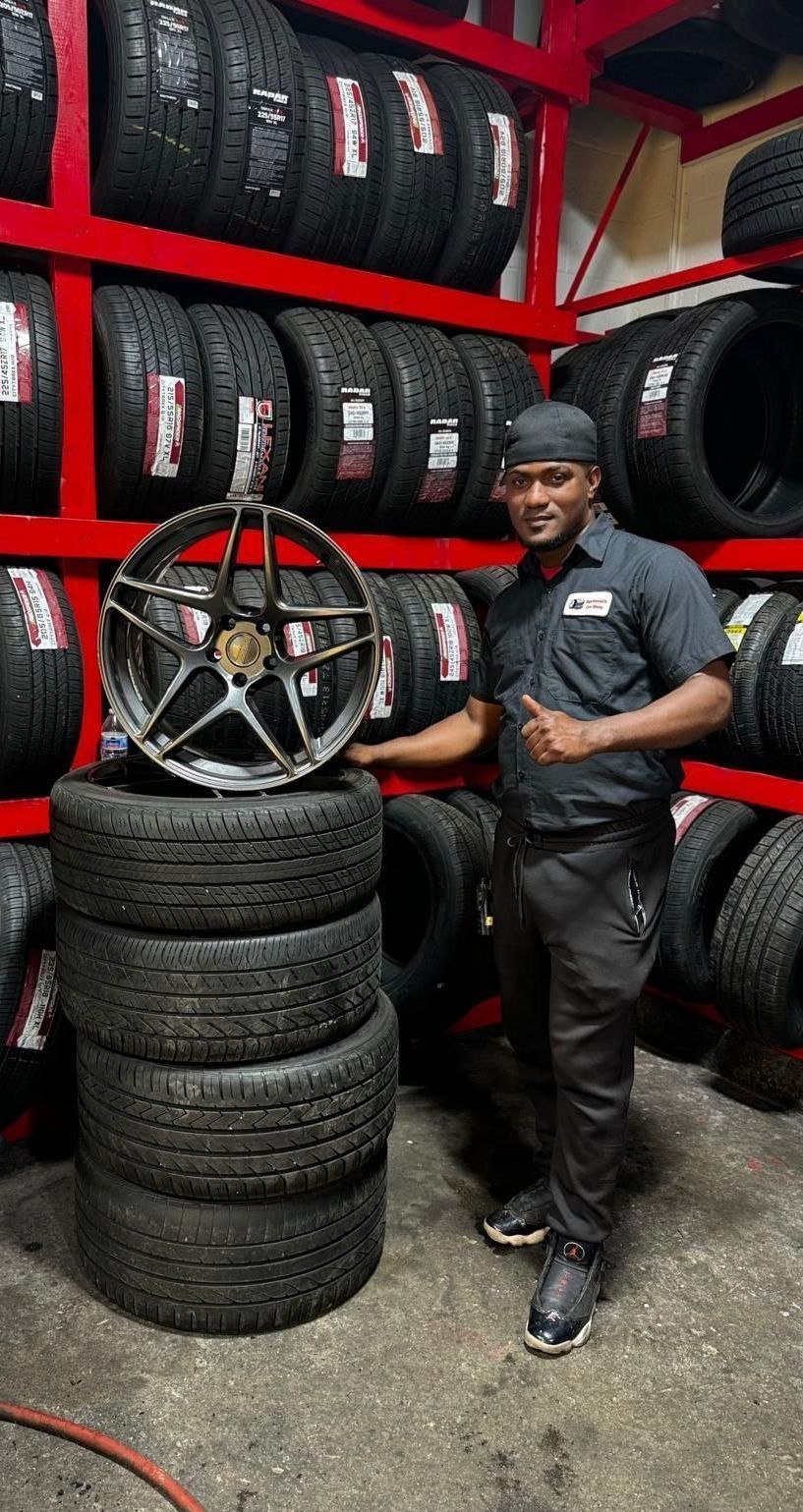
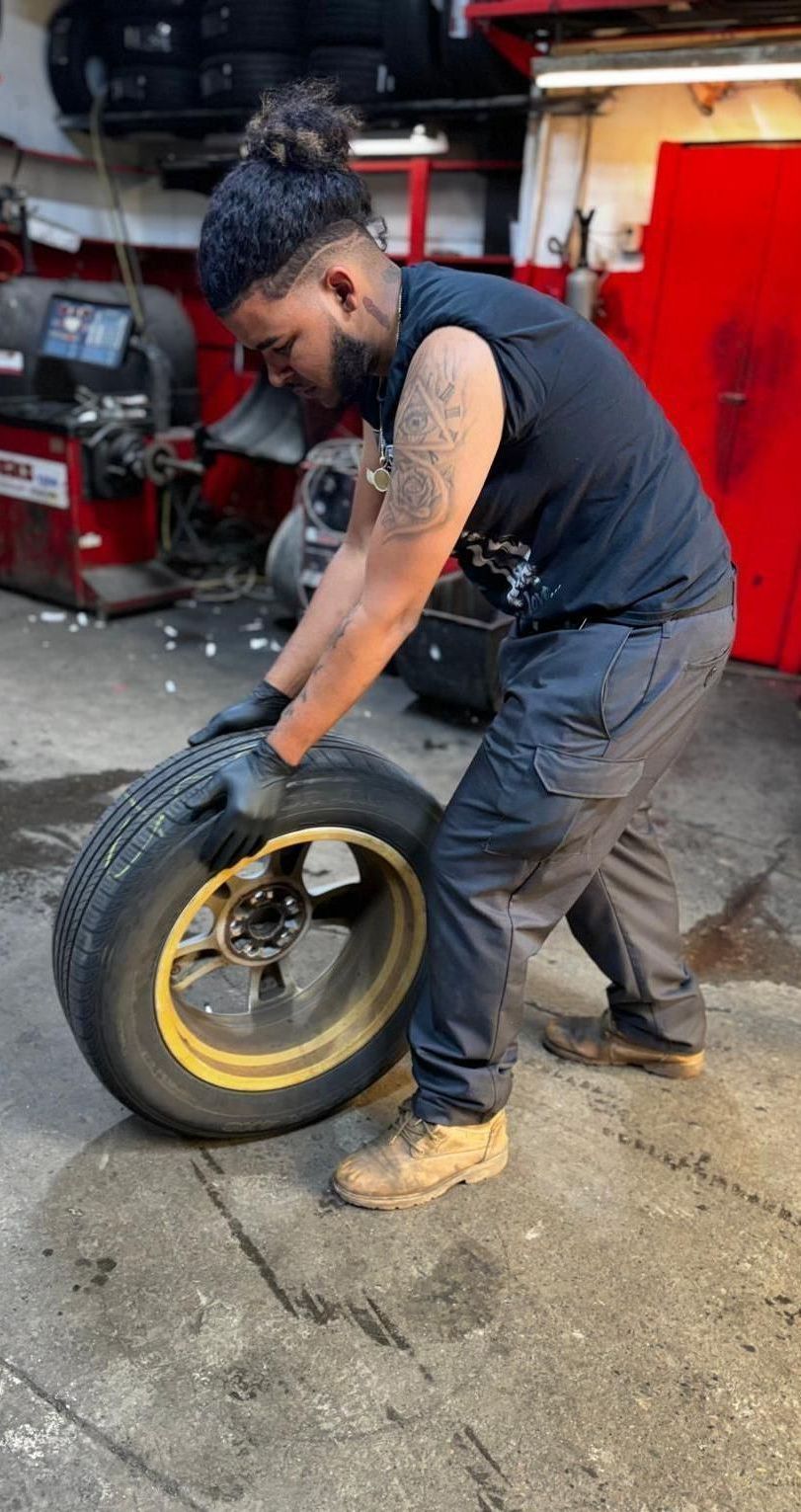
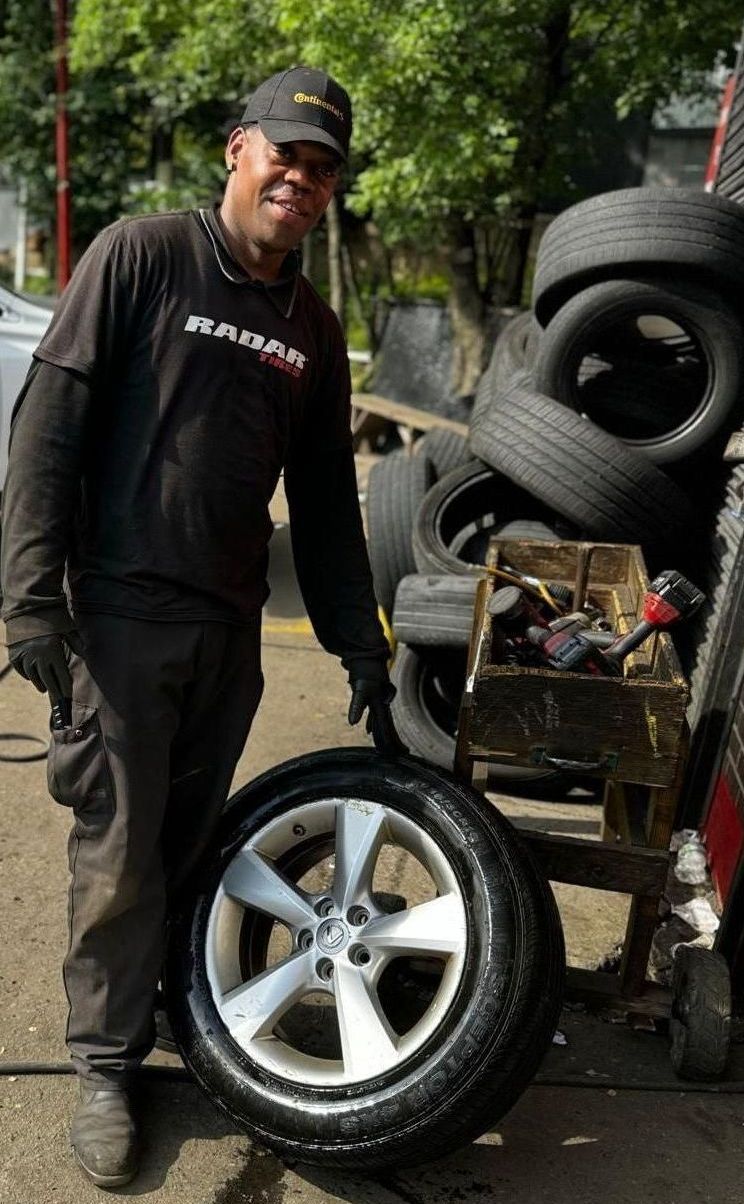
A man is standing next to a pile of tires in a tire store.
A man is changing a tire in a garage.
A man is standing next to a tire in front of a pile of tires.
A man is working on a tire in a tire shop.
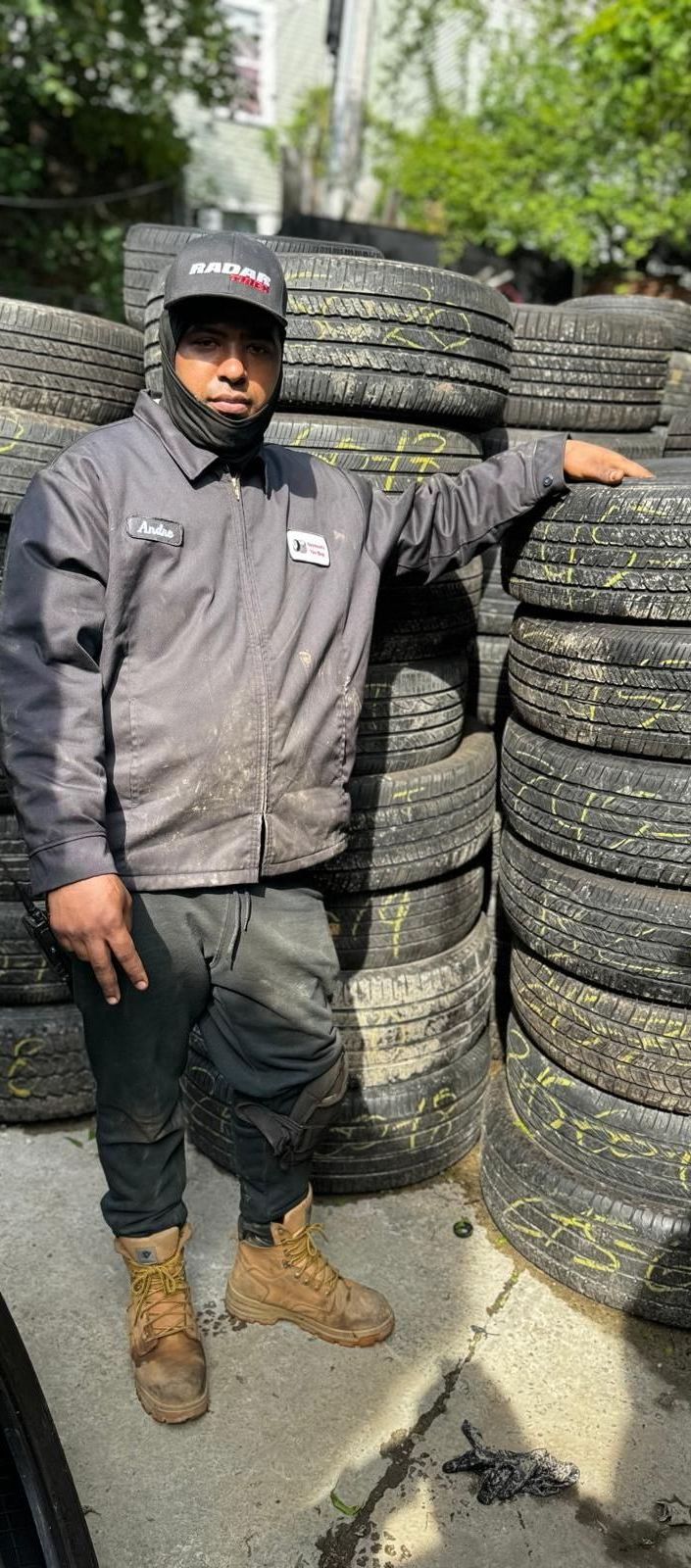
A man is standing in front of a pile of tires.
October 7, 2026
Tire tread gets a lot of attention, but tread depth is not the only factor that matters. Tires also age . Even when a tire still has visible tread, the rubber compounds can gradually change over time because of heat, sunlight, weather exposure, and normal use. That is why knowing how to read the DOT date code can help drivers understand how old a tire really is.  The date code does not tell you everything about tire condition, but it provides an important piece of the overall picture.
October 1, 2026
A hard pothole impact can do more than damage a tire. The force can also bend a wheel, especially if the pothole is deep, the vehicle is moving quickly, or the tire has a lower-profile sidewall with less cushioning between the road and rim. Sometimes the damage is obvious. In other cases, the wheel may look normal but cause vibration, air loss, or handling problems.  Knowing what to watch for after a pothole strike can help drivers catch wheel damage before it creates additional tire or suspension problems.
September 23, 2026
Most drivers are familiar with the tire pressure monitoring system , or TPMS, warning light. When it stays on steadily, it usually means one or more tires may be underinflated. A flashing TPMS light often means something different. Instead of simply warning about low tire pressure, a flashing light can indicate a problem with the monitoring system itself. That could involve a sensor, sensor battery, communication issue, or another TPMS-related fault.  Knowing the difference can help drivers avoid assuming that adding air will automatically solve the problem.
September 22, 2026
Tread depth is one of the first things drivers look at when deciding whether a tire still has life left. Deep grooves can make a tire appear healthy, especially if the vehicle is not driven very often. But tread is only part of the picture. Tires age even when they are not being used heavily. Over time, rubber compounds can harden, dry out, and become less flexible. That means an older tire may still have plenty of tread while no longer performing the way it did when it was newer. Rubber Changes With Age Tires are constantly exposed to oxygen, heat, sunlight, moisture, and changing temperatures. Those conditions gradually affect the rubber. As a tire ages, the material can lose some of its elasticity. That may reduce its ability to flex properly as it rolls and responds to the road. A tire that looks acceptable at a quick glance may therefore be significantly older than its appearance suggests. This is especially important for vehicles that accumulate very few miles each year.
September 11, 2026
A flat tire does not always mean the tire has to be replaced. In many cases, a small puncture can be repaired safely and returned to service. The key is where the puncture occurred, how large it is, and whether the tire suffered additional damage while losing air. That is why a professional inspection matters. Two punctures that lo ok similar from the outside may require completely different solutions once the tire is removed and examined internally. Location Matters Most One of the first things a technician looks at is where the puncture is located. Damage in the central tread area is often the best candidate for repair. This part of the tire is designed to handle contact with the road and can sometimes be repaired when the puncture is small and otherwise straightforward. Punctures near the shoulder or sidewall are much more concerning.  These areas flex significantly while the tire is moving and cannot usually be repaired safely using standard puncture-repair methods. If a nail, screw, or other object damages the sidewall or outer shoulder, replacement is often the safer option.
September 6, 2026
A wheel alignment can correct important steering and tire-angle settings, but the alignment itself depends on the suspension being in good mechanical condition. If ball joints, tie rods, control arm bushings, wheel bearings, or other components are worn, the wheels may not stay in the position the technician sets.  That is why some vehicles continue pulling , wearing tires unevenly, or developing an off-center steering wheel even after an alignment. In those cases, the problem may not be the alignment machine or the adjustment. It may be worn suspension or steering components underneath the vehicle.