Cinco señales de que necesitas reemplazar tus llantas

Conduce con seguridad

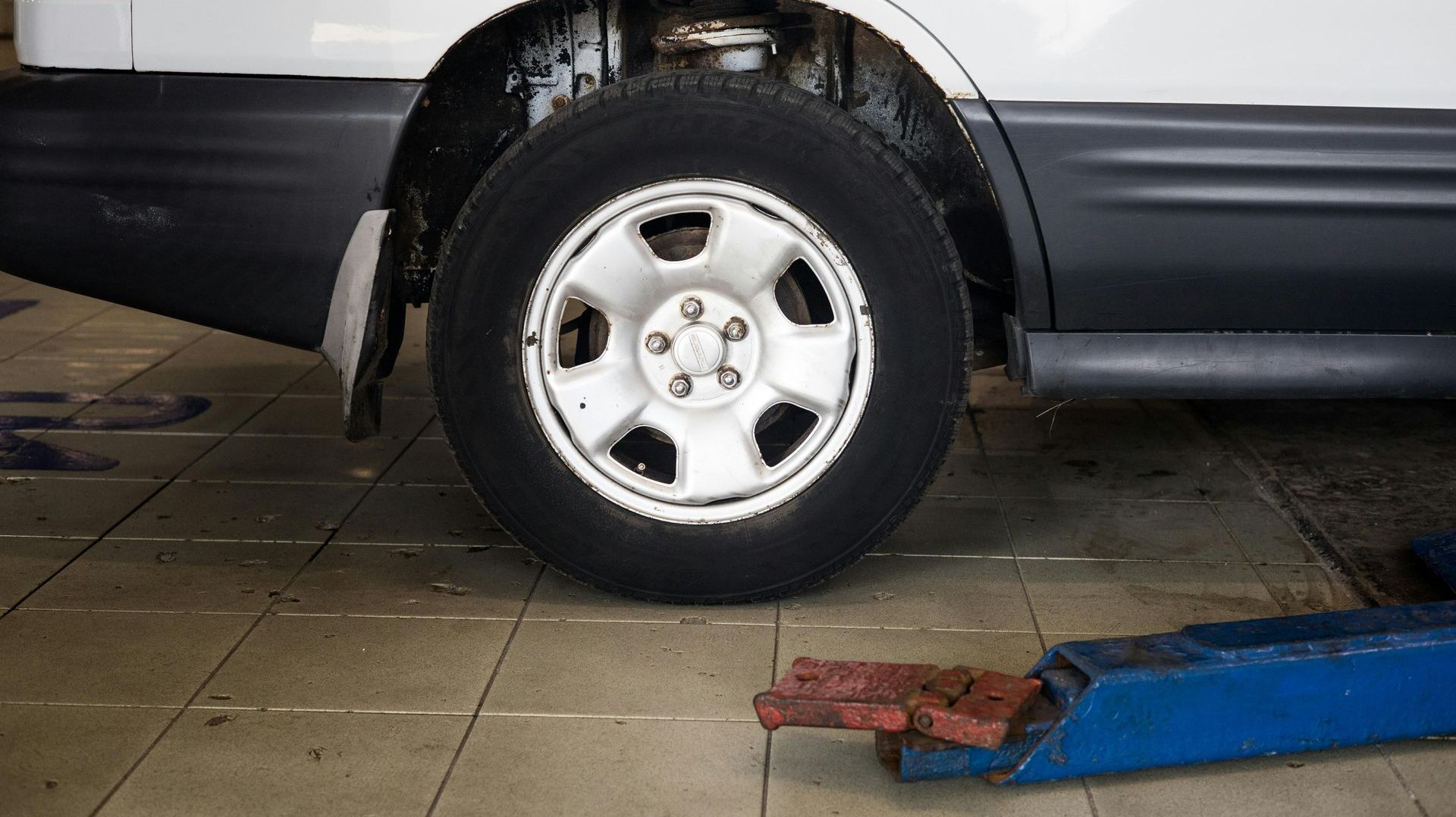
Tus llantas son la única parte de tu vehículo que tiene contacto con la carretera. Eso significa que su estado influye directamente en cómo maneja tu auto, qué tan seguro se detiene y qué tan cómodo se siente el viaje. Aun así, muchos conductores esperan demasiado para reemplazar llantas desgastadas o inseguras—muchas veces porque no están seguros de qué buscar.

En Raymond’s Tire Shop en Dorchester, ayudamos a los conductores de Boston a mantenerse seguros detectando señales de problemas antes de que se conviertan en averías en la carretera. Si te preguntas si tus llantas aún tienen vida útil, aquí tienes cinco señales claras de que es hora de reemplazarlas.
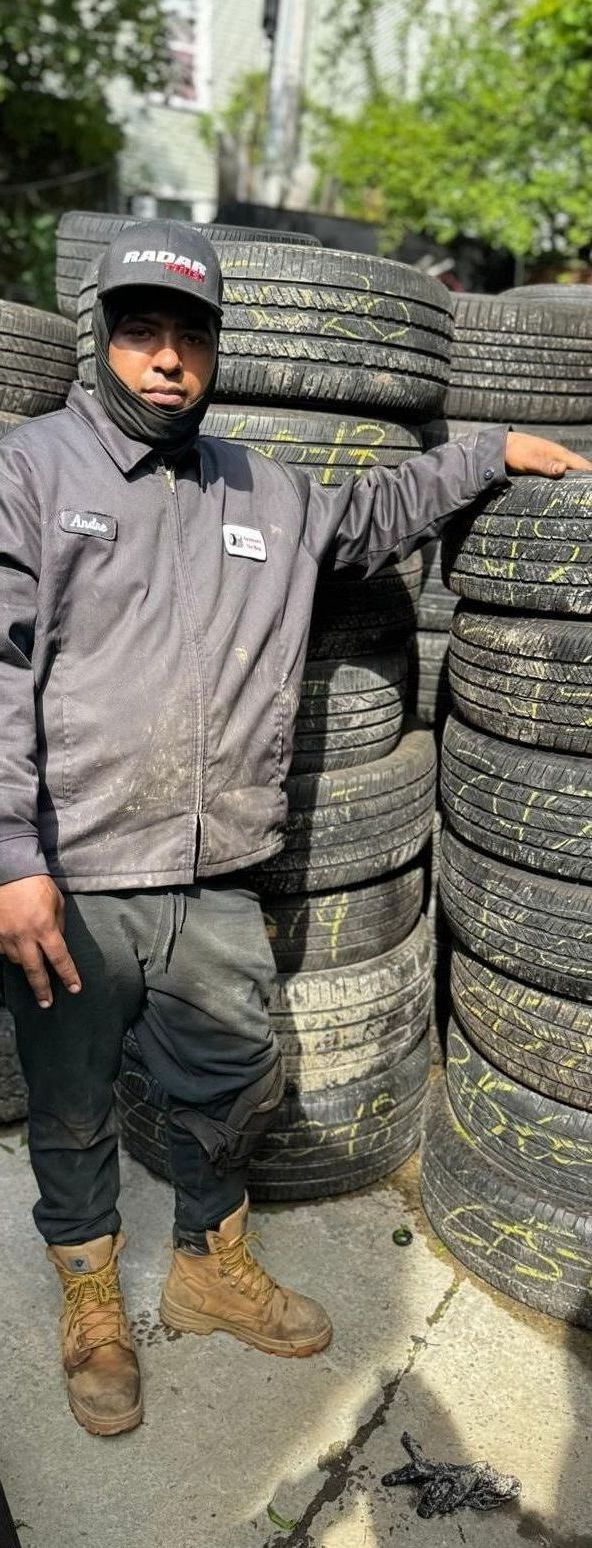
A man is changing a tire on a car in front of a pile of tires.

1. La banda de rodadura está demasiado baja
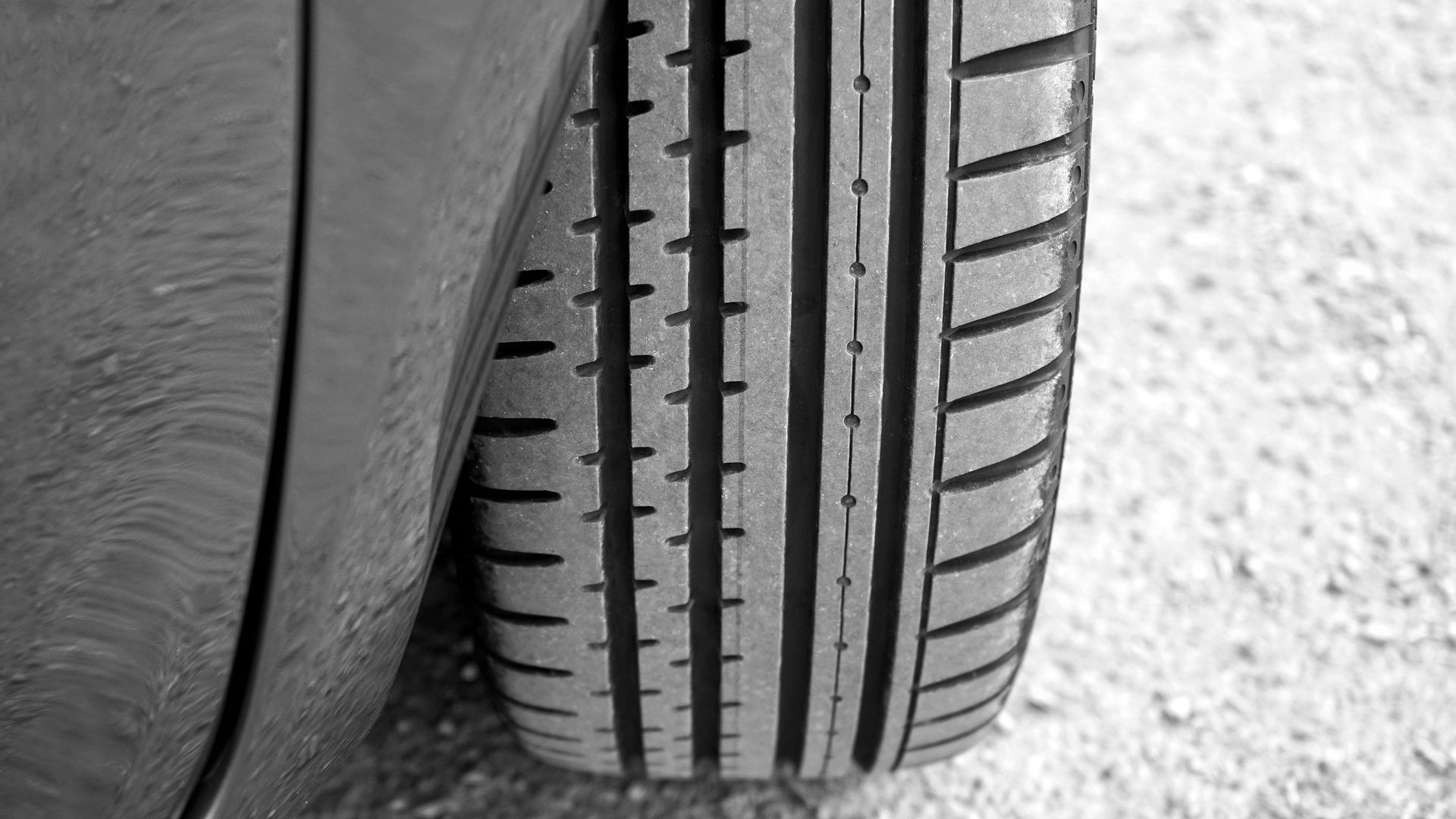
La profundidad de la banda de rodadura es uno de los indicadores más importantes del estado de una llanta. Las ranuras ayudan a que la llanta se adhiera a la carretera, especialmente en condiciones húmedas o resbaladizas. A medida que la banda se desgasta, el riesgo de hidroplaneo, derrapes o pérdida de tracción aumenta considerablemente.


Una buena regla general: usa la prueba del centavo. Inserta un centavo en la banda con la cabeza de Lincoln hacia abajo. Si puedes ver la parte superior de su cabeza, tu banda está por debajo de 2/32 de pulgada—y es hora de reemplazar la llanta. Muchos expertos recomiendan reemplazar a las 4/32” por seguridad, especialmente en climas húmedos.


En Raymond’s, medimos la profundidad de la banda en cada inspección y te ayudamos a decidir si el reemplazo es urgente o aún puede esperar.
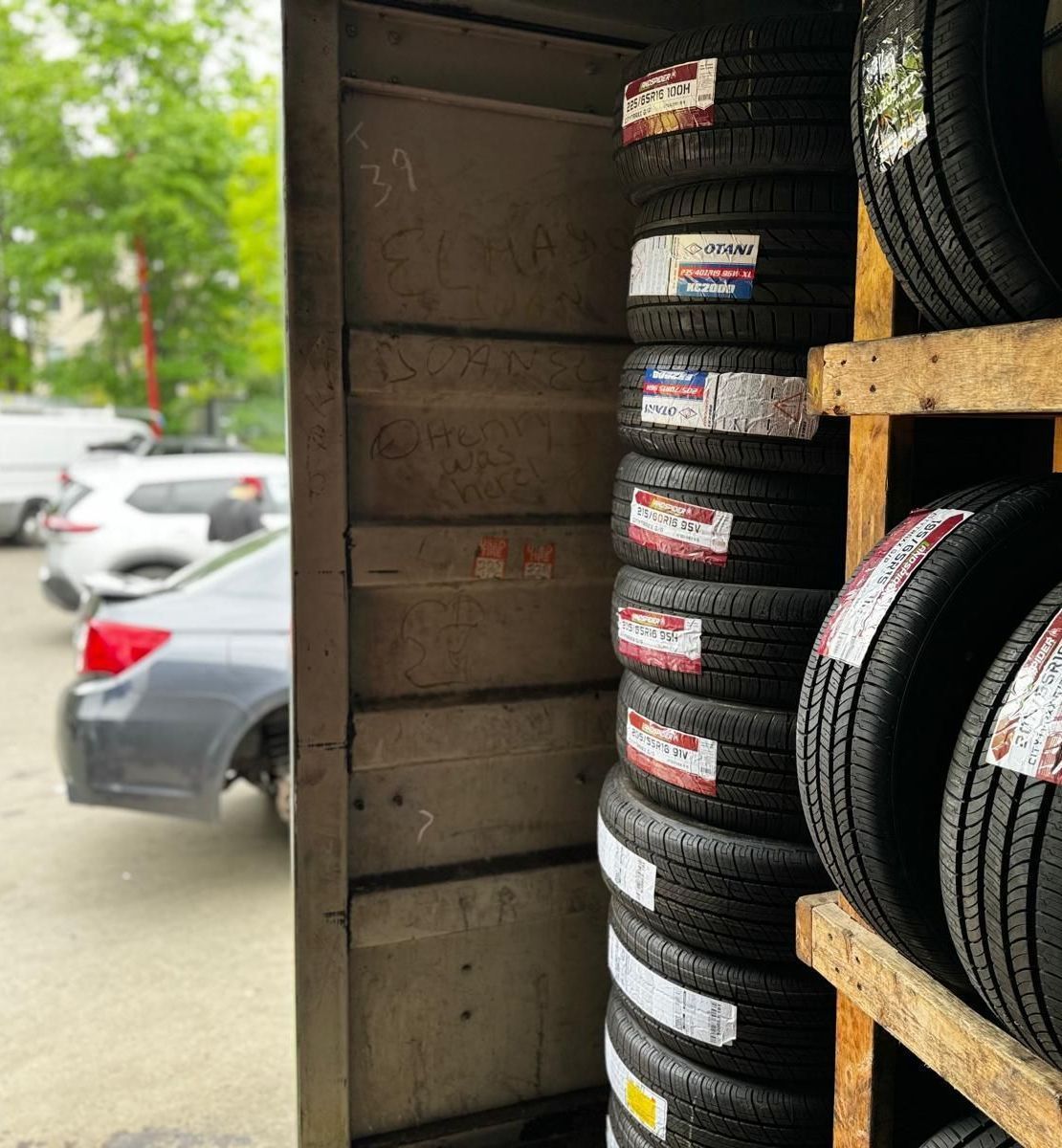
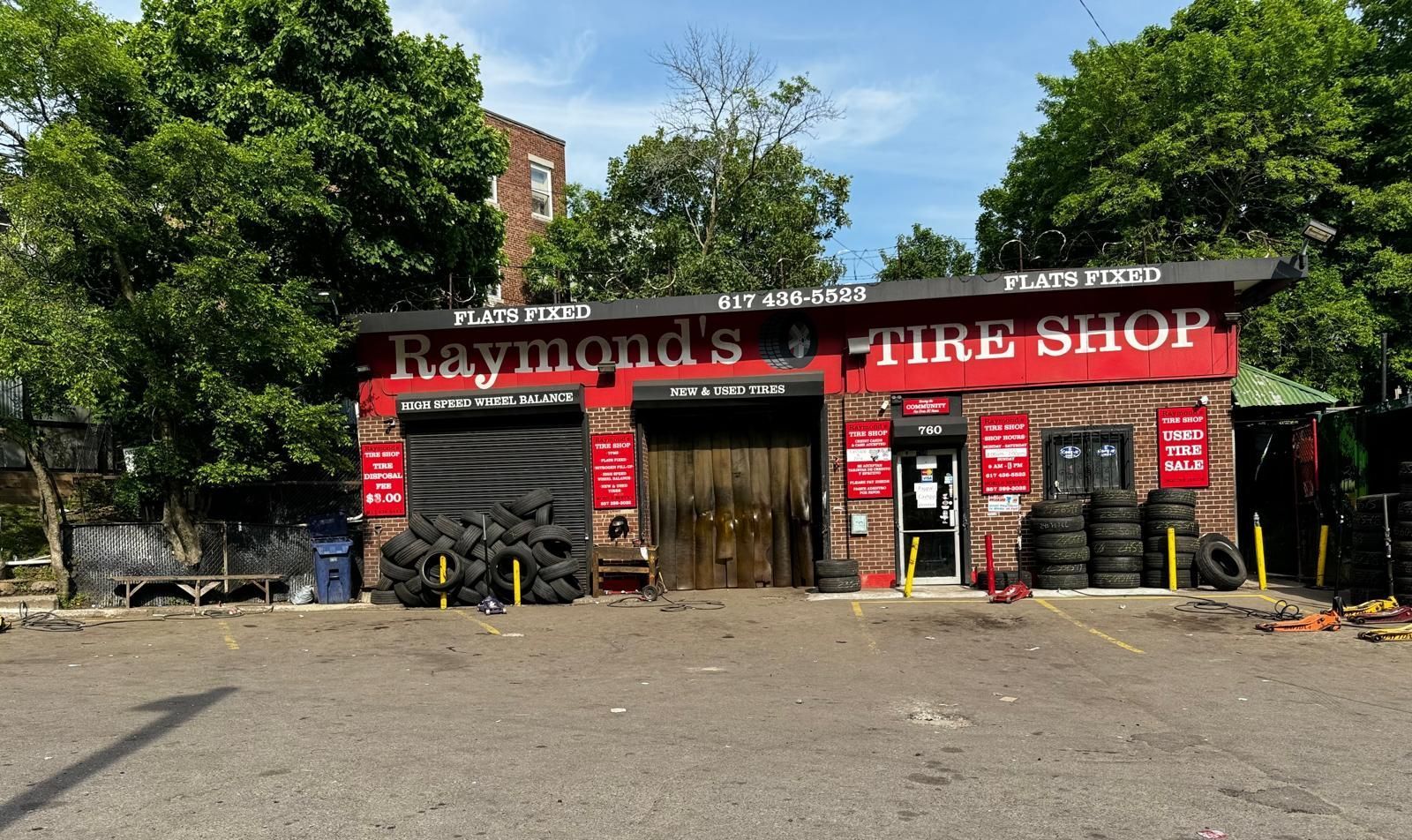
A bunch of tires are stacked on shelves in a garage

2. Notas grietas o protuberancias
El caucho naturalmente se deteriora con el tiempo, especialmente con temperaturas extremas. Si ves grietas en los costados o en la superficie de la banda, podría ser señal de resequedad o daño estructural. De igual manera, protuberancias o burbujas en los costados suelen indicar que las capas internas de la llanta están dañadas—usualmente por baches, bordillos o escombros en la carretera.


Estos problemas no son solo cosméticos. Una llanta con una protuberancia puede estallar sin previo aviso, especialmente a altas velocidades. Si ves algo fuera de lo común, no esperes—haz revisar tus llantas de inmediato.
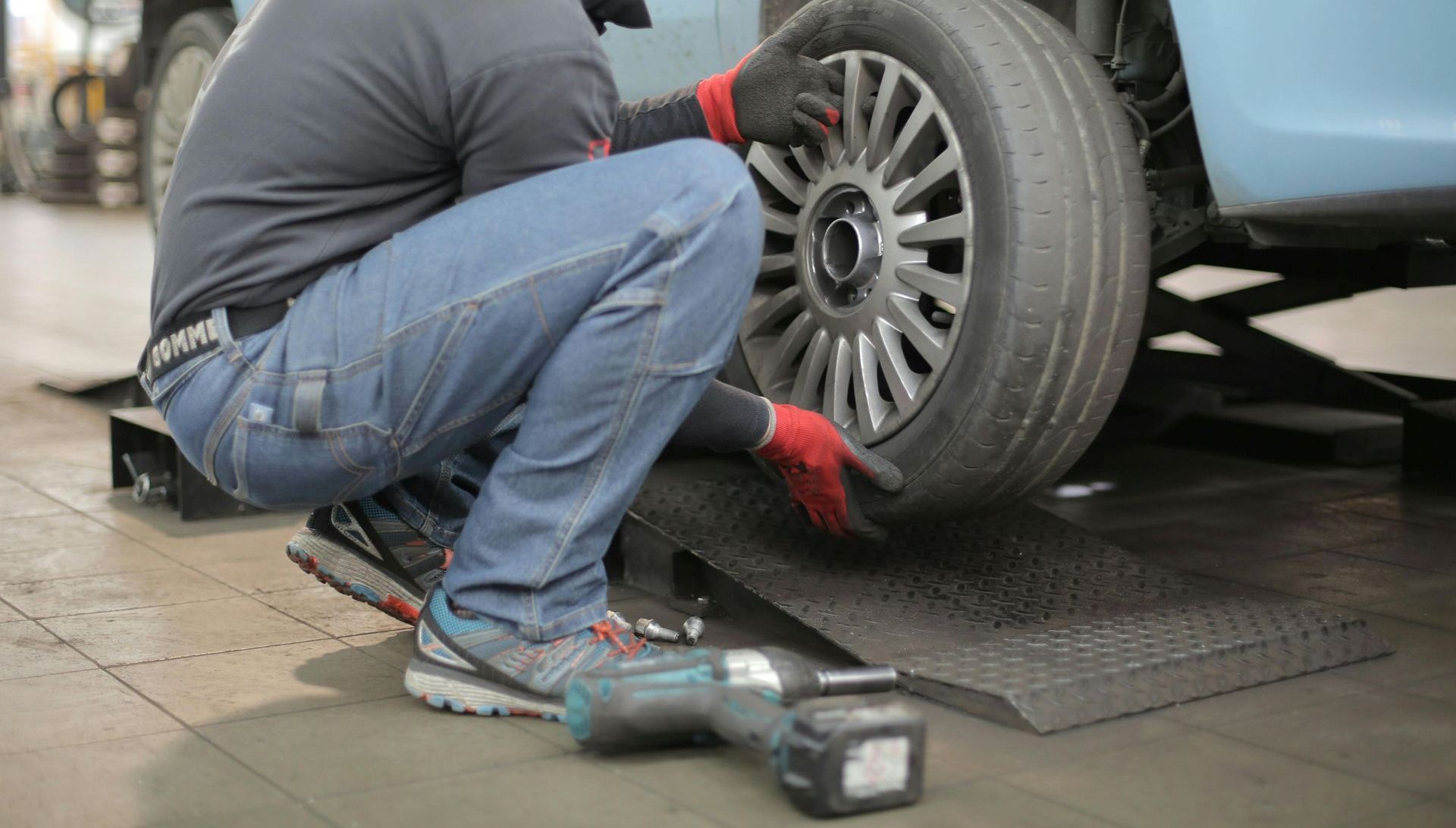
A man is working on a tire in a tire shop.

3. Sientes vibraciones al conducir
Algunas vibraciones son normales en las carreteras irregulares de Boston, pero si notas una vibración nueva o persistente—especialmente a baja velocidad o en pavimento liso—puede ser señal de desgaste desigual, desalineación o daño interno de la llanta.


En algunos casos, una vibración indica que la llanta está desbalanceada o que las capas internas están comenzando a separarse. De cualquier manera, es señal de que tus llantas ya no ofrecen un viaje estable ni consistente.


Si no estás seguro de qué causa la vibración, trae tu auto a Raymond’s Tire Shop. Podemos inspeccionarlas, balancearlas nuevamente y decirte si necesitas una llanta nueva.
A man is changing a tire on a car in a parking lot

4. Has tenido demasiados parches
Reparar una llanta pinchada es una solución económica—pero solo hasta cierto punto. Si una llanta ha sido parchada varias veces, especialmente cerca del costado o del hombro, es más probable que falle bajo presión. La mayoría de los fabricantes recomienda no más de dos parches por llanta, y solo si están en áreas reparables.


Si tu llanta parece haber sido remendada demasiadas veces, probablemente sea hora de retirarla y cambiarla por un juego más seguro.

5. Son simplemente viejas

Incluso si tus llantas se ven bien, la edad por sí sola puede hacerlas inseguras. La mayoría de los fabricantes recomienda reemplazarlas cada seis a diez años, sin importar el desgaste de la banda. Con el tiempo, el caucho se endurece y pierde flexibilidad, lo que hace que las llantas sean más propensas a agrietarse o fallar.


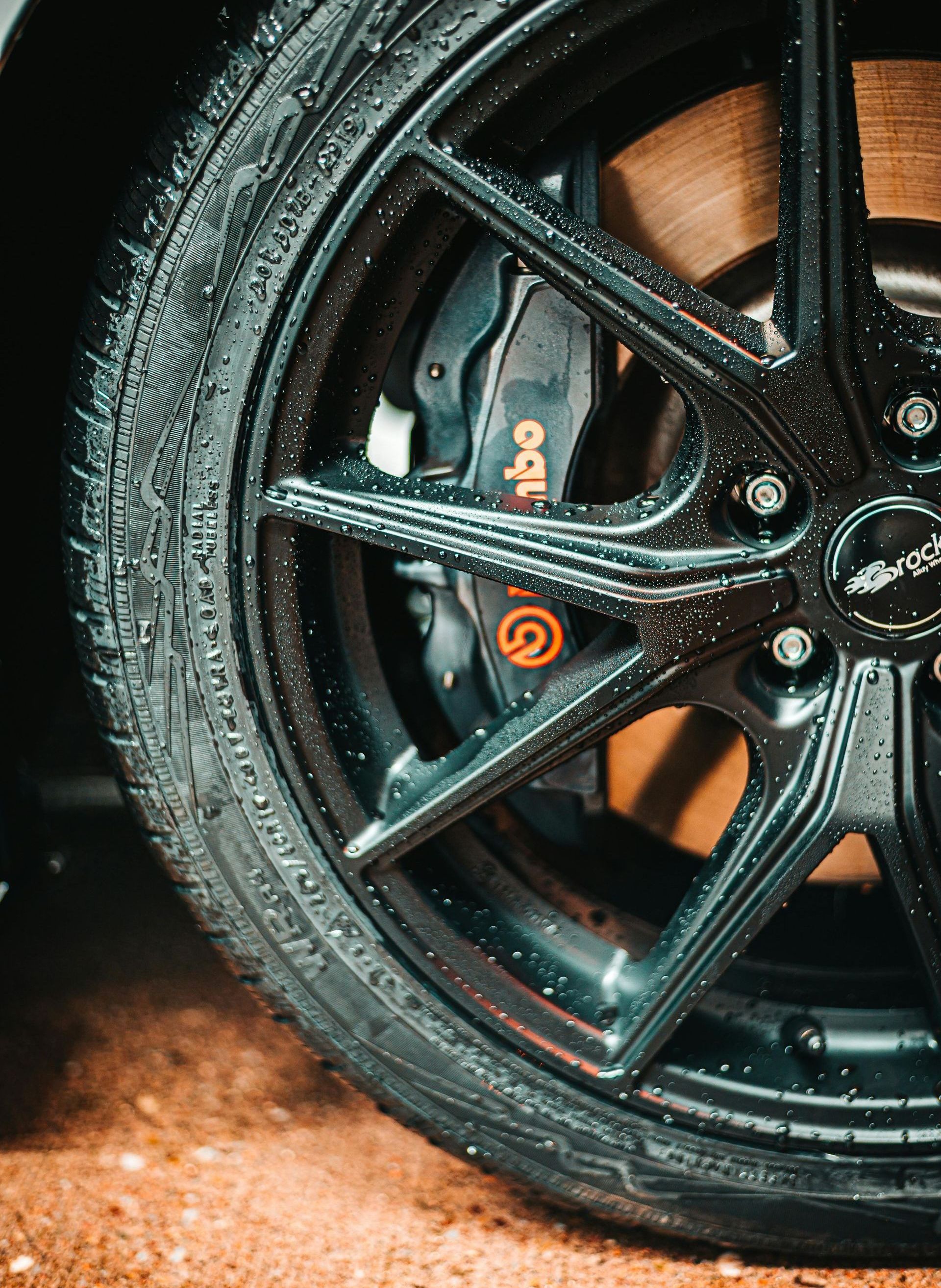
Puedes verificar la edad de una llanta leyendo el código DOT en el costado. Los últimos cuatro dígitos representan la semana y el año de fabricación. Por ejemplo, una llanta con el sello “3219” fue fabricada en la semana 32 del año 2019.


Si tus llantas tienen más de seis años—especialmente si han estado expuestas al sol o al clima severo—vale la pena considerar un reemplazo, incluso si la banda de rodadura aún parece buena.
Conoce las señales y mantente un paso adelante
Las llantas no duran para siempre, pero estar atento a estas cinco señales puede ayudarte a evitar problemas mayores más adelante. Ya sea que necesites una sola llanta o un juego completo, Raymond’s Tire Shop ofrece opciones accesibles—nuevas y usadas—para todos los presupuestos.


Visítanos en Blue Hill Ave para una inspección rápida, o llámanos para asistencia en carretera si estás lidiando con una llanta pinchada. Te pondremos de nuevo en camino con llantas confiables—rápidas, honestas y hechas para durar.
A man is standing next to a pile of tires in a tire store.
A man is changing a tire in a garage.
A man is standing next to a tire in front of a pile of tires.
A man is working on a tire in a tire shop.
A man is standing in front of a pile of tires.
August 23, 2026
A pothole impact can feel like a quick jolt, but the forces involved can affect several parts of the tire and wheel assembly. The faster the vehicle is moving, the less time the tire has to absorb the impact. In some cases, the damage is immediately obvious. In others, problems may not become noticeable until later. Raymond’s Tire Shop helps drivers inspect tires, wheels, balancing, and alignment after hard road impacts. Understanding what can happen during a pothole strike can make it easier to recognize when a tire needs professional attention. The Tire Is Compressed Extremely Quickly When a tire drops into a pothole and strikes the far edge, the sidewall and tread can be compressed between the road and the wheel. Tires are designed to flex, but a severe impact can exceed what the internal structure can safely absorb.  The risk can be greater when tire pressure is too low because there is less air cushioning between the road surface and the wheel. However, even a properly inflated tire can be damaged by a deep pothole at sufficient speed.
August 16, 2026
Tires are one of the most important safety components on any vehicle because they are the only parts that maintain direct contact with the road. As tires wear, their ability to grip pavement, channel water, and respond predictably can gradually decline. The challenge is that unsafe tire conditions are not always obvious until performance has already been affected.  Raymond’s Tire Shop helps drivers evaluate tread wear, tire damage, pressure issues, alignment problems, and other conditions that can affect tire safety. Knowing what to look for can help you recognize when a tire needs professional attention or replacement.
August 7, 2026
Most drivers think of tires simply as the round rubber components that allow a vehicle to roll down the road. In reality, tires are sophisticated pieces of engineering that perform several essential functions every time a vehicle is in motion. They support the weight of the vehicle, transmit steering and braking forces, absorb road irregularities, and maintain traction in changing driving conditions. Every acceleration, turn, and stop depends on these four small contact patches where the tires meet the road.  Understanding the primary functions of a tire helps drivers appreciate why routine maintenance and timely replacement are so important. Raymond’s Tire Shop helps customers choose quality tires and maintain them properly so their vehicles continue to perform safely and efficiently throughout the life of the tire.
July 31, 2026
Understanding how your tires interact with wet pavement is one of the most important parts of safe driving. While most drivers know that rain can make roads slippery, fewer understand how hydroplaning occurs or why it can cause a vehicle to suddenly lose traction. Knowing what causes hydroplaning—and how proper tire maintenance can reduce the risk—can help you stay safer during wet weather.  At Raymond’s Tire Shop, we believe that informed drivers make safer decisions. Keeping your tires in excellent condition is one of the best ways to improve vehicle performance when road conditions are less than ideal.
July 23, 2026
Your tires are one of the hardest-working components of your vehicle. They provide traction, support your vehicle’s weight, absorb impacts from the road, and help you maintain control in a wide range of driving conditions. Because they experience constant wear, replacing tires is an expected part of vehicle ownership. However, proper maintenance can help maximize their lifespan, improve performance, and save you money over time. Many of the factors that affect tire longevity are within a driver’s control. By following a few simple maintenance practices, you can help your tires wear more evenly and perform as intended throughout their service life.
July 17, 2026
Your tires are the only part of your vehicle that remains in constant contact with the road, making them one of the most important components for safety, performance, and fuel efficiency. While many drivers remember to check their oil or schedule routine maintenance, tire pressure is often overlooked until a problem develops.  Maintaining proper tire inflation is one of the simplest and most effective ways to extend the life of your tires. It takes only a few minutes to check your tire pressure, yet this small maintenance task can help improve vehicle performance and protect your investment over the long term.