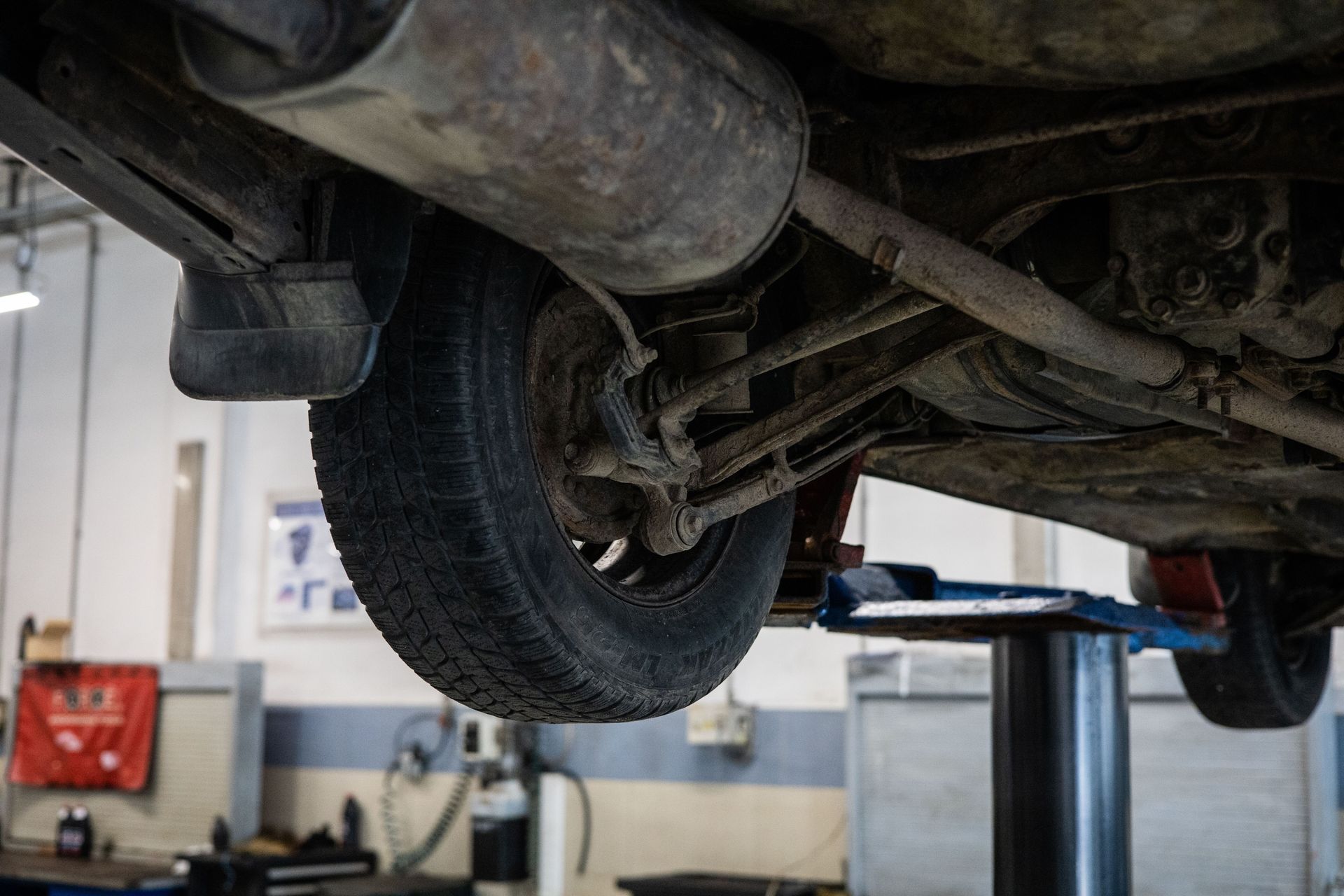
Conducción navideña después del anochecer: cómo el estado de los neumáticos contribuye a la seguridad durante la temporada navideña
Noches más seguras en la carretera
La temporada navideña trae consigo días más cortos, noches más largas y un aumento notable de la conducción después del anochecer. Ya sea que las familias viajen para visitar a sus seres queridos, hagan mandados por la tarde o asistan a reuniones festivas, conducir de noche se vuelve parte habitual de la vida diaria en diciembre. Aunque los faros y la visibilidad suelen recibir mayor atención, el estado de los neumáticos cumple un papel igualmente importante para mantener la seguridad durante los viajes navideños.
En Raymond’s Tire Shop, animamos a los conductores a considerar la seguridad de los neumáticos como una parte fundamental de la preparación para la temporada navideña, especialmente al conducir después de la puesta del sol.

Por qué conducir de noche es más exigente
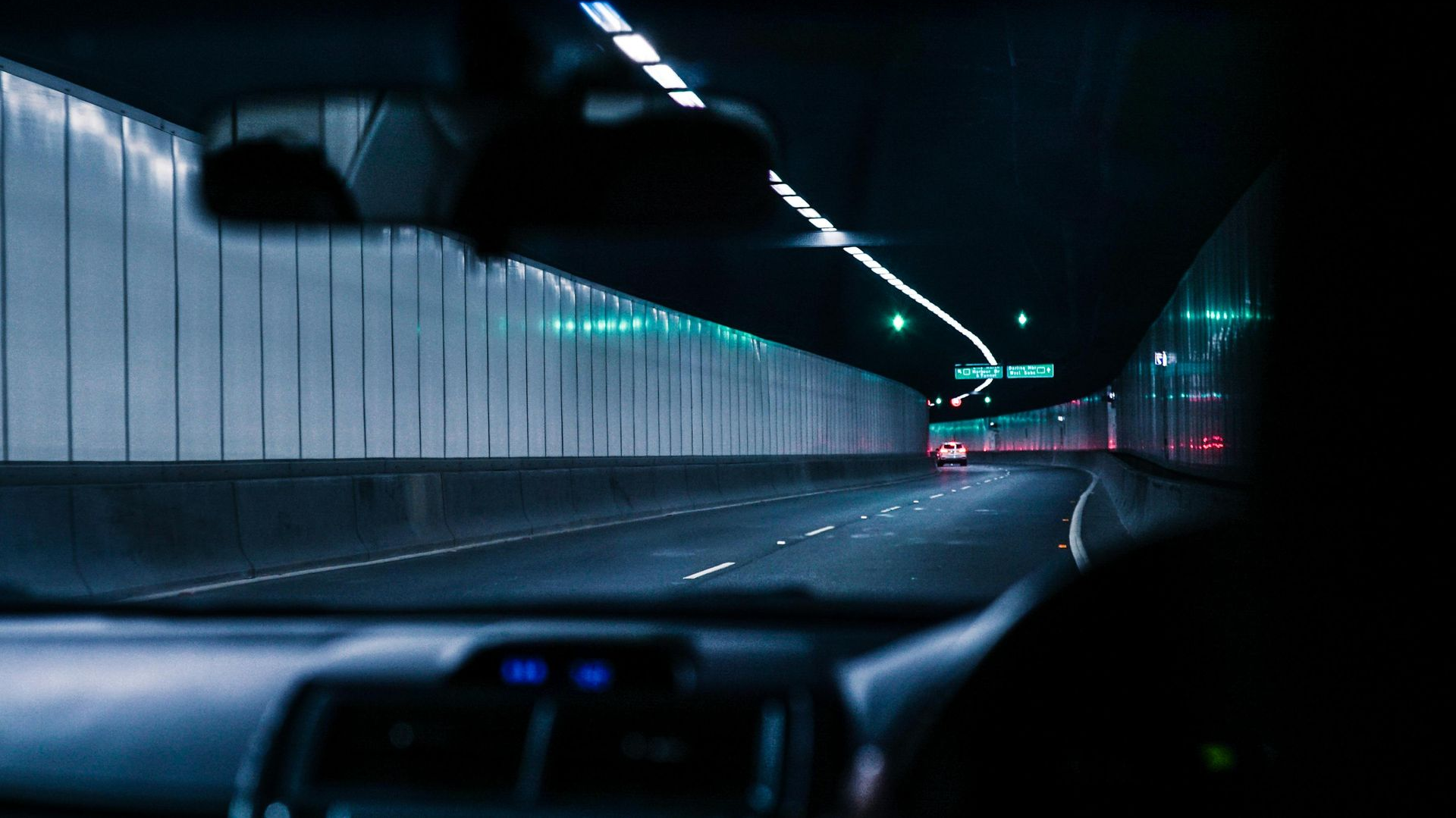
Conducir después del anochecer requiere mayor tiempo de reacción y un control más preciso del vehículo. La visibilidad reducida dificulta detectar peligros como escombros, pavimento irregular o frenadas repentinas. Durante la temporada navideña, los patrones de tráfico también cambian. Los conductores pueden no estar familiarizados con ciertas rutas, estar distraídos por los horarios o circular por vías congestionadas cerca de zonas comerciales y vecindarios residenciales.
Los neumáticos son el único punto de contacto entre el vehículo y la carretera. Cuando su estado está comprometido, la conducción nocturna se vuelve más difícil y menos predecible.
La relación entre los neumáticos y el control del vehículo
La profundidad del dibujo y la condición del caucho influyen directamente en la tracción, especialmente al frenar y tomar curvas. De noche, cuando las señales visuales son limitadas, los conductores dependen más de la capacidad del vehículo para responder de manera suave y constante. Los neumáticos desgastados o con desgaste irregular pueden reducir el agarre y aumentar las distancias de frenado, lo cual es especialmente preocupante durante el tráfico navideño.
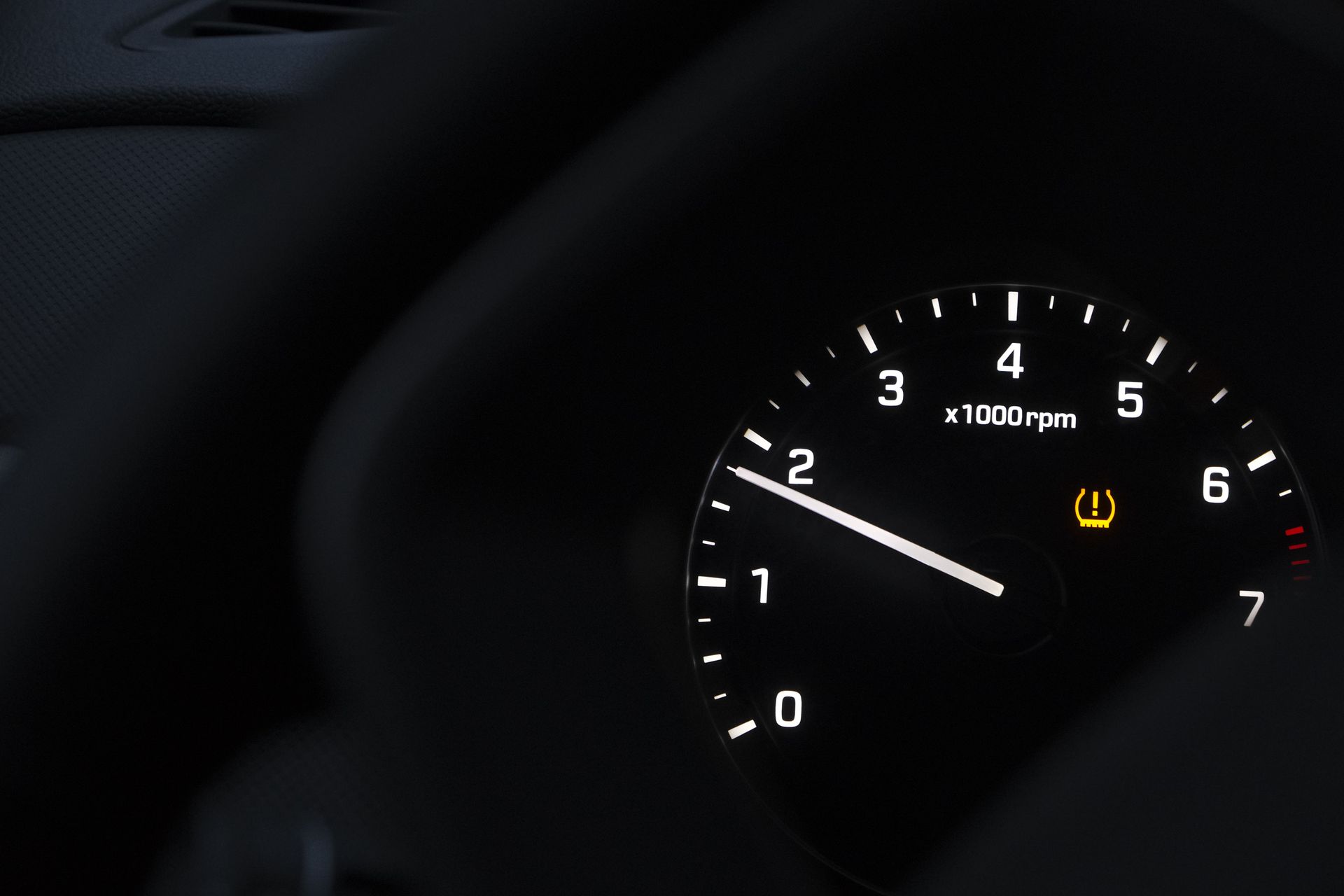
Las bajas temperaturas de diciembre también pueden afectar el rendimiento de los neumáticos. A medida que desciende la temperatura, disminuye la presión de los neumáticos. Los neumáticos con baja presión pueden flexionarse más de lo previsto, afectando el manejo y la estabilidad. Durante la conducción nocturna, estos cambios sutiles de desempeño pueden marcar una gran diferencia.
El clima navideño y las condiciones de la carretera
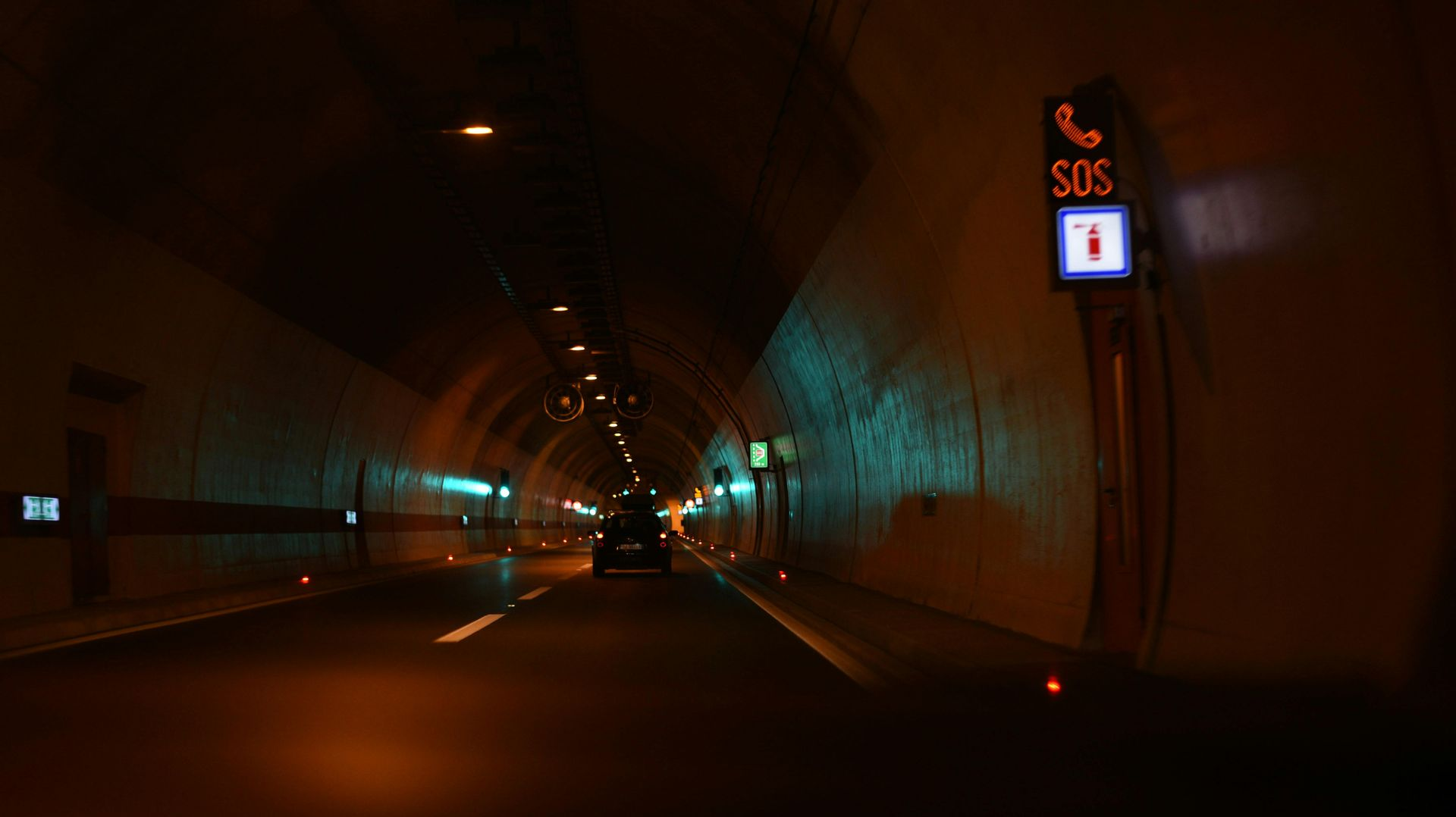
La temporada navideña suele traer clima impredecible. La lluvia, la escarcha y, en ocasiones, la nieve crean superficies resbaladizas que exigen una tracción confiable. Después del anochecer, estas condiciones son más difíciles de detectar y de reaccionar a tiempo.
Los neumáticos correctamente mantenidos ayudan a canalizar el agua fuera del área de contacto y a mantener el agarre en carreteras mojadas o con aguanieve. Una profundidad de dibujo adecuada y la inflación correcta favorecen un mejor control cuando la visibilidad es limitada y las condiciones del camino cambian rápidamente.
Mayor tráfico navideño durante la noche
Las horas nocturnas de diciembre suelen ser más concurridas de lo habitual. Los conductores salen más tarde para asistir a eventos festivos o completar mandados de última hora. Este aumento del tráfico eleva la probabilidad de frenadas repentinas y maniobras inesperadas.
Los neumáticos en buen estado ayudan a que los vehículos respondan de forma más eficaz en estas situaciones. Un frenado confiable y un manejo predecible permiten mantener el control, incluso cuando los patrones de tráfico son impredecibles.

Inspecciones de neumáticos como parte de la preparación navideña
La preparación para los viajes navideños suele incluir la revisión de luces, fluidos y limpiaparabrisas. Los neumáticos deben formar parte de esta lista. Una inspección profesional puede identificar problemas como desgaste irregular, poca profundidad del dibujo o una inflación incorrecta antes de que se conviertan en inconvenientes.
En Raymond’s Tire Shop, trabajamos con frecuencia con conductores que se sorprenden de cuánto influye el estado de los neumáticos en la confianza al conducir de noche. Atender estas cuestiones antes del ajetreo navideño ayuda a reducir el estrés y a mejorar la seguridad durante toda la temporada.

Protegiendo a los pasajeros y la tranquilidad
La conducción navideña a menudo implica transportar pasajeros, regalos y equipaje. El peso adicional puede afectar el rendimiento de los neumáticos y el comportamiento de frenado. Asegurarse de que los neumáticos tengan la clasificación adecuada, estén correctamente inflados y en buen estado favorece un viaje seguro para todos los ocupantes del vehículo.
Saber que los neumáticos están preparados para las condiciones invernales y la conducción nocturna permite a los conductores concentrarse en el camino sin preocuparse por la confiabilidad del vehículo.
Una forma más segura de recorrer la temporada navideña
La Navidad es una época de reuniones y viajes, pero no debería implicar riesgos innecesarios. El estado de los neumáticos desempeña un papel crucial en el desempeño del vehículo después del anochecer, especialmente con el clima invernal y el aumento del tráfico festivo.
En Raymond’s Tire Shop, creemos que cuidar los neumáticos antes de viajar en Navidad es un paso práctico hacia noches más seguras en la carretera. Un mantenimiento adecuado de los neumáticos favorece el control, la confianza y la tranquilidad durante la temporada navideña y al comenzar el nuevo año.