Condução noturna durante as festas: como a condição dos pneus contribui para a segurança na temporada de natal

Noites mais seguras na estrada

A temporada de Natal traz dias mais curtos, noites mais longas e um aumento perceptível da condução após o anoitecer. Seja para visitar familiares e amigos, realizar tarefas à noite ou participar de confraternizações, dirigir no período noturno torna-se parte da rotina diária em dezembro. Embora os faróis e a visibilidade geralmente recebam mais atenção, a condição dos pneus desempenha um papel igualmente importante para manter os motoristas seguros durante as viagens de fim de ano.


Na Raymond’s Tire Shop, incentivamos os motoristas a enxergar a segurança dos pneus como uma parte essencial da preparação para a temporada de Natal, especialmente ao dirigir após o pôr do sol.

Interior car view at night, headlights ahead with blurry orange lights.

Por que dirigir à noite é mais exigente

Dirigir após o anoitecer exige maior tempo de reação e mais controle do veículo. A visibilidade reduzida dificulta a identificação de perigos como detritos, pavimento irregular ou freadas repentinas. Durante a temporada de Natal, os padrões de tráfego também mudam. Os motoristas podem não estar familiarizados com determinadas rotas, estar distraídos com horários ou trafegar por vias congestionadas próximas a áreas comerciais e bairros residenciais.


Os pneus são o único ponto de contato entre o veículo e a estrada. Quando sua condição está comprometida, a condução noturna torna-se mais difícil e menos previsível.

Car interior view driving through a dark tunnel with lights.

A relação entre pneus e controle do veículo

A profundidade da banda de rodagem e a condição da borracha afetam diretamente a tração, especialmente durante frenagens e curvas. À noite, quando as referências visuais são limitadas, os motoristas dependem ainda mais da capacidade do veículo de responder de forma suave e consistente. Pneus gastos ou com desgaste irregular podem reduzir a aderência e aumentar a distância de frenagem, o que é especialmente preocupante no tráfego das festas.


As temperaturas frias de dezembro também podem impactar o desempenho dos pneus. À medida que a temperatura cai, a pressão dos pneus diminui. Pneus com pressão baixa podem flexionar mais do que o ideal, afetando a dirigibilidade e a estabilidade. Durante a condução noturna, essas mudanças sutis de desempenho podem fazer uma grande diferença.
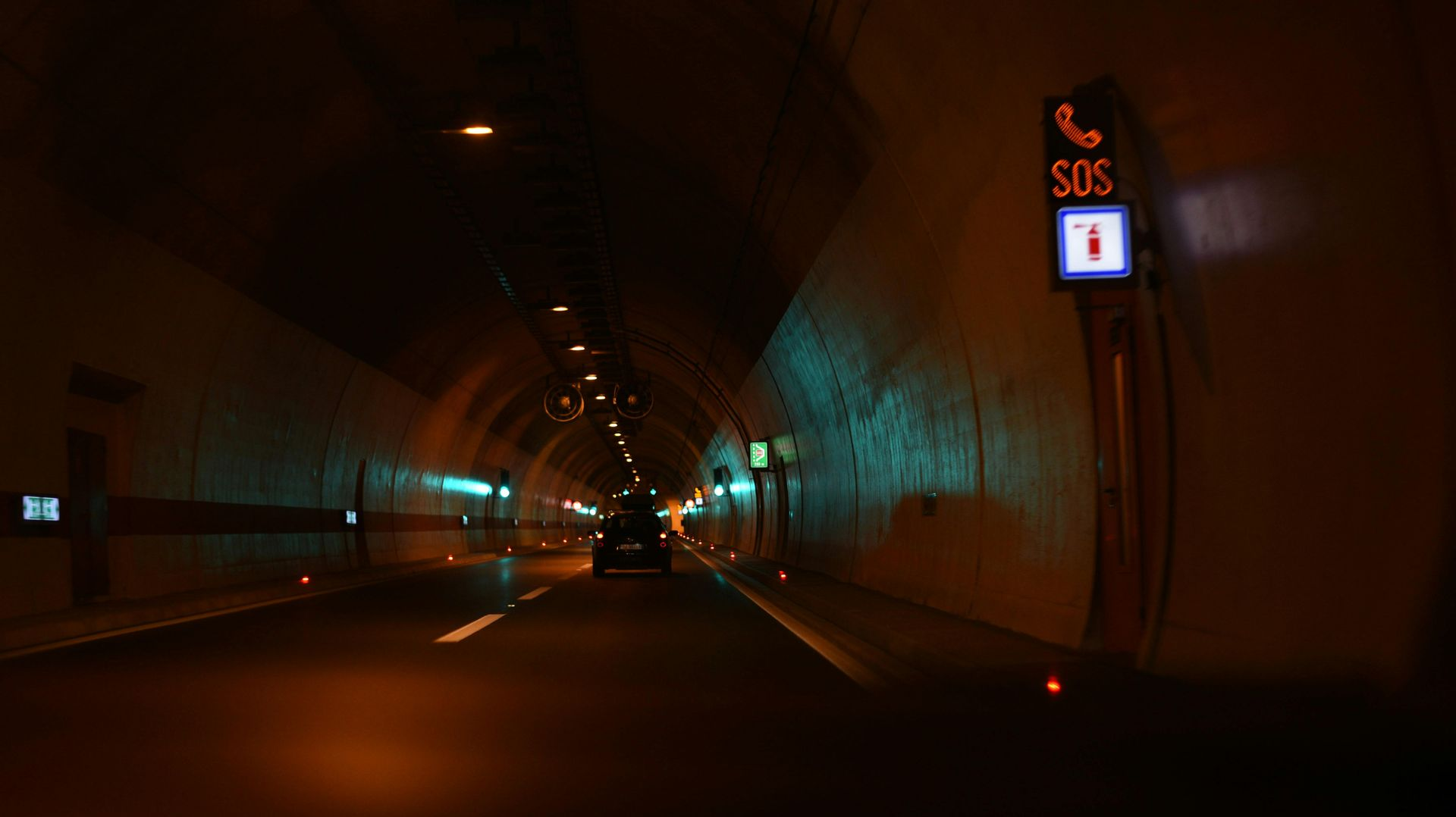
Car driving through a dark tunnel with emergency phone sign lit on the right.

Clima de natal e condições da estrada

A temporada de Natal costuma trazer condições climáticas imprevisíveis. Chuva, geada e, ocasionalmente, neve criam superfícies escorregadias que exigem tração confiável. Após o anoitecer, essas condições são mais difíceis de perceber e de reagir a tempo.


Pneus bem mantidos ajudam a escoar a água da área de contato e a manter a aderência em estradas molhadas ou com lama e neve derretida. Profundidade adequada da banda de rodagem e calibragem correta contribuem para um melhor controle quando a visibilidade é limitada e as condições da via mudam rapidamente.


Aumento do tráfego festivo à noite

As noites de dezembro costumam ser mais movimentadas do que o normal. Os motoristas saem mais tarde para participar de eventos festivos ou realizar compras de última hora. Esse aumento no tráfego eleva a probabilidade de paradas bruscas e manobras inesperadas.


Pneus em bom estado ajudam os veículos a responder de forma mais eficaz nessas situações. Frenagem confiável e comportamento previsível permitem que os motoristas mantenham o controle, mesmo quando os padrões de tráfego são imprevisíveis.

Night sky over trees, car headlights illuminate road, stars visible.

Inspeções de pneus como parte da preparação para as festas

A preparação para viagens de Natal geralmente inclui a verificação de luzes, fluidos e limpadores de para-brisa. Os pneus também devem fazer parte dessa lista. Uma inspeção profissional pode identificar problemas como desgaste irregular, pouca profundidade da banda de rodagem ou calibragem inadequada antes que se tornem situações mais sérias.


Na Raymond’s Tire Shop, trabalhamos regularmente com motoristas que se surpreendem com o quanto a condição dos pneus influencia a confiança ao dirigir à noite. Resolver essas questões antes do período mais movimentado das festas ajuda a reduzir o estresse e a melhorar a segurança durante toda a temporada.

Person in a cap looks at night city traffic. Cars on wet road, lit by streetlights. Bridge overhead.

Protegendo os passageiros e a tranquilidade

Dirigir durante as festas geralmente envolve transportar passageiros, presentes e bagagens. O peso adicional pode afetar o desempenho dos pneus e o comportamento de frenagem. Garantir que os pneus estejam corretamente especificados, bem calibrados e em boas condições contribui para uma viagem segura para todos no veículo.


Saber que os pneus estão preparados para as condições de inverno e para a condução noturna permite que os motoristas se concentrem na estrada, sem preocupações com a confiabilidade do veículo.


Uma forma mais segura de enfrentar a temporada de natal

O Natal é um período de encontros e viagens, mas não deve trazer riscos desnecessários. A condição dos pneus desempenha um papel fundamental no desempenho do veículo após o anoitecer, especialmente com o clima de inverno e o aumento do tráfego festivo.


Na Raymond’s Tire Shop, acreditamos que cuidar dos pneus antes das viagens de Natal é um passo prático para noites mais seguras na estrada. A manutenção adequada dos pneus promove controle, confiança e tranquilidade durante toda a temporada de festas e ao longo do novo ano.


Car driving on a foggy, dark road through a forest at night. Headlights illuminate the wet asphalt.
Cars driving on a wet city street at night. Rain reflects the blue and pink streetlights.
View from inside a car at night, looking at city lights. Red traffic lights glow.
Dark-colored SUV with cargo on its roof parked on a winding road at dusk; mountains in the background.
Nighttime aerial view of a winding road with blurred car lights snaking through a dark forest.
Car driving on a dirt road through a dark forest, with headlights illuminating the path.
October 7, 2026
Tire tread gets a lot of attention, but tread depth is not the only factor that matters. Tires also age . Even when a tire still has visible tread, the rubber compounds can gradually change over time because of heat, sunlight, weather exposure, and normal use. That is why knowing how to read the DOT date code can help drivers understand how old a tire really is.  The date code does not tell you everything about tire condition, but it provides an important piece of the overall picture.
October 1, 2026
A hard pothole impact can do more than damage a tire. The force can also bend a wheel, especially if the pothole is deep, the vehicle is moving quickly, or the tire has a lower-profile sidewall with less cushioning between the road and rim. Sometimes the damage is obvious. In other cases, the wheel may look normal but cause vibration, air loss, or handling problems.  Knowing what to watch for after a pothole strike can help drivers catch wheel damage before it creates additional tire or suspension problems.
September 23, 2026
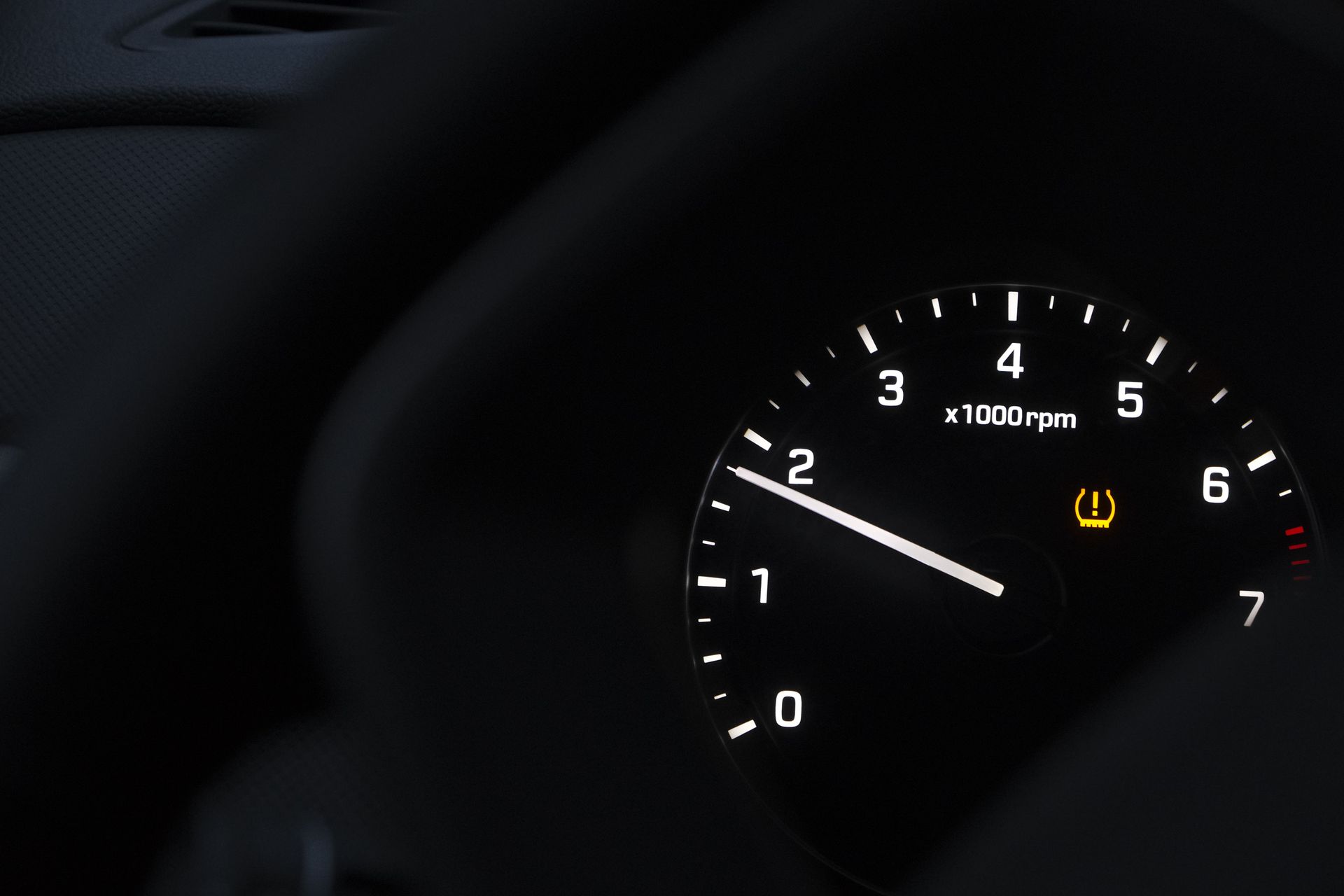
Most drivers are familiar with the tire pressure monitoring system , or TPMS, warning light. When it stays on steadily, it usually means one or more tires may be underinflated. A flashing TPMS light often means something different. Instead of simply warning about low tire pressure, a flashing light can indicate a problem with the monitoring system itself. That could involve a sensor, sensor battery, communication issue, or another TPMS-related fault.  Knowing the difference can help drivers avoid assuming that adding air will automatically solve the problem.
September 22, 2026
Tread depth is one of the first things drivers look at when deciding whether a tire still has life left. Deep grooves can make a tire appear healthy, especially if the vehicle is not driven very often. But tread is only part of the picture. Tires age even when they are not being used heavily. Over time, rubber compounds can harden, dry out, and become less flexible. That means an older tire may still have plenty of tread while no longer performing the way it did when it was newer. Rubber Changes With Age Tires are constantly exposed to oxygen, heat, sunlight, moisture, and changing temperatures. Those conditions gradually affect the rubber. As a tire ages, the material can lose some of its elasticity. That may reduce its ability to flex properly as it rolls and responds to the road. A tire that looks acceptable at a quick glance may therefore be significantly older than its appearance suggests. This is especially important for vehicles that accumulate very few miles each year.
September 11, 2026
A flat tire does not always mean the tire has to be replaced. In many cases, a small puncture can be repaired safely and returned to service. The key is where the puncture occurred, how large it is, and whether the tire suffered additional damage while losing air. That is why a professional inspection matters. Two punctures that lo ok similar from the outside may require completely different solutions once the tire is removed and examined internally. Location Matters Most One of the first things a technician looks at is where the puncture is located. Damage in the central tread area is often the best candidate for repair. This part of the tire is designed to handle contact with the road and can sometimes be repaired when the puncture is small and otherwise straightforward. Punctures near the shoulder or sidewall are much more concerning.  These areas flex significantly while the tire is moving and cannot usually be repaired safely using standard puncture-repair methods. If a nail, screw, or other object damages the sidewall or outer shoulder, replacement is often the safer option.
September 6, 2026
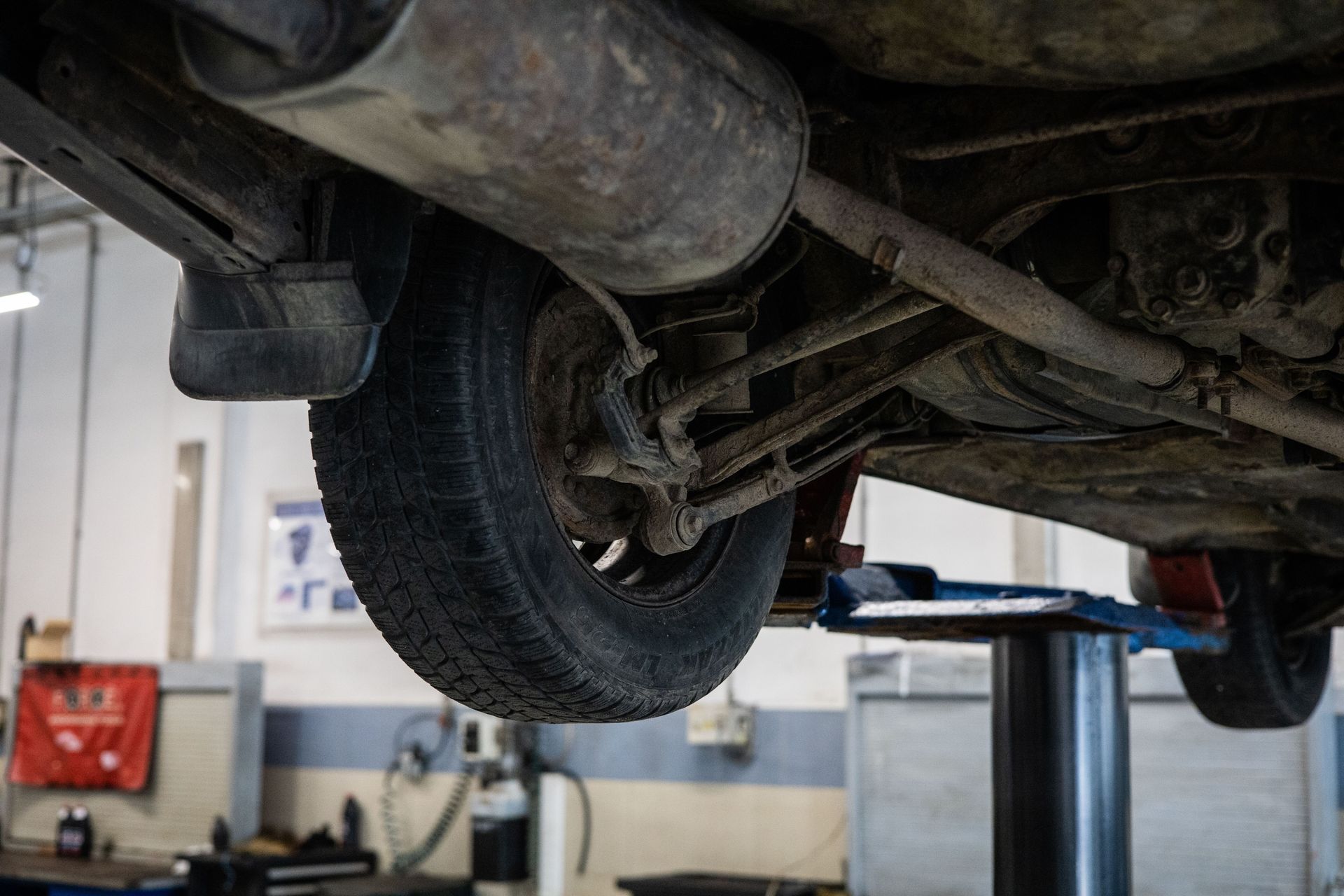
A wheel alignment can correct important steering and tire-angle settings, but the alignment itself depends on the suspension being in good mechanical condition. If ball joints, tie rods, control arm bushings, wheel bearings, or other components are worn, the wheels may not stay in the position the technician sets.  That is why some vehicles continue pulling , wearing tires unevenly, or developing an off-center steering wheel even after an alignment. In those cases, the problem may not be the alignment machine or the adjustment. It may be worn suspension or steering components underneath the vehicle.